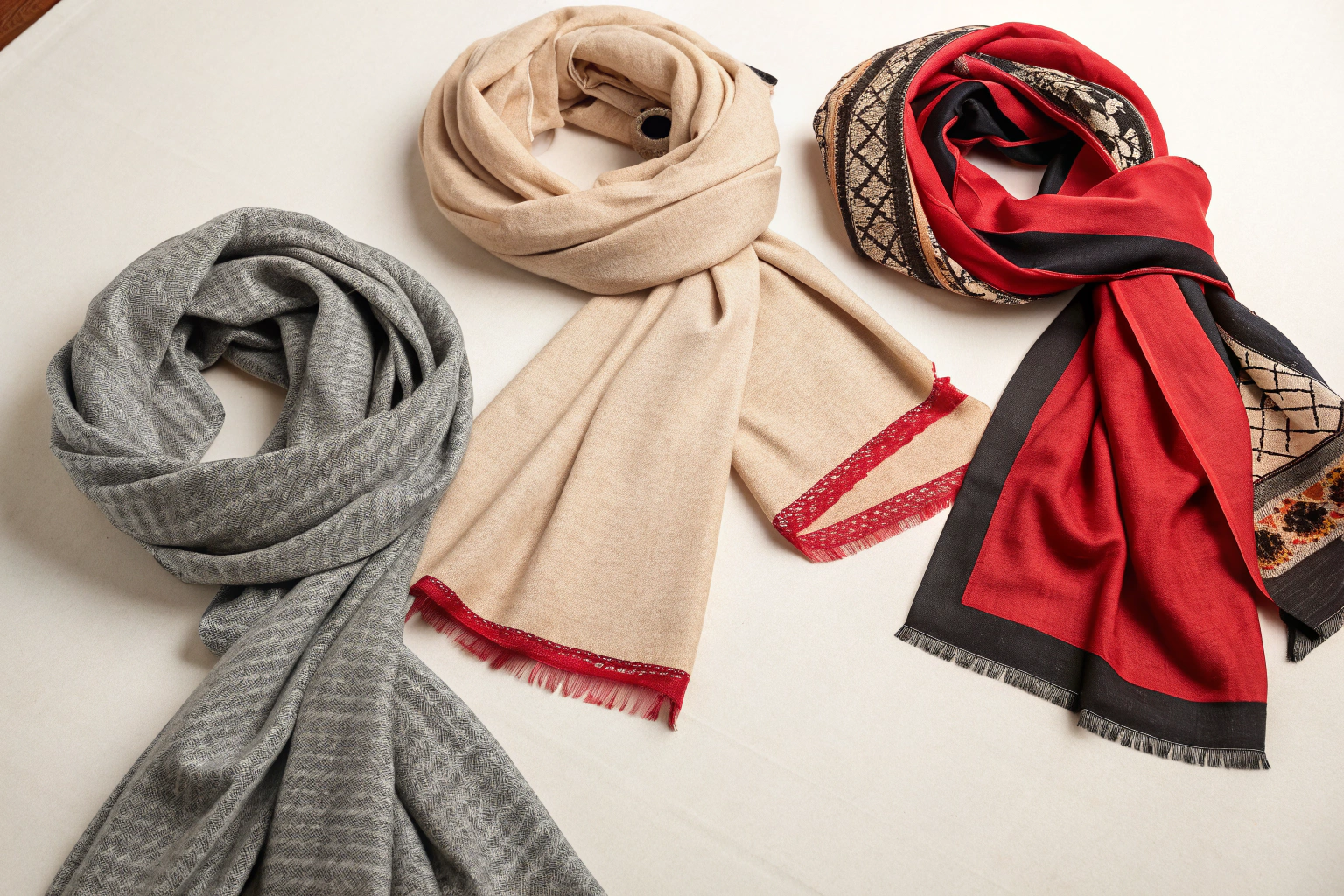
I've been making scarves for decades, and I can tell you that sometimes the smallest detail makes the biggest difference. A scarf is a simple rectangle of fabric, but the way it's finished can completely transform its look. Right now, in 2026, that finishing detail is all about the edge. Scarves with contrasting edges are absolutely everywhere, and buyers like Ron are seeing demand for them skyrocket.
At first glance, it might seem like a small thing. But that thin line of contrasting color does something magical. It frames the face. It adds a graphic, architectural element to a soft, fluid accessory. It makes the whole scarf look more intentional, more designed, more special. It's a subtle detail that has a huge impact. And in a world where consumers are looking for ways to express their individuality, these small, distinctive touches matter more than ever.
At Shanghai Fumao Clothing, we've been producing scarves with contrasting edges for years, but the current demand is unlike anything we've seen before. Our design team is constantly experimenting with new color combinations and edge finishes. Our production team has perfected the techniques to make these edges clean, precise, and durable. In this post, I'll explain why this trend has taken off in 2026 and how you can incorporate it into your own collections.
What Makes A Contrasting Edge So Visually Appealing?
The appeal of a contrasting edge is rooted in basic principles of design. It's about creating definition and visual interest. A solid-color scarf, while classic and versatile, can sometimes feel a little flat. The eye travels over it without a specific place to land. A contrasting edge changes that. It creates a clear boundary, a frame that draws the eye and gives the whole piece structure.
Think of it like a picture frame. A beautiful painting is enhanced by the right frame. The frame doesn't compete with the art; it complements it and gives it definition. The same is true for a scarf. The contrasting edge acts as a frame for the face, drawing attention upwards and adding a touch of graphic sophistication. It's a simple but incredibly effective design trick. For more on color theory and design principles, resources like Adobe Color and design blogs can be very helpful.
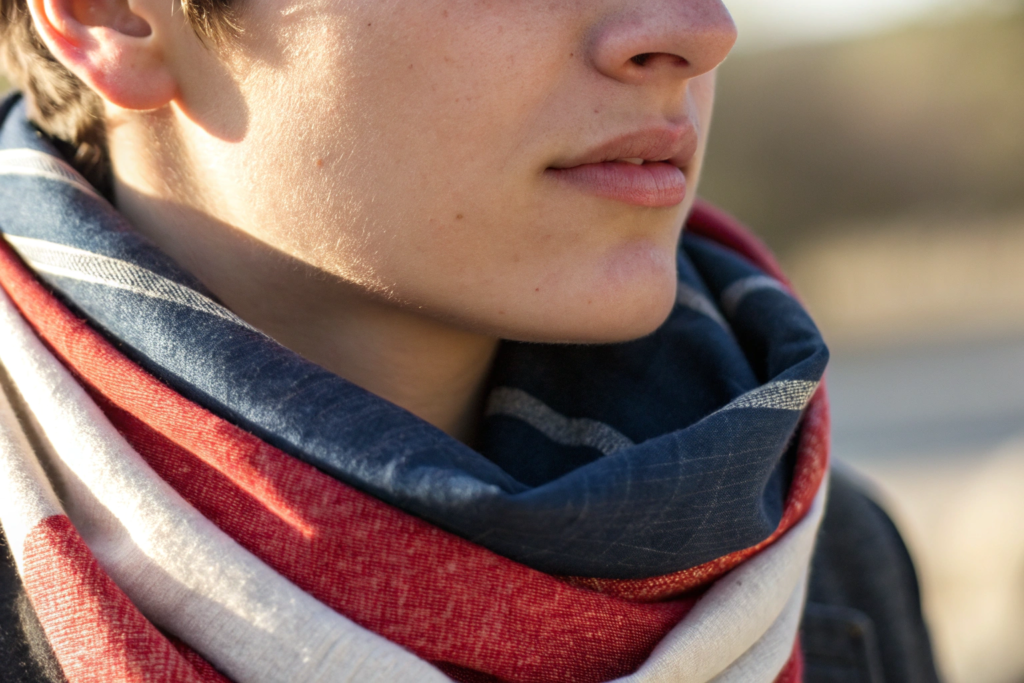
How does a contrasting edge frame the face?
This is perhaps the most important functional benefit of a contrasting edge. When you wear a scarf, especially wrapped closely around the neck, the edge is the part that sits closest to your face. If the edge is the same color as the rest of the scarf, it blends in. If the edge is a contrasting color, it creates a distinct line that visually separates the scarf from your skin and your outfit.
This line acts as a frame, drawing the eye to your face. It can make your complexion appear brighter and your features more defined. A bold, dark edge on a light scarf can be particularly striking. A soft, pastel edge on a neutral scarf can add a touch of romance. The effect is subtle but powerful. It's one of the reasons why stylists and fashion-conscious consumers love this detail. A scarf with a contrasting edge is an instant face-framer.
What role does color theory play in choosing edge contrasts?
Color theory is the secret sauce behind a successful contrasting edge. The choice of contrast can completely change the mood and style of the scarf. Here are a few classic approaches:
- Complementary Colors: Using colors that are opposite each other on the color wheel (like blue and orange, or purple and yellow) creates a vibrant, energetic, and eye-catching contrast. It's bold and modern.
- High-Contrast Neutrals: A classic black edge on a white or cream scarf is timeless, graphic, and incredibly versatile. It works with almost any outfit. A navy edge on a beige scarf is another sophisticated neutral option.
- Tonal Contrast: Using a darker or lighter shade of the same color family creates a more subtle, sophisticated, and elegant contrast. For example, a deep burgundy edge on a soft pink scarf. It adds definition without being overly bold.
- Pop of Color: Using a bright, unexpected color as the edge on a neutral scarf (like a fuchsia edge on a grey scarf) adds a fun, playful, and modern twist. It's a great way to introduce a signature brand color.
The possibilities are endless, and the choice of contrast is a key part of the design. Our design team can help you select the perfect combinations for your collection.
What Are The Different Types Of Contrasting Edge Finishes?
A contrasting edge is not just one thing. There are several different ways to achieve this effect, each with its own unique look and feel. The choice of technique depends on the fabric, the desired aesthetic, and the production method. Some edges are created during the weaving or knitting process. Others are added afterwards as a separate trim. Understanding these different types is key to designing the perfect scarf.
At our factory, we have mastered all of these techniques. We can create a contrasting edge on almost any type of scarf, from lightweight silks to chunky wools. The key is to choose the right method for the material and the desired effect. For more on textile finishing techniques, publications like Textile World are excellent resources.
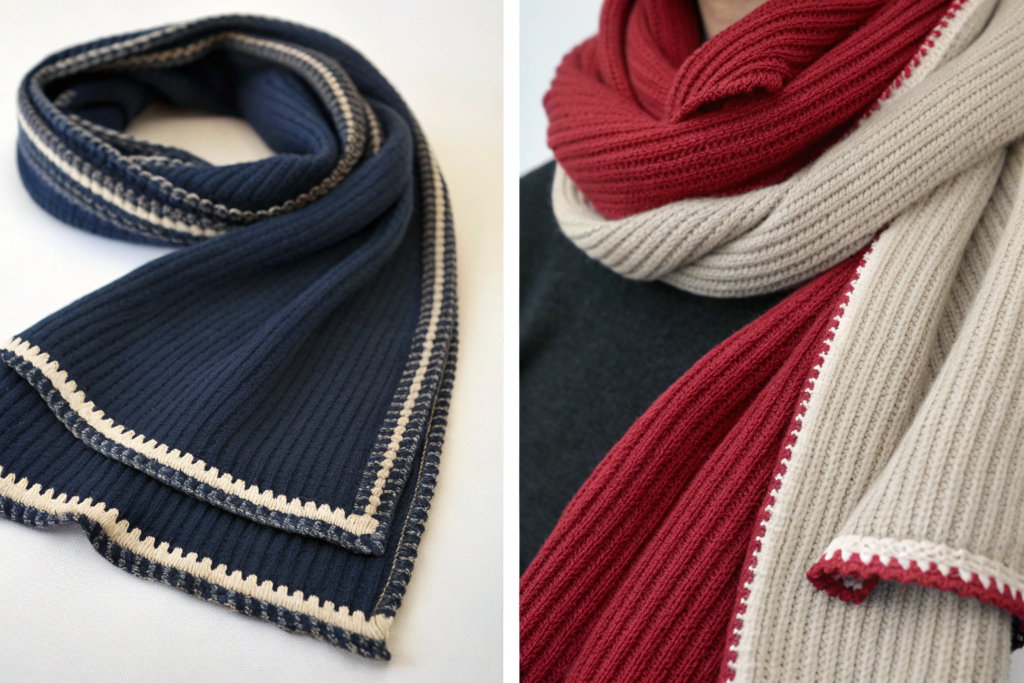
What is a contrasting ribbed edge on a knit scarf?
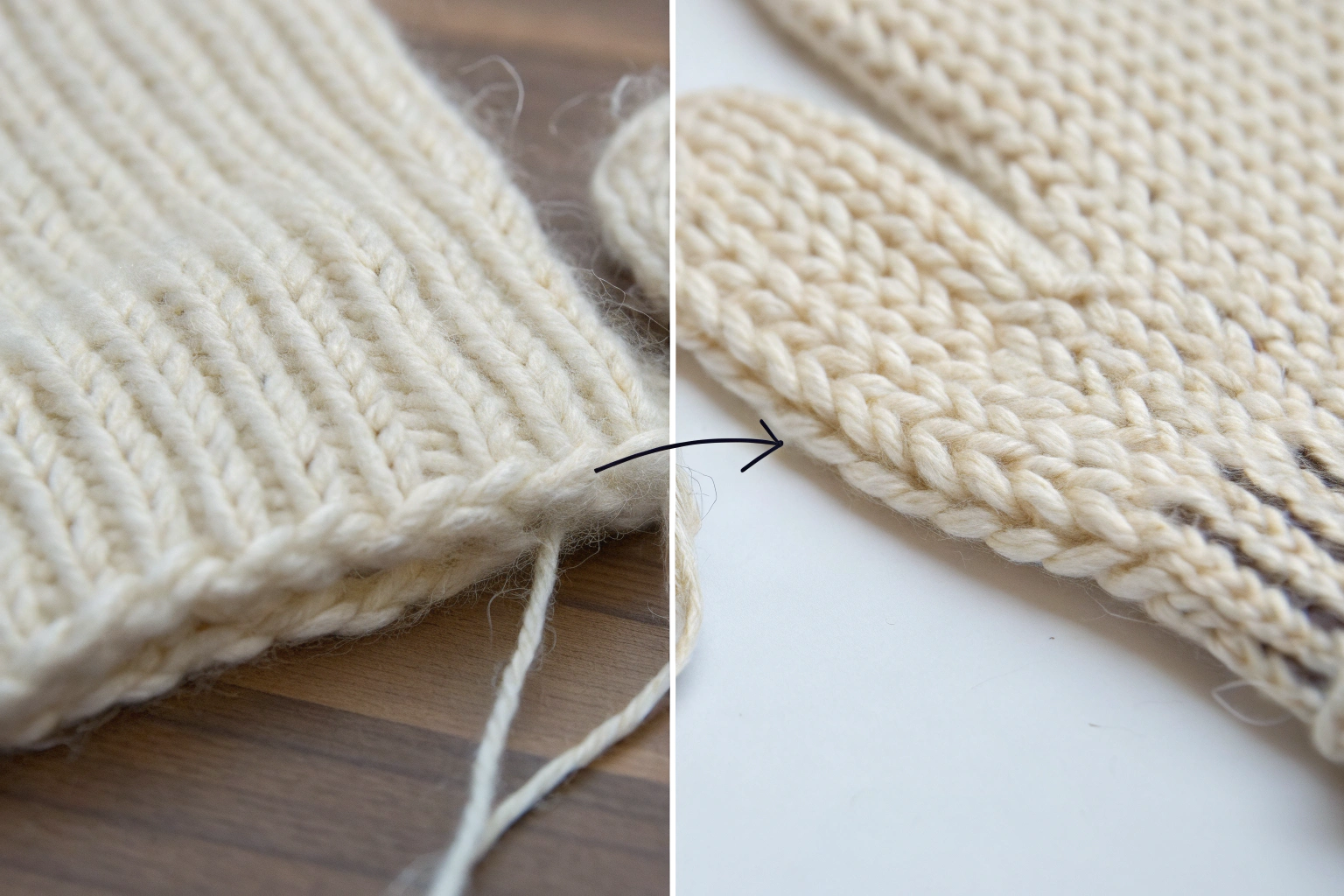
On a knit scarf, the edge is often created as part of the knitting process itself. A common technique is to knit the main body of the scarf in one stitch pattern (like stockinette) and then knit the last few inches at each end in a different stitch, most commonly a rib stitch. This creates a naturally contrasting texture.
But the contrast doesn't have to be just textural. It can also be color-based. By changing the yarn color for the ribbed sections, you create a bold, graphic contrast. The ribbed edge also has a practical benefit: it's more elastic and helps the scarf ends lie flat and not curl. This combination of visual appeal and function makes contrasting ribbed edges incredibly popular for knit scarves, beanies, and gloves.
How is a contrasting fabric trim or border applied?
For woven scarves, like those made from silk, cotton, or wool, a contrasting edge is often created by sewing on a separate fabric trim or border. This could be a strip of the same fabric in a different color, a strip of a completely different material (like velvet or leather), or even a decorative braid or ribbon.
This technique offers immense flexibility. The trim can be any width, from a thin, delicate piping to a wide, statement border. It can be applied to just the ends, or all the way around the entire scarf. It allows for endless creativity and customization. A silk scarf with a velvet trim edge is the epitome of luxury. A cotton scarf with a colorful, hand-woven trim has a beautiful, artisanal feel. This is a technique we use frequently for our higher-end and more design-focused pieces.
How Do Contrasting Edges Enhance Styling Versatility?
One of the biggest reasons for the popularity of contrasting-edge scarves is their incredible styling versatility. A scarf with a distinctive edge offers more opportunities for creative styling than a plain scarf. You can choose to feature the edge prominently, or you can let it be a subtle accent. This adaptability makes it a favorite among fashion enthusiasts who love to experiment with their looks.
The edge becomes a tool for personal expression. You can wear the scarf in a way that shows off the contrast, or you can use it to add a unexpected flash of color to an outfit. It's this versatility that makes the scarf a high-value item in any wardrobe. For styling inspiration, platforms like Pinterest and TikTok are filled with creative ideas.
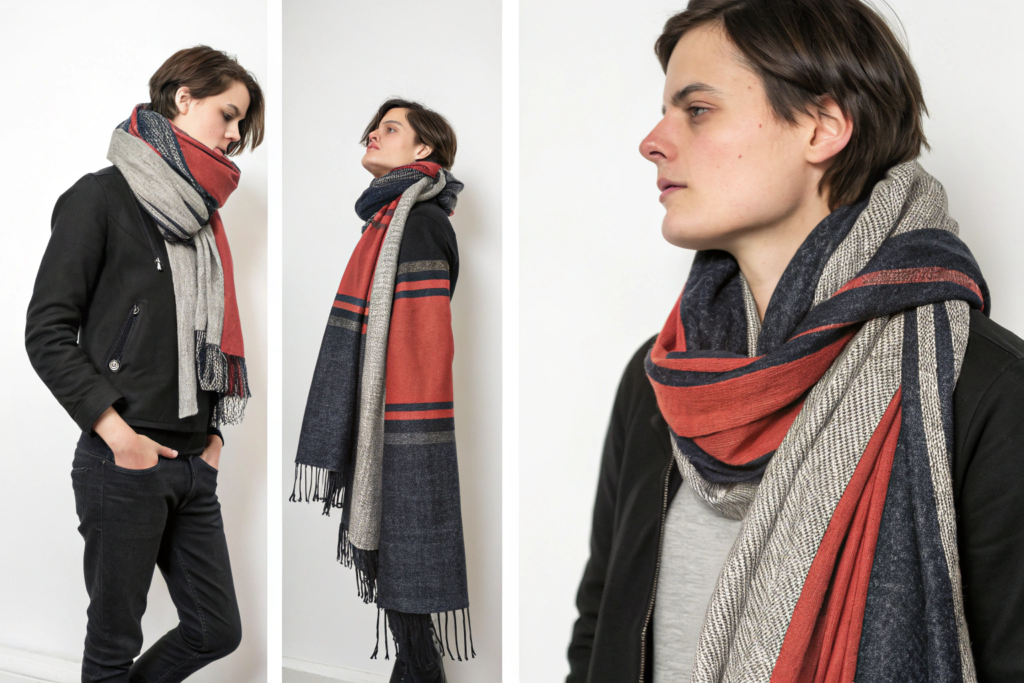
How can you style a scarf to highlight the contrasting edge?
There are countless ways to make the contrasting edge the star of your look:
- The Classic Drape: Simply drape the scarf around your neck with the ends hanging down in front. The contrasting edges will be clearly visible at each end, framing your outfit.
- The Front Knot: Tie the scarf in a loose knot at the front of your neck. The contrasting edges will dangle down and draw the eye.
- The Side Sweep: Drape the scarf so that one end is longer than the other, and sweep the longer end over your opposite shoulder. This creates a diagonal line and showcases the edge beautifully.
- The Belted Scarf: Wear a larger scarf as a shawl or wrap, and cinch it at the waist with a belt. The contrasting edges will be visible along the front opening.
- The Headscarf: Fold a square scarf into a triangle and tie it around your head. The contrasting edge, if placed along the fold or the tie, adds a beautiful detail.
The key is to experiment and have fun. The contrasting edge gives you a visual element to play with.
Can a contrasting edge make a scarf work for multiple seasons?
Yes, absolutely. The choice of edge color can help a scarf transition between seasons. For example, a lightweight cotton scarf in a neutral cream color with a vibrant, sunny yellow edge feels perfect for spring and summer. The yellow edge adds a pop of seasonally appropriate color.
The same scarf in the same cream color, but with a rich, burgundy or forest green edge, feels much more autumnal or wintery. The edge color sets the tone. This means that a carefully chosen contrasting edge can extend the wearability of a scarf, making it a more versatile and valuable piece in a consumer's wardrobe. It's a smart design strategy that benefits both the brand and the customer.
How Are Contrasting Edges Being Used In 2026 Trends?
In 2026, the contrasting edge trend has evolved beyond simple color blocking. Designers are experimenting with new materials, new techniques, and new ways to make this detail feel fresh and exciting. It's no longer just about a different color; it's about texture, pattern, and unexpected combinations. The edge has become a canvas for creativity.
We are seeing this trend play out across all price points, from fast fashion to luxury. It's a versatile detail that can be adapted to any brand's aesthetic. At our factory, we are constantly developing new edge finishes to meet this demand. For the latest in fashion trends, resources like WGSN and Vogue Runway are essential.
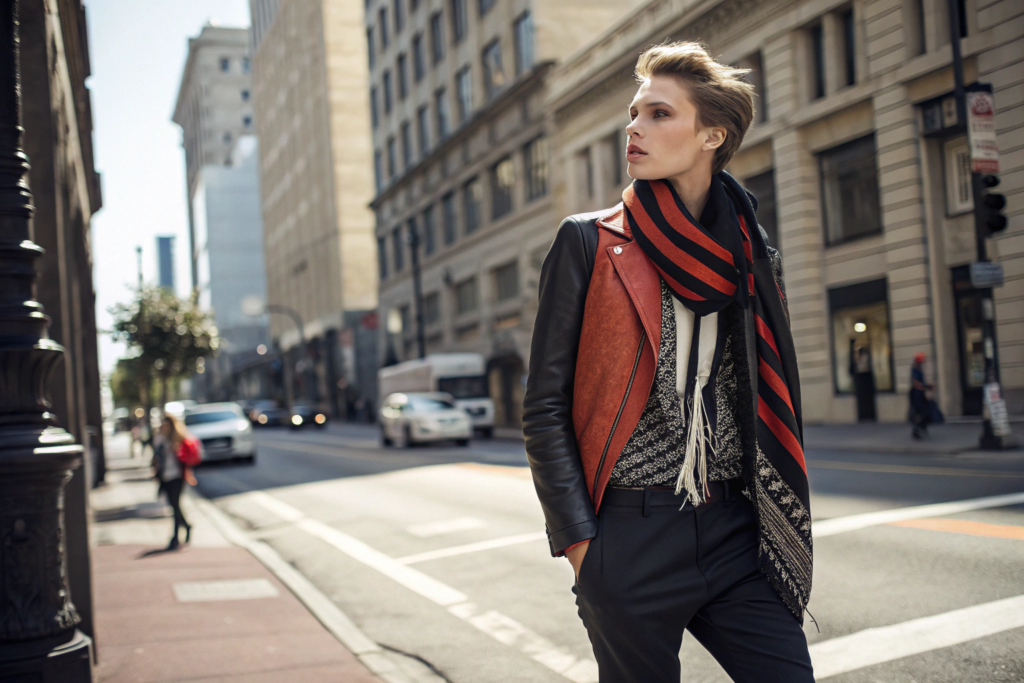
What are the boldest color combinations for 2026?
In 2026, we are seeing a move towards both bold, clashing contrasts and sophisticated, tonal ones.
- Neon on Neutral: A shock of neon pink, green, or orange on a neutral base of grey, beige, or black is a huge trend. It's an easy way to add a trendy, energetic pop to a classic scarf.
- Metallic Edges: A thin edge of gold or silver metallic thread on a solid-color scarf adds a touch of glamour and elegance. It's perfect for evening wear or for elevating a casual look.
- Unexpected Pairings: Designers are experimenting with unusual color combinations, like a deep teal edge on a terracotta scarf, or a mustard yellow edge on a lavender base. These unexpected pairings feel modern and artistic.
- Tonal Depth: On the other end of the spectrum, we are seeing beautiful, subtle contrasts using different shades of the same color. A navy edge on an indigo scarf, or a charcoal edge on a heather grey scarf, adds depth and sophistication without being loud.
The key is to be intentional and to choose combinations that reflect your brand's identity.
How are different textures being used for edge contrast?
Texture is becoming just as important as color in edge design. A contrasting edge can be created not just with a different color, but with a completely different material or texture. This adds a tactile dimension to the scarf that is incredibly appealing.
- Leather Trim: A soft, supple leather trim on a wool or cashmere scarf adds an edgy, luxurious, and unexpected detail. It's a sophisticated contrast of textures.
- Faux Fur Edge: A band of faux fur at the ends of a knit scarf adds a touch of glamour and extreme coziness. It's a bold, textural statement.
- Suede or Velvet: A velvet or suede edge on a silk scarf adds a beautiful, tactile contrast and a sense of vintage luxury.
- Beaded or Embroidered Edge: For a truly artisanal look, the edge can be embellished with beads, sequins, or embroidery. This creates a stunning, one-of-a-kind piece.
These textural contrasts add another layer of interest and make the scarf a true statement accessory. A scarf with a leather trim edge is a perfect example of this trend.
Conclusion
The popularity of scarves with contrasting edges in 2026 is a testament to the power of thoughtful design. This simple detail transforms a basic accessory into something special. It frames the face, adds visual structure, and offers endless styling possibilities. Whether through bold color combinations, subtle tonal variations, or unexpected textural contrasts, the contrasting edge allows for creativity and personal expression. It's a trend that has proven its staying power by being both versatile and endlessly adaptable.
At Shanghai Fumao Clothing, we are experts in creating scarves with beautiful, precise contrasting edges. Our factory in Zhejiang produces scarves in every material imaginable, from delicate silks to cozy cashmeres. Our skilled artisans and modern machinery can execute any edge finish you can dream up, from a simple color change in the knit to a complex, hand-applied trim. Our experienced project managers will guide you through the entire process, helping you select the perfect materials and colors for your collection.
If you're ready to add the stylish detail of a contrasting edge to your scarf line, let's talk. Please contact our Business Director, Elaine, at elaine@fumaoclothing.com. We'll help you create scarves that stand out from the crowd.