As a manufacturer of seasonal accessories, we see the pattern appear in our client requests like clockwork. From scarves and blankets to hair accessories and bags, plaid is the unmistakable signal that the holiday season has arrived. But what is it about this intersecting line design that feels so inherently festive? The answer is a rich tapestry woven from history, psychology, and timeless design.
Plaid patterns are a holiday classic because they are a visual shorthand for warmth, tradition, and cozy comfort. Their origins in practical winter clothing, their association with rustic, familial gatherings, and their strong nostalgic pull combine to create a pattern that feels both familiar and celebratory. In a season focused on hearth and home, plaid’s structured, warm aesthetic perfectly captures the holiday spirit.
Every autumn, our design team at Shanghai Fumao Clothing begins working on the next season's plaid patterns. We analyze color trends—will burgundy or emerald be dominant this year?—and experiment with scale on different products, from fine-checked hair ribbons to bold buffalo-check throw blankets. This isn't just about following a trend; it's about understanding a deep-seated cultural tradition. The demand from our clients, from large American supermarkets to European fashion brands, confirms that plaid is not a passing fad but a perennial pillar of holiday design.
What are the historical roots of plaid as a winter symbol?
Plaid's holiday association begins with its fundamental purpose: providing warmth. Long before it was decorative, it was utilitarian, born from the necessity of surviving cold winters in Northern climates.
The holiday plaid we recognize today primarily descends from two key historical threads: the Scottish tartan and the North American lumberjack or buffalo check. Both are stories of communities using woven wool patterns for protection and identity in harsh winter landscapes.
How did Scottish tartan transition to holiday decor?
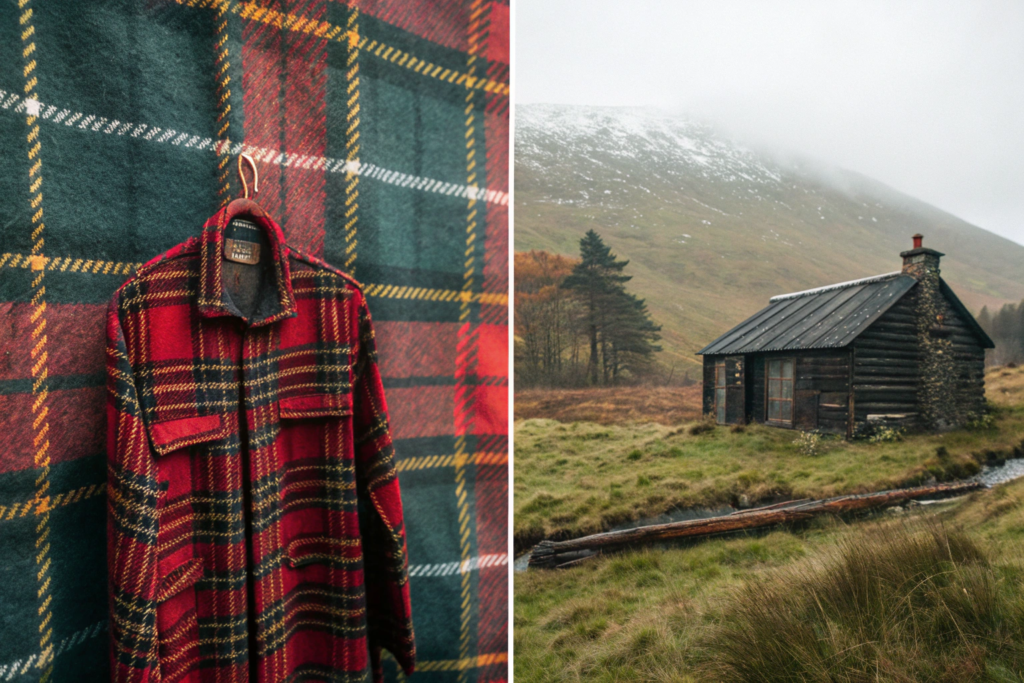
Tartan, the specific crisscrossed pattern associated with Scottish clans, was originally woven from sturdy wool to create kilts and plaids (outer garments) that withstood the damp, cold Highland climate. Its connection to holiday warmth is indirect but profound. In the 19th century, Queen Victoria's romanticization of Scottish culture, epitomized by her retreat at Balmoral Castle, made tartan fashionable among the British elite. It became linked with grand, festive country gatherings and winter retreats. This association of a specific woven wool fabric with elite winter leisure and familial estates planted the seed for plaid's future as a symbol of cozy, celebratory gatherings. Institutions like the National Museum of Scotland detail how tartan evolved from regional dress to a global textile phenomenon.
Why is "lumberjack plaid" a staple of cozy imagery?
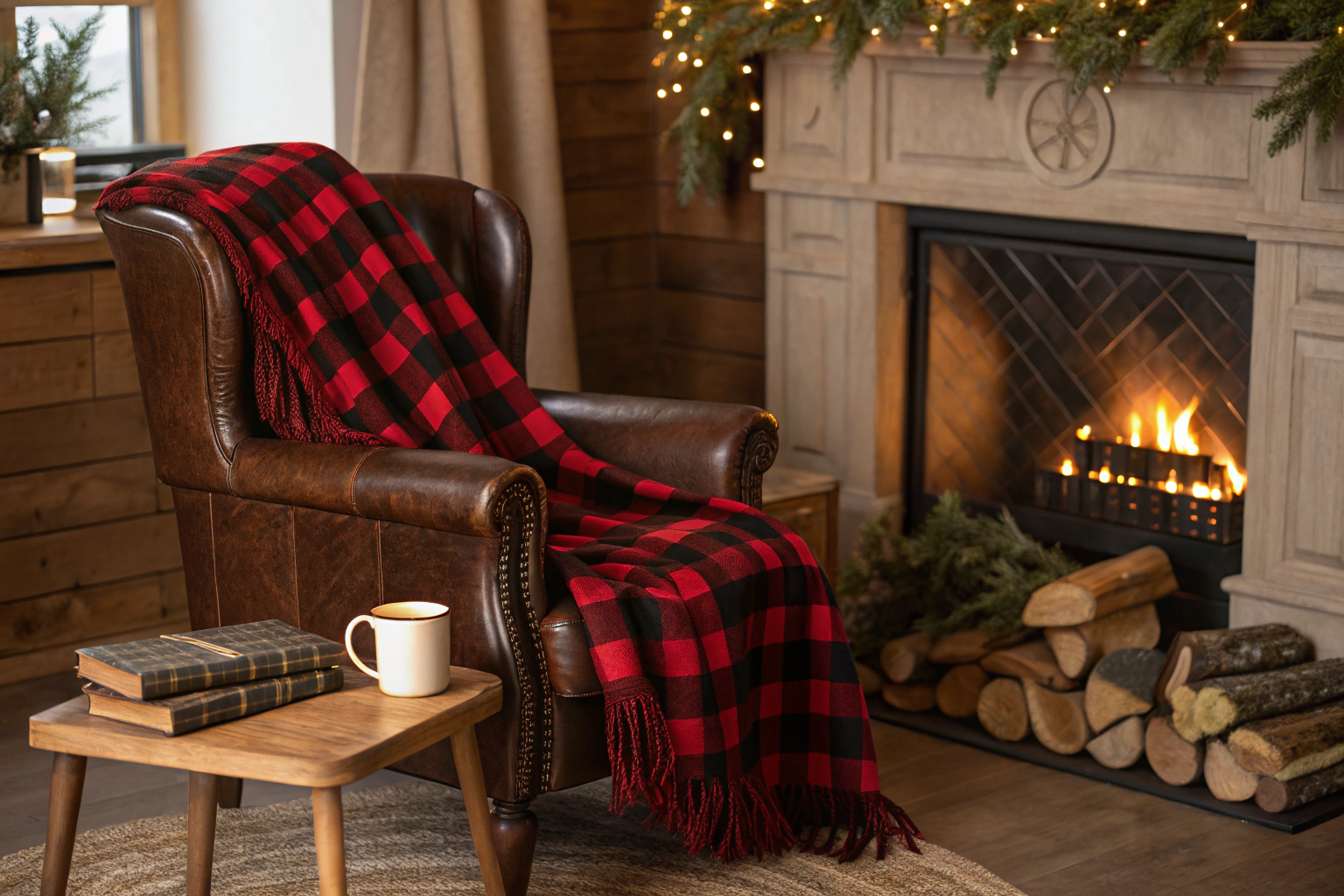
The simplified, often two-color buffalo check (most famously red and black) tells a more democratic story of winter warmth. It was the uniform of North American frontiersmen, railroad workers, and lumberjacks—people who worked outdoors in freezing conditions. Its rugged, hearty practicality was later adopted as a symbol of rustic relaxation and family-focused cabin life. This imagery was perfectly absorbed into the mid-20th century ideal of a family Christmas: simple, honest, and centered around a warm hearth. The pattern's bold graphic quality made it ideal for mass production, appearing on everything from holiday pajamas to tablecloths. Brands like L.L.Bean, built on a foundation of durable, rustic apparel, helped cement this plaid as an icon of winter comfort and Americana.
How does plaid create a feeling of holiday comfort?
Beyond its history, plaid's power is psychological. It operates on our senses and emotions, creating an immediate atmosphere that aligns perfectly with the holiday ethos of nostalgia, security, and joy.
Plaid patterns offer visual stability through their predictable, geometric repetition. In the often chaotic holiday season, this order is subconsciously calming. Furthermore, its overwhelming use on soft, tactile materials like flannel, fleece, and wool directly links the pattern to the physical sensation of warmth and softness.

Why does our brain find plaid patterns soothing?
Neuroscience suggests that the human brain seeks patterns and finds comfort in predictable, repetitive structures. The grid-like nature of plaid provides this visual order. During the holidays, when routines are disrupted and environments can be overstimulating, surrounding ourselves with this orderly pattern can create a subconscious anchor of calm. It organizes visual space in a familiar, non-threatening way. This concept is supported by principles in environmental psychology, which studies how our surroundings impact our mental state. A predictable pattern like plaid can reduce cognitive load, making a space feel more serene and managed—exactly the feeling we want in a holiday home.
How does plaid trigger nostalgia and tradition?
Plaid is a powerful nostalgia trigger. For generations, it has been consistently used in holiday marketing, movies, and decor. Seeing it instantly recalls childhood memories of family gatherings, gift-giving, and festive meals. It acts as a visual tradition, a ritualistic decoration that connects the present to past celebrations. Using a plaid table runner or wearing a plaid scarf is a way of participating in a shared, timeless holiday experience. This emotional connection is a key driver in consumer behavior during the holidays, where purchasing decisions are heavily influenced by the desire for warmth, belonging, and positive emotional resonance.
How is plaid utilized in modern holiday products?
Today, plaid is a versatile design engine for the global holiday market. It is adapted across countless product categories, constantly refreshed while retaining its core identity. For a manufacturer like Shanghai Fumao Clothing, mastering plaid is about balancing tradition with innovation.
The application ranges from the faithfully traditional to the fashionably contemporary, ensuring the pattern remains relevant for diverse audiences and retail environments.
What are the most popular plaid product categories?
In our factory, production for these categories surges with plaid variants:
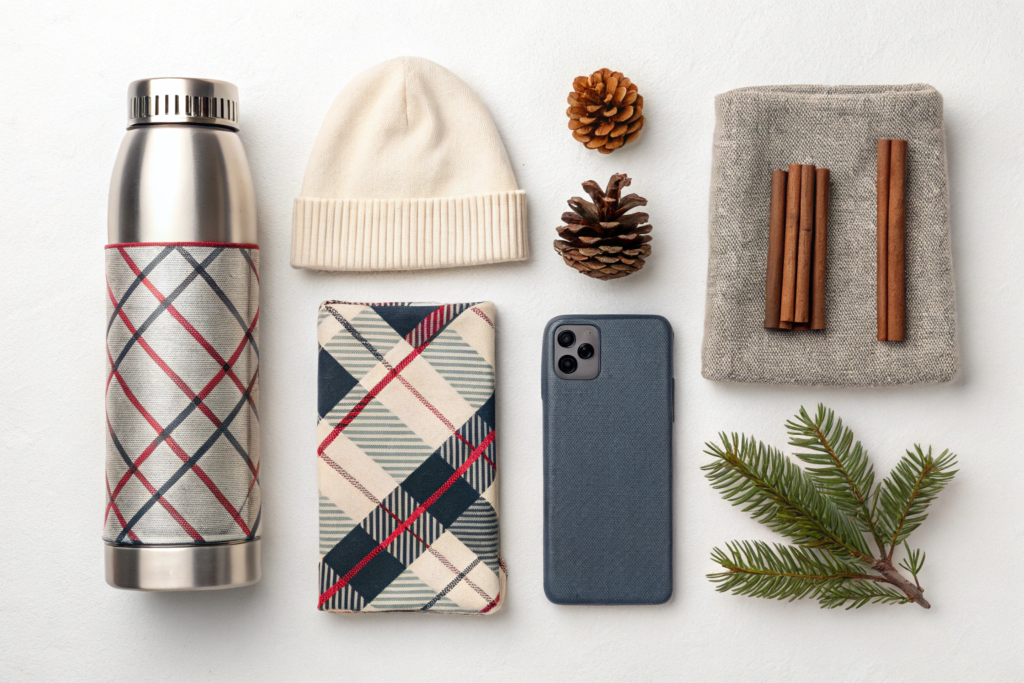
- Soft Accessories: Scarves, blankets, gloves, and knit hats. These items are the frontline of personal coziness.
- Home Textiles: Pillow covers, tree skirts, and kitchen towels. They are essential for transforming a living space.
- Gift Presentation: Wrapping paper, gift boxes, and ribbons. Plaid makes the act of giving visually festive.
- Seasonal Apparel: Pajama sets, socks, and casual shirts. These promote the shared, relaxed experience of the holiday at home.
For us, the manufacturing focus is on selecting the right base material—like a premium cotton flannel for comfort or a durable polyester blend for vibrant color—and ensuring the print or weave of the plaid is sharp and colorfast.
How do designers reinvent plaid each year?
To prevent staleness, designers innovate within the classic framework. The most common methods are:
- Color Shifts: Moving beyond classic red and green to palettes like navy and cream, burgundy and gold, or even pastel "gingham" checks.
- Scale Play: Using giant, dramatic checks on a throw blanket or tiny, delicate checks on a hair bow.
- Material Contrast: Applying plaid to unexpected surfaces like metallic foil for cards, clear acrylic for ornaments, or silicone for drinkware.
Trend forecasting agencies like Pantone play a role by announcing seasonal color palettes that influence which plaid colorways will feel most current, ensuring this traditional pattern always has a contemporary expression.
Why has plaid become a global holiday language?
Plaid’s status as a holiday classic is not limited to its countries of origin. It has become a near-universal symbol, spread through the powerful channels of globalized media and commerce.
The imagery of a "Western" Christmas, heavily featured in globally exported films, music, and advertising, has made plaid a recognizable component of seasonal festivity worldwide.

How has media exported the plaid holiday aesthetic?
From classic films like It's a Wonderful Life to modern Hallmark movies and global advertising campaigns by brands like Coca-Cola, plaid is consistently used in set design and costuming to instantly establish a cozy, festive, familial setting. This repetitive visual storytelling has educated a global audience. Even in cultures with their own deep winter traditions, plaid is often incorporated as a fashionable or decorative element symbolizing a "global" or "festive" winter celebration, blending with local customs.
How does global manufacturing reinforce this trend?
As an exporter, we see the demand for plaid-themed goods from clients in over 20 countries. This creates a self-reinforcing cycle: global media creates demand, international retailers source products to meet it, and factories like ours produce those goods at scale. A plaid scarf designed in Sweden might be manufactured in our facility in Zhejiang and sold in department stores across the U.S. and Europe. This widespread availability ensures the pattern's continuous presence and relevance. Companies like Shanghai Fumao Clothing are integral to this cycle, providing the reliable, quality manufacturing that allows brands worldwide to participate in this timeless trend.
Conclusion
Plaid remains a holiday classic because it successfully encodes complex feelings—of warmth, tradition, nostalgia, and shared joy—into a simple, recognizable pattern. Its journey from the functional clothing of Scottish clans and Canadian lumber camps to the heart of global holiday decor is a testament to its powerful and adaptable symbolism.
It is more than a decoration; it is a non-verbal cue that tells a story of coming together, finding comfort, and celebrating light in the depth of winter. In the fast-changing world of fashion, plaid's steadfast annual return is a comforting constant.
If your brand is looking to harness the timeless appeal of plaid in your next holiday accessory or home goods collection, partnering with an experienced manufacturer is key. We can help you navigate material choices, color trends, and production details to create products that resonate deeply with consumers. Contact our Business Director Elaine at elaine@fumaoclothing.com to discuss how we can bring your holiday vision to life.