The fashion accessories industry is undergoing a significant transformation, moving away from rigid, single-purpose items toward adaptable, multi-functional designs. Traditional accessories often prioritized aesthetic consistency over practical versatility, resulting in beautiful but limited pieces that served specific functions in specific contexts. Consumers increasingly seek accessories that adapt to their dynamic lifestyles, multiple use cases, and evolving fashion preferences.
Modern accessories are enhancing flexibility through modular designs, adaptive materials, convertible functionalities, and smart technologies that allow single items to serve multiple purposes across different contexts. This shift responds to consumer demands for versatility, sustainability, and personalization while addressing practical needs for comfort, functionality, and value optimization in fashion investments.
Let's explore the key drivers and technological innovations enabling this movement toward more flexible, adaptable accessory designs.
How are modular designs creating versatile accessory systems?
Traditional accessories function as complete, fixed entities with predetermined forms and uses. While aesthetically coherent, this approach limits how consumers can use and interact with their accessories, often requiring multiple specialized items for different occasions or functions.
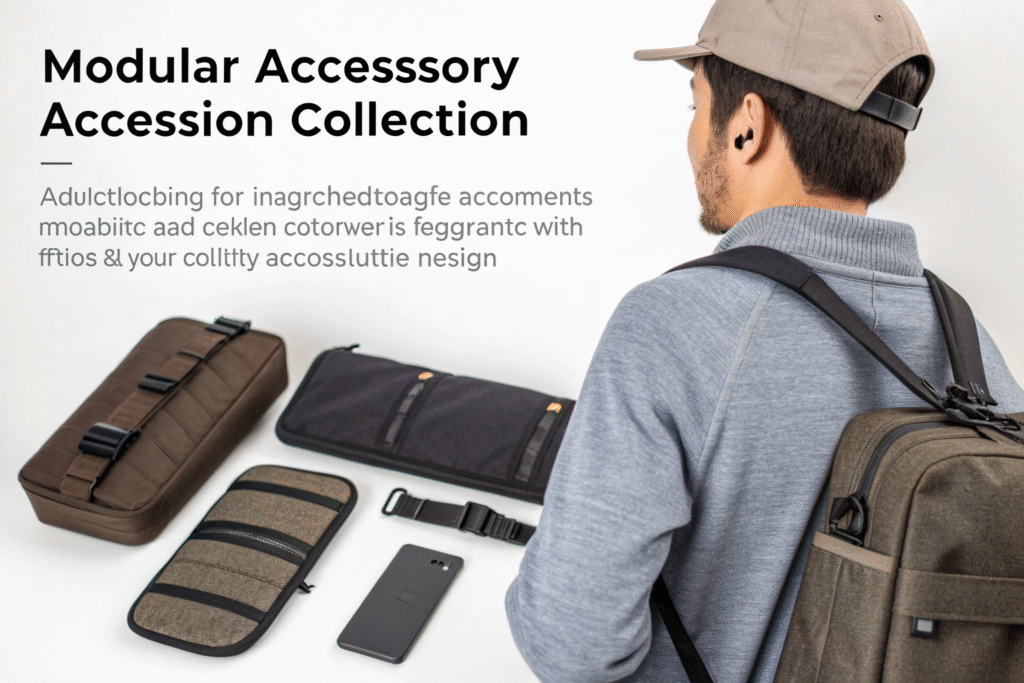
Modular design principles transform accessories into customizable systems where components can be rearranged, replaced, or expanded to create different looks and functionalities from the same core pieces.
What makes modular jewelry systems so adaptable?
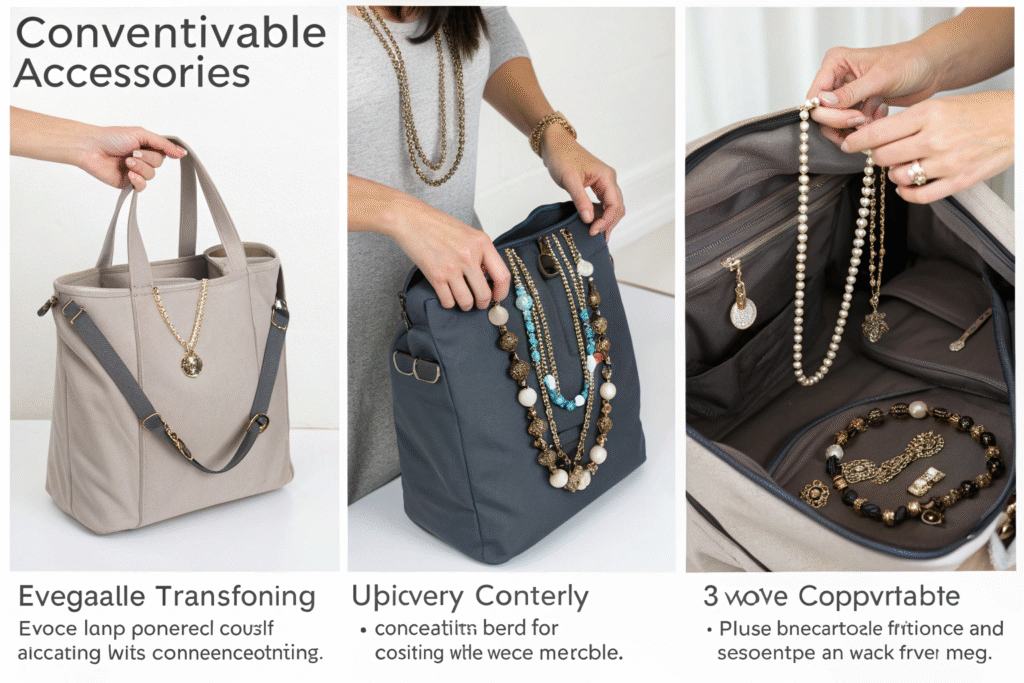
Interchangeable components allow wearers to customize necklaces, bracelets, and earrings by mixing different charms, chains, and connectors. Our modular jewelry system features magnetic connectors and standardized attachment points that enable customers to create over 50 distinct looks from just 12 core components. This combinatorial versatility has proven particularly appealing to travelers who can pack lightly while maintaining accessory variety, and to eco-conscious consumers who appreciate reducing their overall consumption through multi-use pieces.
How do modular handbags enhance functional flexibility?
Convertible carrying systems with detachable straps, reversible exteriors, and expandable compartments enable single bags to serve multiple purposes—transitioning from crossbody to clutch to backpack as needed. Our best-selling modular tote features 6 configuration options that adapt to work, travel, and social occasions, effectively replacing what previously required 3-4 separate bags. This functional adaptability addresses the modern consumer's need for practical solutions that accommodate unpredictable daily transitions between different environments and activities.
How are advanced materials enabling new forms of flexibility?
Traditional accessory materials often prioritized durability and appearance over adaptability, resulting in beautiful but static pieces. Leather stiffens with age, metals maintain fixed shapes, and rigid plastics resist transformation—characteristics that limit how accessories can respond to changing needs or contexts.
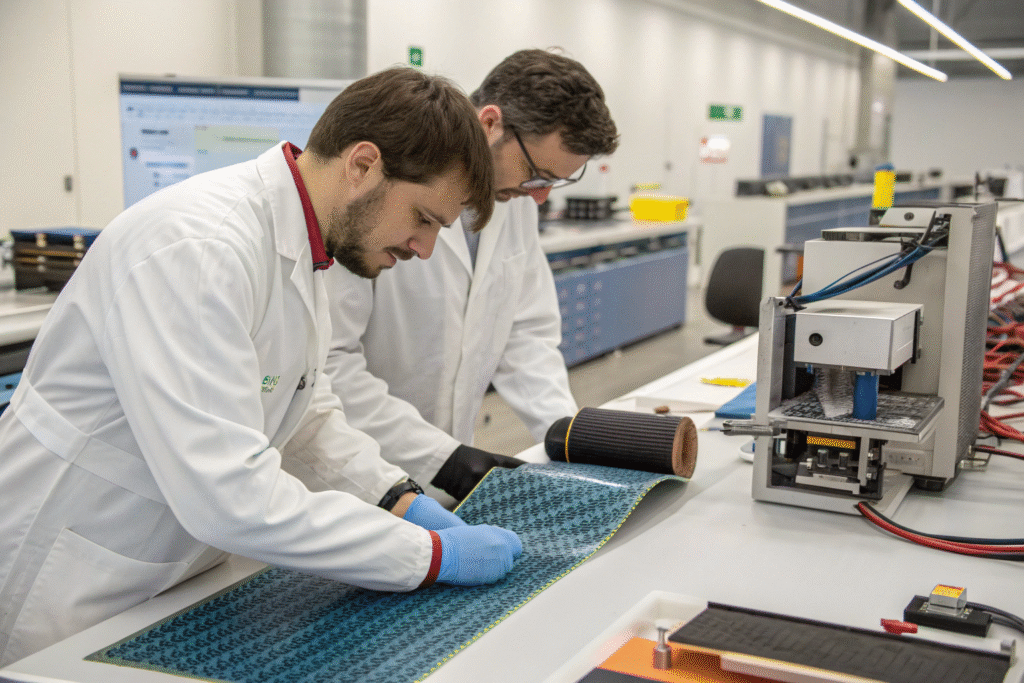
Material science innovations are introducing unprecedented flexibility through shape-memory alloys, flexible electronics, and advanced textiles that maintain their properties while offering dynamic functionality.
What role do smart materials play in enhancing flexibility?
Shape-memory polymers and flexible composites allow accessories to adapt to body movements, environmental conditions, or user preferences while maintaining structural integrity. Our development of temperature-responsive materials for sunglasses frames enables automatic adjustment of temple pressure for optimal comfort throughout wearing periods. This adaptive comfort represents a significant advancement over traditional rigid frames that maintain constant pressure regardless of environmental conditions or wearing duration.
How are technical textiles transforming wearable flexibility?
Stretchable conductive fabrics and variable-density weaves create accessories that maintain electronic functionality while moving with the body. Our smart scarf collection incorporates woven heating elements that provide warmth without compromising the fabric's drape or stretch characteristics. This integrated functionality demonstrates how material innovations enable accessories to serve both aesthetic and practical purposes simultaneously, moving beyond the limitations of simply attaching technology to traditional forms.
How does convertible functionality increase accessory utility?
Single-purpose accessories often languish in closets between occasional uses, representing poor value and inefficient resource utilization. The specialization that once defined luxury—a specific bag for specific occasions, particular jewelry for particular events—increasingly conflicts with modern values of simplicity, efficiency, and sustainability.
Convertible designs transform this paradigm by creating accessories that intentionally serve multiple functions, either through mechanical transformation or contextual adaptability.
What makes transformable jewelry particularly valuable?
Multi-wear pieces that convert from necklaces to bracelets to hair accessories provide practical versatility that aligns with minimalist lifestyles and travel needs. Our transformable crystal pendant design can be worn 8 different ways, effectively replacing what previously required multiple separate jewelry items. This functional density has resonated strongly with millennial and Gen Z consumers who prioritize experiences over possessions but still want to express personal style across different contexts.
How do adaptive bags address changing daily needs?
Expandable designs with adjustable volumes, convertible carrying options, and modular organizational systems accommodate the unpredictable nature of modern life. Our weather-responsive backpack expands 40% in capacity when needed, incorporates a hidden laptop sleeve that converts to a tablet pocket, and features removable organizational pods for different activity types. This contextual adaptability has proven especially valuable for urban professionals whose daily needs vary significantly based on work requirements, social plans, and commuting variables.
How is digital integration enhancing accessory flexibility?
The convergence of physical accessories and digital technologies creates new dimensions of flexibility beyond physical transformation. Digital integration enables accessories to change appearance, function, or information display without physical alteration, offering infinite customization possibilities within fixed physical forms.
Smart accessories represent the frontier of flexibility, blending physical durability with digital adaptability.
How do smart fabrics enable digital flexibility?
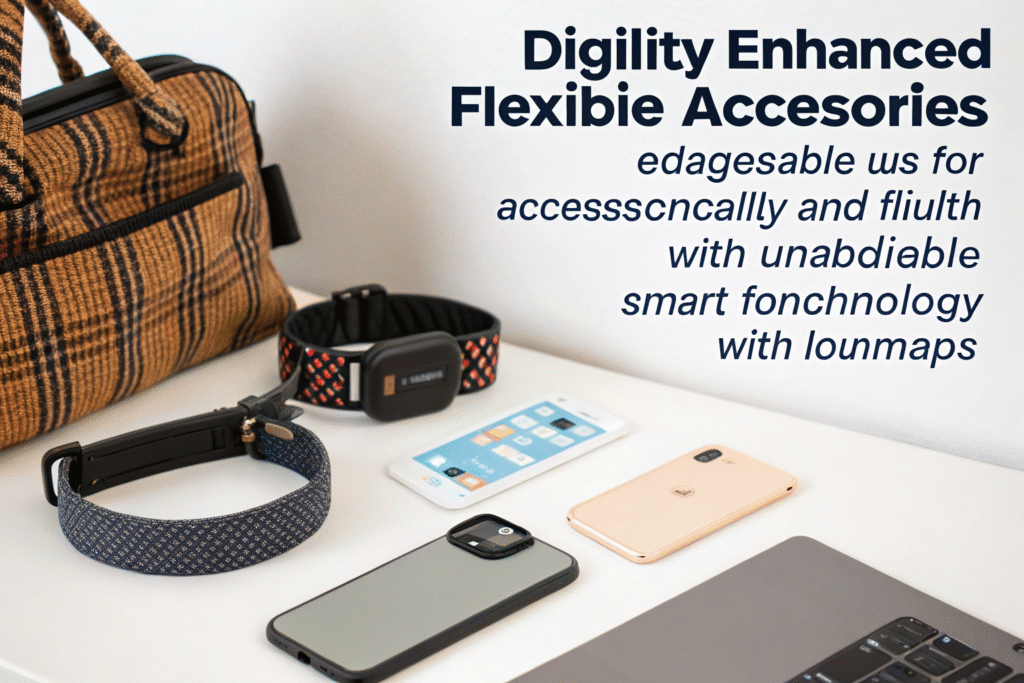
E-textile displays and programmable lighting elements allow accessories to change appearance, display information, or provide notifications while maintaining traditional accessory forms. Our development of a smart belt with integrated LED patterns enables wearers to customize visual designs through a mobile app, effectively providing infinite belt buckle variations without physical changes. This digital customization represents a fundamental shift from the permanent nature of traditional accessories toward dynamically adaptable wearable platforms.
What role does connectivity play in functional adaptation?
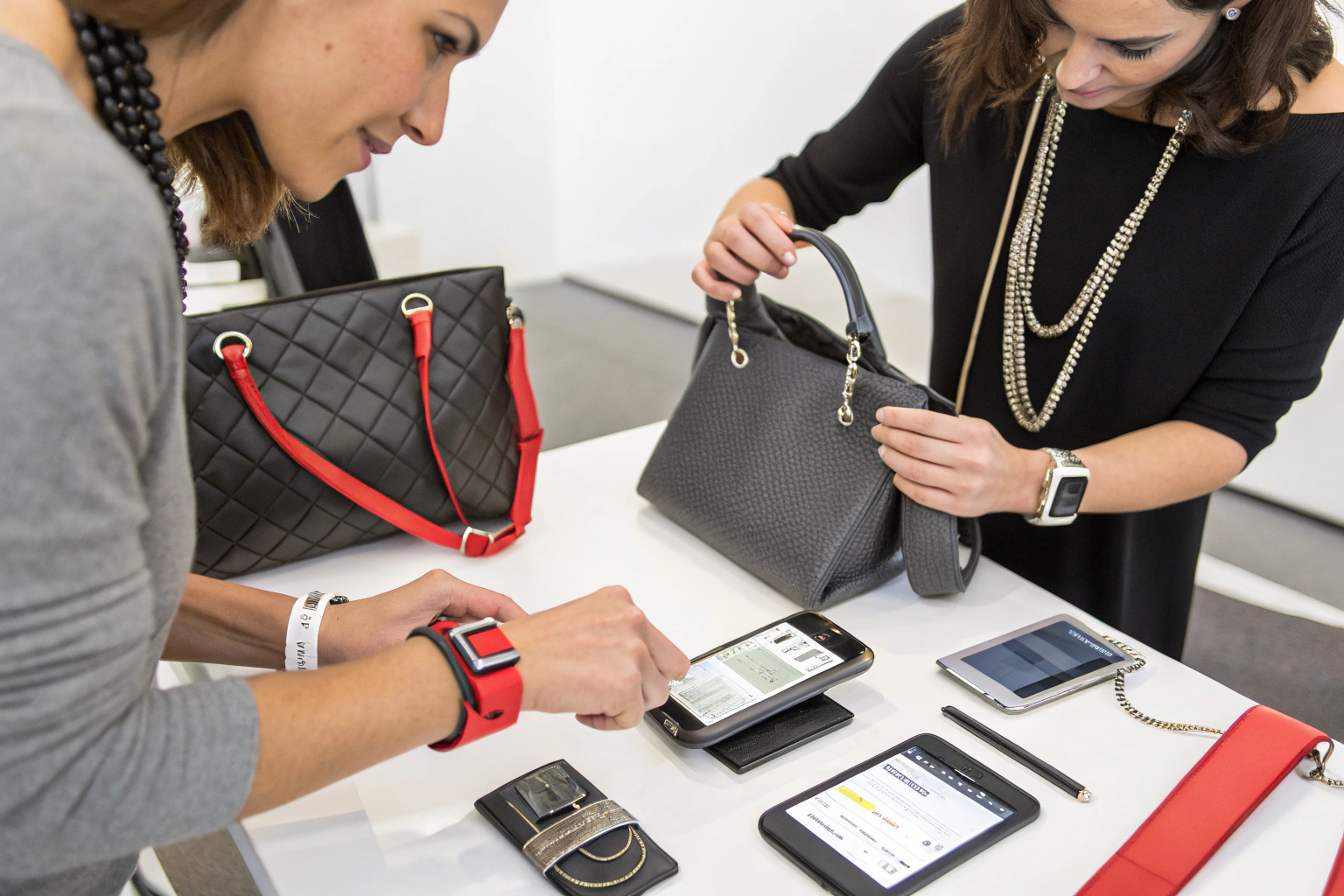
Bluetooth-enabled accessories can change functionality based on context, location, or user preferences detected through smartphone integration. Our connected handbag automatically adjusts interior lighting based on ambient conditions, provides proximity-based theft alerts, and can even weight items through integrated sensors. This context-aware functionality transforms accessories from passive items to responsive tools that actively enhance the user's experience throughout the day.
Conclusion
Modern accessories are embracing flexibility as a core design principle in response to evolving consumer lifestyles that value adaptability, multifunctionality, and personalization. Through modular systems, advanced materials, convertible designs, and digital integration, contemporary accessories are transforming from single-purpose items into versatile companions that adapt to changing needs, contexts, and preferences.
This movement toward flexibility represents more than a passing trend—it reflects a fundamental rethinking of the role accessories play in our lives, positioning them as adaptable tools for self-expression rather than fixed statements of style. As technology continues to advance and consumer expectations evolve, flexibility will likely become an expected characteristic rather than an exceptional feature in accessory design.
If you're interested in developing flexible accessory collections or want to partner with a manufacturer that specializes in adaptable designs, we invite you to contact our Business Director, Elaine. She can discuss how our approach to flexible design creates value for both brands and consumers. Reach her at: elaine@fumaoclothing.com.