In the sophisticated, competitive European fashion market, accessory buyers and brand managers face a constant challenge: predicting which designs will resonate with a diverse yet discerning consumer base. The pressure to choose between trend-driven, ornate pieces and simpler aesthetics is significant. Investing in the wrong direction can lead to slow-moving inventory, deep discounting, and brand dilution. For products like scarves, belts, jewelry, and bags, the key to sustained success lies in aligning with deep-seated cultural values rather than fleeting fashion fads.
Minimalist fashion accessory designs are selling exceptionally well in Europe because they embody a powerful convergence of enduring cultural aesthetics, contemporary sustainability values, practical urban living needs, and a sophisticated approach to personal branding. This is not a temporary trend but a reflection of a mature market's fundamental preference for quality, versatility, and timeless elegance over conspicuous consumption and disposable style. For the European consumer, a minimalist accessory is a deliberate choice that communicates confidence, taste, and a conscious lifestyle.
Let's deconstruct the core drivers behind the robust and sustained demand for minimalist accessory designs across the European continent.
How Do European Cultural and Design Heritage Influence Preference?
Europe's design philosophy is historically rooted in movements that prize function, form, and craftsmanship. From the clean lines of Scandinavian Modernism and the industrial pragmatism of Bauhaus to the effortless elegance of Italian design, there is a centuries-deep appreciation for "less is more." This heritage has cultivated a consumer with a trained eye for proportion, material integrity, and subtle detail.
In this context, minimalism is synonymous with sophistication and maturity. An accessory doesn't need to shout; its quality should be evident upon closer inspection. A minimalist design—a belt with a perfect silhouette and a discreet buckle, a scarf in a sumptuous solid-colored fabric with a hand-rolled hem—allows the inherent beauty of the materials and the precision of the construction to become the focal points. This aligns with a cultural value for artisanal quality and timeless design that transcends seasonal cycles. It reflects an understanding that true luxury often lies in restraint and refinement.

What is the Connection to "Quiet Luxury" and "Stealth Wealth"?
The global trend of "quiet luxury"—expressing status through impeccable quality and understatement rather than logos—finds its natural home in Europe. Here, it's often a long-standing social code. A minimalist accessory from a heritage brand or a craft-focused label serves as a discreet signal of discernment. It values narrative, provenance, and tactile quality over overt branding. For accessory brands, this means competition shifts to the invisible details: the weight and finish of a metal clasp, the sourcing of a specific leather, the precision of a stitch. A manufacturer like Shanghai Fumao Clothing, which specializes in executing these subtle, high-quality details, becomes an essential partner for brands targeting this aesthetic.
How Does Urban Lifestyle Demand Versatility?
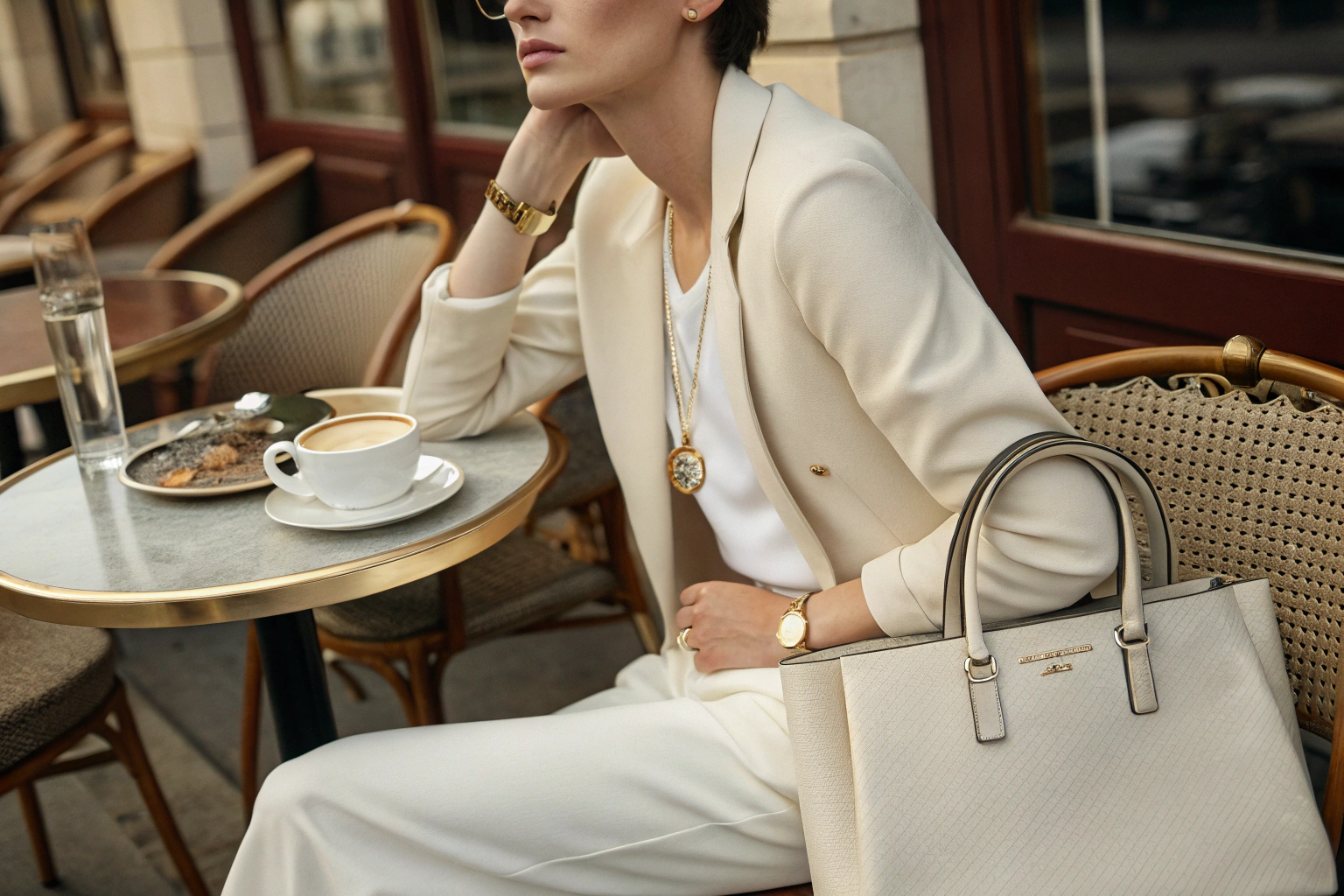
European city life, characterized by walkability, compact living, and a blend of professional and social activities, necessitates a capsule wardrobe approach. Consumers prioritize versatile pieces that can transition seamlessly. Minimalist accessories are the ultimate toolkit for this lifestyle. A pair of simple stud earrings, a fine chain necklace, a neutral-toned crossbody bag, or a classic wool wrap can be styled in countless ways to dress up or down. This maximized utility per item reduces decision fatigue, promotes a cohesive personal style, and represents a smart, practical investment for the urban dweller.
What is the Critical Link to Sustainability and Conscious Consumption?
Europe is a global leader in the sustainable fashion movement, driven by consumer awareness, activist sentiment, and pioneering legislation like the EU's strategy for sustainable textiles. Minimalist design is intrinsically and powerfully linked to this ethos, both in perception and reality.
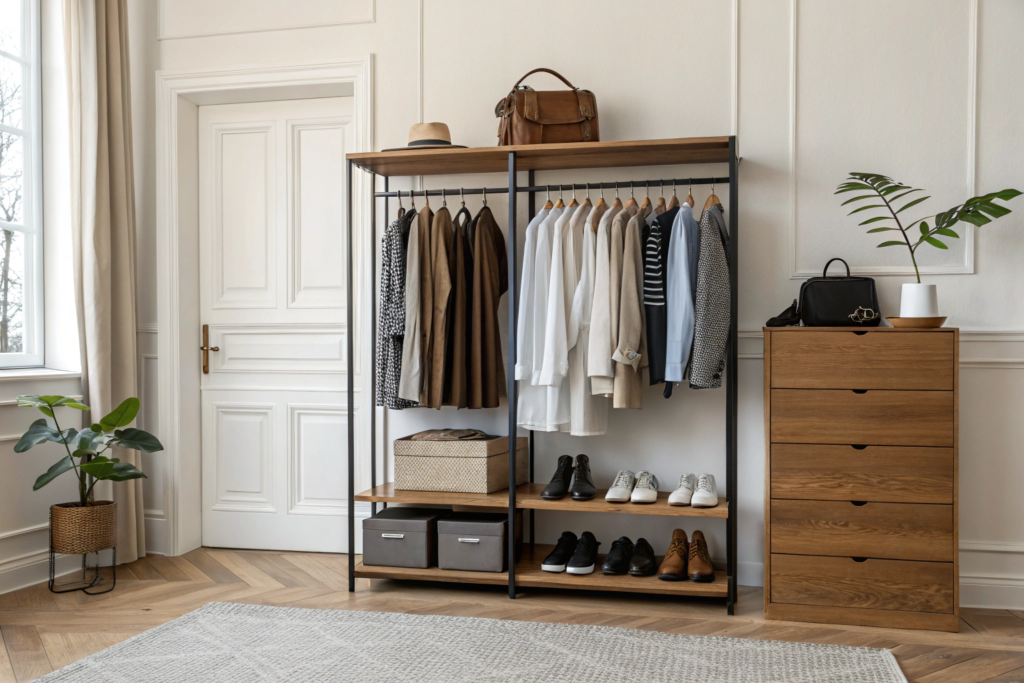
Psychologically, a minimalist item is perceived as timeless and durable. It is designed to be a lasting part of a wardrobe, directly countering the fast-fashion model of rapid obsolescence. This perception of longevity is a cornerstone of sustainable consumption—buying one perfect piece is seen as more responsible than buying several trend-driven items. Furthermore, minimalist designs often involve fewer materials, simpler constructions, and classic silhouettes that avoid looking dated, supporting a reduce and reuse mentality. For the eco-conscious European shopper, purchasing minimalist accessories aligns their aesthetic choices with their environmental values.
How Does "Buy Less, Buy Better" Reshape the Market?
The "buy less, buy better" philosophy is a dominant commercial force in Europe. It moves competition from a race to the bottom on price to a summit of quality, ethics, and brand integrity. This shift benefits retailers and brands that embrace minimalism by:
- Increasing Average Order Value (AOV): Consumers are willing to pay a premium for a piece they believe will last for years.
- Fostering Deep Brand Loyalty: Customers who make considered investments become advocates and repeat purchasers.
- Reducing Inventory Risk: Classic styles have longer lifecycles, minimizing the need for drastic markdowns and associated waste.
This model rewards the entire supply chain—from manufacturer to retailer—for prioritizing material excellence, transparent sourcing, and superior craftsmanship over volume and speed alone.
How Do Regulations Support This Shift?
Europe's regulatory environment, including the Green Deal and Extended Producer Responsibility (EPR) laws, incentivizes products designed for longevity, repairability, and recyclability. Minimalist designs that are mono-material, easy to disassemble, or made from certified sustainable materials are future-proofed against this tightening legislation. Certifications like the EU Ecolabel or Global Recycled Standard (GRS) become not just marketing tools but prerequisites for market access, further bolstering the appeal of well-made, minimalist goods.
How Does Minimalism Empower Digital-Age Brand Building?
For both heritage and emerging brands, a minimalist design philosophy offers a remarkably effective framework for building a clear, recognizable, and scalable brand identity in the digital marketplace.
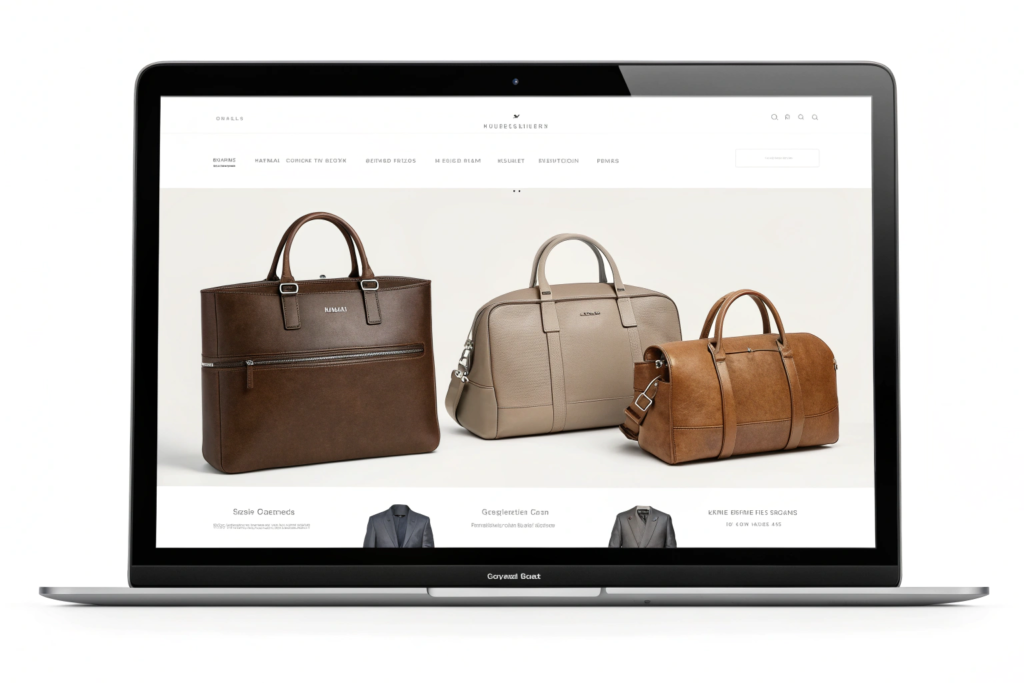
A minimalist aesthetic acts as a cohesive visual language that can transcend the nuanced style differences across European regions. A cleanly designed bag or piece of jewelry has universal appeal from Milan to Stockholm, simplifying go-to-market strategies. Digitally, minimalist products and branding are inherently photogenic and adaptable. They perform brilliantly on e-commerce platforms with clean layouts, create a serene and curated feed on Instagram, and lend themselves to lifestyle content that emphasizes context and feeling. In a crowded online space, minimalist branding cuts through the visual noise, offering clarity and a sense of premium calm.
Why Does a "Core Collection" Strategy Thrive?
Minimalism naturally facilitates the development of a signature core collection—a set of foundational, perennial styles that define the brand. This strategy builds immense customer trust and brand equity. Shoppers learn they can rely on the brand for their essential accessories season after season. For a manufacturing partner, this means producing these core items with consistent, high-quality efficiency, which is more sustainable and often more cost-effective than frequent, wholesale redesigns. This approach is a hallmark of enduring European brands.
How Does Minimalism Reduce Consumer Anxiety?
In an era of overwhelming choice and marketing bombardment, minimalist brands offer a sanctuary of simplicity. By presenting a carefully edited selection of presumably the best versions of essential items, they alleviate the decision fatigue and choice paralysis that plague modern shoppers. The path to purchase becomes clearer, and the value proposition—superior materials, timeless design, versatile wear—is communicated without distraction. This can significantly boost conversion rates and customer satisfaction.
What Are the Non-Negotiable Production Requirements?
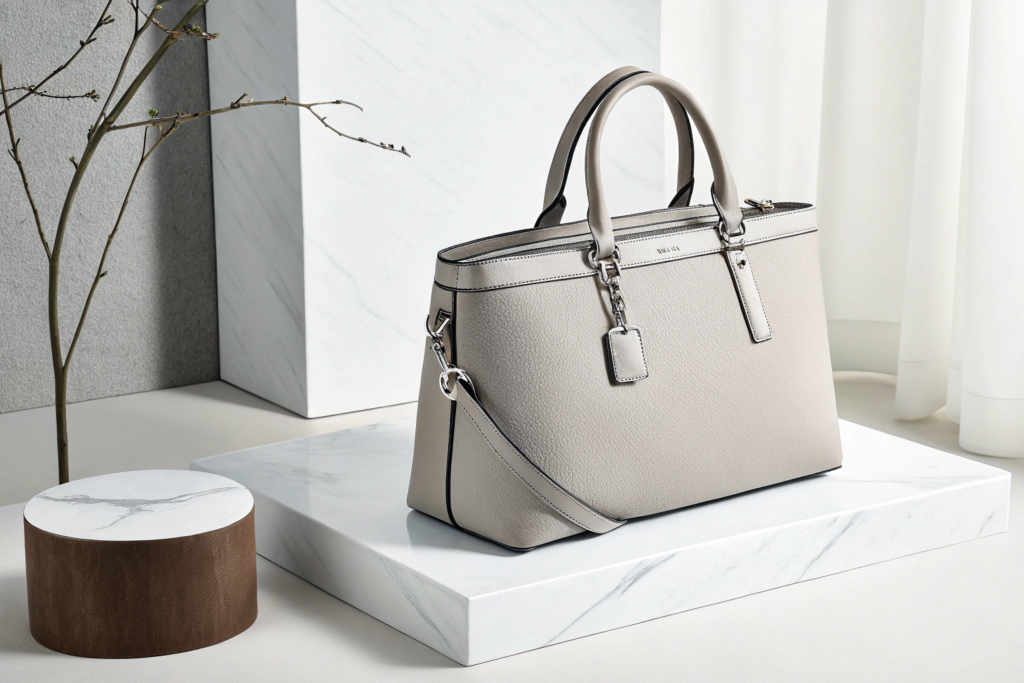
The success of a minimalist accessory is entirely dependent on its execution. With decorative elements stripped away, every aspect of material and construction is exposed. Flaws become glaring, and quality becomes paramount.
Manufacturing for this market demands an uncompromising focus on:
- Material Supremacy: The inherent character of the material—the drape of a silk twill, the temper of a full-grain leather, the luster and weight of a precious metal—becomes the star. There is nowhere to hide inferior quality.
- Precision Engineering: Seams must be flawless. Edges must be impeccably finished. Hardware must operate with a satisfying smoothness and heft. The tolerance for error approaches zero.
- Absolute Consistency: The 10,000th piece must be indistinguishable from the approved prototype in color, proportion, weight, and feel.
This elevates the manufacturer's role from assembler to craftsman and technical partner. It requires advanced technology (like laser cutting, precision stamping), skilled artisans, and rigorous, data-driven quality control.
How to Vet a Manufacturing Partner for Minimalist Quality?
The ideal partner understands that for minimalist design, perfection in simplicity is the goal. They should demonstrate:
- Expertise in Sourcing Premium Materials: Partnerships with respected mills and tanneries.
- Investment in Precision Machinery: Equipment capable of achieving the clean lines and exacting tolerances required.
- A Culture of Quality: Transparent QC processes, including in-line inspections and final audit reports.
- Collaborative Prototyping: A willingness to iterate samples meticulously until every detail aligns with the vision.
A partner like Shanghai Fumao Clothing, with a dedicated focus on these principles, is critical for brands aiming to meet the exacting standards of the European minimalist consumer.
Is minimalist design really the antidote to fast fashion anxiety?
In a world where racks overflow with trend-driven garments, each season promising the next 'must-have' piece that will quickly fade into obscurity, the clamor of fast fashion has become a relentless hum in our daily lives—a symphony of fleeting styles, cheap materials, and the constant pressure to keep up. It breeds a sense of unease, a quiet anxiety that lingers like a shadow: Will this shirt still be in style by next month? Is this purchase worth the guilt of contributing to overconsumption? Enter minimalist design, a philosophy that whispers of calm amidst the chaos, of intentionality over impulse. Its clean lines, neutral palettes, and emphasis on quality over quantity promise a respite from the frenzy.
Imagine a wardrobe filled with pieces that feel like old friends—soft, well-crafted fabrics that breathe against the skin, silhouettes that flatter without fuss, colors that blend seamlessly into a cohesive narrative rather than clash in a desperate bid for attention. Minimalism invites us to slow down, to ask: Do I truly need this? Does it bring me joy beyond the initial thrill of acquisition? It suggests that less can indeed be more, that a curated collection of timeless items might not only reduce the stress of decision-making but also foster a deeper connection to what we wear.
Conclusion
The strong and sustained sales of minimalist fashion accessory designs in Europe are the result of a profound alignment between product philosophy and consumer identity. This preference is driven by a deep-seated cultural appreciation for clean design, a powerful shift towards sustainable and mindful consumption, the practical demands of modern life, and the strategic advantages minimalism offers in brand building and digital commerce.
For brands and retailers, embracing minimalism is a strategic decision to compete on the grounds of quality, integrity, and lasting value. It is a pathway to cultivating a loyal customer base, achieving operational efficiency, and creating products that genuinely resonate with the values of one of the world's most influential and discerning markets.
Ready to develop a minimalist accessory collection that captures the essence of the European market? Partner with Shanghai Fumao Clothing. Our expertise in premium materials, precision manufacturing, and clean design execution ensures your products embody the quality, elegance, and timeless appeal that European consumers demand. Contact our Business Director, Elaine, at elaine@fumaoclothing.com to begin crafting your definitive collection.