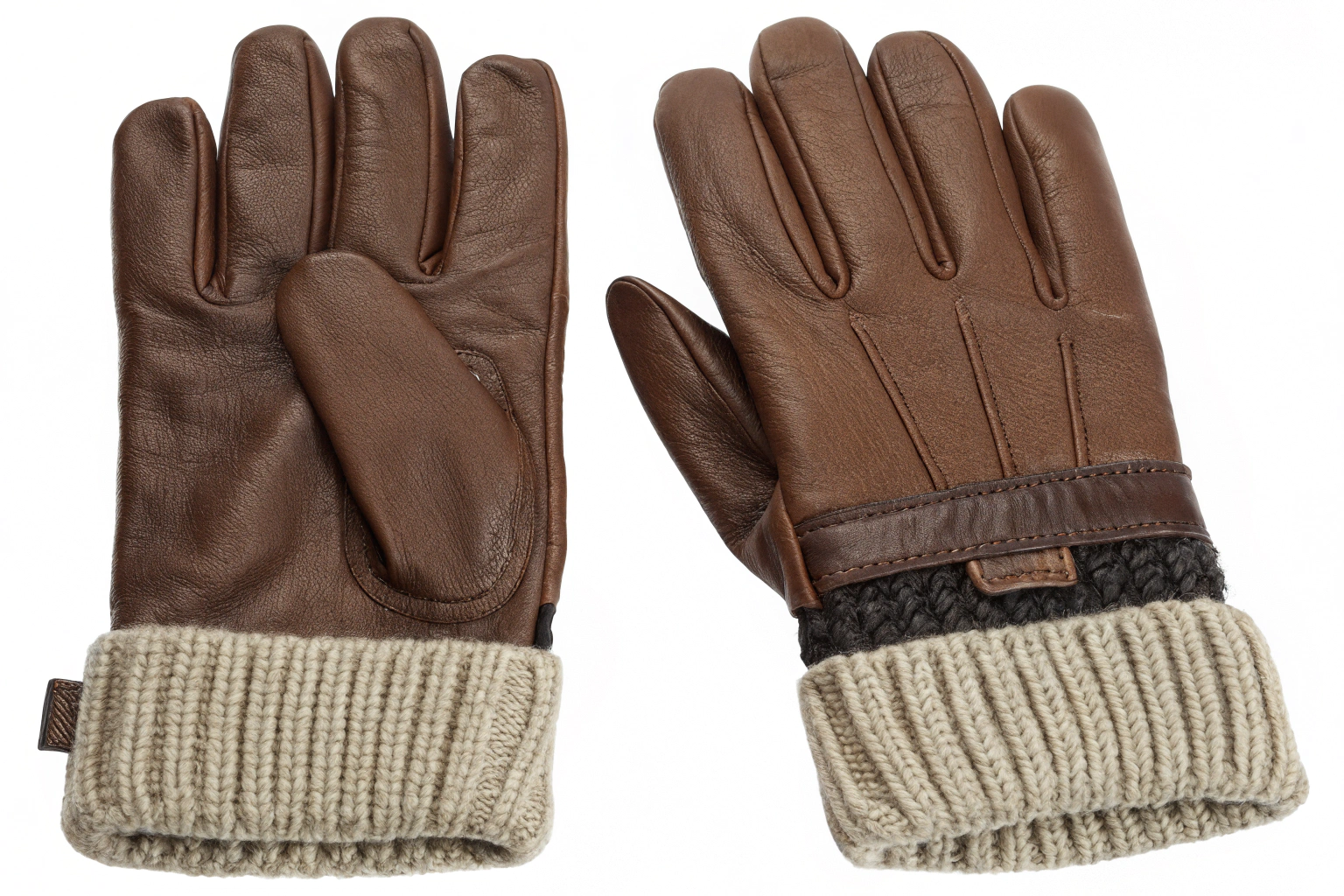
Have you ever found your hands getting cold and stiff, but hate the idea of wearing bulky, clumsy gloves? It’s a common problem, especially when you need to use your phone or grab your keys. You want warmth, but you don't want to sacrifice dexterity. It feels like you have to choose between comfort and function.
The simple answer is that lightweight down gloves offer a superior warmth-to-weight ratio, better packability, and increased dexterity compared to traditional wool or thick synthetic gloves. This means your hands stay incredibly warm without the bulk, allowing you to move your fingers freely. As a manufacturer, we've seen a huge shift in demand towards these modern essentials.
This change isn't just a fleeting trend; it's a fundamental evolution in how we approach winter accessories. Customers like you, who value both performance and style, are driving this market shift. In this article, we'll explore exactly why lightweight down is taking over, what makes it so effective, and how you can choose the perfect pair for your needs.
What Makes Down Insulation So Special?
Are you wondering what makes a handful of tiny feathers so much warmer than a thick layer of wool? It seems almost magical that something so light can provide so much heat. You might think that more material automatically means more warmth, but the science of insulation tells a different story.
Down insulation is special because its unique three-dimensional clusters create thousands of tiny air pockets that trap body heat with incredible efficiency. Unlike the two-dimensional fibers of wool or synthetic materials, down's lofty structure provides unparalleled warmth for its weight. This natural efficiency is something that, even with all our technology, we have yet to perfectly replicate.
As someone who has been in the accessory manufacturing business for years, I've handled countless materials. When I first held a batch of high-quality goose down, I was amazed. It felt like holding a cloud, yet I knew it had the power to protect against biting cold. This is the core reason why lightweight down gloves are becoming the new standard. Let's dive deeper into the specifics of what makes this material a game-changer.
How does fill power determine warmth?
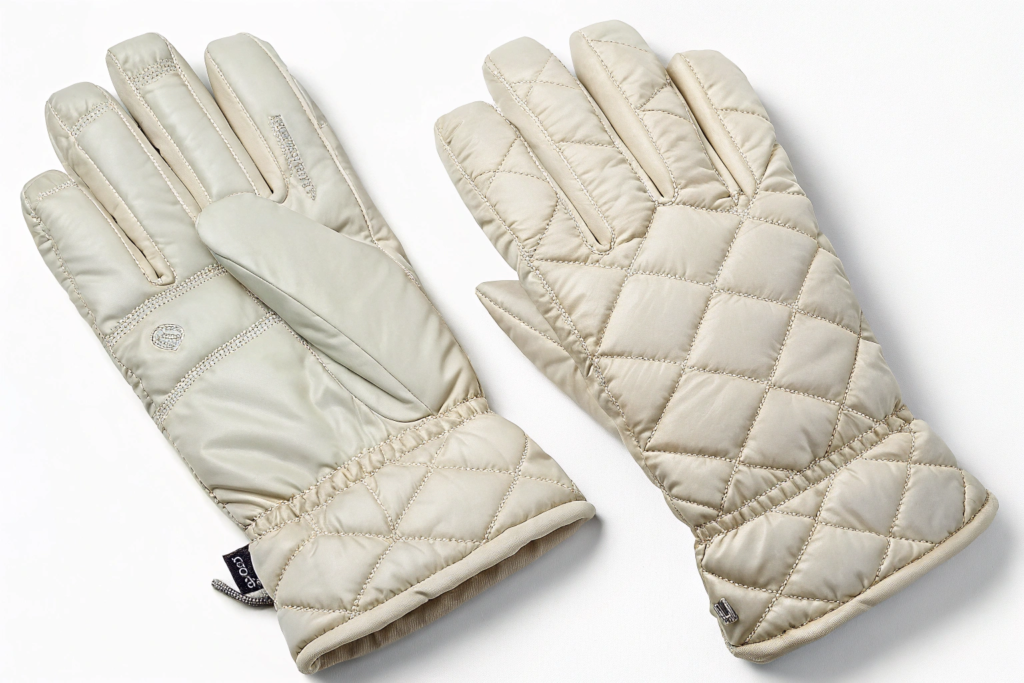
Fill power is a number you'll often see associated with down products, and it's a direct measure of the down's quality and insulating capability. It measures the "loft" or "fluffiness" of the down by calculating how many cubic inches one ounce of down can fill. A higher fill power, typically ranging from 500 to 900, means the down clusters are larger and can trap more air, providing better insulation for less weight. For example, a glove with 800-fill-power down will be significantly warmer and lighter than a glove with the same weight of 600-fill-power down. This is crucial for buyers like Ron, who are concerned with high-performance, non-bulky accessories. When sourcing for our clients, we always specify the fill power to ensure the final product meets their performance expectations. For more details on this, you can check out resources from outdoor gear experts like Switchback Travel and RevolutionRace.
Is there a difference between goose and duck down?
Yes, there is a notable difference, primarily related to the size of the down clusters. Geese are larger birds than ducks, so they generally produce larger down clusters. These larger clusters result in a higher fill power, which translates to better insulation and less weight. That's why premium outdoor gear and high-end fashion accessories often specify goose down. However, high-quality duck down can still outperform lower-quality goose down. At our company, Shanghai Fumao Clothing, we source both types depending on the client's specific needs for performance and price point. Understanding this distinction is key for quality control. You can learn more about the nuances from specialized guides like those provided by Cotswold Outdoor and Popular Mechanics.
Are Down Gloves Better Than Traditional Options?
You've probably worn traditional wool or thick fleece gloves and felt your fingers turn into clumsy sausages. They keep you warm, but simple tasks like answering a call or finding your credit card become a frustrating challenge. Is it possible to have both warmth and dexterity?
Yes, lightweight down gloves are demonstrably better than many traditional options because they solve the core problem of bulk versus warmth. While traditional gloves rely on thick layers of material like wool or heavy synthetic fleece, down gloves use a highly efficient, lightweight insulator. This allows for a slimmer design that offers superior freedom of movement without compromising on heat retention.
I remember a business trip to New York one winter. I was trying to navigate with my phone, but my thick wool gloves made it impossible. I had to take them off every few minutes, and my hands were freezing. The next day, I bought a pair of lightweight down gloves. The difference was incredible. My hands were warm, and I could use my phone without any issues. This personal experience solidified my belief in this product category. For our clients, this translates to a product that meets a real-world need for modern consumers. The comparison isn't just about materials; it's about functionality in everyday life, a key point we'll explore further in the Technological Advancements section.

How do they compare in terms of weight and packability?
When it comes to weight and packability, there is no contest. Down is famous for its compressibility. A pair of lightweight down gloves can often be compressed to the size of a small wallet, making them incredibly easy to stuff into a jacket pocket or a small bag. Traditional wool or heavy fleece gloves are much bulkier and take up significantly more space. For a buyer like Ron, whose customers value convenience and performance, this is a major selling point. This feature is highlighted in many gear reviews, such as those on Backpacking Light and Ultralight Outdoor Gear.
What about performance in wet conditions?
This is the one area where traditional down has a historical weakness. When natural down gets wet, its clusters clump together and lose their ability to trap air, drastically reducing their insulating properties. However, modern technology has largely solved this problem. Many down gloves now use hydrophobic down, which is treated with a polymer to make it water-resistant. Additionally, they are often paired with a waterproof outer shell, like those made with Pertex Shield or GORE-TEX fabrics. This combination ensures your hands stay dry and warm even in snow or light rain. You can find more information on these technologies from sources like Haglöfs and Montane.
What Technological Advancements are in Modern Gloves?
Think about how much your phone has changed in the last decade. Glove technology has been evolving too, moving far beyond simple pieces of fabric. Are you aware of the smart features now being integrated into modern handwear?
Modern lightweight down gloves are packed with technological advancements, including touchscreen compatibility, advanced waterproof-breathable membranes, and ergonomic designs for enhanced dexterity. These innovations transform gloves from a basic accessory into a piece of high-performance gear. Manufacturers are no longer just focused on warmth; they are engineering solutions for the modern world.
At our factory, Shanghai Fumao Clothing, we've invested heavily in these new manufacturing techniques. We use automated systems for precise stitching and have integrated production lines for applying waterproof membranes and conductive fingertip pads. This allows us to produce high-quality, feature-rich gloves efficiently. For our clients, this means access to cutting-edge products that give them a competitive edge in the market.

How does touchscreen compatibility work?
Touchscreen compatibility is achieved by weaving conductive threads into the fingertips of the gloves, typically the thumb and index finger. These threads, often made of materials containing silver or copper, carry the natural electrical charge from your skin to the capacitive screen of your smartphone or tablet, mimicking the touch of a bare finger. This simple but brilliant innovation has become a must-have feature for many consumers. It's a standard offering in most of the gloves we produce today. For further reading, tech and gear sites like SLO Weather and OutdoorGearLab provide great explanations and reviews of this technology.
What are the latest material innovations?
Beyond hydrophobic down, the outer shells and linings of gloves have seen significant innovation. We are now using materials like Pertex® Quantum, a tightly woven, lightweight, and tear-resistant fabric that is both windproof and soft, allowing the down to fully loft. For waterproofing, we use advanced membranes that are not only impervious to water but also highly breathable, allowing sweat vapor to escape and keeping your hands dry from the inside out. Furthermore, there's a growing trend towards using recycled materials for both shells and insulation, addressing the increasing consumer demand for sustainability. You can explore these material trends on sites like The Eco Hub and in articles about innovative glove manufacturing.
How Do I Choose the Right Pair of Lightweight Down Gloves?
With so many options available, how do you find the perfect pair of gloves? It's easy to feel overwhelmed by terms like "fill power," "waterproof," and "articulated fit." You want to make a smart purchase, but you're not sure what to prioritize.
Choosing the right lightweight down gloves involves assessing three key factors: the expected weather conditions, your planned activities, and getting the correct fit. A glove designed for extreme cold and mountaineering will be overkill for a chilly city commute. Conversely, a simple liner glove won't be enough for a ski trip. Matching the glove's features to your specific needs is essential for satisfaction.
As a manufacturer, we guide our clients through this selection process all the time. We discuss their target customer and intended use case to recommend the ideal combination of materials and features. For example, for a fashion brand, style and a slim profile might be the priority. For an outdoor sports retailer, durability and waterproofing are key. This ensures the final product is not only high-quality but also perfectly suited for its market. It's a similar logic to understanding why down is better than traditional options in the first place—it's all about matching the product to the need.
How do I find the correct glove size?
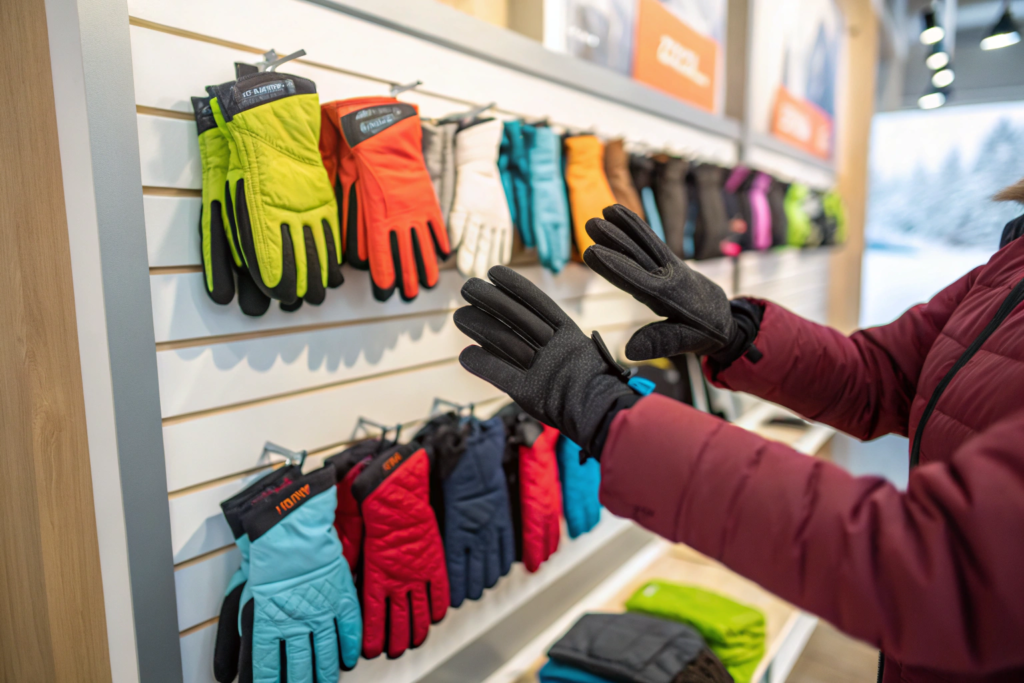
Getting the right size is critical for both comfort and warmth. A glove that's too tight can restrict circulation, making your hands feel colder, and will compress the down, reducing its insulating ability. A glove that's too loose will have air gaps and won't be efficient at trapping heat. To find your size, you should measure the circumference of your dominant hand around the knuckles (excluding the thumb). This measurement in inches usually corresponds to your glove size. Most brands provide a sizing chart to convert this measurement into S, M, L, or XL sizes. Always refer to the specific brand's chart, as sizing can vary. You can find detailed guides on how to measure your hand on websites like PalmFlex and Delta Plus.
What should I look for in terms of sustainability?
For conscious consumers and brands, sustainability is a major consideration. When it comes to down, look for certifications like the Responsible Down Standard (RDS). RDS ensures that the down comes from animals that have not been subjected to unnecessary harm, such as force-feeding or live-plucking. Many reputable brands, including our partners at Shanghai Fumao Clothing, are committed to using RDS-certified down. Additionally, look for gloves made with recycled shell fabrics and PFC-free durable water repellent (DWR) coatings, which are less harmful to the environment. Brands like Patagonia and Picture are leaders in this space, and their practices are well-documented.
Conclusion
In conclusion, the shift from traditional, bulky gloves to lightweight down alternatives marks a significant advancement in comfort, technology, and practicality. Down's incredible warmth-to-weight ratio, combined with modern innovations like water-resistant treatments and touchscreen compatibility, offers a solution that meets the demands of today's consumer. They provide the warmth you need without the clumsiness you hate, making them perfect for everything from a mountain expedition to a simple walk in the city. As we've seen, choosing the right pair comes down to understanding your needs regarding activity, weather, and fit, while also considering important factors like ethical sourcing.
As a leader in accessory manufacturing, we at Shanghai Fumao Clothing are proud to be at the forefront of this evolution, developing and producing high-quality down gloves for brands across North America and Europe. We understand the nuances of quality, from fill power to ethical sourcing, and we are dedicated to helping our clients bring superior products to market.
If you are looking to develop your own line of high-performance fashion accessories, we would love to partner with you. Please feel free to reach out to our Business Director, Elaine, at her email: elaine@fumaoclothing.com to start the conversation.