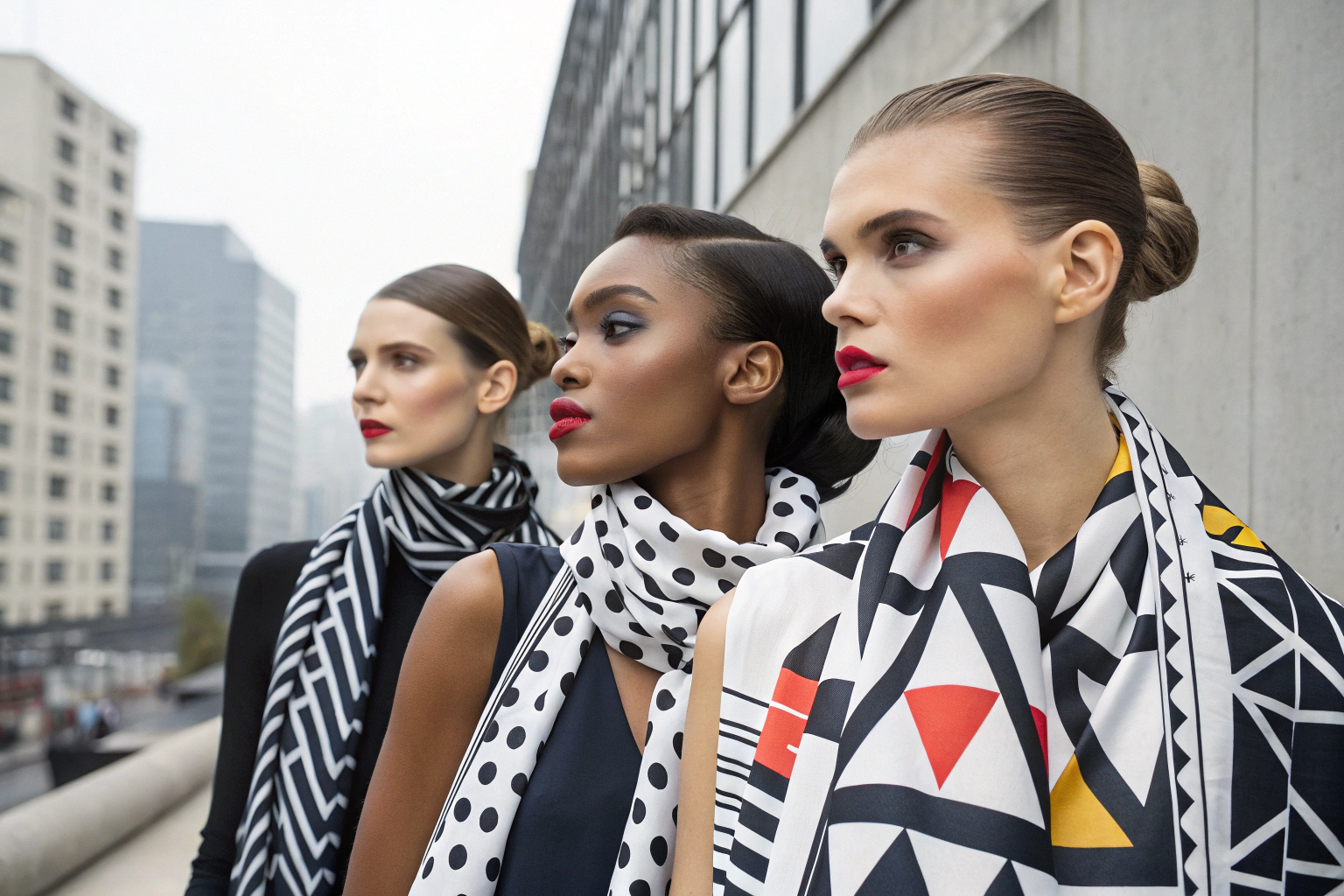
You walk into any major department store or scroll through a fashion influencer's feed, and you see them everywhere: bold, structured patterns adorning silk, wool, and chiffon. From precise zigzags and clean stripes to intricate tessellations and abstract shapes, geometric prints have taken scarf fashion by storm. But this isn't a random blip on the trend radar. Why have these graphic, often mathematically-inspired designs become such a dominant force in an accessory known for its softness and fluidity?
Geometric prints are trending because they offer a powerful visual solution for today's fashion consumer: they provide bold statement-making appeal, unmatched versatility for styling, and a modern, intellectual aesthetic that resonates in a digital, design-conscious world. Unlike fleeting floral or novelty prints, geometric patterns create a clean, architectural frame for the face and outfit. They effortlessly bridge the gap between classic elegance and contemporary edge, making them relevant for both professional and casual settings. Their structured nature provides a satisfying contrast to the soft drape of the scarf itself, creating a compelling tension that feels both intentional and stylish.
This rise is more than just a cyclical trend; it's a reflection of broader cultural and aesthetic shifts. In an era where personal style is curated for social media, geometric scarves offer high visual impact and photogenic clarity. They align with a growing appreciation for mid-century modern design, art deco revival, and a minimalist mindset that values pieces with graphic power. Let's unravel the specific drivers behind this pervasive trend and explore how it influences design, manufacturing, and consumer choice in the accessory market.
How Do Geometric Prints Offer Maximum Styling Versatility?
The secret to the geometric scarf's dominance lies in its chameleon-like ability to adapt. A single scarf with a striking pattern can be the cornerstone of multiple outfits, serving different style goals from boardroom polish to weekend casual. This versatility is a key purchasing driver for consumers who value a capsule wardrobe and investment accessories.
The power is in the pattern's neutrality and structure. A geometric print, especially in a neutral color palette like black, white, and grey or navy and cream, functions as a neutral with interest. It can anchor a busy outfit or elevate a simple one. Its clean lines allow it to pair seamlessly with other patterns—a striped geometric scarf can work with a floral dress if the colors align, thanks to the shared graphic quality. Furthermore, the way the scarf is folded and tied can dramatically alter its visual effect. A large square scarf with a bold pattern can be folded to show just a sliver of a stripe when tied neatly, worn fully unfolded as a dramatic shawl to showcase a full tessellation, or even used as a headwrap where the pattern becomes a focal frame for the face. This one-item, multiple-outfits potential offers tremendous cost-per-wear value, a major consideration for today's savvy shopper.
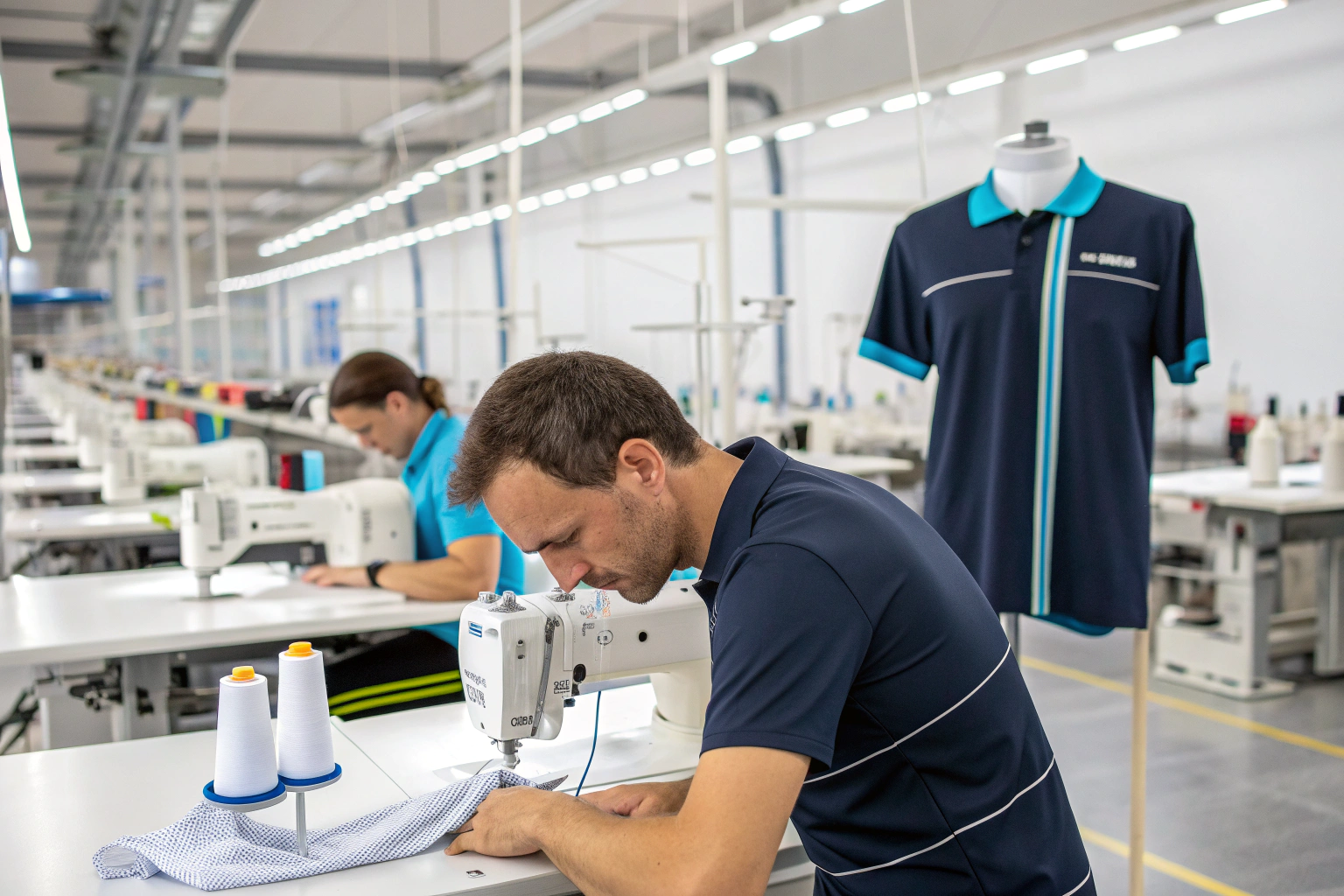
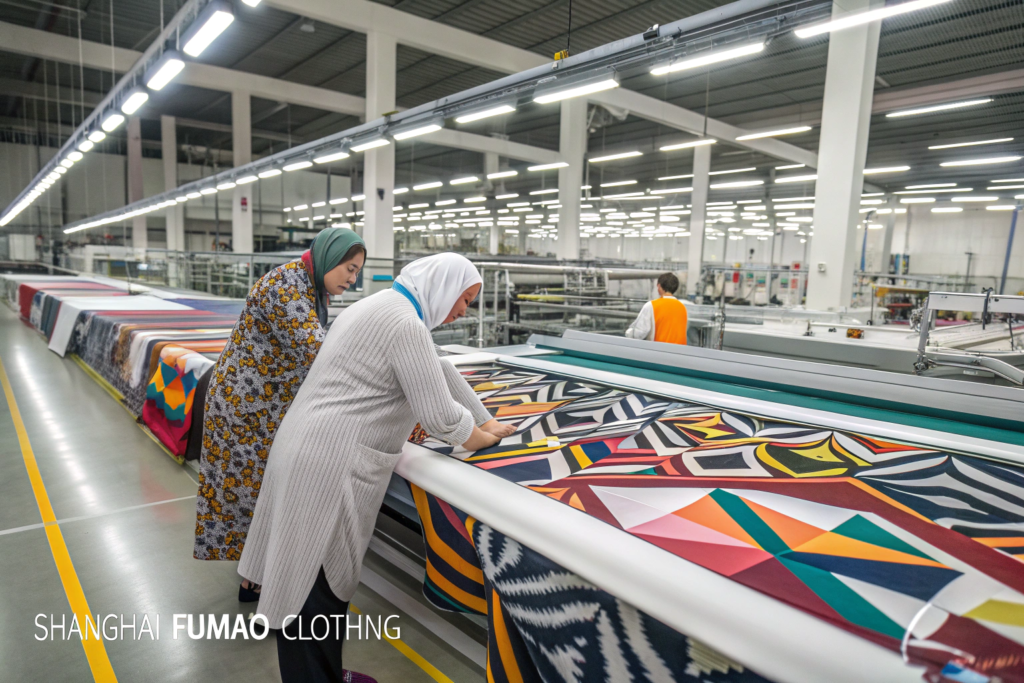
For brands and manufacturers, this trend demands precision. The print alignment at the seams and the color clarity are paramount, as any misalignment or bleed ruins the crisp, intentional effect. Producing these scarves often requires high-quality digital printing or meticulous screen printing techniques to maintain sharp edges and saturated colors on delicate fabrics like silk twill or viscose. A factory with strong quality control in its printing department, like Shanghai Fumao Clothing, becomes an essential partner to execute these designs flawlessly. The technical challenge of perfecting a geometric print elevates it from a simple commodity to a design-led product, justifying a higher price point and attracting a discerning customer.
Why are neutral geometrics considered a wardrobe staple?
Neutral geometric prints have transitioned from trend to staple because they possess the longevity of a basic with the personality of a statement piece. A black-and-white chevron or houndstooth scarf never looks dated. It bypasses seasonal color trends, allowing it to be worn year after year. It provides the visual interest that a plain scarf lacks, without the commitment or potential clash of a bright, themed print. This makes it the ultimate transitional accessory, effortlessly moving between seasons and occasions. For the consumer, it’s a safe yet stylish purchase that complements an existing wardrobe without requiring a complete style overhaul. For retailers, it’s a reliable best-seller with low risk of markdowns due to going "out of style," ensuring consistent inventory turnover.
How does print placement transform the scarf's look?
Creative print placement is a sophisticated design technique that multiplies a geometric scarf's versatility. Instead of a standard, all-over repeat, designers are placing singular, large-scale geometric motifs—a massive triangle, an off-center grid—on a scarf. This intentional placement means that different folding methods reveal completely different parts of the design. Folded one way, you might see a subtle corner of a pattern; folded another, the entire bold motif is displayed. This interactive quality engages the customer, making the act of styling the scarf a creative endeavor. It encourages multiple purchases from the same customer, as they seek different placements (border prints, center-medallion prints, diagonal prints) to achieve different styling effects. Manufacturing such pieces requires advanced pattern grading and careful fabric cutting to ensure the key design element is always positioned correctly, showcasing the factory's technical design capability.
What Cultural and Aesthetic Shifts Drive This Trend?
Fashion does not exist in a vacuum. The resurgence of geometric prints is tightly interwoven with broader movements in design, technology, and collective mood. It's a visual response to our environment, reflecting a desire for order, clarity, and smart design in a complex world.
A primary driver is the continued mainstream influence of mid-century modern and art deco design in interior and graphic design. The clean lines, sunburst motifs, and streamlined forms of these eras translate perfectly to textile patterns. Wearing a scarf with a parquet or atomic print feels like wearing a piece of design history, offering a connection to a perceived era of optimistic futurism and sophisticated craftsmanship. Simultaneously, the minimalist lifestyle movement, which champions "fewer, better things," aligns perfectly with geometric prints. Their graphic nature feels intentional and curated, not fussy or excessive. They satisfy the desire for items that are aesthetically pleasing but not ornate, embodying a principle of "quiet luxury" through strong design rather than overt branding.
The digital age has also fundamentally shaped this trend. Our visual language is now dominated by pixels, grids, and clean UI interfaces. Geometric patterns feel native to this landscape; they are inherently Instagrammable and digitally legible. They create striking, high-contrast imagery that performs well on social media and e-commerce thumbnails. Furthermore, the rise of WFH and hybrid wardrobes has blurred the line between professional and personal attire. A geometric scarf is the perfect accessory for this shift: it adds a polished, intelligent touch to a simple sweater or blouse on a video call, conveying professionalism through considered design rather than formal business wear. This cultural resonance ensures the trend's relevance across a wide demographic, from Gen Z embracing Y2K-era graphic vibes to older millennials and Gen X investing in timeless, design-conscious pieces.
How does the minimalist movement influence accessory design?
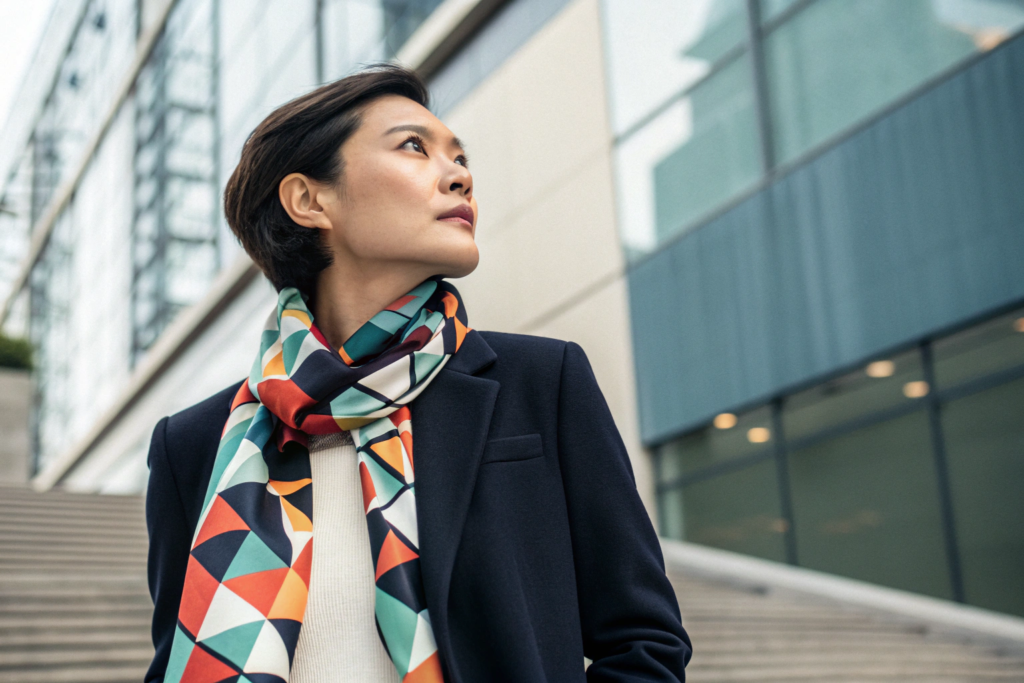
The minimalist movement has shifted consumer focus from quantity to quality and from logos to form. In accessories, this means a preference for pieces that serve as architectural elements for an outfit. A geometric scarf acts as that element—its pattern creates structure and line. Minimalism isn't about being plain; it's about being deliberate. A single, well-chosen geometric scarf makes a stronger, more coherent style statement than several busy, competing accessories. This philosophy drives demand for scarves with exceptional fabric quality (like fine cashmere or mulberry silk) and impeccable print execution, as the design itself is the hero. Manufacturers must therefore prioritize superior material sourcing and invest in the best digital printing technology to meet this demand for understated excellence, where every detail is scrutinized.
Why are geometric prints so effective in digital marketing?
Geometric prints are a digital marketer's dream due to their high visual impact and scalability. Their clean lines and often contrasting colors remain crisp and recognizable even at very small thumbnail sizes on mobile screens. They are less likely to become a muddy, indistinguishable blob compared to a detailed floral or paisley. This makes them highly effective for e-commerce product listings, social media ads, and email marketing visuals. They can easily be incorporated into graphic banners and brand collages, maintaining brand aesthetic consistency. For brands, this means products with geometric prints often have higher click-through rates (CTR) and lower cost-per-acquisition (CPA) in paid advertising, as the imagery is inherently eye-catching and communicates a modern, stylish brand identity instantly. This commercial advantage further incentivizes brands to develop and promote geometric print collections.
How Does This Trend Impact Manufacturing and Design?
The geometric print boom is not just a creative directive; it presents specific technical challenges and opportunities for factories and designers. Successfully capitalizing on this trend requires a symbiotic relationship between artistic vision and industrial precision, pushing manufacturing capabilities to ensure the product matches the sharpness of the concept.
From a design perspective, the trend moves beyond simple repeats. Designers are exploring complex tessellations, optical illusions, and 3D-effect patterns that require sophisticated software and a deep understanding of textile pattern engineering. The design process must account for how the pattern will flow across a scarf's dimensions when knotted or draped. This necessitates digital sampling and 3D simulation tools to visualize the final product accurately before committing to bulk fabric printing. Furthermore, color choice is critical. While neutrals are staples, there is also a trend for vibrant, clashing colors within geometric frameworks (like neon lines on a dark ground), which tests the limits of color gamut in printing and demands rigorous color matching protocols.
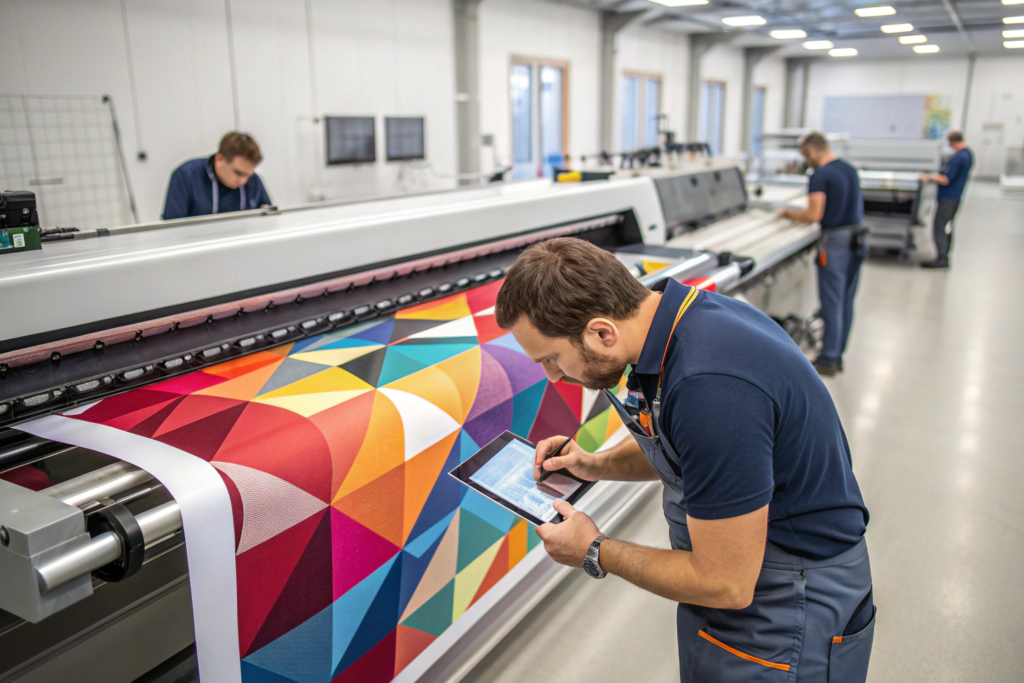
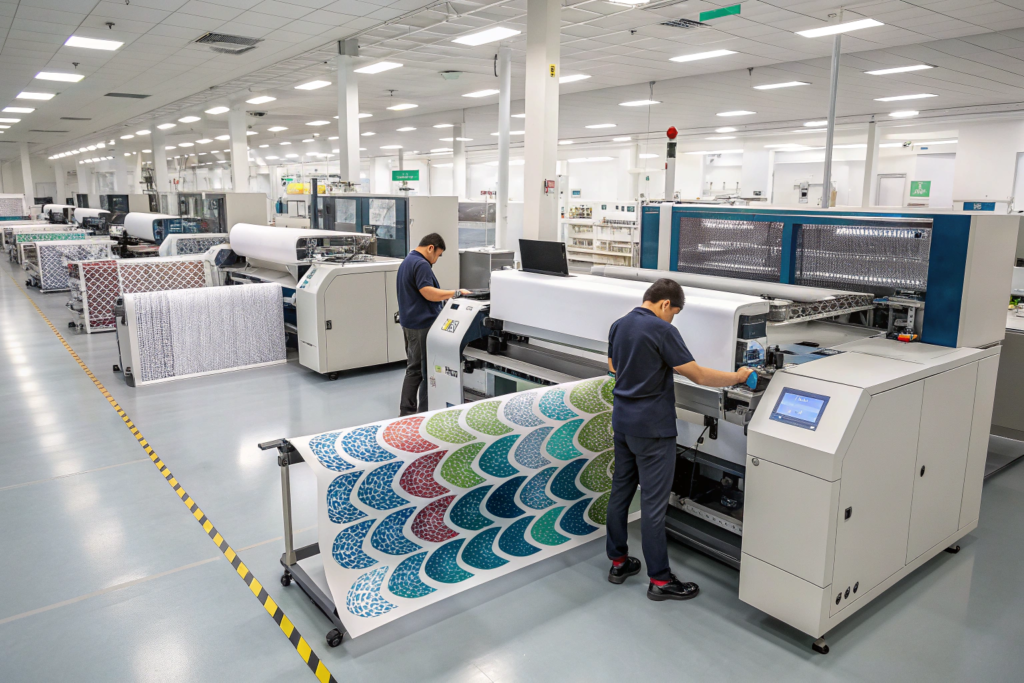
For manufacturers, the margin for error is tiny. Print registration must be perfect. A misalignment of even half a millimeter in a grid pattern is glaringly obvious and renders the product unsellable. This places immense importance on the printing department's calibration and the fabric's stability during the printing and finishing processes. Techniques like direct-to-fabric digital printing are ideal for achieving this precision and allow for cost-effective small batch production, enabling brands to test new geometric designs with lower risk. The factory's quality control team must implement strict inspection standards, using backlit tables to check for alignment and color consistency. A manufacturer's ability to master these details, like the teams at Shanghai Fumao Clothing, becomes a key competitive advantage, allowing them to attract premium brands that will not compromise on the crispness of their geometric designs.
What are the key printing techniques for crisp geometrics?
Achieving razor-sharp geometric prints depends on the fabric and the technique. For silk and other delicate, fine fabrics, digital printing is often the best choice. It allows for photorealistic detail, seamless repeats of complex patterns, and no limit on color count, essential for intricate designs. For wool or cashmere blends, screen printing can be excellent for bold, less detailed geometries, offering vibrant, opaque color saturation. However, it requires separate screens for each color, making complex designs expensive. Heat transfer printing is another option for synthetic blends, offering good sharpness at a lower cost for polyester-based scarves. The choice depends on the fiber content, the design complexity, and the order quantity. A knowledgeable factory will guide brands to the most cost-effective and quality-appropriate method for their specific geometric design.
How does small-batch production benefit geometric print trends?
Small-batch production is a perfect match for the fast-paced, test-and-learn nature of fashion trends. It allows brands to introduce a variety of geometric designs without committing to large, risky inventory volumes. This is especially valuable for independent designers and DTC (Direct-to-Consumer) brands. They can produce limited runs of a unique geometric print, gauge customer response via online sales, and quickly reorder only the most popular designs. This model reduces waste and increases agility. For factories, offering competitive low Minimum Order Quantities (MOQ) for printed scarves—enabled by flexible digital printing technology—allows them to serve this growing market segment. It fosters collaborative, long-term partnerships with emerging brands who may start small but have high growth potential, as seen in successful collaborations with agile manufacturers.
What is the Future of Geometric Prints in Fashion Accessories?
Given their deep roots in both timeless design principles and contemporary culture, geometric prints are unlikely to disappear from scarf fashion. Instead, they will evolve, mutate, and integrate with other emerging trends, solidifying their status as a perennial favorite with cyclical reinventions.
The future points towards greater technological integration and material innovation. We can expect to see geometric patterns that interact with the wearer or environment—think prints that incorporate thermochromic inks (changing color with heat) or reflective elements for safety and night-time style. The fusion of geometry with other popular motifs, like floral geometries or animal prints abstracted into shapes, will create fresh hybrids. Sustainability will also play a role, with geometric patterns being used in innovative ways on upcycled or zero-waste fabric cuts, where the print is designed specifically to minimize textile waste during production. Furthermore, as AI-assisted design tools become more accessible, we may see an explosion of algorithmically-generated, complex geometric patterns that would be difficult to conceive manually, pushing the boundaries of textile design.
For brands and retailers, the strategy will shift from simply offering geometric prints to curating a point of view through them. This means developing signature geometric languages that become part of the brand's identity, much like Burberry's check or Missoni's zigzag. It also means educating consumers on the art of styling these prints through compelling content. For manufacturers, the future lies in investing in R&D for new printing technologies and sustainable dyes, and in maintaining the highest standards of precision to meet the ever-increasing demand for perfection in this visually demanding category. The geometric print is more than a pattern; it's a design paradigm that reflects our times, and its evolution will continue to be a fascinating marker of aesthetic and technological progress in fashion.
Will geometric prints merge with other trends like sustainability?
Absolutely. The marriage of geometric design and sustainable fashion is a natural and growing area. Geometric patterns can be strategically designed for pattern nesting, which minimizes fabric waste during cutting—a key concern in sustainable manufacturing. Designs can be created specifically for upcycled materials, where the geometric print cleverly hides seams or unifies disparate fabric pieces. Furthermore, the use of natural dyes and low-impact pigments to create geometric patterns is an area of innovation. The clean, modern aesthetic of geometrics aligns perfectly with the ethos of "conscious consumption"—buying well-designed, versatile, and durable pieces. Brands that can communicate how their geometric scarves are produced ethically and sustainably, without compromising on the sharp, modern look, will capture a significant and growing market segment.
How can brands create a signature geometric identity?
To stand out in a crowded market, a brand must develop a signature geometric language. This goes beyond selecting popular patterns. It involves creating original, repeatable design elements—a specific angle of line, a unique color combination, a proprietary motif—that becomes recognizable to consumers. This could be as distinct as Étienne's use of graphic, architectural lines or a brand's own take on a classic paisley made geometric. This identity should be consistent across product categories (scarves, bags, apparel) and marketing collateral. It requires a strong, collaborative partnership with a manufacturer's in-house design team who can help translate a brand's core idea into technically feasible, production-ready patterns that maintain their integrity across different fabrics and scales. Building this distinctive identity turns a geometric print from a commodity into a valuable brand asset.
Conclusion
The dominance of geometric prints in scarf fashion is a multifaceted phenomenon, rooted in their unparalleled styling versatility, resonance with contemporary cultural aesthetics, and the technical precision they demand and showcase. They are a trend that satisfies both the emotional desire for bold, modern expression and the practical need for adaptable, investment-worthy accessories. Their clean lines provide a sense of order and intention in personal style, making them a powerful tool for self-presentation in both physical and digital spaces.
For those in the business of fashion, from designers to manufacturers, the geometric trend underscores the importance of synergy between creative vision and manufacturing excellence. It highlights opportunities in small-batch production, technological innovation in printing, and the development of signature brand identities. As the trend evolves, it will continue to offer fresh avenues for creativity and commerce.
If you are looking to develop a line of scarves with sharp, on-trend geometric prints that require flawless execution, partnering with an expert manufacturer is crucial. At Shanghai Fumao Clothing, we combine creative design support with state-of-the-art digital printing technology and rigorous quality control to ensure every line is crisp and every color vibrant. Let us help you translate this enduring trend into a successful collection. Contact our Business Director, Elaine, to start your next project: elaine@fumaoclothing.com.