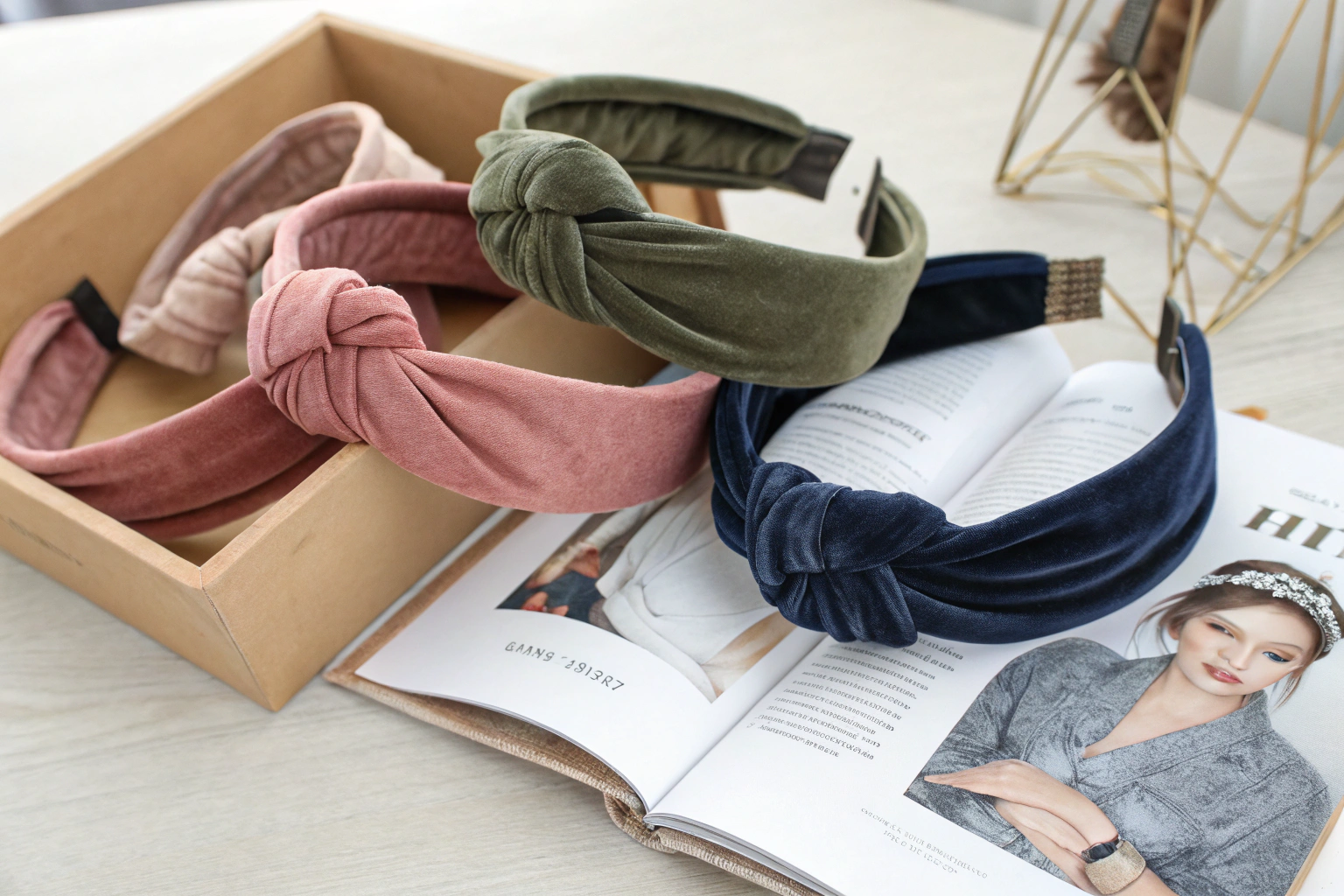
I was on a video call last week with a buyer from a well-known boutique chain based in Paris. She had been sourcing her fabric headbands from a small atelier in Italy for years. The quality was beautiful, but the price was high, and the minimum order quantities were restrictive. She was looking to scale her accessory business across Europe. She told me, "I always thought 'Made in China' was for fast fashion. But the samples you sent me... the stitching is perfect. The fabric feels like what I get from my Italian supplier, but the price is 40% less. How is this possible?" She had discovered what a growing number of European buyers are realizing in 2026: the landscape of premium accessory manufacturing has shifted.
European buyers are preferring Chinese fabric headbands in 2026 due to a convergence of superior value, advanced manufacturing technology, and strategic alignment with EU sustainability regulations. Chinese factories have invested heavily in automated cutting and sewing equipment that delivers European-level precision at a fraction of the labor cost. Furthermore, factories like AceAccessory have proactively obtained certifications such as OEKO-TEX Standard 100 and GRS (Global Recycled Standard), which are now mandatory for many European retailers. The ability to produce small-batch, customized orders with sustainable materials and impeccable finishing has repositioned China as a source for premium, not just commodity, accessories.
At Shanghai Fumao, we have seen a significant uptick in inquiries from European buyers over the last 18 months. The conversation has changed. It is no longer just about price. It is about quality, compliance, and the ability to execute complex designs. I want to share the specific reasons why this shift is happening and why it is accelerating in 2026.
How Has Chinese Manufacturing Quality Closed The Gap With European Ateliers?
For decades, the narrative was clear. If you wanted the absolute best quality, you went to Europe. If you wanted cheap and acceptable, you went to China. That narrative is outdated. The technology gap has closed. In fact, in some areas of automated textile manufacturing, Chinese factories now lead the world in precision and consistency.
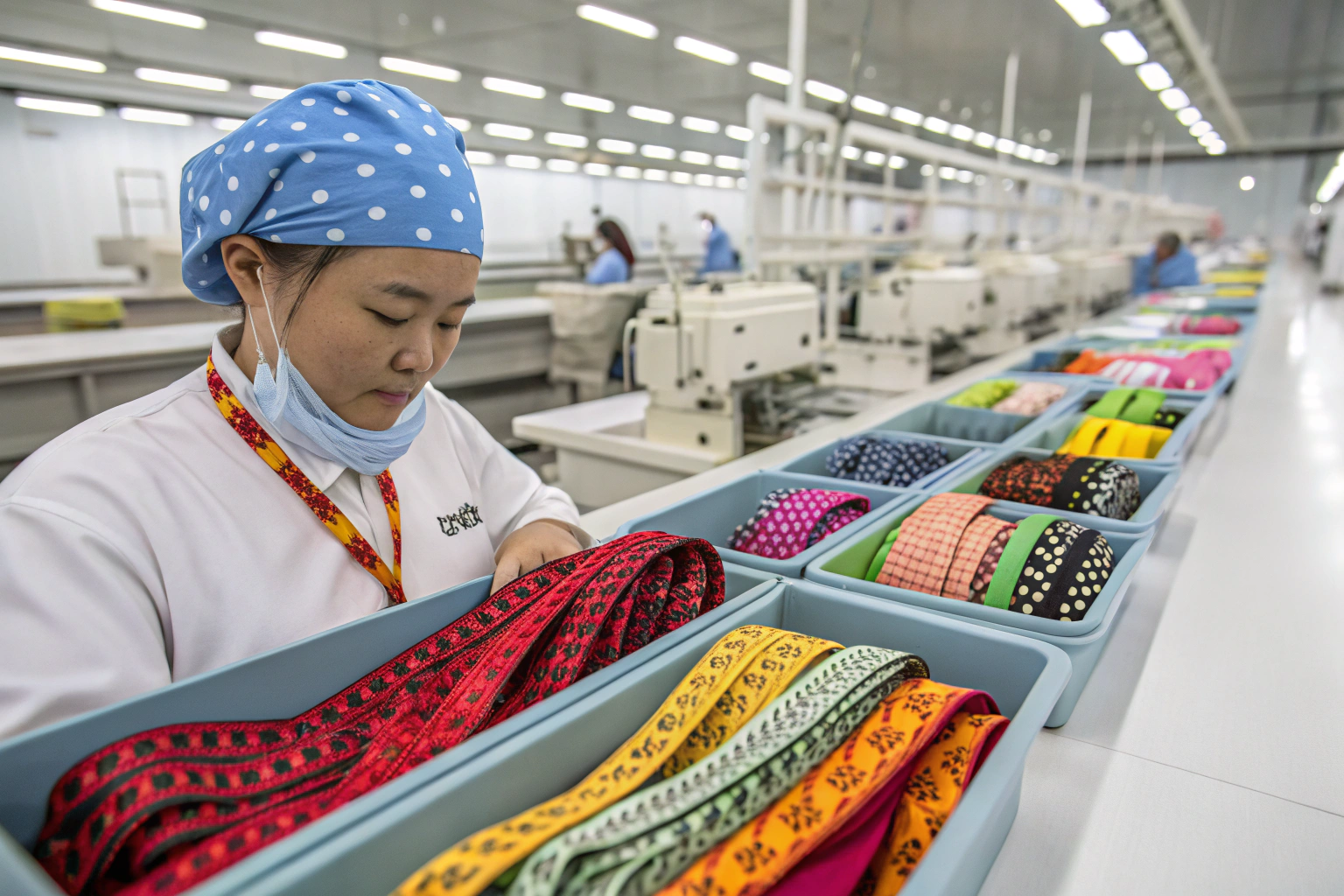
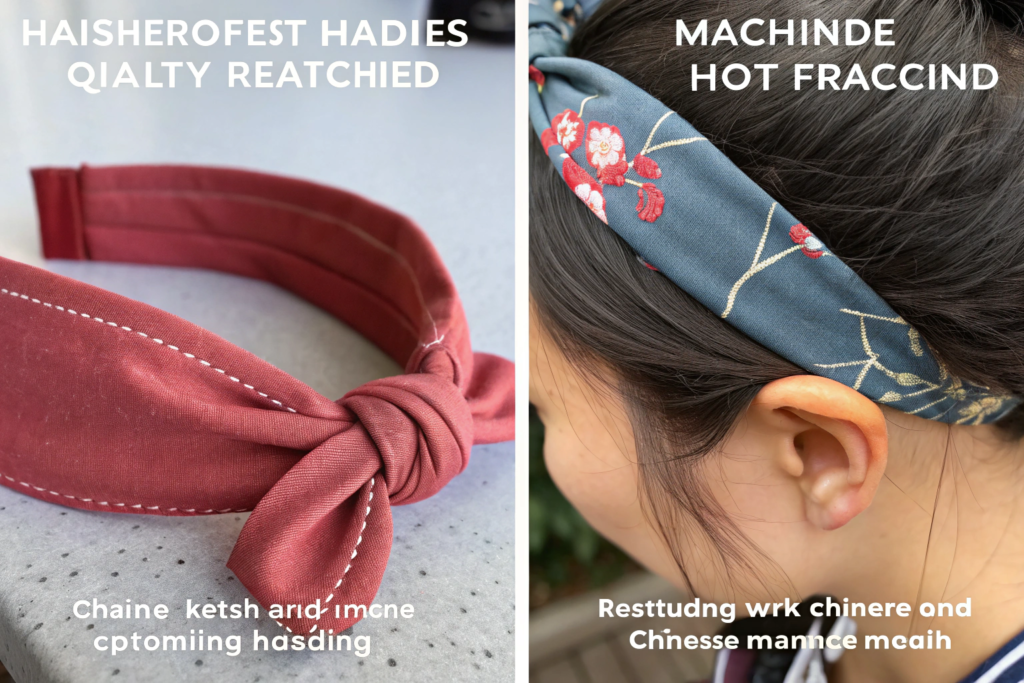
Chinese fabric headband manufacturing has closed the quality gap with European ateliers through massive capital investment in automated production lines. Precision laser cutting ensures every piece of fabric is identical. Computerized sewing machines with stitch control maintain exact seam allowances. And advanced heat-transfer printing allows for vibrant, durable patterns that do not fade. While a European atelier relies on the variable skill of individual artisans, a modern Chinese factory leverages technology to deliver flawless consistency at scale. This consistency is highly valued by European retailers who need to maintain uniform quality across hundreds of stores.
What Role Does Automated Cutting Play In Precision?
In a traditional workshop, fabric is cut by hand with scissors or a rotary blade. It is a skill. But even the most skilled cutter will have slight variations from piece to piece. Over hundreds of headbands, these small variations add up. Knots end up slightly off-center. Seams do not align perfectly.
In our factory, we use computerized laser cutting machines and automated die presses. This is similar to the technology used in industrial garment manufacturing. The pattern for the headband is digitized. The machine cuts multiple layers of fabric with sub-millimeter precision. Every single piece is identical to the digital master.
This is critical for our premium fabric headbands collection. If the fabric piece is even 2mm too narrow, the knot will look flat and stingy. If it is 2mm too wide, the knot will look bulky and uneven.
Our automated cutting ensures that every headband in an order of 5,000 units has the exact same proportions. This is the kind of consistency that a European boutique chain requires. They cannot have one store receive a batch of perfectly knotted headbands and another store receive a batch of wonky ones. Technology guarantees uniformity.
How Does OEKO-TEX Certification Align With EU Standards?
European consumers and regulators are hyper-aware of chemical safety in textiles. The OEKO-TEX Standard 100 certification is not a "nice to have" in Europe. It is often a mandatory requirement for retail placement.
This certification guarantees that every component of the headband—the fabric, the thread, the elastic, the dye—has been tested for harmful substances and is harmless for human health. This aligns perfectly with the strict REACH Regulation enforced by the European Chemicals Agency (ECHA).
Many smaller European ateliers struggle with the cost and administrative burden of maintaining these certifications for every fabric batch. They rely on the reputation of their local suppliers.
We, on the other hand, have made OEKO-TEX certification a core part of our sourcing strategy. All our primary fabric suppliers are OEKO-TEX certified. We maintain Transaction Certificates that trace the certified materials through our production process to the finished headband.
For a European buyer, this is a huge relief. They know that our headbands will pass the strict EU chemical regulations. They will not face a customs hold or a consumer safety complaint due to restricted dyes or finishes. This compliance infrastructure is a major reason why European buyers trust us with their premium production.
Why Are Chinese Factories Better Suited For Sustainable Material Trends?
Sustainability is no longer a niche concern in Europe. It is the price of entry. The EU Strategy for Sustainable and Circular Textiles is pushing the entire industry toward circularity. European buyers are actively seeking products made from recycled fibers, organic cotton, and innovative cellulosic materials like TENCEL™ Lyocell and EcoVero™ Viscose.
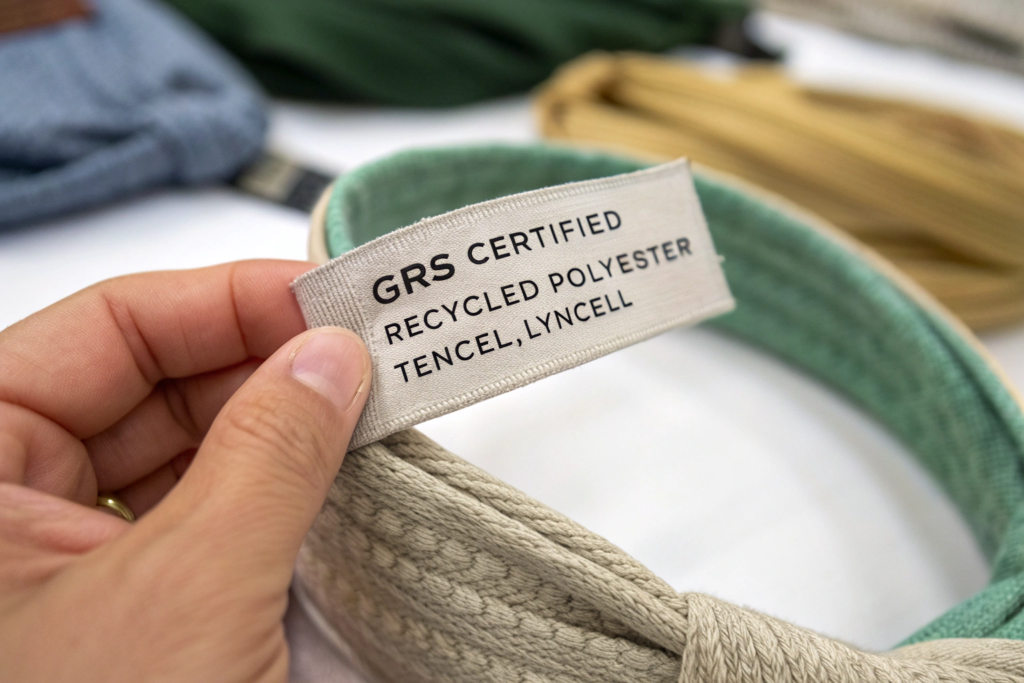
Chinese factories are uniquely positioned to serve the sustainable material trend due to their massive scale and vertical integration. China is the world's largest producer of recycled polyester and a major manufacturing hub for TENCEL™ fibers. This means that sustainable raw materials are readily available, cost-effective, and can be sourced with full traceability. A factory in Zhejiang can purchase GRS-certified recycled yarn directly from a nearby mill, knit or weave it into fabric, and produce a finished headband with a complete chain of custody. This level of integrated sustainable sourcing is difficult and expensive to replicate elsewhere.
What Is The Availability Of GRS Recycled Polyester In China?
The Global Recycled Standard (GRS) verifies the recycled content in a product and tracks it from the recycler to the final product. For a brand to make a valid "Made with Recycled Materials" claim in Europe, they need GRS certification.
China dominates the global recycled polyester supply chain. The majority of the world's plastic bottles are collected and processed into rPET flakes right here. These flakes are then melted and spun into new polyester yarn.
Because this entire industry is based in China, the cost and lead time for GRS-certified fabric are significantly lower than in Europe. A European factory would have to import the GRS yarn from Asia, fabricate it, and then ship the finished goods. That adds cost and carbon footprint.
Our factory can source GRS-certified woven fabrics and knitted textiles directly from mills within our province. We maintain the Scope Certificates and Transaction Certificates required for GRS compliance. We can issue a GRS Transfer Declaration for every order, allowing our European clients to make their recycled content claims with full confidence. You can see examples of our work in our sustainable accessories catalog.
How Does TENCEL™ Lyocell Enhance The Premium Feel?
European consumers love natural, breathable fibers. But cotton headbands can lose their shape and wrinkle easily. TENCEL™ Lyocell offers a solution.
TENCEL™ is a branded lyocell fiber made from sustainably sourced wood pulp by Lenzing AG. It is incredibly soft, smooth, and has a beautiful drape. It is also biodegradable and manufactured in a closed-loop process that recycles water and solvents.
Fabric headbands made from TENCEL™ or TENCEL™ blends have a luxurious, silky feel that European customers adore. They are gentle on the hair and skin. They look and feel premium. This aligns with the data we see on consumer preference for natural fibers from sources like Textile World .
We have developed a range of fabric headbands using TENCEL™ blends (e.g., TENCEL™ / Organic Cotton / Spandex). The fabric has a subtle sheen and a cool, smooth touch. It elevates the humble headband into a luxury accessory.
Because we are located near major textile hubs, we have access to the full range of Lenzing-certified fabrics. We can source the exact weight, weave, and color the client needs. This access to premium, sustainable materials is a key competitive advantage for Chinese manufacturing in 2026.
What Logistical Advantages Does China Offer European Importers?
Price and quality are essential, but they mean nothing if the goods do not arrive on time and at a reasonable cost. The logistics landscape between China and Europe has matured significantly, offering European buyers flexibility and reliability that did not exist a decade ago.
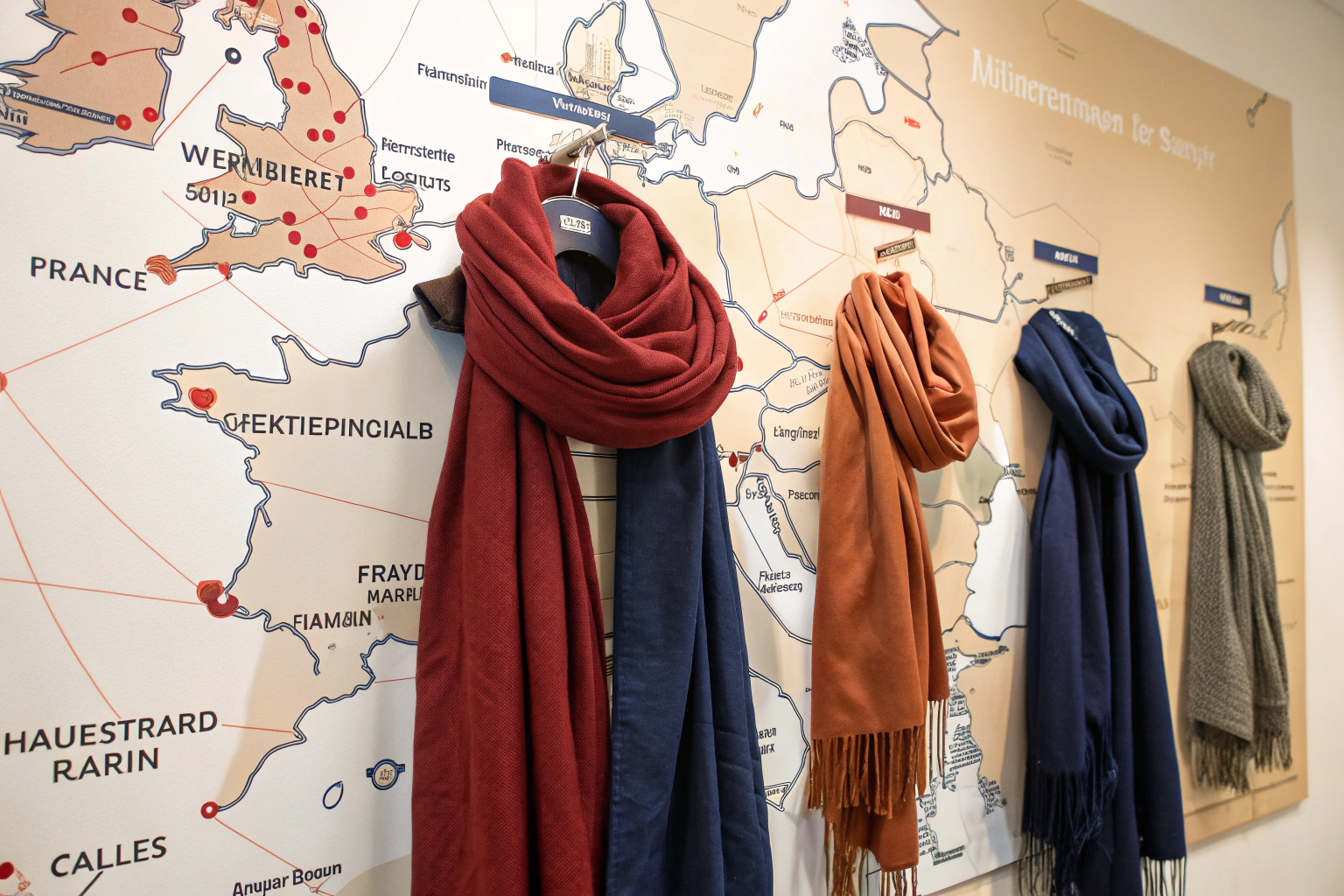
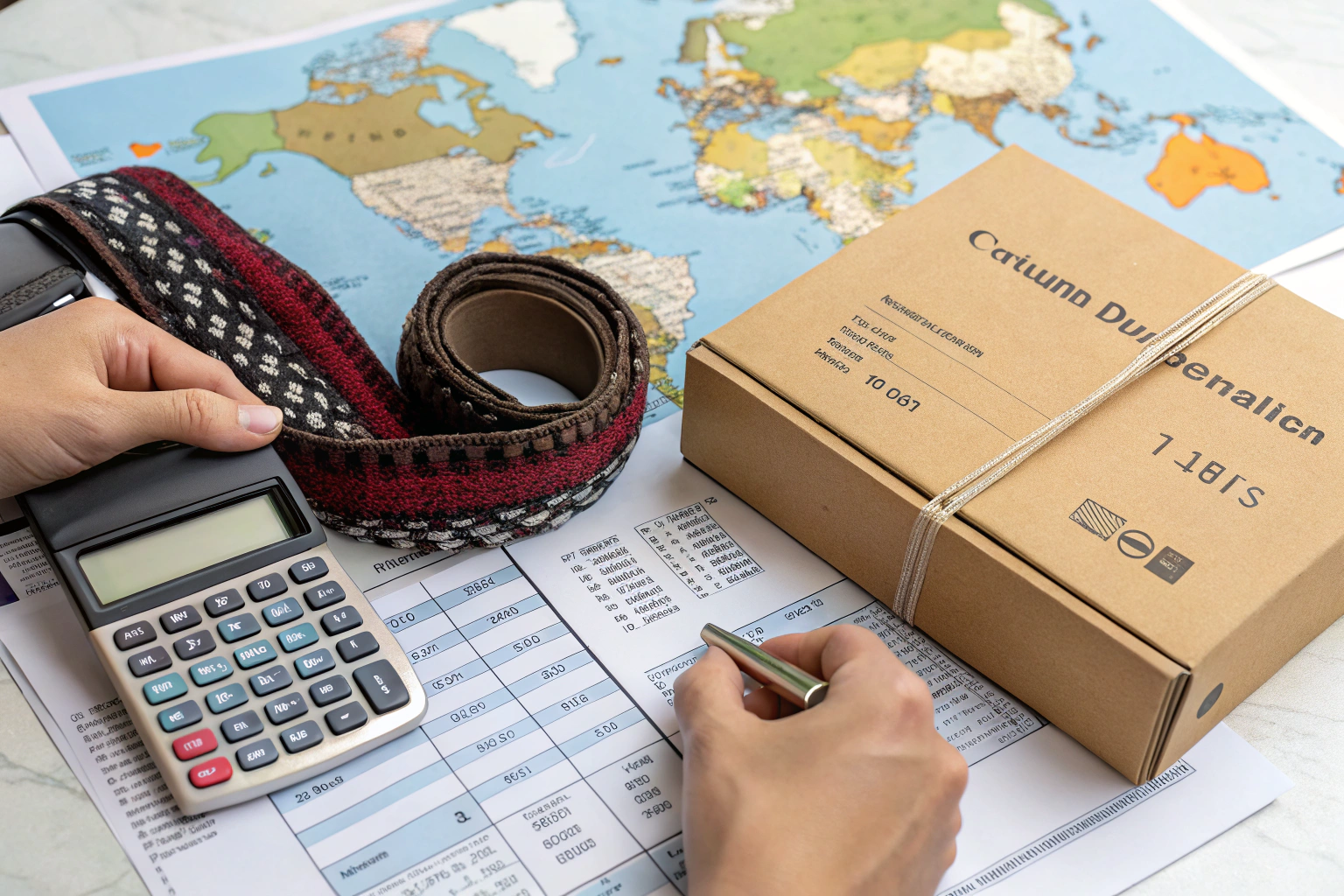
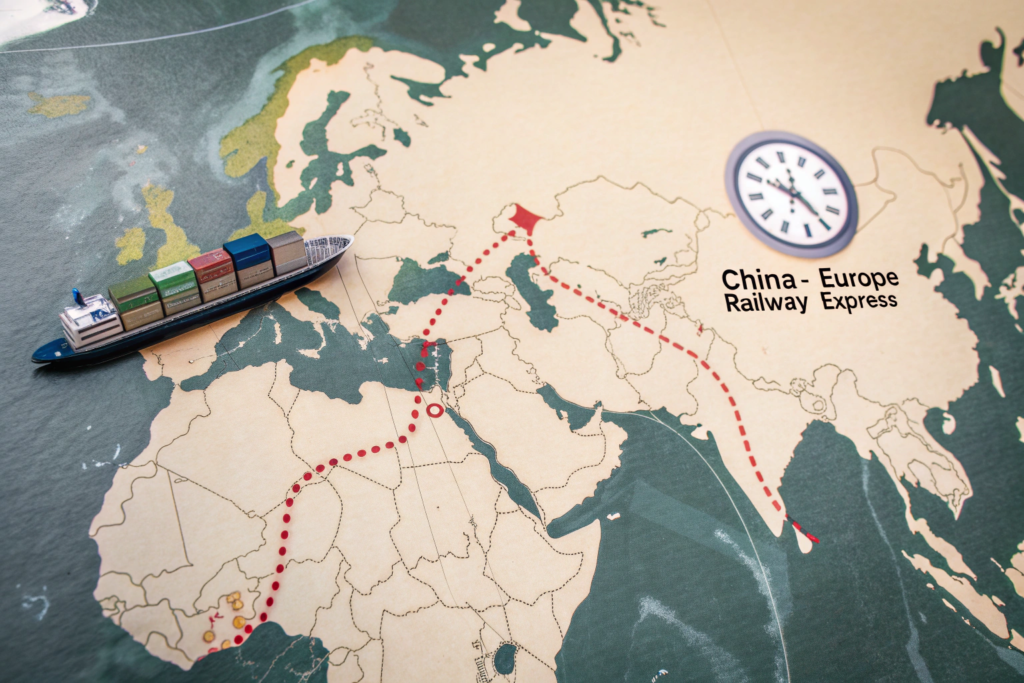
Chinese factories offer European importers significant logistical advantages in 2026, including mature ocean freight routes to major ports like Rotterdam and Hamburg, and the increasingly popular China-Europe Railway Express. This rail option provides a transit time of 18-22 days, which is significantly faster than ocean freight (35-40 days) and much cheaper than air freight. For fashion accessories with seasonal demand, this "middle way" logistics solution allows European brands to replenish inventory quickly and respond to trends without incurring prohibitive shipping costs.
How Does The China-Europe Railway Express Change Reorder Timing?
This is a game-changer for European boutiques and online retailers. In the past, if a fabric headband sold out in October, reordering by ocean freight meant the goods would not arrive until late December—missing the peak holiday sales window. Air freight was the only option, but it would eat up all the profit margin.
The China-Europe Railway Express solves this dilemma. Containers are loaded onto trains in cities like Xi'an or Chongqing. They travel through Kazakhstan, Russia, and Belarus, entering the EU via Poland. The transit time to a distribution hub in Germany is under three weeks. You can read more about this route on logistics platforms like Freightos .
The cost is roughly 50-60% less than air freight, and the carbon footprint is significantly lower.
This means a European buyer can place a reorder in mid-October, and have the goods in their warehouse by the first week of November. They capture the holiday sales. They maintain a leaner inventory. They reduce their risk of overstocking.
We work with freight forwarders who specialize in this rail route. We can provide door-to-door tracking and manage the customs clearance process. This logistics flexibility is a major selling point when we speak with European buyers. It gives them a level of supply chain agility that they cannot get from local suppliers with longer lead times. Learn more about our shipping and logistics policies.
What Are The Benefits Of Consolidated Shipping For Boutique Orders?
European buyers often place smaller, more frequent orders than their American counterparts. A boutique might order 300 headbands in six different styles. A full container load (FCL) is not economical for them.
This is where Less than Container Load (LCL) consolidation comes in. We work with freight forwarders who combine multiple small shipments from different factories into one container bound for Europe.
This allows a small brand to access ocean freight pricing without needing to fill an entire container. The per-unit shipping cost is higher than FCL, but it is still far lower than air freight or parcel post.
We manage the consolidation process carefully. We ensure that the cartons are clearly labeled and that the House Bill of Lading is accurate. We coordinate the delivery to the forwarder's Consolidation Warehouse (CFS) in Ningbo or Shanghai.
This service makes it feasible for small and medium-sized European brands to source directly from China. It democratizes access to the supply chain. It is one of the reasons we are seeing a surge in inquiries from independent boutiques and emerging designers across the EU.
Conclusion
The preference of European buyers for Chinese fabric headbands in 2026 is not a fluke. It is the result of a fundamental shift in the global manufacturing landscape. Chinese factories have invested in the technology to match European quality, the certifications to meet European compliance standards, and the logistics to serve European market rhythms.
The narrative of "China as the world's workshop for cheap goods" is being replaced by a new reality: China as a strategic partner for premium, sustainable, and agile production. For European brands looking to offer high-quality fabric headbands with excellent margins and reliable supply, the choice is increasingly clear.
At Shanghai Fumao, we have embraced this new era. We have built our factory and our processes specifically to serve the needs of discerning European buyers. We understand the importance of OEKO-TEX certification, the appeal of TENCEL™ fabric, and the convenience of the China-Europe Railway. If you are a European brand or retailer looking to elevate your accessory collection with premium fabric headbands, I invite you to experience the new standard of Chinese manufacturing. We are confident that our quality, compliance, and service will exceed your expectations. You can read more about our factory standards in our recent blog post on How Does A Factory's Own QC Team Provide Reliable Service? .
For a personal consultation and to receive samples of our European collection, please contact our Business Director Elaine directly at elaine@fumaoclothing.com. Let us build a beautiful, reliable partnership across the continent.