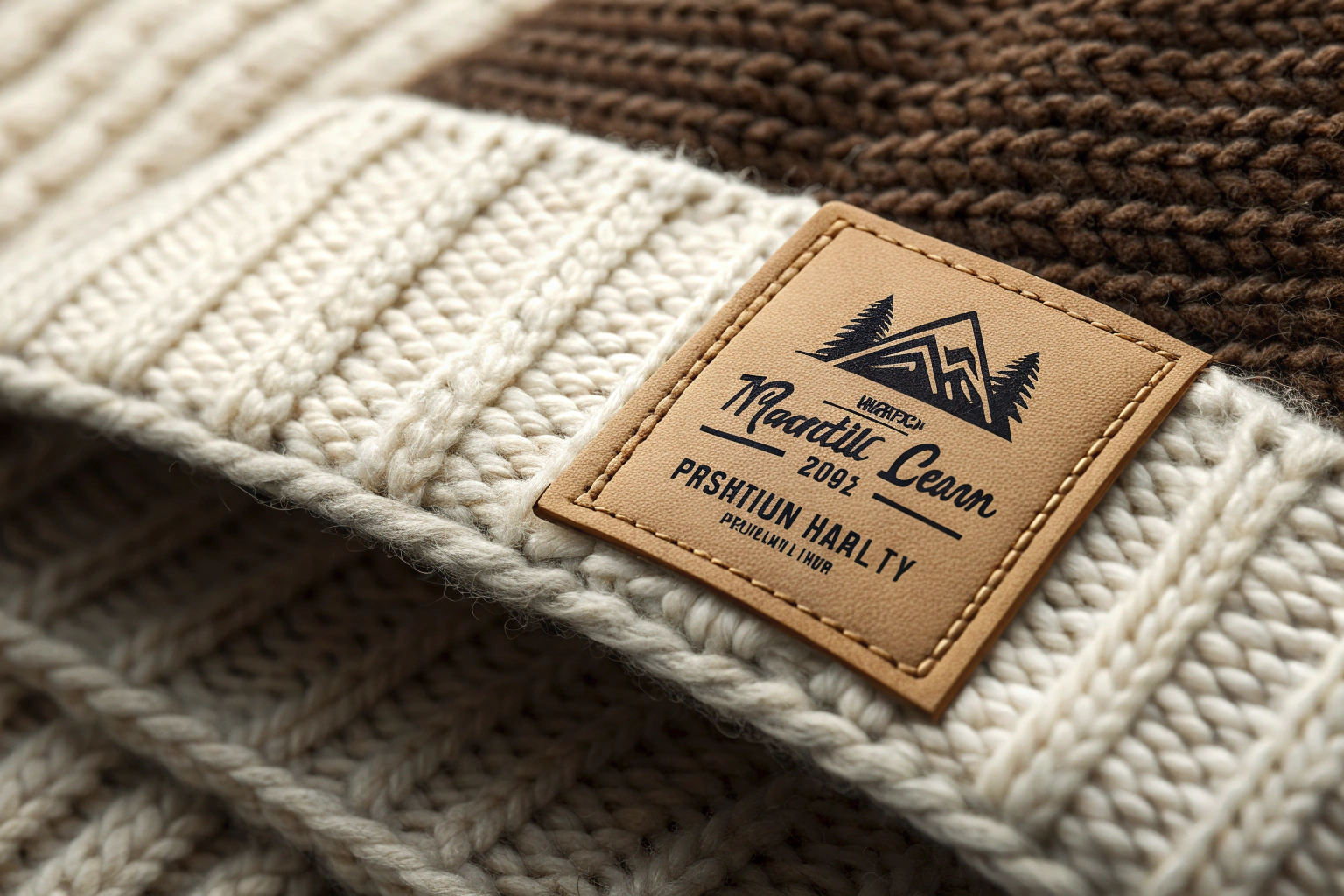
You are obsessed with every detail that shapes your customer's perception of your brand. You've invested in great design, quality materials, and beautiful packaging. But there's one small, often overlooked component that can either elevate all of your efforts or completely undermine them: the label. You might be tempted to see labels—the woven brand tag on a hat, the care label on a scarf, the hang tag on a belt—as a minor detail or a necessary commodity. But you're starting to wonder: Could this tiny piece of fabric or paper be one of the most powerful and underutilized tools for building a strong brand identity?
Custom labels are critically important for brand identity because they are the permanent, physical signature of your brand on the product itself. Long after the packaging is discarded, the label remains as a constant, tangible touchpoint that communicates your brand's quality, authenticity, and story. A well-designed custom label transforms a generic product into a unique piece of your brand's world, builds perceived value, and serves as a silent, enduring marketing agent.
I'm the owner of Shanghai Fumao Clothing, and I've seen firsthand how the smallest details can make the biggest difference. We've worked with brands that have built immense loyalty, and a common thread among them is an obsessive focus on getting their labels right. A cheap, scratchy, generic label says "mass-produced commodity." A custom, high-quality, thoughtfully designed label says "curated, premium brand." It's the difference between a product and an identity. Let's explore why this small component carries so much weight.
How Do Labels Build Perceived Value and Justify a Premium Price?
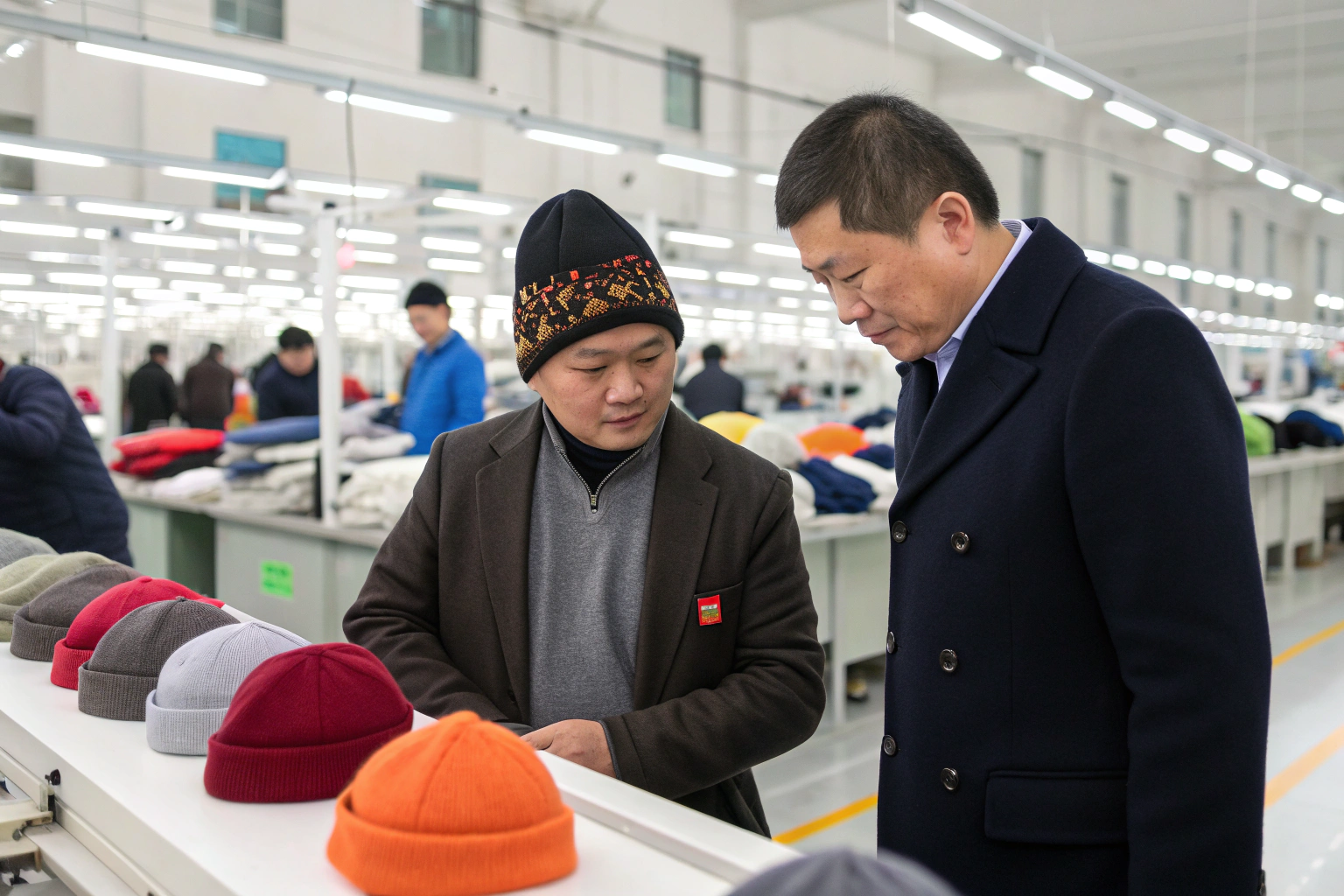
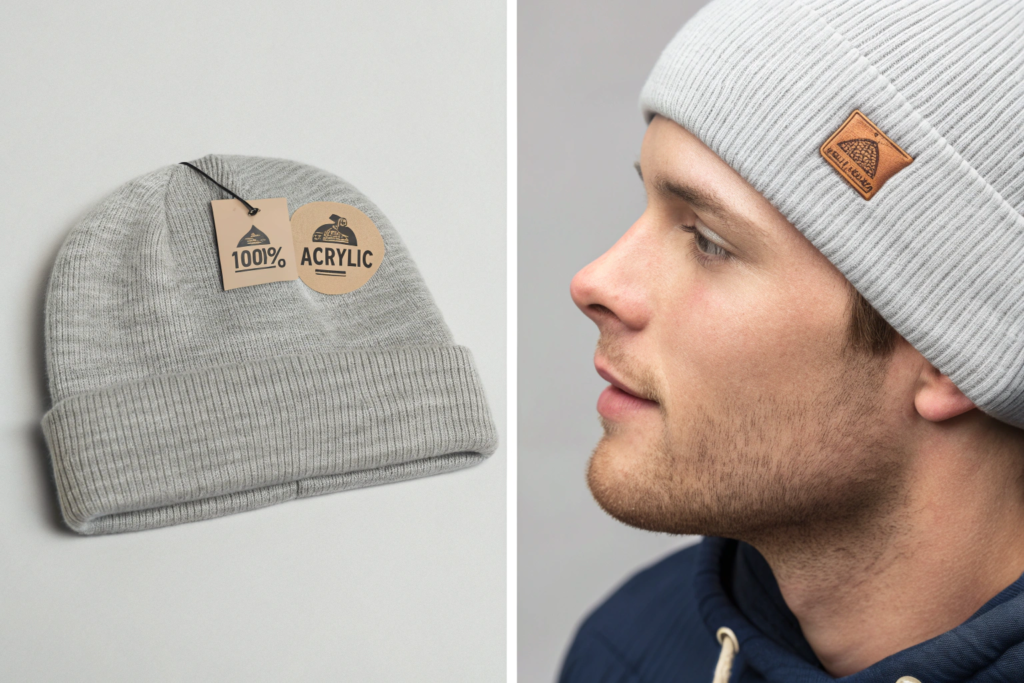
Imagine two identical black beanies. They are made from the same yarn, in the same factory. One has a generic, paper-thin tag that simply says "100% Acrylic." The other has a soft, high-definition woven label featuring a minimalist logo, and an accompanying thick, card-stock hang tag that tells a brief brand story. Which one do you believe is more expensive? Which one feels like it belongs to a more thoughtful, quality-focused brand?
A custom label is one of the most cost-effective tools for increasing a product's perceived value. High-quality materials, sophisticated design, and thoughtful details in a label create a "halo effect," subconsciously signaling to the customer that the entire product is of a higher quality. This elevated perception allows you to command a premium price and differentiate your product from a sea of generic competitors, directly impacting your profit margins.
This psychological effect is powerful and works in several ways:
- The Signal of Investment: A cheap label signals that the brand cut corners. A custom, high-quality label signals that the brand invested in every detail. If they cared this much about the label, the customer infers, they must have cared even more about the quality of the product itself.
- Tangible Quality: The "hand-feel" of a label matters. A soft, smooth woven label feels luxurious against the skin. A thick, textured hang tag feels substantial and important in the hand. This tactile experience is a direct physical communication of quality that a customer can feel before they even fully evaluate the product.
- Justification for Price: When a customer is deciding whether to pay $40 for your beanie versus $15 for a generic one, they are looking for justifications. The custom label is a powerful visual and tactile justification. It helps them to mentally categorize your product as a "premium brand item" rather than a "basic commodity," making the higher price point feel logical and fair.
What makes a label "feel" premium?
Several factors contribute to a premium feel:
- Material: For woven labels, a higher thread density (known as "damask") creates a softer feel and a sharper, more detailed logo. For hang tags, a thick, uncoated, or textured card stock feels more luxurious than thin, glossy paper.
- Technique: Embossing or debossing a logo on a hang tag, using metallic threads in a woven label, or choosing a unique fold (like a "manhattan fold") all signal a higher level of craftsmanship.
- Consistency: The fonts, colors, and logo used on your labels must be perfectly consistent with all your other brand materials, from your website to your packaging. This creates a cohesive, professional brand world.
How much does a custom label really cost?
The cost is surprisingly low, which is why it offers such a high ROI. While prices vary, a high-quality custom woven label might cost anywhere from $0.05 to $0.25 per piece, depending on the complexity and quantity. A custom hang tag might be in a similar range. When you consider that this small investment can help justify a price increase of several dollars, the return is enormous.
How Do Labels Serve as a Permanent Brand Ambassador?
Think about the customer journey. They receive your product, admire the packaging, and then... they throw the packaging away. They wear your hat, your scarf, your belt. What part of your brand stays with them, day after day, for the entire life of the product? The label.
The custom label is the only part of your branding that becomes a permanent part of your customer's life. It is a silent brand ambassador that lives inside their closet, reinforcing your brand identity with every wear. Every time they see or feel that label, it is a micro-impression that strengthens brand recall and builds a long-term, subconscious connection between the customer and your brand.
This long-term presence is an invaluable marketing asset:
- Building Brand Recall: Repetition is the key to memory. The hundreds of times a customer sees your label when they pick up their favorite hat creates a powerful and lasting memory of your brand. When they think of "hats," your brand is more likely to come to mind.
- The "Second-Hand" Market: When your product is eventually sold or given away, the label is what travels with it. A clear, durable, high-quality label ensures that the second owner knows exactly what brand they have. This is how brands like Patagonia have built a powerful second-hand identity; their labels are iconic and durable.
- A Mark of Authenticity: In a world full of knock-offs, a unique and high-quality custom label is a key feature of authenticity. It's much harder to perfectly replicate a complex, high-density woven label than it is to copy the basic design of a product. It serves as a subtle security feature.
What information should be on a woven brand label?
The primary woven label should be clean and simple. In most cases, it should only feature your brand name or logo. The goal is brand identity, not information overload. All the other information—country of origin, material content, care instructions—should be placed on a separate, secondary care label to avoid cluttering your primary brand mark.
What is the most durable type of label?
For a permanent brand mark, a high-density woven damask label is the most durable option. The threads are woven tightly together, making the design an integral part of the fabric itself. It will not fade, crack, or peel like a printed label will. This ensures your brand identity lasts as long as the product itself.
How Can Labels Tell Your Brand's Story and Connect with Customers?
In a crowded market, a great product is not enough. Customers are increasingly buying into the "why" behind a brand—its story, its values, and its mission. Your website and social media can tell this story, but how do you deliver that message at the most critical moment: when the customer is holding your product in their hands?
The hang tag is your prime opportunity to tell your brand's story directly to the customer at the point of sale or unboxing. It's a mini-billboard that can communicate your brand's mission, your commitment to quality, your sustainable practices, or the inspiration behind the design. This narrative transforms the product from a simple object into a meaningful artifact, creating a much deeper emotional connection with the customer.
Your hang tag can be a powerful storytelling tool:
- Communicate Your Mission: Are you a sustainable brand? Use the hang tag to say it: "This hat is made from 100% recycled fibers. Thank you for making a better choice for the planet." This reinforces the customer's decision and makes them feel good about their purchase.
- Explain the Quality: Did you use a special material or technique? Tell them: "Crafted from ultra-fine merino wool, known for its incredible softness and natural temperature regulation." This educates the customer and justifies the product's quality and price.
- Create a Call to Action: Use the hang tag to bridge the physical and digital worlds. Add a QR code that links to your Instagram page or a video showing the "making of" the product. Use language like, "See how it's made" or "Join our community. #OurBrand."
- Add a Personal Touch: A simple message like "Designed with care in our studio in Austin, Texas" can make the brand feel more human and relatable than a faceless corporation.
What is the ideal size and format for a hang tag?
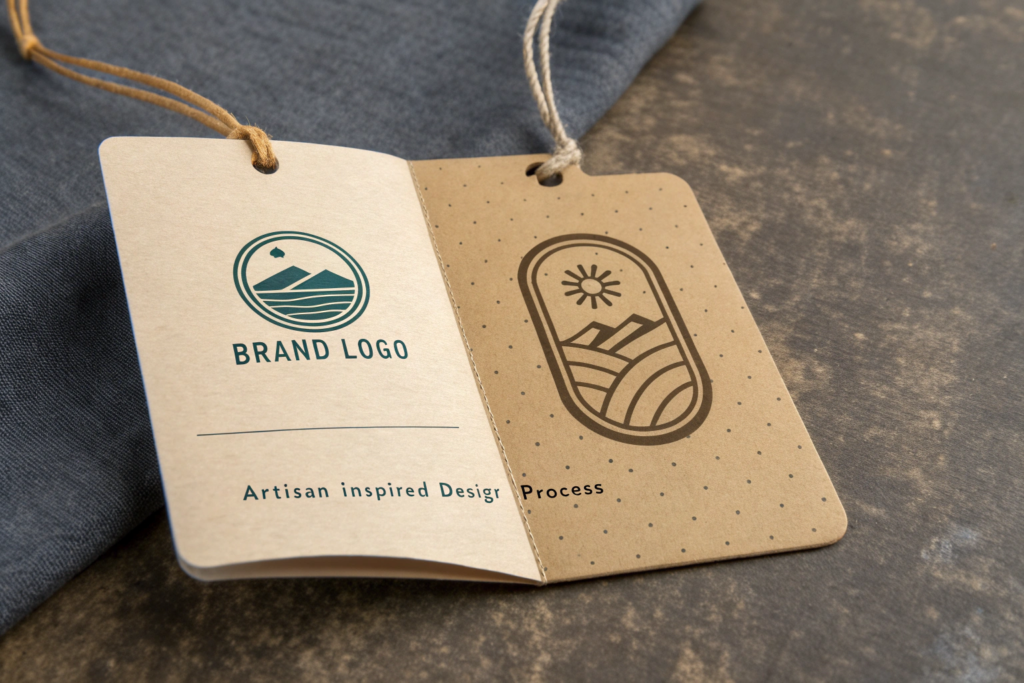
There is no single ideal size, but it should be proportional to the product. A small, folded "booklet" style hang tag is often very effective. It keeps the front clean with just your logo, while allowing you to use the inside panels for your brand story, material information, and a QR code. Using a natural material like cotton string or a metal pin to attach it, instead of a cheap plastic barb, also adds to the premium feel.
Should my hang tag and woven label match?
Yes, absolutely. They must feel like they are part of the same family. They should use the same logo, fonts, and color palette. This brand consistency is the hallmark of a professional and well-managed brand. A mismatched set of labels looks amateurish and disjointed.
What Are the Different Types of Custom Labels and Their Uses?
Once you decide to invest in custom labels, you'll discover a wide world of options, each suited for a different purpose, aesthetic, and price point. Choosing the right type of label for the right application is key to creating a cohesive and functional branding system for your products.
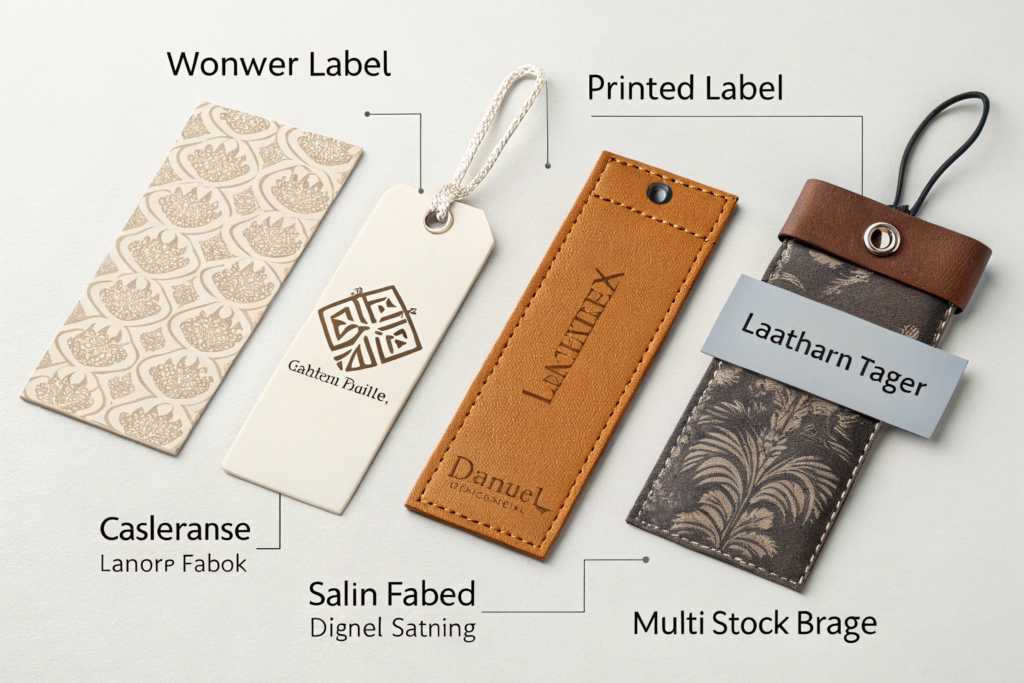
The primary types of custom labels are woven labels, printed labels, and hang tags, each serving a distinct purpose. Woven labels provide a permanent, premium brand mark. Printed labels are best for detailed information like care instructions. And hang tags serve as a point-of-sale marketing and storytelling tool. Brands can also use specialty labels like leather patches or metal tags to achieve a specific aesthetic.
Here's a breakdown of the most common types:
- Woven Labels:
- Damask: The highest quality and industry standard. High thread density allows for very fine detail and a soft feel. The best choice for your primary brand label.
- Taffeta: A lower-density, more basic weave. The finish is less smooth, and the details are less crisp. Often used for care labels or on lower-cost items.
- Printed Labels:
- Satin Printed: A logo or text is printed onto a smooth satin ribbon. Good for care instructions or when a very soft, non-irritating label is needed (e.g., on lingerie or baby items). The print can fade over time with washing.
- Hang Tags:
- Made from paper, card stock, or even plastic. These are your marketing workhorse. They carry your branding, price, barcode, story, and any other point-of-sale information.
- Specialty Labels:
- Leather/Faux Leather Patches: Often used on the outside of beanies, jeans, and bags. They create a rugged, heritage, or premium look. The logo can be debossed (pressed in) or embossed (raised).
- Metal Labels/Tags: A small metal plate, often with an engraved or laser-etched logo. Used on high-end handbags and accessories to convey a sense of luxury and permanence.
A complete branding package for a premium beanie might include a custom woven damask label on the inside, a debossed leather patch on the outside, and a thick, multi-page hang tag attached with a cotton string.
What is a "care label" and is it required?
A care label provides instructions on how to properly wash and care for the product. In many countries, including the U.S. and the E.U., care labels are legally required for most textile products. They must clearly state the material composition (e.g., "80% Cotton, 20% Polyester") and provide washing instructions using standardized symbols. This is typically a printed satin label sewn into a seam.
How do I choose the right fold for my woven label?
The fold affects how the label is sewn onto the product and how it looks.
- End Fold: The ends of the label are folded under. It's sewn on both ends, creating a clean, classic look.
- Center Fold: The label is folded in half and often sewn into a seam (like on the collar of a t-shirt).
- Loop Fold: Similar to a center fold, often used on the outside hem of a shirt or beanie.
- No Fold (Straight Cut): Can be sewn on all four sides, like a patch.
Your manufacturer, like Shanghai Fumao Clothing, can help you choose the best fold for your specific product design.
Conclusion
In the competitive landscape of fashion and accessories, you cannot afford to treat your labels as an afterthought. They are a fundamental and powerful component of your brand identity. A custom label is your investment in perceived value, your permanent brand ambassador, and your direct line for telling your story to your customer. It is the detail that separates a memorable brand from a forgettable product. By investing in a cohesive and high-quality labeling system, you are sending a clear and powerful message to your customers: we care about every detail, and we have built a brand that is worthy of your loyalty.
At Shanghai Fumao Clothing, we specialize in helping brands create complete, custom branding packages, from high-definition woven labels to intricate hang tags and custom patches. We understand that these details are not small things; they are everything. If you are ready to elevate your brand identity and create a lasting impression with your customers, please reach out to our Business Director, Elaine, at elaine@fumaoclothing.com.