In the fast-paced world of fashion, where trends cycle at breakneck speed, a curious phenomenon persists: the unwavering popularity of classic styles. From the trench coat and the little black dress to the leather tote and pearl earrings, these items never seem to go out of style. As a brand or retailer, you might wonder: in a market that constantly craves the "new," why do consumers keep returning to the "old"? Understanding this paradox is key to building a sustainable and resilient product line.
Classic styles are always in demand because they fulfill fundamental, timeless human needs for versatility, reliability, and identity. They transcend fleeting trends by offering proven functionality, superior quality construction, and enduring aesthetic appeal. These pieces act as wardrobe anchors that simplify dressing, provide a sense of confidence and sophistication, and represent a sound investment due to their longevity and timeless design. In essence, they offer psychological comfort and practical utility that novelty cannot consistently provide.
The staying power of classic styles is not an accident; it's the result of converging factors in psychology, economics, and design philosophy. To leverage this demand in your accessory collections—whether for belts, bags, scarves, or hats—we must dissect the core principles that make a style truly "classic" and understand how to reinterpret these icons for the modern market without diluting their essential appeal.
What Psychological Needs Do Classic Styles Fulfill?
At its core, the appeal of classic styles is deeply psychological. In a world of constant change and information overload, these items provide a sense of stability, authenticity, and effortless competence.
Classic pieces are cognitive shortcuts. When getting dressed, reaching for a well-cut blazer or a simple leather belt eliminates decision fatigue. They project an image of reliability and good taste without requiring the wearer to constantly decode new trends. Furthermore, they often carry positive cultural associations—think of the intellect implied by tortoiseshell glasses or the authority of a structured handbag. They allow individuals to feel connected to a legacy of style, providing a sense of belonging to a tradition of elegance rather than a temporary tribe. This emotional resonance is why a customer will invest in a classic piece from Shanghai Fumao Clothing, viewing it as a long-term companion rather than a disposable item.
 --
--
How does the "cost-per-wear" economic model drive demand?
Classic styles are the ultimate expression of "buy less, buy better." Consumers are increasingly savvy about investment purchasing. A timeless leather belt that costs $100 but is worn 200 times over five years has a cost-per-wear of $0.50. A trendy, poorly made belt for $20 that falls apart or looks dated after one season has a much higher effective cost. This rational economic calculation strongly favors classics. They are perceived as value-retaining items, reducing the financial and environmental waste associated with fast fashion. This aligns perfectly with the growing consumer movement towards conscious consumption and sustainability.
Why are classics considered a "safe" choice in social and professional settings?
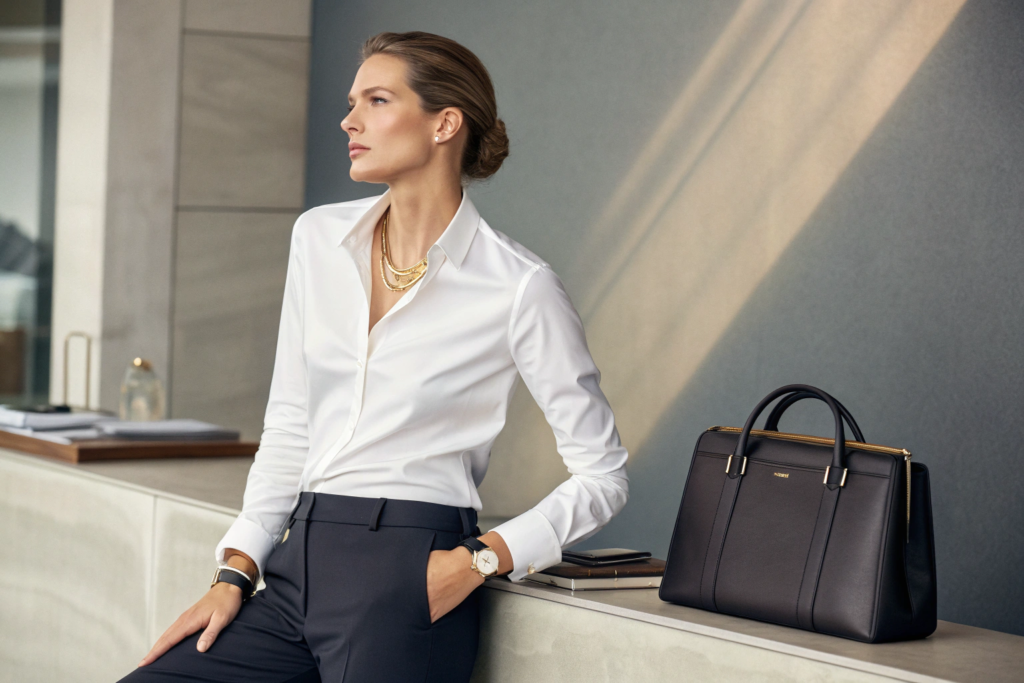
In ambiguous or high-stakes social situations (job interviews, important meetings, formal events), people default to low-risk, high-reward choices. Classic styles are a non-verbal communication tool that signals professionalism, respect for the context, and personal discernment. They avoid the potential missteps of an overly trendy outfit that might be judged as frivolous or inappropriate. This "safety" is not about being boring; it's about using universally recognized codes of appropriateness to build trust and credibility, allowing one's personality to shine through other means.
What Defines a "Classic" in Terms of Design and Construction?
Not every old style becomes a classic. True classics possess specific, identifiable design DNA and are built to a standard that ensures their longevity. This is where manufacturing quality becomes inseparable from design.
The hallmarks include:
- Simple, Clean Silhouettes: Avoiding excessive ornamentation that can date quickly (e.g., the trench coat's double-breasted closure and storm flaps).
- Neutral and Versatile Color Palettes: Black, navy, cream, tan, camel, and true red.
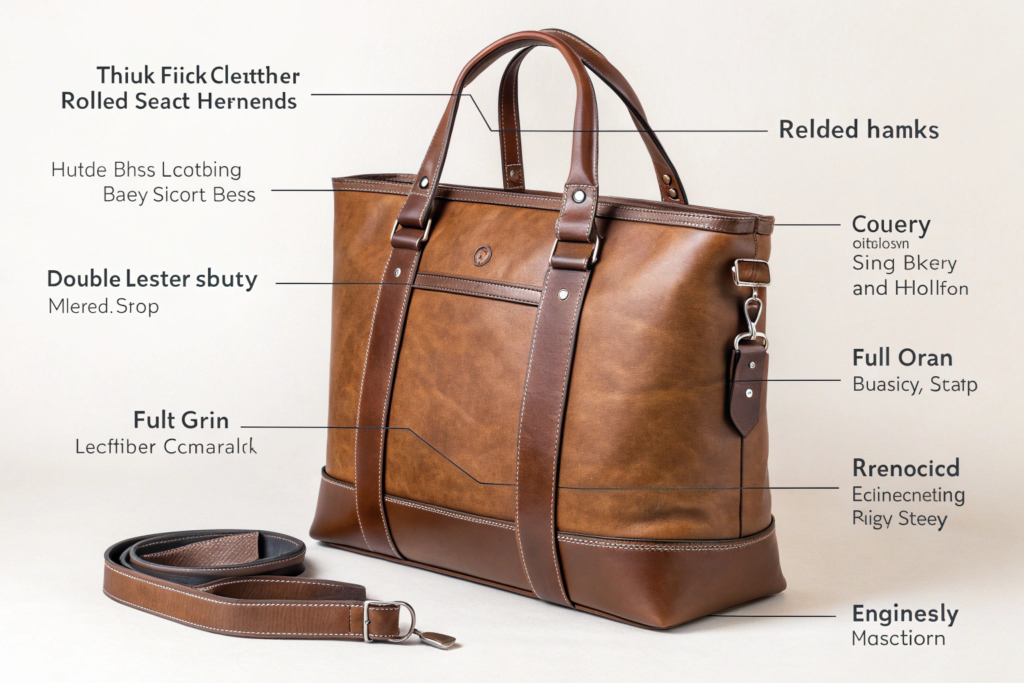
- High-Quality, Natural Materials: Full-grain leather, 100% wool, silk, fine gauge cotton, and solid brass hardware.
- Superior Construction: Features like French seams, saddle stitching, reinforced stress points, and lined interiors.
A classic is not defined by never changing, but by evolving subtly. The perfect white sneaker or aviator sunglasses of today have been refined over decades, but their core identity remains intact. This requires a manufacturer to have mastery over both traditional craftsmanship and modern material science.
How do material choices cement a style's classic status?
Materials are the foundation. Full-grain leather develops a patina, telling the story of its use and becoming more beautiful over time. Merino wool is temperature-regulating and resilient. Silk has a unique luster and drape. These materials are chosen not just for their initial appearance, but for their aging characteristics. They are inherently durable and often improve with wear, which is the antithesis of planned obsolescence. Sourcing these materials consistently and ethically is a critical part of a factory's supply chain integrity and a key reason brands partner with established manufacturers for their classic lines.
Can a classic style be "updated" without losing its essence?
Yes, and this is crucial for keeping classics relevant. Updates are typically subtle and respect the original design grammar. Examples include:
- Introducing a classic bag in a new, but still neutral, color (e.g., olive green instead of black).
- Using the same silhouette but with a more sustainable material (e.g., apple leather or recycled nylon).
- Adjusting proportions slightly to match contemporary fits (e.g., a slightly wider leg on a classic trouser).
The update must enhance functionality or material ethics without distorting the recognizable form. This is a delicate balance that requires a skilled design and R&D team.
How Do Classic Styles Function Within a Modern Wardrobe?
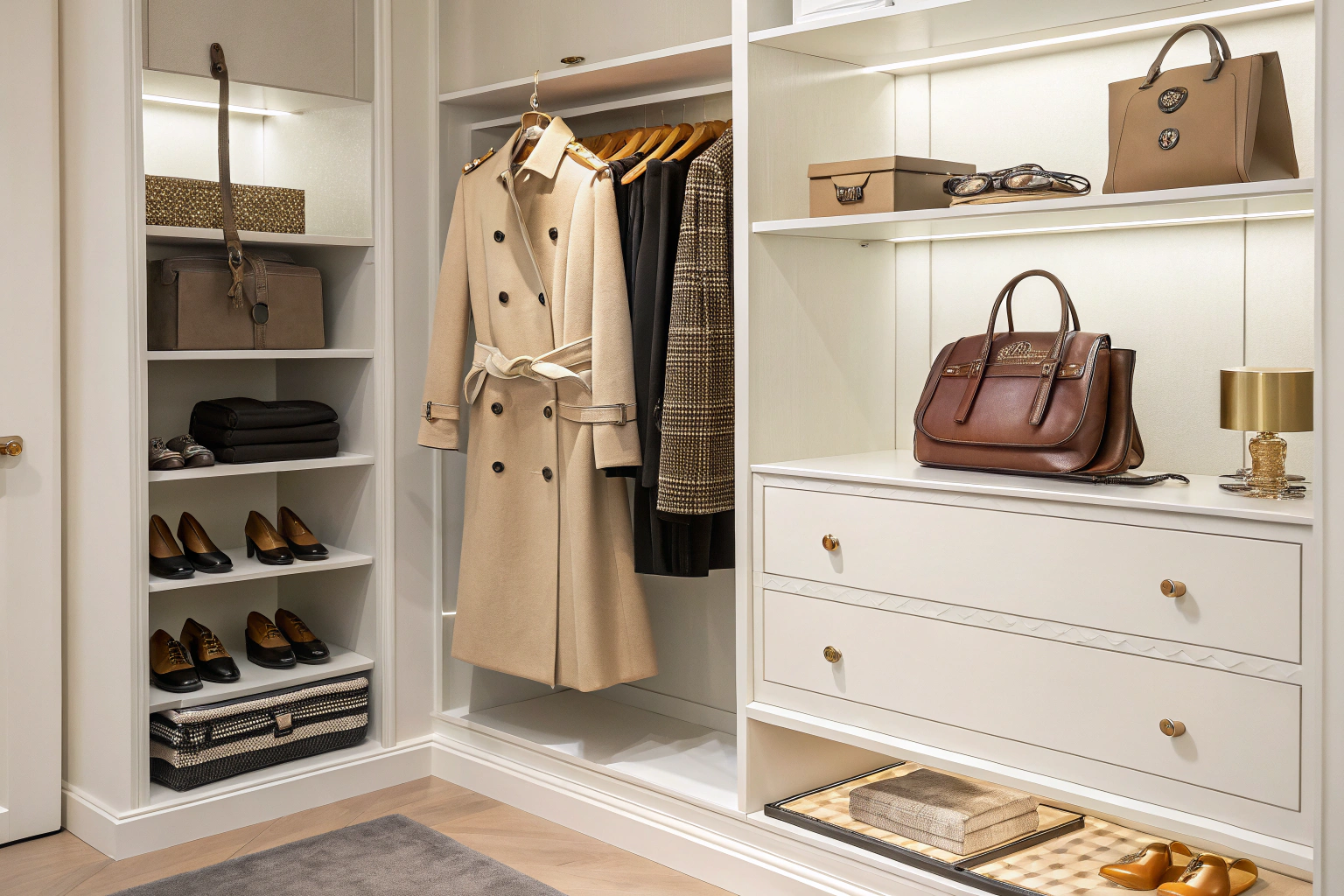
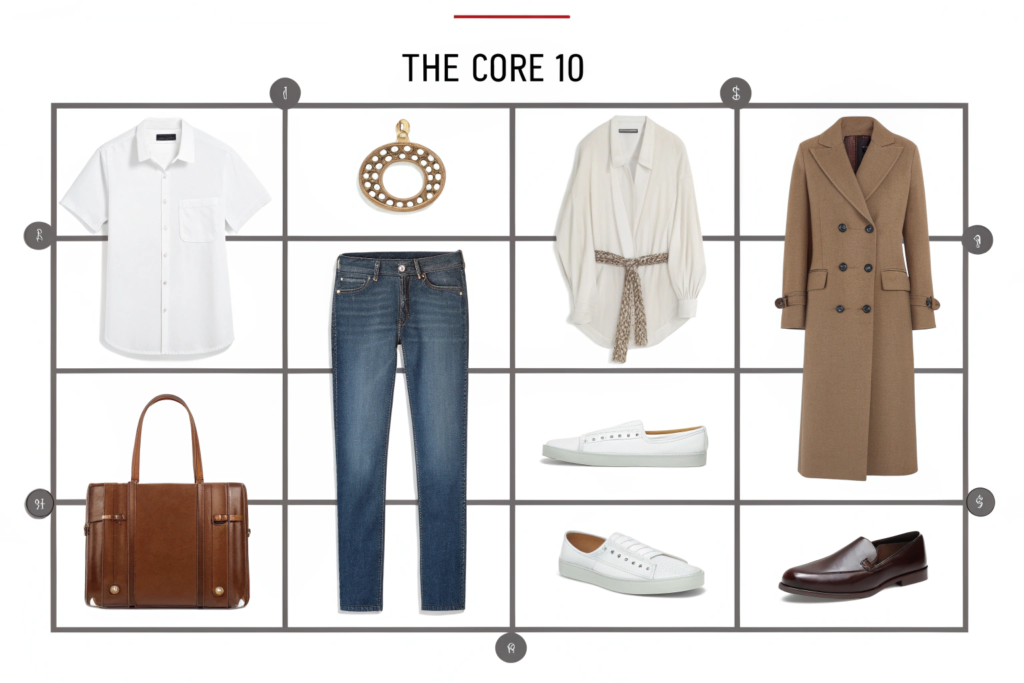
The modern approach to style is increasingly curatorial. Consumers build a wardrobe of versatile, high-quality essentials (the classics) and pepper in seasonal, trendy pieces for flair. Classics form the foundation of a capsule wardrobe.
This system is efficient, sustainable, and stylish. A single classic trench coat can be layered over jeans and a t-shirt, a summer dress, or a tailored suit. A pair of hoop earrings works with workout gear and an evening gown. This extreme versatility is a primary driver of demand. For retailers, this means classics are not just single-SKU sales; they are the entry point that encourages customers to build a full outfit and return for complementary pieces season after season, fostering incredible brand loyalty.
What is the role of "quiet luxury" in the current classic revival?
The recent "quiet luxury" trend (exemplified by brands like The Row, old Celine) is essentially a hyper-focused celebration of classic principles. It emphasizes exquisite fabric, impeccable cut, and anonymity of branding. This movement has educated a broader audience to appreciate the intrinsic value of a perfectly executed classic piece over a logo-laden, trend-driven item. It has shifted demand towards understated elegance and heirloom quality, which is the natural domain of timeless design. For manufacturers, this means an even greater emphasis on precision in pattern-making and finishing details.
How do classics interact with personal identity in the digital age?
In an era of personal branding, classics offer a stable visual identity. An influencer or professional known for their signature classic leather jacket or tortoiseshell sunglasses uses that item as a recognizable part of their personal "logo." Classics provide a consistent backdrop against which individuality can be expressed through other, more variable means. They offer a sense of authentic self that is not subject to the whims of algorithms, making them powerful tools for building a coherent personal or brand image online and offline.
How to Source and Develop Truly Timeless Classics?
Creating or sourcing a product that aims for classic status requires a different mindset than chasing a trend. It involves a long-term view, a commitment to quality, and a deep understanding of design history.
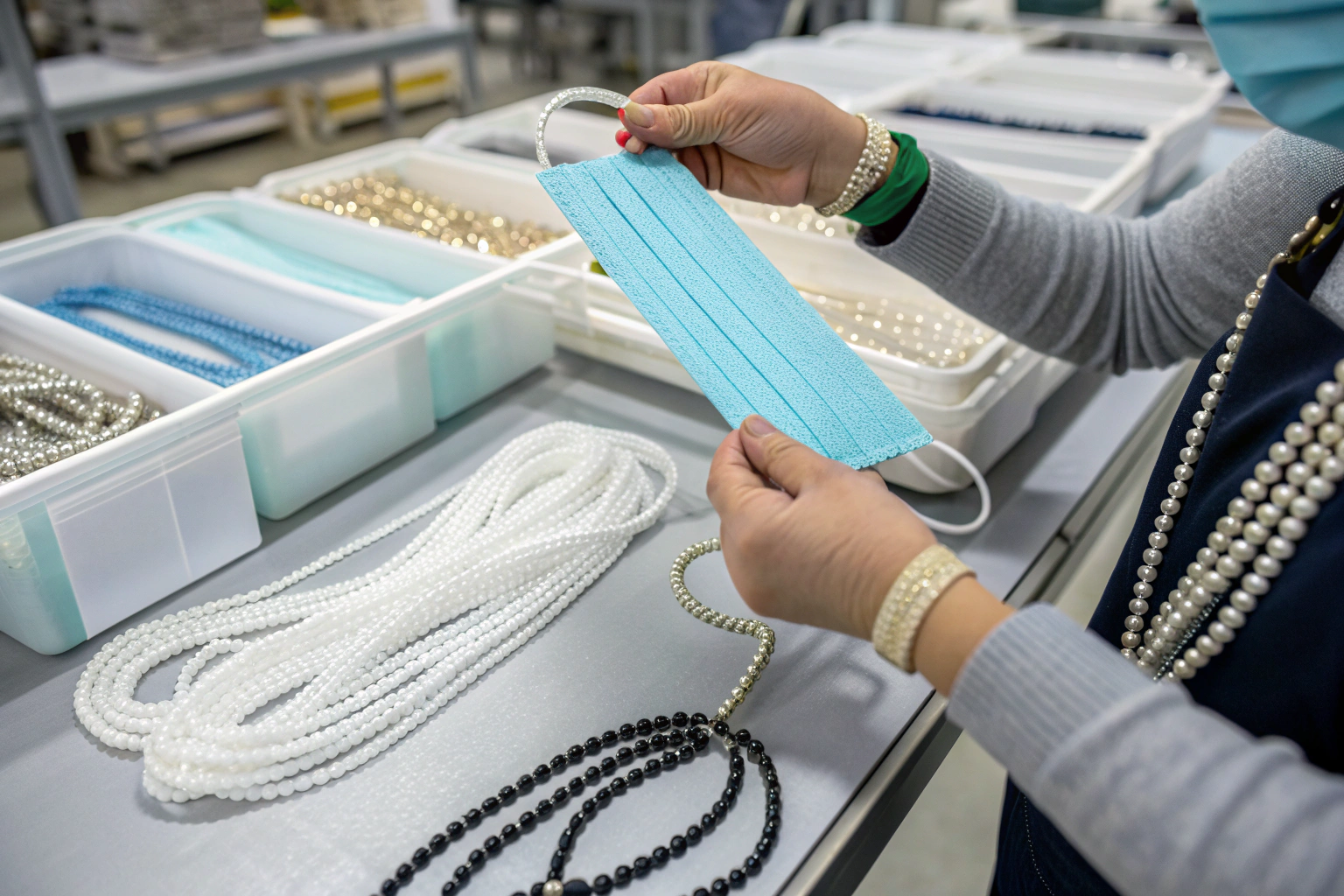
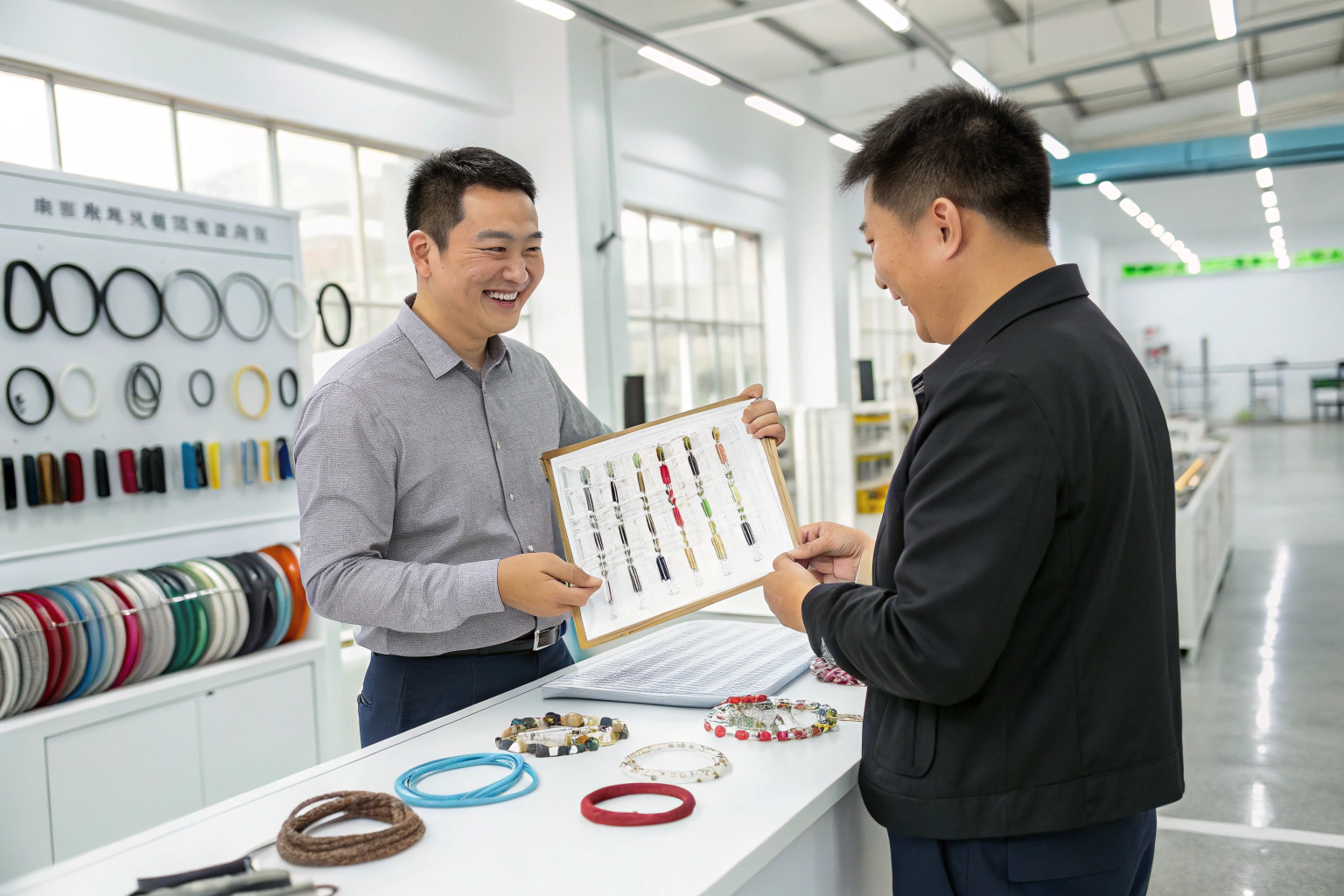
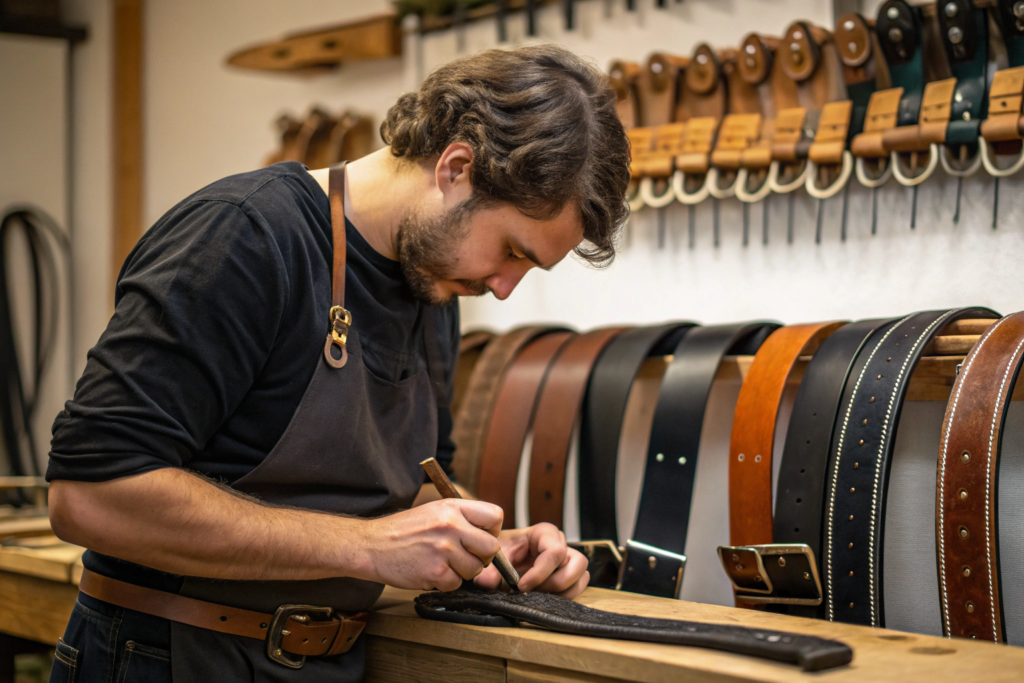
When evaluating a factory for classic accessory production, you must assess their capability for consistent quality over time. Can they guarantee the same leather grade and color dye lot for re-orders two years from now? Do they have the technical expertise to execute complex, traditional construction methods (like hand-stitching or leather wet-molding)? The partnership is about building a legacy product, not just fulfilling a seasonal PO. The factory must be a steward of the craft.
What are the key questions to ask a supplier about their classic product capabilities?
- "What is your source for core materials (e.g., leather tannery, fabric mill), and can we get mill certificates?"
- "Can you provide a detailed breakdown of the construction techniques used (stitch type, SPI, reinforcement methods)?"
- "What is your process for ensuring color and material consistency across production runs and over multiple years?"
- "Do you offer repair services or sell spare parts (like replacement straps or buckles) to extend product life?"
Their answers will reveal if they are equipped for the long-term partnership required to build a classic.
How do you market a classic style in a trend-focused world?
Marketing must educate and inspire. Focus on storytelling:
- Heritage & Craft: Showcase the making process, the material origins, the artisan's skill.
- Versatility: Use styling imagery that shows the product in multiple, diverse contexts.
- Longevity: Use customer testimonials or "aging beautifully" campaigns that show the product after years of use.
- Emotion: Connect the product to feelings of confidence, ease, and enduring style.
The goal is to position the classic not as the absence of fashion, but as its highest form—intelligent, personal, and lasting.
Conclusion
Classic styles remain perpetually in demand because they answer a deep and persistent human desire for authenticity, quality, and effortless elegance. They are the antidote to the anxiety and waste of fast fashion, offering a sustainable, psychologically comforting, and economically smart approach to personal style.
For brands, a well-executed classic is not just a product; it's a brand pillar. It generates reliable revenue, builds unwavering customer loyalty, and establishes a reputation for integrity and quality that transcends seasonal cycles.
If you are looking to develop or source a collection of enduring, classic accessories that will stand the test of time in both style and construction, partnering with a manufacturer that shares this long-term vision is paramount. We specialize in crafting timeless pieces with meticulous attention to material, detail, and craftsmanship. To discuss creating a legacy for your brand, contact our Business Director Elaine. Email: elaine@fumaoclothing.com.