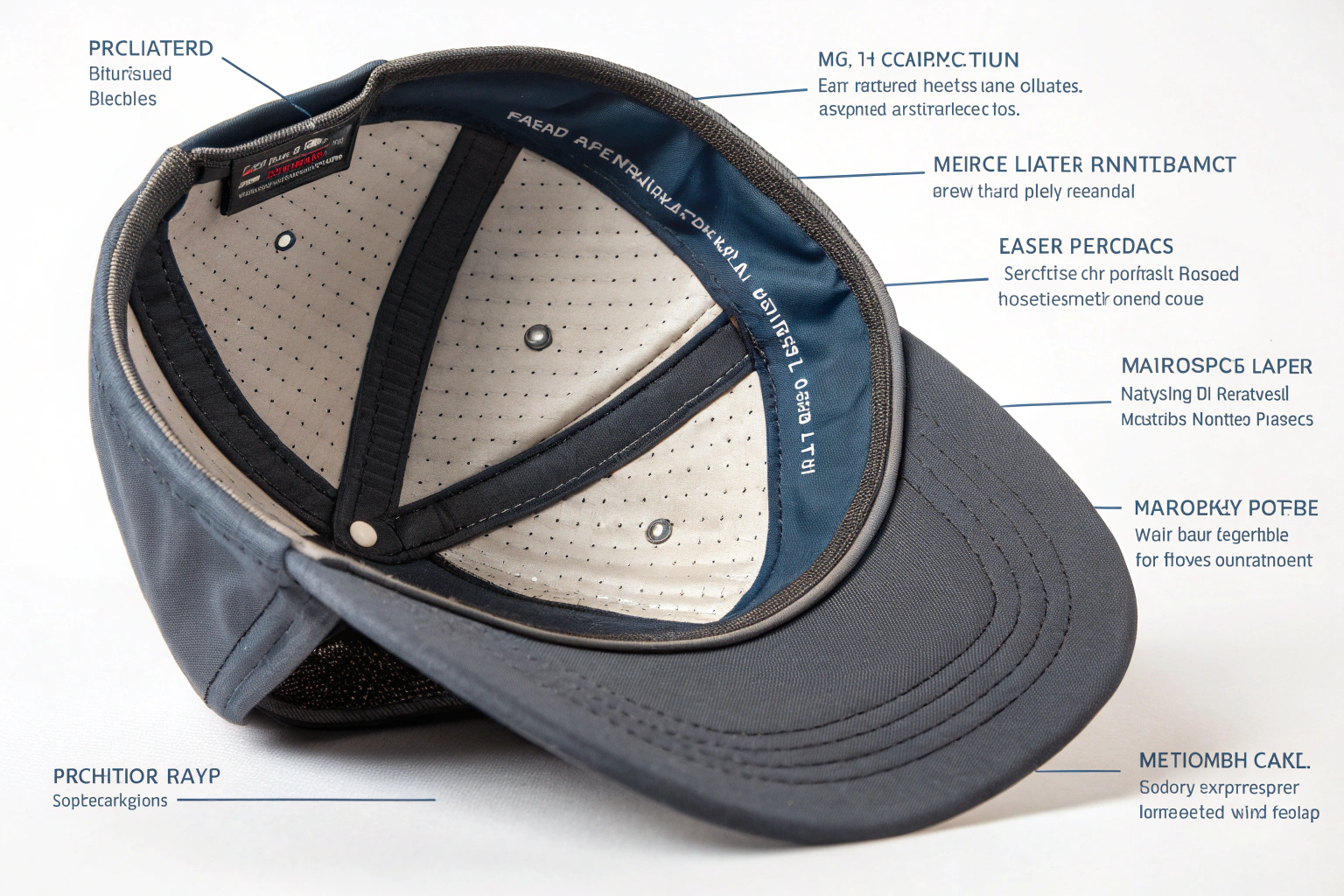
You are reviewing the spec sheet for your 2026 cloth hat order. Your factory contact in China has added a line item you did not request. It says "Upgraded anti-sweat moisture-wicking sweatband." The unit price has increased by $0.12. Your first instinct is to question the cost. Why add something the customer cannot even see from the outside? Is this just an unnecessary upsell? You need to understand the market forces and the genuine consumer benefit driving this change. You are not just buying a component. You are buying into a shift in consumer expectations for everyday accessories.
Chinese cloth hat makers are adding upgraded anti-sweat and moisture-wicking bands for 2026 in direct response to three converging market forces: the continued dominance of the "performance comfort" trend in everyday casual wear, the specific demands of major US and European retail buyers who are mandating this feature as a point of differentiation, and the availability of cost-effective, high-performance technical fabrics from the Zhejiang textile supply chain.
I manage Shanghai Fumao in Zhejiang, and I can tell you this is not an upsell. It is a fundamental shift in the baseline specification for a quality cloth hat. The simple cotton sweatband is rapidly becoming obsolete for any brand that positions itself as modern and customer-focused. Let me explain exactly why this change is happening now and why it is a smart investment for your brand.
How Is the "Performance Comfort" Trend Driving Sweatband Innovation?
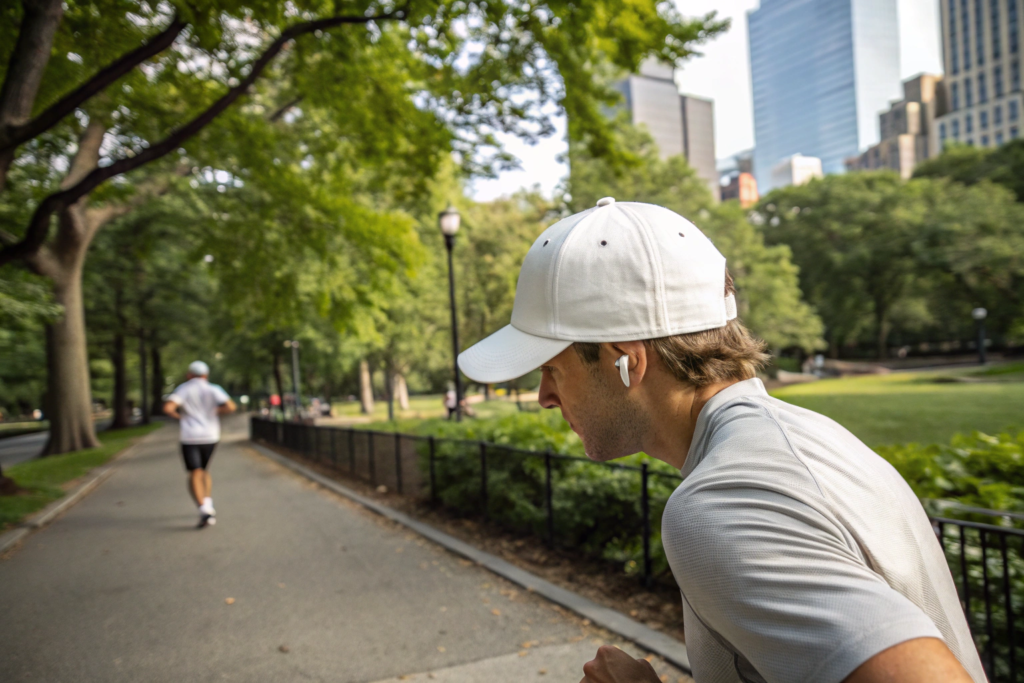
The most powerful force in fashion over the last five years has been the blurring of the lines between performance athletic wear and everyday casual clothing. The consumer now expects the comfort and technical features of their gym clothes in their everyday wardrobe. This expectation has fully arrived for headwear.
The traditional cloth hat, the cotton twill baseball cap or the canvas bucket hat, has a fundamental flaw. The standard sweatband is a simple strip of cotton or a cotton-poly blend. Cotton absorbs moisture, which is good initially. But cotton holds that moisture. It becomes saturated, heavy, and stays wet. It does not dry quickly. The result is a damp, uncomfortable band pressing against the forehead, often leading to skin irritation and the dreaded "hat hair." It can also develop odor over time.
The upgraded anti-sweat bands use technical fabrics, typically polyester or nylon blends with specific moisture-wicking properties. These fabrics do not absorb moisture like a sponge. They use capillary action to pull the sweat away from the skin and spread it across a large surface area where it can evaporate quickly. The band stays drier and more comfortable. The hat feels lighter. This is the "performance comfort" that consumers now expect. This consumer demand for performance comfort features in everyday casual headwear is the primary driver of this change.
What Are the Specific Fabrics Used in These New Sweatbands?
The term "anti-sweat" is a consumer-friendly label. The technical reality involves specific engineered fabrics. The most common materials we are using at AceAccessory are variants of polyester and nylon.
Coolmax is a well-known branded polyester fabric with a proprietary cross-section that enhances moisture wicking. It is a premium option. More commonly, we use unbranded but functionally equivalent polyester wicking fabrics sourced from our textile partners in Zhejiang. These fabrics have a soft, brushed feel against the skin and excellent wicking performance. Another popular option is a nylon-spandex blend, which offers a bit of stretch for a more comfortable, conforming fit. We also offer blends with antimicrobial treatments to inhibit odor-causing bacteria. The specific fabric can be tailored to the brand’s performance and cost requirements. This technical moisture wicking fabrics used in premium hat sweatbands Coolmax polyester and nylon blends are now standard in our material library.
How Does This Upgrade Affect the Perceived Value of the Hat?
The sweatband is invisible from the outside, but its impact on the user experience is profound. The moment the customer puts the hat on, they feel the difference. The band feels cooler and softer. After an hour of wear on a warm day, the difference is even more noticeable. The hat does not feel heavy and wet. This positive tactile experience translates directly into higher perceived value and brand loyalty.
A customer who buys a hat with a cheap, uncomfortable sweatband is unlikely to buy another hat from that brand. A customer who experiences the comfort of a premium moisture-wicking band is likely to become a repeat buyer. The $0.12 cost increase is an investment in customer satisfaction and lifetime value. This impact of premium sweatband on consumer perceived value and brand loyalty is a strategic advantage, not just a component upgrade.
Why Are Major US and European Retailers Mandating This Feature?
The shift to upgraded sweatbands is not just a bottom-up consumer trend. It is also a top-down mandate from major retailers. Buyers for department stores, sporting goods chains, and large online platforms are actively seeking points of differentiation for their private label and branded hat programs. The sweatband has become one of those key points.
A retail buyer knows that hats are a high-return category. A common reason for return is "uncomfortable fit." A significant contributor to discomfort is the sweatband. By specifying a moisture-wicking sweatband as a standard feature, the buyer is proactively addressing a source of customer dissatisfaction and potential returns. It is a risk-reduction strategy. Furthermore, it provides a tangible, marketable feature. The hat can now include a hangtag or an interior label that says "Moisture-Wicking Sweatband" or "Cool Comfort Band." This gives the product a story and a reason for the consumer to choose it over a generic alternative.
At Shanghai Fumao, we are seeing this requirement written directly into the vendor manuals and tech packs from our largest US and European clients. It is no longer a special request. It is the new baseline. This retail buyer mandates for upgraded sweatband features in private label headwear programs is accelerating the industry-wide adoption.

How Is This Feature Marketed on the Hangtag or Online Description?
The feature is invisible, so it must be communicated effectively to the consumer at the point of sale. This is done through hangtags, interior woven labels, and online product descriptions. The language used is important.
Common hangtag copy includes phrases like "CoolMax Moisture-Wicking Sweatband," "Stay-Dry Comfort Band," or "Anti-Sweat Interior." The interior woven label might simply say "Moisture Wicking." The online product description will often elaborate, explaining that the band pulls sweat away from the skin to keep the wearer cool and dry. This simple, functional benefit story resonates with the modern consumer. We work with our clients to develop the appropriate branding and labeling for this feature. This marketing language and point of sale communication for moisture wicking sweatband technology is essential for capturing the value of the upgrade.
Does This Feature Help with Sustainability and Longevity Claims?
Yes, indirectly. A hat that becomes sweat-stained and odorous is often discarded prematurely. A moisture-wicking band, especially one with antimicrobial properties, helps the hat stay fresher for longer. It reduces the need for frequent washing. Washing a hat can damage its shape and structure over time. A hat that is washed less often lasts longer. This extended product life aligns with sustainability goals of reducing consumption and waste. While the primary driver is comfort, the durability and longevity benefits are a positive secondary story for brands focused on sustainability. This sustainability and product longevity benefits of moisture wicking antimicrobial sweatbands is an added value.
How Has the Zhejiang Textile Supply Chain Enabled This Upgrade?
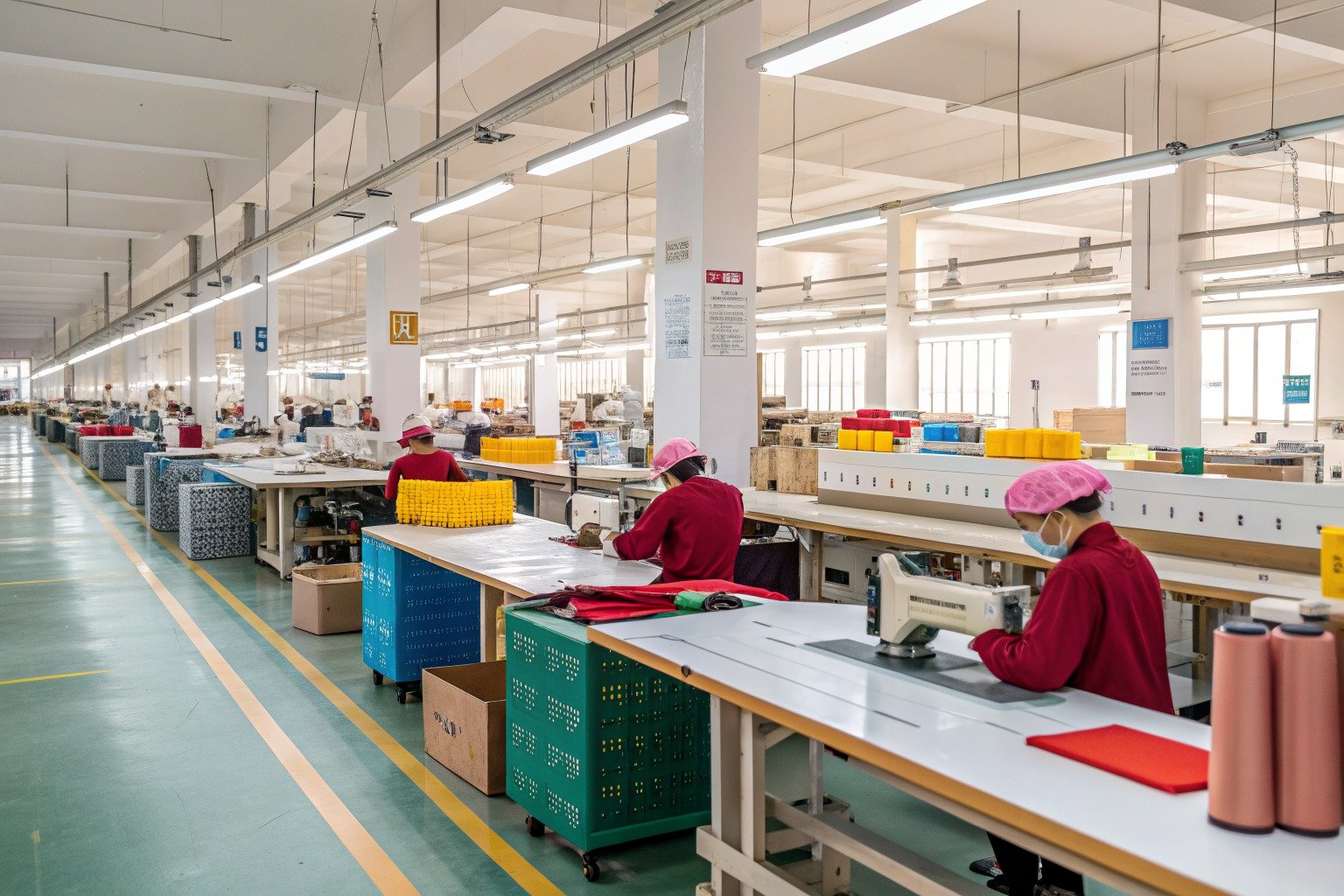
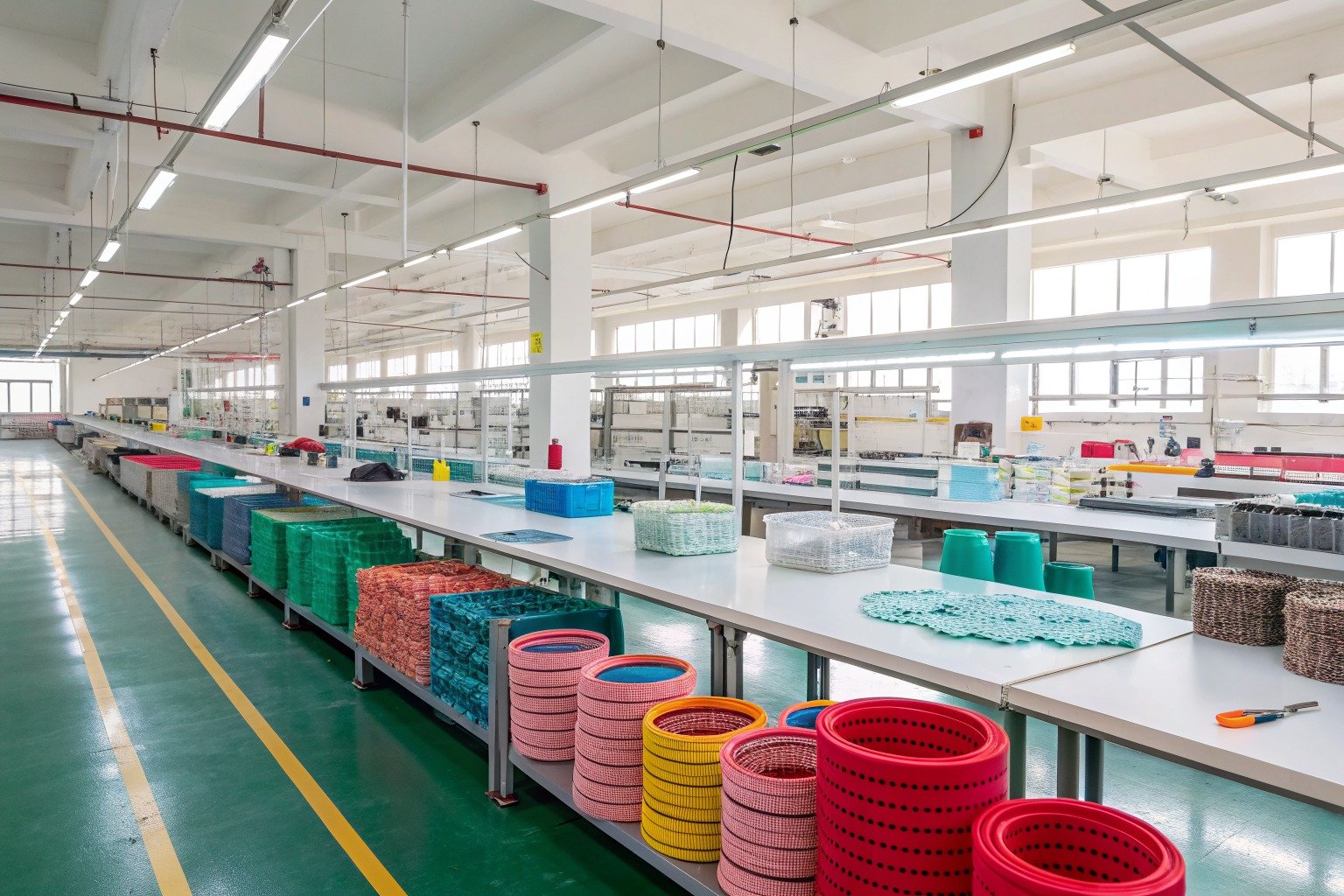
The widespread adoption of upgraded sweatbands in 2026 would not be possible at an accessible cost without the sophisticated textile manufacturing ecosystem in Zhejiang province. We are located at the source of these materials.
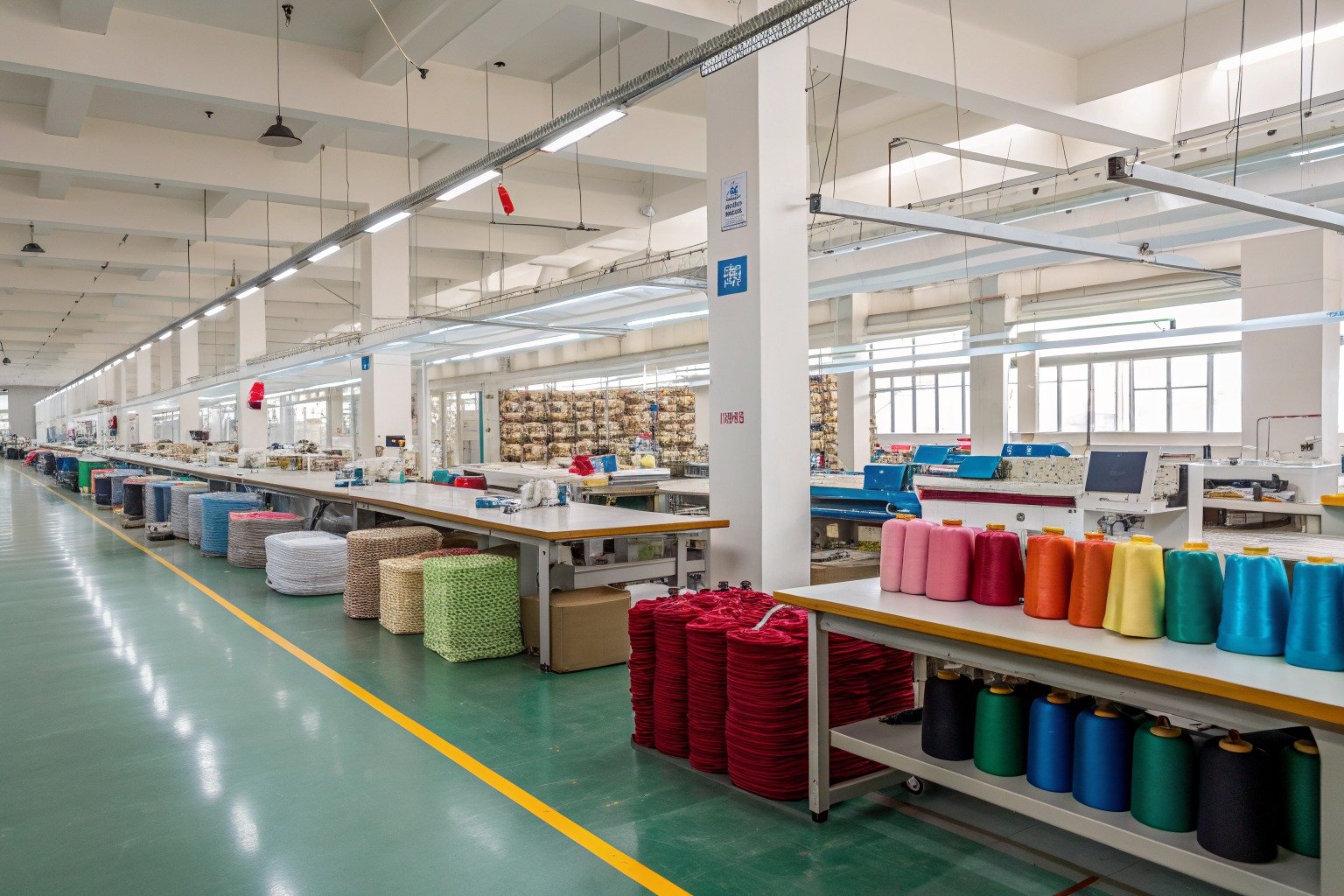
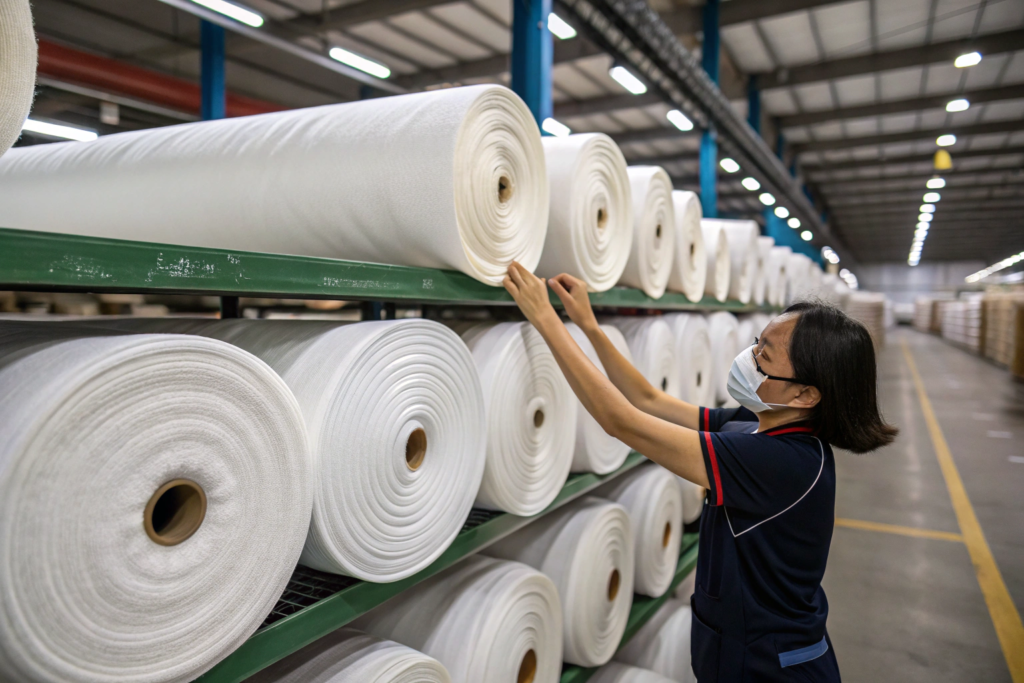
Just a few years ago, technical moisture-wicking fabrics were specialty items, often imported and expensive. Today, the mills in and around Shaoxing and Yiwu produce these fabrics at scale and at very competitive prices. They have developed their own formulations and finishes that rival the performance of branded fabrics like Coolmax. They offer a wide range of colors to match hat linings. They can produce custom widths and weights specifically for sweatband applications. This local availability of high-quality, cost-effective technical textiles is what allows us to offer the upgrade for a modest cost increase. We are not sourcing this material from overseas. We are buying it from a supplier an hour’s drive from our factory. This Zhejiang textile supply chain capacity for cost effective moisture wicking and technical fabrics is the economic engine behind this trend.
What Is the Actual Cost Difference for This Upgrade?
Transparency on cost is important. The upgraded sweatband does add to the material cost of the hat. The exact amount depends on the specific fabric chosen and the width of the band. For a standard baseball cap sweatband, the cost increase for a basic unbranded polyester wicking fabric is approximately $0.10 to $0.15 per unit compared to a standard cotton twill band. For a premium Coolmax band, the increase might be $0.20 to $0.25 per unit.
This is a small absolute cost for a significant improvement in user experience. When amortized across the retail price of the hat, it is a negligible percentage. The return on investment, in terms of reduced returns and increased customer satisfaction, is substantial. This cost breakdown for upgrading from cotton to moisture wicking sweatband in hat production demonstrates the strong value proposition.
Are There Different Grades or Performance Levels of Anti-Sweat Bands?
Yes, just like any material, there is a range of quality and performance. The basic level is a standard polyester wicking fabric. It performs well and is a major step up from cotton. The next level is a fabric with a specific fiber cross-section, like Coolmax, which offers enhanced wicking. The premium level adds an antimicrobial treatment, often a silver-ion or zinc-based finish, which inhibits the growth of odor-causing bacteria. This is the ultimate performance upgrade. We offer all three levels to our clients and explain the performance and cost differences so they can choose the option that best fits their brand positioning and price point. This performance grades and options for anti sweat and moisture wicking hat bands allows for tailored solutions.
What Other 2026 Hat Comfort Upgrades Are Related to This Trend?
The upgraded sweatband is the most significant comfort upgrade for 2026, but it is part of a broader trend toward holistic comfort engineering in hats. Consumers are no longer willing to tolerate the minor discomforts of traditional headwear.
Related upgrades include the use of softer, brushed polyester mesh for the crown lining, replacing the stiff, scratchy mesh of older caps. This improves breathability and feels better against the top of the head. Another upgrade is the use of a softer, more flexible buckram for the front panel structure. This maintains the shape of the cap but eliminates the stiff, unyielding feeling of traditional buckram. Seam tape is being used more frequently to cover the interior seams, creating a smoother, cleaner finish. These details, combined with the upgraded sweatband, create a hat that feels significantly more premium and comfortable. This holistic comfort upgrades in 2026 headwear including lining mesh and buckram is the new standard for quality.
How Does the Sweatband Attachment Method Affect Comfort?
The way the sweatband is sewn into the hat matters as much as the fabric itself. A poorly attached sweatband can have a bulky, irritating seam that presses against the forehead.
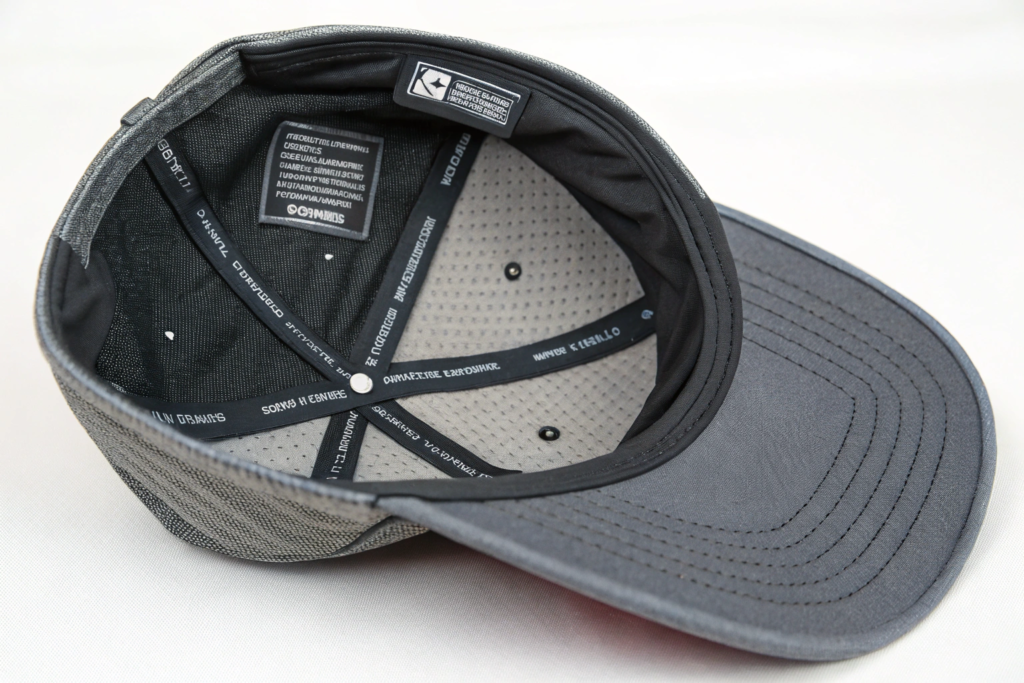
The preferred method for premium hats is a "fold-over" or "turned" construction. The sweatband fabric is folded over a strip of soft foam or batting, and then sewn into the hat with the raw edge hidden. This creates a soft, rounded, cushioned edge against the skin. A cheaper method is to simply sew a single layer of fabric directly to the hat, leaving a raw edge that can be scratchy. When we upgrade the sweatband material, we also use the premium folded construction. This attention to detail in the sewing process maximizes the comfort benefit of the upgraded material. This sweatband attachment methods and their impact on comfort and durability is a detail we do not overlook.
Can This Feature Be Added to Existing Hat Styles Easily?
Yes, absolutely. The upgrade from a standard cotton sweatband to a moisture-wicking sweatband does not require any changes to the hat pattern or the primary construction. It is a simple substitution of one material for another. The sewing operation is identical. This means that brands can upgrade their entire existing line of hats without retooling or resampling. It is a seamless transition. We can implement this upgrade on any reorder of an existing style. This ease of integrating moisture wicking sweatbands into existing hat production patterns makes it a very accessible improvement.
Conclusion
The addition of anti-sweat and moisture-wicking sweatbands by Chinese cloth hat makers for 2026 is not a passing fad or an unnecessary cost. It is a strategic response to a fundamental shift in consumer expectations and retail buying standards. The modern consumer, accustomed to the comfort of athletic wear, now demands that same level of thoughtful performance from their everyday accessories. Major retailers are listening and are mandating this feature to differentiate their products and reduce returns.
The Zhejiang textile supply chain has made this upgrade economically viable at scale, providing high-quality technical fabrics at accessible prices. The modest cost increase of $0.10 to $0.15 per hat is a small price to pay for a significant improvement in customer comfort, perceived value, and brand loyalty. It is an investment in building a better product and a stronger brand.
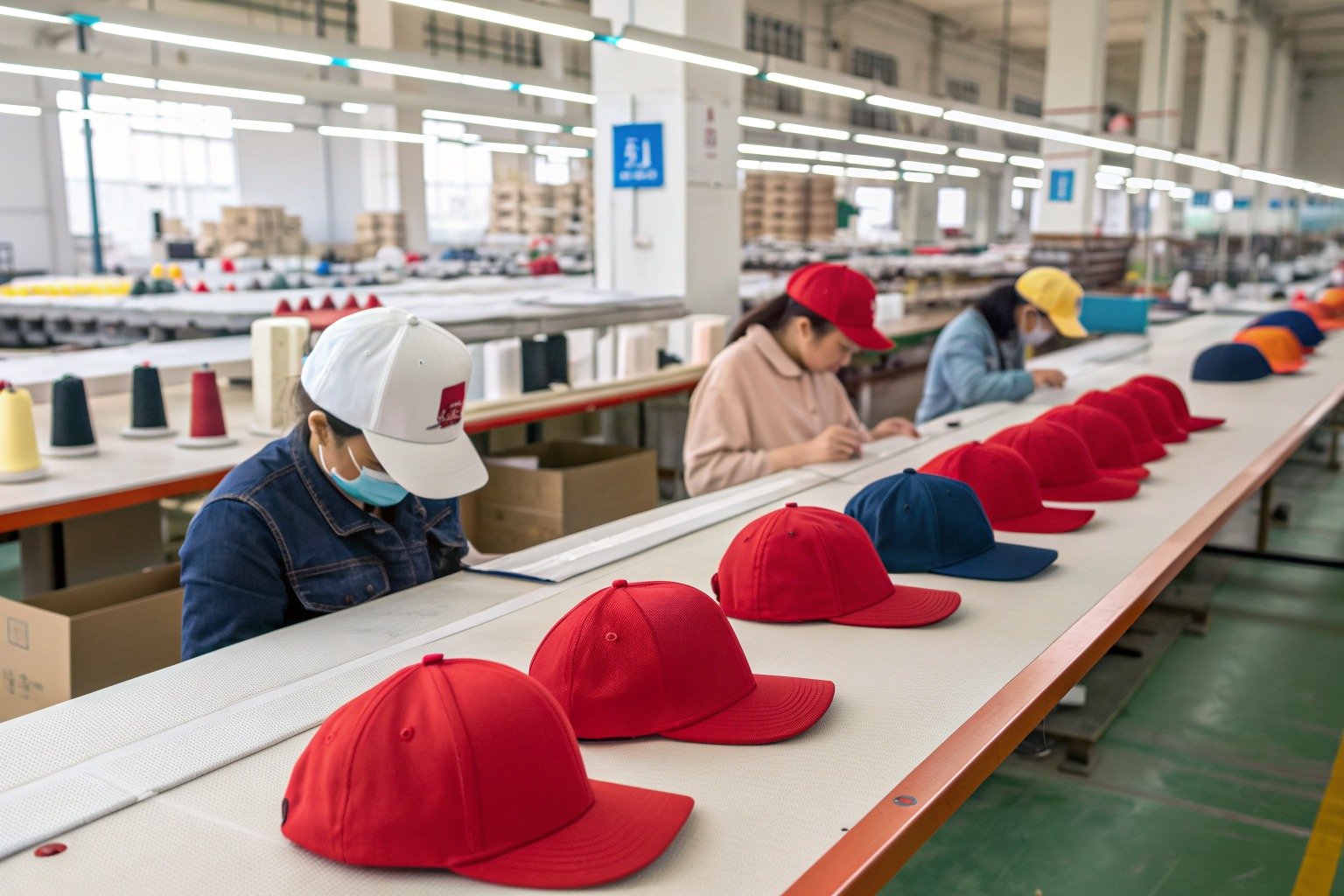
At Shanghai Fumao, we have fully embraced this shift. Our standard sweatband offering for 2026 has been upgraded. We stock the materials, we have trained our sewing teams, and we are ready to help our clients transition their hat programs to this new standard of comfort. We believe that the best hat is one that you forget you are wearing, and the sweatband is the key to that experience.
If you are planning a cloth hat order for 2026 and want to understand your sweatband options, I encourage you to contact our Business Director, Elaine. She can provide material swatches and discuss the specific performance levels and costs. You can email Elaine at: elaine@fumaoclothing.com. Let us help you make your hats the most comfortable ones on the shelf.