As a brand owner, you're always on the lookout for the next big thing in materials. You've mastered cotton, wool, and silk, but now you're hearing more and more about bamboo. You're intrigued, but also skeptical. Is it truly as soft and sustainable as people say? You're worried about investing in a new material without fully understanding its benefits and whether it will resonate with your customers. The fear is either missing out on a major trend or backing a material that doesn't live up to its hype.
Bamboo fiber accessories are gaining immense popularity because they perfectly answer the modern consumer's demand for products that are both incredibly soft and perceived as eco-friendly. The fabric's unique combination of a silky, luxurious feel, natural breathability, and its reputation as a sustainable resource makes it a powerful story for brands to tell and a compelling product for customers to buy.
In my years of manufacturing accessories at Shanghai Fumao Clothing, I've seen many material trends come and go. The rise of bamboo is different. It's not just a trend; it's a response to a fundamental shift in consumer values. People want products that feel good on their skin and that they can feel good about buying. Bamboo delivers on both fronts, making it one of the most exciting growth opportunities in the accessories market today. Let's explore the key reasons behind its surging popularity.
Why is "Softness" the Ultimate Selling Point?
In a crowded market, how do you make your product stand out? You're worried that your accessories will get lost in a sea of similar-looking items. You need a unique selling proposition that customers can understand and appreciate instantly, even online.
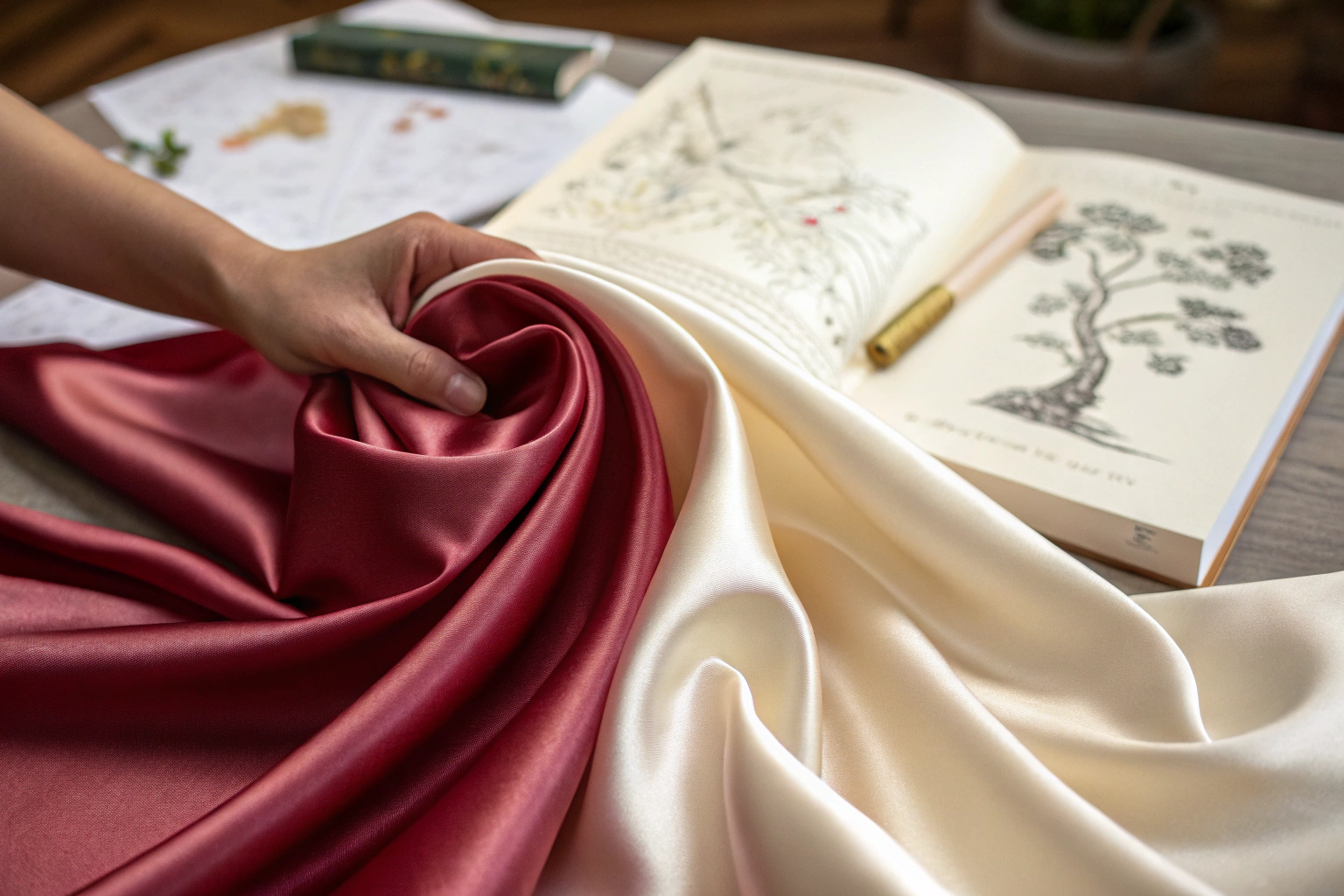
The number one reason customers fall in love with bamboo fabric is its extraordinary softness. Often described as feeling like a blend of silk and cashmere, bamboo viscose has a smooth, round fiber structure that is non-irritating and feels incredibly gentle against the skin. This luxurious "hand-feel" is a powerful differentiator. When a customer touches a bamboo scarf or headband for the first time, the reaction is almost always, "Wow, that's soft." This immediate, tactile appeal creates a strong emotional connection to the product.
At our factory, when we present new material options to our clients, bamboo is always a showstopper. The moment they feel the sample, they understand its potential. We often advise them to lead with this benefit in their marketing. Words like "Cloud-Soft," "Silky Smooth," and "Feels like a Dream" are not exaggerations; they accurately describe the customer's experience. This single attribute is powerful enough to justify a premium price point and create loyal, repeat customers. This luxurious feel is powerfully supported by its functional performance benefits.

Is it good for sensitive skin?
Yes, this is a major advantage. Because bamboo fibers are naturally smooth and round, there are no sharp spurs to irritate the skin, unlike some synthetic or coarser natural fibers that can have rough edges or protrusions. This inherent softness creates a gentle, almost velvety touch against the skin, reducing friction and discomfort throughout the day.
This makes bamboo fabric an excellent choice for people with sensitive skin, eczema, or allergies, as it minimizes the risk of redness, itching, or allergic reactions that might be triggered by harsher materials. It's a hypoallergenic material, free from common irritants like pesticides (when sourced from sustainably grown bamboo) and chemicals used in processing, which further enhances its suitability for delicate skin.
How does it compare to cotton?
While both are plant-based fibers, high-quality bamboo viscose is generally much softer and has a more fluid, silky drape than standard cotton. Cotton is crisp and familiar, while bamboo is smooth and luxurious. Think of the difference between a classic cotton t-shirt and a high-end modal blouse; bamboo leans towards the latter. This makes it ideal for accessories like scarves and shawls where drape and flow are key aesthetic qualities.
How Does Bamboo Perform as a Fabric?
Softness is great, but you're worried about how the fabric will actually perform in real life. Will it be too hot? Will the colors fade? Will it be a hassle for customers to care for? A product that feels good but doesn't perform well will only lead to disappointment.
Beyond its softness, bamboo fabric boasts a range of impressive performance characteristics that make it ideal for accessories. It is highly breathable and thermoregulating, meaning it helps keep the wearer cool in the heat and warmer in the cold. This makes bamboo scarves and hats comfortable to wear across different seasons. It's also excellent at wicking moisture away from the skin, keeping the wearer dry and comfortable. Furthermore, bamboo fabric takes and holds dye exceptionally well, resulting in deep, vibrant colors that resist fading over time.
These performance benefits are not just technical details; they are tangible advantages for the customer. When we manufacture bamboo accessories for our clients at AceAccessory, we emphasize these points. A scarf that is comfortable both indoors and outdoors, a headband that helps keep you dry, and colors that stay bright wash after wash—these are the qualities that turn a simple purchase into a favorite, go-to accessory. These practical benefits are a huge part of the story, right alongside the powerful narrative of sustainability.

What does "thermoregulating" mean for a customer?
For a customer, thermoregulation means comfort in a wider range of temperatures. A bamboo scarf can be a light layer of warmth on a cool morning, but it won't cause them to overheat when they wear it inside their office or on a sunny afternoon. This versatility makes the product more useful and valuable, as it can be worn more often throughout the year.
How should customers care for bamboo accessories?
Generally, bamboo viscose fabrics are best cared for by washing in cold water on a gentle cycle and either tumbling dry on low or laying flat to dry. It's a relatively easy-care fabric, much less fussy than pure silk. Providing clear, simple care instructions with your product is a great way to ensure your customers have a positive long-term experience. You can find standard care instructions from textile resources like the American Cleaning Institute.
Is Bamboo Really an Eco-Friendly Choice?
You're hearing the word "sustainable" everywhere, and you know it's a powerful marketing tool. But you're also aware of "greenwashing" and want to be authentic. You're worried that the eco-friendly claims about bamboo might not be the whole story, and you don't want to mislead your customers.
This is a nuanced but important topic. The "eco-story" of bamboo has two parts: the plant and the process. The bamboo plant itself is a sustainability superstar. It's one of the fastest-growing plants in the world, requires no pesticides or fertilizers, needs very little water, and self-regenerates from its own roots. It also absorbs more carbon dioxide and releases more oxygen than a comparable grove of trees. This is the powerful, positive story that resonates with consumers.
The process of turning woody bamboo into soft fabric (creating bamboo viscose) involves chemical solvents. While this is a significant environmental consideration, it's important to note that this is the same "viscose process" used for other plant-based fibers like modal (from beech trees) and lyocell. The key is to partner with a manufacturer who uses a "closed-loop" system, where the chemicals are captured and reused rather than being released into the environment.
When our clients ask about sustainability, we believe in being transparent. We explain the incredible environmental benefits of the bamboo plant itself. We also work with fabric suppliers who are certified by organizations like OEKO-TEX® (which tests for harmful substances) and the Forest Stewardship Council (FSC), ensuring the bamboo is sourced from responsibly managed forests. By focusing on the positive attributes of the plant and partnering with responsible producers, you can confidently market bamboo as a more sustainable choice compared to conventional cotton or fully synthetic fibers.

What is a "closed-loop" process?
A closed-loop manufacturing process is one where waste products, particularly chemical solvents, are captured, recycled, and reused in the production cycle. This dramatically reduces the environmental impact of the process. The TENCEL™ Lyocell process is a famous example of this and is considered a benchmark for sustainable textile production. When vetting suppliers, asking about their commitment to closed-loop systems is a key due diligence step.
How do I communicate this to customers?
Be honest and focus on the positive, verifiable facts. Talk about bamboo as a "fast-growing, renewable resource that requires little water." Mention that your products are "OEKO-TEX® certified, meaning they are free from harmful chemicals." By being transparent and using trusted certifications, you build credibility with your customers and avoid the pitfalls of greenwashing.
How Does Bamboo Fit into Today's Wellness Trend?
You've noticed that your customers are increasingly interested in more than just fashion. They're buying into lifestyles centered around wellness, self-care, and comfort. You're wondering how your product offerings can align with this powerful cultural shift.
Bamboo accessories are perfectly positioned to tap into the wellness movement. The fabric's inherent properties—its incredible softness, its breathability, its hypoallergenic nature—all contribute to a feeling of physical comfort and well-being. It's the kind of material people want to have close to their skin when they are relaxing, practicing mindfulness, or engaging in gentle activities like yoga.
Marketing bamboo accessories as part of a "self-care" or "wellness" story is an incredibly effective strategy. We've seen clients have great success by positioning bamboo scarves as "meditation shawls" or bamboo headbands and scrunchies as the perfect gentle accessories for a spa day at home. This moves the product beyond simple fashion and into the highly lucrative and emotionally resonant wellness market. It's no longer just an accessory; it's a tool for comfort and self-care. This aligns perfectly with the values of consumers who follow wellness influencers and publications like Well+Good.

What products are best for a "wellness" collection?
Think about products associated with comfort and relaxation. Soft, oversized scarves or shawls that can be used as a light blanket during meditation. Gentle, non-damaging headbands and scrunchies for keeping hair back during a skincare routine. Even soft sleep masks made from bamboo fabric can be a huge hit.
How can I create a compelling brand story?
Weave the story of bamboo's natural origins, its incredible softness, and its connection to comfort and well-being into your brand narrative. Use calming, natural imagery in your marketing. Talk about your products as an "invitation to slow down" or a "small luxury for your everyday." By selling a feeling, not just a product, you create a much deeper and more lasting connection with your customers.
Conclusion
The rise of bamboo fiber accessories is a direct reflection of a changing consumer landscape. Today's shoppers crave products that deliver on multiple fronts: they must be aesthetically pleasing, physically comfortable, and aligned with their personal values. Bamboo succeeds on all counts. Its unparalleled softness provides an immediate "wow" factor, its performance features offer practical, everyday benefits, and its story as a sustainable resource connects with the growing desire for eco-conscious living. By understanding and embracing these powerful drivers, you can confidently add bamboo accessories to your collection and offer your customers a product they will not only love to wear but also feel great about owning.
At Shanghai Fumao Clothing, we have embraced the potential of bamboo and have developed a robust supply chain for sourcing high-quality, certified bamboo fabrics. We are ready to help you create a beautiful collection of bamboo accessories that will captivate your customers.
If you're interested in exploring the softness and sustainability of bamboo for your brand, I encourage you to reach out to our Business Director, Elaine, at her email: elaine@fumaoclothing.com.