Have you ever used a hair tie made from a synthetic material like nylon or polyester and found it made your hair frizzy and full of static electricity? As a buyer or brand owner, you might receive customer complaints about flyaways and unmanageable hair caused by your accessories, especially during dry winter months. You’re looking for a solution that improves the customer experience and elevates the quality of your product line.
Anti-static treatments are added to synthetic hair ties to neutralize the negative electrical charge that builds up from friction, thereby preventing static, frizz, and flyaways This is a crucial chemical finishing process that transforms a basic synthetic accessory into a high-performance product, directly addressing a major pain point for consumers and significantly improving the user experience.
This isn’t just a minor add-on; it’s a fundamental quality improvement. At Shanghai Fumao Clothing, we’ve seen how incorporating technical features like this can dramatically increase a product’s perceived value and customer satisfaction. It’s about solving a problem the customer might not even know they could solve. Let’s get into the science of why this treatment is so essential.
What Causes Static in Hair Accessories?
Why does this problem happen in the first place? You tie your hair up, and suddenly it seems to have a life of its own, with strands standing on end and clinging to everything. What is the science behind this frustrating phenomenon?
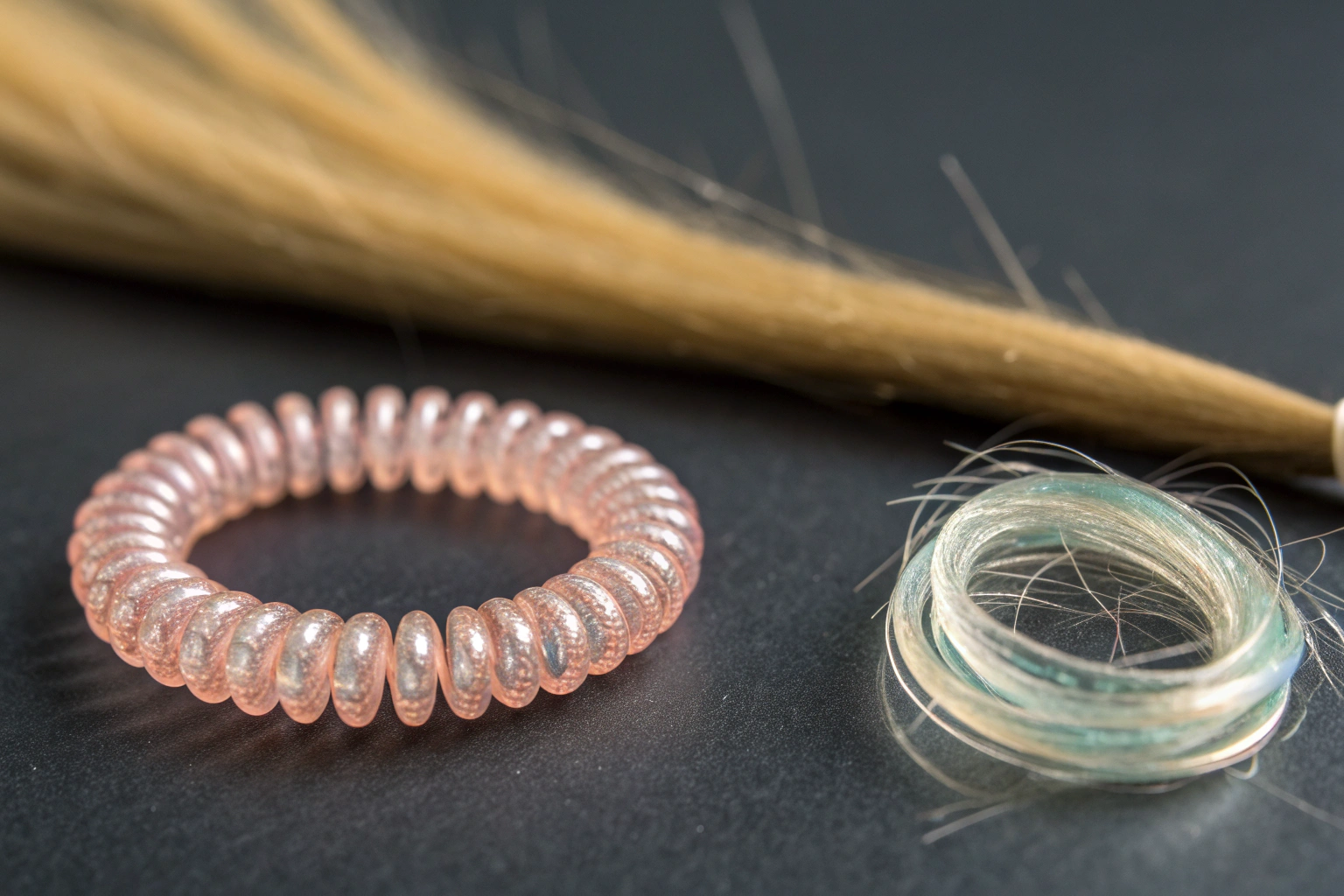
Static is caused by the triboelectric effect, which is the transfer of electrons that occurs when two different materials—like human hair and a synthetic fabric—are rubbed together. Human hair tends to lose electrons and become positively charged. Many synthetic materials, like nylon and polyester, tend to gain electrons and become negatively charged. This difference in charge causes the positively charged hair strands to repel each other and stand on end, creating static and frizz.
Understanding this basic physics is key to my job as a manufacturer. It’s not enough to just make a product that looks good; it has to perform well. The dry air in winter or in climate-controlled indoor environments makes this problem even worse, as there’s no moisture in the air to help dissipate the electrical charge. This is why a simple hair tie can cause so much frustration for the end user. The solution lies not in changing the physics, but in treating the material, which is what we’ll explore in how anti-static treatments work.
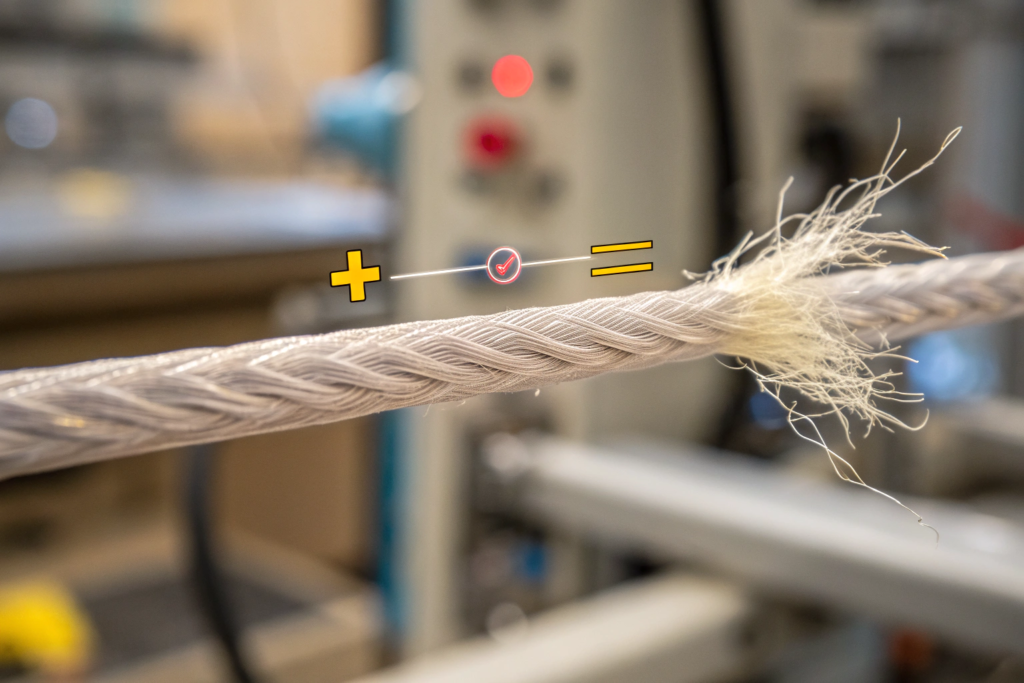
Why are synthetic fabrics more prone to static?
Synthetic fibers are generally non-conductive and have a low moisture regain (they don’t absorb water well). This makes it very difficult for them to dissipate the electrical charge that builds up on their surface. Natural fibers like cotton and silk have better moisture regain, which allows them to conduct away some of the static charge, making them less problematic, though not entirely immune. You can find detailed explanations of fabric properties on textile science websites like Textile School and ScienceDirect.
Does hair type matter?
Yes, hair that is fine, dry, or damaged is much more susceptible to static electricity. Dry or damaged hair lacks the natural moisture and oils that can help conduct away electrical charges, making it more likely to become positively charged and frizzy. This means that an anti-static hair tie provides an even greater benefit to a large segment of the consumer population. Hair care and beauty science resources like Byrdie and Allure often discuss the relationship between hair health and static.
How Do Anti-Static Treatments Actually Work?
So we know what causes the problem. But how does a chemical treatment solve it? It seems almost magical that an invisible coating can completely eliminate static. What is the mechanism behind this technology?
Anti-static treatments work by applying a hydrophilic (water-attracting) chemical agent to the surface of the synthetic fibers. This agent forms a microscopic, conductive layer on the yarn. This layer attracts and retains a tiny amount of moisture from the atmosphere, which then allows the static electrical charge to dissipate safely and harmlessly, rather than building up on the fabric.
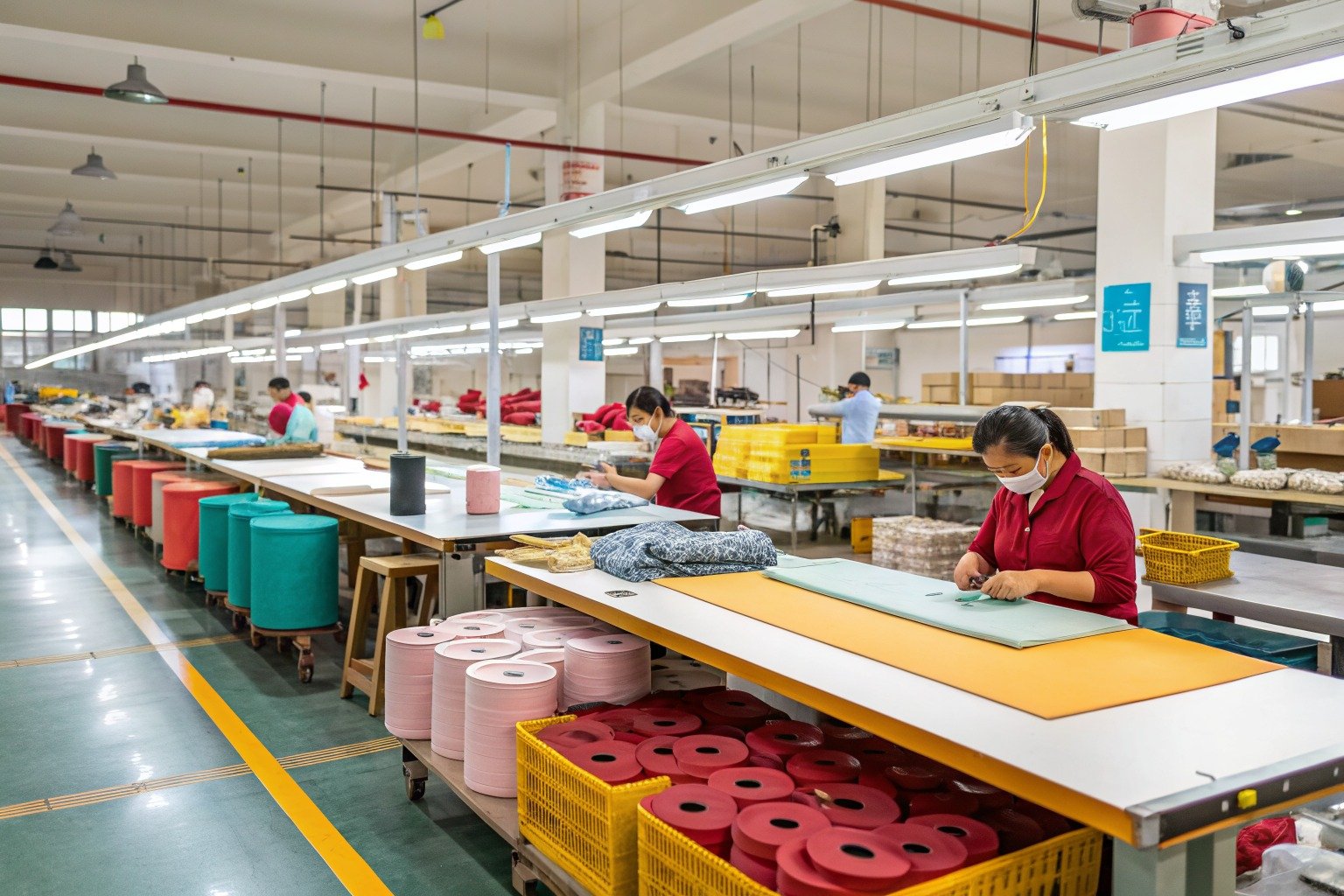
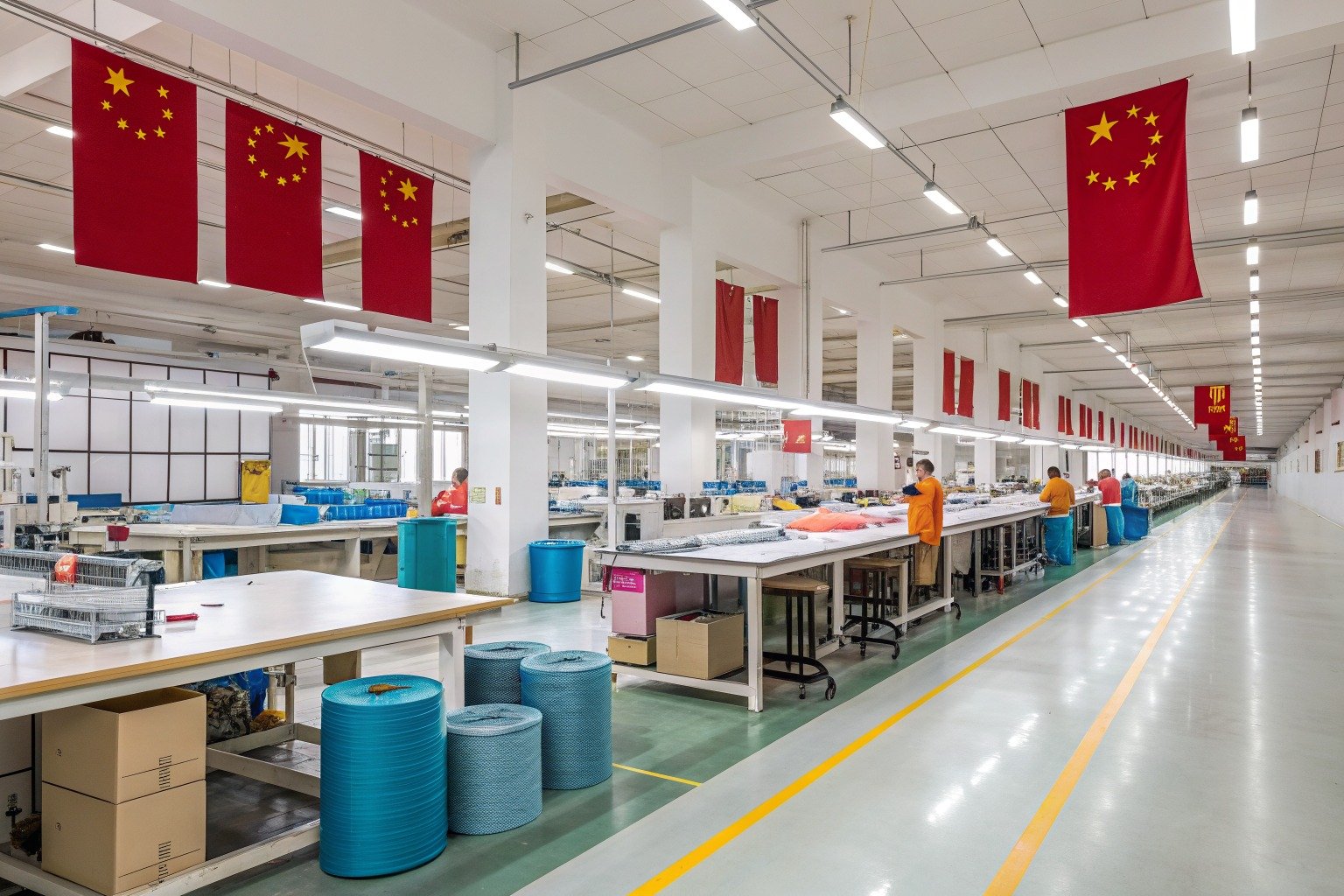
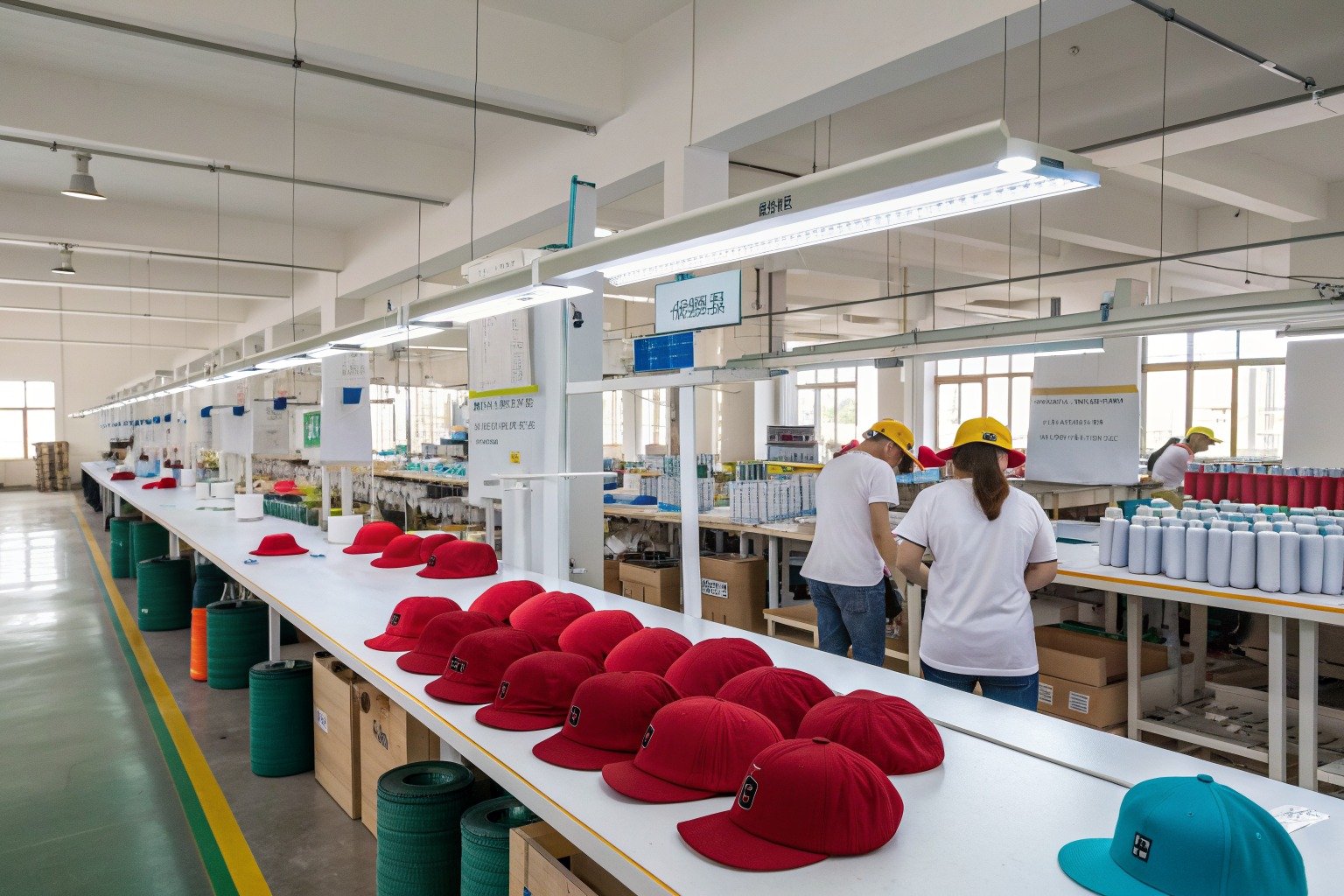
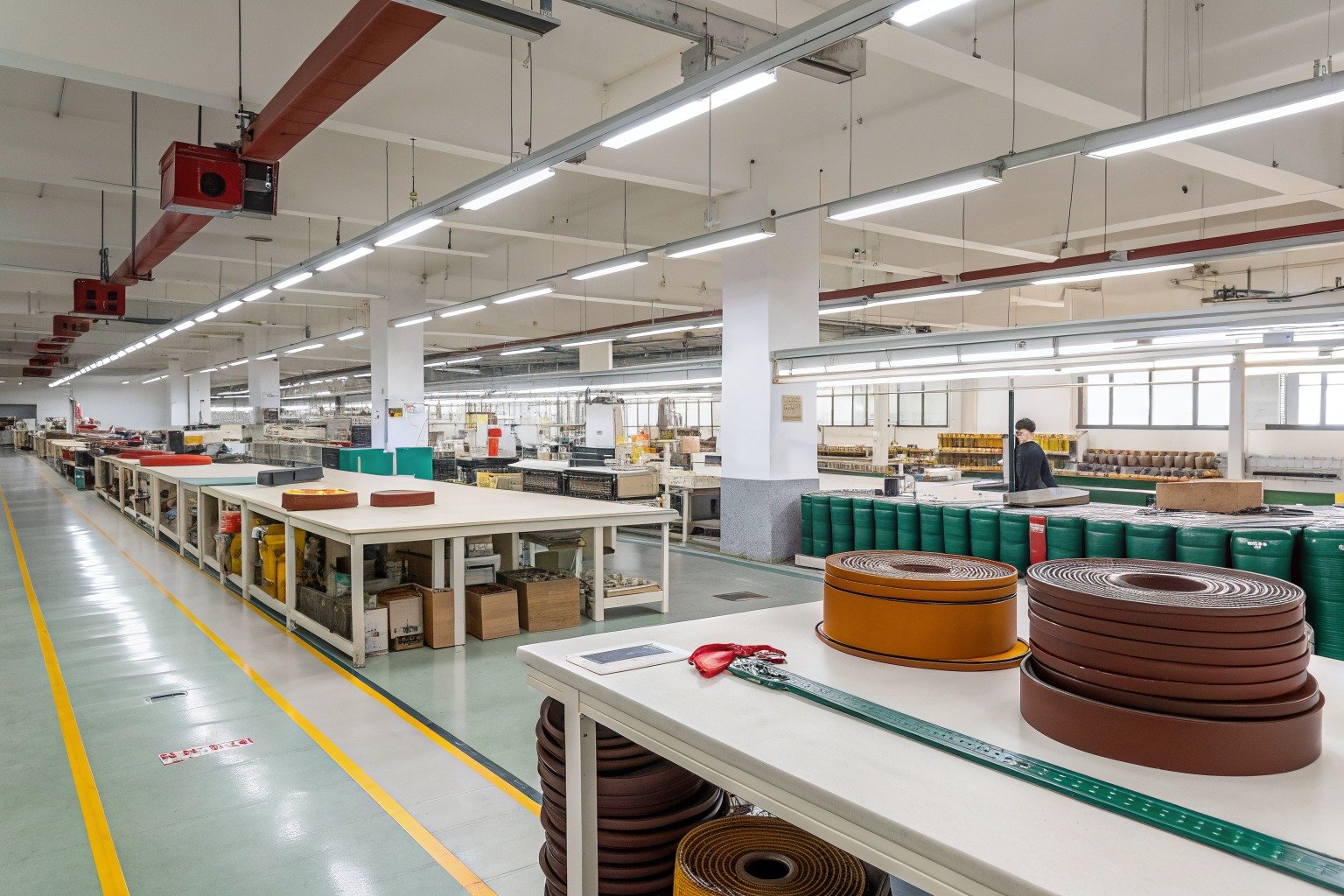
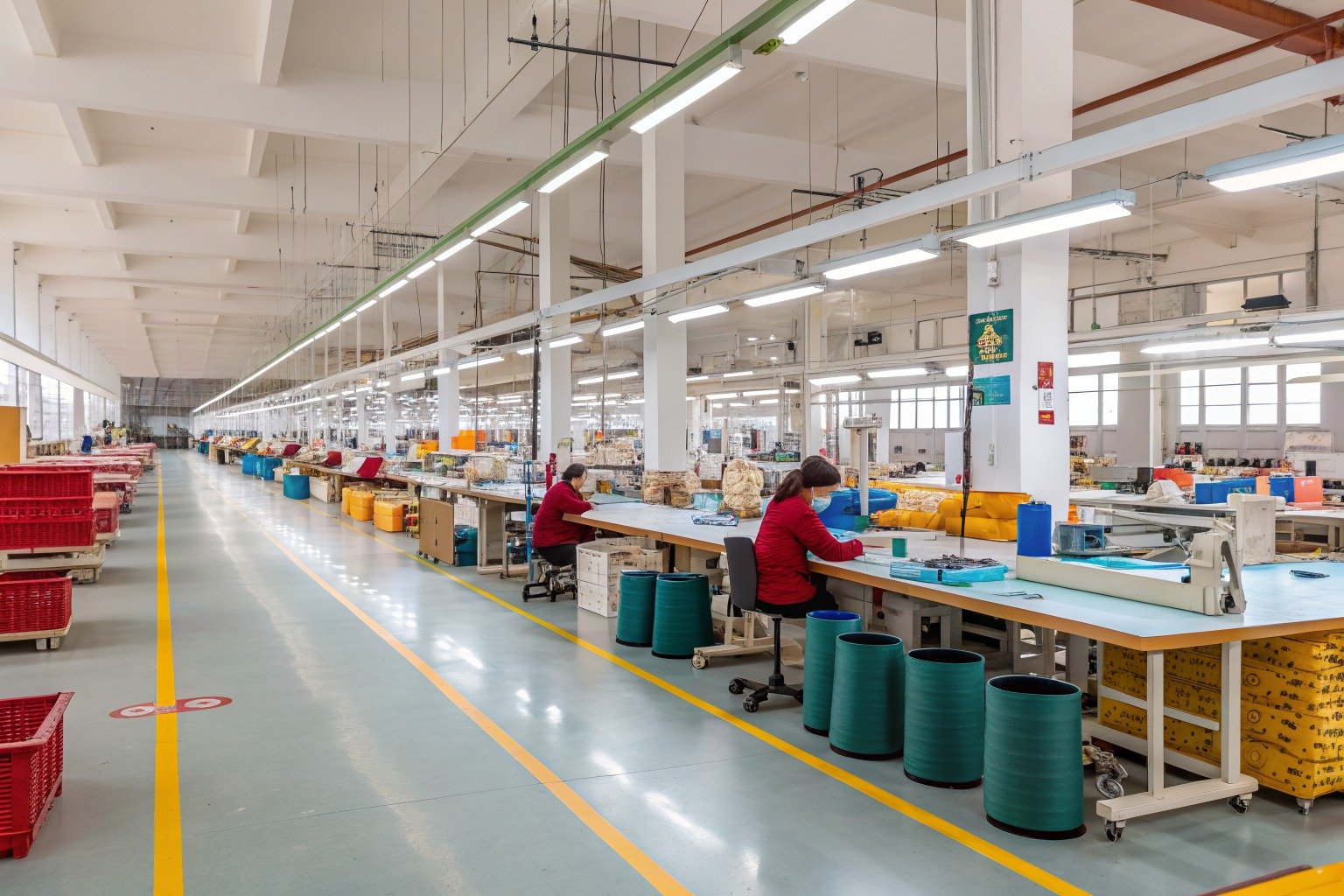
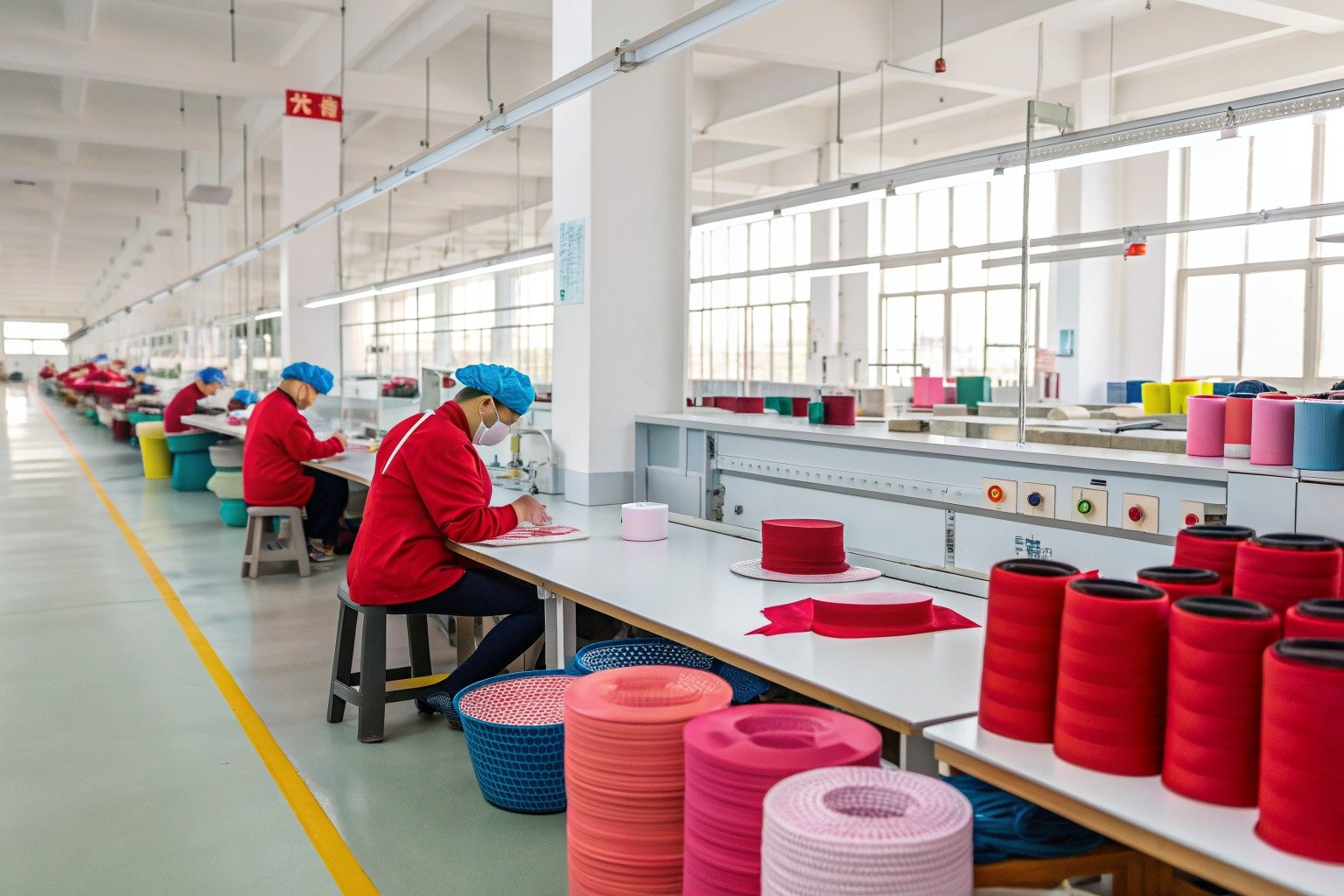
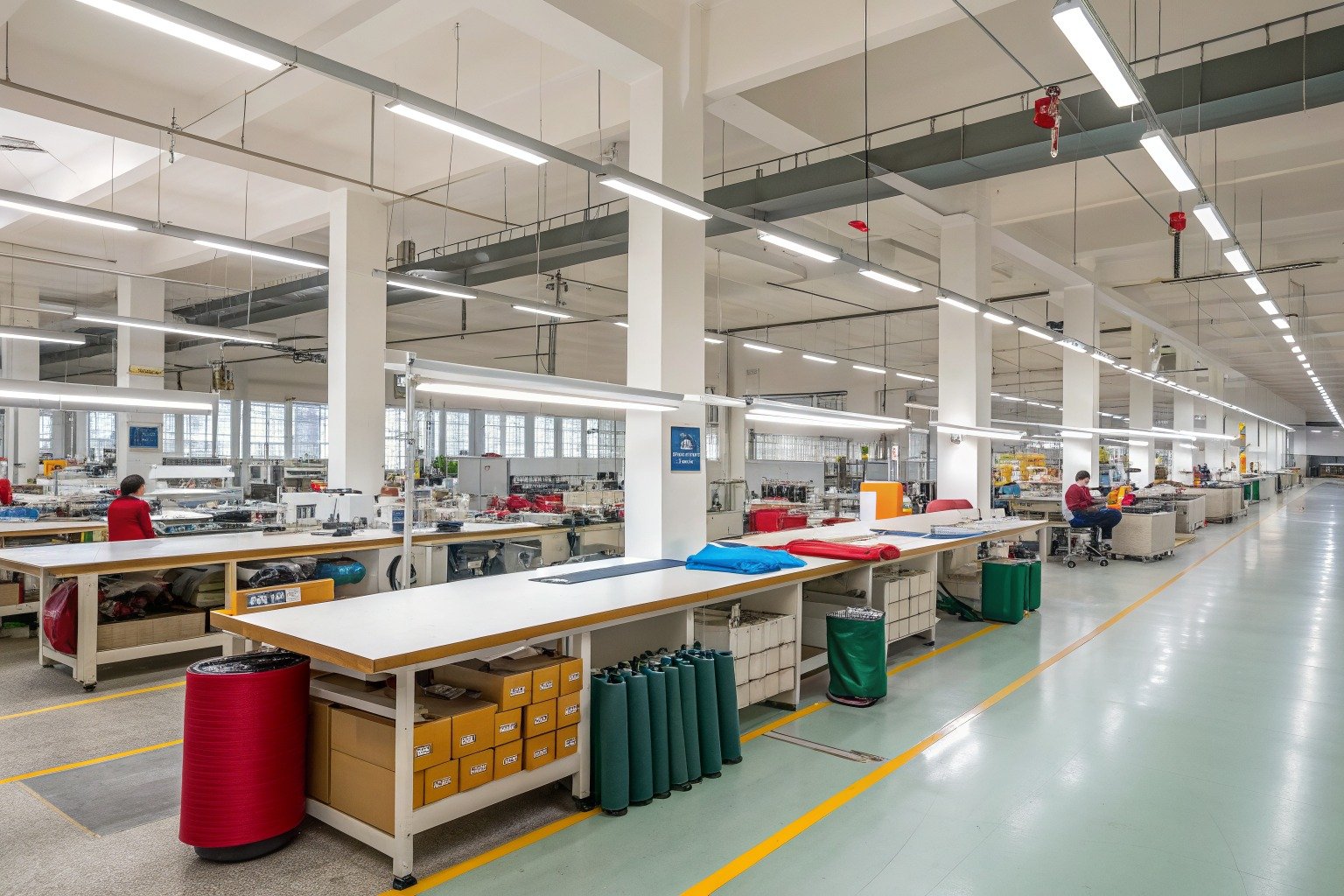
In our factory, this is a precision finishing process. After the synthetic yarn for the hair ties is produced, it is passed through a bath containing the anti-static solution and then dried. The agent forms a durable bond with the fibers. The result is a hair tie that feels identical to an untreated one but has this invisible, high-performance property. It’s a perfect example of how textile chemistry can solve a real-world consumer problem, a core focus of our R&D at Shanghai Fumao Clothing. This technical solution is what enables the superior user experience.
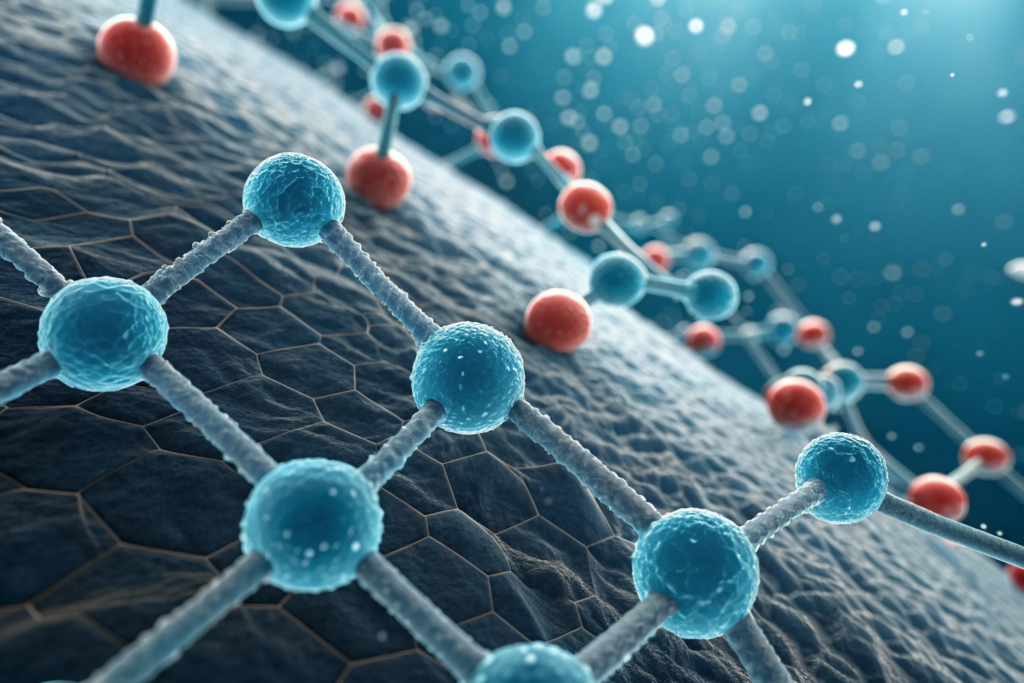
What are these chemical agents made of?
Anti-static agents are typically quaternary ammonium compounds ("quats"), fatty acid esters, or polyethylene glycol derivatives. These sound complex, but their function is simple: they have a hydrophilic "head" that attracts water and a hydrophobic "tail" that bonds to the synthetic fiber. It’s crucial that these agents are certified to be skin-safe and non-irritating. Chemical industry resources and suppliers like BASF or Dow provide extensive documentation on the chemistry and safety of these types of finishing agents.
Is the treatment permanent?
The durability of the treatment depends on the quality of the agent and the application process. High-quality anti-static treatments are designed to be semi-permanent and can withstand multiple washes. While the effect may diminish slightly over the product’s lifespan, it will continue to provide a significant benefit compared to an untreated accessory. For a product like a hair tie, which is often lost before it’s worn out, the treatment effectively lasts for the usable life of the product. The durability of textile finishes is a key area of study in textile engineering, with research available through academic journals and associations like the AATCC (American Association of Textile Chemists and Colorists).
What Are the Benefits for the End User?
For a customer browsing the aisles or scrolling online, what does "anti-static" really mean for them? How does this technical feature translate into a tangible benefit that makes their life better?
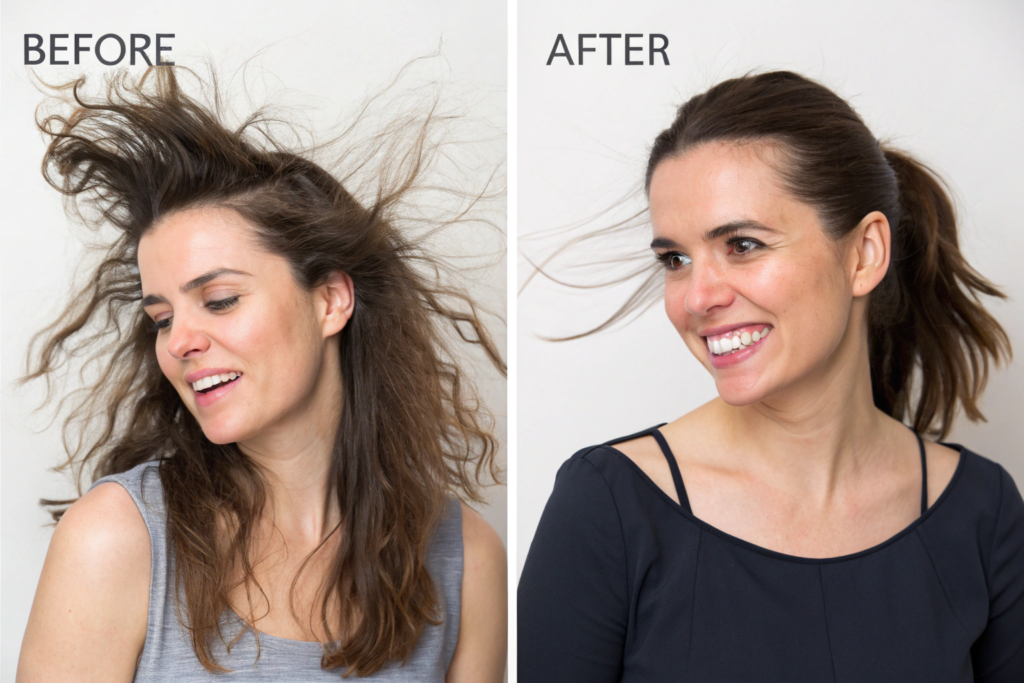
For the end user, the primary benefit of an anti-static hair tie is smoother, more manageable hair with significantly less frizz and fewer flyaways. This directly translates to a better hair day, every day. It makes styling quicker and easier, and the final look is sleeker and more polished. It’s a small detail that has a big impact on a person’s confidence and daily routine.
Think about it from the customer’s perspective. They’re not just buying a hair tie; they’re buying the promise of a good hair day. When a product consistently delivers on that promise, it builds incredible brand loyalty. This is why we advocate for these "invisible" quality features. They turn a simple commodity into a trusted solution. This enhanced user experience is the most powerful marketing tool a brand can have.
Does it work in all weather conditions?
The benefit is most noticeable in dry conditions (like winter or in air-conditioned offices) when static is at its worst. However, the frizz-reducing properties are beneficial year-round. By helping to keep the hair cuticles smooth and aligned when tying hair up or taking it down, it contributes to a sleeker look regardless of the humidity. This makes it a relevant feature for all seasons.
Can it help reduce hair breakage?
Yes, indirectly. Static can cause hair strands to tangle and "grab" onto each other and the hair tie material. When you pull on a staticky hair tie, you can cause friction and snagging, which leads to mechanical damage and breakage. By creating a smoother, static-free surface, the hair tie glides more easily against the hair, reducing friction and minimizing the risk of snagging and breakage during use and removal. Hair care experts and dermatologists, often featured on sites like WebMD or in beauty magazines, frequently advise using smooth accessories to prevent mechanical damage.
How Can Brands Market This Feature Effectively?
This is a fantastic technical feature, but "hydrophilic chemical agent" isn’t exactly catchy marketing copy. How can a brand take this complex science and communicate it to a customer in a way that is simple, compelling, and drives a purchase?
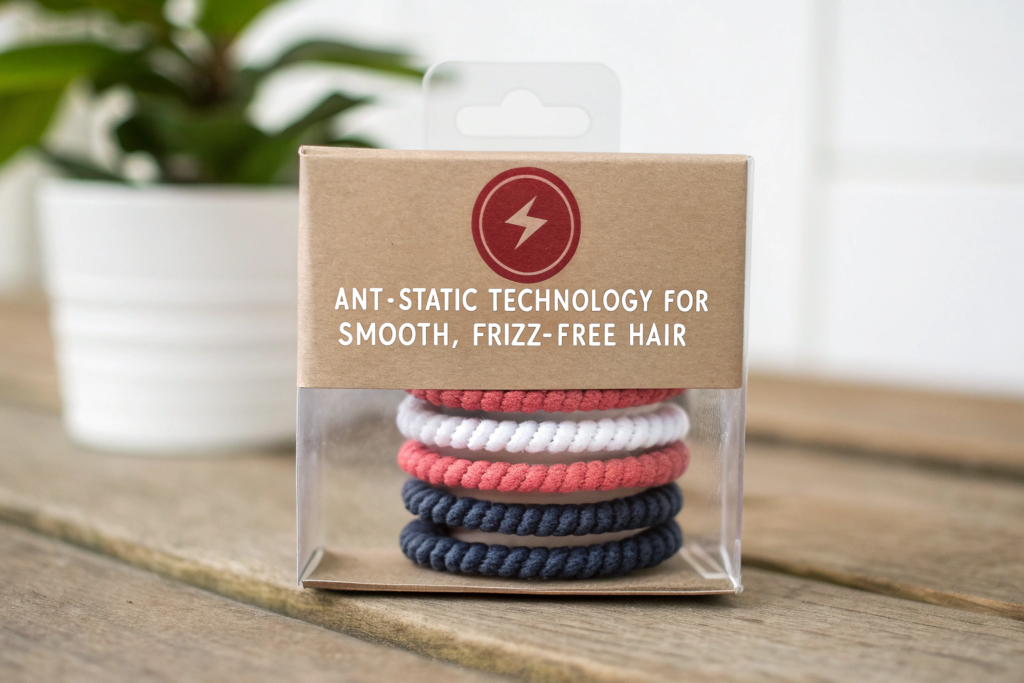
Brands can market this feature effectively by focusing on the clear, relatable benefit—"Frizz-Free," "Anti-Static," "Smooth Finish"—using simple iconography and benefit-oriented language on their packaging and in their digital marketing. The goal is to instantly communicate the solution to a common problem, turning a technical feature into an emotional benefit.
This is a crucial final step that we help our clients with at Shanghai Fumao Clothing. We can produce a superior product, but it won’t sell if the customer doesn’t understand why it’s better. We recommend simple, powerful language. A call-out on the package that says "No More Static!" is immediately understood. In online product descriptions, you can go into more detail, explaining how the technology leads to a better hair day. It’s about translating the "what" (the science) into the "so what" (the customer benefit).
What are some effective marketing phrases?
- "Infused with Anti-Static Technology"
- "For a Smooth, Frizz-Free Ponytail"
- "Say Goodbye to Static and Flyaways"
- "Glides On, Glides Off – No Snagging"
These phrases are short, benefit-driven, and easy to understand. Copywriting and branding resources like Copyblogger and Adweek are excellent sources for learning how to write effective, benefit-oriented copy.
How can you demonstrate the benefit visually?
Short-form video on platforms like TikTok or Instagram Reels is perfect for this. A simple side-by-side comparison video showing the difference between using a regular hair tie and an anti-static one can be incredibly effective. You can also work with hair and beauty influencers to have them genuinely test the product and share their honest results. This kind of social proof is invaluable for building trust and driving sales.
Conclusion
The addition of anti-static treatments to synthetic hair ties is a perfect example of how thoughtful science can elevate a simple, everyday accessory. By neutralizing the static electricity that causes frizz and flyaways, this invisible technology provides a real, tangible benefit to the consumer: smoother, more manageable hair. It transforms a basic commodity into a high-performance tool for a better hair day. For brands, it’s an opportunity to offer a genuinely superior product, solve a common customer problem, and build lasting loyalty.
At Shanghai Fumao Clothing, we believe in this philosophy of "invisible quality." We are dedicated to integrating these kinds of technical improvements into the products we manufacture, providing our clients with accessories that stand out in a crowded market. We can help you develop a line of anti-static hair accessories that will delight your customers.
If you’re ready to offer a scientifically better solution to your customers, let’s connect. Please contact our Business Director, Elaine, at her email: elaine@fumaoclothing.com, to learn more about our advanced textile finishing capabilities.