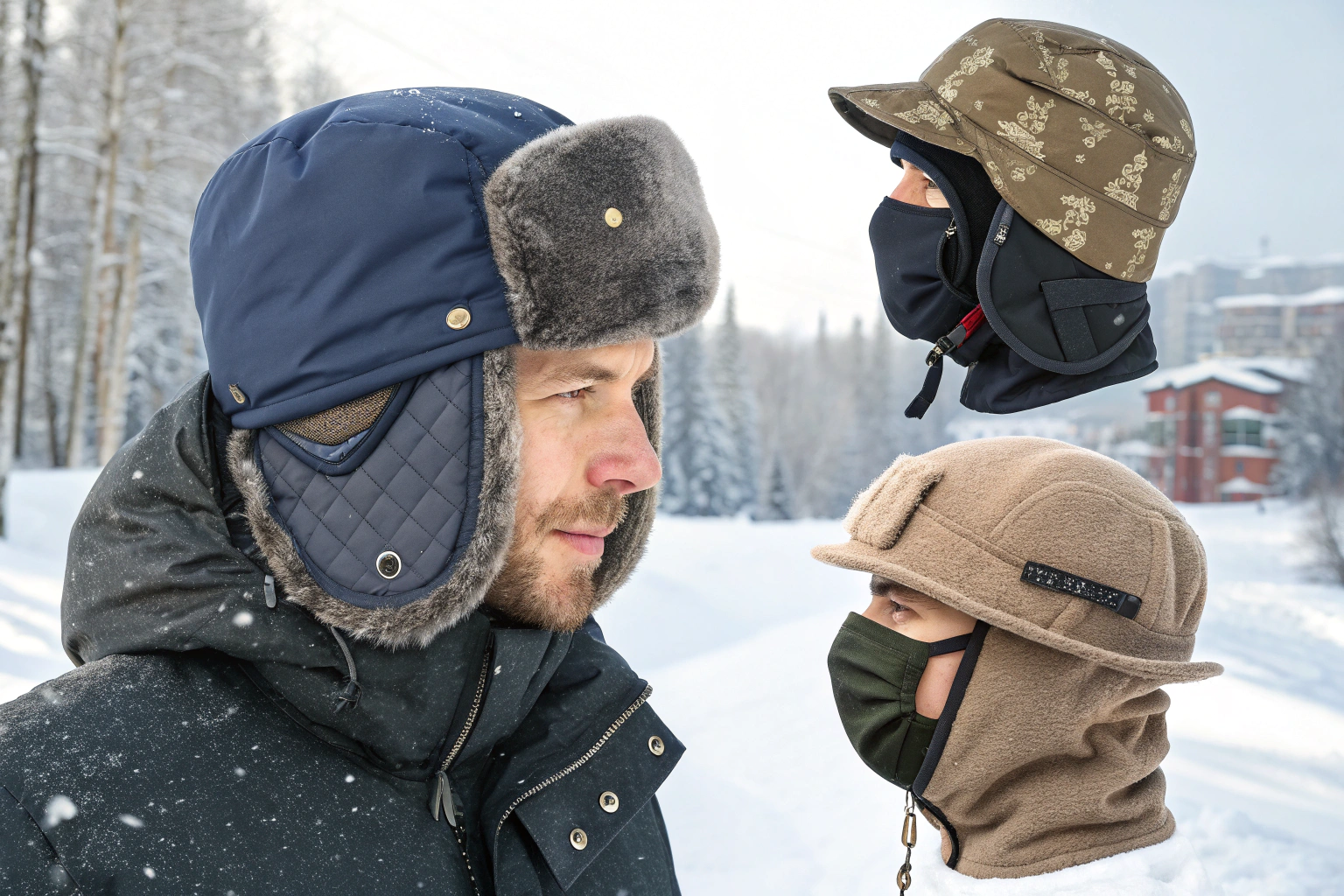
Finding the perfect winter hat that combines effective windproofing with genuine warmth is essential for comfort and safety in cold weather conditions. The right hat not only protects against heat loss but also creates a barrier against biting winds that can make winter activities unbearable. Understanding which hat styles and materials deliver on both fronts helps consumers make informed choices for their winter needs.
The most effective winter hats for windproofing and warmth typically feature insulated materials with wind-resistant outer layers, secure fits that prevent heat escape, and designs that cover vulnerable areas like ears and forehead. At AceAccessory, a core brand of shanghaifumaoclothing https://shanghaiGarment.com, our winter hat collections are specifically engineered to provide maximum protection against harsh winter conditions while maintaining style and comfort for our customers in North America, Europe, and other cold-climate markets.
This comprehensive guide examines the hat types that excel at windproofing and warmth, exploring their materials, construction methods, and appropriate use cases. We'll cover insulated trapper hats, technical beanie styles, balaclavas and integrated systems, ear-flap designs, and advanced technical materials.
What Insulated Trapper Hats Offer Maximum Wind Protection?
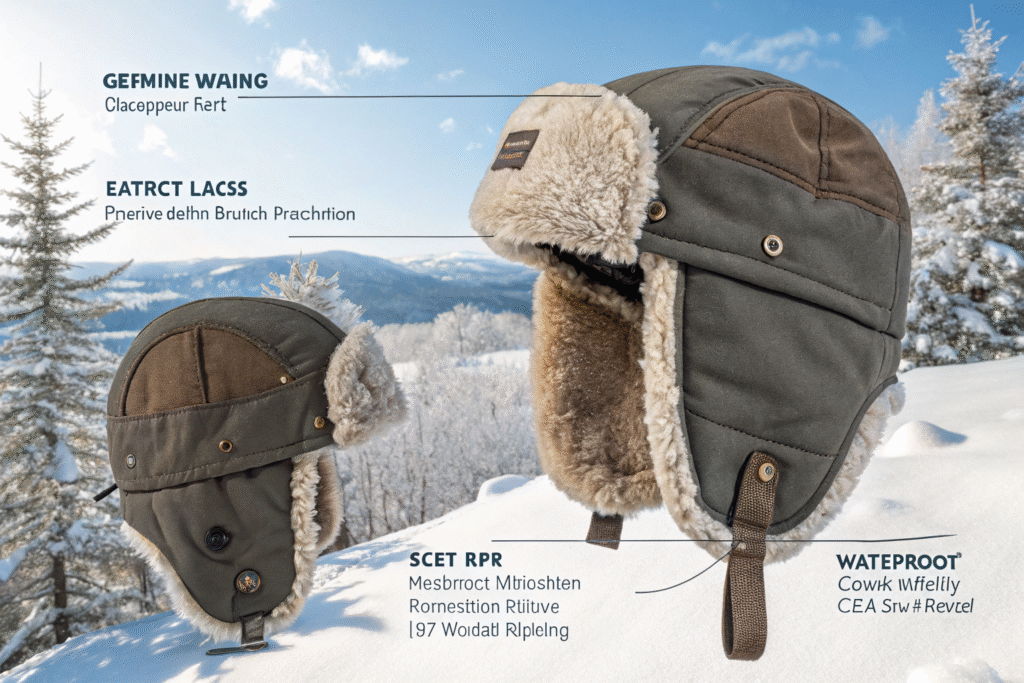
Insulated trapper hats represent one of the most effective solutions for extreme winter conditions, combining comprehensive coverage with advanced insulating materials. Their distinctive ear flap design and full crown coverage create a protective barrier that few other hat styles can match.
Key features include extended ear flaps with secure fastening systems, windproof outer shells, substantial insulation throughout, and durable materials that maintain performance in wet conditions. At AceAccessory, our trapper hat collections utilize technical fabrics and strategic insulation placement to provide exceptional protection without excessive bulk or weight.
How Do Ear Flaps Enhance Windproof Performance?
Ear flaps enhance windproof performance by creating a physical barrier that deflects wind away from the sensitive ear area while trapping warm air around the entire head. Our trapper hats feature flaps that extend 2-3 inches below the ear lobe and incorporate secure fastening systems—whether under the chin, at the back of the head, or convertible between both positions. This design creates a continuous protective system that prevents wind from penetrating to the skin, particularly important in windy conditions where the wind chill factor significantly increases heat loss from exposed areas.
What Insulation Materials Provide Optimal Warmth?
The optimal insulation materials for winter hats include natural options like merino wool and shearling, plus advanced synthetics like PrimaLoft and Thinsulate. Our premium trapper hats often combine multiple materials—using windproof synthetic shells with natural fiber linings—to leverage the benefits of each. According to thermal testing standards from the American Society for Testing and Materials (ASTM), properly insulated trapper hats can reduce heat loss by up to 60% compared to basic beanies, making them ideal for temperatures well below freezing and windy conditions.
What Technical Beanie Styles Balance Warmth and Wind Resistance?
Technical beanies have evolved far beyond basic knit caps, incorporating advanced materials and construction techniques that provide serious winter protection in a low-profile format. These styles appeal to active users who need reliable performance without the bulk of traditional winter hats.
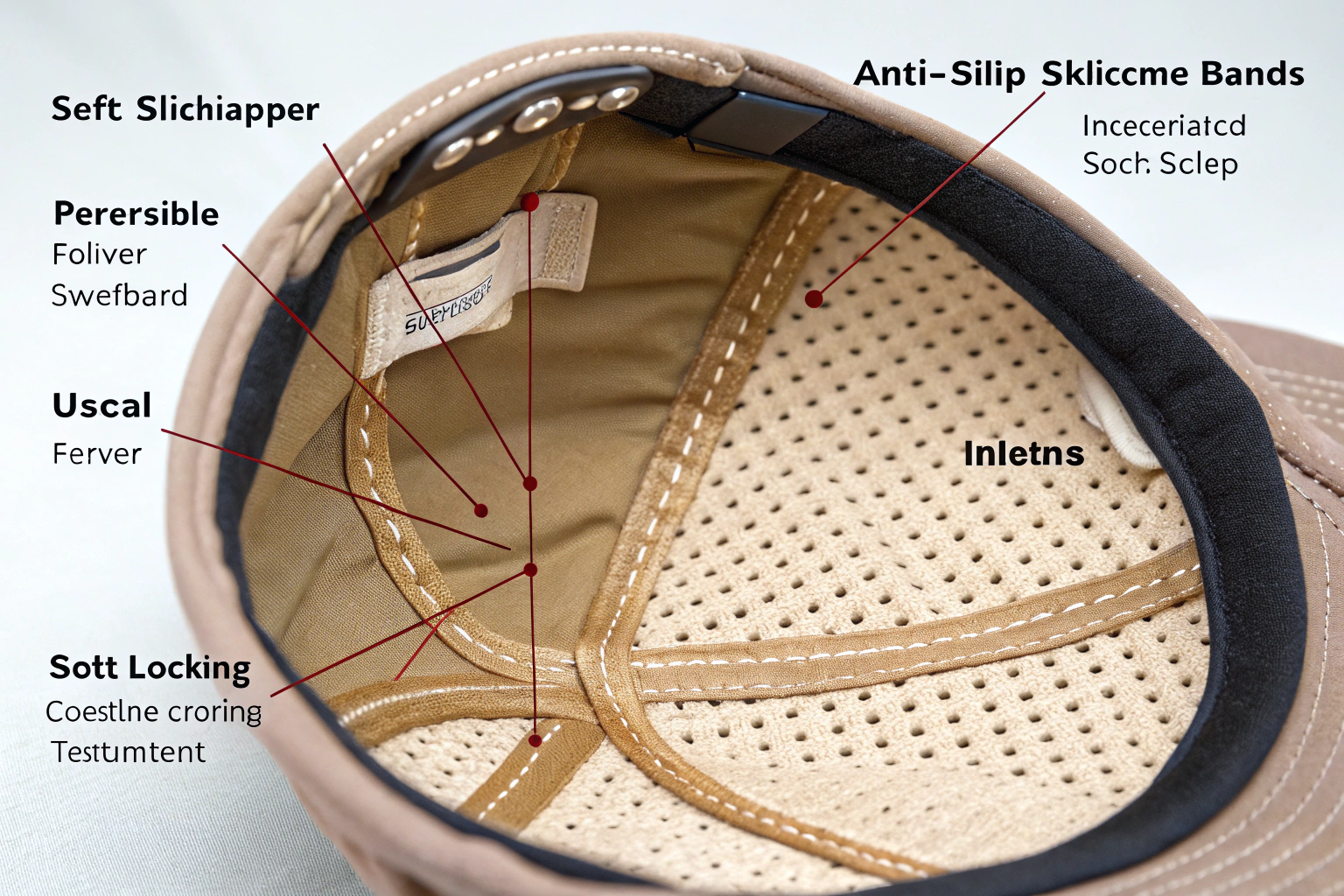
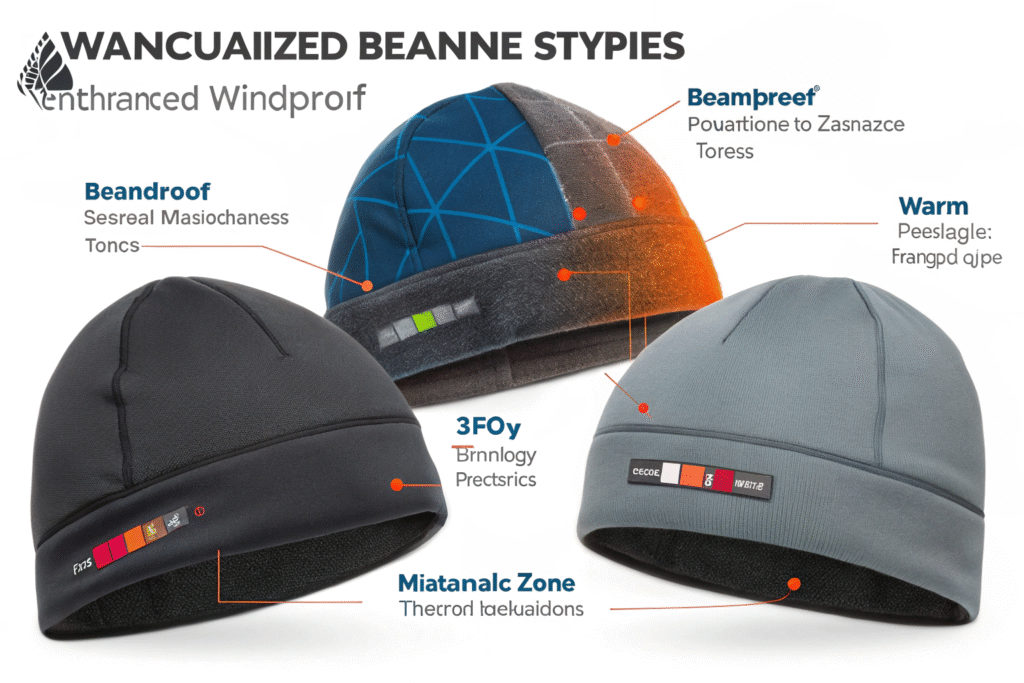
Advanced features include windproof membrane integration, strategic insulation zones, moisture-wicking liners, and ergonomic shaping that eliminates gaps where heat can escape. At AceAccessory, our technical beanie collections focus on precise engineering that maximizes protection while maintaining the sleek appearance that makes beanies so popular.
How Do Windproof Membranes Work in Beanies?
Windproof membranes in beanies function as microscopic barriers that block wind penetration while allowing minimal moisture vapor transmission. Our technical beanies often incorporate membranes like Polartec Wind Pro or similar technologies that reduce wind chill by creating an air-permeable yet wind-resistant layer. These membranes are typically laminated between an outer knit layer and an inner lining, providing wind protection without compromising the beanie's flexibility or comfort. Testing shows that beanies with integrated windproof membranes can increase perceived warmth by 15-20°F in windy conditions compared to standard knit versions.
What Knitting Techniques Enhance Wind Resistance?
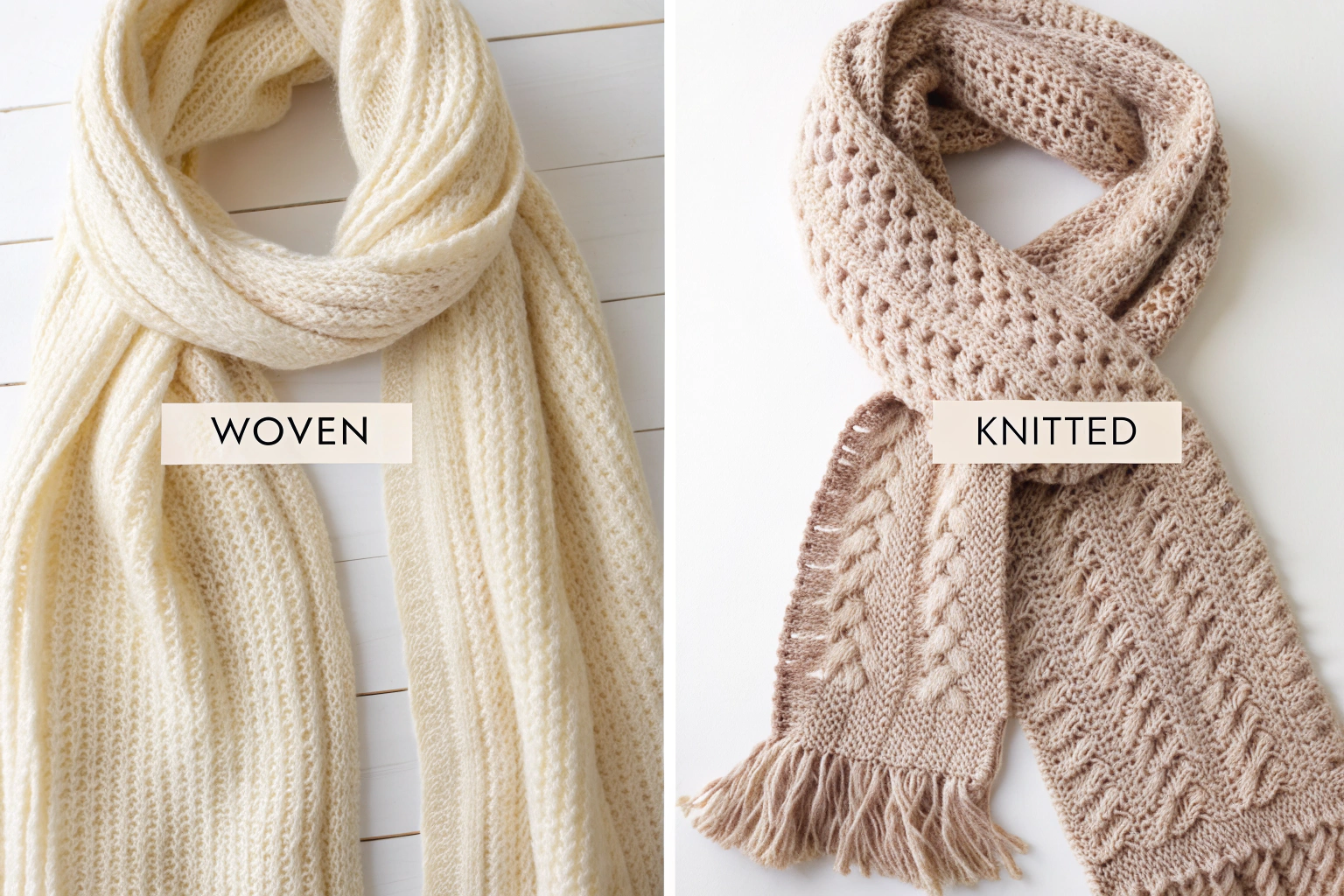
Specific knitting techniques enhance wind resistance by creating denser fabric structures that minimize air penetration. Our manufacturing process utilizes double-knit construction, tight gauge knitting (12-16 gauge), and strategic panel placement that aligns with typical wind direction. The tightest knitting is concentrated across the forehead and ear areas where wind exposure is greatest, while slightly more breathable sections at the crown prevent overheating. This technical approach to knitting creates beanies that effectively block wind while maintaining the stretch and comfort expected from traditional knit caps.
What Balaclava and Integrated Systems Provide Comprehensive Protection?
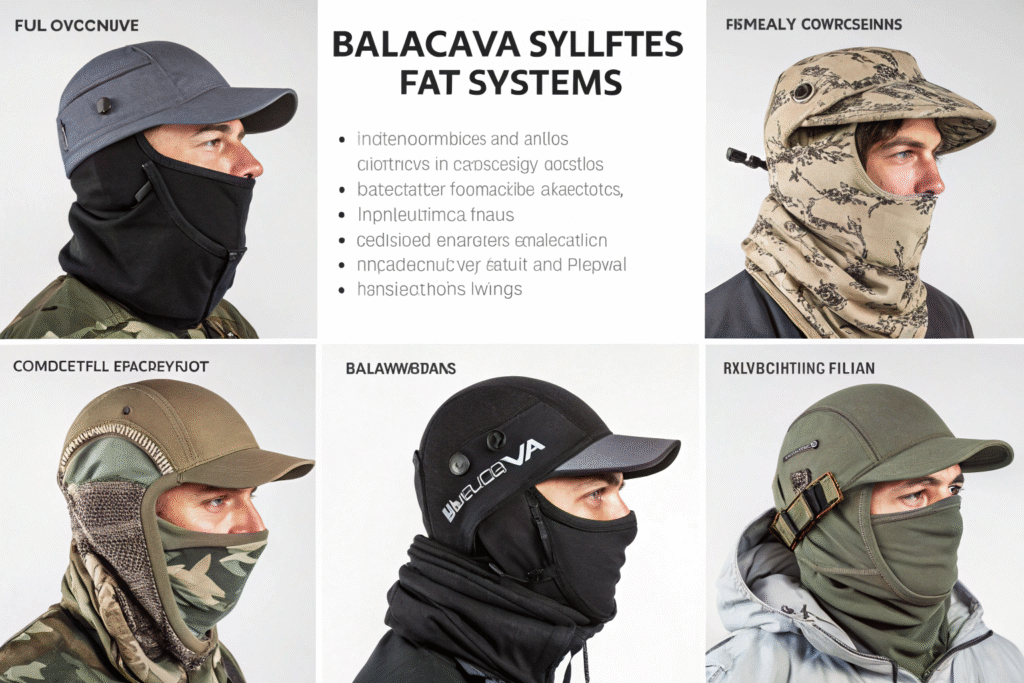
Balaclavas and integrated hat systems offer the most comprehensive protection by covering the entire head, neck, and often part of the face. These designs eliminate gaps between separate hat and scarf systems, creating a unified protective barrier against wind and cold.
Design variations range from full-face coverage balaclavas to convertible styles that adapt to changing conditions, all focusing on seamless integration and adjustable ventilation. At AceAccessory, our balaclava collections prioritize versatile protection that can be configured for different activity levels and weather intensities.
How Do Balaclava Designs Prevent Heat Loss?
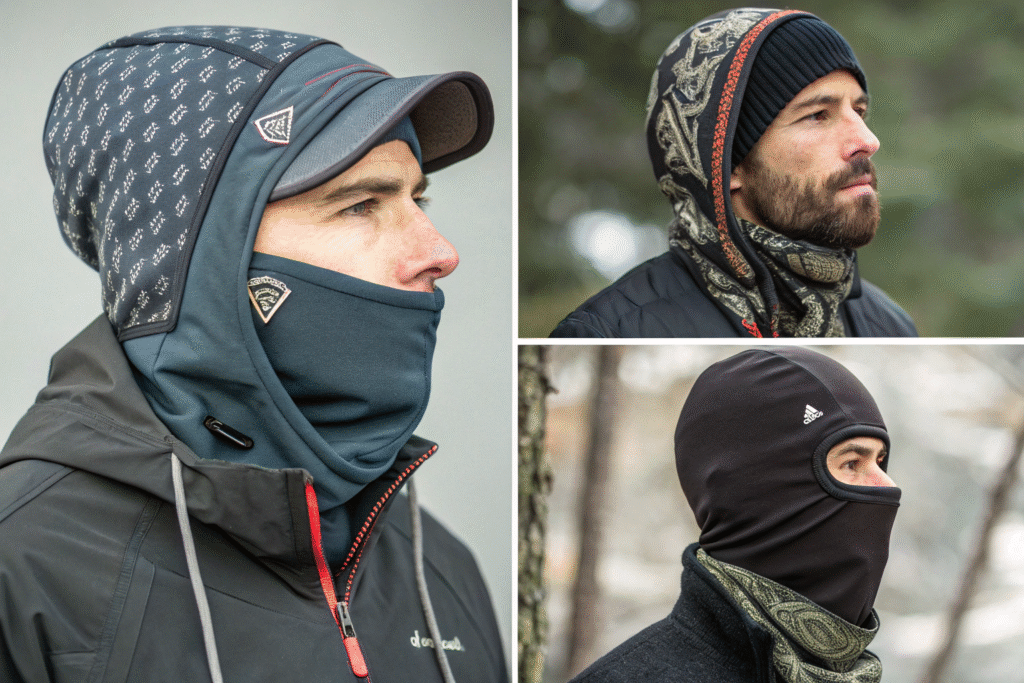
Balaclava designs prevent heat loss by creating a continuous thermal layer that covers the entire head and neck, eliminating the gaps where warm air typically escapes around traditional hat boundaries. Our balaclavas utilize anatomical patterning that follows the head's contours without excessive fabric bunching, combined with windproof materials across the front panel where wind impact is direct. The integrated neck protection extends several inches below the collar line, ensuring no exposed skin between hat and jacket. This comprehensive approach is particularly valuable in extreme cold where exposed skin can develop frostbite in minutes during windy conditions.
What Are the Benefits of Convertible Systems?
Convertible systems offer significant benefits by adapting to changing conditions and activity levels throughout the day. Our convertible balaclavas can transform between full-face protection, neck gaiter with beanie combination, or traditional scarf-like configurations. This versatility means users can maintain optimal thermal regulation during variable winter activities—providing maximum protection during static periods like waiting for transportation, then converting to more breathable configurations during physical activity. The multi-functionality also reduces the number of separate items needed, simplifying winter gear management.Explore our balaclava & integrated systems: full-coverage windproof balaclavas, convertible hat-scarf systems, custom insulation/coverage services.
Conclusion
The most effective winter hats for windproofing and warmth combine appropriate materials, intelligent design features, and secure fitting systems that work together to create a comprehensive protective solution. Whether choosing a traditional trapper hat for extreme conditions, a technical beanie for active use, or a balaclava system for maximum coverage, understanding how different styles address wind and thermal protection ensures consumers select headwear that matches their specific winter needs. The optimal hat not only prevents heat loss but actively blocks wind penetration while maintaining comfort and mobility throughout winter activities. To explore bulk pricing, request product samples, or discuss custom winter hat development for specific cold-climate scenarios, visit shanghaiGarment.com’s windproof warm winter hat sourcing hub.
If you're interested in sourcing or developing winter hats that excel in windproofing and warmth, we invite you to contact our Business Director, Elaine. She and our AceAccessory team specialize in manufacturing winter headwear that combines technical performance with market-appropriate styling. Reach out to Elaine at: elaine@fumaoclothing.com.