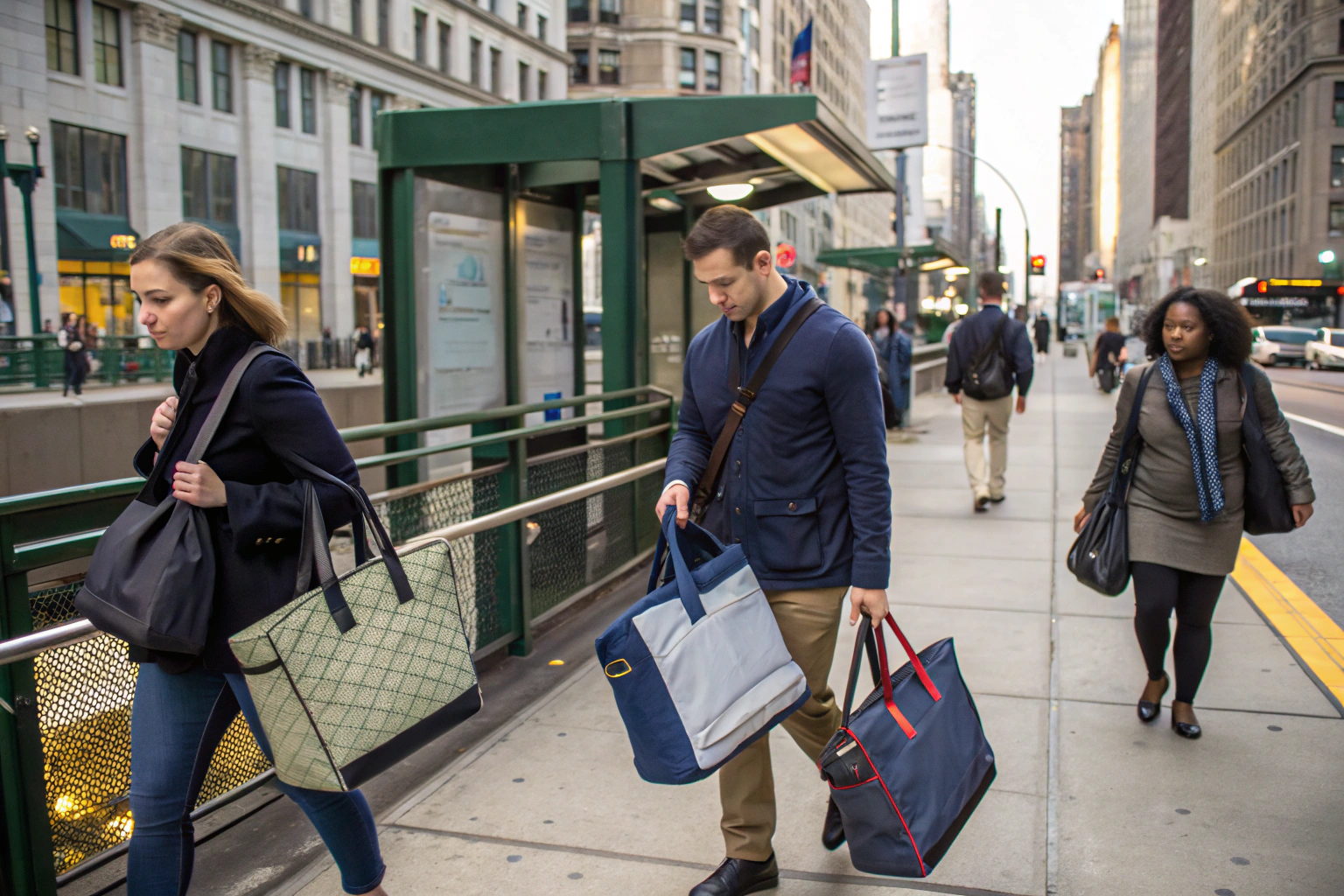
As an experienced manufacturer serving global fashion and accessory markets, we understand the specific demands commuters place on their bags. The ideal commuter tote must balance security, organization, durability, and style to withstand daily use while protecting valuable contents during transit.
The most suitable tote bags for commuters feature robust zipper closures, organized interior compartments, durable weather-resistant materials, and ergonomic designs that distribute weight comfortably. Key characteristics include dedicated laptop sleeves, multiple access points, secure pocket configurations, and comfortable carrying options that transition seamlessly from public transportation to workplace environments.
Based on our manufacturing experience for major retailers and direct feedback from daily commuters, here's our comprehensive analysis of the tote bag features that truly meet commuter needs.
What Security Features Matter Most for Commuter Totes?
Security represents the primary concern for commuters carrying valuable items like laptops, tablets, and personal documents daily. Zipper closures provide the fundamental security foundation, but the most effective commuter totes incorporate additional protective elements that safeguard contents in crowded transit environments.
Through our research and product testing, we've identified several security enhancements that distinguish exceptional commuter totes from basic zippered bags. These features address real-world risks commuters face during their daily journeys.
How Do Locking Zipper Systems Enhance Security?
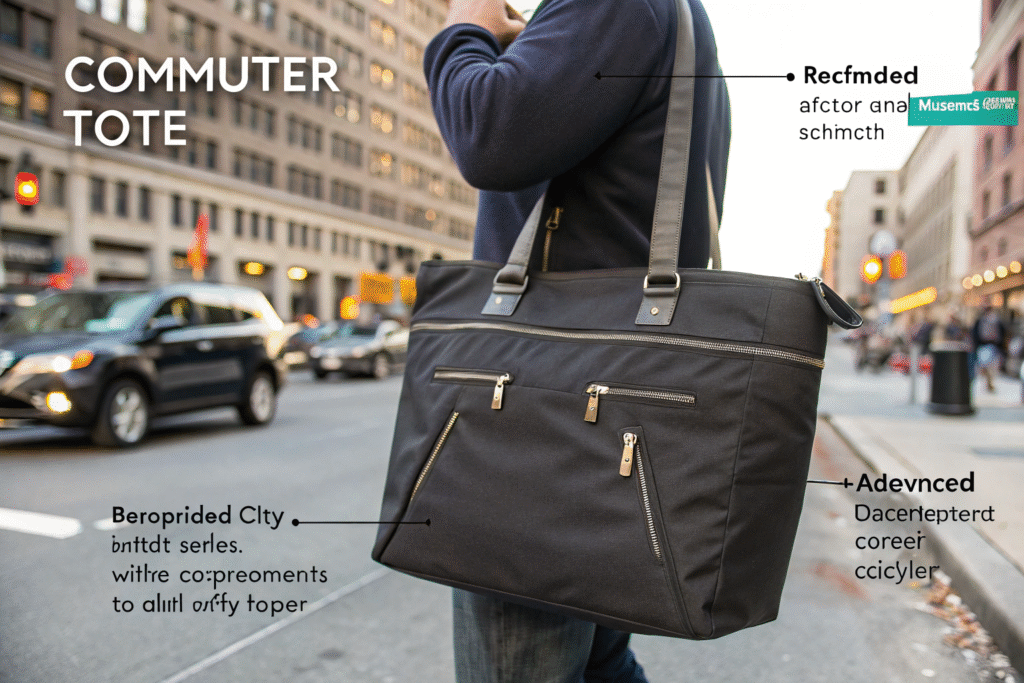
Locking zipper systems provide an additional layer of protection beyond standard zipper closures, deterring casual theft and accidental opening during crowded commutes. These systems range from simple dual-pull zipper designs to integrated locking mechanisms that require deliberate action to open.
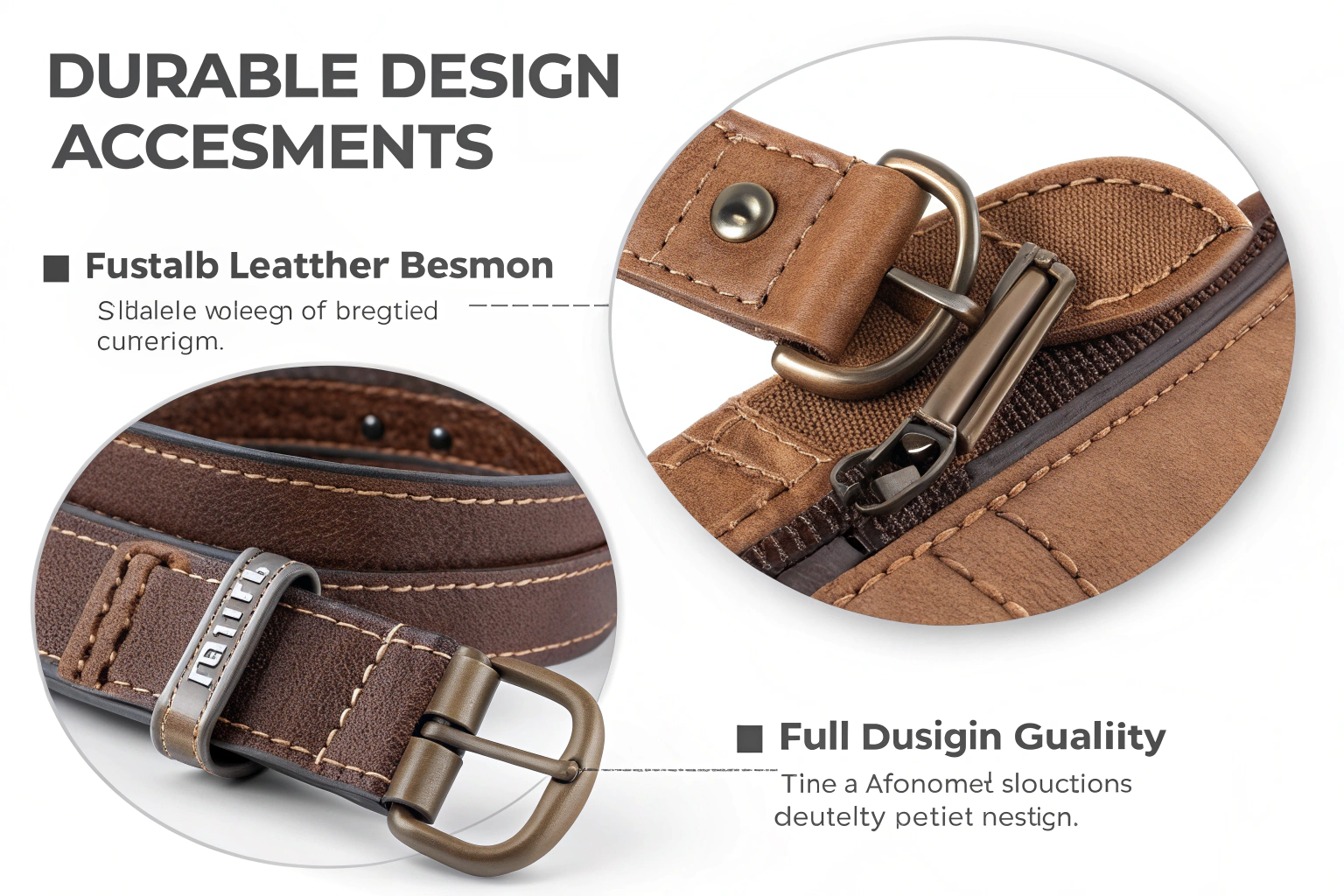
At our manufacturing facility, we've developed several advanced zipper security systems for commuter totes. Our most popular design features interlocking zipper pulls that can be secured with a small padlock or combination lock, providing visible theft deterrence. For premium segments, we implement magnetic locking zippers that snap securely into place yet release smoothly with intentional pressure. These systems are particularly valued by commuters who frequently navigate crowded trains and buses where opportunistic theft can occur. Our production process ensures these locking mechanisms maintain reliability through thousands of opening cycles while complementing the bag's overall aesthetic.
What Role Do Hidden Compartments Play in Item Protection?
Hidden compartments provide discreet storage for valuable items, separating them from main compartment contents where they might be visible when the bag is opened. These strategically placed pockets protect passports, wallets, and phones from casual observation and potential theft.
Our design team at shanghaifumaoclothing has integrated various hidden compartment solutions into our commuter tote collections. The most effective designs include discreet back panel pockets that sit against the wearer's body, making them virtually inaccessible to pickpockets. Other popular options include false bottoms in main compartments, zippered sleeves behind organizational panels, and magnetic closures concealed within seam details. These features require specialized construction techniques to ensure hidden pockets remain undetectable while providing easy access for the owner. For commuters carrying sensitive work documents or valuable electronics, these discreet storage options provide peace of mind during their daily travels.
Which Organizational Systems Best Serve Commuter Needs?
Effective organization transforms a basic tote into a functional commuter essential, enabling quick access to frequently needed items while protecting delicate electronics from damage. The most successful organizational systems anticipate what commuters actually carry and how they need to access these items throughout their journey.
Based on user studies and feedback from our retail partners, we've identified key organizational features that significantly enhance the commuter experience across different transportation modes and work scenarios.
How Do Dedicated Electronics Compartments Protect Devices?
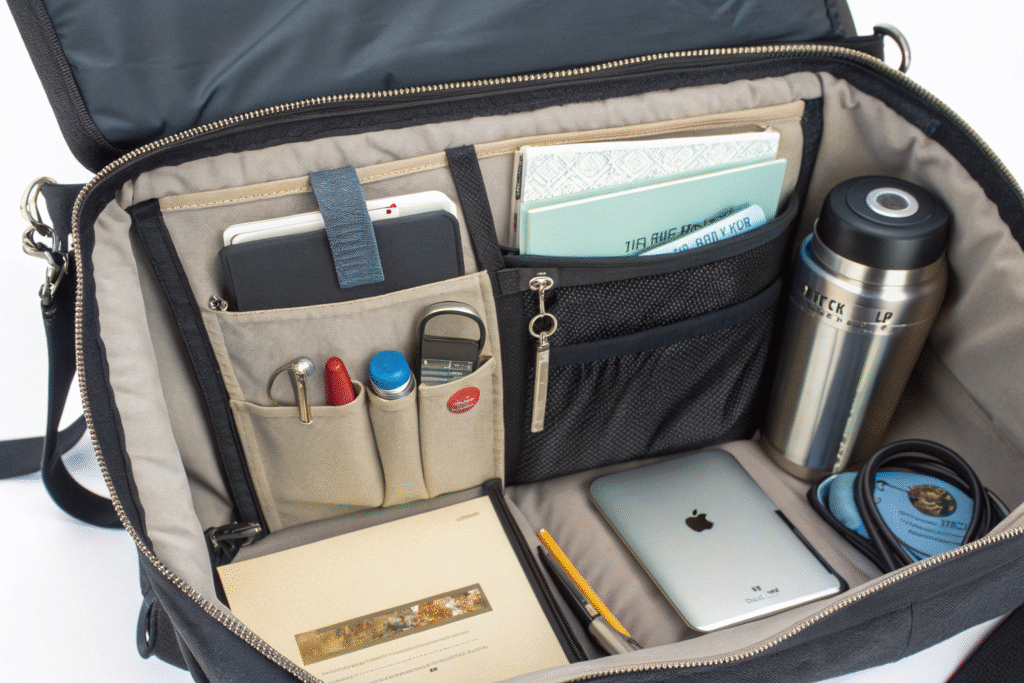
Dedicated electronics compartments provide cushioned, secure storage for laptops, tablets, and other devices that commuters carry daily. These specialized sections prevent device damage during transit while offering quick access for security checks or spontaneous work sessions.
We've engineered several electronics protection systems specifically for the commuter tote market. Our standard laptop compartment features padded walls, false bottoms to prevent impact damage when setting the bag down, and secure strap systems that keep devices from shifting during movement. For tablet and e-reader storage, we've developed slimmer sleeves with soft lining materials that prevent screen scratches. The most advanced designs include separate compartments for power banks and cables with integrated cable routing ports that allow charging while devices remain secured. These features require precise engineering to ensure adequate protection without adding excessive weight or bulk to the tote – a critical consideration for commuters who carry their bags for extended periods.
What Pocket Configurations Maximize Accessibility?
Strategic pocket configurations enable commuters to organize items based on frequency of use and security needs, reducing time spent searching for essentials during transit. Well-designed pocket placement considers both standing and seated access patterns.
Our research has identified several pocket configuration strategies that significantly improve commuter efficiency. Exterior quick-access pockets positioned at the top of the bag provide storage for transit passes, phones, and headphones without requiring main compartment access. Interior organizational panels with multiple pocket sizes accommodate everything from pens and notebooks to water bottles and lunch containers. For commuters who frequently work while traveling, we've developed specialized pocket layouts that keep work materials separate from personal items, with color-coded interiors that make item identification intuitive. These configurations require careful planning during the pattern-making phase to ensure pocket placement feels natural when the bag is worn on the shoulder or carried by hand.
Which Materials Withstand Commuter Demands?
Material selection directly impacts a commuter tote's durability, weather resistance, weight, and aesthetic appeal. The demanding nature of daily commute requires materials that maintain their appearance and protective qualities through varied weather conditions and consistent use.
Through extensive material testing and feedback from long-term users, we've identified specific material properties and construction techniques that deliver optimal performance for commuter totes.
What Weather-Resistant Materials Protect Contents?
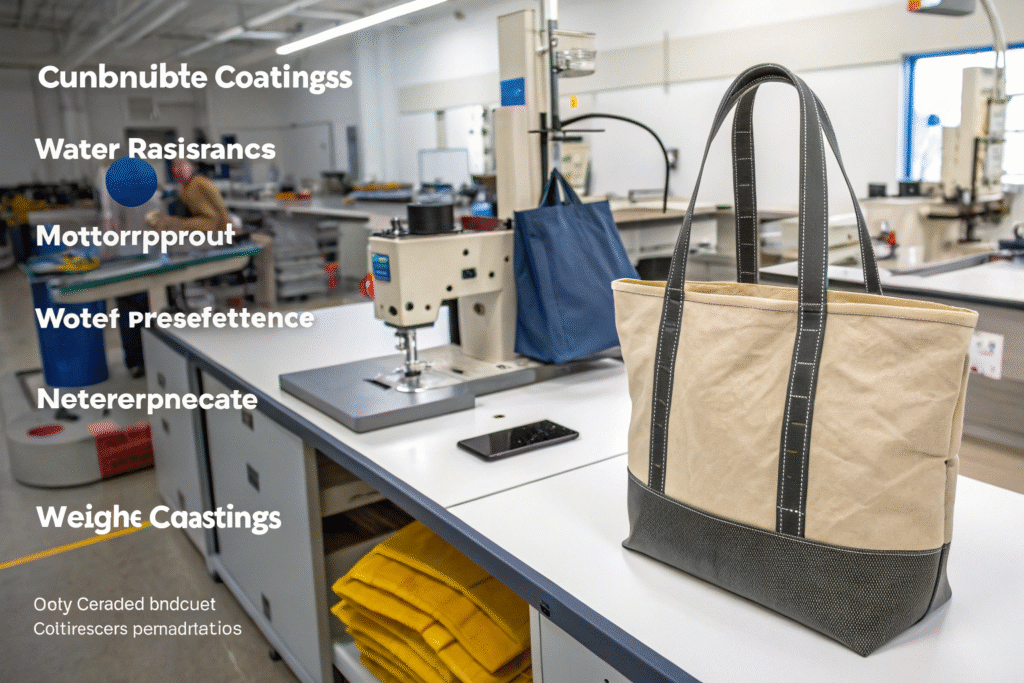
Weather-resistant materials safeguard electronic devices and important documents from rain, snow, and accidental spills during the commute. The level of protection varies from water-repellent treatments to fully waterproof constructions with sealed seams.
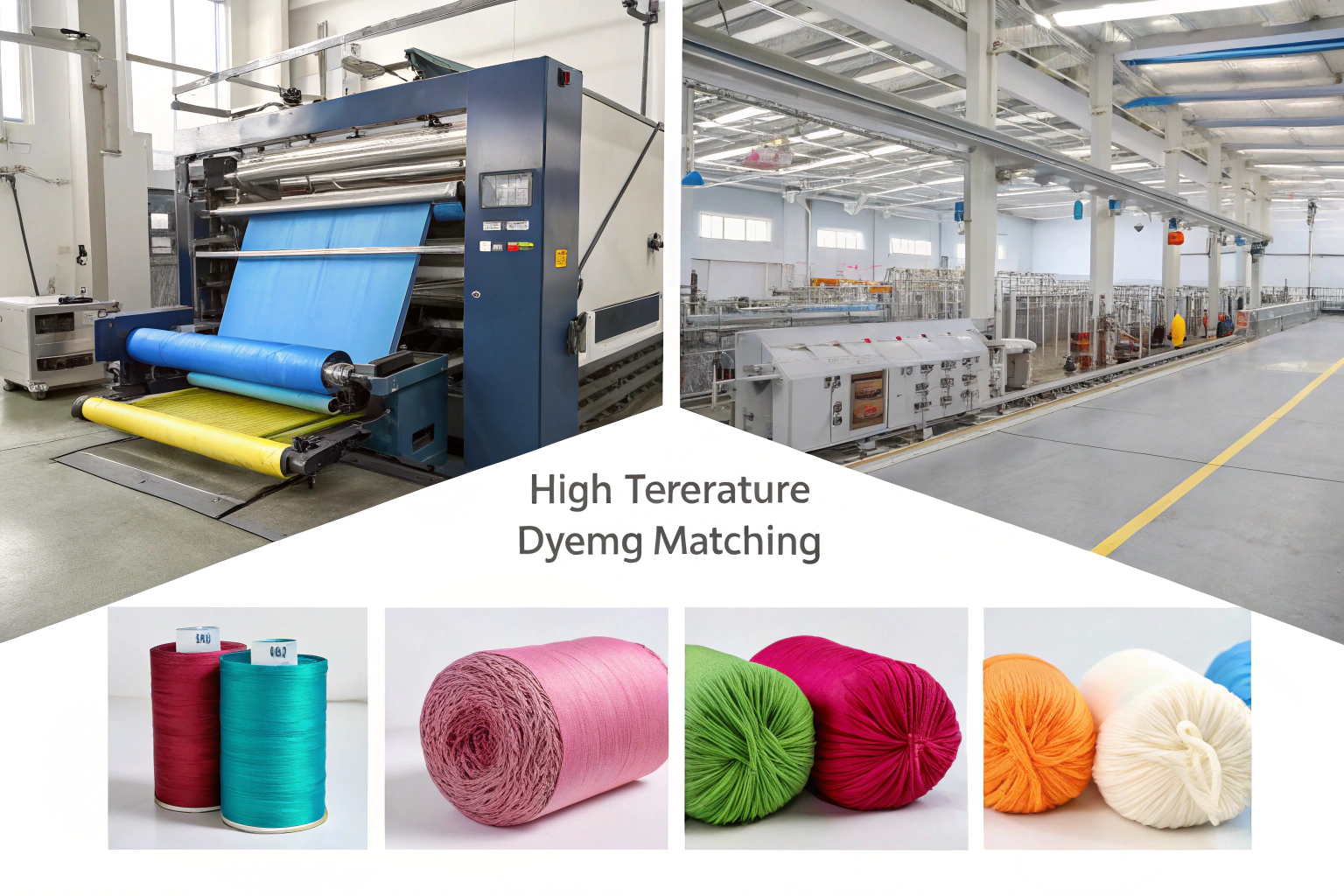
Our material sourcing team prioritizes weather-resistant fabrics that balance protection with aesthetic appeal. For premium commuter totes, we utilize technical fabrics with polyurethane coatings that create water-resistant barriers without compromising breathability. For maximum protection in rainy climates, we implement fully waterproof materials like TPU-laminated nylons with welded seams that eliminate needle holes where water can penetrate. These advanced materials require specialized cutting and construction equipment to maintain their protective properties throughout manufacturing. For commuters who frequently encounter wet conditions during their travels, these material choices can prevent costly damage to electronics and important work documents.
How Do Material Weight and Durability Impact Long-Term Use?
Material weight and durability significantly impact a commuter tote's comfort during extended carrying and its lifespan under daily use conditions. The ideal materials provide maximum durability with minimum weight to reduce shoulder and back strain.
We've developed several lightweight durable material combinations specifically for the commuter market. High-density nylon fabrics offer exceptional tear strength with minimal weight, while technical canvas blends provide structured appearance with reduced heft compared to traditional canvas. For leather options, we source specially tanned hides that maintain durability while being substantially lighter than standard leathers. Our construction techniques reinforce high-stress areas like strap attachments and bottom panels without adding unnecessary weight. These considerations are particularly important for commuters who carry their totes for long periods or who have lengthy walks during their commute, where every ounce contributes to overall comfort.
What Ergonomic Features Enhance Commuter Comfort?
Ergonomic features transform a functional tote into a comfortable daily companion by distributing weight effectively and reducing physical strain during extended carrying. Commuters often carry substantial weight over considerable distances, making comfort features non-negotiable for regular use.
Through wear testing and collaboration with ergonomics specialists, we've identified key design elements that significantly improve carrying comfort across different commuter scenarios and body types.
How Do Strap Designs Affect Carrying Comfort?
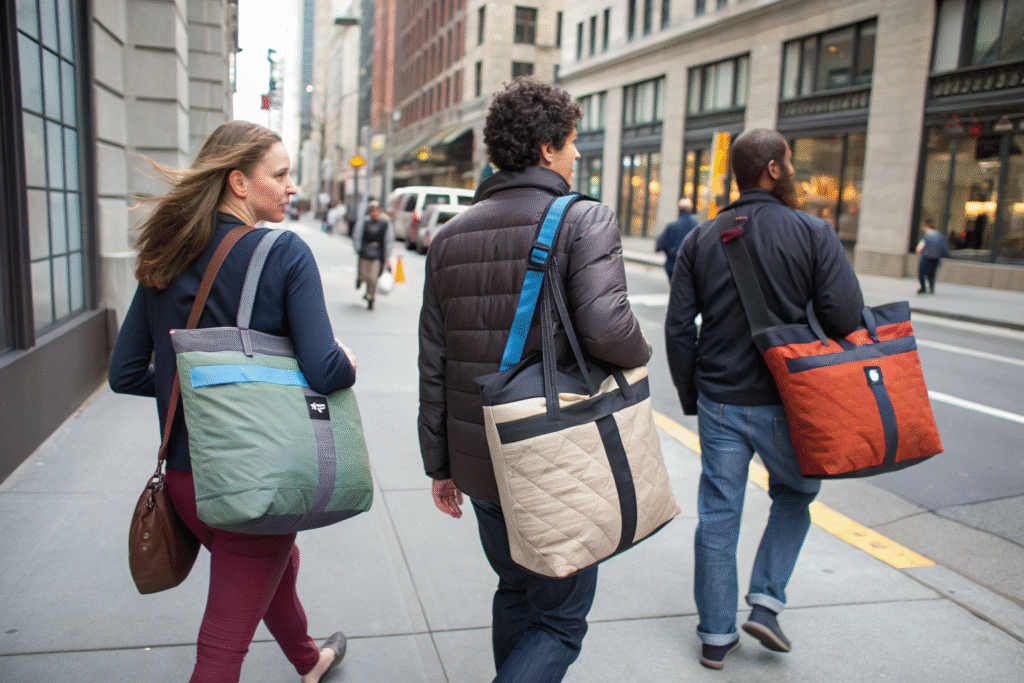
Strap design critically impacts shoulder comfort and weight distribution, particularly when commuters carry heavy loads like laptops and books. Well-designed straps mitigate pressure points and prevent the bag from slipping during movement.
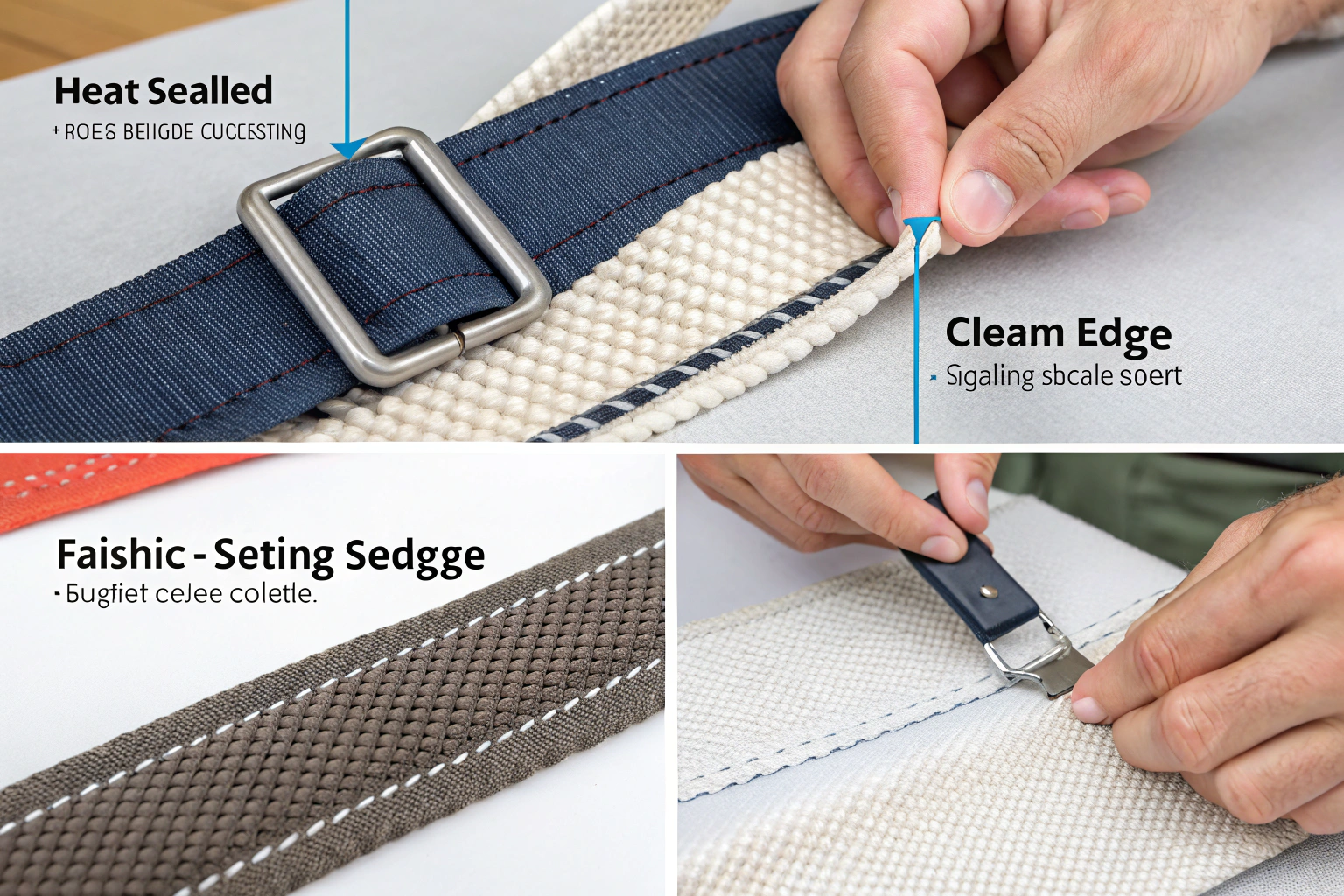
Our approach to strap ergonomics involves multiple considerations beyond basic padding. We've developed contoured strap shapes that follow natural shoulder curvature, distributing weight more evenly than straight straps. The width, thickness, and material composition are carefully calibrated to provide optimal comfort without adding excessive bulk. For commuters who alternate between hand-carry and shoulder-carry, we've designed convertible strap systems that stow neatly when not in use. Our manufacturing process ensures strap attachments are significantly reinforced to handle the dynamic stresses of commuter use, with testing protocols that far exceed standard industry requirements for weight capacity and durability.
What Carrying Options Best Suit Different Commute Types?
Multiple carrying options accommodate different commute types and user preferences, allowing commuters to adapt their tote to specific situations like crowded trains, lengthy walks, or bicycle commuting.
We've implemented several versatile carrying systems that address diverse commuter needs. For commuters with long walking segments, we've developed tote designs with optional backpack strap configurations that distribute weight evenly across both shoulders. For those who frequently switch between transportation modes, top handles with comfortable grip diameters enable easy carrying when shoulder wearing isn't practical. The most innovative designs feature three-way carrying systems that integrate handles, shoulder straps, and crossbody options in a cohesive design that maintains the tote's aesthetic integrity. These multi-functional approaches require sophisticated pattern engineering to ensure the bag maintains its structure and functionality regardless of how it's carried.
Conclusion
The ideal commuter tote with zipper closures represents a careful balance of security, organization, durability, and comfort features that address the specific challenges of daily travel. From robust zipper systems that protect contents to ergonomic designs that reduce physical strain, each element contributes to a more secure and comfortable commuting experience. For retailers and brands, understanding these feature priorities enables the development of products that genuinely meet commuter needs.
At AceAccessory, we've dedicated significant resources to refining our commuter tote collections based on real-world user feedback and evolving urban transportation trends. Our manufacturing facility in Zhejiang combines advanced materials with construction techniques specifically developed for the demands of daily commuter use. We understand that commuter totes must withstand rigorous conditions while maintaining their appearance and functionality over time.
If you're looking for a manufacturing partner to develop high-performance commuter totes for your collection, we invite you to experience the shanghaifumaoclothing advantage. Our comprehensive approach combines practical insights with technical expertise to create products that excel in real-world commuting scenarios. For personalized assistance with your commuter tote program, please contact our Business Director Elaine at elaine@fumaoclothing.com. Let us show you how our capabilities can help you create commuter totes that combine security, organization, and style for today's urban travelers.