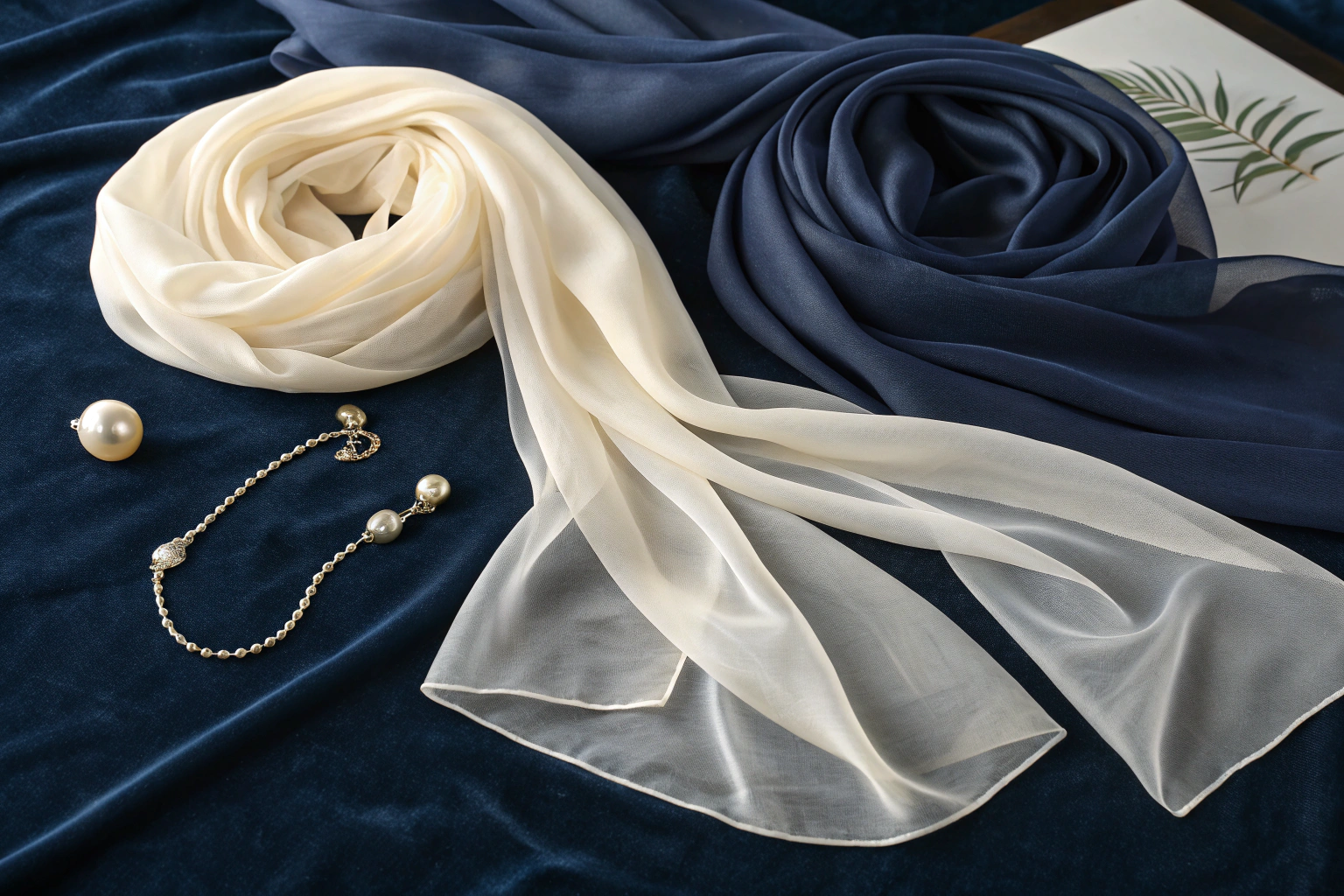
You have a formal event—a gala, a wedding, or a black-tie dinner. Your outfit is nearly perfect, but it needs a finishing touch: a scarf that adds grace without bulk, sophistication without heaviness. You want something that drapes beautifully, catches the light softly, and feels luxurious against your skin. But which materials deliver that delicate, sheer elegance perfect for formal occasions? How do you choose a scarf that complements, rather than competes with, your eveningwear?
For formal wear, the most sheer and elegant scarf materials are silk chiffon, silk georgette, fine silk voile, and high-quality viscose or modal blends. These fabrics are prized for their lightweight, translucent quality, fluid drape, and refined luster. Silk chiffon, in particular, is the gold standard for ethereal elegance, offering a barely-there feel with a delicate, slightly pebbled texture that diffuses light beautifully. These materials elevate an outfit by adding a layer of sophisticated movement and color without appearing heavy or casual.
As a manufacturer who has produced scarves for high-end brands and formal collections, I understand the specific requirements of eveningwear accessories. Let's explore the characteristics of these premier materials to help you select the perfect scarf.
Why Is Silk Chiffon the Quintessential Choice for Formal Elegance?
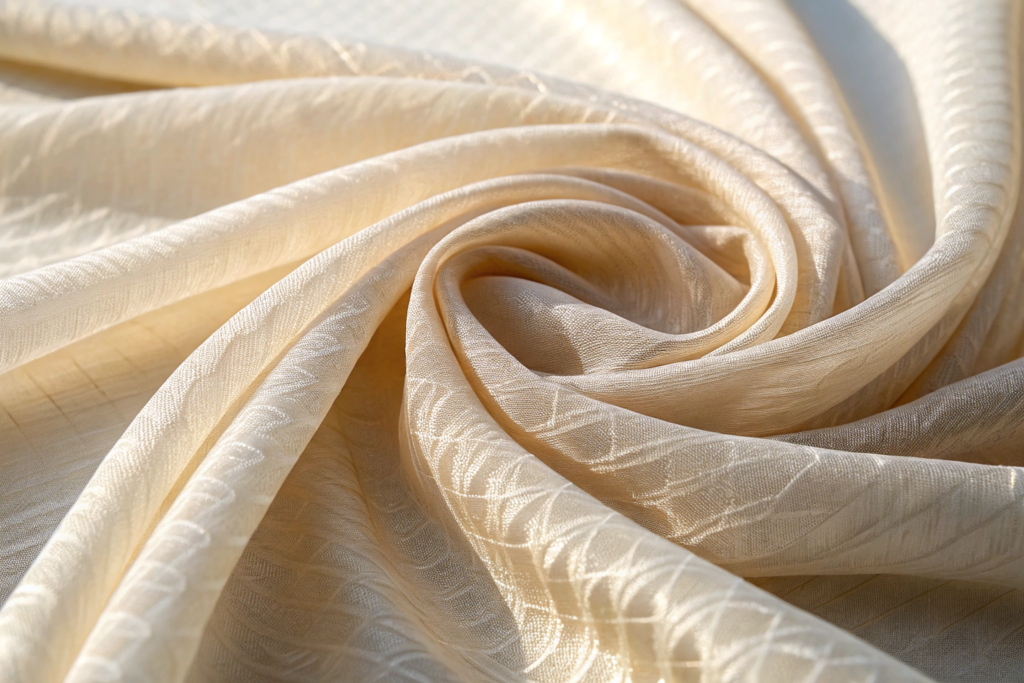
When you think of a sheer, elegant scarf for a black-tie event, you are likely imagining silk chiffon. This fabric is synonymous with high-end formalwear for a reason. It is incredibly lightweight, wonderfully drapey, and has a characteristic slight crinkle or pebbled texture that gives it body and visual interest while remaining transparent. A silk chiffon scarf can be tied in a soft knot, draped over the shoulders, or worn as a shawl, adding a layer of graceful, floating color.
What are the defining properties of silk chiffon?
Silk chiffon is defined by its:
- Extreme Lightness: It is one of the lightest woven fabrics, often described as "airy."
- Sheer Transparency: It offers a see-through quality that is elegant, not revealing, especially in layered folds.
- Fluid Drape: It falls in soft, flowing lines that move with the body.
- Delicate Texture: The slight roughness of the pebbled weave prevents it from being slippery, allowing it to hold knots and drapes better than a perfectly smooth silk.
For brands and retailers, offering a pure silk chiffon scarf signals a commitment to luxury. At Shanghai Fumao Clothing, we use high-grade mulberry silk to ensure our chiffon has consistent weight and a superior hand-feel.
How should you style and care for a silk chiffon scarf?
Given its delicacy, styling should be gentle. Avoid tight, bulky knots that can crush the fabric. Opt for a loose wrap, a soft drape around the neck, or an elegant shawl pinned with a brooch. Care is paramount: dry cleaning is always recommended to preserve the fibers and prevent water spotting. For buyers, providing clear care instructions on the label is non-negotiable for maintaining customer satisfaction with such a premium product. Resources like The Silk Association provide best practices for handling fine silks.
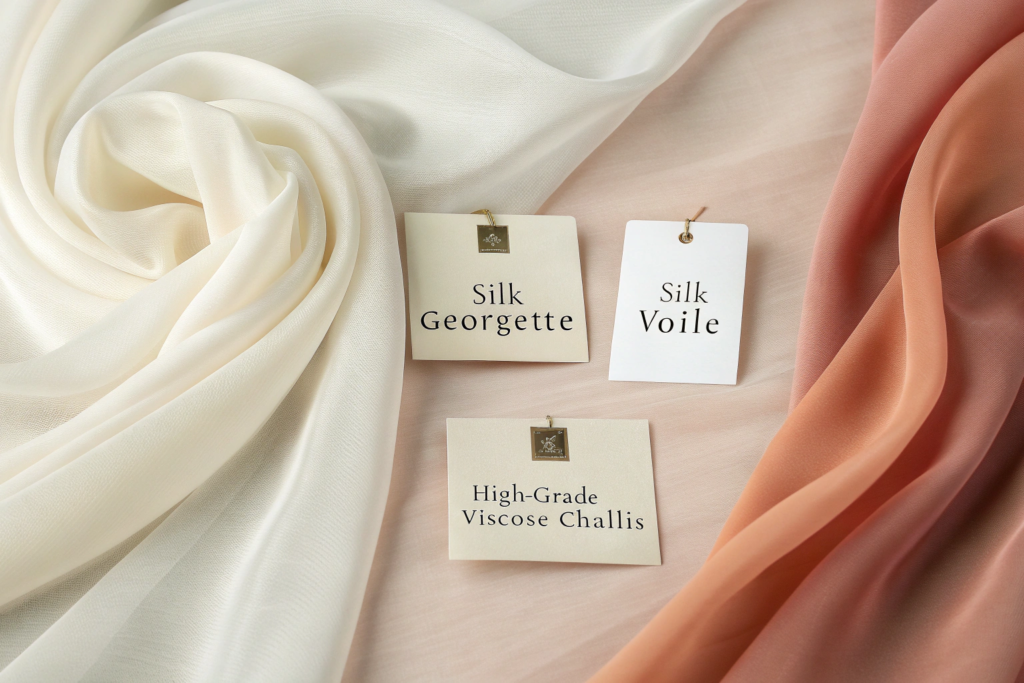
What Are the Subtle Alternatives: Georgette, Voile, and Fine Viscose?
While chiffon reigns supreme, other materials offer slightly different textures and benefits for formal wear. Understanding these alternatives allows for a more nuanced selection based on specific design needs, budget, or desired effect.
How does silk georgette differ from chiffon?
Silk georgette is similar to chiffon but has a few distinct characteristics:
- Dull Finish: It has a more matte, less lustrous surface than chiffon, giving it a sophisticated, understated look.
- More Body and Crinkle: It is slightly heavier and has a more pronounced crinkled texture, which can provide more volume in a draped style.
- Less Sheer: While still translucent, it is often a bit more opaque than chiffon.
Georgette is an excellent choice for a formal scarf where you want a bit more structure and a matte, modern aesthetic. It drapes beautifully but holds its shape a little more.
When are silk voile and viscose blends appropriate?
- Silk Voile: This is a crisp, smooth, and lightweight sheer fabric. It is less textured than chiffon or georgette, offering a cleaner, more minimalist look. It's perfect for a sharply folded scarf or a neat headwrap.
- High-Quality Viscose/Modal Blends: Modern viscose derived from bamboo or wood pulp can be woven into very fine, soft, and drapey fabrics that mimic the fluidity of silk at a more accessible price point. A viscose challis scarf can be beautifully sheer and elegant, though it may lack the distinctive luster and longevity of pure silk.
For larger-scale production or more accessible luxury lines, these alternatives are vital. Their care is often easier, sometimes allowing for gentle hand washing.
How Do Material Weaves and Finishes Enhance Sheerness and Elegance?
The elegance of a sheer scarf is not determined by fiber alone. The weave density, thread count, and finishing processes are equally important. A poorly woven silk can feel coarse and look cheap, its threads bunched and uneven, casting a dull, lifeless sheen that lacks the soft, dappled light of well-crafted fabric. When draped over a shoulder, it might cling awkwardly, lacking the airy flow that makes sheer scarves so desirable. In contrast, an expertly finished synthetic—perhaps a high-quality polyester or modal blend—can feel surprisingly luxurious, its surface smooth as a whisper against the skin, with a subtle sheen that catches the light like scattered stardust.
What is the role of thread count and weave in sheerness?
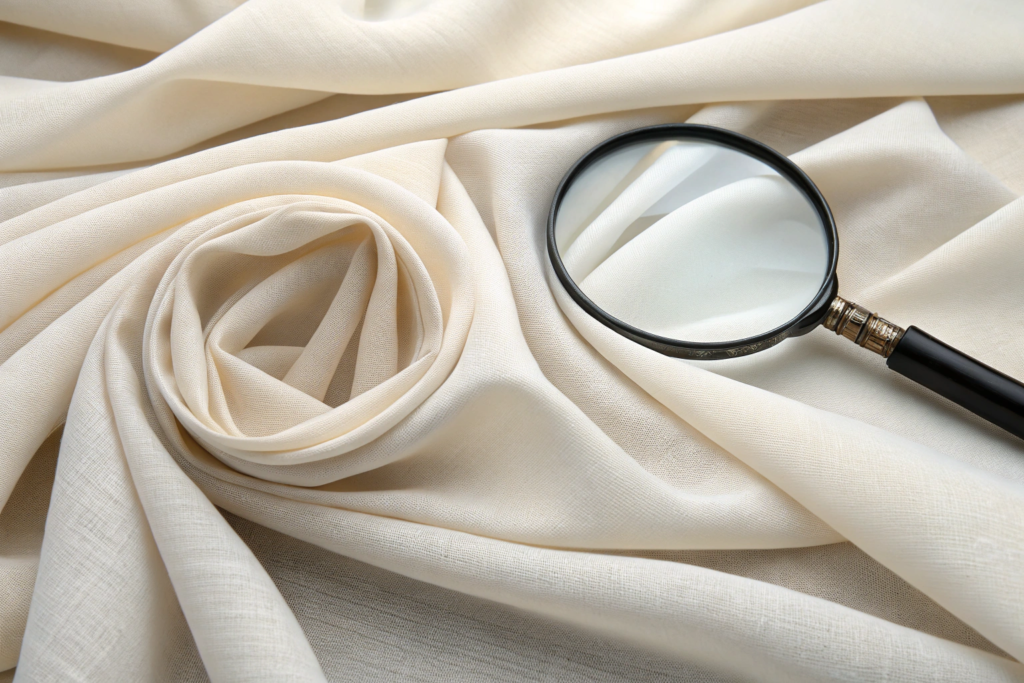
Sheerness is achieved by using fine yarns and an open, loose weave structure. However, there's a balance:
- Too Loose: The fabric may be unstable, prone to snagging, and lack a refined hand-feel.
- Too Tight: The fabric loses its transparency and becomes more opaque.
The best formal scarf materials use very fine, high-twist yarns in a balanced plain weave. This creates a stable yet transparent fabric that feels expensive. The momme weight (mm) is a key metric for silk—a higher momme indicates a heavier, denser fabric. For sheer formal scarves, a lower momme (like 8-12 mm) is typical.
How do finishing processes like washing and printing affect the fabric?
- Washing: A gentle wash or enzyme wash can soften the fibers, enhancing the drape and making the scarf feel more supple from the first touch.
- Printing: For sheer fabrics, digital printing allows for intricate, photographic-quality patterns that don't stiffen the fabric. Discharge printing can create vibrant colors that feel integrated into the fabric rather than sitting on top.
A manufacturer's expertise in these finishing steps is what separates a good scarf from an exceptional one. It requires precise quality control to ensure prints are aligned and washes are consistent.
What Should Buyers Look for When Sourcing Formal Scarves?
For retailers, brands, or stylists sourcing formal scarves, understanding the markers of quality is essential to ensure you're offering a product worthy of an elegant occasion—one that exudes sophistication, durability, and timeless allure. It's about assessing both tangible and intangible qualities, each contributing to the scarf's ability to elevate an ensemble from ordinary to extraordinary. Tangibly, the fabric itself speaks volumes: think of the soft, buttery smoothness of 100% silk, its weighty yet luxurious drape that flows like liquid elegance, or the crisp, structured weave of high-thread-count cotton-linen blends that resist wrinkling even after hours of wear.
The stitching should be impeccable, with tiny, uniform stitches along edges that feel sturdy yet invisible, ensuring the scarf maintains its shape and beauty through countless uses. Intangibly, the craftsmanship reveals itself in the attention to detail—the precision of pattern alignment, the subtle sheen of a well-finished edge, the way the colors remain vibrant and true, as if they were freshly dyed yesterday rather than months ago.
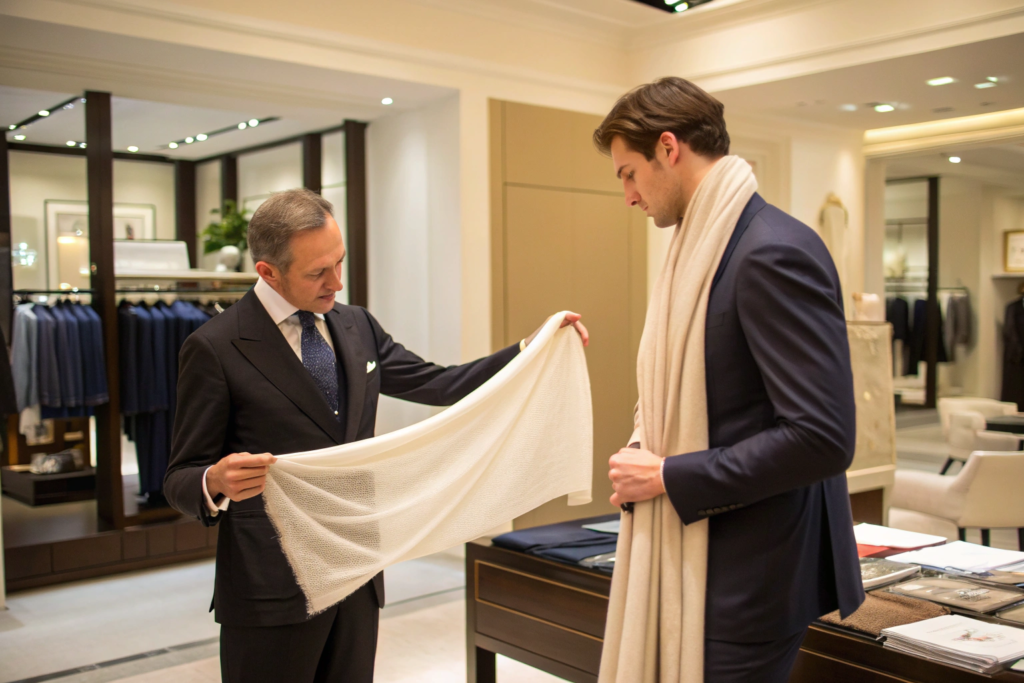
How do you evaluate the quality of a sheer scarf?
Perform these simple tests:
- The Drape Test: Let the scarf fall over your hand. It should cascade in soft, fluid folds, not hang stiffly.
- The Light Test: Hold it up to a light source. The sheerness should be even, with no thick or thin streaks in the weave.
- The Hand-Feel Test: Rub it gently between your fingers. It should feel smooth and luxurious, not rough or scratchy, even with a textured weave like chiffon.
- The Hem Inspection: The edges should be finished with a delicate rolled hem (a hallmark of quality scarves), which is nearly invisible and prevents fraying without adding bulk.
A reliable supplier will encourage this inspection and be transparent about fiber content and manufacturing processes.
Why is packaging crucial for formal scarves?
The unboxing experience must match the product's elegance. A formal scarf should be presented in a way that protects it and communicates its value. Look for:
- Individual Polybags: Acid-free tissue paper inside a clear, high-quality polybag to prevent dust and moisture.
- Branded Packaging: A stiff card or box that prevents crushing during transit.
- Care Card: A discreet but clear card with care instructions.
This attention to detail from the factory, like that provided by partners such as Shanghai Fumao Clothing, ensures the product arrives in perfect, retail-ready condition, preserving its elegance for the end consumer.
Conclusion
Selecting the perfect sheer and elegant scarf for formal wear comes down to understanding the unique properties of luxury materials like silk chiffon, georgette, and voile. These fabrics offer the lightweight drape, subtle luster, and refined texture that elevate evening attire from simply dressed to impeccably styled.
By focusing on quality construction, fine finishes, and thoughtful presentation, you can ensure that the accessory adds the intended touch of sophistication. Whether you are a consumer choosing a piece for a special night or a brand building a formal collection, prioritizing these materials and markers of quality is key.
If you are looking to source or develop a line of exquisitely sheer formal scarves, our expertise in luxury materials and precise manufacturing can help. Contact our Business Director, Elaine, at elaine@fumaoclothing.com to create accessories that define elegance.