Are you sourcing children's knit hats for the European market but unsure which sizes to stock to maximize sales and minimize leftover inventory? Do you find generic size charts confusing and worry about fit complaints from parents? You're addressing a critical aspect of kids' wear where fit, safety, and age-appropriateness are paramount. The European kids' fashion market is sophisticated, with parents seeking well-fitting, stylish, and often gender-neutral options. Knowing the precise, most-demanded sizes is key to commercial success.
The popularity of sizes follows a clear demographic and age-range pattern, with "Toddler" (1-4 years) and "Child" (5-12 years) being the two dominant volume categories. However, within these, specific head circumference ranges and corresponding "age" labels are what drive purchases. The most popular and safest approach is to align with standardized European size norms and offer a clear, measurement-based size guide. This builds trust with parents and reduces returns.
This guide will break down the definitive size ranges, explain the underlying European norms, discuss the importance of stretch and fit for different age groups, and provide actionable strategies for sizing your collection to capture the broadest market segment. Let's ensure your hats fit as perfectly as they look.
What Are the Standard European Size Ranges for Children’s Hats?
Unlike adult fashion, children's sizing is tightly linked to age groups and physiological development stages. The European market commonly uses age ranges (e.g., 2-4 Years) alongside the head circumference in centimeters. The most critical measurement for a knitted hat is the finished inner circumference, which must accommodate the child's head size with comfortable stretch.
Here are the standard, high-volume size brackets for European kids' knitwear:
| Age Label (Common Market Usage) | Head Circumference Range (Child) | Target Finished Hat Circumference (With Stretch) | Primary Use Case |
|---|---|---|---|
| Baby (6-12 Months) | 44-47 cm | 40-42 cm (stretches to fit) | Gift purchases, newborn photography. Lower volume but high perceived value. |
| Toddler (1-4 Years) | 48-52 cm | 44-48 cm | THE HIGHEST VOLUME CATEGORY. Covers crucial growth years for everyday wear. |
| Child / Little Kid (5-8 Years) | 52-55 cm | 48-52 cm | SECOND HIGHEST VOLUME. School-age children needing seasonal hats. |
| Tween / Big Kid (9-12 Years) | 54-58 cm | 52-56 cm | Growing segment for fashion-conscious older children. |
Key Insight: The "Toddler (1-4Y)" and "Child (5-8Y)" ranges cover the vast majority of the market demand. Focusing your core collection on these two sizes with precise fit will capture over 80% of sales potential.

Why is the "Toddler" (1-4 Years) Range the Highest Volume Segment?
This age group experiences rapid growth, meaning hats are outgrown relatively quickly, leading to repeat purchases. Parents of toddlers are also highly active in buying complete, cute outfits. Furthermore, this is the age where children start attending nursery/preschool, requiring practical, warm outdoor wear. A well-fitting, comfortable, and easy-to-put-on hat for a toddler is a staple item in every European family's winter wardrobe.
How Do European Size Norms (Like EN 13402) Influence Labeling?
The European standard EN 13402 (Size designation of clothes) recommends using body dimensions (like chest or height) for sizing. While not always followed verbatim for accessories, its philosophy pushes the market toward measurement-based labeling. The most professional and trusted approach is to use a dual label: e.g., "Age: 5-8 Years | Head Circumference: 52-55 cm". This provides clarity and helps parents who know their child's measurement shop with confidence, reducing sizing anxiety. This level of transparency is as valued as clear sizing communication in adult hats.
How Should Hat Construction and Fit Differ by Age Group?
A one-size-fits-all construction does not work across children's ages. The fit, comfort, and safety requirements vary significantly from a baby to a tween. Your knitting pattern, yarn choice, and features must adapt accordingly.
-
For Babies (6-12M):
- Fit: Must be extra soft, lightweight, and have minimal bulk. Avoid tight ribbing that can leave marks. The hat should be slightly loose to avoid pressure on the soft fontanelle.
- Safety: NO long strings, pompoms, or small detachable parts that pose a choking or strangulation hazard. Use secure, embroidered details instead.
- Ease: Often designed with a fold-up cuff to adjust for growth.
-
For Toddlers (1-4Y):
- Fit: Needs good stretch and recovery to accommodate growth spurts. A snug-but-comfortable fit is key to prevent them from pulling it off. A wide, non-itchy ribbed brim that covers the ears is essential.
- Features: Can introduce small, secure pompoms (if strongly attached) or ears/animal designs. Consider chin ties (with breakaway safety features) for very cold climates.
-
For Children & Tweens (5-12Y):
- Fit: Moves closer to adult preferences. Can include slouchy or beanie styles. Fit becomes more about style and personal expression.
- Material: Can use a wider variety of yarns, including wool blends, acrylics, and cotton. Durability and washability are key.
- Design: More fashion-forward details: cables, colorwork, faux fur pompoms, and branded patches.
What Yarn and Stitch Choices Optimize Comfort and Stretch?
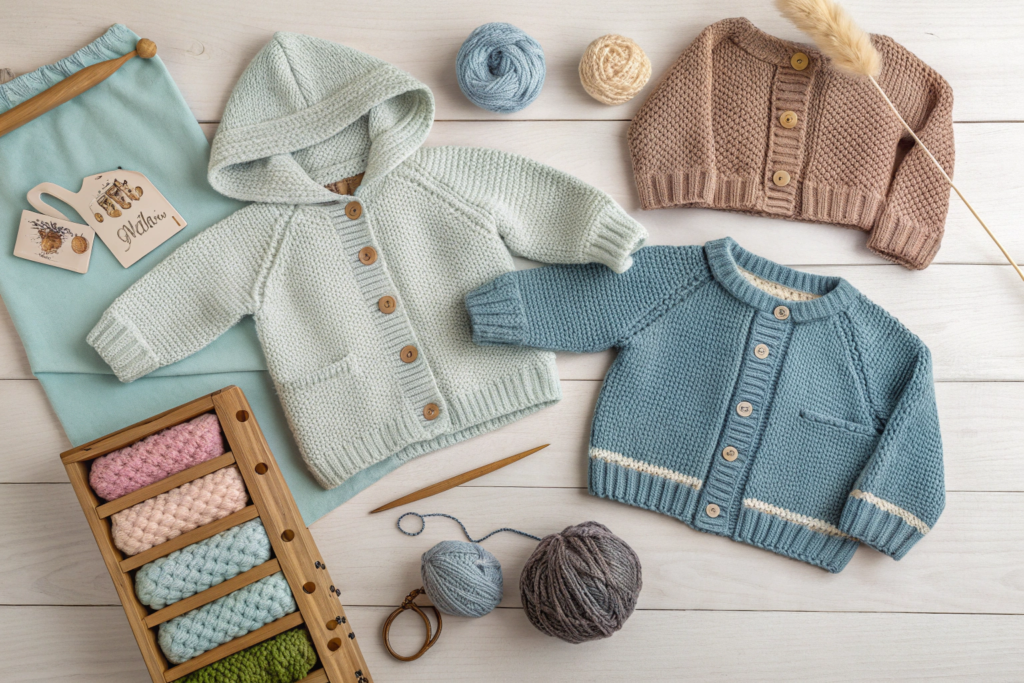
For the core toddler and child sizes, prioritize machine-washable, super-soft yarns. A high-quality acrylic or a soft acrylic-wool blend is often the best commercial choice—it's warm, hypoallergenic, easy-care, and holds color well. The knit structure should include elastic stitches. A 2x2 rib stitch at the brim provides excellent horizontal stretch and recovery, ensuring the hat stays on and grows with the child. This focus on functional material choice is akin to selecting performance fabrics for outdoor accessories.
Are There Safety Standards for Children's Hats in the EU?
Yes. While there is no single hat-specific regulation, general toy safety (EN 71) and children's clothing safety standards apply. Key points:
- Small Parts (EN 71-1): Any decorative element (like a pompom or sequin) must not detach and pose a choking hazard for children under 3. They must pass a "tension test."
- Cords and Drawstrings (EN 14682): This standard severely restricts the use of cords and drawstrings in the neck area for children's clothing. For hats, avoid functional cords near the neck. If using chin ties, they must be breakaway and not form a loop.
- Flammability: Fabrics must meet certain flammability resistance standards.
A responsible manufacturer like Shanghai Fumao Clothing is well-versed in these standards and can guide on compliant design, just as we do for general EU product compliance.
What Sizing Strategy Maximizes Sales and Minimizes Risk?
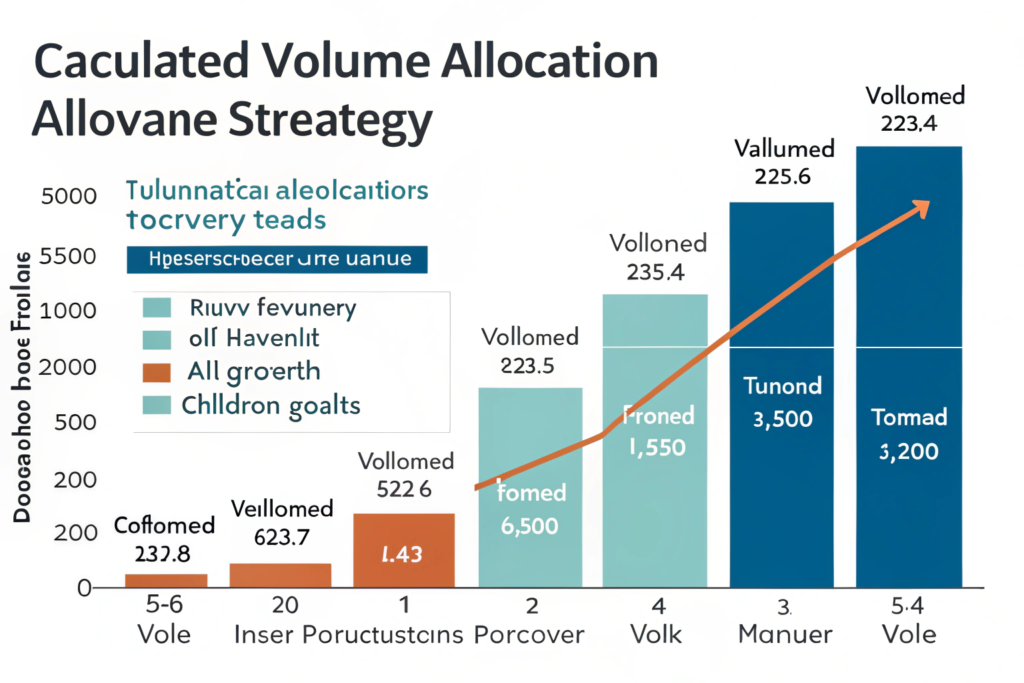
Your production volume allocation across sizes should not be equal. It should be a calculated strategy based on demand forecasts, inventory turnover goals, and the practicalities of children's growth patterns.
The "50-30-15-5" Production Allocation Rule (for a 4-size range):
- 50% of units: Toddler (1-4Y). The workhorse of your collection.
- 30% of units: Child (5-8Y). The strong secondary volume driver.
- 15% of units: Tween (9-12Y). For fashion-forward styles.
- 5% of units: Baby (6-12M). Lower volume, often gift-driven.
This strategy ensures you have ample stock of the fastest-moving sizes while limiting exposure in the more niche segments. Always adjust this based on your specific sales data after the first season.
Should You Offer "One-Size-Fits-Most" Kids' Hats?
For certain styles, a "One-Size" hat labeled as "3-8 Years" can be a successful, low-risk option, especially for fashion beanies with a lot of slouch. The hat is knit with significant stretch to fit the 48cm - 54cm range. This simplifies inventory for retailers and works for gift-givers unsure of exact size. However, it is not a replacement for sized offerings. Always offer sized options for core styles, as parents of toddlers and older children often prefer a more precise fit. This is similar to the strategic choice between sized and OSFM in adult headwear.
How to Create an Effective Size Chart for Your Product Page?
Your online size chart is a conversion tool. It must be visual, simple, and action-oriented.
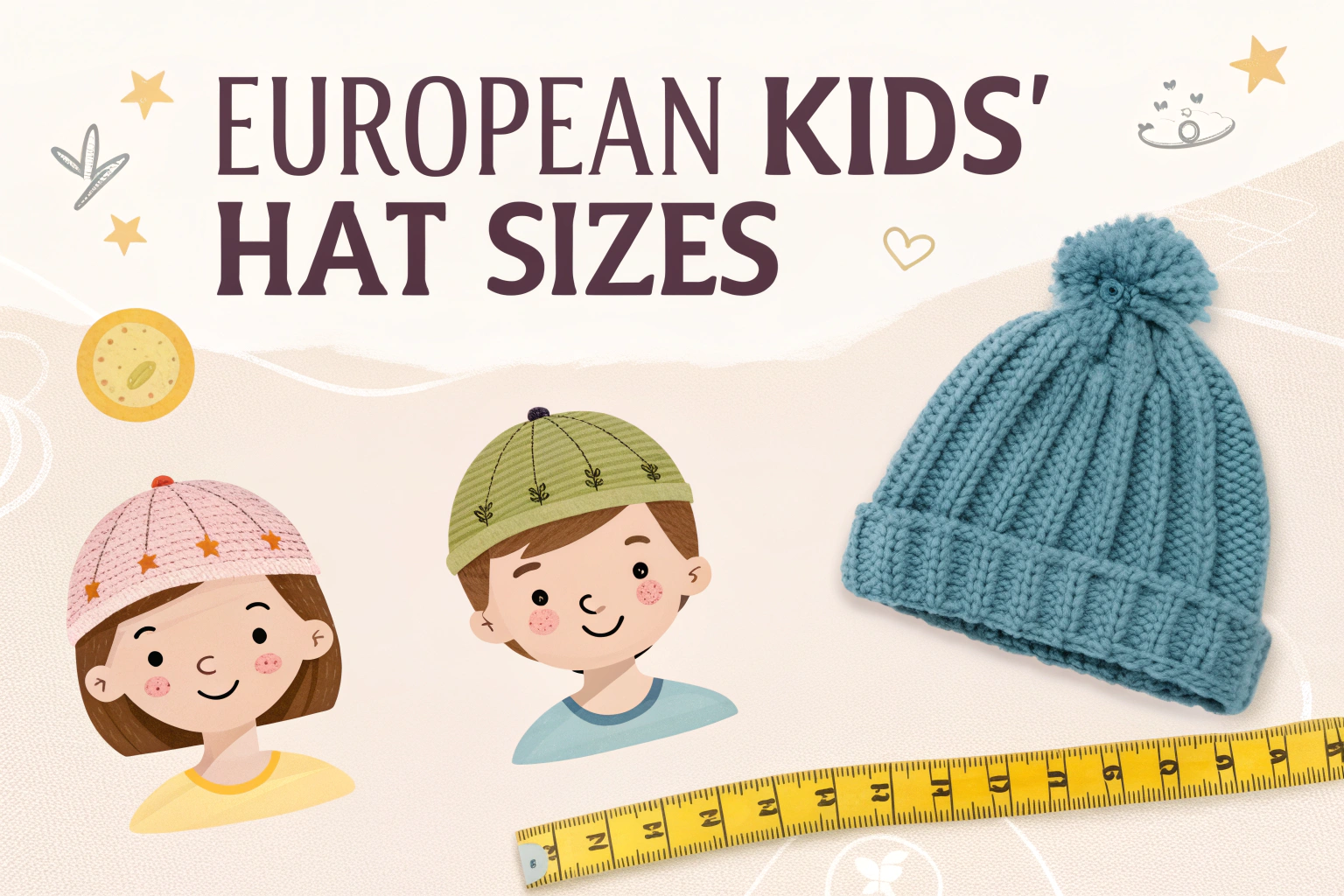
- Show a Measuring Guide: An illustration showing how to measure head circumference with a soft tape.
- Provide a Clear Table: List Age, Head Circumference (cm & inches), and corresponding Hat Size (e.g., "Size Toddler").
- Give Fit Advice: "We recommend choosing a size based on your child's current head measurement. For a cozy fit, select the size where their measurement is in the middle of the range."
- Highlight Safety: For baby items, note: "Designed without long cords or loose parts for safety."
This transparent communication builds trust and is a cornerstone of effective e-commerce for accessories.
How Do Trends Influence Size Popularity and Design?
Kids' fashion mirrors adult trends but with added considerations for fun and practicality. Trending styles can temporarily shift demand toward specific size groups or require size-specific design adaptations.
Current Influences on European Kids' Knit Hats:
- Gender-Neutral Designs: Palettes of olive, mustard, cream, navy, and grey are hugely popular. This trend boosts sales across all sizes, as items can be passed down between siblings regardless of gender. Simple, classic shapes in these colors perform exceptionally well.
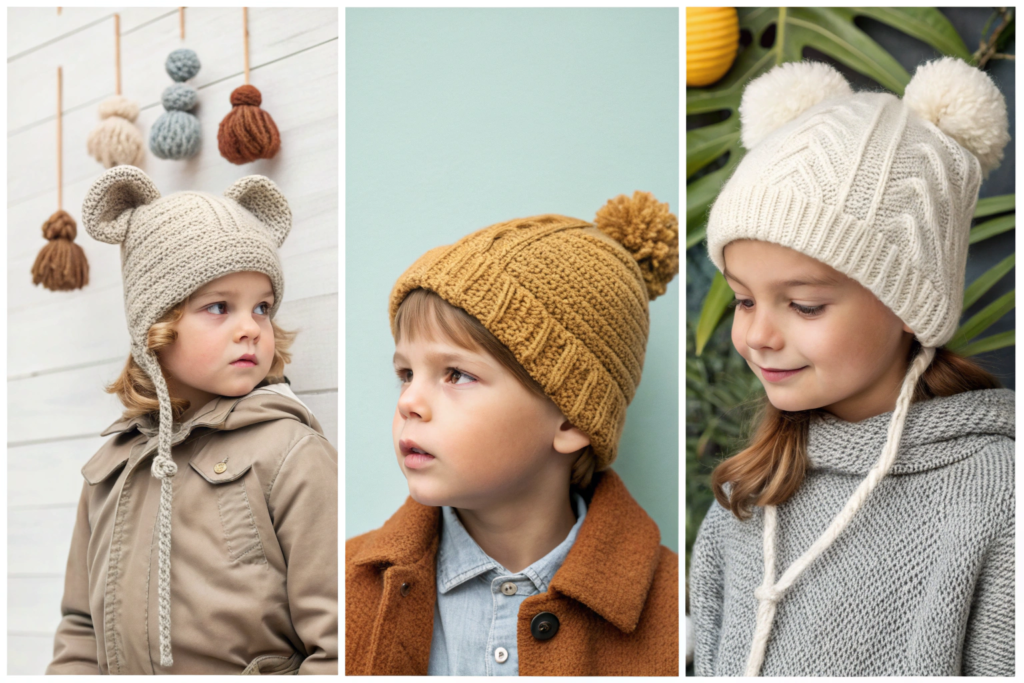
- Animal & Character Hats: Ear flaps, animal faces, and themed pompoms remain evergreen for the Toddler (1-4Y) segment. Ensure all features are securely attached.
- "Mini-Me" / Matching Family Sets: This trend creates demand across the entire size range, from baby to adult. Offering the same design in all sizes can be a powerful collection strategy.
- Technical & Sporty Styles: For older kids (Child/Tween), styles inspired by ski wear or athleisure—using brushed technical fabrics, faux fur, and reflective details—are gaining traction.
How to Adapt Adult Trends for Different Children's Age Sizes?
Take a trend like "Oversized Slouchy Beanie."
- For Tweens (9-12Y): You can make a true, slightly oversized slouch.
- For Children (5-8Y): Scale down the slouch to a "relaxed" fit—still roomy but not overwhelming on a smaller head.
- For Toddlers (1-4Y): This trend rarely translates well. Toddlers need a secure, ear-covering fit. Instead, use the trend's color palette or stitch pattern (e.g., a wide cable) on a classic beanie silhouette.
This thoughtful adaptation ensures the trend is wearable and age-appropriate.
Why is a "Capsule" Approach Powerful for Kids' Sizing?
Developing a capsule collection of hats in coordinating colors across all key sizes is a highly effective strategy. For example, a "Forest" capsule with hats in Moss, Bark, and Cream, available in sizes 1-4Y, 5-8Y, and 9-12Y. This allows retailers to build appealing displays, enables parents to buy matching sets for siblings, and simplifies your production planning by using the same yarns across multiple SKUs. It applies the principles of creating a cohesive capsule collection to the specific demands of children's sizing.
Conclusion
Navigating European kids' knitted hat sizes successfully requires a blend of precise data, thoughtful design, and strategic planning. By focusing your core production on the high-volume Toddler (1-4Y) and Child (5-8Y) segments, constructing hats with age-appropriate fit and safety, and communicating sizes clearly with measurement-based labels, you build a line that parents trust and retailers reorder.
Aligning these well-fitting basics with on-trend colors and gender-neutral designs ensures your collection is both commercial and desirable. This approach minimizes inventory risk while maximizing customer satisfaction and brand loyalty in the competitive European children's fashion market.
Ready to develop a best-selling, perfectly sized kids' knit hat line? At Shanghai Fumao Clothing, we specialize in producing children's accessories that meet EU safety standards, with precise sizing, soft yarns, and compliant construction. Contact our Business Director Elaine at elaine@fumaoclothing.com to craft hats that European families will love.