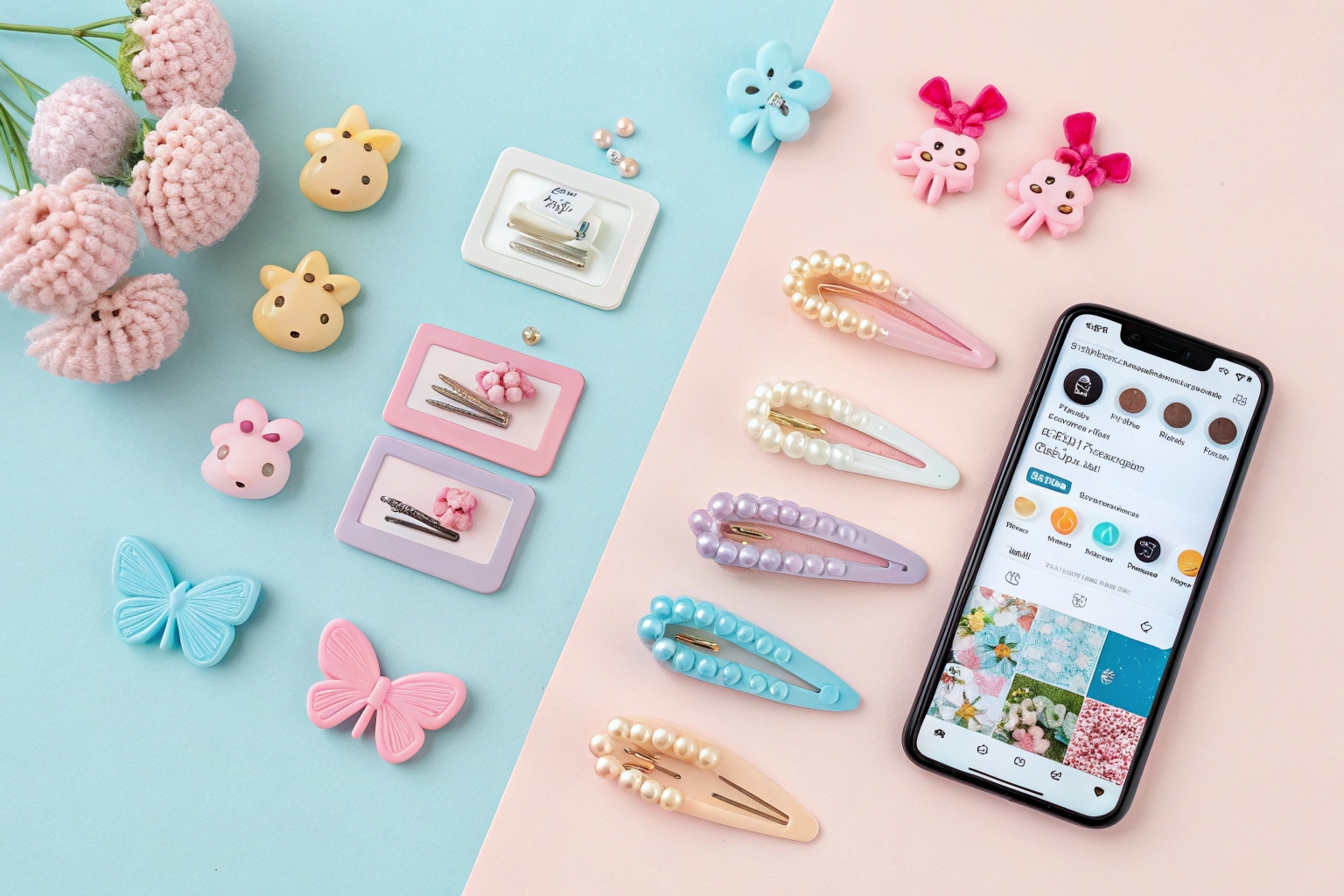
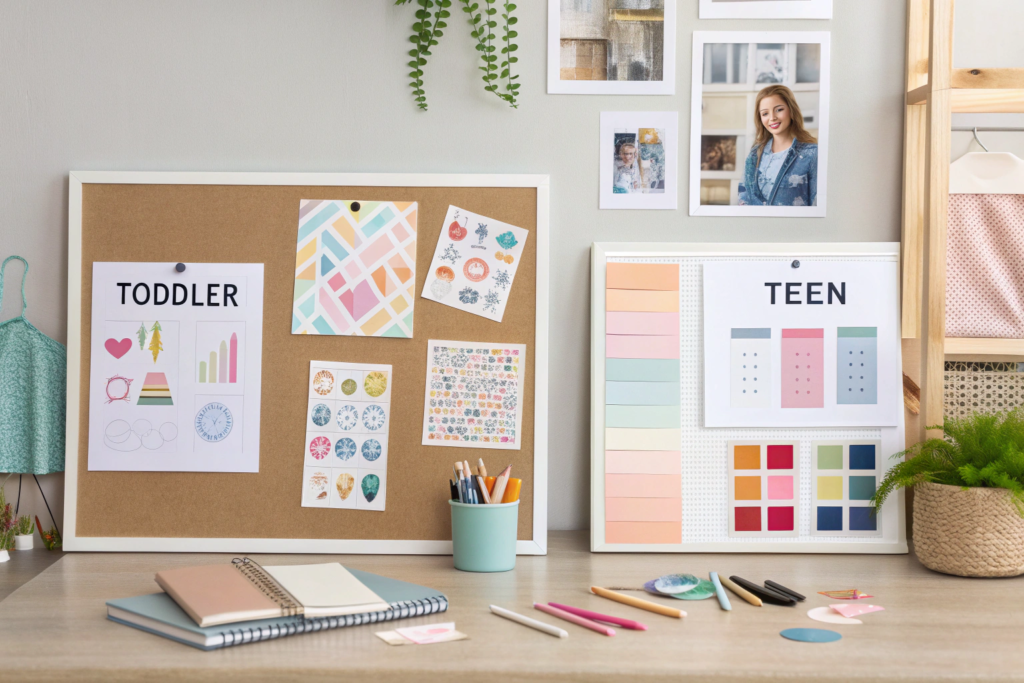
The hair accessory market for toddlers and teens is vibrant, distinct, and driven by very different priorities. For toddlers, safety, comfort, and ease of use are paramount, while teens seek style, self-expression, and trend alignment. Navigating these segments requires understanding not just aesthetics but also developmental stages, safety standards, and the powerful influence of social media and peer trends. The most popular clips are those that successfully marry function with age-appropriate fashion.
For toddlers, the most popular hair clips are soft-spring claw clips, no-slip silicone-grip barrettes, and simple snap clips made from safe, lightweight materials. For teens, popularity leans towards decorative claw clips, mini butterfly clips, pearl-embellished clips, and bold, oversized statement barrettes, often influenced by Y2K and indie sleaze aesthetics.
At Shanghai Fumao Clothing, our production and client requests clearly delineate these two markets. Toddler clip orders emphasize safety testing reports, rounded edges, and gentle tension. Teen clip orders focus on color trends, material finish (like matte vs. glossy acetate), and intricate decorative elements. We manufacture with these distinct end-users in mind, ensuring each product meets its specific demands for safety, durability, and style.
What are the top hair clip choices for toddlers (Ages 1-4)?
When sourcing or designing for toddlers, safety is the non-negotiable foundation. Clips must be secure enough to stay in fine hair but designed to prevent any risk of injury, choking, or hair damage. Parental convenience is also a key driver.
Popular styles are characterized by simple mechanisms, soft materials, and designs that appeal to both the child and the parent.
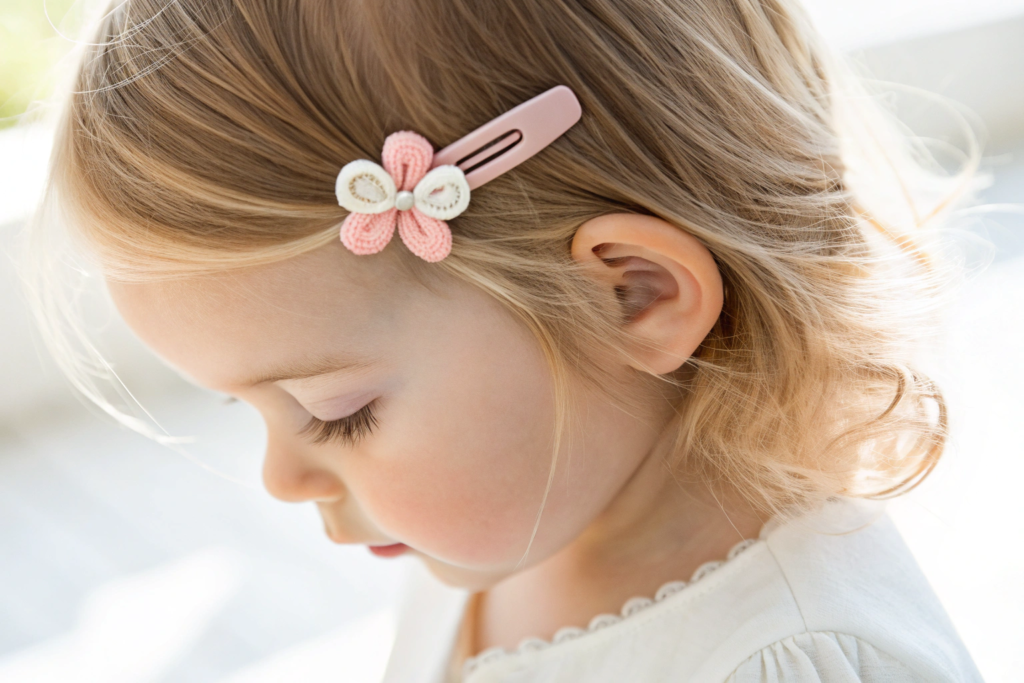
Why are soft-spring and silicone-grip clips so prevalent?
- Soft-Spring Claw Clips: These use a coiled spring made of a softer metal or nylon, which applies much gentler pressure than an adult claw clip. They are easier for parents to open and close and won't pinch the child's scalp or hair. They are ideal for holding thicker toddler hair or creating small, cute updos.
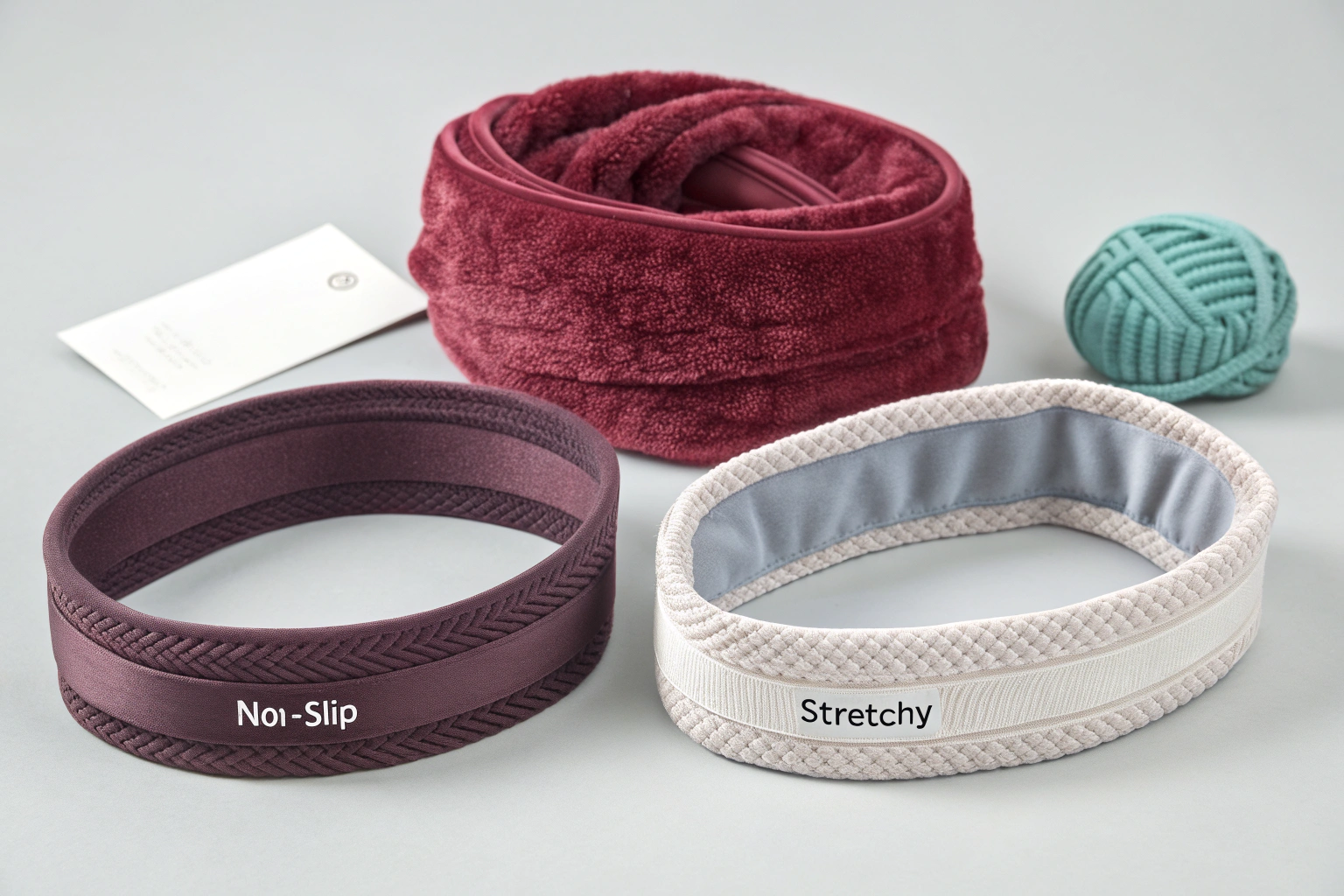
- Silicone-Grip Barrettes: These feature soft silicone strips on the inside of the clasp. The silicone provides exceptional grip on fine, silky toddler hair, preventing the clip from sliding out. The barrette itself is typically made of lightweight plastic or coated metal to avoid sharp edges.
- Simple Snap Clips: The classic double-prong snap clip remains a staple due to its simplicity. For toddlers, they are made smaller, with rounded tips and a smooth finish. Popular designs often feature 3D silicone characters (animals, fruits) attached to the top, which toddlers love.
What safety and material standards are critical?
Manufacturers and brands must prioritize:
- Small Parts Compliance: Clips must pass CPSC (Consumer Product Safety Commission) choke hazard tests. Any decorative elements must be securely attached and unable to detach.
- Non-Toxic Materials: All plastics, coatings, and paints must be phthalate-free, lead-free, and BPA-free. Certifications or test reports from labs like SGS are often required by responsible brands and retailers.
- Smooth Finishes: Every edge must be smoothed and rounded. There should be no gaps where tiny fingers could get pinched.
These are not just best practices; they are essential for brand liability and consumer trust in this sensitive category.
What hair clip trends dominate the teen market (Ages 13-19)?
Teen fashion is fast-moving, heavily influenced by TikTok, Instagram, and celebrity culture. Hair clips are no longer just functional; they are key accessories for completing a look, expressing individuality, and participating in trends like Y2K revival, cottagecore, and dark academia.
Popular clips are often nostalgic, bold, or delicately decorative, serving as intentional style statements.
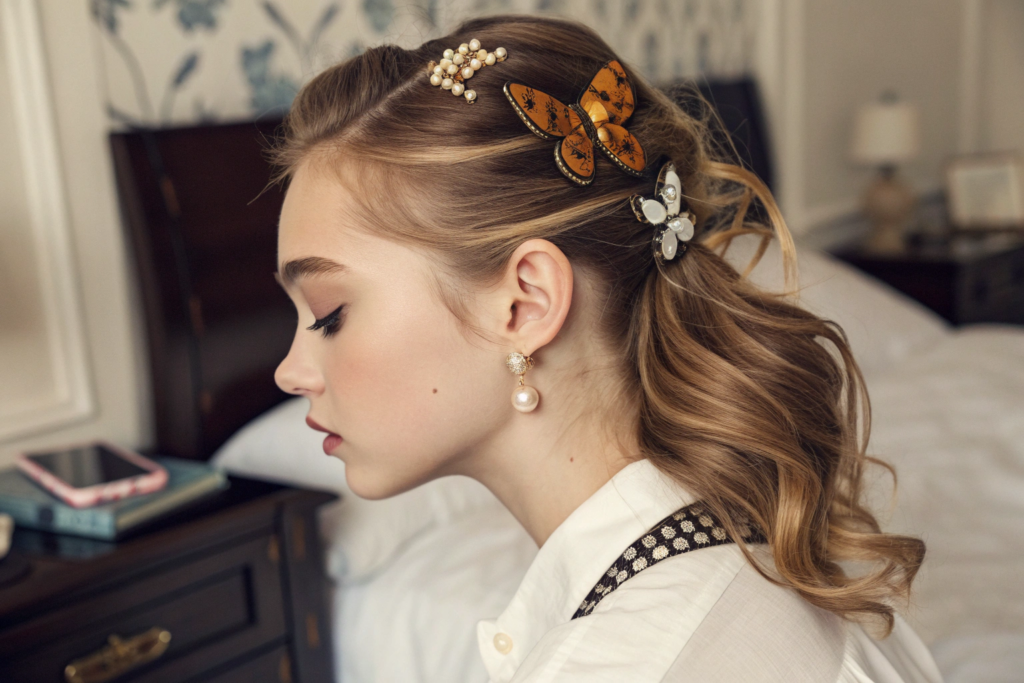
How have claw clips and butterfly clips been reinvented?
- Decorative Claw Clips: While functional, the modern teen claw clip is all about aesthetics. Tortoiseshell patterns (in acrylic or acetate), marble effects, metallic finishes, and translucent colored plastics are hugely popular. Size varies from medium to extra-large for a statement look.
- Mini Butterfly Clips: A direct throwback to the late 90s/Y2K era, these are used in clusters or singly to pin back face-framing layers or sections. They come in mixed metallic colors, pastels, and often with crystal or pearl details. They are worn ironically and fondly, a hallmark of the "indie sleaze" aesthetic.
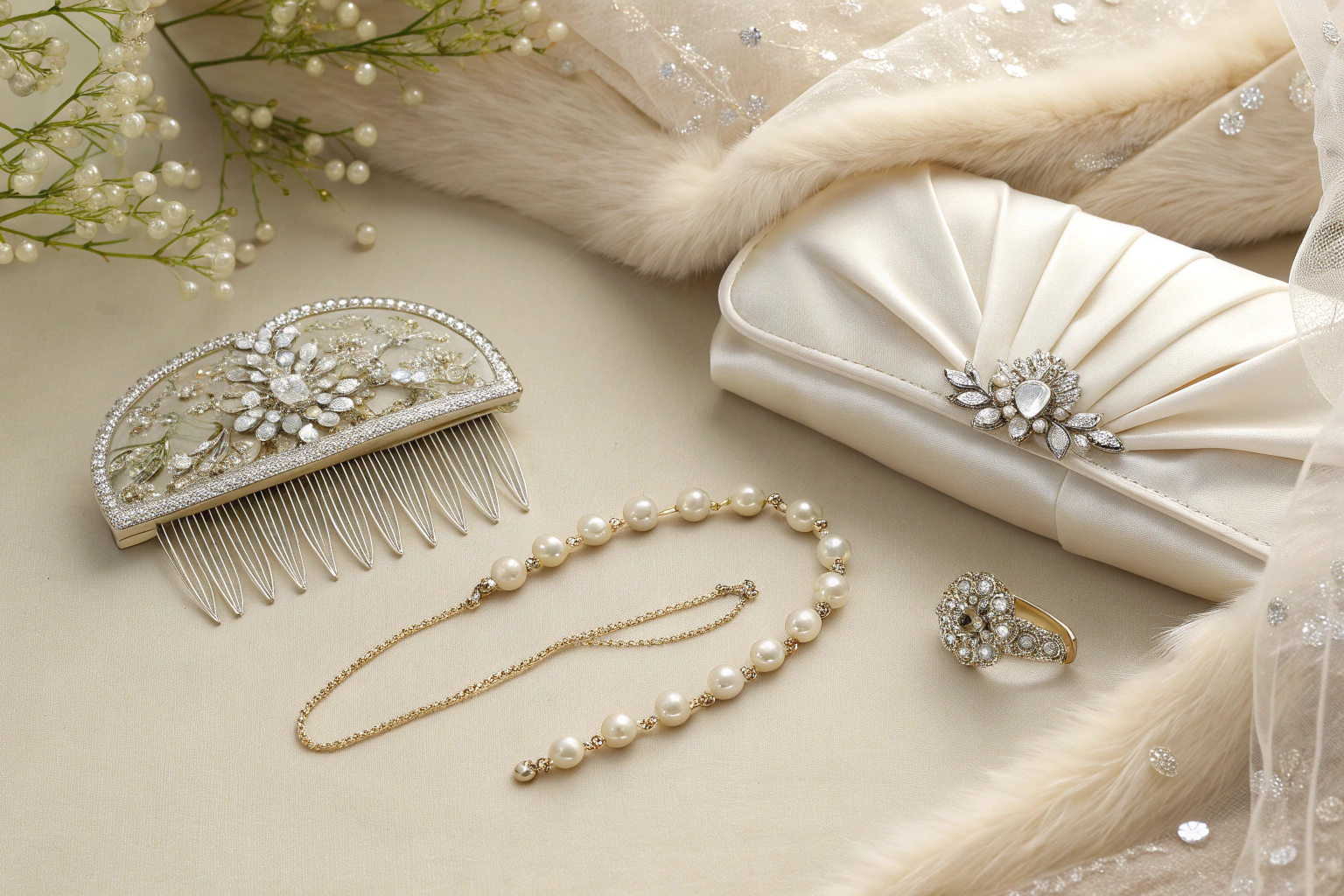
- Pearl-Embellished Everything: From simple bobby pins with a single pearl to barrettes covered in them, pearls add a touch of coquette or dark academia elegance to any hairstyle.
What are the popular materials and aesthetics?
- Acetate & Acrylic: These plastics allow for vibrant colors, beautiful patterns (like tortoiseshell), and a high-quality, substantial feel that teens associate with better accessories.
- Metallics: Gold-tone and silver-tone metal clips, especially in geometric shapes or with minimalist designs, are perennial favorites for a sleek look.
- Fabric-Covered: Velvet or satin-covered clips, often with bows or embroidered details, tie into the cottagecore and royalcore trends, offering a soft, romantic vibe.
The key is variety and the ability to mix and match, allowing for personalization of each look.
How do functionality and ease of use differ between age groups?
Beyond style, the practical requirements for a hair clip diverge significantly between a toddler who can't do her own hair and a teen who is a styling pro. For the tiny hands of a toddler, a hair clip must be a marvel of simplicity and resilience—its springy mechanism needs to be gentle yet secure, designed to withstand the curious tugs and accidental drops that come with a child's boundless energy. The clip itself might feature soft, rounded edges to prevent pinching delicate skin, and perhaps a larger, easier-to-grasp head, painted in bright, cheerful hues that match the toddler's favorite toys or cartoon characters.
It should hold back a handful of unruly curls or loose strands without slipping, even as the little one runs around the playground or claps her hands during storytime, ensuring her hair stays neat and out of her face throughout the day.
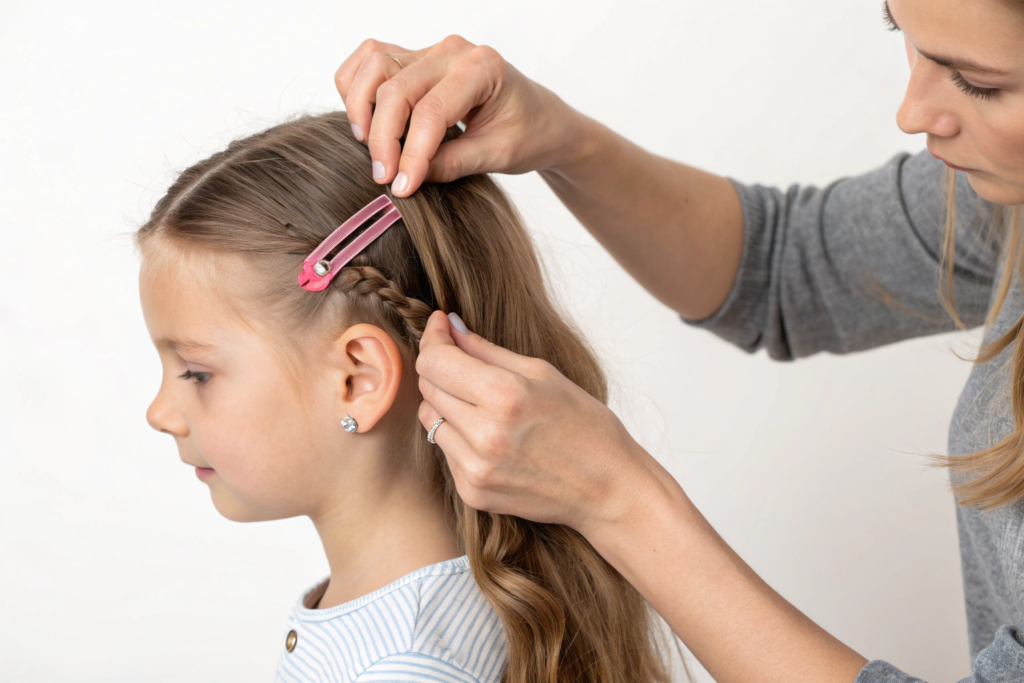
What makes a clip "toddler-friendly" in practice?
- Easy Adult Application: Clips should have a clear, simple opening mechanism that an adult can manage with one hand while holding a wiggly child.
- Gentle Hold: The grip must be strong enough for fine hair but not so tight as to cause discomfort or tugging, which will make the child resistant to wearing it.
- Visibility & Theft Prevention: Bright colors and fun shapes help parents spot a dropped clip. Some brands add a safety chain that connects two clips, preventing loss.
The goal is to make the hair-styling routine quick, painless, and even enjoyable for both parent and child.
How do teens use clips for versatile styling?
Teens use clips for functionality paired with fashion:
- Half-Up Styles: Large claw clips are the go-to tool for a quick, stylish half-up bun or twist.
- Face-Framing & Accessorizing: Small clips like butterflies or pearls are used to pin back sections, adding detail around the face.
- Securing Braids & Updos: Stronger, plain clips are used invisibly to secure more elaborate styles.
- As a Fashion Statement: Often, clips are worn visibly on the outside of a hat, on a jacket lapel, or on a bag strap, transcending their hair-specific function.
For them, a clip is a multipurpose styling tool and an accessory in one.
What should brands consider when sourcing or designing for these markets?
Successfully serving these demographics requires a dual strategy: rigorous compliance and safety for toddlers, where every product must pass through a labyrinth of safety checks—think tiny parts tested for choking hazards, non-toxic paints sniffed by lab technicians, and fabrics that feel as soft as a mother's caress against delicate skin. For teens, it demands agile trend-response and quality materials, where the latest viral challenges on social media dictate design shifts overnight, and premium fabrics like buttery-soft denim or glossy satin become the canvas for bold graphics that scream individuality.
Brands must tailor their supply chain, quality control, and marketing approaches accordingly. For toddlers, this means sourcing from factories with child-labor-free certifications, implementing multi-layered quality control that includes tactile inspections to ensure seams are smooth and edges are rounded, and marketing campaigns featuring warm, reassuring imagery of parents and children playing together in sunlit rooms. For teens, it translates to dynamic supply chains that can pivot to produce limited-edition drops within weeks, quality control focused on durability under the rigors of daily wear and tear, and marketing that thrives on influencer partnerships, TikTok challenges, and edgy, visually striking content that resonates with their desire for self-expression and belonging.
What are the sourcing priorities for toddler clips?
- Supplier Vetting: Choose factories with proven experience in children's products and a transparent record of safety testing.
- Material Sourcing: Insist on certified safe plastics and metals. Request full material safety data sheets (MSDS) and children's product certificates (CPC) from suppliers.
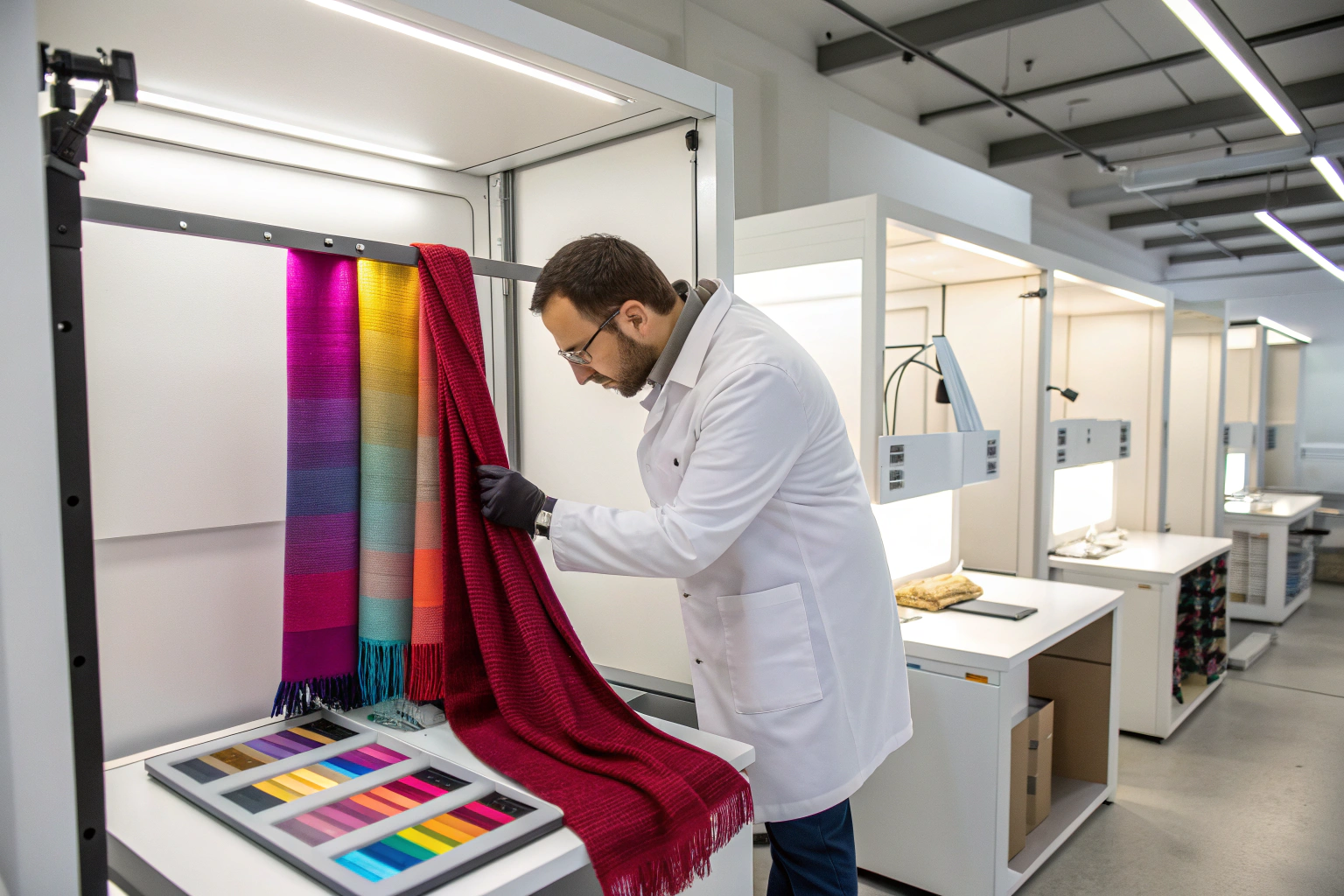
- Quality Control Focus: QC checks must be obsessive about secure attachments, smooth finishes, and consistent, gentle spring tension.
Partnering with a manufacturer like Shanghai Fumao Clothing, which understands these stringent requirements, is crucial for brand safety and reputation.
What are the sourcing priorities for teen clips?
- Design Speed & Flexibility: Factories must be able to turn around samples quickly to capitalize on fast-moving trends spotted on social media.
- Material Aesthetics: Source high-quality acetate, acrylic, and metal components that have a premium look and feel, as teens are discerning about perceived quality.
- Decorative Element Expertise: The factory needs capabilities for secure embroidery, pearl setting, UV printing, and laser engraving to execute intricate designs.
- Sustainable Options: An increasing number of teens are eco-conscious. Offering clips made from recycled materials or biodegradable acetate can be a strong market differentiator.
Conclusion
The worlds of toddler and teen hair clips are distinct but equally dynamic. For toddlers, popularity is built on a foundation of safety, comfort, and adorable simplicity, giving parents peace of mind. For teens, popularity is driven by nostalgia, bold self-expression, and the rapid cycle of social media trends, offering a tool for identity exploration.
For brands and retailers, success lies in deeply understanding these separate needs—rigorously engineering for the youngest users while creatively and agilely responding to the stylistic desires of young adults. By respecting the unique functional and emotional drivers of each age group, brands can build loyal followings in both of these vibrant and lucrative segments of the accessories market.
If you are looking to develop or source a targeted collection of hair clips for either toddlers or teens, our team has the expertise in safety compliance and trend-driven manufacturing to bring your vision to life. Contact our Business Director Elaine at elaine@fumaoclothing.com to discuss creating the perfect clips for your audience.