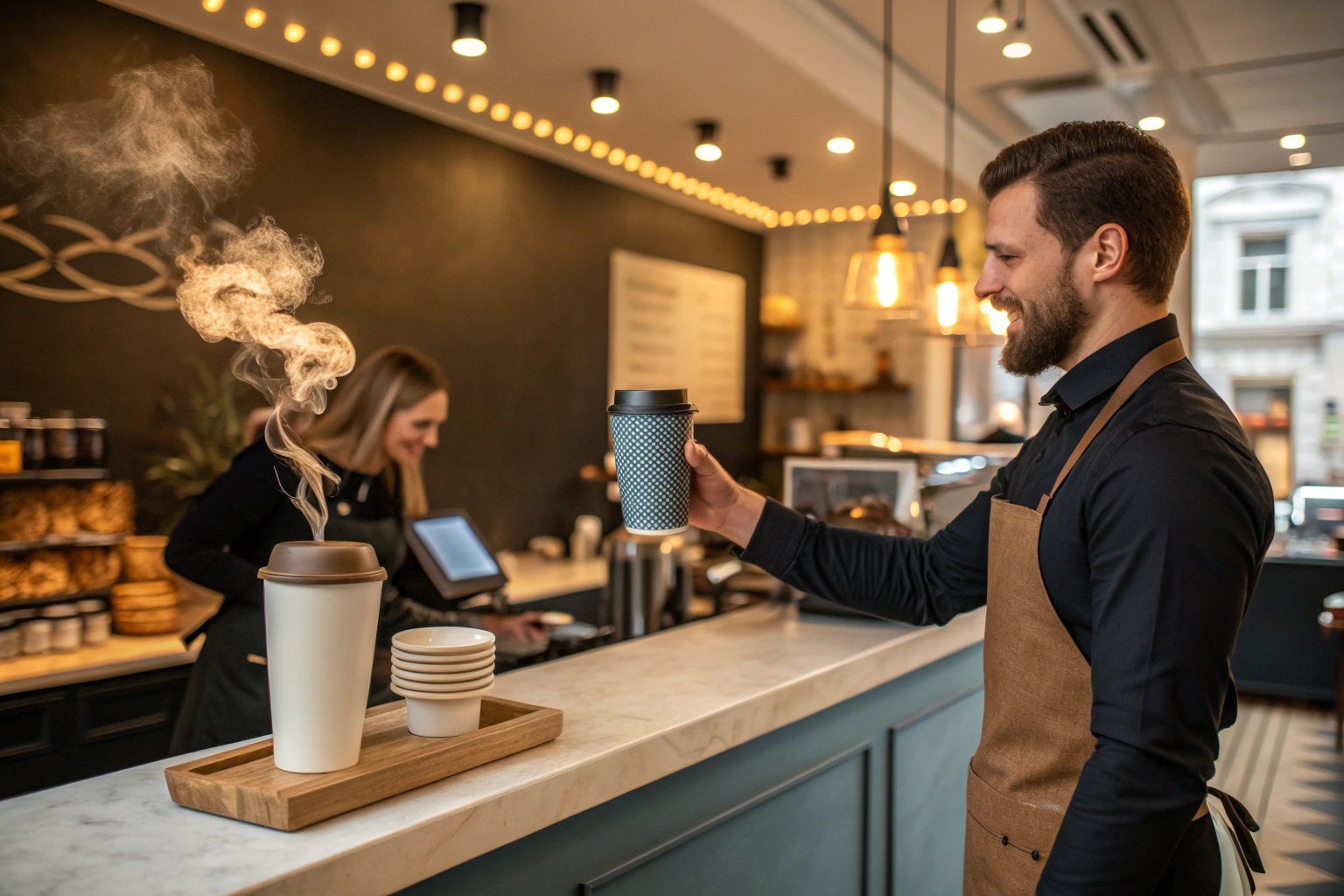
You're passionate about the quality of your brew. You've perfected your espresso blend and trained your baristas to create flawless latte art. But then you serve your masterpiece in a cup that fails to deliver. It's either a flimsy disposable that gets too hot to hold, or a reusable cup that leaks or doesn't keep the drink warm. This disconnect between your high-quality coffee and a poor-quality vessel can undermine the entire customer experience and damage your brand's premium image.
For European coffee shops, the most suitable cups for hot beverages are double-walled ceramic or glass for in-house service, and high-quality, certified food-grade silicone or PP (polypropylene) reusable cups for takeaway. These materials are chosen for their superior heat retention, durability, safety, and their ability to provide a premium, eco-conscious experience that aligns with European consumer values.
I'm the owner of Shanghai Fumao Clothing, and while we are known for fashion, we have expanded our expertise to include high-quality lifestyle products like reusable cups. We've worked with numerous brands to develop drinkware that meets the rigorous standards of the European market. The choice of cup is not just a practical necessity; it's a statement about your brand's commitment to quality, sustainability, and customer satisfaction. Let's explore the best options for ensuring every coffee you serve is a perfect experience.
Why Is Material Choice Critical for the European Market?
You're aware that European consumers are among the most discerning in the world. They have a deep appreciation for quality and a strong, growing demand for sustainable and safe products. You're worried that choosing the wrong type of cup—one that isn't certified safe or doesn't align with eco-friendly values—could lead to customer distrust and negative perceptions of your brand. It's not just about the coffee; it's about the values your business represents.
Material choice is critical because European regulations and consumer expectations demand the highest standards of safety and sustainability. Materials for any food-contact item, including coffee cups, must comply with strict EU regulations like the LFGB standard. Furthermore, the widespread movement to reduce single-use plastic waste means that offering a high-quality reusable option is no longer a niche idea—it's a business imperative.
In Europe, you are not just selling a cup of coffee; you are selling trust. The LFGB standard, the German and European benchmark for food safety, is far stricter than regulations in many other parts of the world. It ensures that the material does not leach harmful chemicals, affect the taste or smell of the beverage, and is safe for human health. Displaying that your cups are LFGB-compliant is a powerful signal of quality and responsibility. This focus on safety, combined with the strong cultural push for reusability, means your choice of cup material directly impacts your brand's reputation and long-term viability.
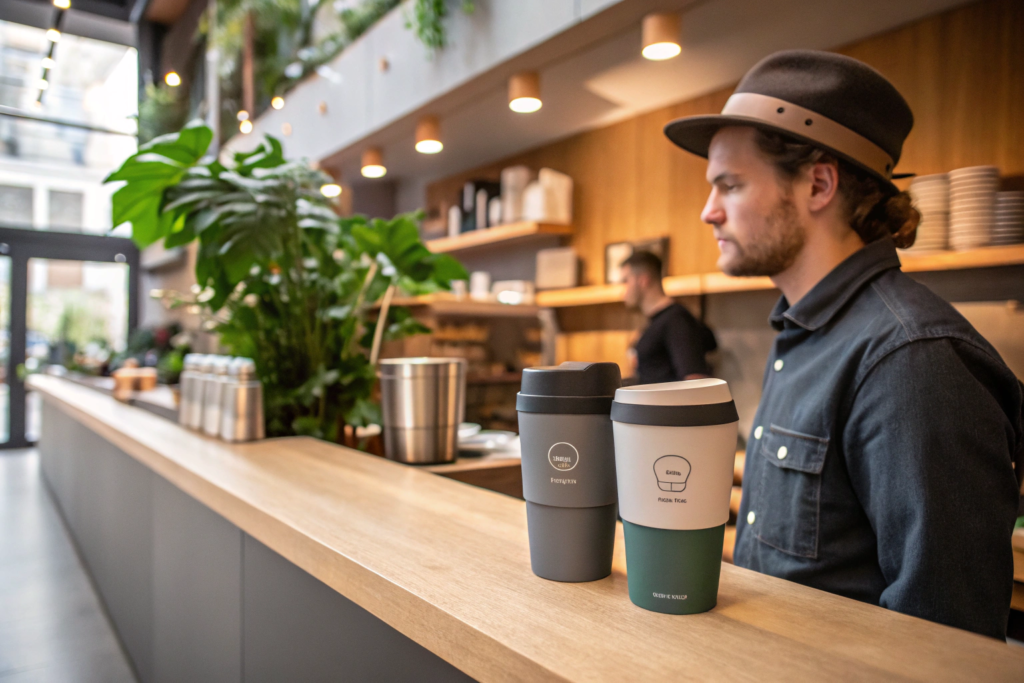
What is the LFGB standard, and why is it important?
LFGB (Lebensmittel-, Bedarfsgegenstände- und Futtermittelgesetzbuch) is Germany's Food and Feed Code. It is one of the most comprehensive and stringent food safety standards in the world and is widely respected across the EU. For a coffee cup, LFGB certification means it has undergone rigorous testing to ensure no harmful substances migrate from the cup into the hot beverage. As explained by testing and certification bodies like TÜV SÜD, it's a much higher bar than many other standards and serves as a mark of superior safety and quality.
How does the "single-use plastic" directive impact coffee shops?
The EU's Single-Use Plastics Directive aims to drastically reduce plastic waste. While it hasn't completely banned disposable coffee cups yet, it has fueled a massive consumer movement towards reusability. Many European countries have introduced levies on disposable cups or mandates for businesses to accept reusable ones. Offering a well-designed, branded reusable cup is a proactive strategy that aligns your business with this powerful environmental movement and can even create a new revenue stream.
What Are the Best Materials for Reusable Takeaway Cups?
You want to offer a branded reusable cup to your customers. It's a great marketing tool and an answer to the demand for sustainability. But the options are overwhelming. You're worried about choosing a material that leaks, stains easily, retains odors, or worse, isn't truly safe for hot liquids. A poorly designed reusable cup will end up in the back of a cupboard, not in your customer's hand.
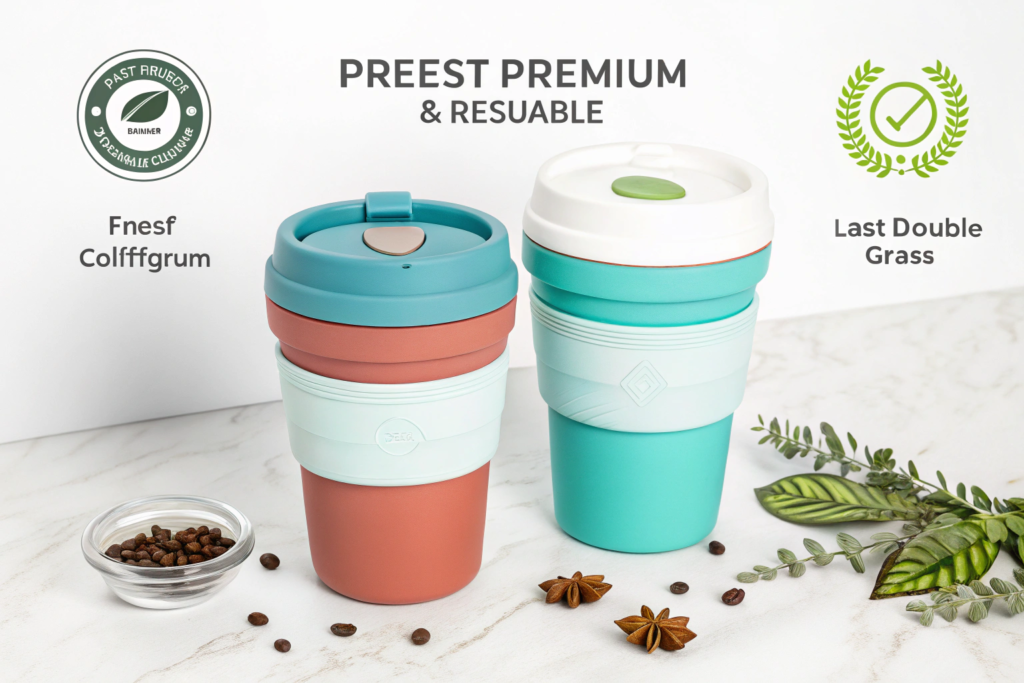
The two best materials for high-quality, reusable takeaway coffee cups are food-grade silicone and PP (polypropylene). Both materials are lightweight, durable, and can be engineered to provide excellent heat insulation and leak-proof performance, all while being certified non-toxic and BPA-free.
These materials are chosen by top brands for their specific performance benefits.
- Food-Grade Silicone: Celebrated for its flexibility, inertness, and heat resistance. It doesn't impart any taste or odor to the coffee. Its flexibility allows for innovative collapsible designs, which are incredibly popular with commuters and travelers as they can be easily stowed in a bag after use.
- PP (Polypropylene): A rigid, tough, and highly heat-resistant plastic. It's BPA-free and very durable, able to withstand hundreds of dishwasher cycles. Double-walled PP construction is excellent for insulation, keeping the coffee hot while the outside of the cup remains cool to the touch.
When sourcing these cups from a manufacturer like Shanghai Fumao Clothing, the key is to demand high-purity, LFGB-certified grades of these materials.
Why is "BPA-Free" so important?
BPA (Bisphenol A) is a chemical that was once common in plastics but has been linked to health concerns. While silicone, with its smooth, rubbery texture and inherent chemical stability, is naturally BPA-free—offering a reassuring barrier between food and harmful substances—it's crucial to ensure that any plastic components, such as polypropylene (PP), used in conjunction with it are also rigorously certified as BPA-free. This isn't merely a formality; it's a baseline expectation woven into the very fabric of regulations governing food-contact products in the European market, where stringent standards loom like silent sentinels, demanding transparency and safety at every step.
For manufacturers, this certification is more than a checkbox; it's a critical claim that resonates deeply with consumers, who, as they reach for their morning coffee or store leftovers in a container, seek not just convenience but peace of mind. The absence of BPA, that notorious chemical linked to potential health risks, becomes a promise etched into the product—a promise that translates into tangible trust, fostering loyalty and ensuring that each item, from a sleek silicone spatula to a durable PP storage container, feels like a safe companion in the kitchen.
What about the lid design?
The lid is just as important as the cup! A poorly designed lid will leak and ruin the user experience, turning a simple sip into a messy disaster—imagine the frustration of opening your favorite beverage only to find a puddle of liquid soaking through your bag or staining your hands, the sweet aroma of your drink now mingling with the unpleasantness of a spill. Look for lids made from the same high-quality, food-grade silicone or PP, materials that feel smooth and durable to the touch, free from any harsh odors or rough edges that might catch on your fingers.
What About Cups for In-House Service?
For customers dining in, the experience is paramount. A standard, thin-walled ceramic mug can let the coffee get cold too quickly, or the handle can be uncomfortable. You want to provide a vessel that feels substantial and premium in the hand, maintains the perfect drinking temperature, and enhances the sensory experience of your carefully crafted coffee.
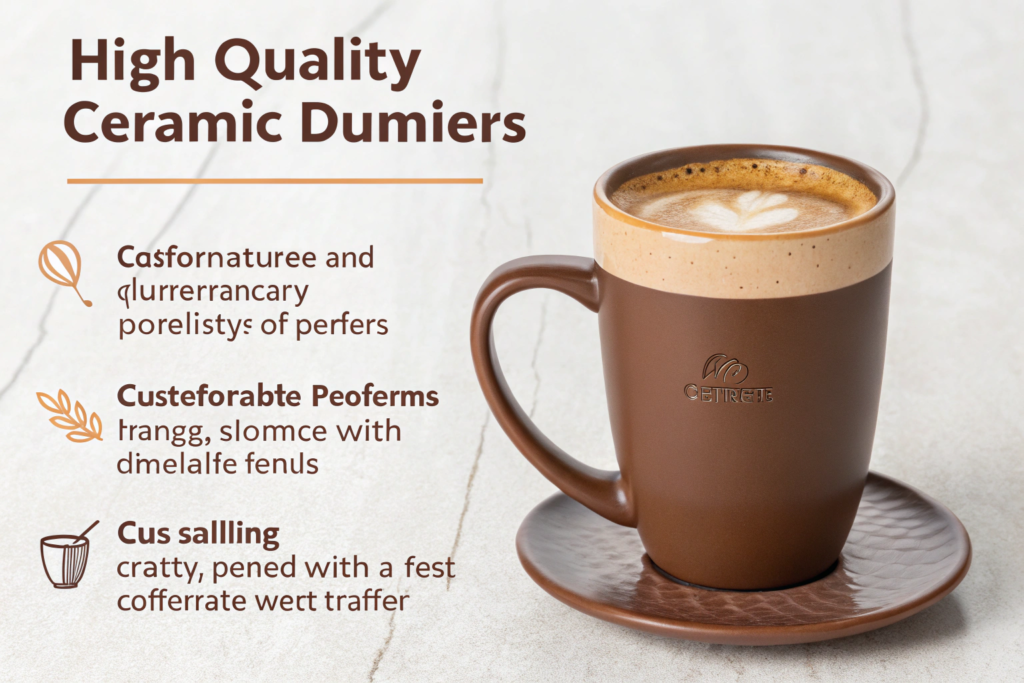
For in-house service, double-walled ceramic or double-walled borosilicate glass cups are the superior choice. These materials provide excellent thermal insulation, keeping the beverage hot while the exterior remains comfortable to hold. They offer a tangible sense of quality that elevates the entire coffee-drinking experience.
The "double-wall" construction is the key. It traps a layer of air between the inner and outer walls of the cup, creating a highly effective thermal barrier.
- Double-Walled Ceramic: Offers a classic, weighty, and artisanal feel. It provides excellent heat retention and is very durable, perfect for the rigors of a busy cafe. The opaque nature keeps the focus on the aroma and taste.
- Double-Walled Borosilicate Glass: This is the choice for visually stunning drinks like lattes and macchiatos. The transparency allows the customer to appreciate the layers of the drink. Borosilicate glass, the same type used in laboratory equipment and high-end kitchenware like Bodum products, is highly resistant to thermal shock, meaning it won't crack when filled with boiling liquid.
Is the shape of the cup important?
Yes, very. The shape of the cup can influence the perception of aroma and taste. A wider-mouthed cup allows the aroma of the coffee to reach the nose more easily, enhancing the sensory experience. A rounded bottom, favored by many baristas, helps maintain the integrity of the crema on an espresso and is ideal for pouring latte art.
What about durability in a commercial setting?
This is a key consideration. While elegant, glassware can be more prone to breakage than ceramic. When choosing cups for a busy cafe, look for "commercial grade" or "hospitality grade" options. These are designed to be more robust, chip-resistant, and able to withstand the high temperatures and harsh detergents of commercial dishwashers.
How Do I Choose a Reliable Supplier for These Cups?
You've decided on the perfect materials for your in-house and takeaway cups. Now you need to find a manufacturer who can produce them to the exacting safety and quality standards of the European market. You're worried about language barriers, verifying complex certifications, and ensuring the factory can deliver a consistently high-quality product.
Choosing a reliable supplier requires a focus on their expertise in your target market and their proven ability to meet its specific standards. Look for a manufacturing partner with demonstrable experience producing for European brands, one who can readily provide LFGB and other necessary test reports, and who has a clear, transparent quality control process.
Your vetting process should be rigorous.
- Demand Proof of Expertise: Ask for examples of similar products they have made for other EU or US clients.
- Verify Certifications: Do not accept promises. Ask for current, valid test reports from accredited third-party labs for the specific materials you intend to use.
- Order Samples: There is no substitute for testing a physical sample. Check the build quality, the lid's seal, and the overall feel. Fill it with hot coffee. Does it leak? Does it feel too hot? Does it smell like plastic?
- Assess Communication: Is their team responsive, professional, and fluent in English? Clear communication is essential for a smooth production process.
A good partner will welcome this scrutiny because they are confident in their quality and compliance.

What should I include in my inquiry to a supplier?
Be as specific as possible. Include:
- The type of cup (e.g., "collapsible silicone takeaway cup").
- The desired capacity (e.g., 350ml / 12oz).
- The material specifications (e.g., "LFGB-certified, BPA-free food-grade silicone").
- Your branding requirements (e.g., Pantone color, logo printing details).
- The required certifications (explicitly state "LFGB compliance required").
- Your estimated order quantity.
Why choose a partner like AceAccessory?
While our name says "accessory," our expertise lies in high-quality, compliant manufacturing for the world's most demanding markets. We have dedicated production lines and sourcing teams for lifestyle goods like cups. We possess the project management skills, the certified supply chains, and the rigorous QC processes necessary to deliver a product that meets European standards. We provide the communication and reliability that gives our clients peace of mind.
Conclusion
For a European coffee shop, the cup is an integral part of the product, not just a container. It's a messenger of your brand's values. By choosing premium, safe, and sustainable materials—like double-walled ceramic for in-house service and certified silicone or PP for reusable takeaway cups—you demonstrate a commitment to quality and environmental responsibility that resonates deeply with your customers. This thoughtful approach ensures every sip of your coffee is a perfect experience, building the customer loyalty and trust that are the cornerstones of a successful business.
We understand the unique demands of the European market and have the expertise to help you create drinkware that meets and exceeds those standards. If you are looking to develop a line of high-quality, beautifully designed, and fully compliant cups for your coffee shop, we are ready to be your trusted manufacturing partner. Please reach out to our Business Director, Elaine, at elaine@fumaoclothing.com to start the conversation.