You're always looking for that perfect hero product—an item that is not only stylish but also practical and long-lasting. The cape is a fantastic candidate. It's a timeless, elegant, and versatile piece of outerwear. But for a cape to be successful for daily use, it has to be more than just beautiful. It has to be durable. It needs to withstand the daily commute, resist pilling, and maintain its shape after being draped over office chairs and car seats. You're worried about choosing a material that looks great on a hanger but falls apart in the real world, leading to returns and unhappy customers.
For a cape intended for daily consumer use, the most durable materials are those that offer a strategic blend of natural strength and modern performance. Dense, high-quality wool and robust wool blends are the top choices due to their natural resilience, warmth, and structure. For a more rugged or weather-resistant option, waxed cotton and certain high-performance synthetics offer excellent longevity and practicality.
I'm the owner of Shanghai Fumao Clothing, and we've manufactured capes for everyone from high-fashion brands to practical, everyday-wear labels. I can tell you that the secret to a durable cape lies in choosing a fabric with inherent structure and strength. A flimsy material will stretch, sag, and pill, quickly losing its elegant silhouette. A robust, well-chosen fabric will hold its shape, resist wear, and look great for years, making it a beloved wardrobe staple for your customer. Let's explore the best material choices for creating a cape that is built to last.
Why is Wool the Undisputed King of Durability?
When you think of durable, high-quality outerwear, wool is probably the first material that comes to mind. From naval pea coats to tailored blazers, it has been the go-to fiber for centuries. But what is it about wool that makes it so uniquely suited for a structured garment like a cape that needs to withstand daily wear?
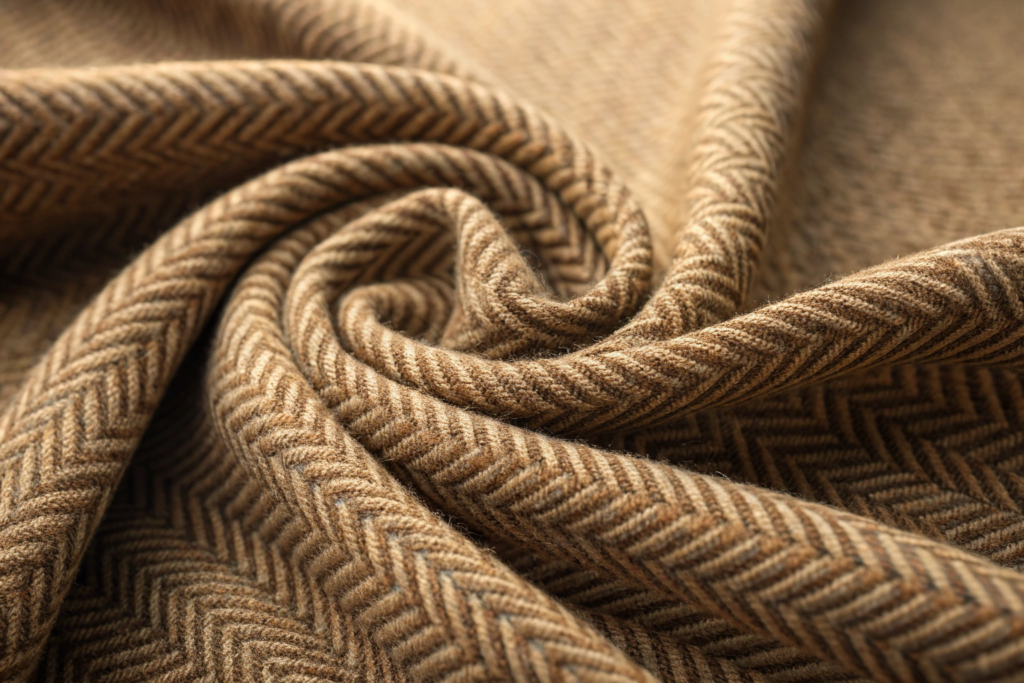
Wool is the superior choice for a durable cape due to the natural physical structure of its fibers. Each wool fiber has a natural crimp and elasticity, allowing it to be stretched and then return to its original shape. This inherent resilience helps the cape resist wrinkling, sagging, and losing its elegant drape over time. Furthermore, a dense wool fabric is naturally water-resistant, breathable, and incredibly long-lasting.
This isn't just about tradition; it's about science. The complex structure of the wool fiber gives it a set of performance characteristics that are hard to replicate.
- Natural Elasticity: A wool fiber can be bent back on itself over 20,000 times without breaking (compared to about 3,000 times for cotton). This is why a wool cape resists creases and maintains its shape.
- Durability: The interlocking scales on the fiber's surface create a strong, durable fabric that stands up to abrasion.
- Weather Resistance: The natural lanolin in wool provides a degree of water resistance, and its ability to absorb moisture without feeling damp makes it comfortable in a variety of weather conditions.
What is the difference between wool and a wool blend?
A 100% wool cape is a premium, high-performance product. However, for daily use, a wool blend is often a more practical and strategic choice. Blending wool with a small percentage (10-20%) of a synthetic fiber like nylon or polyester can significantly increase the fabric's tensile strength and abrasion resistance without sacrificing the look and feel of wool. This makes the cape even more durable and often helps to lower the price point slightly, a strategy employed by many top outerwear brands like Patagonia in some of their performance knits.
What type of wool fabric is best?
For a durable cape, you want a dense, tightly woven wool fabric. Melton wool is an excellent choice. It is thick, dense, and has been heavily processed to create a smooth, felt-like surface that is highly wind and water-resistant. Twill weaves (like a cavalry twill) are also fantastic, as their diagonal structure provides excellent strength and drape. Avoid very loose, open-weave wools, as they are more likely to snag and stretch out of shape.
How Do Technical Fabrics Offer Modern Performance?
While wool is a classic choice, the modern consumer also values practicality and weather protection, especially in the variable climates of North America. You're looking for a material that offers a more rugged, utilitarian aesthetic while still being stylish and incredibly durable.
Technical fabrics like waxed cotton and high-performance synthetic blends offer a modern, practical alternative to wool. Waxed cotton, in particular, provides exceptional durability and water resistance with a unique, heritage aesthetic that gets better with age. These materials are perfect for a more casual, everyday cape designed to be a true workhorse in a consumer's wardrobe.
These materials come from a legacy of performance and workwear.
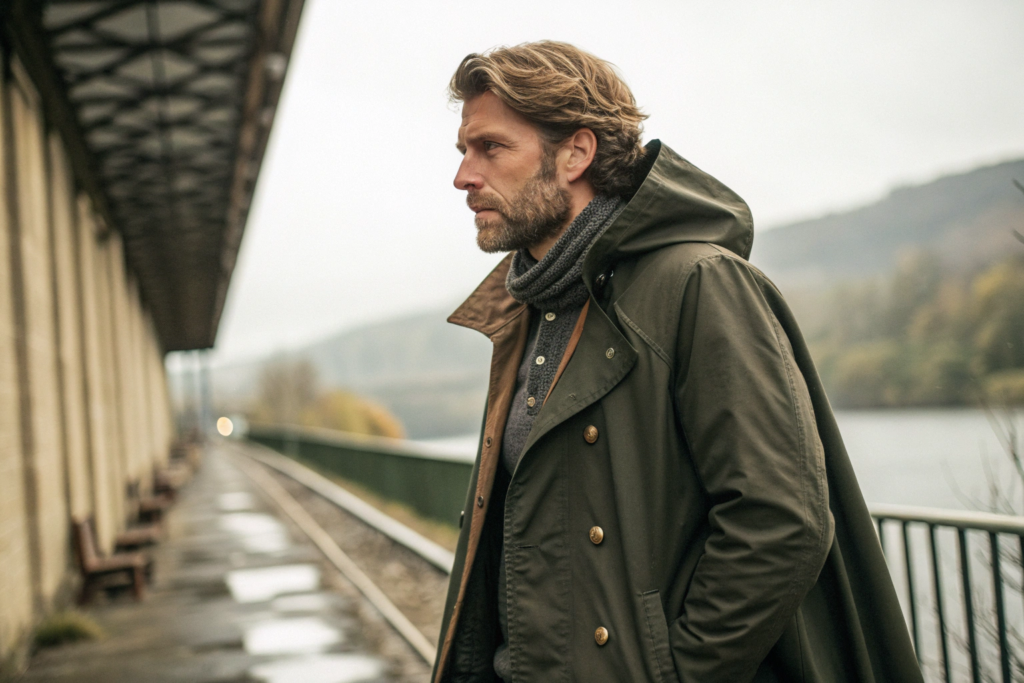
- Waxed Cotton: This is a classic British heritage material, famously used by brands like Barbour. It involves impregnating a dense cotton canvas with paraffin wax. The result is a fabric that is incredibly tough, windproof, and highly water-resistant. It develops a unique patina over time, giving it a beautiful, lived-in character that is highly prized.
- Performance Synthetics: For a lighter-weight, more modern look, a bonded fabric can be an excellent choice. This involves bonding a durable outer layer (like a nylon or polyester twill) to a soft inner layer (like a microfleece). This creates a single fabric that is wind-resistant, water-resistant, and warm, without the weight of traditional wool.
Is waxed cotton difficult to care for?
Waxed cotton has unique care requirements. It cannot be machine washed, as that would strip the wax. Instead, it is spot-cleaned with a damp cloth. Over time (every few years), it can be "re-waxed" to restore its water-resistant properties. This process is part of the material's charm and contributes to its longevity, framing it as a sustainable, repairable item rather than a disposable one.
What should I look for in a performance synthetic?
Look for a fabric with a high-density outer weave and a DWR (Durable Water Repellent) finish. A "bonded fleece" or "softshell" material is a great all-in-one solution. When specifying this to a manufacturer like Shanghai Fumao Clothing, it's important to request a specific weight (GSM) and to see samples to ensure the fabric has enough structure and drape to work as a cape.
What About Plant-Based and Vegan Options?
The demand for vegan and sustainable fashion is growing rapidly. You want to offer a durable cape option for customers who avoid animal products like wool. However, you're concerned that many vegan materials might not offer the same level of durability and structure required for a high-quality piece of outerwear.
For a durable and high-quality vegan cape, the best options are heavy-duty, densely woven cotton fabrics like canvas or twill. While they may not have the natural elasticity of wool, a thick cotton canvas provides excellent structure and abrasion resistance. Using a brushed or "moleskin" finish can also add a luxurious softness and a wind-resistant quality.
The key to a successful vegan cape is choosing a substantial fabric. A thin cotton will not work.
- Cotton Canvas/Duck: This is the same type of rugged material used for workwear and tote bags. It's incredibly strong and durable. For a cape, you would choose a version that has been finished to have a softer hand-feel.
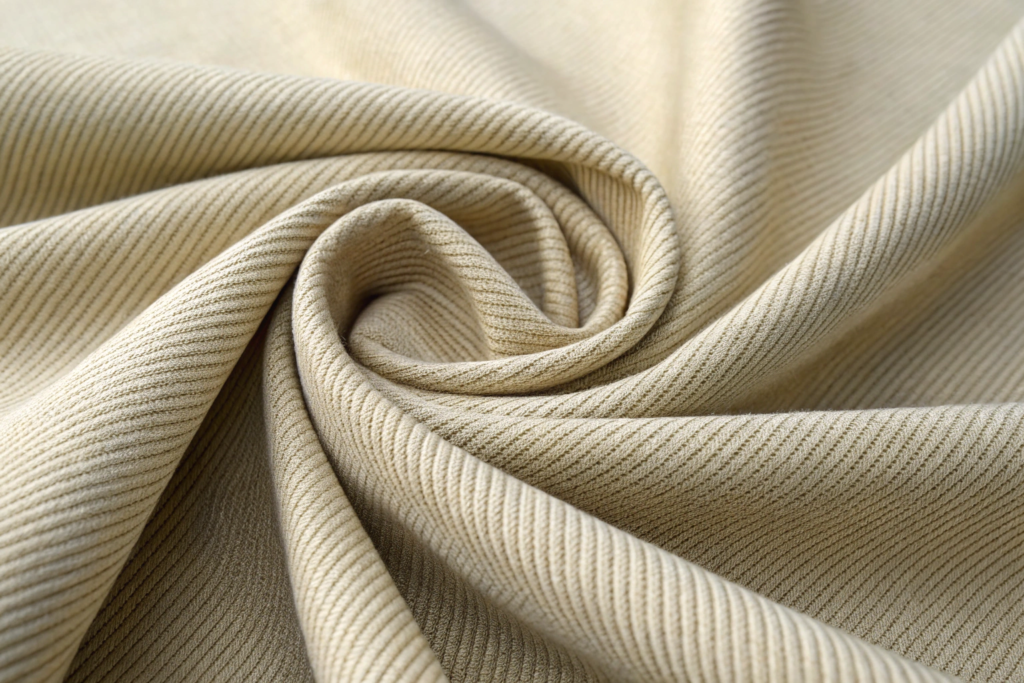
- Cotton Twill/Gabardine: A twill weave (like that used in denim or trench coats) is an excellent choice. It has a good drape and is very strong. A high-quality cotton gabardine is a classic outerwear fabric for this reason.
- Moleskin: This is a thick, densely woven cotton fabric that is sheared on one side to create a soft, suede-like surface. It's very durable, wind-resistant, and has a beautiful, velvety feel.
Do these fabrics resist wrinkles?
Heavy cotton fabrics will wrinkle more than wool. However, a thick, high-quality canvas or moleskin will be less prone to hard creases than a thin cotton shirting fabric. The wrinkles they do develop often contribute to a more casual, lived-in aesthetic.
What about recycled synthetics?
Recycled polyester or nylon can be a good vegan and sustainable option, but you must be very selective. Look for a thick, heavy-duty version, such as a recycled polyester "fleece" that has been bonded to a woven outer layer. A thin, flimsy recycled polyester will not have the structure or durability needed for a quality cape and can often look and feel cheap.
Which Materials Should Be Avoided for a Durable Cape?
You're being presented with some very low-cost fabric options that would allow you to produce a cape at a very attractive price. These include lightweight acrylic knits and thin, basic polyester fabrics. It's tempting, but you have a gut feeling that this might be a case of "too good to be true."
For a durable cape intended for daily use, you should absolutely avoid lightweight, loosely constructed knits (especially from 100% acrylic) and thin, flimsy woven polyesters. These materials lack the necessary structure, resilience, and strength. They will quickly stretch out of shape, sag, and are highly prone to pilling and snagging, resulting in a product that looks old and worn after only a few uses.
Choosing the wrong material is a recipe for customer dissatisfaction.
- Low-Quality Acrylic Knits: While soft initially, acrylic fibers lack the memory and resilience of wool. A loosely knit acrylic cape will stretch under its own weight and will not recover its shape. It is also extremely prone to pilling.
- Thin Polyester: A basic, thin woven polyester has no structure. It will hang limply, wrinkle easily, and offers poor breathability, which can feel clammy. It lacks the substantial, premium feel that a customer expects from a piece of outerwear.

Is fleece a good option?
Standard polyester fleece, while warm and lightweight, is generally not a good choice for the main body of a cape. It has very little structure and no drape, so it will hang like a blanket rather than an elegant garment. It can, however, be used effectively as a warm lining for a cape that has a more structured outer shell.
What if a customer just wants a lightweight "fashion" cape?
If the goal is a purely decorative, indoor fashion layer, then a lighter material like a viscose blend or a high-quality knit could work. However, it's crucial to market it as such. If a product looks like outerwear, consumers will expect it to perform like outerwear. For a product intended for "daily use," durability must be a primary consideration.
Conclusion
Creating a cape that is both stylish and durable enough for daily use is a matter of making a smart, informed material choice. By focusing on the proven strength and resilience of high-quality wool and wool blends, or embracing the modern functionality of technical fabrics like waxed cotton, you can design a product that will stand up to the rigors of everyday life. A durable cape becomes a trusted friend in a customer's wardrobe, reinforcing their loyalty to your brand. The investment in a superior material is a direct investment in customer satisfaction and your brand's reputation for lasting quality.
At Shanghai Fumao Clothing, we have extensive experience in sourcing and working with these high-performance outerwear materials. We can help you select the perfect fabric that meets your design aesthetic, your performance requirements, and your quality standards. If you are ready to create a collection of beautiful, durable capes that your customers will cherish for years, please reach out to our Business Director, Elaine, at elaine@fumaoclothing.com.