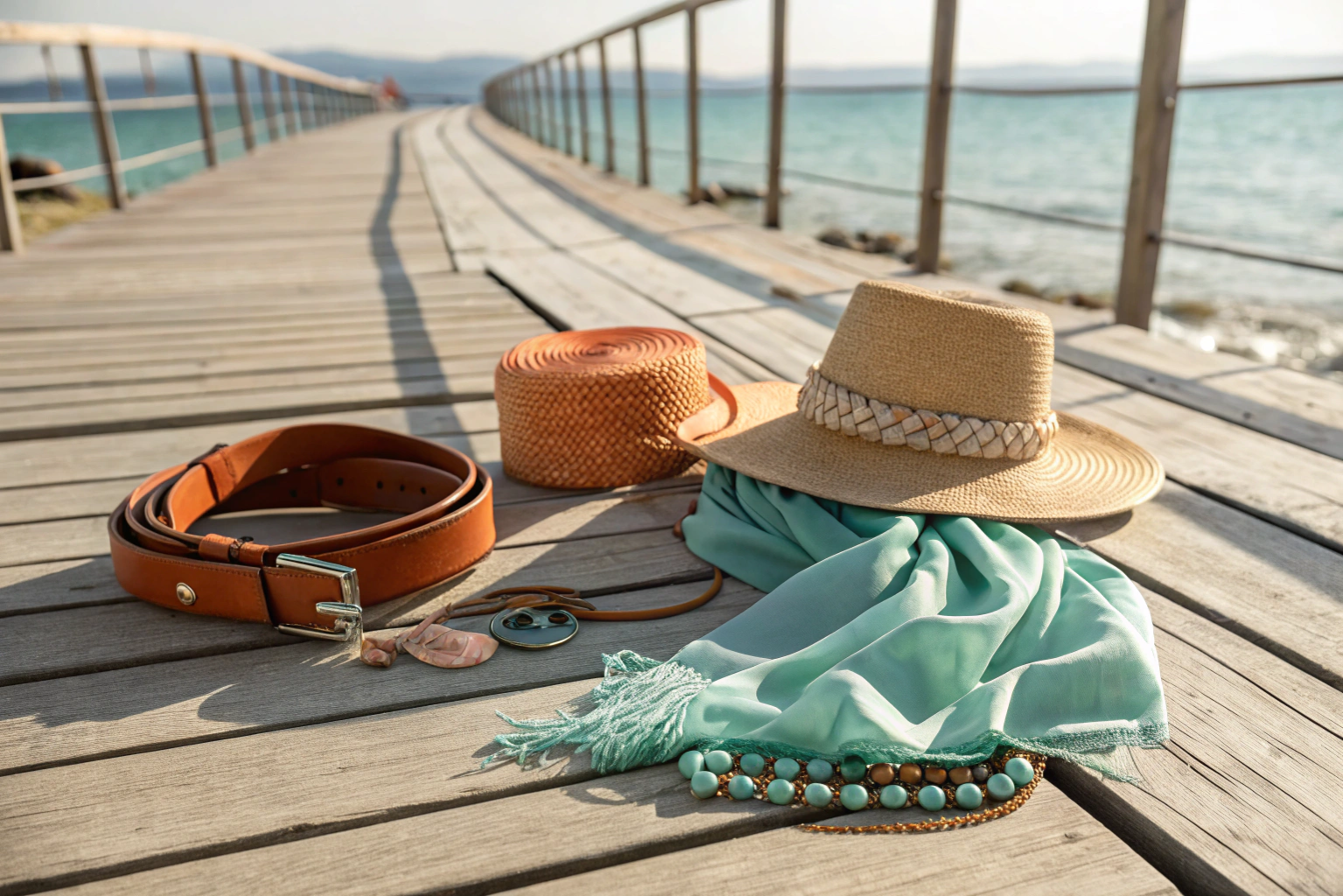
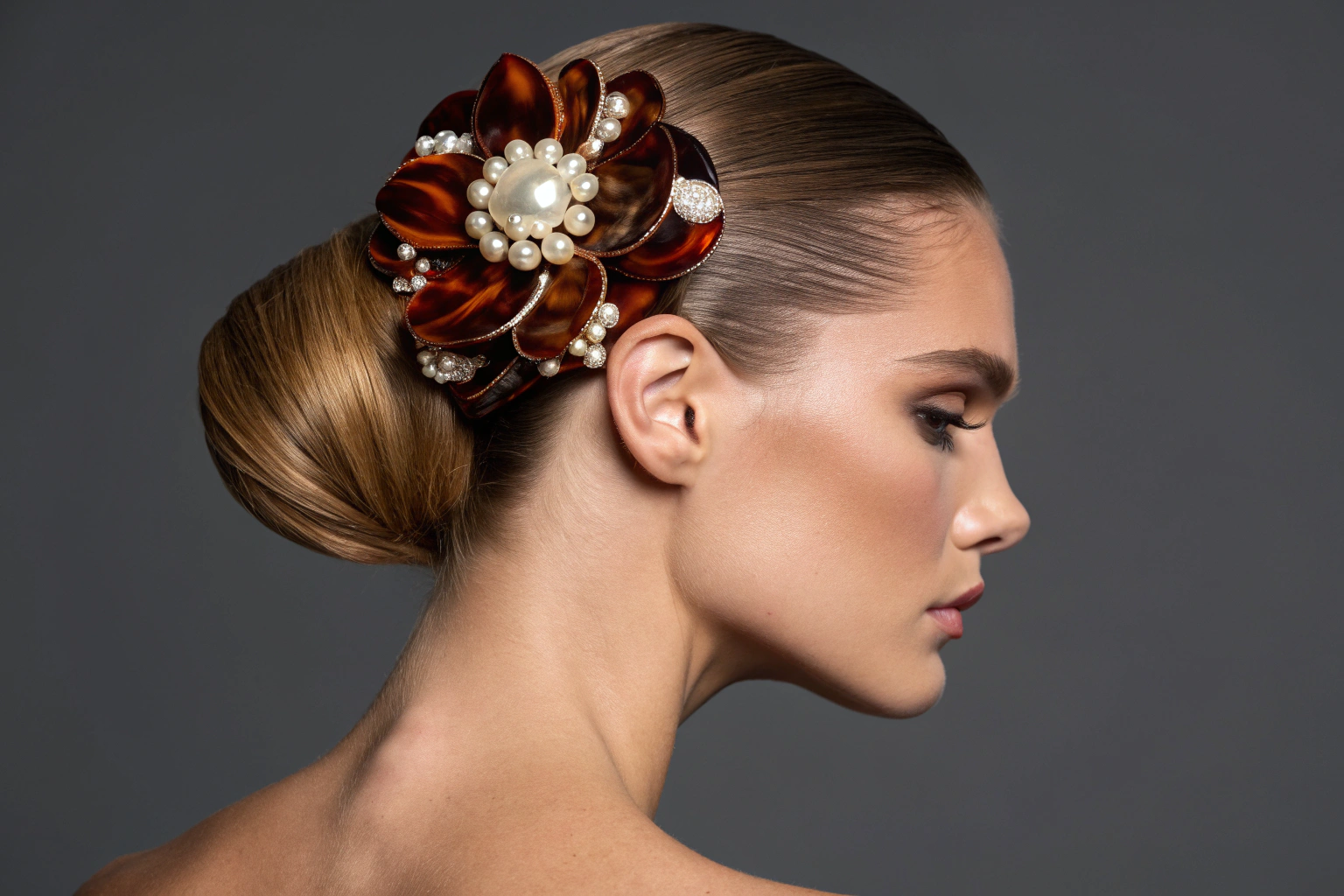
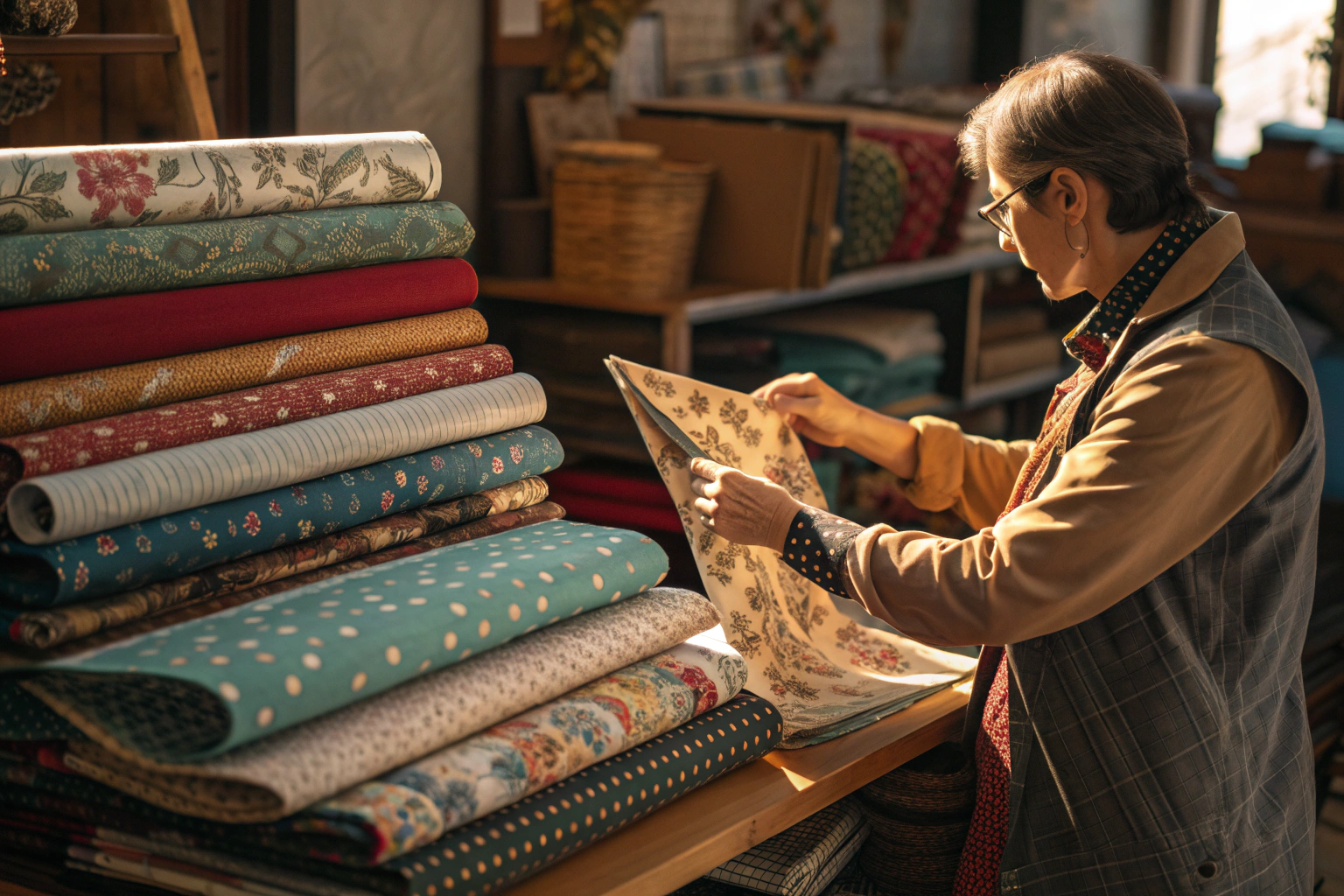
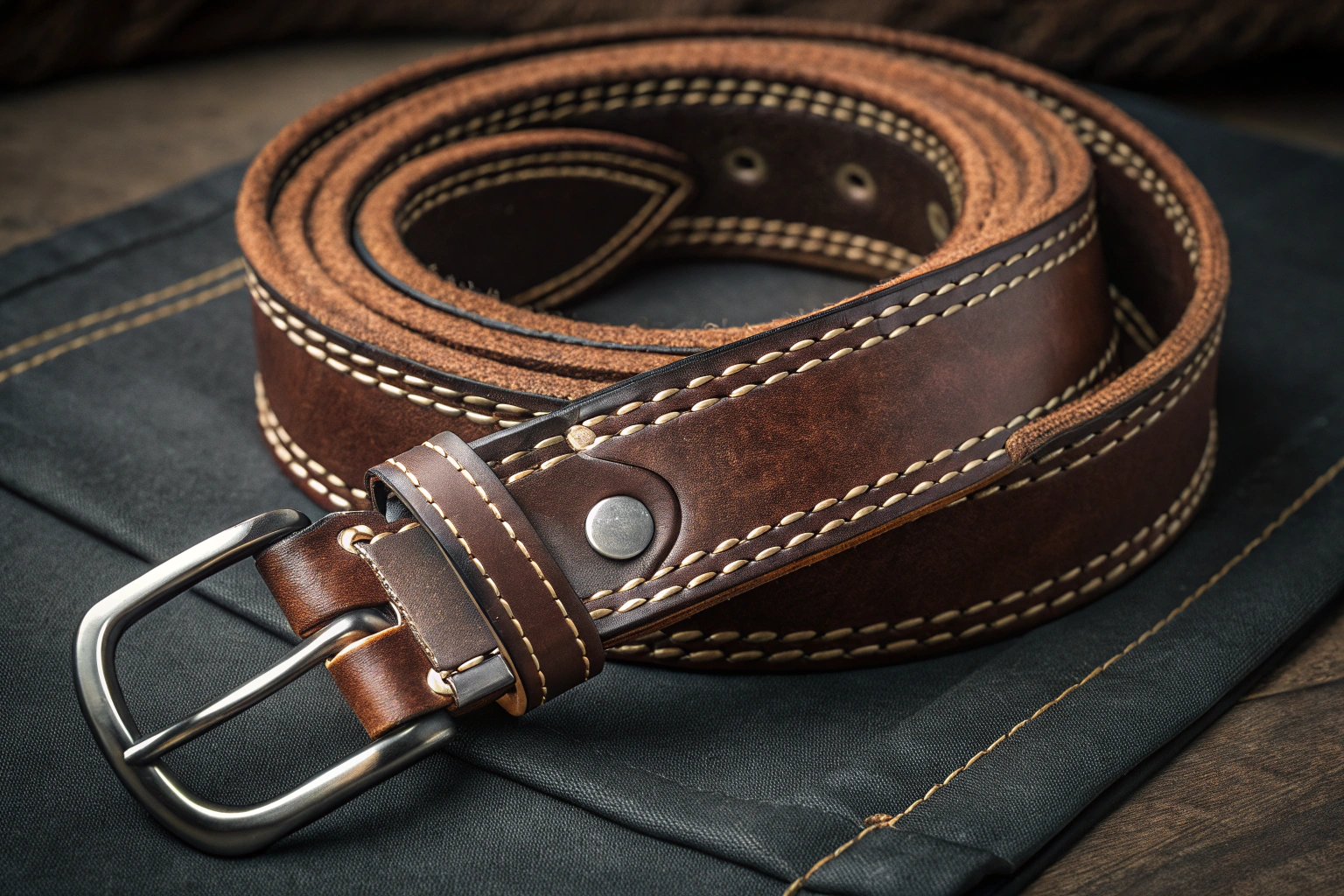
You have a beautiful boutique, a passion for fashion, and a keen eye for style. But you're facing a constant, nagging problem: finding a steady stream of unique, high-quality accessory inventory that sets your store apart. You spend hours scrolling through generic wholesale websites, feeling uninspired. You worry about ordering from an unknown supplier and receiving low-quality goods that don't match your brand's standards, ultimately disappointing your customers and hurting your reputation.
To find the best wholesalers for boutique inventory, you must look beyond massive marketplaces and focus on curated online platforms, specialized trade shows, and direct partnerships with manufacturers. The key is to find suppliers who understand the boutique aesthetic, prioritize quality over quantity, and can offer unique products that tell a story.
As the owner of Shanghai Fumao Clothing, a company that manufactures accessories for boutiques and brands across North America and Europe, I've seen this struggle firsthand. The most successful boutique owners I know are not just shopkeepers; they are curators. They build relationships and seek out partners who can provide them with distinctive products that their customers can't find anywhere else. It's not just about filling your shelves; it's about discovering treasures. Let's explore the best avenues for finding those treasures.
Where Can I Find Curated Online Wholesale Marketplaces?
You're tired of the endless, overwhelming catalogs on massive sites like Alibaba. The products all start to look the same, and you know they're being sold in thousands of other stores. You're looking for an online experience that feels more like browsing a high-end trade show, where every brand has been vetted for quality and originality. The fear is wasting time and money on a platform that doesn't understand the specific needs of a boutique.
The solution lies in a new generation of online wholesale marketplaces designed specifically for retailers like you. Platforms like Faire, Tundra, and Abound have revolutionized the buying process. They focus on independent brands, artisans, and small-batch producers, offering unique products that are perfect for a boutique setting. They also provide tools like low order minimums and easy reordering that make inventory management a breeze.
These platforms are excellent because they bridge the gap between small brands and independent retailers. They create a community built on quality and discovery. While my company often works on larger custom orders, I deeply respect the ecosystem these platforms have built. They empower boutique owners to take risks on new products without a huge financial commitment. This allows you to keep your inventory fresh and exciting, which is the lifeblood of any successful boutique. After exploring these platforms, you might also consider the unique benefits of attending specialized trade shows.
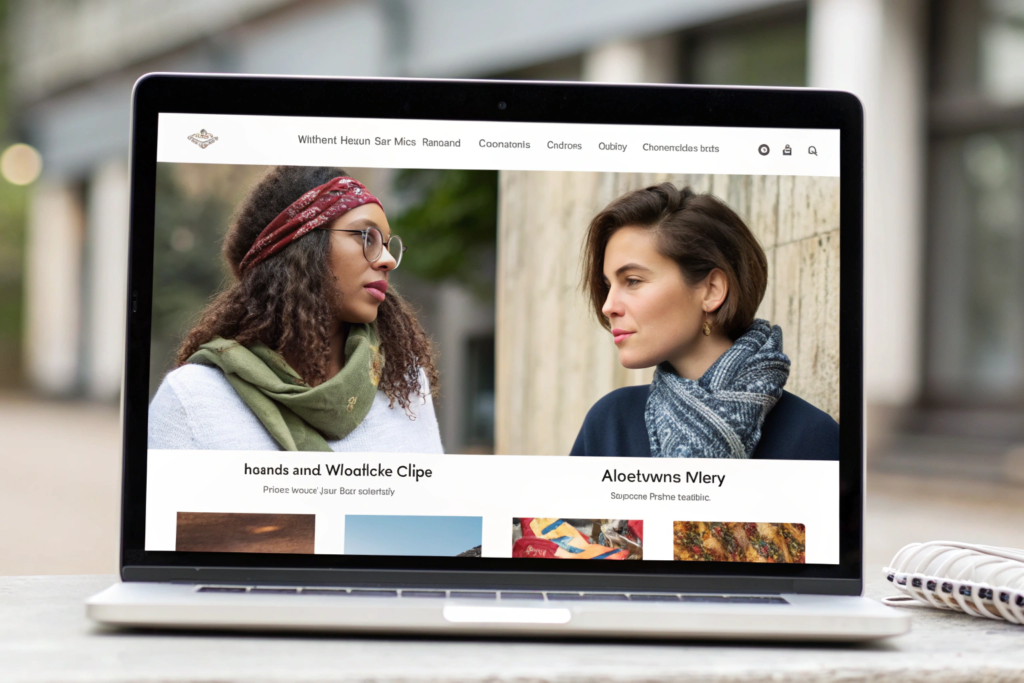
Why is Faire a top choice for boutiques?
Faire has become a dominant force in the boutique wholesale space for several key reasons. Their platform is built on a foundation of trust and discovery. They offer "net 60" payment terms, which allows you to buy inventory and not pay for it for 60 days, easing cash flow. Crucially, they also offer free returns on opening orders with a new brand, which completely removes the risk of trying a new product. Their algorithm is excellent at suggesting new brands you might love based on your buying history. For a boutique owner, this combination of financial flexibility and curated discovery is a game-changer. You can learn more about their model directly on the Faire website.
Are there other platforms worth exploring?
Yes, while Faire is the largest, other platforms offer unique advantages. Abound is another excellent marketplace that focuses on connecting retailers with emerging brands, often with a focus on products made in the USA. They also offer their own version of net terms and free returns. Tundra operates on a slightly different model, offering free shipping and priding itself on a commission-free structure for brands, which can sometimes translate to better prices for retailers. Exploring multiple platforms is a smart strategy, as you may find different, exclusive brands on each. For a comparison of these platforms, you can often find reviews on industry blogs like Indie Retailer.
What Are the Best Trade Shows for Boutiques?
Online buying is convenient, but you're missing that spark of inspiration. You want to touch the fabrics, see the quality of the stitching with your own eyes, and talk to the person behind the brand. You're worried that by only shopping online, you're missing out on hidden gems and the chance to build real relationships with your suppliers.
This is where trade shows shine. For a boutique owner, attending a well-chosen trade show is an investment in your business's future. Shows like NY NOW, MAGIC, and various apparel markets in cities like Atlanta, Dallas, and Las Vegas are specifically designed for you. They are curated events where you can discover hundreds of new brands, spot upcoming trends, and physically interact with the products before you place an order.
I've attended these shows for years, both as an exhibitor and to see what's new. The energy is incredible. The real value is in the conversations. You can ask a brand owner about their story, their materials, and their process. This information is gold; it's the story you will tell your own customers when they ask about a product. Building that personal connection is invaluable. While it requires an investment of time and money, a single successful trade show can shape your inventory for an entire season. It's also the perfect place to discuss creating custom, exclusive products.
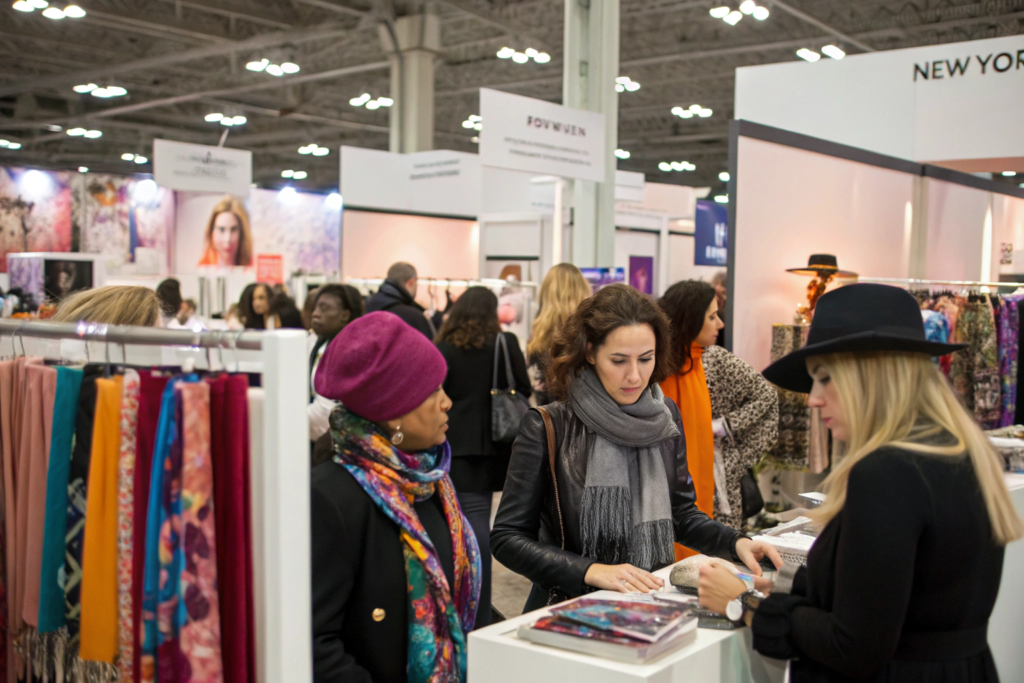
Which trade shows are focused on accessories?
While large apparel shows like MAGIC in Las Vegas have extensive accessory sections, there are also more specialized events. NY NOW is a premier market for gifts and lifestyle products, with a huge section dedicated to handcrafted and high-design accessories. It's an excellent place to find unique jewelry, scarves, and bags. For a more regional focus, the apparel and gift markets in major hubs like the Dallas Market Center and AmericasMart Atlanta host multiple events throughout the year that are massive draws for boutique owners from across the country. Checking their official websites will give you a calendar of upcoming shows.
How can I make the most of a trade show?
Go with a plan. Before you go, review the exhibitor list online and map out the brands you absolutely must see. But also, leave plenty of time for wandering and discovery—some of the best finds are unexpected. Wear comfortable shoes! Bring plenty of business cards and a notebook (or use an app) to jot down notes about brands you love. Don't be afraid to ask questions about brand story, materials, and production ethics. And most importantly, be mindful of your budget. It's easy to get swept up in the excitement, so have a clear idea of what you can spend. For more tips, you can read guides from trade show experts like the Retail Minded blog.
Can I Create My Own Exclusive Products?
You've built a strong brand identity for your boutique, but you're still selling products that other stores might carry. Your ultimate dream is to have a small collection of accessories that are completely exclusive to your shop—a custom-designed scarf or a unique hair clip in your brand's signature colors. You're worried that this process is too complicated, expensive, or only available to big-box retailers.
This is more achievable than you think. Partnering directly with a manufacturer to create a "private label" or "white label" product line is the next step in elevating your boutique. This process allows you to put your own brand name on a product designed by the factory (white label) or to work with the factory to create a completely custom design from scratch (private label). This gives you a truly unique product that no one else has, allowing you to control the design, the quality, and the profit margins.
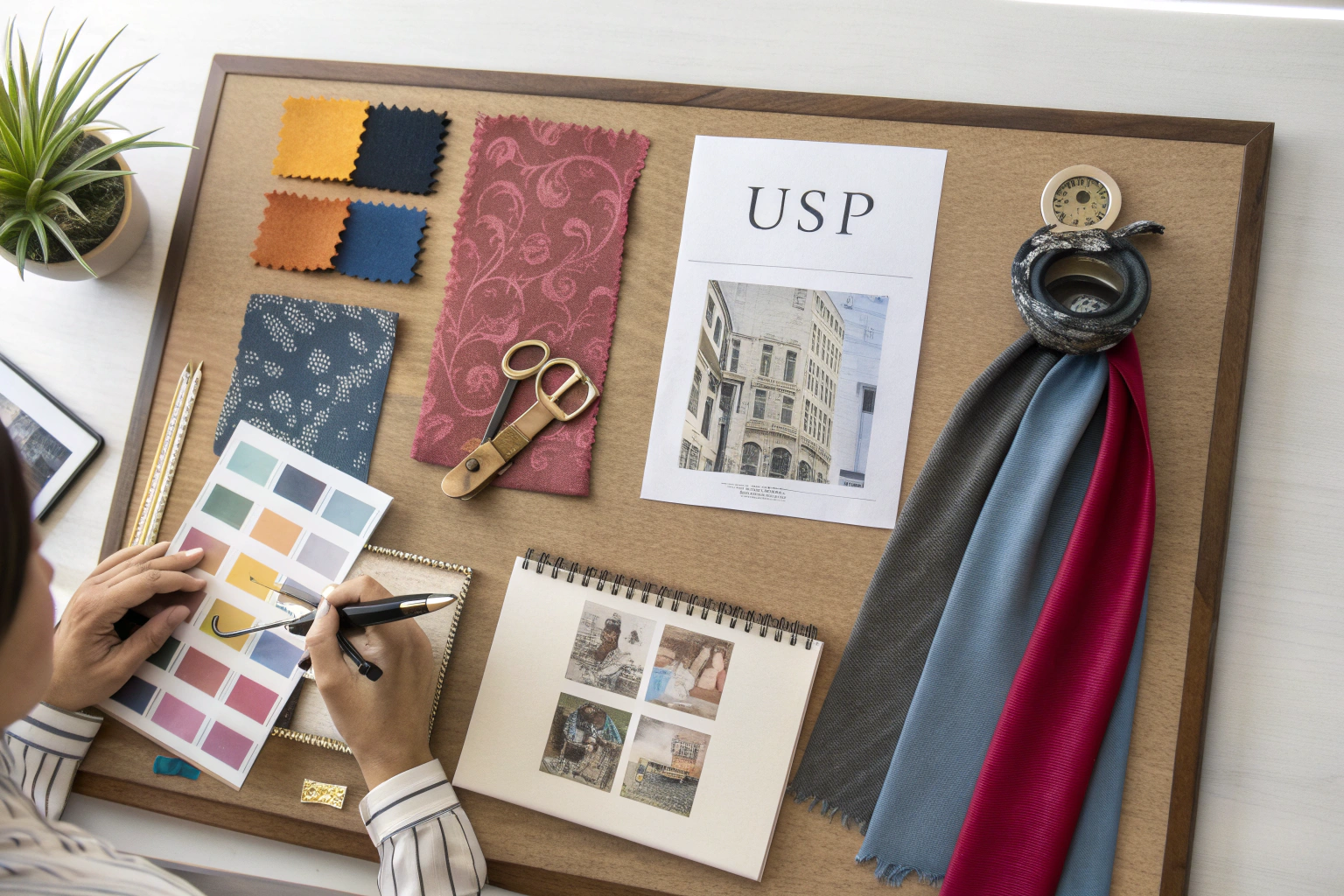
This is the core of what we do at Shanghai Fumao Clothing. We act as the manufacturing partner for boutiques and brands who want to create their own lines. Our experienced project managers guide clients through the entire process, from initial design concept to final production. You don't need to be a design expert. You just need a vision. We can help you turn that vision into a tangible, high-quality product that is exclusively yours. This path requires more involvement, but the reward is a product that perfectly embodies your brand. It's a big step, so it's important to understand how to find and vet a manufacturing partner.

What is the difference between private label and white label?
White Label is the simpler starting point. A manufacturer offers a line of their pre-designed, generic products (e.g., a classic baseball cap or a simple satin scrunchie) that you can then brand with your own logo and packaging. It's a fast and low-cost way to launch your own branded line. Private Label is more involved. You work with the manufacturer to design and create a product from the ground up. You control the materials, the colors, the pattern, and the design. It requires a higher minimum order quantity (MOQ) and more development time, but results in a 100% unique product. Many brands start with white label and evolve to private label as they grow. E-commerce platforms like Shopify have excellent guides explaining this in more detail.
What are MOQs and how do they work?
MOQ stands for Minimum Order Quantity. It's the smallest number of units a manufacturer is willing to produce in a single production run. For a factory, setting up machinery, mixing dyes, and creating screens for a new product has a fixed cost, and the MOQ ensures that the production run is profitable for them. MOQs can vary dramatically, from a few dozen for a simple white-label product to thousands for a complex private-label design. When you contact a manufacturer, this will be one of the first questions you ask. Don't be afraid to negotiate, but also be realistic about the factory's constraints.
How Do I Find a Manufacturing Partner?
You're excited by the idea of creating your own product line, but the thought of finding a reliable factory overseas is daunting. Where do you even begin? You're worried about language barriers, quality control issues, and the risk of being scammed. The fear of the unknown can be a major barrier to taking this next big step for your business.
The approach is a combination of diligent online research and direct, personal communication. Platforms like Alibaba are a powerful starting point for identifying potential manufacturers. But don't stop there. Look for factories that have their own professional websites, a clear specialization in your product category (like fashion accessories), and a long history in business. Once you have a shortlist, the most important step is to reach out and start a conversation.
A good manufacturing partner will have a professional, English-speaking sales or project management team ready to answer your questions. This is the heart of our model at AceAccessory. We don't just take orders; we build relationships. We want to understand your brand and your vision. A video call can tell you more about a potential partner than a hundred emails. Are they professional? Do they understand your aesthetic? Are they transparent about their process? Finding the right partner is like hiring a key employee; it's worth taking the time to get it right. This partnership is the foundation for everything, including navigating the complexities of online marketplaces if you choose to sell there.

How can I use Alibaba safely and effectively?
Look for key trust signals on a supplier's Alibaba profile. The "Verified Supplier" badge means Alibaba has had a third party inspect the factory. Look for the number of years they have been on the platform—a supplier with 5, 10, or more years of history is generally more stable and reliable. Read their reviews carefully. Start by ordering a sample to verify the quality before committing to a large order. And always use Alibaba's Trade Assurance payment system, which holds your money in escrow until you confirm that you've received your order as specified.
What questions should I ask a potential manufacturer?
When you make initial contact, be prepared with a list of specific questions. Ask about their MOQ for the product you want. Inquire about their lead time (how long it takes to produce and ship an order). Ask about their quality control process. Request photos or videos of their factory. Ask if they have experience working with brands in your country. A professional manufacturer will have clear, ready answers to all these questions. Their willingness to communicate openly and thoroughly is one of the best indicators of a trustworthy partner. For more guidance, you can consult resources from organizations that help small businesses import, like the SBA (Small Business Administration).
Conclusion
Finding the right wholesale inventory for your boutique is an ongoing journey of discovery. By expanding your search beyond the obvious, you can curate a truly special collection. Start by exploring the modern, curated online marketplaces that are built for boutiques. Re-engage with the physical world by attending specialized trade shows to find inspiration and build personal connections. And when you're ready, take the ultimate step in defining your brand by partnering directly with a manufacturer to create your own exclusive products. Each of these avenues offers a path to finding unique accessories that will delight your customers and set your boutique apart.
At Shanghai Fumao Clothing, we are passionate about helping boutiques and brands bring their creative visions to life. If you are ready to explore creating your own exclusive line of fashion accessories, we are here to be your trusted partner every step of the way.
Please feel free to reach out to our Business Director, Elaine, at her email: elaine@fumaoclothing.com to start the conversation.