As sustainability becomes a non-negotiable pillar of modern fashion, sourcing eco-friendly materials for winter collections is a top priority for forward-thinking brands. Fleece capes, combining cozy warmth with versatile style, are a perfect candidate for an eco-conscious upgrade. However, finding suppliers who offer truly sustainable fleece fabrics in cape-form requires a targeted and discerning approach beyond standard wholesale marketplaces.
The most reliable sources for bulk purchasing eco-friendly fleece capes are specialized sustainable textile manufacturers, certified B2B eco-apparel suppliers, and innovative factories that have invested in circular material technologies. These partners prioritize materials like recycled polyester fleece (rPET), organic cotton fleece, and biodegradable fleece alternatives, and can provide the necessary certifications and transparency to validate their green claims.
At Shanghai Fumao Clothing, our development work with brands increasingly focuses on material transformation. We see that "eco-friendly" is not a single specification but a spectrum encompassing raw material origin, dyeing processes, energy use, and end-of-life planning. Sourcing a cape isn't just about finding a maker; it's about partnering with a supply chain that aligns with your brand's environmental, social, and governance (ESG) goals.
What defines an eco-friendly fleece material?
Understanding the material landscape is the first step to making an informed sourcing decision. Not all fleece is created equal, and "eco-friendly" can refer to several different attributes, from recycled content to responsible manufacturing processes.
True eco-friendly fleece reduces dependency on virgin petroleum-based plastics, minimizes chemical and water use, and considers the product's full lifecycle. The leading options are recycled polyester, natural fiber blends, and next-gen biopolymers.
Why is recycled polyester (rPET) fleece the leading option?
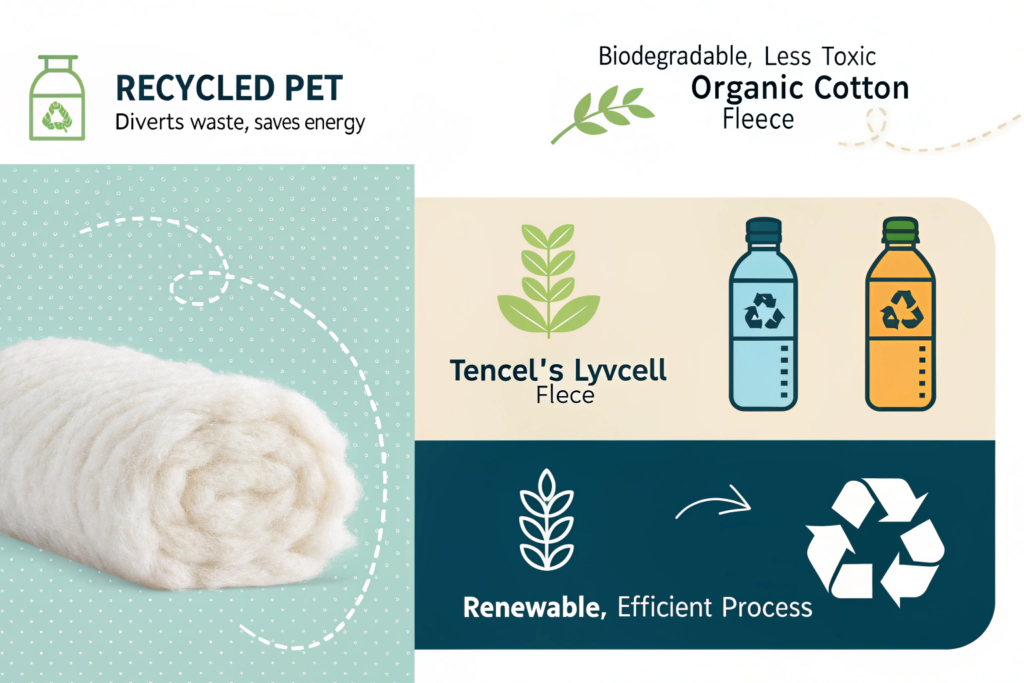
Recycled polyester fleece, made from post-consumer plastic bottles or industrial plastic waste, is currently the most scalable and accessible eco-friendly option. Its advantages are:
- Waste Diversion: Directly reduces plastic landfill and ocean waste.
- Resource Efficiency: Producing rPET uses significantly less water and energy than virgin polyester.
- Performance Parity: It offers the same warmth, moisture-wicking, and durability as conventional fleece.
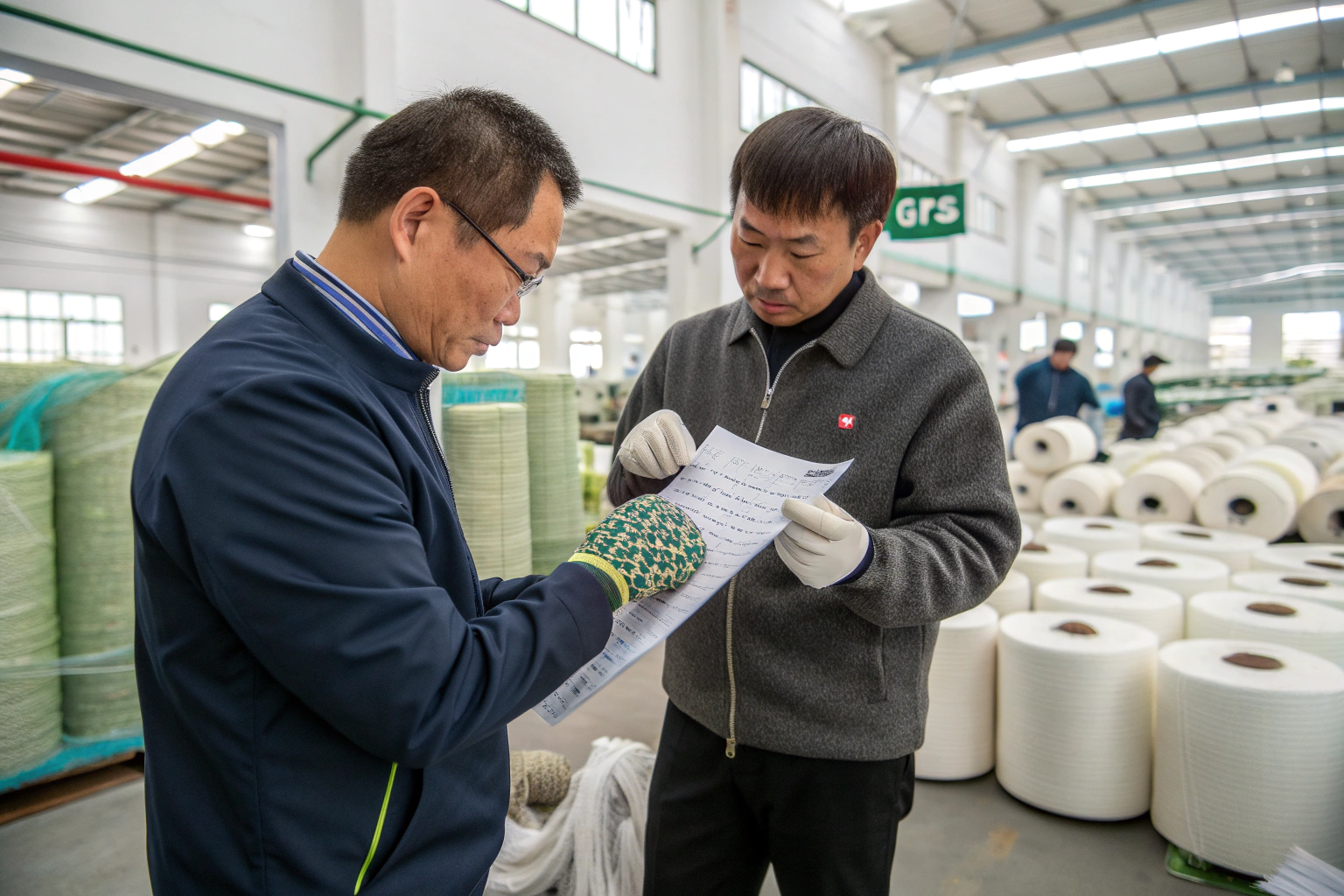
When sourcing, demand verification. Suppliers should provide documentation such as a Recycled Claim Standard (RCS) or Global Recycled Standard (GRS) certificate, which tracks the recycled content through the supply chain. This is a baseline requirement we adhere to for our sustainable product lines.
What are the alternatives to recycled polyester?
For brands seeking non-plastic options, two materials are gaining traction:
- Organic Cotton Fleece: Made from cotton grown without synthetic pesticides or fertilizers. While biodegradable, it has a higher water footprint during cultivation. It's best blended with a small percentage of rPET for stability and durability.
- TENCEL™ Lyocell (or other wood-based) Fleece: An innovative option where fleece is made from wood pulp sourced from sustainably managed forests. The lyocell process uses a non-toxic, closed-loop solvent system, making it highly sustainable. It results in a luxuriously soft, breathable, and biodegradable fleece, though often at a higher cost point.
Brands should evaluate these options based on their specific sustainability priorities (waste reduction, biodegradability, chemical use) and performance needs.
Where to find certified suppliers and manufacturers?
Your search must move beyond generic B2B portals to platforms and networks dedicated to sustainable sourcing. Credibility is paramount, and certifications are the primary language of trust in this space.
Focus on suppliers who are open about their manufacturing processes, hold relevant environmental certifications, and can provide transparent documentation from fiber to finished garment.
Which specialized online platforms are most effective?
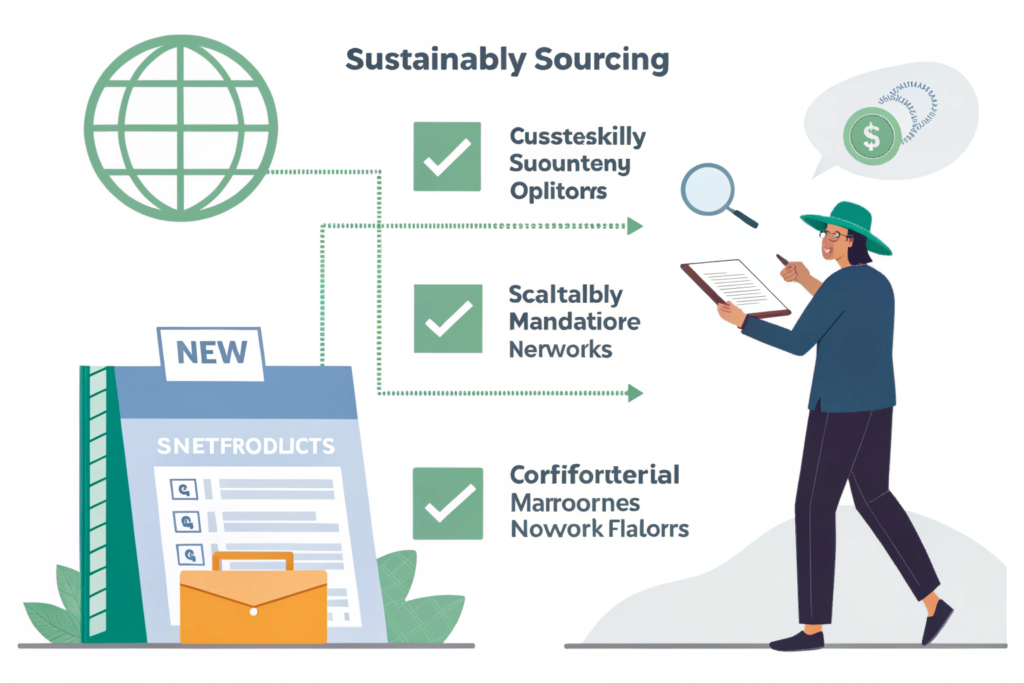
- Materials Sourcing Platforms: Utilize directories like the Textile Exchange's Materials Directory or Sourceful to find pre-vetted suppliers of sustainable fabrics and manufacturers.
- Sustainable B2B Marketplaces: Platforms like Maker's Row (with sustainability filters) or Alibaba.com (using specific keywords like "GRS certified fleece manufacturer") can yield results, but require intense vetting.
- Industry Associations: The Sustainable Apparel Coalition (SAC) or Textile Exchange members are often reputable suppliers committed to best practices. Their member directories can be a goldmine for leads.
When contacting suppliers, your first question should be: "Can you share the certification documents for the eco-friendly fleece material you use?"
Why are trade shows and sustainable sourcing events critical?
Physical events remain unparalleled for building deep supplier relationships and inspecting material quality firsthand.
- Première Vision Paris: This premier fabric show has a dedicated "Smart Creation" area focusing on innovative and sustainable materials, where you can meet mill representatives directly.
- Outdoor Retailer / ISPO: These trade shows for outdoor and performance wear are hotspots for advanced, sustainable fleece technologies, as functionality and eco-credentials are tightly linked in this sector.
- Ethical Fashion Show Berlin: Focuses specifically on sustainable and ethically produced fashion, connecting brands with like-minded manufacturers.
At these events, you can feel the handfeel and drape of different eco-fleeces, ask detailed questions about minimum order quantities (MOQs) for custom capes, and assess the supplier's overall expertise.
How to vet a supplier's sustainability claims?
In an industry rife with greenwashing, due diligence is your most important tool. Claims of being "green" or "eco" must be backed by verifiable data and third-party audits.
Your vetting process should systematically examine material certifications, factory environmental policies, and the transparency of the entire supply chain.
What certifications should you require?
Demand to see these specific certificates:
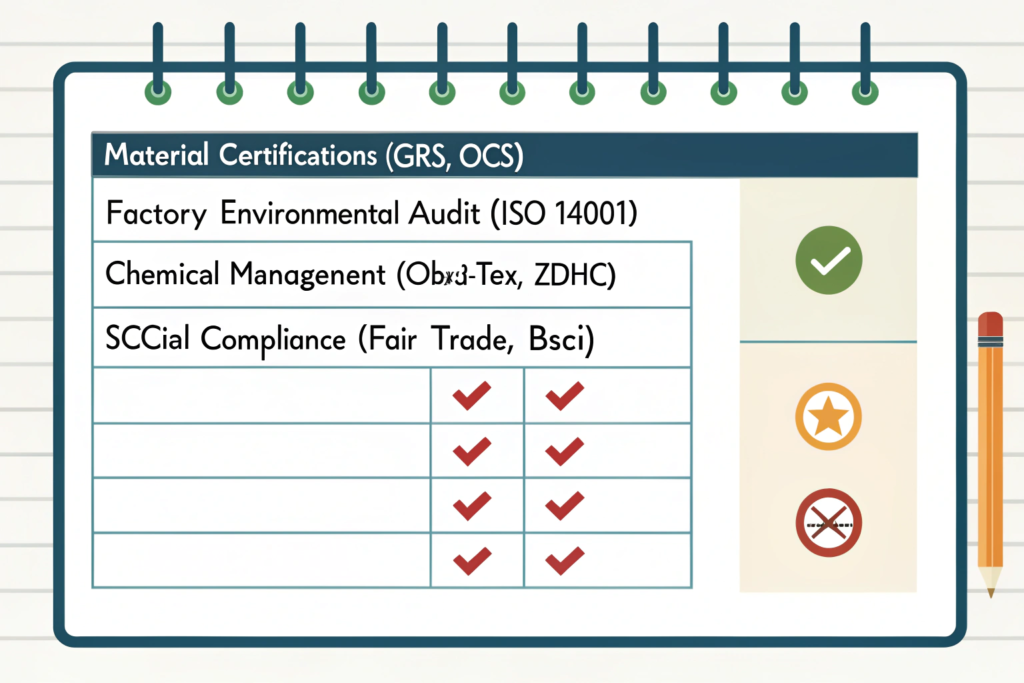
- Material Content Certifications: Global Recycled Standard (GRS) or Recycled Claim Standard (RCS) for recycled content. Organic Content Standard (OCS) for organic cotton.
- Chemical Safety Certifications: OEKO-TEX Standard 100 ensures the final textile is free from harmful levels of regulated substances. ZDHC (Zero Discharge of Hazardous Chemicals) Gateway conformance indicates responsible chemical management in production.
- Environmental Management Systems: ISO 14001 certification shows the factory has a structured system to manage its environmental impact.
A reputable supplier, like Shanghai Fumao Clothing, will have these documents organized and readily available for serious buyers.
What questions go beyond certificates?
Certificates are a baseline. Ask probing questions to understand their holistic impact:
- "What is the source of your recycled polyester? Is it post-consumer or post-industrial?" (Post-consumer is generally preferred).
- "What dyes do you use, and what is your water treatment process?" (Look for answers about low-impact dyes or water recycling).
- "Can you provide a Life Cycle Assessment (LCA) or carbon footprint estimate for this fleece cape?" (This shows advanced commitment).
- "What are your own factory's energy sources and waste reduction programs?"
Their willingness and ability to answer these questions confidently separate leaders from followers in sustainable manufacturing.
What are the key considerations for design and production?
Once you've found a credible supplier, the work shifts to designing a product that maximizes both sustainability and commercial appeal. The cape's design, construction, and finishing all present opportunities to reinforce its eco-credentials.
Considerations range from designing for longevity to choosing low-impact trims and packaging.
How can design enhance the product's sustainability?
- Timeless Design: Create a classic, versatile silhouette that transcends fast-fashion trends, encouraging long-term use.
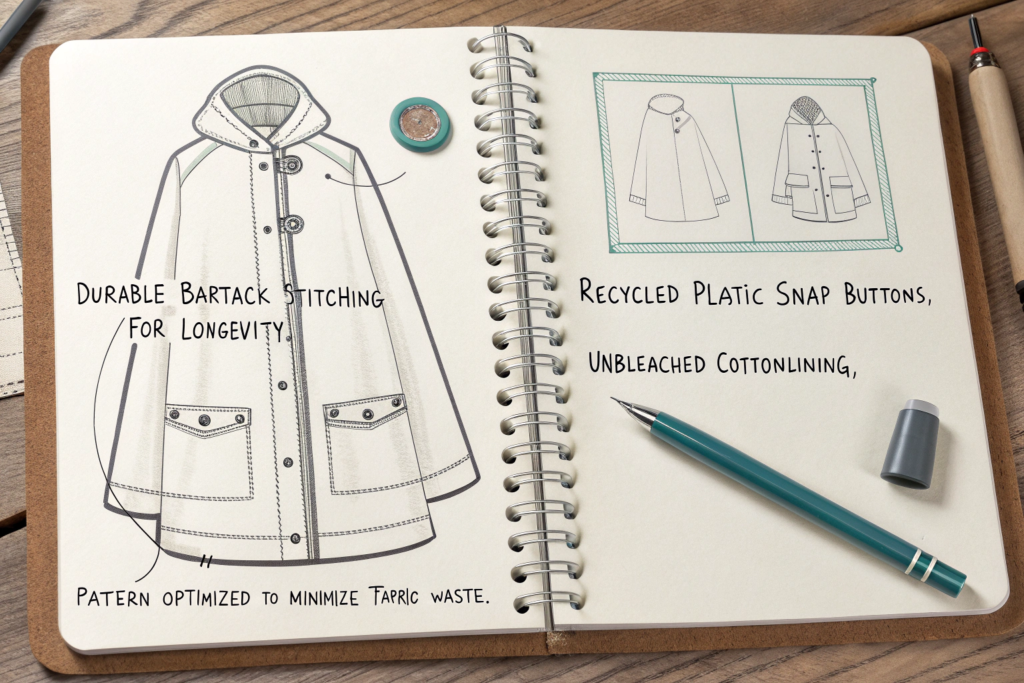
- Durable Construction: Specify robust stitching (e.g., bartacks at stress points) and high-quality zippers or snaps to extend the garment's life.
- Zero-Waste Patterning: Work with the manufacturer to optimize the pattern layout on the fabric roll to minimize off-cut waste. Some factories can even recycle these off-cuts.
- Monomaterial Design: Where possible, design the cape and its lining from the same type of material (e.g., all rPET) to simplify recycling at end-of-life.
What about trims, labeling, and packaging?
The sustainability story continues in the details:
- Trims: Use buttons made from recycled materials, corozo nut, or FSC-certified wood. Opt for labels made from recycled polyester or organic cotton.
- Packaging: Ensure the supplier uses recycled and recyclable polybags for shipping, and can accommodate your branded FSC-certified paper hangtags and compostable mailers for direct shipping.
A holistic approach ensures every touchpoint of the product aligns with your brand's mission, a philosophy we integrate into our development process for clients.
Conclusion
Sourcing eco-friendly fleece capes for your winter collection is a journey that leads to specialized, transparent, and certified partners in the supply chain. It requires moving beyond simple price and style comparisons to a deeper evaluation of material science, environmental certifications, and ethical manufacturing practices. The right supplier will be a collaborative partner, helping you navigate the complexities of sustainable production to create a product that warms your customers without costing the earth.
By focusing on certified materials like GRS rPET, vetting suppliers rigorously through platforms and trade shows, and designing for circularity, you can build a winter collection that is both commercially successful and genuinely responsible.
If you are looking for a manufacturing partner with the expertise and supply chain connections to develop a high-quality, certified eco-friendly fleece cape line, we are equipped to guide you from material selection to finished product. Contact our Business Director Elaine at elaine@fumaoclothing.com to discuss how we can bring your sustainable winter vision to life.