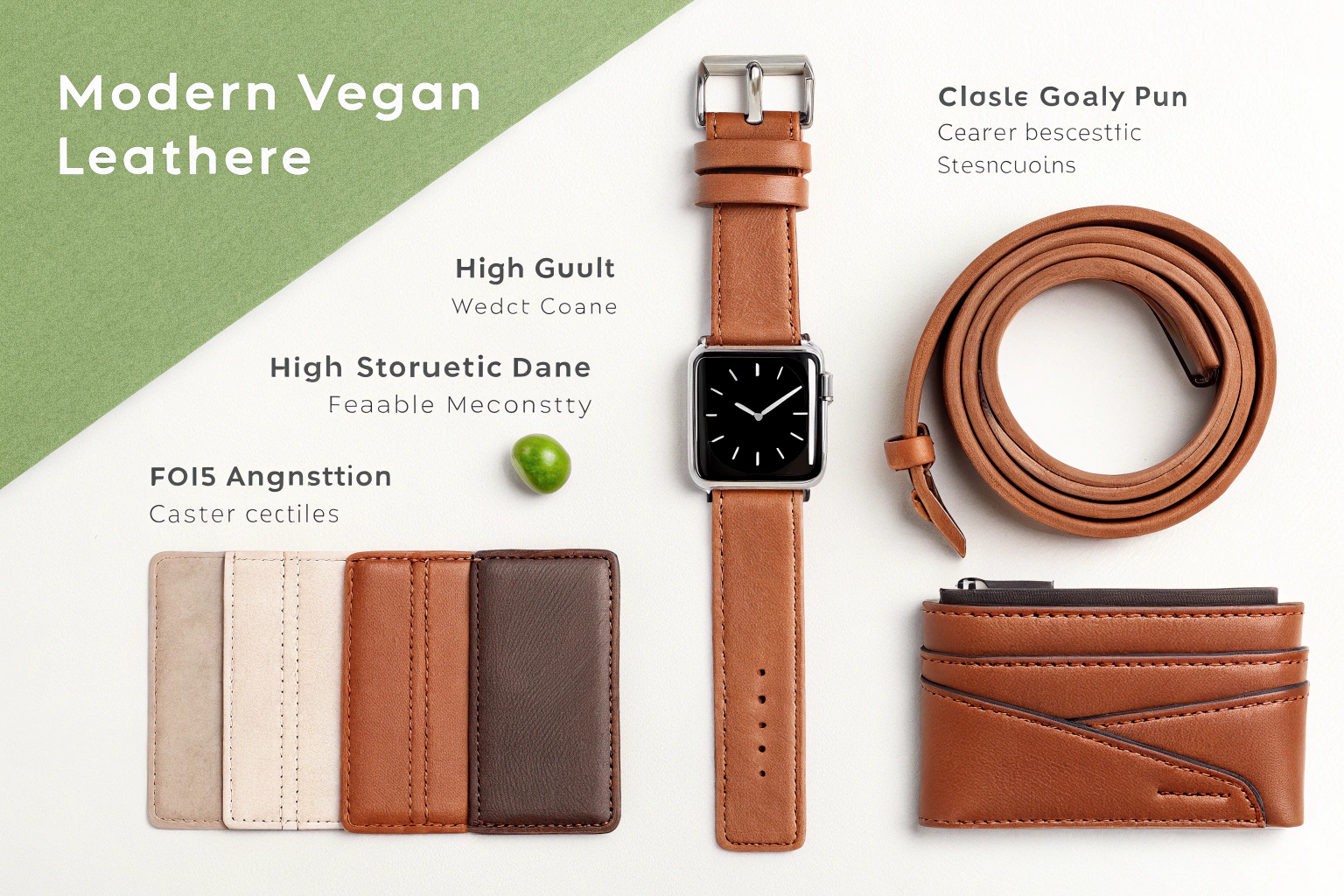
As a strategic buyer like Ron, you're keenly aware that "vegan leather" has exploded from a niche eco-category into a mainstream consumer demand. Your customers are asking for it, and you know it's a massive commercial opportunity. But you also know the risks. The term "vegan leather" is broad and often misused. It can describe a cheap, flimsy plastic just as easily as it can a high-tech, sustainable material. So, how do you navigate this complex landscape? How do you find a factory that is a true specialist in high-quality vegan leather, not just a generalist trying to catch a trend?
To find a genuine vegan leather specialist, you must look beyond factories that simply claim to "work with PU." You need to find a partner who can demonstrate deep material knowledge, who has established supply chains for modern, sustainable vegan leathers (like cactus or apple leather), and who possesses the specific technical skills required to work with these unique materials. This requires a more rigorous vetting process, focused on material science and supply chain transparency, not just price.
This is a shift I've seen firsthand in my own business. Five years ago, "vegan leather" just meant "PU." Today, it's a highly technical and diverse category. At Shanghai Fumao Clothing, we've had to become material scientists, investing heavily in sourcing and testing the next generation of vegan leathers to meet the demands of our forward-thinking clients. Let me show you how to identify a true specialist partner.
Why Must You Differentiate Between "PU" and "Next-Gen" Vegan Leathers?
The first step is to understand that not all vegan leathers are created equal. A factory's expertise with one does not guarantee expertise with another.
You must differentiate between basic Polyurethane (PU) and "next-gen" bio-based leathers because they are fundamentally different materials that require different sourcing channels and handling techniques. A factory that is excellent at making standard PU belts may have no idea how to source or work with a more delicate material like cactus leather.
This is the most important question to ask a potential factory: "What types of vegan leather do you work with?" If their answer is just "PU," they are a generalist. A true specialist will be able to discuss the pros and cons of multiple material types.
- PU (Polyurethane): The industry standard. It's a plastic polymer coated onto a fabric base. High-quality PU can be very convincing, but it is still a fossil-fuel-based product.
- Next-Gen Bio-Based Leathers: These are innovative materials that use plant-based content to reduce their reliance on plastic. This is where the real innovation is happening, and it's a key area to explore before you consider a factory's technical capabilities.
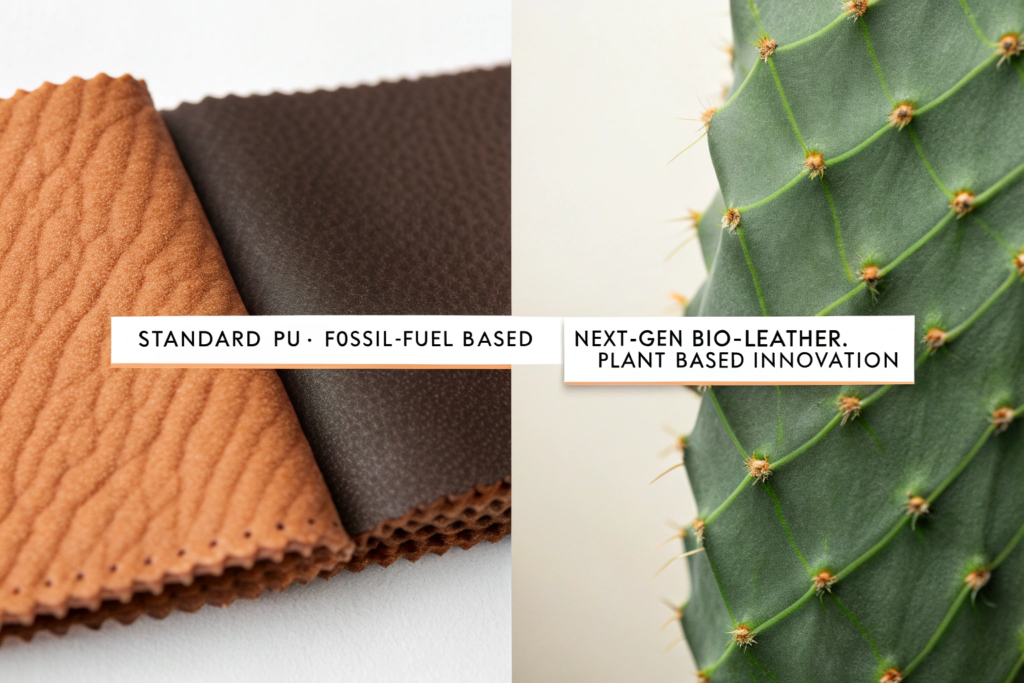
What are some examples of next-gen materials?
This is a rapidly evolving field. Some of the most promising materials we are working with include:
- Cactus Leather: Made from nopal cactus leaves. It's soft, durable, and requires very little water to grow. Brands like Desserto are the pioneers here.
- Apple Leather: Made from the waste pulp and skins from the apple juice industry.
- Grape Leather: Made from the waste from the wine industry.
- Pineapple Leather (Piñatex): Made from pineapple leaf fibers.
Are these materials 100% plastic-free?
Not usually. Most of these materials still rely on a polyurethane (PU) binder or a woven fabric backing to ensure long-lasting durability, withstanding regular wear and tear without compromising structural integrity. However, they significantly reduce the fossil-fuel content compared to traditional synthetic alternatives, often containing 40-80% plant-based material derived from renewable resources such as corn starch, sugarcane, or vegetable oils, which not only lowers their carbon footprint but also enhances biodegradability over time.
They represent a major step forward in sustainable material innovation, offering a more environmentally conscious option for various applications, yet they are not a perfect final solution, as challenges remain in achieving full biodegradability under all conditions and optimizing performance across extreme environments.
Why Are Specialized Technical Skills So Important?
Working with these new materials is not the same as working with traditional leather or basic PU. They have their own unique properties and require specific handling.
Specialized technical skills are crucial because next-gen vegan leathers can be more sensitive to heat, require different types of adhesives, and have less "stretch" or "give" than traditional materials. A factory that tries to use its standard leather-working techniques on a delicate bio-leather will produce a poor-quality product with puckering seams and weak construction.
This is where a true specialist proves their worth. They know, for example, that you need to use a lower temperature for edge finishing on certain bio-leathers to avoid melting. They know which specific glues create a strong, lasting bond without reacting negatively with the material. At our factory, when we onboard a new material like cactus leather, we run a whole series of tests to develop a specific "Standard Operating Procedure" for it. This technical expertise is a critical factor to consider when evaluating a factory's sourcing and certification capabilities.
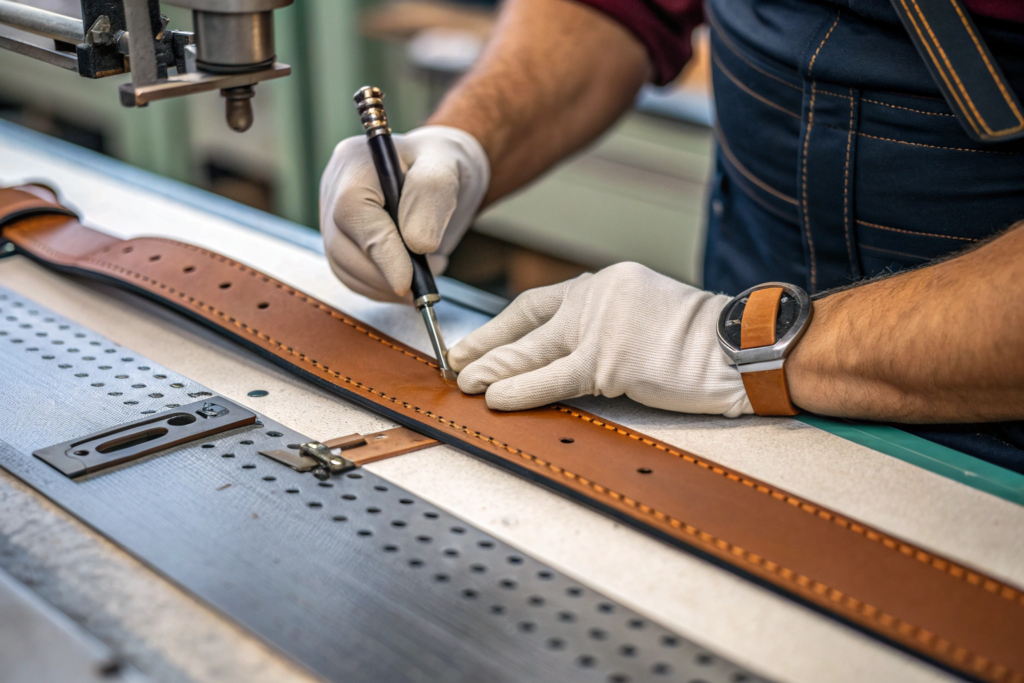
What specific skills are required?
- Edge Finishing: Knowing the right temperature and type of edge paint to use that will adhere properly without damaging the material.
- Adhesive Knowledge: Using the correct, low-VOC (Volatile Organic Compound) adhesives that bond securely.
- Stitching: Using the right needle size and stitch tension to avoid tearing or perforating the material unnecessarily.
- Skiving: Knowing how to thin the edges of the material properly before folding to create clean, non-bulky seams.
How can you test for this expertise?
The best way is through sampling. When you sample a product with a potential new factory, pay extremely close attention to the details. Run your fingers along the edges—do they feel smooth and clean, with no rough burrs or uneven cuts that might catch on fabric or skin? Examine the seams under bright light; are they flat and even, lying flush against the fabric without any raised ridges or inconsistencies? Look closely for signs of puckering, where the fabric has been stretched unevenly, or bubbling, where air pockets have formed between layers, creating a lumpy, unprofessional appearance.
How Do You Verify a Factory's Sourcing and Certifications?
A factory can talk about using innovative materials, but how do you know they are actually using the real thing and not a cheap knock-off?
You must verify a factory's sourcing by demanding supply chain transparency and asking for material certifications. A legitimate specialist will be able to provide you with documentation, such as a purchase order from the material innovator (e.g., Desserto) or a formal certification like the Global Recycled Standard (GRS) for recycled PU.
This is a matter of trust but verify. In this market, "greenwashing" (making false or misleading claims about sustainability) is a real risk. A reliable partner will be proud to show you their sourcing documents. When we produce a collection of cactus leather belts for a client, we provide them with a copy of our invoice from Desserto. This gives them concrete proof that they can use in their marketing and share with their customers. This transparency is a non-negotiable part of a modern, responsible partnership.
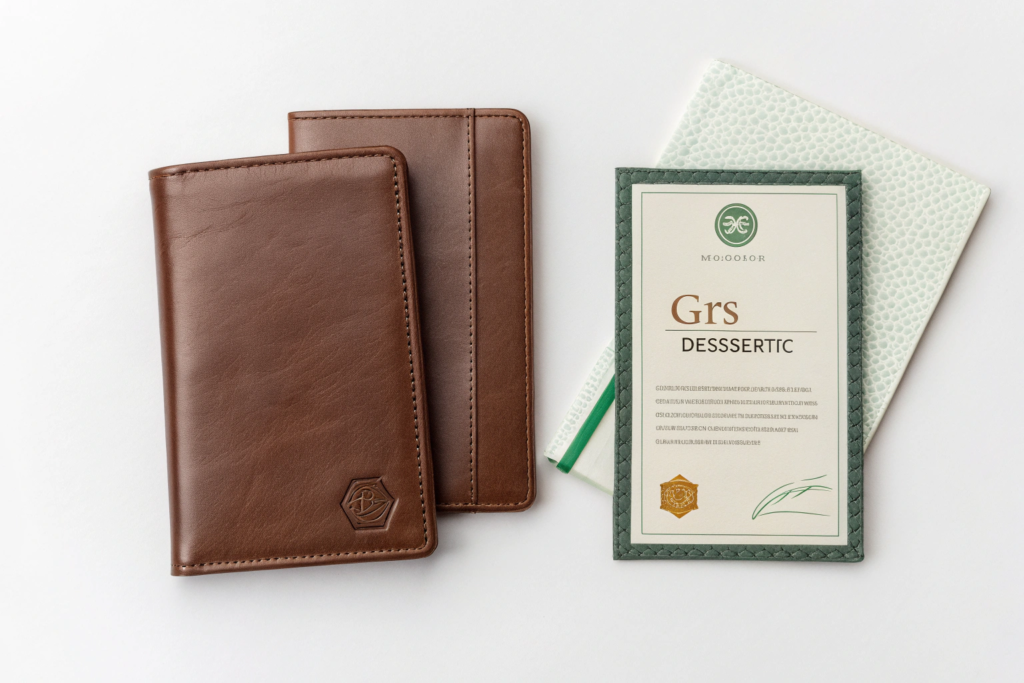
What certifications should you look for?
- For Bio-Based Leathers: Look for documentation directly from the material brand (e.g., Desserto, Piñatex). These brands often have their own certification programs.
- For Recycled Synthetics: The Global Recycled Standard (GRS) is the gold standard. It verifies the recycled content and tracks it through the supply chain.
- General Chemical Safety: Look for compliance with standards like REACH (for Europe) or Prop 65 (for California), which restrict the use of harmful chemicals.
What is a "Transaction Certificate"?
For certified materials like GRS, a \"Transaction Certificate\" (TC) is a meticulously detailed document that rigorously tracks a specific batch of certified material from its origin at the supplier's facility through every stage of the supply chain until it reaches the manufacturing factory. This certificate serves as an irrefutable, tamper-evident record containing critical information such as unique batch identifiers, quantities, certification standards met, and a clear audit trail of all transactions involving that particular consignment.
It's the ultimate form of proof that the material used in your specific production run—whether it's recycled fibers, organic textiles, or other sustainability-certified inputs—is genuinely compliant with the GRS (Global Recycled Standard) requirements, ensuring transparency, accountability, and authenticity throughout the entire production process.
What Are Common Challenges and How to Overcome Them?
Awareness of potential pitfalls will save time and resources. Sourcing vegan leather goods presents unique hurdles related to material consistency, cost, and scalability.
Forewarned is forearmed. Building flexibility into your development timeline and budget can accommodate the learning curve associated with innovative materials, which even experienced factories may be mastering in real-time alongside you.

How to Navigate Material Inconsistency and Higher Costs?
- Challenge: Batch Variation. Natural and bio-based materials can have slight color or texture variations between production batches—this is inherent to their nature, not a defect. Solution: Build this expectation into your quality control guidelines. Work with the factory to approve a wider but defined "acceptable range" for color and grain.
- Challenge: Premium Pricing. High-quality plant-based or lab-grown vegan leather is often more expensive than standard bovine leather or basic PU. Solution: Factor this into your costing model from the start. Communicate the material's value story (sustainability, innovation) to justify the price point to your end customers. Consider starting with smaller, iconic pieces.
How to Ensure Quality at Scale?
- Challenge: Scaling New Materials. A factory might produce a perfect handcrafted sample but struggle with efficiency or yield in mass production[citation:6]. Solution: Insist on a **pilot production run before full order confirmation. This small batch (e.g., 50-100 units) tests the entire production workflow and reveals issues with material waste, machine settings, or labor skill gaps.
- Challenge: Long Lead Times. Sourcing novel materials can add weeks to your timeline. Solution: Integrate material lead time into your overall critical path. Begin material sourcing conversations with the factory the moment your sample is approved.
Conclusion
The world of vegan leather is exciting, innovative, and full of opportunity. But to succeed, you must partner with a true specialist. This means moving beyond basic PU and seeking out a factory with proven expertise in next-gen, bio-based materials. It means finding a partner who has the specialized technical skills to handle these materials with care and precision. And, most importantly, it means demanding transparency and verifiable certifications to ensure you are getting the authentic, sustainable product your customers expect. By adopting this rigorous, detail-oriented approach, you can find a partner who will help you build a beautiful, high-quality, and genuinely innovative vegan accessory collection.
At Shanghai Fumao Clothing, we have invested in becoming that specialist partner. We have the material library, the technical skills, and the transparent supply chain to help you navigate the exciting world of modern vegan leather.
If you are ready to develop a next-generation vegan accessory line, let's talk about materials. Please contact our Business Director, Elaine, at her email: elaine@fumaoclothing.com, to get started.