Finding the correct hat circumference for a child's fisherman's cap is crucial for ensuring both comfort and the proper aesthetic of this classic style. A poorly fitting cap can cause discomfort, fail to provide adequate sun protection, or simply look awkward. Understanding children's head measurements and how they correspond to fisherman's cap sizing helps parents and retailers make appropriate selections.
Children's fisherman's caps should be selected based on precise head circumference measurements, with consideration for both current fit and potential growth. The ideal cap sits comfortably above the ears and eyebrows without slipping or creating pressure points. At AceAccessory, a core brand of shanghaifumaoclothing https://shanghaiGarment.com, our fisherman's caps for children are sized according to international standards and include adjustable features to accommodate growth and ensure proper fit throughout the season.
This comprehensive guide provides detailed information on measuring children's head circumference, understanding standard sizing charts, and selecting the right fisherman's cap based on age, head shape, and specific style considerations.
What Are the Standard Children's Head Circumference Measurements?
Understanding standard children's head circumference measurements provides the foundation for selecting properly fitting fisherman's caps. These measurements follow predictable growth patterns but can vary significantly between individual children, making actual measurement more reliable than age-based assumptions alone.
Standard measurements typically range from 18-20 inches (46-51 cm) for toddlers to 20-22 inches (51-56 cm) for older children, with specific ranges for each age group. At AceAccessory, our sizing charts are based on extensive anthropometric data and real-world testing to ensure our fisherman's caps fit the actual head sizes of children in our target markets across North America, Europe, and Asia.

How to Properly Measure a Child's Head Circumference?
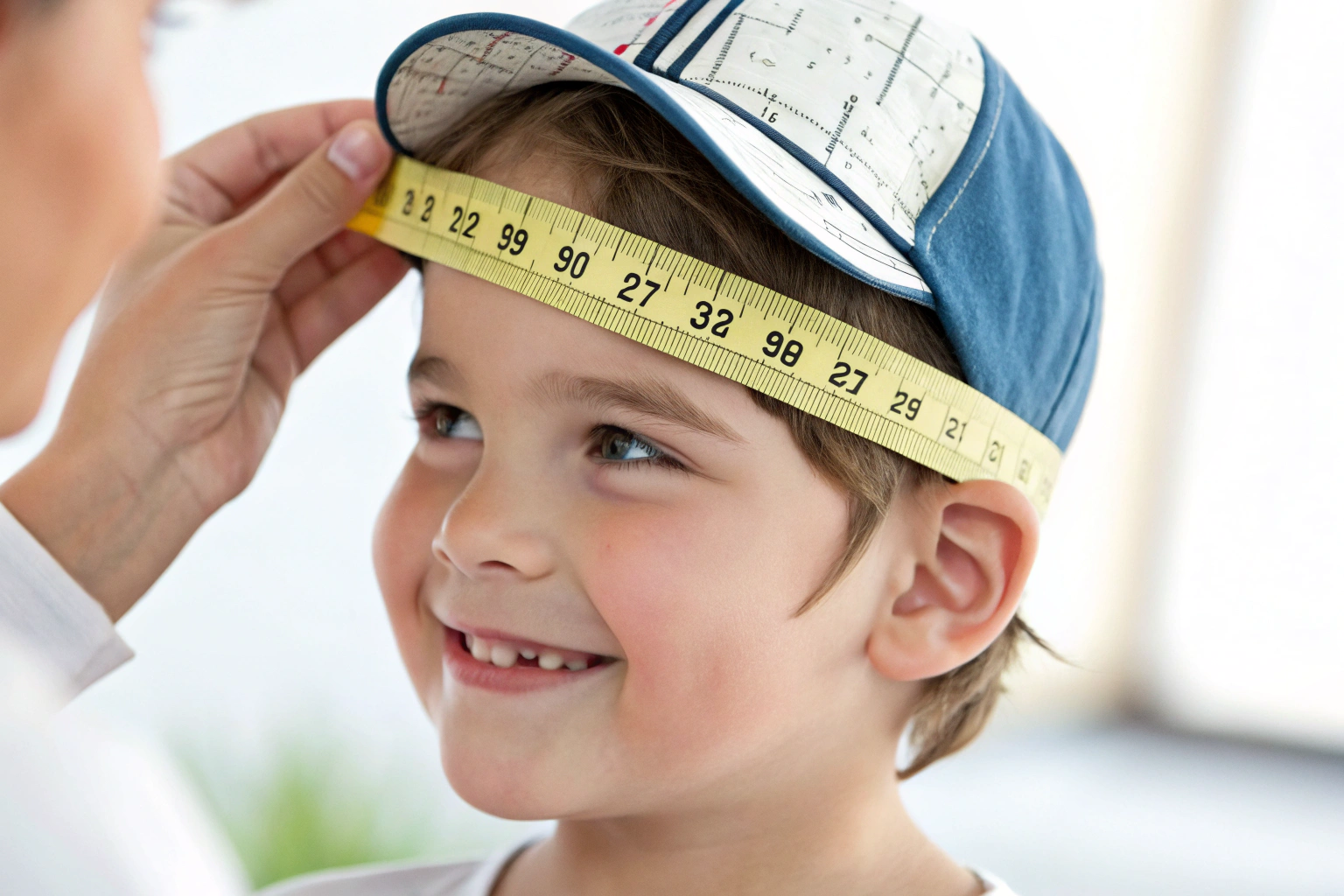
Proper measurement requires a flexible tape measure placed around the widest part of the head, approximately 1 inch (2.5 cm) above the eyebrows and just above the ears. The tape should be snug but not tight, allowing for one finger to fit comfortably underneath. We recommend taking measurements at the end of the day when heads are typically at their largest due to natural fluid retention. For the most accurate sizing for fisherman's caps, consider the American Society for Testing and Materials (ASTM) standards for headwear sizing, which provide guidelines for consistent measurement practices across the industry.
What Are the Average Head Sizes by Age Group?
Average head sizes by age group generally follow these parameters: 1-2 years (18-19.5 inches/46-49.5 cm), 3-5 years (19.5-20.5 inches/49.5-52 cm), 6-8 years (20.5-21.5 inches/52-54.5 cm), and 9-12 years (21.5-22.5 inches/54.5-57 cm). However, these are merely averages, and individual variations can be significant. Our fisherman's caps are designed with these ranges in mind but include adjustable features like rear buckles or elastic sections to accommodate the variations within each age group, ensuring a proper fit for both smaller and larger-headed children in each category.
How Does Fisherman's Cap Design Affect Size Selection?
The unique design elements of fisherman's caps significantly impact size selection compared to other hat styles. Understanding these design characteristics helps explain why a child might wear a different size in a fisherman's cap than in a baseball cap or beanie.
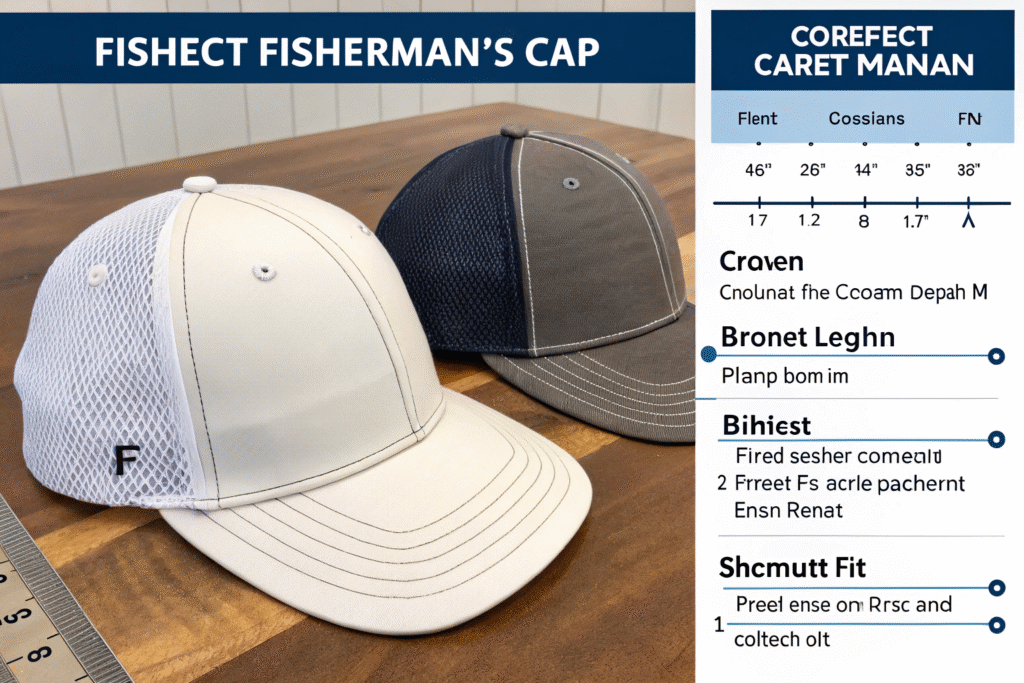
Fisherman's caps feature a distinctive rounded crown, medium to long brim, and typically a button at the top, which collectively create a specific fit relationship with the head. At AceAccessory, our fisherman's caps are patterned with precise crown depth and brim proportions that maintain the style's traditional appearance while ensuring comfortable wear for children's active lifestyles.
Why Does Crown Depth Matter for Proper Fit?
Crown depth matters significantly because fisherman's caps are designed to sit higher on the head than many other hat styles, with the crown encompassing the upper portion of the head without compressing the hair or creating pressure on the scalp. A crown that is too shallow will ride too high and fail to provide adequate coverage or security, while one that is too deep may obscure vision or feel cumbersome. Our designs feature crown depths calibrated to children's head proportions, ensuring the classic fisherman's cap silhouette is maintained while providing comfortable, secure wear.
How Does Brim Proportion Relate to Head Size?
Brim proportion relates directly to head size in fisherman's caps, as the brim should appear balanced with the child's head and face rather than overwhelming or underwhelming their features. Generally, brim length should be approximately proportional to the crown size, with our smaller sizes (18-20" circumference) featuring 2-2.5 inch brims and larger sizes (20-22" circumference) featuring 2.5-3 inch brims. This proportional approach ensures the cap provides adequate sun protection and maintains its traditional appearance while being appropriately scaled for a child's smaller stature and facial features.
What Sizing Systems Do Manufacturers Use for Children's Fisherman's Caps?
Understanding the different sizing systems used by manufacturers helps decipher size charts and make appropriate selections when purchasing children's fisherman's caps. These systems typically include age ranges, precise measurements, or standardized size codes.
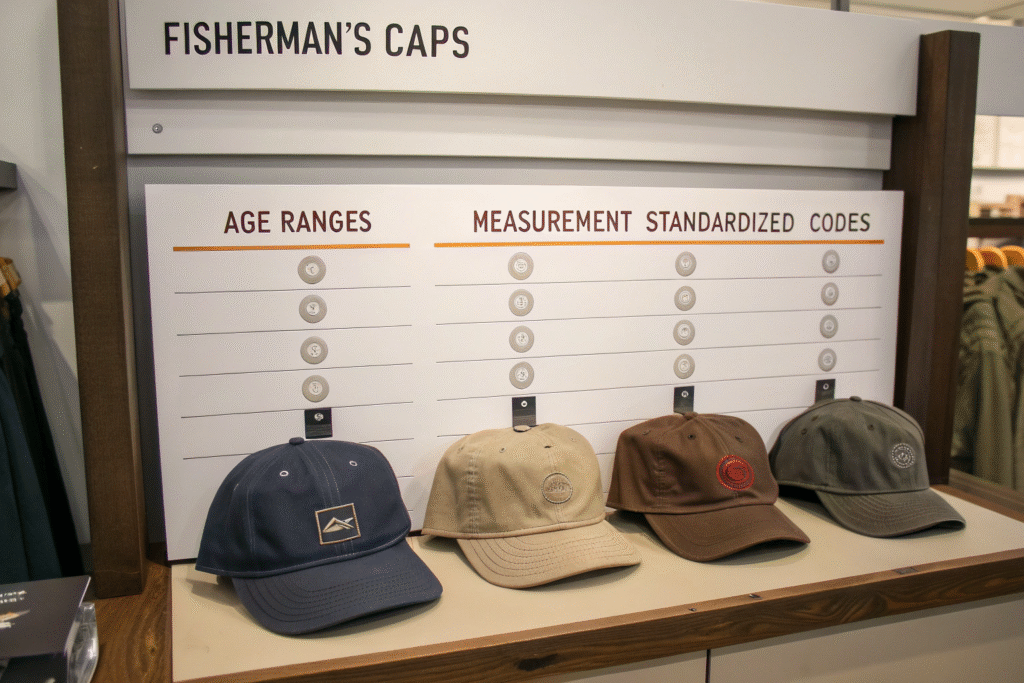
The most common systems are age-based sizing (e.g., 2-4 years), measurement-based sizing (e.g., 20" circumference), and standardized coding (e.g., Child S, M, L). At AceAccessory, we utilize a hybrid approach that includes both measurement ranges and age guidelines, with clear explanations of how our fisherman's caps fit within each category to minimize sizing errors and returns.
How to Interpret Age-Based Sizing Charts?
Age-based sizing charts should be interpreted as general guidelines rather than absolute rules, as children's head sizes vary significantly within age groups. When using these charts, it's important to consider the child's actual head measurement first, then consult the age range as a secondary check. Our age-based recommendations are intentionally conservative, suggesting slightly larger ranges (e.g., 3-6 years rather than 4-5 years) to account for growth and variations between children. We always recommend checking the specific measurement ranges provided in the product details rather than relying solely on age recommendations.
What Do Standardized Size Codes Actually Mean?
Standardized size codes typically follow these general parameters: Toddler (18-19"), Child Small (19-20"), Child Medium (20-21"), and Child Large (21-22"). However, these ranges can vary between manufacturers, which is why we provide both the size code and the specific centimeter or inch measurement range for each of our fisherman's caps. This transparency helps prevent the confusion that arises when one manufacturer's "Child Medium" equals another's "Child Large," ensuring customers can make informed decisions regardless of their familiarity with any particular brand's sizing system.
What Adjustment Features Accommodate Growing Children?
Adjustment features are particularly important in children's fisherman's caps since they allow for growth and ensure comfortable wear throughout the season. Understanding these features helps parents select caps that will remain useful as their child grows.
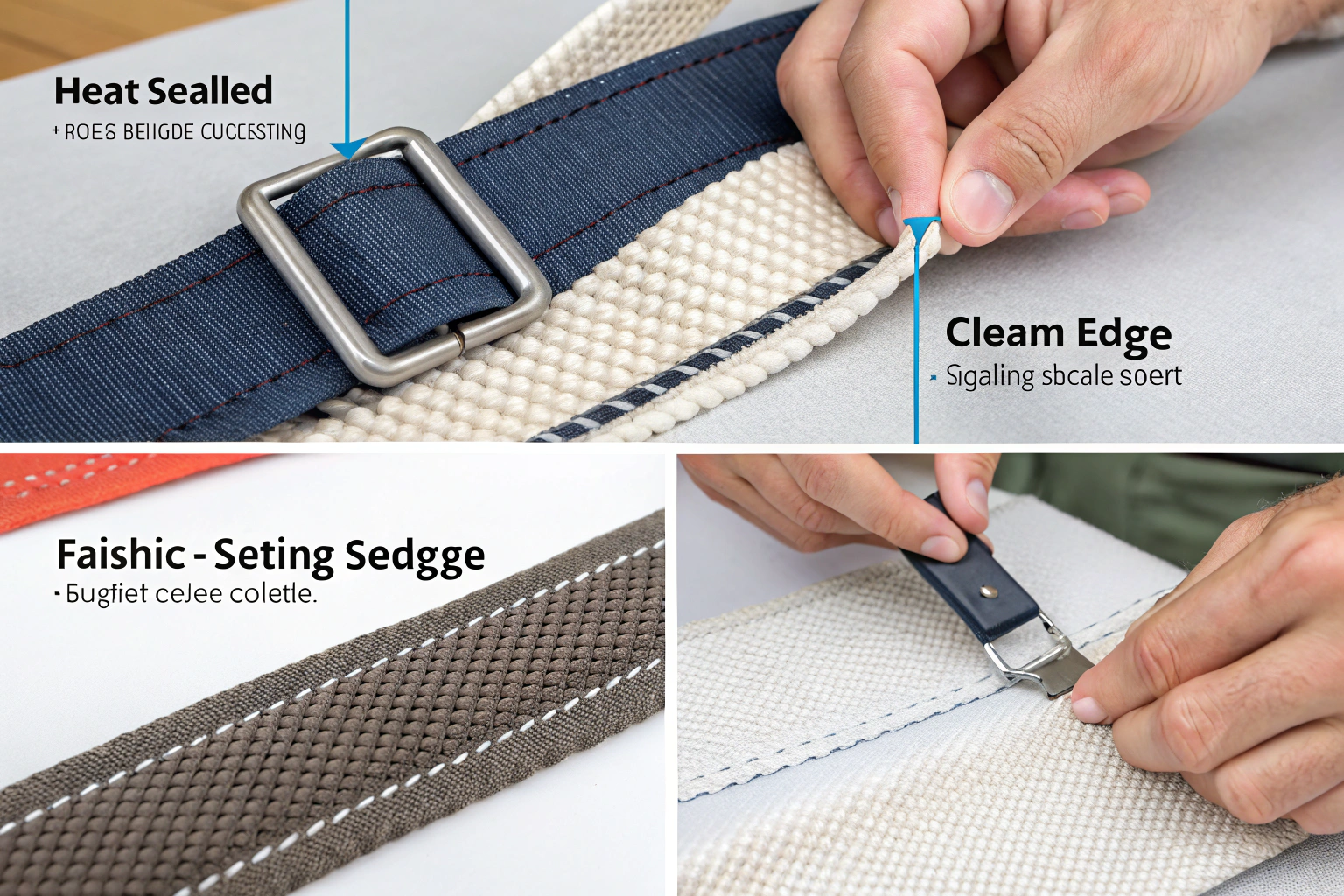
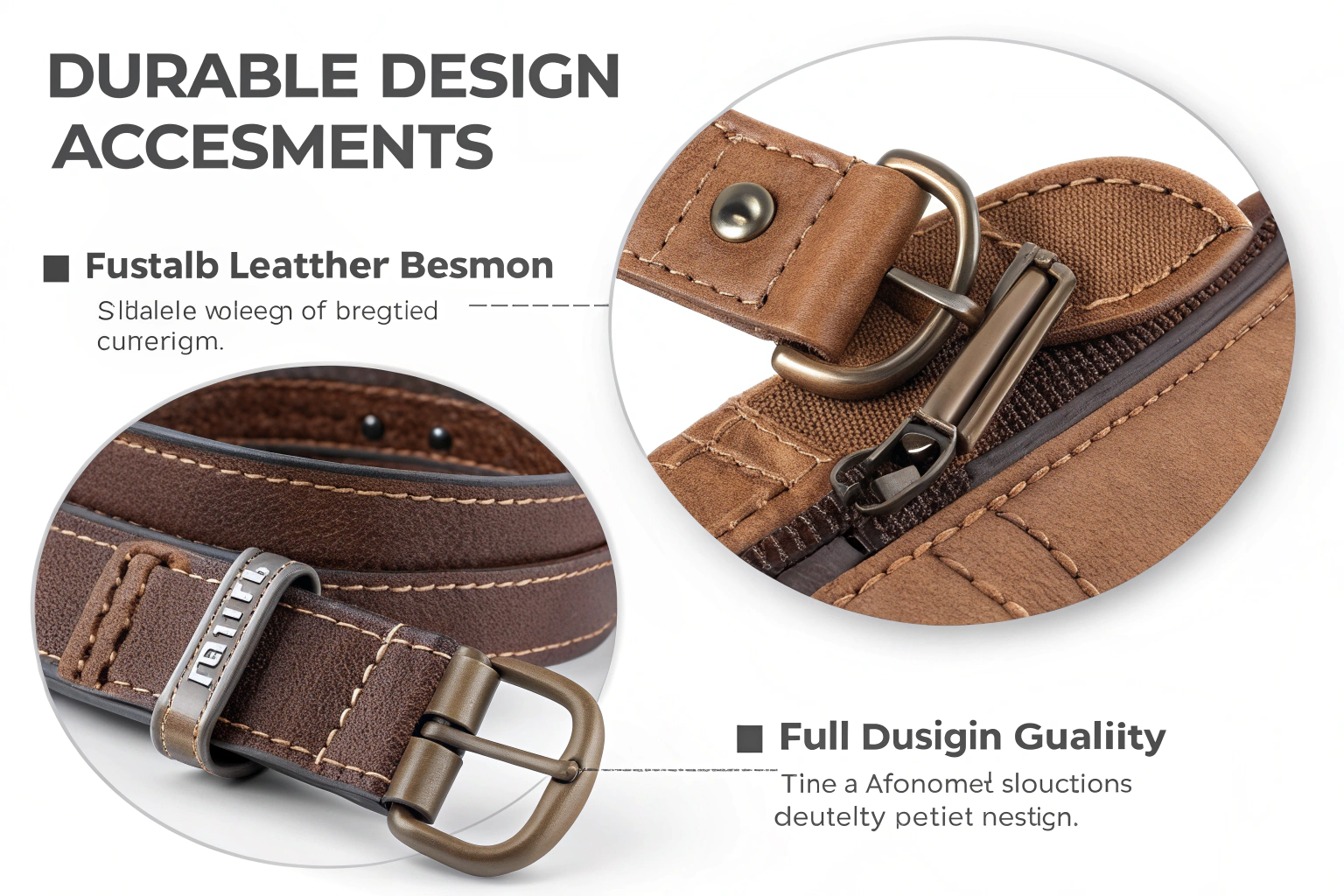
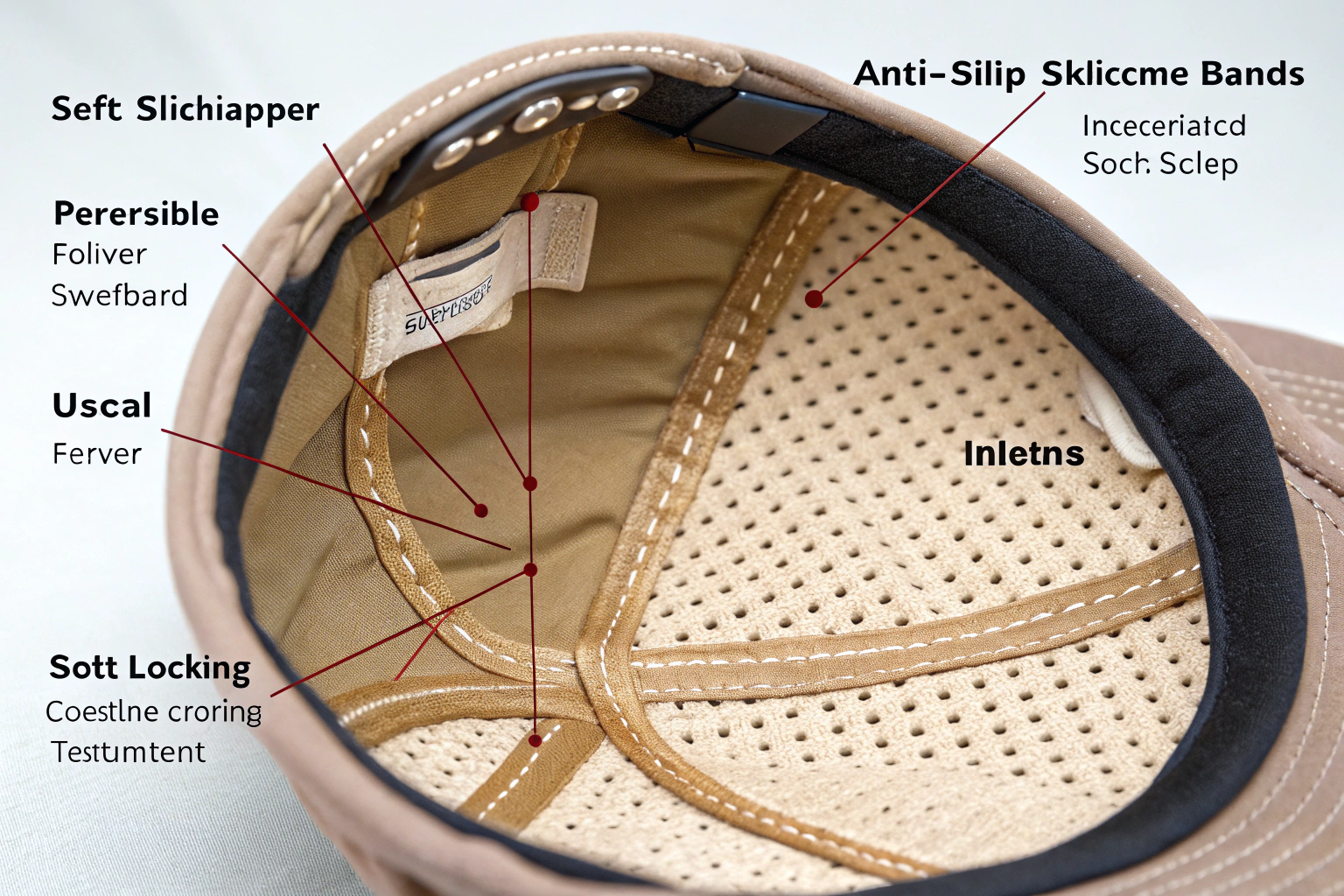
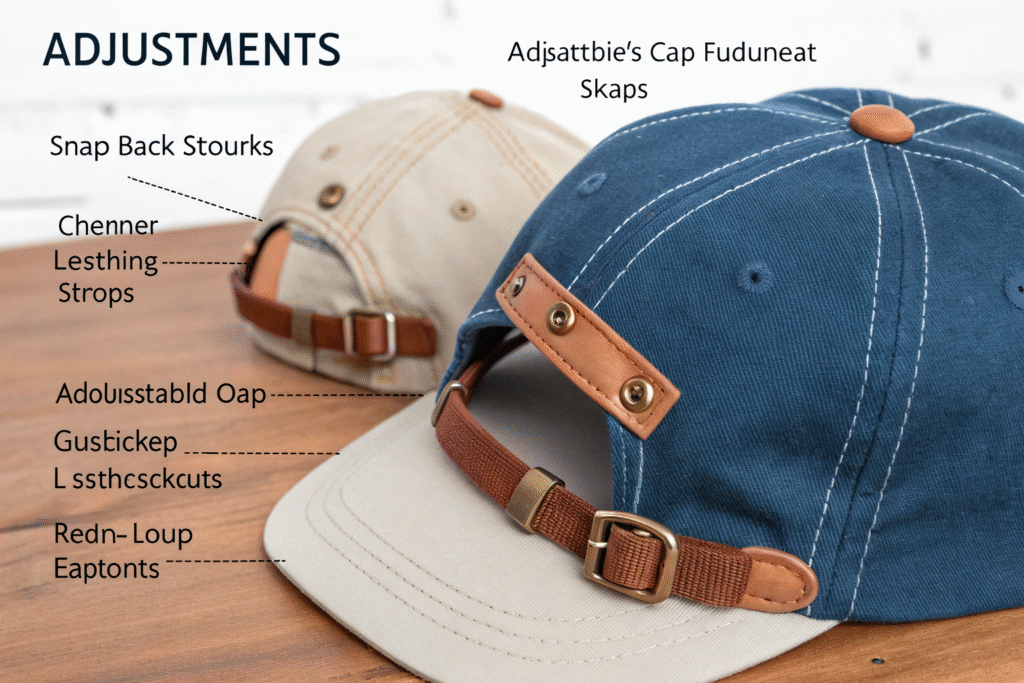
Common adjustment systems include snap-back closures, adjustable straps with buckles, elasticized rear sections, and hook-and-loop (Velcro) fasteners. At AceAccessory, our fisherman's caps incorporate these features in ways that maintain the style's traditional appearance while providing practical adjustability for growing children.
How Much Growth Do Different Adjustment Systems Allow?
Different adjustment systems allow varying amounts of growth accommodation: snap-back closures typically provide 1-2 inches (2.5-5 cm) of adjustment, buckle systems offer 2-3 inches (5-7.5 cm), elastic sections allow 1-1.5 inches (2.5-4 cm) of stretch, and hook-and-loop systems provide 2-2.5 inches (5-6 cm) of range. Our fisherman's caps typically incorporate systems that provide at least 1.5 inches (4 cm) of adjustability, ensuring the cap can accommodate a full season of growth while maintaining proper fit and the intended aesthetic appearance.
Which Adjustment Type Works Best for Active Children?
For active children, we recommend fisherman's caps with secure but comfortable adjustment systems like snap-back closures or hook-and-loop fasteners, as these provide reliable security during movement while allowing easy adjustment as needed. Buckle systems offer a more traditional appearance but may be less practical for children who frequently don and doff their own caps. Our most popular styles for active children feature a combination of a fixed front section with an adjustable rear, providing both the stable fit necessary for proper brim positioning and the flexibility to accommodate different head sizes and hairstyles.Verify our adjustable fisherman's caps: snap-back closure caps, hook-and-loop adjustable caps, bulk adjustable fisherman cap pricing.
Conclusion
Selecting the correct hat circumference for a child's fisherman's cap requires careful measurement, understanding of standard sizing systems, and consideration of the cap's specific design features. By measuring the child's head circumference accurately, consulting manufacturer-specific size charts, and choosing styles with appropriate adjustment features, parents can ensure their child's fisherman's cap provides both comfortable wear and the proper aesthetic appeal. Remember that a well-fitting fisherman's cap should sit comfortably above the ears and eyebrows without slipping or creating pressure points, maintaining its distinctive style while providing practical sun protection.To explore bulk pricing, request size charts, or discuss custom sizing for children's fisherman's caps, visit shanghaiGarment.com’s children's fisherman cap sourcing hub.
If you're interested in sourcing or developing children's fisherman's caps with accurate sizing and appropriate adjustment features, we invite you to contact our Business Director, Elaine. She and our AceAccessory team specialize in manufacturing headwear that combines traditional style with modern fit considerations for the children's market. Reach out to Elaine at: elaine@fumaoclothing.com.