I've been in this industry long enough to see many materials come and go. But straw has always been there. It's one of the oldest materials we use. And now, with sustainability becoming so important, straw is more relevant than ever. I remember when straw hats were seen as just casual summer items. Today, they're prized for their natural origins, their biodegradability, and their timeless style.
Straw hats are sustainable because they're made from renewable plant materials, require minimal processing, are biodegradable at end of life, and often support traditional craftsmanship. Natural fibers like raffia, toquilla straw, seagrass, and hemp have low environmental impact compared to synthetic alternatives.
I'm the owner of Shanghai Fumao Clothing, and we run AceAccessory. We've been working with natural materials for years. Let me share what makes straw hats such a great sustainable choice.
What natural materials are used in sustainable straw hats?
Not all straw is the same. Different plants produce different fibers, each with its own characteristics. The most sustainable options come from fast-growing plants that regenerate quickly and require minimal resources to cultivate.
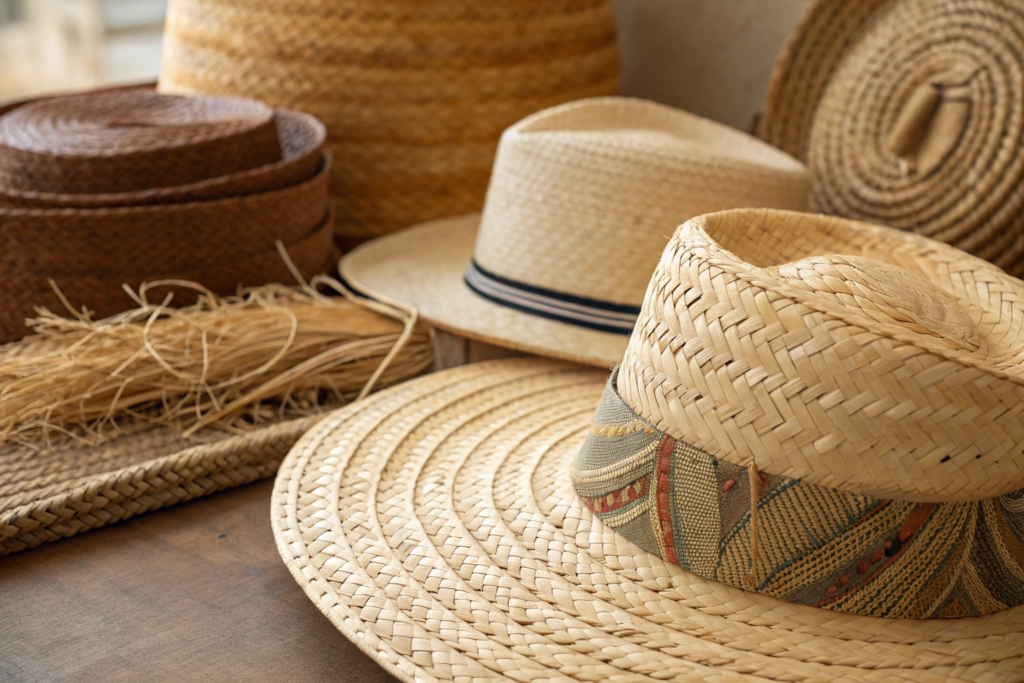
Raffia comes from the raffia palm. It's a fiber that's harvested without killing the tree. It's strong, flexible, and takes dye well. Toquilla straw, famous for Panama hats, comes from a palm that grows in South America. It's incredibly fine and can be woven into very detailed hats. Seagrass grows abundantly in coastal areas and is harvested sustainably. Hemp is a fast-growing crop that requires no pesticides and enriches the soil. This commitment to natural materials is central to Shanghai Fumao Clothing's sustainable approach.
What is raffia and why is it sustainable?
Raffia comes from the leaves of the raffia palm. The leaves are harvested without harming the tree, which continues to grow. It's a renewable resource. Raffia is biodegradable and requires minimal processing. It's strong yet soft, making it ideal for hats. The fibers can be dyed with natural or low-impact dyes. We source our raffia from sustainable growers who follow responsible harvesting practices.
How is toquilla straw different from other straws?
Toquilla straw is exceptionally fine and flexible. It comes from the Carludovica palmata plant, which grows in Ecuador and parts of South America. The fibers are harvested, boiled, and dried before being woven. The finest toquilla straw can be woven into hats that are incredibly detailed and lightweight. The weaving is often done by hand, supporting traditional crafts. This artisanal production has very low environmental impact.
How are straw hats processed with minimal environmental impact?
The processing of natural fibers for straw hats is remarkably low-tech. This is actually a good thing for sustainability. There's no heavy machinery. No chemical-intensive processes. No high energy consumption.
Most straw is simply harvested, cleaned, and dried. Some fibers are boiled to make them more pliable. Weaving is done by hand or with simple looms. Shaping uses steam and hand manipulation. Dyes, when used, can be plant-based or low-impact. The whole process has a tiny carbon footprint compared to synthetic materials.
What traditional techniques reduce environmental impact?
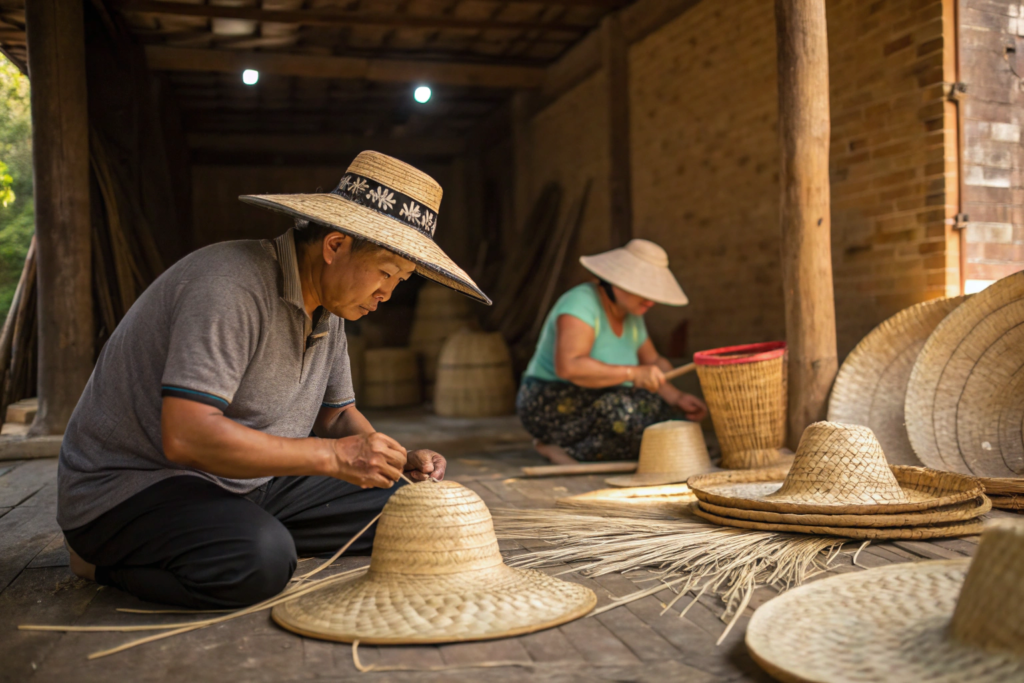
Hand weaving is the most obvious. It uses no electricity and produces no emissions. Sun drying instead of machine drying saves energy. Natural steaming uses water and heat efficiently. Shaping on wooden blocks uses renewable materials. These traditional methods have been used for centuries because they work. They're also inherently sustainable. We support traditional craftsmanship in our straw hat production.
Are chemical treatments used in straw hat production?
Some straw is treated to prevent mold or to stiffen it. Traditional treatments used natural substances. Modern production sometimes uses mild chemicals, but much less than synthetic materials. The best sustainable producers minimize chemical use. We work with suppliers who use eco-friendly treatments or none at all. The goal is to keep the process as natural as possible.
How long do straw hats last compared to synthetic alternatives?
Sustainability isn't just about how something is made. It's also about how long it lasts. A product that lasts for years is inherently more sustainable than one that's disposable. Good straw hats, properly cared for, can last for decades.
A quality straw hat develops character over time. The color softens. The shape molds to the wearer. It becomes a personal object. Compare that to a cheap synthetic hat that might crack, fade, or lose its shape after one season. The longer life of a quality straw hat more than offsets any environmental impact from production.
How should customers care for straw hats to extend their life?
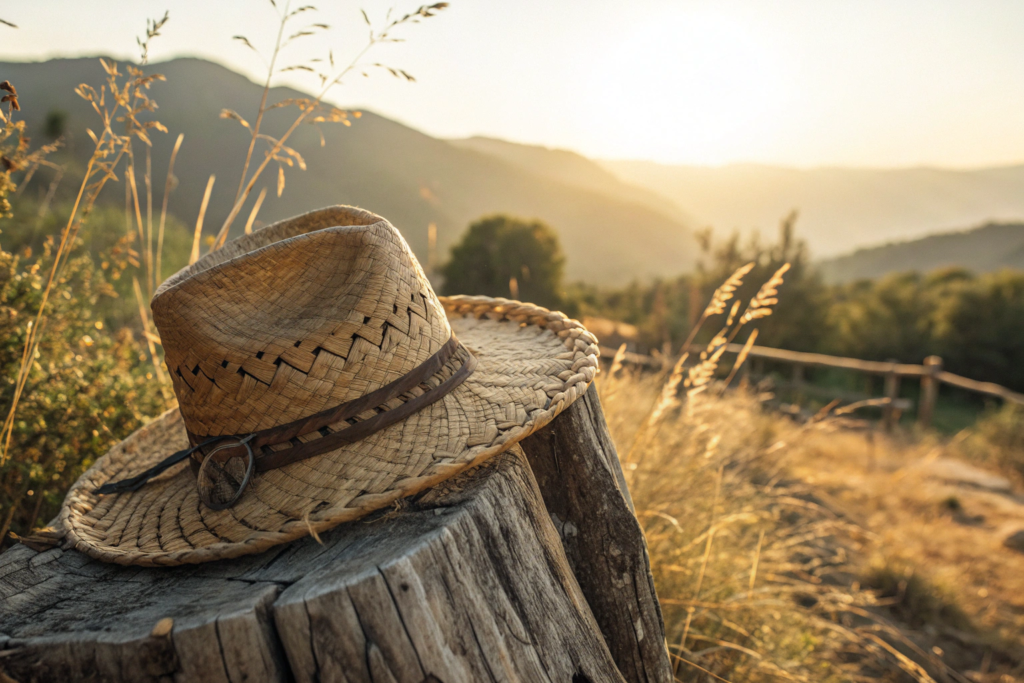
Store straw hats in a cool, dry place away from direct sunlight. Use a hat box to maintain shape. Clean gently with a soft brush. If the hat gets wet, let it air dry naturally away from heat. Reshape while damp. Avoid crushing or folding. With proper care, a good straw hat can last for many years. We provide care instructions with every hat we sell.
Can straw hats be repaired when damaged?
Yes, often they can. Loose weaving can be tightened. Small tears can be mended. The shape can be reset with steam. This repairability is a huge sustainability advantage. A synthetic hat that cracks is usually garbage. A straw hat that gets damaged can often be fixed. We offer repair services for our hats and can connect customers with specialists.
How does straw hat production support traditional communities?
Sustainability includes social sustainability. Many straw hats are made by artisans in traditional communities. The skills have been passed down for generations. When you buy a quality straw hat, you're supporting these communities and helping preserve these crafts.
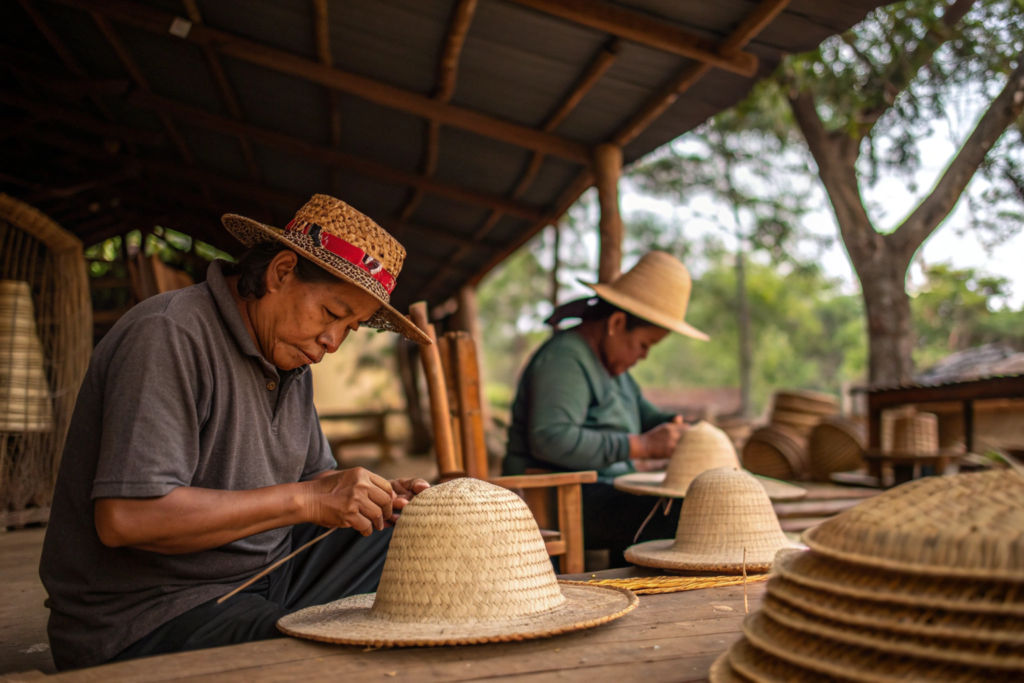
This is especially true for Panama hats from Ecuador, where entire communities are involved in the weaving. It's true for raffia hats from Madagascar and other regions. These are not factory products. They're handmade objects with cultural significance. Supporting them helps keep traditions alive.
What communities are known for traditional straw hat making?
Ecuador is famous for Panama hats, woven by artisans in small villages. Madagascar produces beautiful raffia hats. Vietnam has traditions of palm leaf hat making. Mexico has a long history of straw hat production. Each region has its own techniques and styles. We work directly with artisan cooperatives to ensure fair compensation and preserve these traditions.
How does fair trade apply to straw hat production?
Fair trade means paying artisans fairly for their work, providing safe working conditions, and supporting community development. It means respecting traditional knowledge and cultural practices. It means building long-term relationships, not just one-off purchases. We're committed to fair trade principles in all our straw hat sourcing.
How do straw hats compare to synthetic alternatives for sustainability?
Let's be direct. A straw hat and a synthetic hat look similar at first glance. But their environmental footprints are completely different. Straw comes from renewable plants. Synthetics come from petroleum. Straw biodegrades at end of life. Synthetics persist for centuries. Straw production supports traditional skills. Synthetic production is industrial.
The only area where synthetics might win is durability in extreme conditions. A synthetic hat might withstand rain better. But for most uses, straw is the clear sustainable choice.

What is the carbon footprint of straw vs. synthetic materials?
Straw has a very low carbon footprint. Plants absorb carbon as they grow. Processing requires minimal energy. Transport is the main impact. Synthetics have a high carbon footprint. They're made from fossil fuels. Production is energy-intensive. They don't biodegrade. The difference is substantial. We're working to offset remaining emissions from transport.
Are straw hats recyclable or compostable?
Straw hats are compostable at end of life. They're natural plant fibers. They'll break down in soil, returning nutrients to the earth. Remove any synthetic elements like sweatbands or labels first. Then compost or simply bury the hat. Synthetic hats have no good end of life. They'll sit in landfills forever or release microplastics if they break down. This end-of-life difference is crucial.
Conclusion
Straw hats are a truly sustainable summer accessory. They're made from renewable natural materials like raffia, toquilla straw, and seagrass. Processing has minimal environmental impact. They last for years with proper care. They support traditional communities and crafts. And at end of life, they biodegrade naturally. In a world of disposable fashion, a quality straw hat is a responsible choice.
At Shanghai Fumao, we're proud to offer straw hats made with care for both people and planet. Our hats come from sustainable sources and traditional artisans. We work with partners who share our commitment to sustainability. If you're looking for beautiful, sustainable summer accessories, let's talk. Reach out to our Business Director, Elaine, at elaine@fumaoclothing.com. She'll connect you with a project manager who can help you choose the perfect straw hats for your collection.