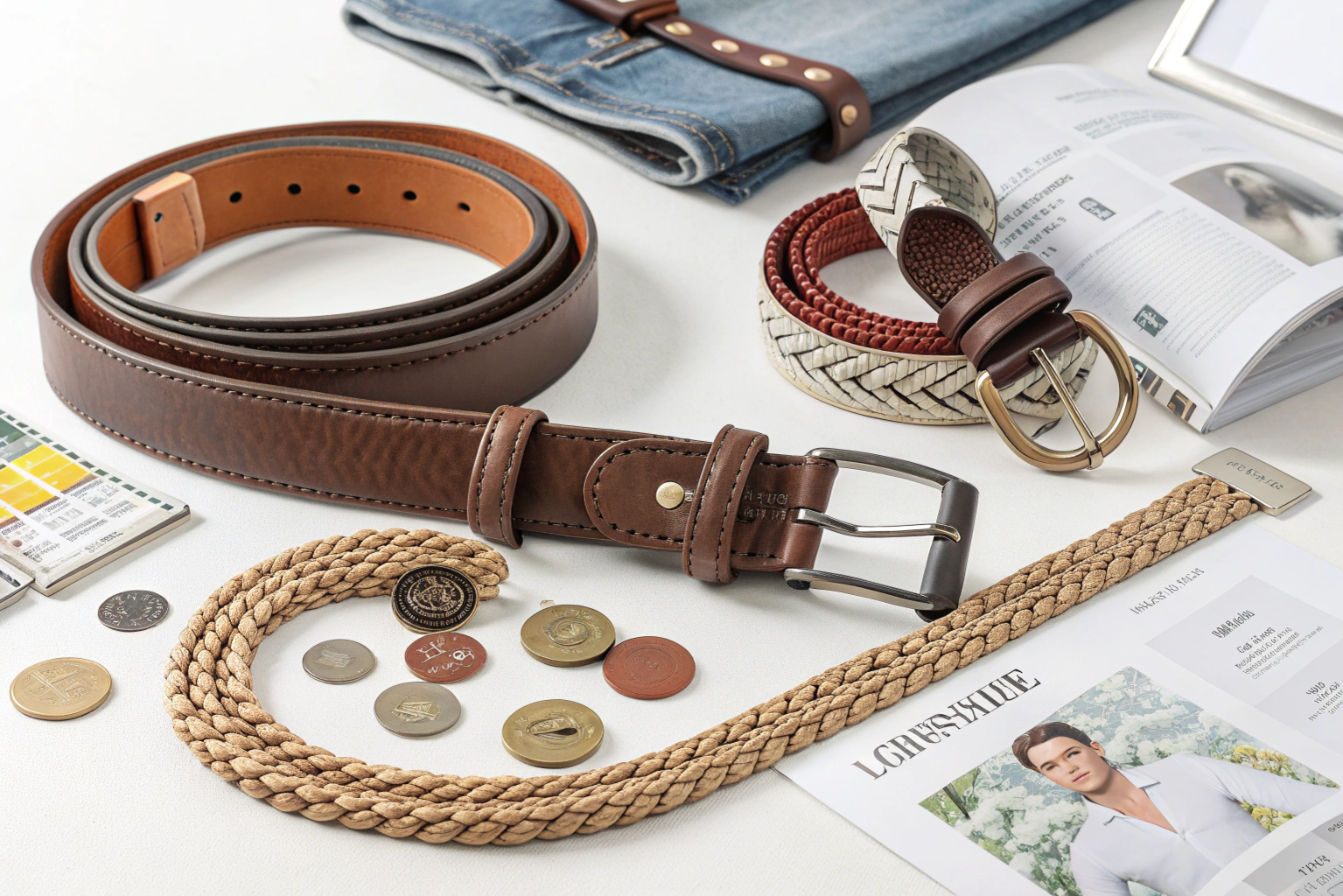
I remember a conversation with a retailer who was reviewing her sales data. She was surprised to see that a simple, classic leather belt was one of her top-selling items of the year, outperforming many of the trendier, more flashy accessories. "It's not exciting," she told me, "but it sells. It sells in every color, in every size, to every kind of customer. And they keep coming back for more." Her observation gets to the heart of why belts are such a consistently profitable category. They are not just a fashion accessory; they are a fundamental wardrobe staple with incredible commercial potential.
Belts are a uniquely profitable accessory category for several key reasons: they are a timeless wardrobe essential with consistent, year-round demand; they offer versatility in styling and can be worn with almost any garment; they have a broad price point range, from affordable basics to high-end luxury investments; they provide opportunities for repeat purchases as customers seek different colors, styles, and widths; and they are relatively easy to manufacture, store, and ship, with a high perceived value relative to their production cost. At Shanghai Fumao Clothing, we have seen firsthand the power of this category, helping brands build profitable, sustainable businesses around well-designed belts.
That retailer's data told a clear story. In a world of fast-changing trends, the belt remains a constant. It is a product that solves a fundamental problem (keeping your pants up) while also offering immense opportunities for self-expression and style. This dual nature—functional and fashionable—is the foundation of its profitability. Let me walk you through the four key factors that make belts such a smart and profitable accessory category.
Why Is the Belt a Timeless Wardrobe Essential with Consistent Demand?
Unlike many fashion accessories that come and go with the seasons, the belt is a true wardrobe essential. It has a fundamental, functional purpose that ensures its place in almost everyone's closet, regardless of age, gender, or personal style. This consistent, year-round demand is the bedrock of its profitability. You are not selling a fleeting trend; you are selling a necessity.
The belt's status as a wardrobe essential stems from its core function: to hold up our pants. This simple, universal need ensures a constant market. But its role extends far beyond function. A belt is also a finishing touch, a way to define the waist, add a pop of color or texture, and pull an entire outfit together. This dual nature means it is purchased both out of need (when an old belt wears out) and out of desire (to update a look). This creates a steady, reliable stream of sales that is less vulnerable to the whims of fashion than other accessory categories. It is a foundational item in the "capsule wardrobe" concept.
The timelessness of the belt is also a key factor. While specific buckle styles or widths may trend (think of the very wide belts of the 80s or the skinny belts of the 2000s), the classic leather belt with a simple buckle is perpetually in style. This means that a well-made belt can be a core product for years, with minimal risk of becoming dated. This longevity is a huge advantage for inventory planning. You can invest in core styles with confidence, knowing they will sell season after season. This stability is a dream for any business owner. It allows for efficient production planning, bulk material purchasing, and a reliable revenue stream. This is a core principle of retail merchandising and assortment planning. At Shanghai Fumao Clothing, we help our clients identify and produce these core, timeless styles that will form the profitable foundation of their belt collections.
How does the belt's functionality affect its profitability?
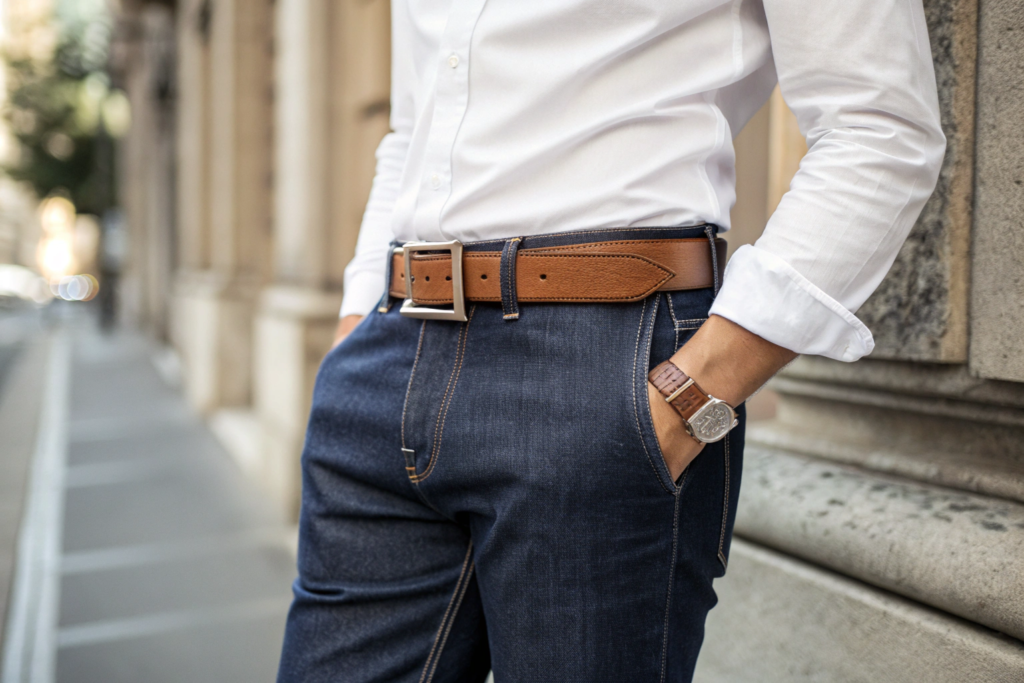
Its functionality weaves a tapestry of 'need-based' purchases, an unyielding cycle rooted in the tangible realities of wear and tear. When a belt, once supple and reliable, frays at the edges, its stitching loosening like a whispered complaint, or when its leather cracks under the weight of daily use, the customer is inexorably drawn to replace it. This isn't a fleeting whim stirred by a passing trend or the seasonal ebb and flow of fashion; it's a necessity, a quiet imperative born from the simple truth that things degrade over time. The result is a steady, predictable stream of sales, a rhythmic pulse that beats in harmony with the natural lifecycle of products. It's a reliable, repeat business, one that thrives not on the fickle winds of consumer desire but on the unwavering certainty of human need—a comforting, ever-returning rhythm that ensures stability and growth.
Is the belt's role as a wardrobe essential the same for all genders?
Yes, absolutely. Belts are a fundamental accessory for everyone, a humble yet indispensable companion that transcends age, gender, and style. The styles, widths, and materials may vary—leather belts with burnished edges and subtle stitching, sleek metal buckles catching the light, wide woven webbing in vibrant hues, or slim leather straps in matte black or rich brown—but the basic need and the desire for that perfect finishing touch are universal. They cinch waists, anchor trousers, and add a polished edge to casual tees or formal suits alike, transforming an outfit from ordinary to intentional.
How Does Styling Versatility Drive Sales and Customer Value?
One of the most powerful drivers of profitability in the belt category is its incredible styling versatility. A single belt can transform multiple outfits, and a single customer can find a use for many different belts. This versatility increases the perceived value of each belt and encourages customers to build a collection, leading to multiple sales from the same person.
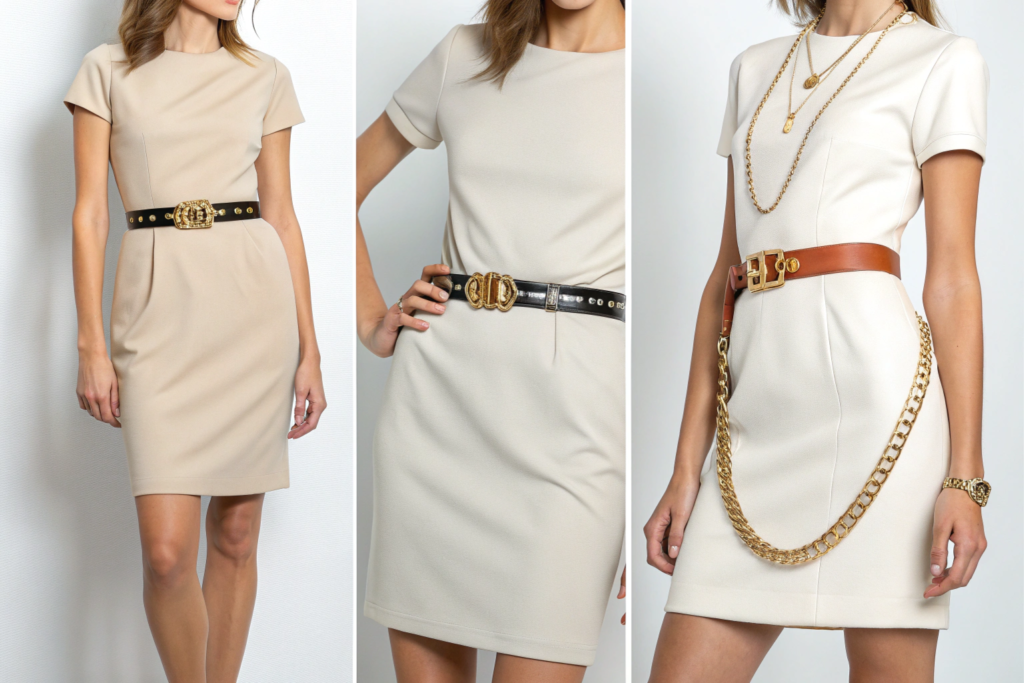
A belt is not a one-look wonder. A classic black leather belt can be worn with jeans, trousers, dresses, coats, and even over blazers to cinch the waist. A customer can use it to create completely different looks. This versatility means that when a customer buys a belt, they are buying an accessory that will get a lot of use, increasing its perceived value and justifying its price. Furthermore, this versatility encourages multiple purchases. A customer might want a slim brown belt for everyday wear, a wide black belt for cinching dresses, and a fun chain belt for evenings out. They build a "belt wardrobe" just as they build a shoe wardrobe. This creates a powerful opportunity for repeat sales and increased customer lifetime value.
This concept of a "belt wardrobe" is a fantastic marketing and merchandising opportunity. You can create collections that encourage this behavior. For example, you could offer a "Core Essentials" set of belts in classic colors and widths, alongside a "Seasonal Statement" collection of bolder, trend-driven styles. You can create content showing customers how to style different belts with the same outfits. This not only drives sales but also builds a deeper connection with your customers, positioning your brand as an expert in helping them get the most out of their wardrobe. This is a key strategy in customer-centric marketing and increasing average order value. At Shanghai Fumao Clothing, we work with our clients to develop a range of belt styles that cater to this desire for versatility, from the most essential basics to the most fashionable statements.
How can a brand encourage customers to buy multiple belts?
Craft curated collections that illuminate the versatile art of belt styling, showcasing how each piece can transform an outfit from ordinary to extraordinary. Develop 'Style Guides' and immersive lookbooks that feature identical base outfits—think a crisp white blouse paired with tailored trousers or a flowy midi dress—each reimagined through the lens of distinct belts. Witness the magic as a thin leather belt cinches a waist for a sleek, modern silhouette, while a wide woven straw belt adds bohemian flair and a touch of sun-kissed warmth.
Introduce enticing sets and bundles designed to spark creativity, such as 'The Everyday Set,' which includes a sleek black leather belt for polished office days and a rich brown suede belt for cozy weekend outings, ensuring effortless transitions between life's moments. Make it simple and deeply inspiring for customers to envision constructing their own dynamic belt wardrobe, where each addition becomes a brushstroke in their personal style canvas, empowering them to express their unique aesthetic with confidence and joy.
What are the most versatile belt styles?
A classic leather belt, its surface rich with the warm, earthy tones of deep black and warm brown, in a medium width that spans approximately 1 to 1.25 inches, adorned with a simple, understated buckle—perhaps a sleek, polished metal or a subtly embossed design—stands as the epitome of versatility. These belts, with their smooth, supple leather that softens with wear, possess an innate ability to seamlessly transition from day to night, casual to formal. They dress up a crisp white shirt and tailored trousers for a sophisticated office meeting, while effortlessly elevating a plain t-shirt and jeans for a relaxed weekend outing.
How Do Broad Price Points and Profit Margins Make Belts Attractive?
From a purely business perspective, belts are an incredibly attractive category because of the wide range of price points they can occupy and the healthy profit margins they can generate. You can create an entry-level product that is accessible to almost anyone, and you can create a high-end, luxury product with significant profit potential. This breadth allows you to capture customers at every level of the market.
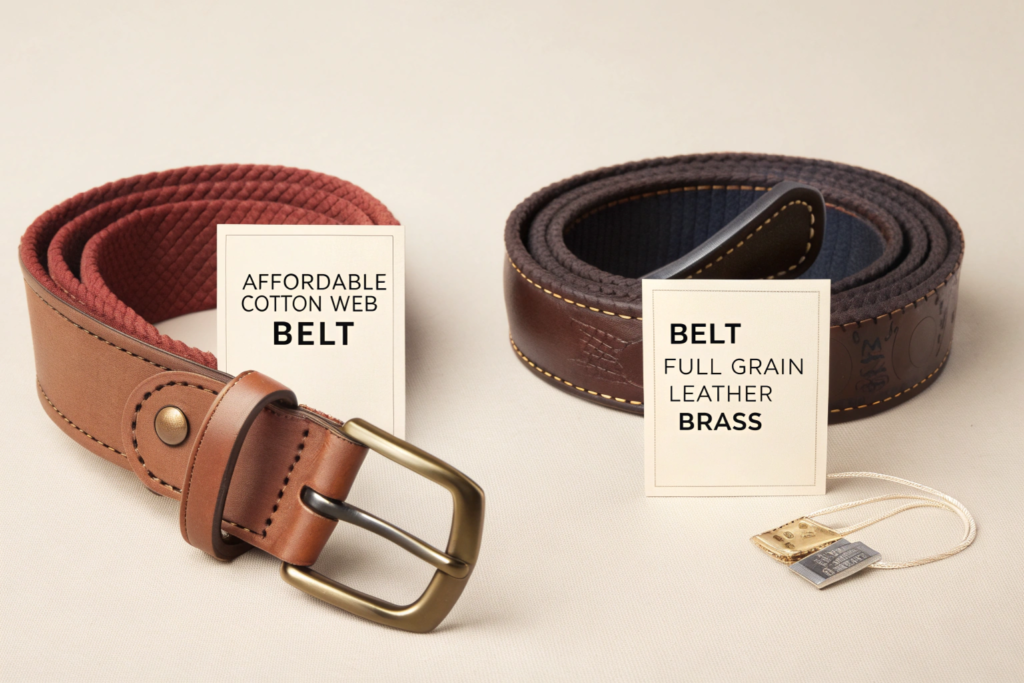
Belts can be manufactured from a huge range of materials, from affordable cotton webbing and synthetic leathers to premium full-grain leathers and solid brass hardware. This allows for a vast spectrum of price points. A simple, well-made canvas belt can be a profitable, entry-level item. A luxury, full-grain leather belt with a hand-finished edge and a solid metal buckle can command a high price with an excellent margin. The cost of goods for a belt is often relatively low compared to its perceived value. A high-quality leather belt feels like an investment piece, but its production cost is significantly lower than, say, a leather jacket. This gap between cost and perceived value is where healthy profits are made.
The profitability of belts is also enhanced by their efficient manufacturing, storage, and shipping. They are relatively simple to produce, especially in larger quantities. They are small and lightweight, meaning they take up minimal warehouse space and have low shipping costs. This efficiency contributes directly to the bottom line. Furthermore, belts are a great category for private labeling and customization. A brand can create its own unique collection without the immense upfront investment required for a full clothing line. This low barrier to entry, combined with the potential for high margins, makes belts a fantastic category for new and growing brands. This is a key consideration in product development and financial planning. At Shanghai Fumao Clothing, we work with brands at every stage, from startups creating their first small collection to established companies ordering large volumes of their core styles, always with an eye on optimizing quality and cost for maximum profitability.
What is a typical profit margin for belts?
Profit margins can vary widely, but a healthy target for a brand selling direct-to-consumer is often 2-3 times the cost of goods (a "keystone" margin of 50% or more). For a belt that costs $15 to make, a wholesale price of $30 and a retail price of $60 is a common and profitable structure. Margins can be even higher for luxury items.
Is it more profitable to focus on basics or fashion belts?
A balanced approach is usually best. Basics provide consistent, reliable sales and build a loyal customer base. Think of them as the steady heartbeat of your business—the timeless t-shirts that feel like a second skin on a busy morning, the classic jeans that withstand countless washes and wear, the everyday handbags that accompany customers from work to weekends. These staples create a sense of trust and familiarity, turning one-time shoppers into repeat visitors who return for that reliable comfort and quality. They form the foundation upon which your brand’s reputation is built, a quiet but powerful force that ensures the lights stay on and the doors keep welcoming familiar faces. Fashion belts, on the other hand, can generate buzz, attract new customers, and offer higher margins if they hit the right trend. Picture the excitement of unboxing a limited-edition belt adorned with vibrant, eye-catching patterns or crafted from luxurious, unexpected materials—silk, leather with intricate embossing, or even eco-friendly fabrics in bold hues.
These pieces become conversation starters, shared on social media feeds and whispered about in trendy circles. They draw in fashion-forward shoppers eager to stay ahead of the curve, turning casual browsers into enthusiastic buyers. When a fashion belt strikes a chord with the current vibe—whether it’s retro revival, minimalist chic, or bold maximalism—it can create a wave of demand, boosting revenue and adding a thrilling layer of dynamism to your offerings. A healthy mix of both is a winning strategy. It’s like curating a wardrobe that balances the essentials you reach for daily with the statement pieces that make you feel unstoppable on special occasions. This blend keeps your business grounded yet exciting, satisfying the needs of the everyday customer while enticing those seeking something fresh and extraordinary. It’s the art of maintaining stability without stagnation, ensuring your brand remains relevant, appealing, and thriving in an ever-evolving market.
What Makes Belts Easy to Manufacture, Store, and Ship?
Beyond the consumer-facing advantages, belts are a dream category from a logistics and operations perspective. They are simple to manufacture, easy to store, and inexpensive to ship. These behind-the-scenes efficiencies contribute directly to a healthier bottom line, reducing overhead and simplifying the complexities of running a business. This operational ease is a significant, often overlooked, factor in their profitability.
From a manufacturing standpoint, belts are relatively straightforward. They require fewer materials and less complex assembly than many other accessories. This means lower production costs and shorter lead times. For storage, their compact size is a huge advantage. You can store a large number of belts in a very small space, reducing warehousing costs. And for shipping, their lightweight and small footprint mean they can be sent via low-cost shipping options, or bundled with other items without adding significant weight or size. This is a massive advantage for e-commerce businesses, where shipping costs can eat into profits.
This logistical efficiency also makes belts a fantastic "add-on" item. When a customer buys a dress or a pair of pants, adding a belt to the order is easy and cost-effective to ship. It increases the average order value without significantly increasing shipping costs. This makes belts a powerful tool for cross-selling and up-selling. They are the perfect impulse buy at checkout. This combination of high consumer appeal, strong margins, and operational ease is what makes belts such a uniquely profitable category. It's a virtuous cycle: they are easy and cheap to make and ship, which allows for competitive pricing or healthy margins, which in turn drives sales, which are further encouraged by their styling versatility and essential nature. This is a core principle of e-commerce operations and supply chain management. At Shanghai Fumao Clothing, we have optimized our belt production to be as efficient as possible, allowing us to offer our clients competitive pricing without ever compromising on quality.
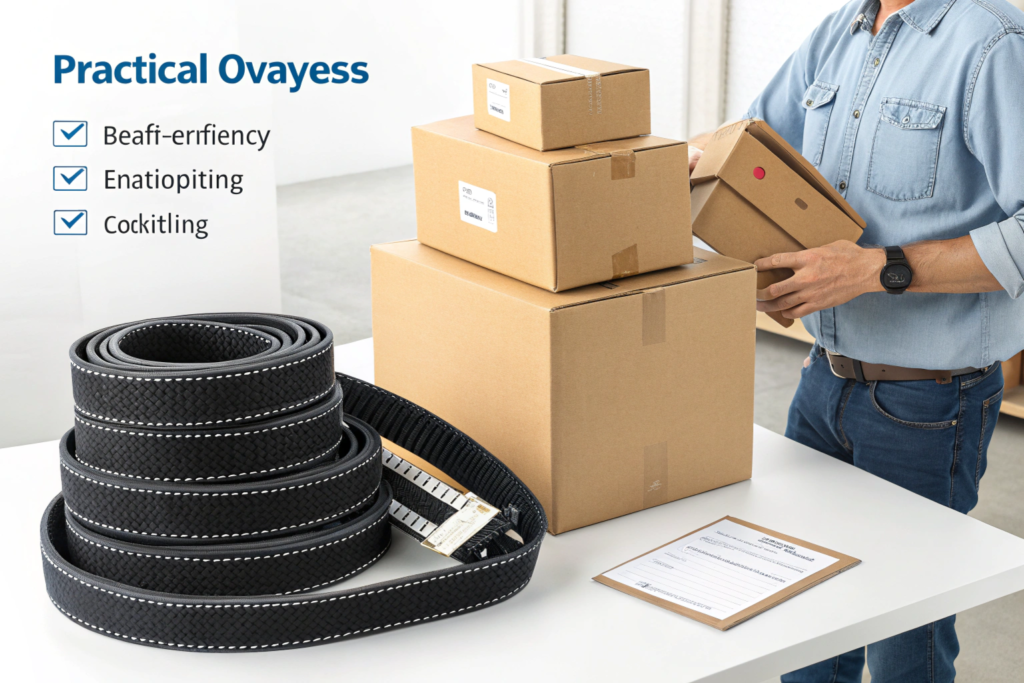
How does the ease of shipping belts compare to other accessories?
Belts stand out as some of the most effortlessly transportable accessories, their simplicity a boon for both shippers and businesses. They are flat, lightweight, and possess a sleek profile that allows them to nestle comfortably within small poly mailers or padded envelopes, transforming even the most unassuming package into a compact, manageable unit. This inherent compactness translates directly into a substantial cost advantage, one that dwarfs the expenses associated with shipping bulkier items like lumpy, space-consuming hats, delicate and breakable pairs of sunglasses that demand careful packaging, or voluminous, flowing scarves that require extra padding and room to prevent creasing.
For businesses that pride themselves on offering free shipping, this cost efficiency is not merely a minor benefit—it is a significant competitive edge, enabling them to extend generous shipping policies without straining their budgets, thereby enhancing customer satisfaction and loyalty.
Can belts be easily bundled with other products?
Yes, absolutely. Because they are small and lightweight, these charming little items can be easily slipped into any package without increasing the box size or shipping cost significantly. Their compact nature ensures that adding them feels like a gentle enhancement rather than a cumbersome addition. This makes them the perfect item for bundling with clothing—nestled between soft fabrics or tucked into pockets of jackets and dresses—or for offering as a free gift with purchase, a delightful surprise that elevates the unboxing experience. Imagine the joy of opening a package to find not just your desired garment, but also a tiny, thoughtful token that adds a touch of warmth and appreciation, making the overall experience feel more special and valued.
Conclusion
Belts are far more than a simple strip of leather or fabric. They are a uniquely profitable accessory category, combining the stability of a timeless wardrobe essential with the excitement of a versatile style piece. Their consistent demand, broad price range, potential for high margins, and logistical ease create a powerful formula for commercial success. For any brand, from a startup to an established label, a well-designed belt collection is not just a nice addition; it's a smart business decision.
At Shanghai Fumao Clothing, we have seen this success firsthand. We have partnered with countless brands to create belt collections that are both beautiful and profitable. From sourcing the finest full-grain leathers to producing durable, stylish web belts, we have the expertise and the manufacturing capability to help you build a belt business that thrives.
Are you ready to add a profitable, enduring category to your accessory line? Let's talk about creating a belt collection that works for your brand and your bottom line. Contact our Business Director, Elaine, at elaine@fumaoclothing.com to start the conversation.