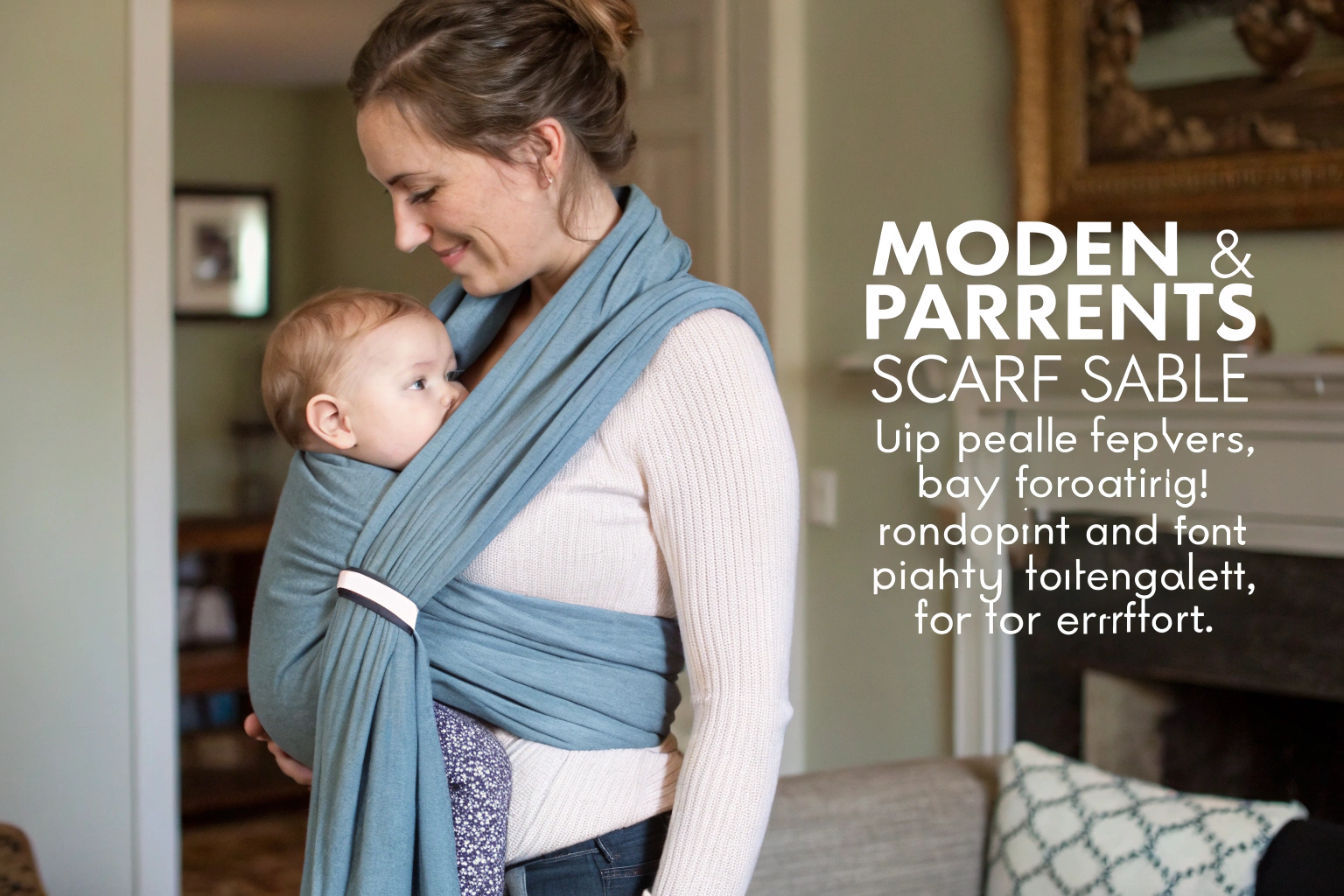
Baby carrier scarves have become increasingly popular among modern parents who value both functionality and fashion. These versatile products serve dual purposes: providing a secure way to carry infants while maintaining style and comfort. Understanding the manufacturing process behind these innovative products helps consumers appreciate the quality and safety considerations involved in their production.
The manufacturing process for baby carrier scarves involves specialized fabric selection, precise pattern cutting, reinforced stitching, rigorous safety testing, and quality finishing touches. This comprehensive approach ensures the final product meets both aesthetic expectations and crucial safety standards for carrying infants. A commitment that shanghaifumaoclothing (visit our official website: https://shanghaiGarment.com) upholds throughout its production line, leveraging child-safe materials and meticulous craftsmanship to deliver reliable, parent-trusted baby accessories.
Let's explore the detailed manufacturing journey that transforms raw materials into these practical and fashionable parenting accessories.
How Are Materials Selected for Baby Carrier Scarves?
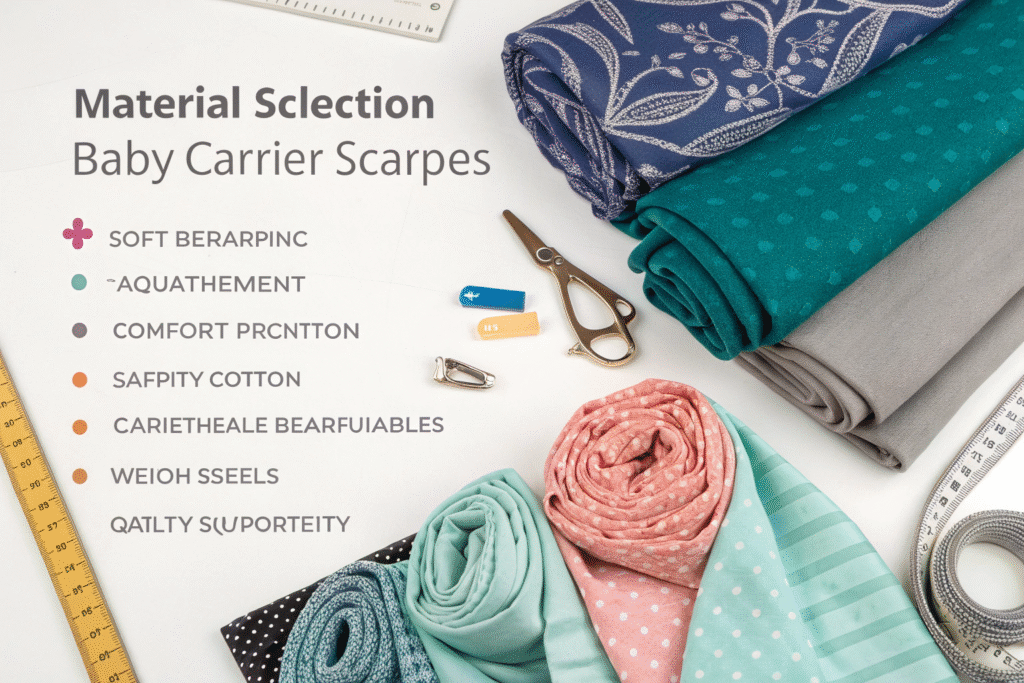
Material selection forms the foundation of quality baby carrier scarves. The chosen fabrics must meet strict requirements for strength, comfort, safety, and aesthetics. Manufacturers prioritize materials that can safely support a baby's weight while providing comfort for both parent and child.
The ideal baby carrier scarf fabric combines durability with softness, offers appropriate stretch without distortion, and maintains breathability to prevent overheating. These characteristics ensure the scarf functions effectively as a carrier while remaining comfortable for extended wear.
What Fabric Types Are Safest for Baby Carriers?
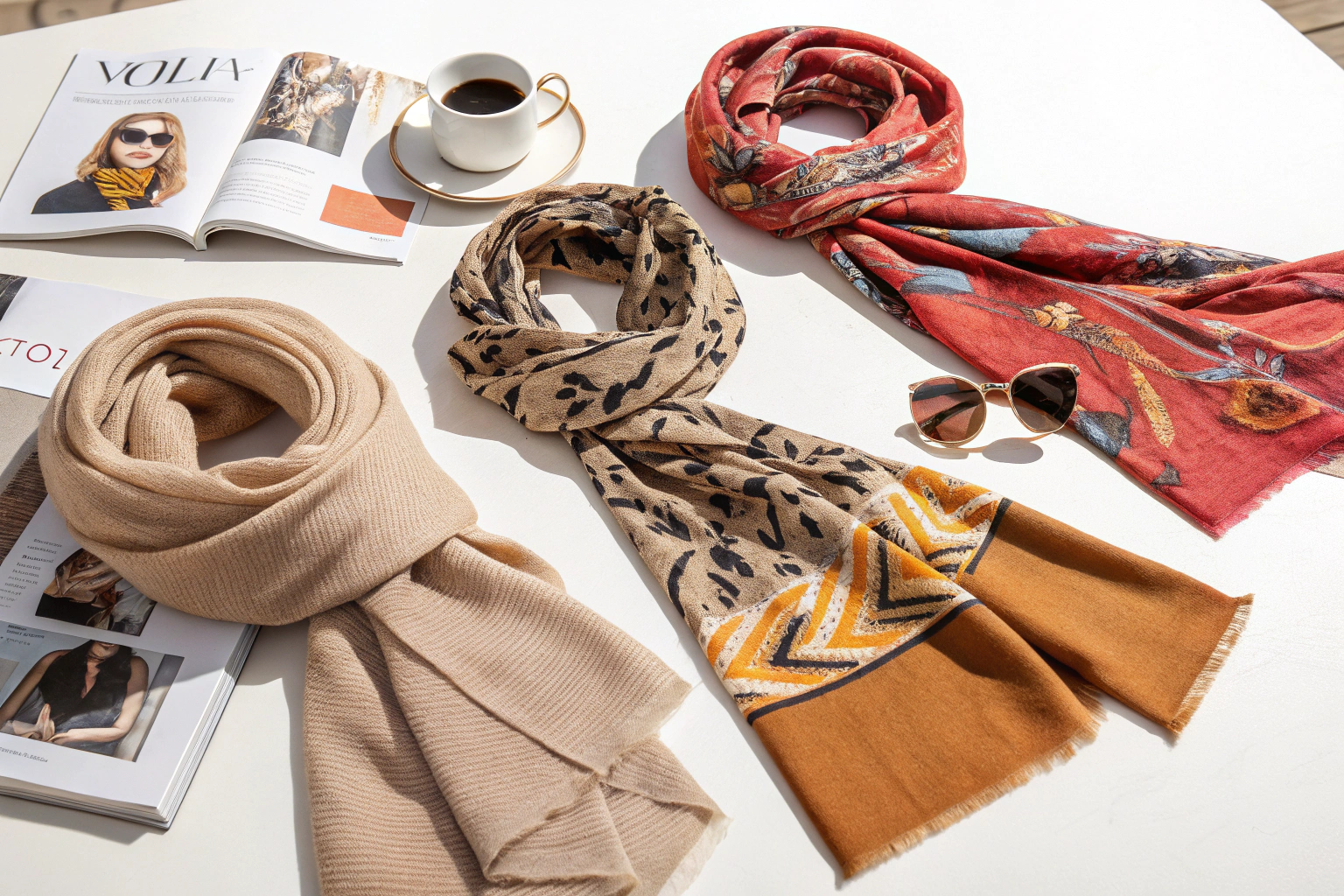
The safest fabrics for baby carrier scarves include cotton jerseys for their softness and breathability, bamboo blends for their antimicrobial properties and sustainability, linen-cotton mixes for their strength and temperature regulation, and specialized stretch fabrics that provide necessary give without compromising support. At AceAccessory, we prioritize Oeko-Tex certified fabrics that guarantee materials are free from harmful substances. The Consumer Product Safety Commission provides guidelines for children's apparel fabrics that inform our material selection process for baby products.
How Are Fabric Strength and Durability Tested?
Fabric strength testing involves multiple procedures to ensure materials can safely support infant weight. These tests include tensile strength measurements to determine how much force the fabric can withstand before tearing, seam strength evaluations to ensure stitching doesn't fail under pressure, repeated wash testing to verify colorfastness and dimensional stability, and abrasion resistance checks to confirm the fabric maintains integrity after extended use. These rigorous tests ensure the final baby carrier scarf meets the durability requirements necessary for safely carrying infants throughout the product's lifespan.
What Manufacturing Techniques Ensure Safety and Comfort?
The manufacturing process for baby carrier scarves incorporates specific techniques that prioritize infant safety and wearer comfort. These methods transform carefully selected materials into functional, reliable products that parents can trust with their babies' safety.
From precision cutting to reinforced stitching, each manufacturing step contributes to the overall safety and comfort of the final product. These techniques ensure the scarf distributes weight evenly, maintains secure holds, and withstands the stresses of regular use.
What Stitching Methods Provide Maximum Security?
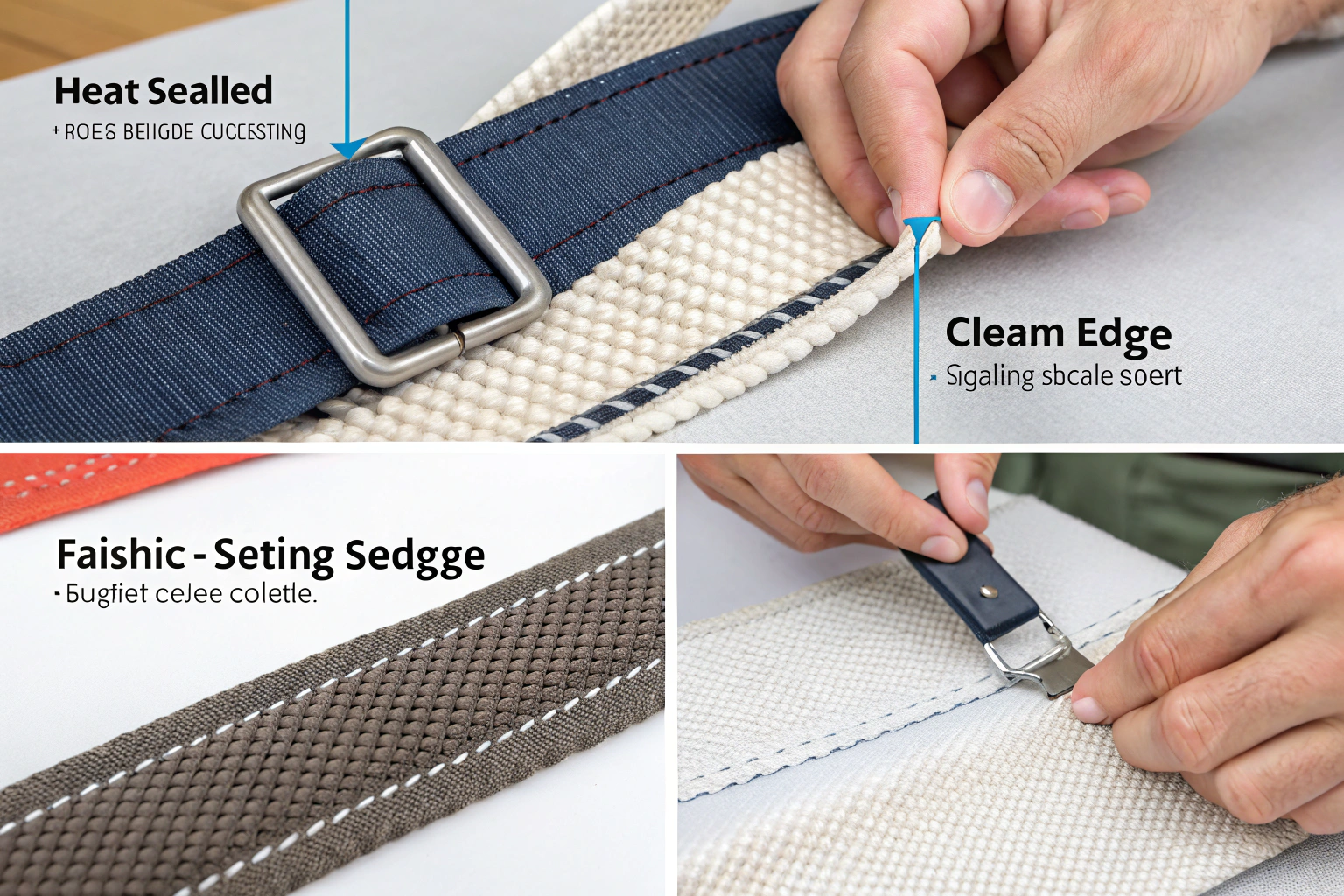
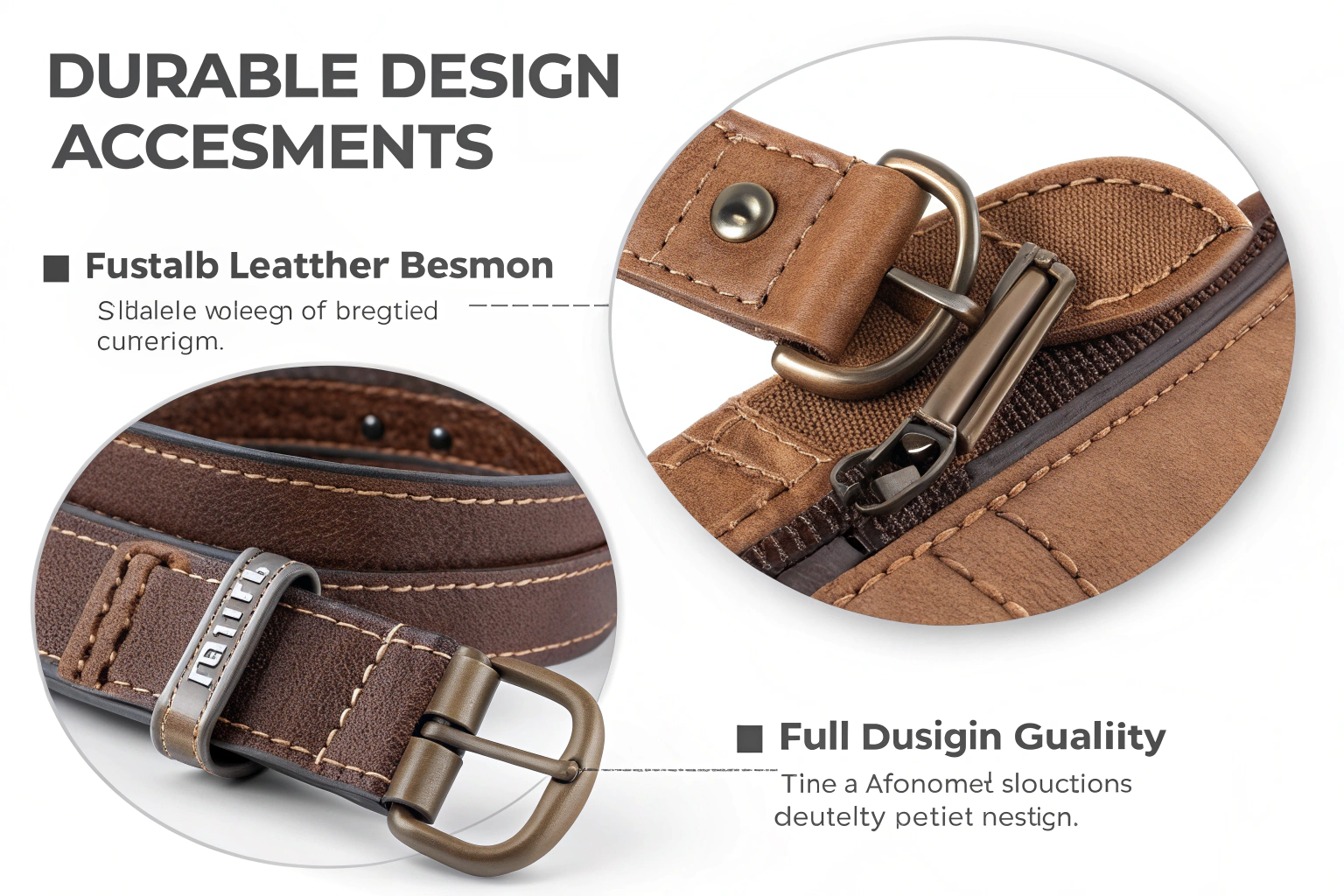
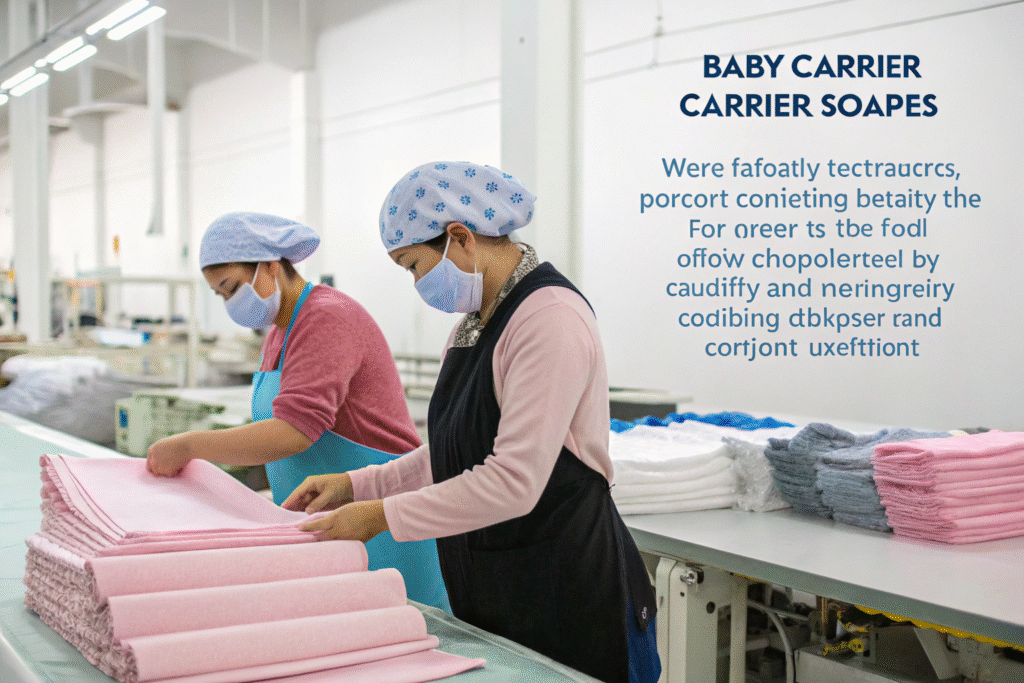
Baby carrier scarves require reinforced stitching methods that exceed standard apparel construction. French seams encase raw edges completely, preventing fraying while creating clean finishes that won't irritate baby's skin. Bar tack stitching reinforces critical stress points like ring attachment areas and seam intersections. Double-needle stitching creates parallel rows of stitches that provide backup security if one row fails. These specialized techniques, combined with high-strength threads, create seams that can withstand significantly more force than the fabric itself, ensuring the stitching never becomes the weak point in the carrier system.
How Is Ergonomic Design Incorporated During Manufacturing?
Ergonomic design principles integrate throughout the manufacturing process to ensure comfort for both parent and baby. Pattern cutting incorporates graduated width that provides broader support across the wearer's back and shoulders while tapering for better manageability. Strategic curvature in pattern pieces follows natural body contours rather than using straight seams. Careful placement of multiple layers creates graduated support that's stronger where needed without adding bulk everywhere. These design elements ensure the carrier scarf distributes the baby's weight comfortably across the wearer's shoulders, back, and hips, minimizing strain during extended carrying periods.
What Quality Control Processes Are Implemented?
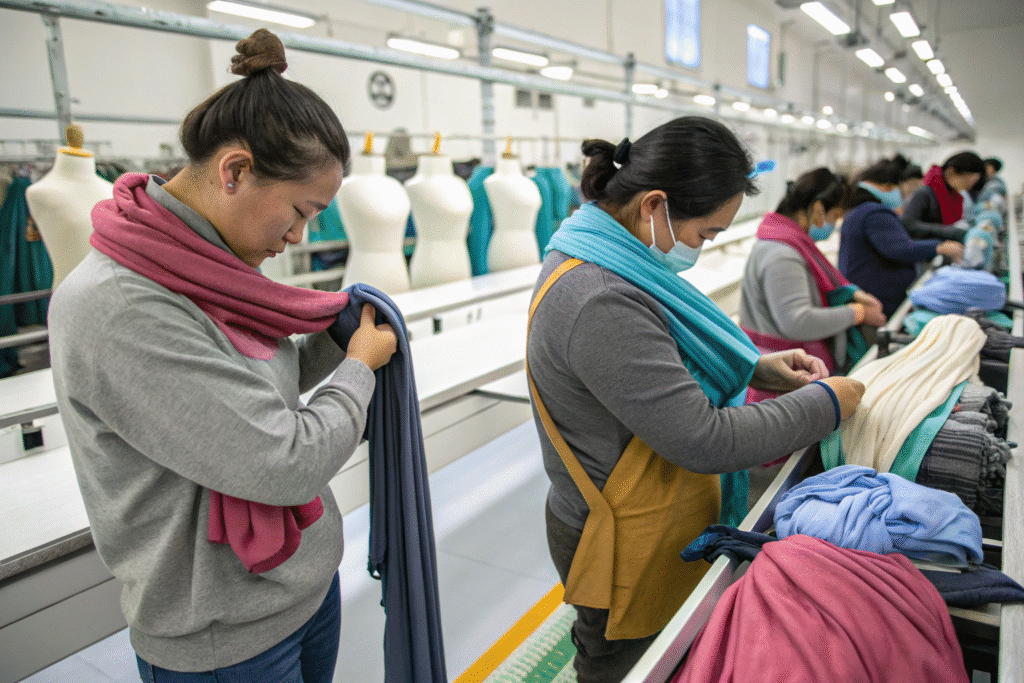
Quality control in baby carrier scarf manufacturing involves multiple inspection stages throughout production. These processes verify that every scarf meets strict safety standards and quality benchmarks before reaching consumers.
The comprehensive quality control system includes checks at material reception, during production, and on finished products. This multi-layered approach catches potential issues early, preventing defective products from completing the manufacturing process.
What Safety Standards Govern Baby Carrier Production?
Baby carrier scarf manufacturing must comply with various international safety standards that specify requirements for children's products. These include ASTM F2236 for soft infant carriers in the United States, EN 13209 for child use and care articles in Europe, and AS/NZS 2195 for folding children's equipment in Australia and New Zealand. Additionally, general children's product safety standards like CPSIA in the US and Toy Safety Directive in Europe apply to certain aspects of carrier scarves. Manufacturers must maintain thorough documentation demonstrating compliance with these standards through testing and quality assurance protocols.
How Is Weight Capacity Testing Conducted?
Weight capacity testing involves rigorous laboratory procedures that simulate real-world usage conditions. Standard testing includes static load tests where weights significantly exceeding the recommended capacity are suspended from the carrier for extended periods, dynamic drop tests that simulate the forces of a falling child, repeated cycle testing that mimics long-term use, and fabric strength verification after exposure to various environmental conditions like humidity and temperature extremes. These tests ensure the carrier scarf can safely support the specified weight limit throughout its expected lifespan, even under challenging conditions.
What Finishing and Packaging Considerations Are Important?
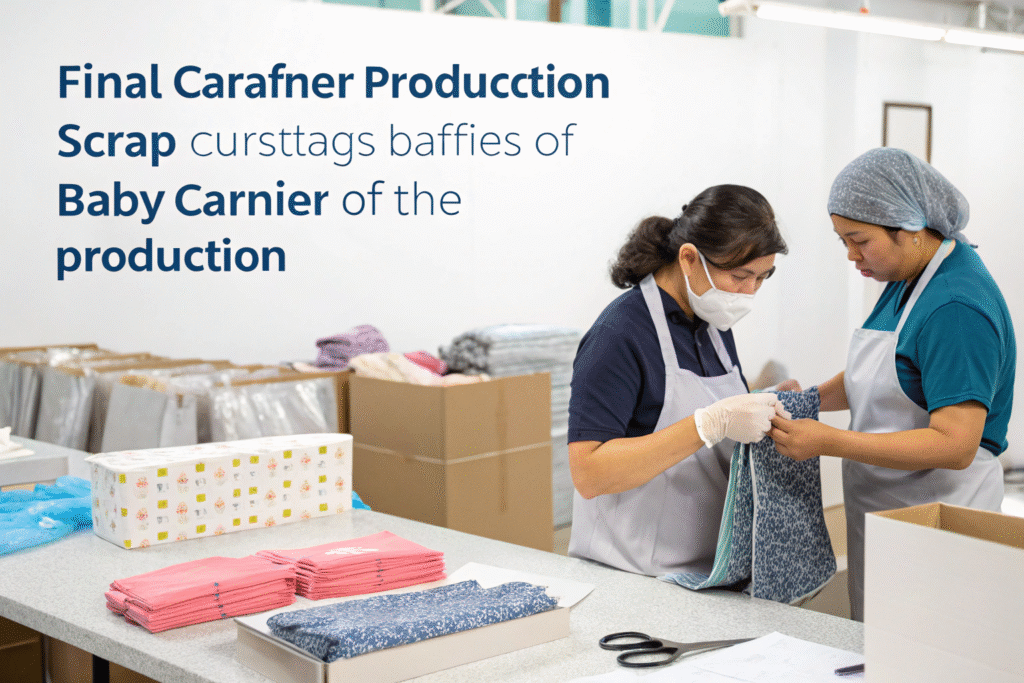
The final stages of baby carrier scarf production involve specialized finishing techniques and thoughtful packaging solutions. These processes enhance the product's appearance, usability, and presentation while maintaining safety standards.
Finishing and packaging represent the last opportunities to ensure quality before products reach consumers. These stages add value through careful attention to detail and consideration of the user experience.
What Final Treatments Enhance Baby Carrier Functionality?
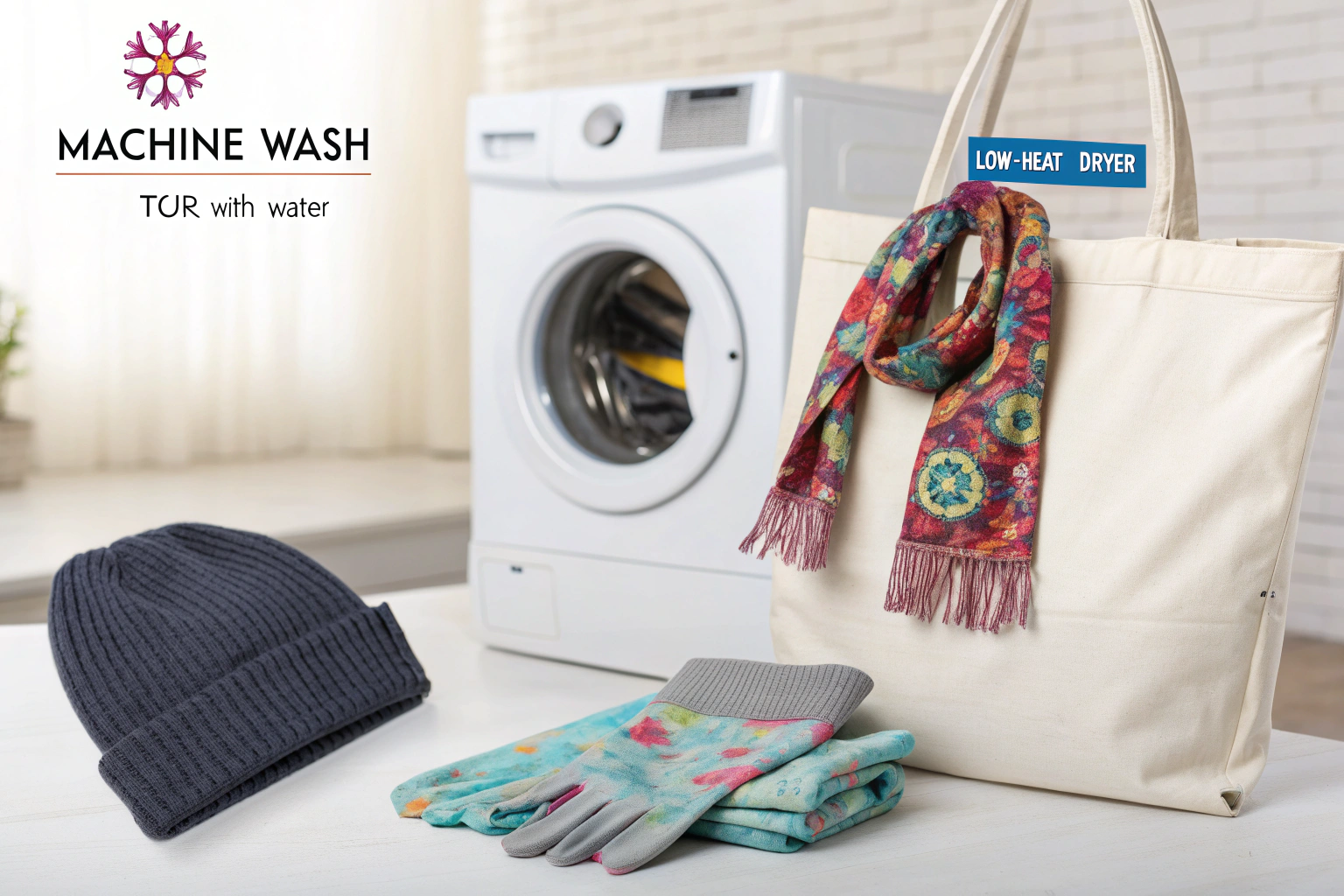
Final treatments that enhance baby carrier scarf functionality include precision pressing to eliminate wrinkles and set seams, softening treatments that maintain fabric hand feel without compromising strength, water-resistant coatings that protect against minor spills and moisture, and anti-pilling processes that ensure the fabric maintains its appearance after repeated use. These treatments improve the user experience while preserving the structural integrity and safety features of the carrier scarf. Each treatment undergoes evaluation to ensure it doesn't negatively impact the fabric's strength or safety characteristics.
How Does Packaging Address Consumer Education and Safety?
Baby carrier scarf packaging serves dual purposes of protection and education. Packaging typically includes clear instructional materials demonstrating proper wearing techniques, safety warnings highlighting incorrect usage that could pose risks, care instructions specifying proper washing methods to maintain fabric integrity, and storage suggestions to prolong product life. Many manufacturers supplement physical packaging with QR codes linking to video tutorials showing various carrying positions and safety tips. This educational approach helps ensure parents use the carrier scarf correctly and safely from their first use.
Conclusion
The manufacturing process for baby carrier scarves combines specialized material selection, precision construction techniques, rigorous safety testing, and thoughtful finishing touches. This comprehensive approach results in products that safely fulfill their dual function as both fashion accessories and practical baby carriers. Understanding this process helps consumers appreciate the careful consideration behind these seemingly simple products. For more details, you can visit the official website of Shanghaifumaoclothing.
If you're interested in developing your own line of baby carrier scarves or need manufacturing support for existing designs, contact our Business Director, Elaine, at elaine@fumaoclothing.com. Our experienced team can help you create safe, high-quality baby carrier scarves that meet international safety standards while delivering the style and comfort today's parents expect.