You're looking to create scarves with vibrant, complex, all-over designs—photorealistic images, intricate patterns, or painterly watercolor effects. You've heard about different printing methods, but you're worried about choosing one that might result in a print that feels thick, cracks over time, or fades in the wash. You need a process that can produce stunning, permanent, high-quality images without compromising the soft feel of the fabric.
The process of sublimation printing on scarves uses heat to turn solid ink into a gas, which then permanently infuses into the fibers of a polyester or high-polyester-content fabric. This digital process allows for unlimited colors and photorealistic detail, creating a stunning, permanent print that has zero "hand-feel" and will never crack, peel, or fade.
As a manufacturer who has produced countless printed scarves at Shanghai Fumao Clothing, I can tell you that dye-sublimation is a game-changer for any brand that wants to make a bold visual statement. It's a bit like magic: a printed piece of paper and a plain white scarf go into a machine, and a vibrant, permanently printed scarf comes out. It's the gold standard for high-detail, full-color printing on synthetic fabrics. Let's walk through exactly how this fascinating process works, step by step.
What is Dye-Sublimation and How Does it Work?
You hear the term "sublimation," and it sounds technical and confusing. You're not a printing expert, and you're worried you won't be able to grasp the concept well enough to know if it's right for your product. You need a simple, clear explanation.
At its core, sublimation is a scientific process where a solid turns directly into a gas, skipping the liquid phase. In printing, this works with special solid inks. The process has three simple stages:
- Printing: Your digital design is printed onto a special sheet of "transfer paper" using a large-format printer loaded with solid sublimation inks. The printed image is a mirror image of your final design.
- Preparation: A plain, white scarf made of polyester or a high-polyester blend is laid flat on a heat press machine. The printed transfer paper is placed on top of it, face down.
- Transfer: The heat press is closed, applying high temperature (typically around 400°F / 200°C) and pressure. The heat causes the solid inks on the paper to turn into a gas. This gas then permeates the open pores of the polyester fibers and, as it cools, turns back into a solid, becoming a permanent part of the fabric itself.
The ink is not on the fabric; it's in the fabric. This is why the print has no texture or "hand-feel" and is incredibly durable.
Understanding this core concept is key. When we explain this process to our clients at AceAccessory, the lightbulb moment is when they realize the ink becomes one with the fabric. This is why sublimation is the superior choice for items like athletic wear, swimwear, and, of course, scarves, where a soft feel and high durability are essential. This unique process is what dictates which fabrics are suitable.

Why is it called "Dye-Sublimation"?
The name refers to the process where the 'dye' (the ink) undergoes 'sublimation' (turning from a solid to a gas). The ink, typically composed of heat-sensitive pigments suspended in a carrier medium—often a clear, volatile solvent that evaporates during heating—is first applied to a transfer sheet or directly onto the fabric surface. When subjected to high temperatures—often between 350°F to 400°F (177°C to 204°C)—the solid ink particles absorb the heat energy, transitioning directly into a gaseous state without passing through a liquid phase. In this gaseous form, the dye molecules are highly mobile and penetrate deep into the fibers of the fabric, whether natural (like cotton, wool, or silk) or synthetic (such as polyester, nylon, or spandex).
Is the transfer paper reusable?
No. During the heat press process, the ink is permanently transferred from the paper to the fabric, bonding deeply with the fibers through the application of controlled heat and pressure, ensuring vibrant, long-lasting colors that resist fading even after repeated washes. The transfer paper, typically coated with a specialized release layer, is a single-use item designed for one-time application; once the heat press cycle is complete and the paper is carefully peeled away, it is discarded (and hopefully recycled, as many manufacturers now use eco-friendly, recyclable materials) to prevent any residual ink from smudging or compromising future transfers.
What Fabrics Are Suitable for Sublimation?
You love the idea of a permanent, no-feel print, but you're worried that you'll be limited to cheap, plastic-feeling fabrics. You want your scarves to feel luxurious and high-quality, not like a sports jersey.
This is a common misconception. While sublimation only works on polyester or fabrics with a very high polyester content (at least 70%), the world of modern polyesters is vast and sophisticated. You are not limited to basic sportswear knits. For scarves, you can choose from a wide range of beautiful, high-quality polyester fabrics that mimic the feel and drape of natural fibers:
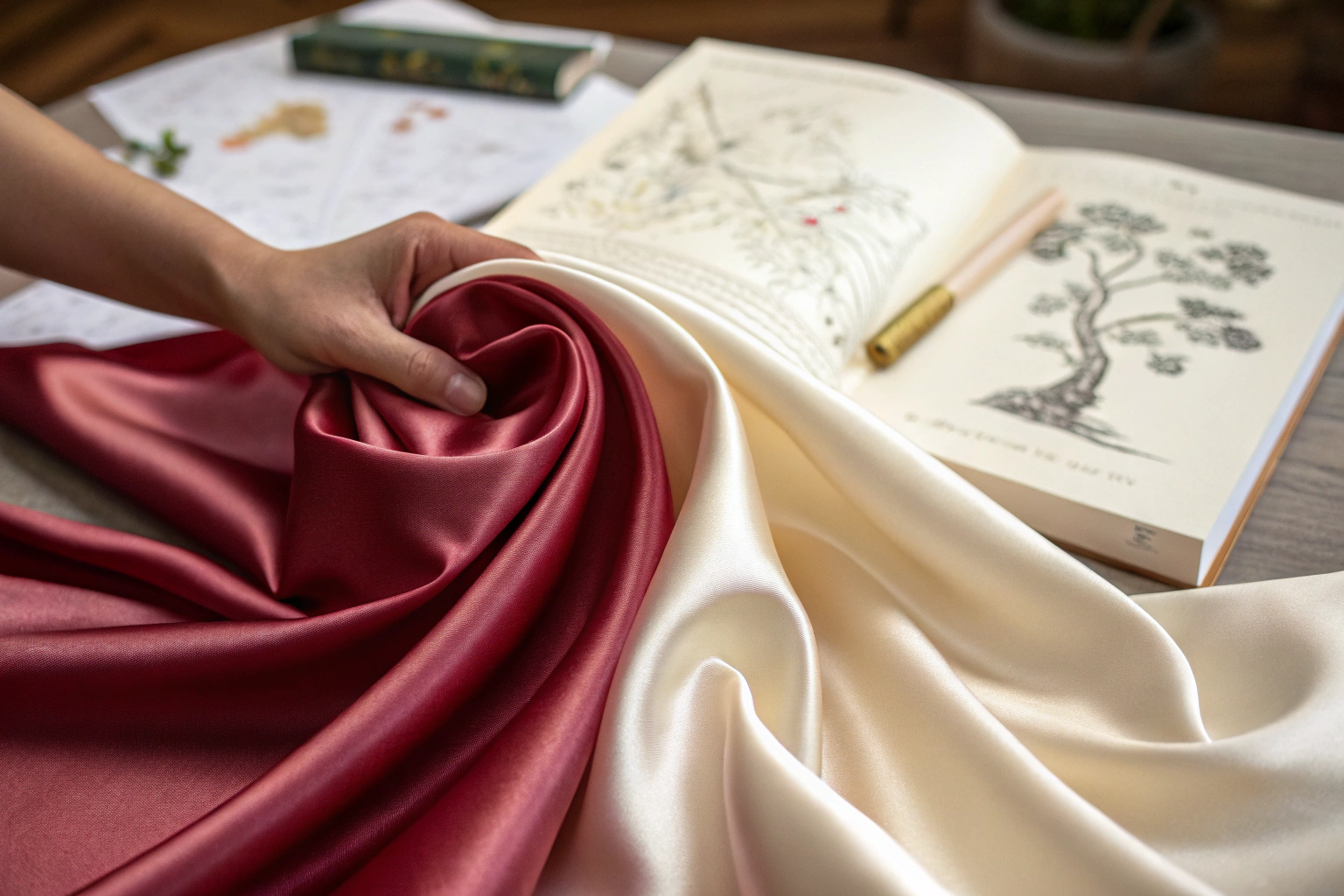
- Polyester Satin: Offers a beautiful, high-sheen, silky finish that makes colors pop.
- Polyester Chiffon: A lightweight, sheer, and airy fabric that creates an elegant, ethereal look.
- Polyester Crepe: Has a lovely, slightly textured, matte finish and a fluid drape, offering an understated and sophisticated feel.
- Faux Suede Polyester: A soft, brushed fabric that provides a unique, velvety texture.
The key is that the fabric must be synthetic. The sublimation process relies on the pores of the man-made fibers opening up with heat, which natural fibers like cotton or silk do not do.
A significant part of our development process with clients is fabric selection. We have an extensive library of these high-quality polyester bases at our factory. We guide our clients to choose a fabric that not only works for sublimation but also matches their brand's aesthetic and desired price point. A polyester satin scarf can feel just as luxurious as a real silk one, but with the added benefit of a vibrant, permanent, and more affordable print. This material constraint is directly tied to the advantages of the process.

Why doesn't sublimation work on cotton?
Natural fibers like cotton and wool will not bond with sublimation inks. If you try to sublimate on a 100% cotton shirt, the image will transfer, but it will look faded and will wash out almost completely after the first wash because the ink has no fibers to bond with. The sublimation process relies on heat and pressure to convert the ink from a solid to a gas, which then permeates the fabric and solidifies into a liquid state, bonding with the polymer chains in synthetic materials.Cotton, composed primarily of cellulose fibers, lacks these polymer structures, so the ink cannot form a strong molecular connection. As a result, the transferred image sits loosely on the surface of the cotton fibers, easily rubbing off during washing or even with normal wear.
What about poly-cotton blends?
You can sublimate on a blend, but the ink will only bond to the polyester fibers. If you print on a 60% polyester / 40% cotton fabric, the final print will have a faded, 'vintage' look because 40% of the fibers (the cotton) did not accept the ink, resulting in areas where the color appears less intense and slightly muted, as if aged by time. For vibrant, fully saturated prints on scarves, we always recommend using 100% polyester fabrics, ensuring that every fiber in the material interacts with the sublimation ink, producing rich, bold hues that stand out vividly against the smooth, uniform surface of the polyester, creating a modern, eye-catching finish that retains its color brilliance even after multiple washes.
What Are the Main Advantages of Sublimation for Scarves?
You're comparing sublimation to other methods like screen printing. You're trying to understand what makes sublimation the right choice for your specific product. You need to know the clear, tangible benefits that will justify the process.
For scarves with complex designs, the advantages of dye-sublimation are overwhelming:
- Unlimited Colors and Photorealistic Detail: Since the process starts with a digital printer, there are no color limitations. You can print gradients, photographs, and incredibly intricate patterns with perfect clarity. This is impossible with screen printing, which is limited to a few solid colors.
- Zero "Hand-Feel": Because the ink is infused into the fabric, the print has no texture at all. The scarf remains as soft and fluid as it was before printing. Screen printing, by contrast, lays a layer of ink on top of the fabric, which can feel thick and stiff.
- Superior Durability: A sublimated print is permanent. It will not crack, peel, or fade, no matter how many times you wash or wear it. The print will last as long as the fabric itself.
- Cost-Effective for Small Runs: Unlike screen printing, which has high setup costs for creating screens, sublimation has minimal setup. This makes it economically viable to produce small batches, test new designs, or even create one-of-a-kind samples.
These advantages are why we steer our clients toward sublimation for any scarf design that is not a simple, one or two-color logo. It allows for maximum creative freedom without compromising the quality or feel of the final product. It's the technology that allows a small boutique brand to produce a scarf with the same print quality as a high-fashion luxury house. Of course, to achieve this quality, there are important design considerations.

Is sublimation eco-friendly?
Sublimation is considered a relatively "dry" printing process, as it uses minimal water compared to traditional dyeing methods. Additionally, since the ink is transferred completely from the paper to the fabric, there is very little waste ink. While the transfer paper is waste, it can often be recycled. This makes it a more environmentally conscious choice than many older, water-intensive dyeing and printing processes.
Is it expensive?
The per-unit cost of a sublimated scarf can be higher than a simple screen-printed one. However, when you factor in the ability to print unlimited colors with no setup fees, it often becomes more cost-effective for complex designs and smaller order quantities. The high perceived value of the final product—with its vibrant, permanent, no-feel print—can also support a higher retail price.
What Are the Key Design Considerations for Sublimation?
You're excited to create a design, but you're not a graphic designer. You're worried about providing the factory with the wrong type of file, resulting in a blurry or incorrectly colored print.
To ensure a high-quality result, your design file needs to be prepared correctly. A good manufacturing partner will provide you with a clear template and specifications, but here are the universal rules:
- High Resolution is a Must: Your design file should be at least 300 DPI (dots per inch) at the final print size. A low-resolution image from the internet will look blurry and pixelated when printed on a large scarf.
- Use CMYK Color Mode: Your design should be created in CMYK (Cyan, Magenta, Yellow, Black) color mode, which is the standard for professional printing. A design created in RGB (Red, Green, Blue), the standard for screens, may have colors that shift when printed.
- Include a "Bleed": Your design must extend beyond the final cut edge of the scarf by about half an inch on all sides. This "bleed area" ensures that your design goes all the way to the edge of the fabric, with no unprinted white borders after the scarf is cut and hemmed.
At Shanghai Fumao Clothing, our pre-production process always includes a thorough check of the client's artwork. Our design team will review the file for resolution, color mode, and bleed. If there are any issues, we work with the client to fix them before we print the first sample. This collaborative check ensures that the final product perfectly matches the client's vision. It's a critical quality control step that prevents costly mistakes.

What file format should I provide?
Vector files like .AI (Adobe Illustrator) or .EPS are ideal because they can be scaled to any size without losing quality. For photographic or complex raster images, a high-resolution .PSD (Adobe Photoshop) or .TIFF file is best. A high-quality PDF can also work. A low-quality JPG is almost never suitable.
Can you match colors exactly?
We can get incredibly close. For brands that require precise color matching, we ask for Pantone color codes. We can then print a small sample swatch and adjust our printer's color profiles until the printed color is a near-perfect match to the Pantone chip. This process, called color proofing, is essential for brands with strict color guidelines.
Conclusion
The process of sublimation printing is a remarkable fusion of science and art. It offers brands an unparalleled opportunity to create fashion accessories that are true statement pieces, boasting vibrant, complex, and permanent designs. By understanding the step-by-step process, selecting the right high-quality polyester fabric, and preparing your design files correctly, you can harness the power of sublimation to produce scarves that are not only visually stunning but also soft, durable, and highly marketable. It's the perfect technology for a brand that refuses to compromise on either creative vision or product quality.
At Shanghai Fumao Clothing, we have invested in state-of-the-art sublimation technology and have the expertise to guide you through every stage of the process, from fabric selection to final artwork approval. We are passionate about helping you create accessories that are as beautiful in person as they are in your imagination.
If you're ready to explore the limitless creative possibilities of dye-sublimation for your next scarf collection, I invite you to reach out to our Business Director, Elaine, at her email: elaine@fumaoclothing.com.