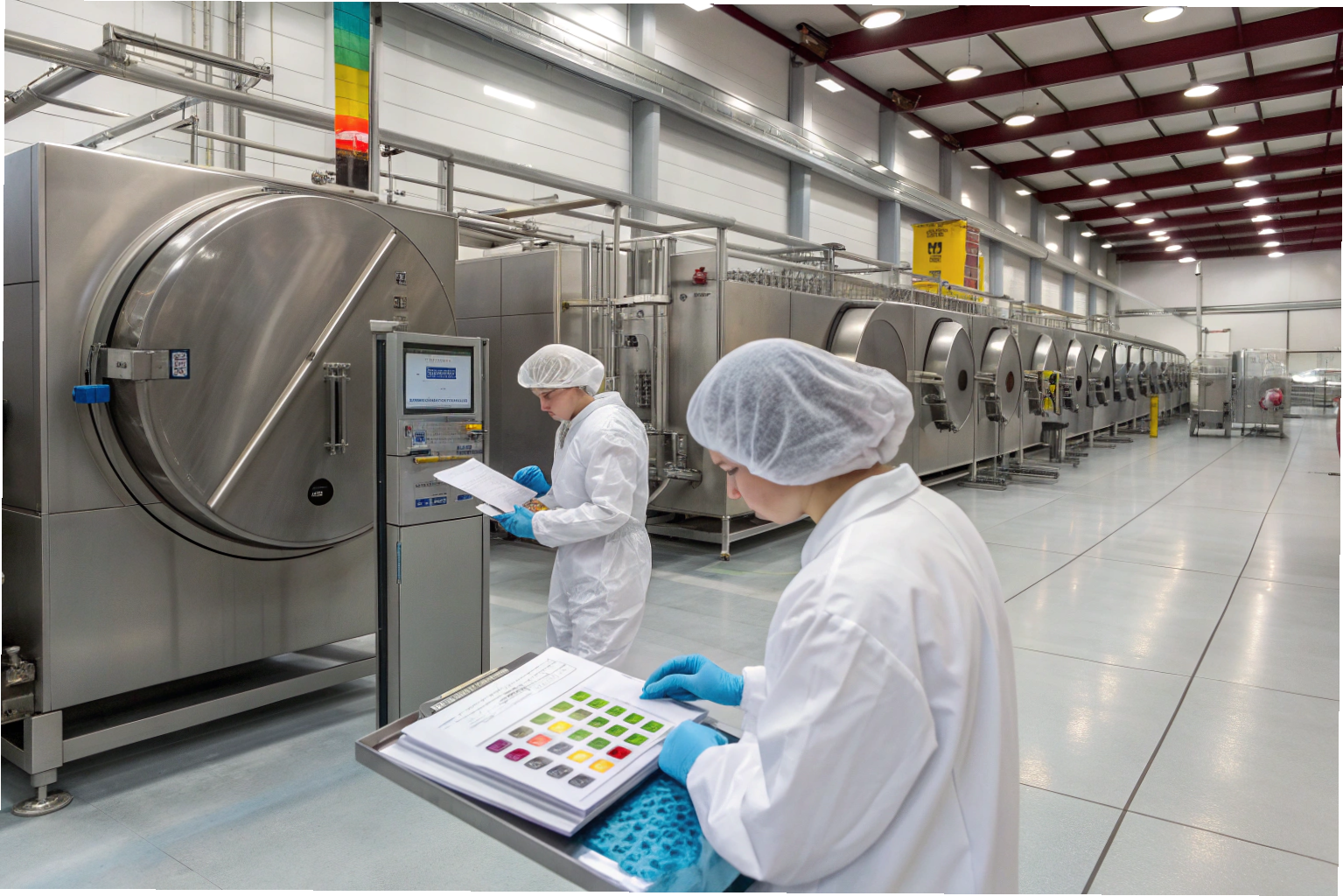
You have a vision for a unique accessory line: scarves in a sunset ombre, headbands in your brand's exact Pantone shade, or hats with a proprietary color that no competitor can replicate. You source a standard fabric and hope to match it, but the result is off—too dull, too bright, or inconsistent. The core issue often isn't the design but the color application. Off-the-shelf fabric colors limit creativity and brand identity.
Custom dyeing is the solution that transforms generic materials into exclusive brand assets. It's the controlled process of imparting specific, consistent color to yarn or fabric according to precise formulas. This allows for true color exclusivity, perfect matching across different material types (like matching a scarf to a hat), and the creation of unique effects impossible with stock fabrics. For brands, it’s a strategic step towards product differentiation.
Let's demystify the journey from a color swatch to a perfectly dyed fabric roll, outlining the critical stages that ensure the color you envision is the color you receive, batch after batch.
How Does the Custom Dyeing Process Begin with Color Matching?
The entire custom dyeing process hinges on one critical first step: accurate color communication and matching. This is a technical dialogue, not a subjective opinion. Saying "ocean blue" is not enough. The process begins when you provide your color standard to the manufacturer. This could be a Pantone code, a physical swatch of material, or a printed sample.
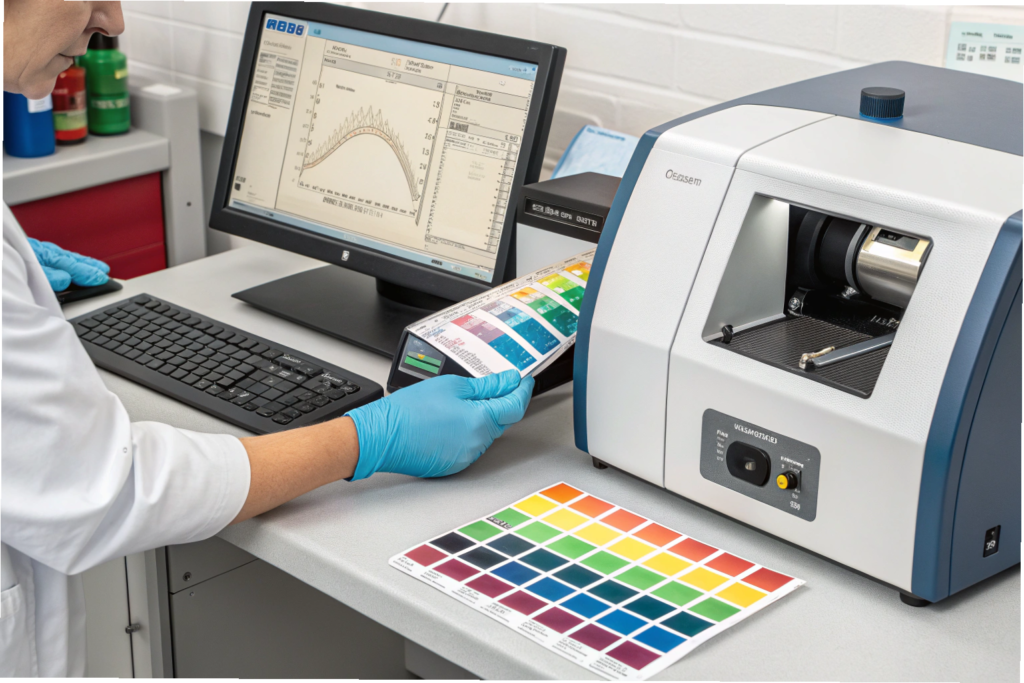
A professional dye house will then create a lab dip. This is a small sample of the actual production fabric (or yarn) dyed in a laboratory-scale machine to match your standard. This step is iterative. The lab technicians use computerized color matching systems to formulate dye recipes, dye a sample, and then measure it with a spectrophotometer to compare it digitally to your standard under different light sources (D65 daylight, fluorescent, etc.). They adjust the recipe and produce new lab dips until you approve an exact match.
What is a Lab Dip and Why is Your Approval Critical?
A lab dip is your first tangible proof of concept. It is a small swatch (usually about 10x10 cm) dyed with the proposed recipe. Approving it is a formal contract on color. When you sign off on a lab dip, you are telling the factory, "Match this for production." It protects both parties. It is crucial to evaluate the lab dip under multiple light sources relevant to your market (e.g., store lighting, natural daylight) to check for metamerism—when a color match appears correct under one light source but not under another. Reputable partners like Shanghai Fumao Clothing will guide you through this evaluation, as approving the wrong lab dip leads to costly bulk mistakes.
How Do Digital Systems Ensure Color Accuracy?
Modern dye houses rely on digital color management. A spectrophotometer measures the color of your standard and the lab dip objectively, generating data like CIELab values and a Delta-E (ΔE) number. ΔE quantifies the difference between two colors; a ΔE of less than 1.0 is typically considered an excellent match indistinguishable to the human eye. This data-driven approach removes subjectivity. The Color Association of the United States (CAUS) provides standards and education on these critical color management practices, which top-tier suppliers adhere to.
What Are the Main Methods of Dyeing Fabric?
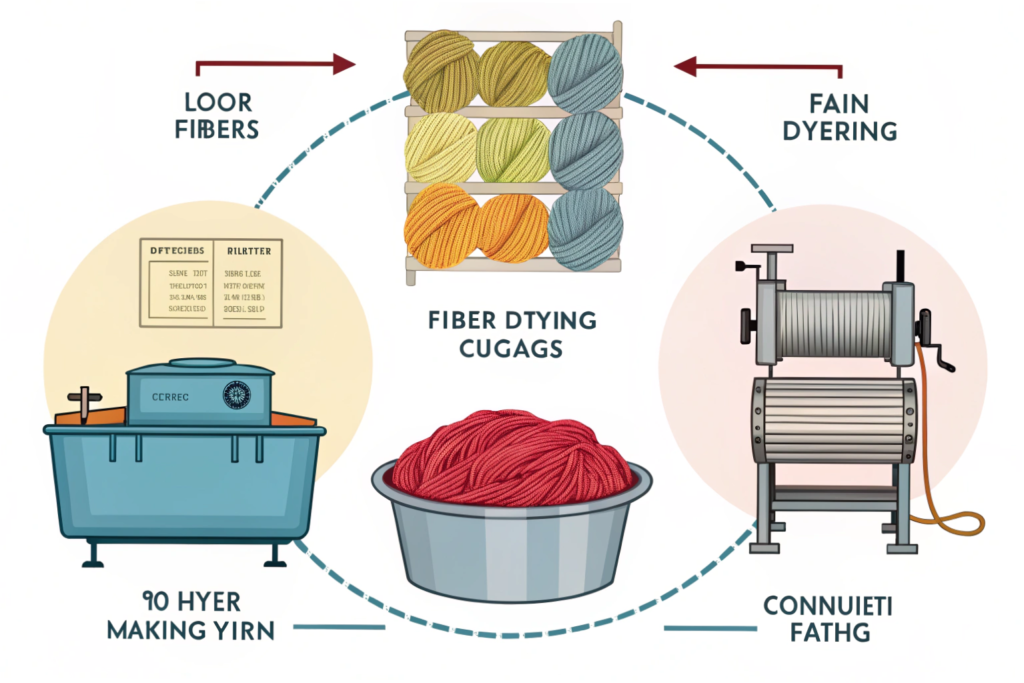
Once the lab dip is approved, the method of applying that color to the bulk fabric is chosen. The chosen method impacts the fabric's hand feel, colorfastness, cost, and the types of effects achievable. The three primary stages at which dyeing can occur are: at the fiber stage, at the yarn stage, or at the finished fabric stage. The choice depends on the desired outcome, fiber content, and product use.
Understanding these methods allows you to make informed decisions with your manufacturer. For example, a heather gray effect requires yarn dyeing, while a solid, vibrant pop of color on a polyester scarf might be best achieved through piece dyeing.
What is the Difference Between Yarn Dyeing and Piece Dyeing?
- Yarn Dyeing (Skein/Dope Dyeing): This method dyes the yarn before it is woven or knitted into fabric. It is essential for creating patterns like stripes, plaids, checks, or jacquards, where different colored yarns are interlaced. It also produces superior color penetration and often better colorfastness, as the dye has access to all surfaces of the yarn. However, it requires larger minimum order quantities (MOQs) and is generally more expensive due to the extra processing step.
- Piece Dyeing (Fabric Dyeing): This is the most common and cost-effective method for solid colors. The loom-state "grey" fabric is dyed in whole pieces after knitting or weaving. It's faster and has lower MOQs. However, if the fabric is a blend (e.g., polyester/cotton), it may require a two-bath process with different dyes, complicating the procedure. The choice between these methods is a key part of the product development conversation with your factory.
When is Solution Dyeing Used, and What Are its Advantages?
Solution Dyeing (also called dope dyeing or mass coloration) is a superior method primarily for synthetic fibers like polyester and nylon. The pigment is added to the chemical polymer solution before the fiber is even extruded into a filament. This means the color is integral to the fiber itself.
- Advantages: Exceptional colorfastness to light, washing, and chlorine. It is highly sustainable, as it uses less water, energy, and chemicals than traditional dyeing processes.
- Disadvantages: Higher MOQs and less flexibility for small, custom color runs, as the color is "locked in" at the fiber production stage. It's ideal for products requiring extreme durability, like performance activewear or outdoor accessories. The Sustainable Apparel Coalition highlights solution dyeing as a best practice for reducing the environmental impact of textile coloring.
What Steps Ensure Quality and Consistency in Bulk Dyeing?
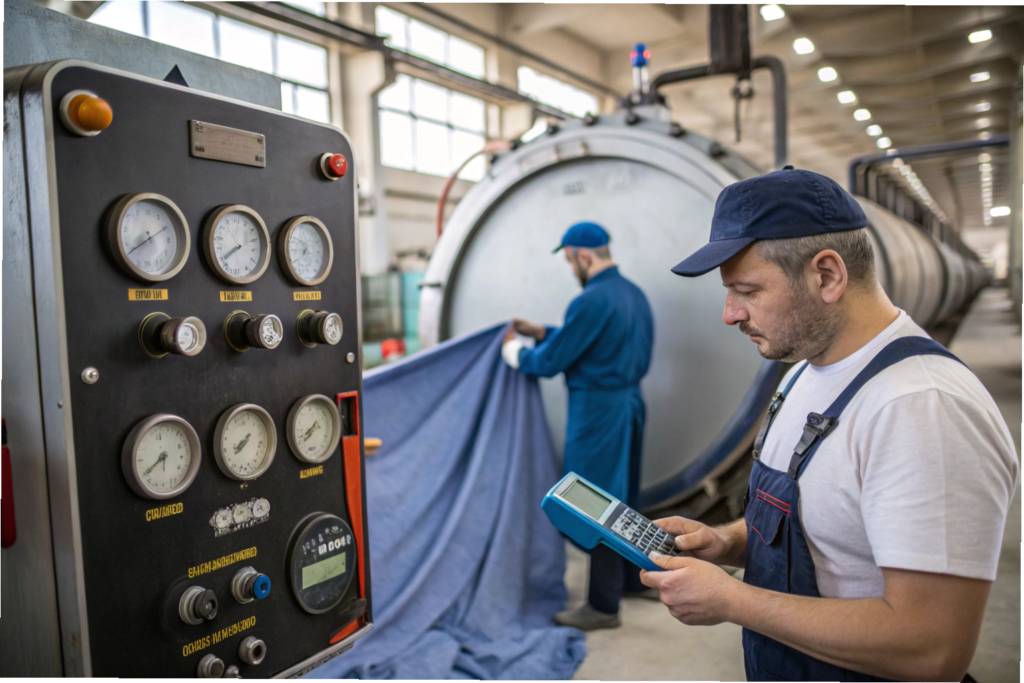
Moving from a perfect lab dip to tons of consistent fabric is the true challenge of bulk production. Consistency is king; customers must not see color variation between items from different production batches or even within the same garment. Achieving this requires rigorous process control and testing at every stage.
A professional dye house follows a strict protocol: from preparing the fabric (scouring and bleaching to remove impurities) and weighing dyes with precision, to controlling the dye bath's time, temperature, and chemical balance. After dyeing, the fabric undergoes crucial after-treatment processes like washing, fixing, and softening, which lock in the color and impart the desired hand feel.
How is Color Consistency Maintained Across Production Lots?
Maintaining consistency involves several key practices:
- Standardized Recipe: The approved lab dip recipe is scaled up with precise calculations.
- Batch Control: Each dye lot is assigned a unique number. Fabric from the same lot will have near-identical color.
- Inline Monitoring: Advanced machines constantly monitor and adjust the dye bath conditions.
- Approval of Bulk Lot Samples: Before the entire batch is finished, a production bulk sample is sent for your approval. This confirms the bulk dye matches the approved lab dip under standard lights.
For brands, it's vital to understand lot-to-lot variation. Even with perfect control, infinitesimal differences can occur. Planning production so that a single complete order (e.g., all scarves for a season) is cut from one dye lot is a best practice to avoid visible color differences in finished goods.
What Quality Tests are Performed on Dyed Fabric?
Before fabric leaves the dye house, it must pass a battery of tests. Reputable manufacturers will provide test reports from accredited labs or their in-house quality control lab. Critical tests include:
- Colorfastness to Washing (AATCC 61): Simulates home laundering.
- Colorfastness to Rubbing/Crocking (AATCC 8): Tests if color transfers when rubbed.
- Colorfastness to Light (AATCC 16): Measures resistance to fading from sunlight.
- pH Test: Ensures the fabric is neutralized after dyeing, as high acidity/alkalinity can harm skin and affect durability.
These tests, governed by standards from organizations like ASTM International and the American Association of Textile Chemists and Colorists (AATCC), are non-negotiable for ensuring the dyed fabric meets performance and safety standards for your market.
What Are the Practical and Sustainability Considerations?
Custom dyeing is not just a creative decision; it's a business one with implications for cost, timeline, and environmental impact. Understanding these considerations helps set realistic expectations and allows for making choices aligned with your brand values, especially regarding sustainability.
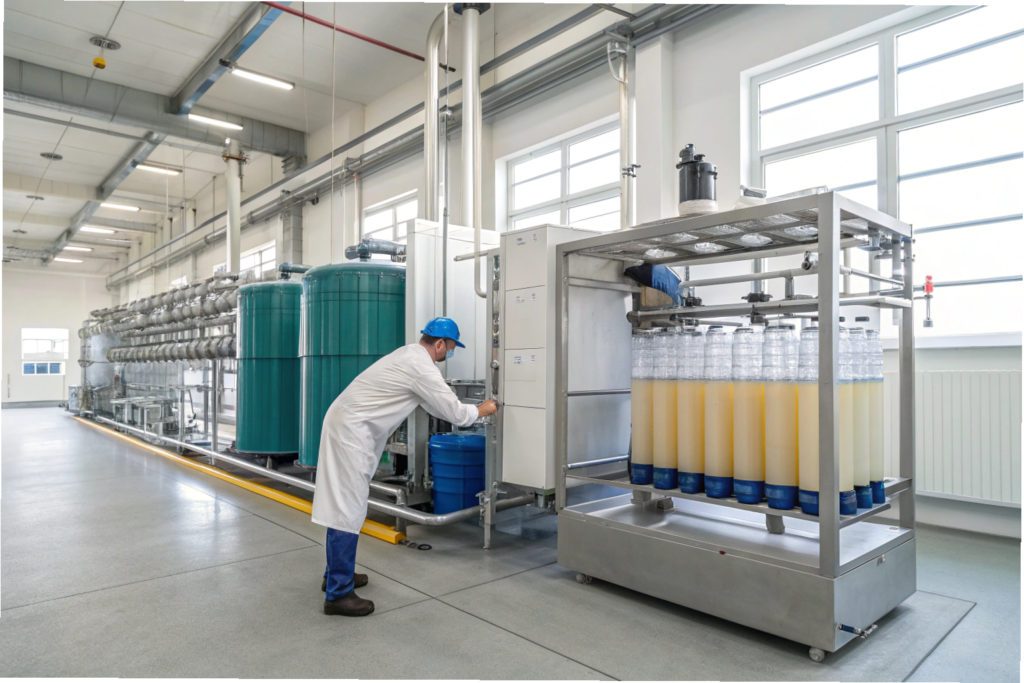
The custom dyeing process typically adds 2-4 weeks to your lead time and increases fabric cost due to setup, smaller batch sizes, and the cost of dyes and chemicals. Furthermore, traditional dyeing is water and energy-intensive. Discussing these factors openly with your manufacturer upfront is crucial for planning and exploring more responsible options.
How Do MOQ and Lead Time Factors Affect Planning?
Minimum Order Quantity (MOQ) for custom-dyed fabric is significantly higher than for purchasing stock fabric. This MOQ is usually calculated by the weight of fabric (e.g., 500 kg per color) needed to run the dyeing machines efficiently. This translates to thousands of meters, depending on the fabric weight. Lead times must account for: lab dip development (1-2 weeks), your approval, scheduling at the dye house, bulk dyeing, and subsequent finishing processes. A reliable manufacturer will provide a detailed timeline and be transparent about MOQ requirements from the start.
What Sustainable Dyeing Practices are Available?
The textile industry is innovating to reduce the environmental footprint of dyeing. When discussing with your supplier, inquire about:
- Low-Liquor-Ratio Dyeing Machines: These use significantly less water.
- Digital Printing: For patterns, this applies dye only where needed, reducing water and waste by over 90% compared to traditional methods.
- Use of OEKO-TEX Certified Dyes: Ensures dyes are free from harmful substances.
- Water Recycling and Treatment Systems: A sign of a responsible facility.
- Natural Dye Options: Though less colorfast and more variable, they are a niche, marketing-friendly option for certain brands.
Choosing a manufacturer like Shanghai Fumao Clothing that partners with dye houses employing these practices can be a key part of your brand's sustainability story, a growing concern for consumers and retailers alike.
Conclusion
The custom dyeing process is a sophisticated blend of art, science, and precise engineering. It transforms a color idea into a tangible, consistent, and durable fabric property. Success depends on clear communication via lab dips, choosing the correct dyeing method for the desired effect, enforcing rigorous quality control for consistency, and understanding the practical trade-offs in cost, time, and sustainability.
By engaging deeply with this process, brands gain more than a unique color—they gain control over a fundamental aspect of their product's identity and quality. This control is a powerful tool for building a distinctive and reputable collection in a competitive market.
Ready to bring your unique color vision to life with precise, high-quality custom dyeing? Our team manages the entire process, from lab dip to bulk delivery, ensuring your specifications are met with expert care. Contact our Business Director, Elaine, to start developing your exclusive fabric colors. Email her at: elaine@fumaoclothing.com.