Are you about to place a bulk order for hair accessories, scarves, or hats but feel uneasy about committing without seeing and touching the final product? Do you worry that the digital catalog images won't match the physical reality, leading to costly mistakes and unhappy customers? You're experiencing the exact anxiety that a proper sampling process is designed to eliminate. In the fast-paced world of fashion sourcing, skipping or rushing the sample stage is the single most common and expensive error.
The sample is not just a miniature version of your product; it is the most critical tool for risk management, quality verification, and partnership evaluation. It acts as a physical contract between you and your supplier, crystallizing all your specifications—materials, colors, dimensions, workmanship, and functionality—into a tangible form. For importers, a meticulously evaluated sample is the only way to ensure that a manufacturer's promises are real before you invest thousands of dollars and months of time into production.
This article will break down why the sample phase is indispensable. We'll explore how it serves as the ultimate quality checkpoint, a vital tool for marketing and sales, a cornerstone of clear communication, and the definitive test of a supplier's reliability. Understanding and mastering this process can save your business from financial loss and protect your brand's reputation.
Why is the Sample Your Most Critical Quality Control Checkpoint?
Before mass production begins, the sample is your only opportunity to catch and correct errors that would be catastrophic at scale. It is the physical proof of your supplier's capability to execute your design. A comprehensive sample evaluation goes far beyond checking if it looks nice. It involves a systematic inspection of every component and construction detail against your approved specifications (tech pack).
This process verifies the real-world quality of materials—is the acetate of the hair clip durable, or does it feel brittle? Does the dye on the scarf bleed? It tests functionality—does the belt buckle engage smoothly? Does the hair band have the right elasticity? It assesses safety and compliance—are there any sharp edges on a metal hairpin? Does the fabric pass basic flammability tests? Catching a flaw here, when it affects just one unit, allows for a simple and low-cost correction. Discovering the same flaw in 10,000 units arriving at your warehouse is a financial disaster. The sample phase is where you implement preventive quality control.

How Can a Physical Sample Reveal Hidden Material Flaws?
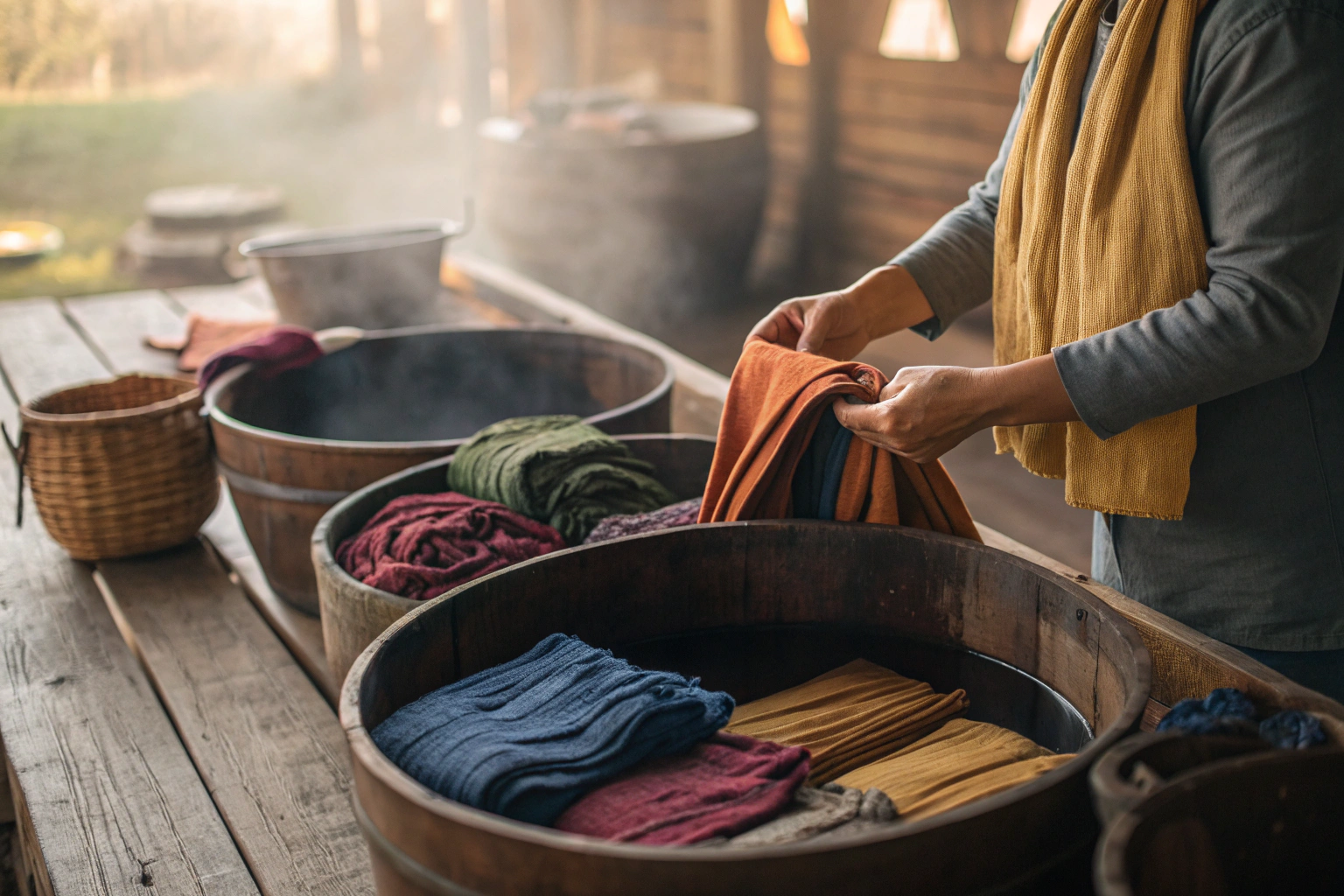
Digital photos and supplier descriptions can be misleading. Only a physical sample reveals the true nature of materials. You can assess the hand feel—is the wool blend in a beanie as soft as promised, or is it scratchy? You can test color accuracy under different lighting conditions; a color that looks perfect on screen may be completely different in person. You can evaluate durability through simple stress tests: gently pulling seams on a glove, testing the clasp on a necklace, or checking the fade resistance of printed patterns on a tote bag. This hands-on analysis is irreplaceable. For instance, at Shanghai Fumao Clothing, we encourage clients to "wear-test" samples—put the scarf on, try the hat—to judge comfort and proportion authentically. This step is fundamental to achieving the product quality your brand stands for.
What Functional and Safety Aspects Must Be Tested Before Production?
Functionality is what turns a decorative item into a usable product. For accessories, this testing is paramount. For a backpack, does the zipper run smoothly along the entire track? For a pair of sunglasses, are the hinges tight and do the lenses provide optical clarity without distortion? Safety testing, especially for items like children's hair clips or costume jewelry, is non-negotiable. You must check for small parts that could be a choking hazard, the use of nickel-free metals to prevent allergic reactions, and the stability of glued components. Establishing a sample approval protocol that includes a detailed checklist for these functional and safety tests is a best practice in the fashion manufacturing industry. It formalizes your expectations and provides a clear record for the supplier.
How Does a Sample Drive Your Marketing and Sales Strategy?
A perfect sample is more than a production reference; it's your first sales tool. High-quality samples are essential for creating compelling marketing content, securing pre-orders from retailers, and building buzz for a launch. Before a single unit of inventory is produced, the sample allows you to gauge market reaction, get feedback from key buyers, and make data-driven decisions about which products to move forward with.
Photographing and filming professional samples is the foundation of your e-commerce listings, social media campaigns, and wholesale catalogs. A beautiful, true-to-life sample results in authentic imagery that builds customer trust and reduces the likelihood of returns due to "product not as described." For trade shows or sales meetings, presenting a flawless sample builds immediate confidence in your brand's professionalism and the product's value. It transforms a concept into a sellable reality.

Why is Sample Photography Essential for E-commerce Success?
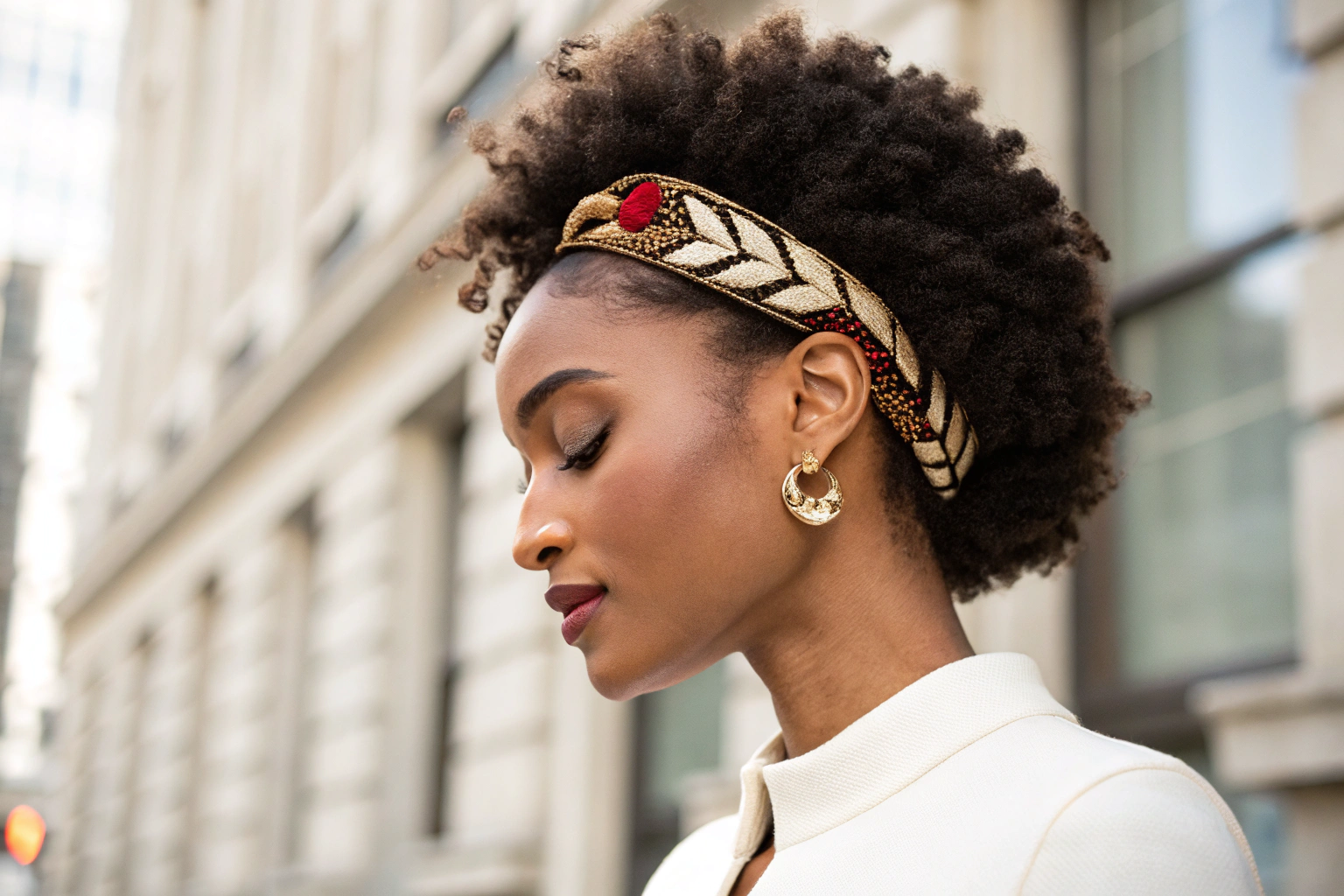
In online retail, customers buy with their eyes. The quality of your product photography, which depends entirely on the quality of your sample, directly impacts conversion rates. A sample with poor stitching, uneven dye, or flimsy construction will photograph poorly, no matter how good the photographer is. Conversely, a well-made sample allows for detailed close-up shots that highlight craftsmanship, texture, and design details. These images reduce purchase anxiety. Furthermore, using the actual production sample for photography ensures that what the customer sees online is exactly what they will receive, which is a cornerstone of positive reviews and repeat business. Investing in a photoshoot-ready sample is a direct investment in your marketing ROI. Platforms like Shopify's blog often emphasize the critical link between product photography and sales performance.
Can Pre-Production Samples Help Secure Retailer Buy-In?
Absolutely. Major retailers and boutique buyers will never commit to an order based on a sketch or a digital render alone. They require a physical sample to evaluate. A professionally finished sample demonstrates that you have moved beyond the idea stage and have a viable, producible product. It allows buyers to assess the item's quality relative to its price point, feel its market readiness, and visualize it in their stores. Sometimes, buyer feedback on a sample can lead to minor, valuable tweaks that make the product more commercially appealing before you lock in a large production run. This iterative dialogue, facilitated by the sample, is a key part of product development and market validation.
How Do Samples Prevent Costly Miscommunication with Suppliers?
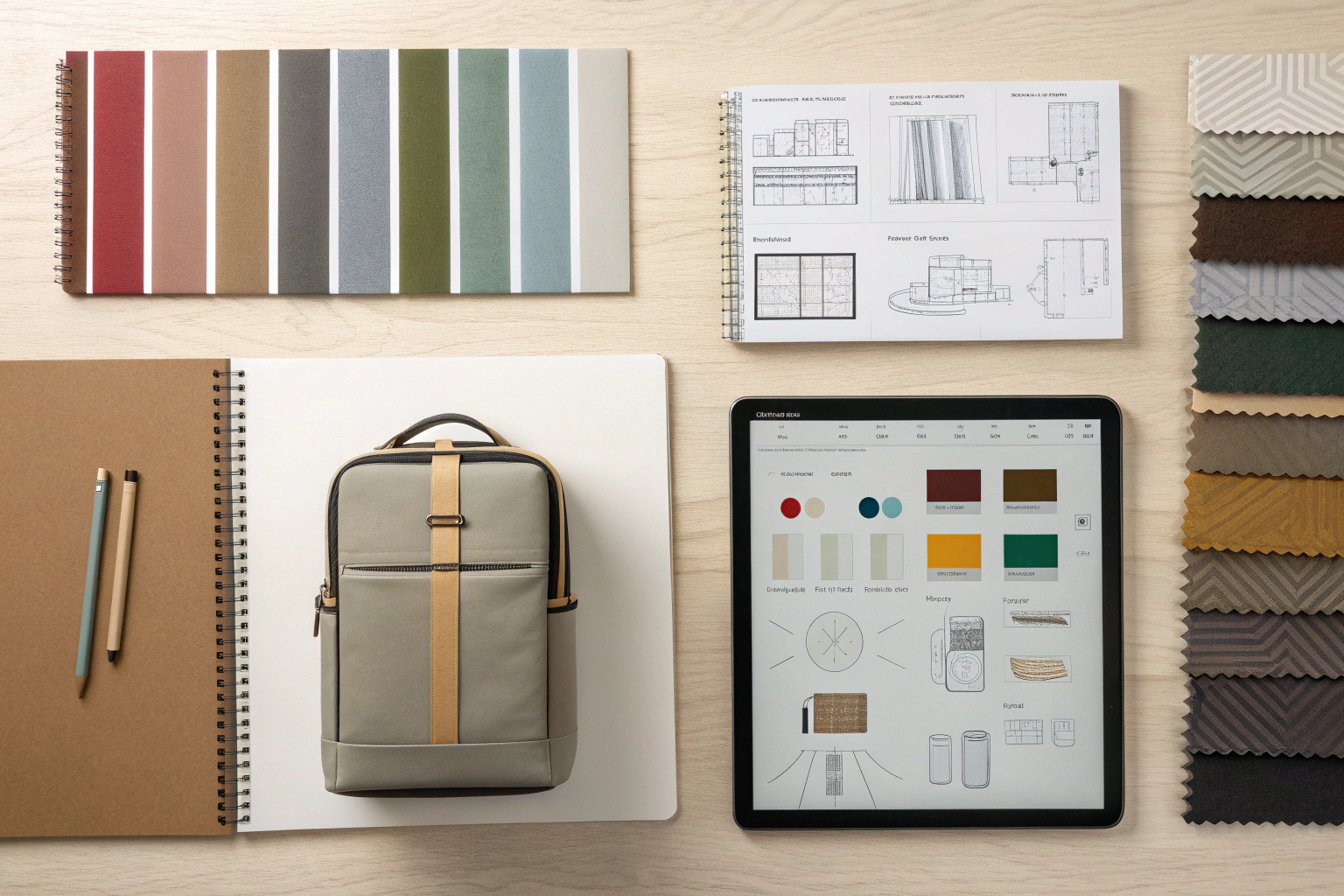
Even the most detailed tech pack can be interpreted differently. The sample phase transforms abstract specifications—"mid-weight canvas," "vintage brass finish," "secure magnetic closure"—into a concrete, mutual reference point. It is the ultimate tool for aligning expectations. Any gap between what you imagined and what the factory produces becomes visible and correctable.
This process saves immense time and money by preventing mass production of the wrong item. It's the stage where you can say, "The red is too orange, please match Pantone 19-1664 TPX exactly," or "The stitching here should be 2mm longer." Once you approve the sample, you are approving it as the master model for production. This approved sample, often signed or stamped, becomes the legally binding standard for the quality inspection of your entire order. It eliminates subjectivity and "he said, she said" disputes later on.

What is the Difference Between a Prototype, PP Sample, and Production Sample?
Understanding the sampling cycle is key:
- Prototype / Development Sample: This is the first physical model, often made with substitute materials. Its purpose is to check design, shape, and basic function. It's usually not saleable quality.
- Pre-Production (PP) Sample: This is made with the correct materials, colors, and trims, using the actual production methods. This is the sample you thoroughly evaluate and approve. It must be perfect, as it sets the standard.
- Production Sample / Top-of-Production Sample: This is a random sample taken from the first batch of mass-produced goods. You check this against your approved PP sample to ensure the factory has maintained the standard during full-scale manufacturing.
Following this structured sampling process ensures clarity at every stage. A factory that understands and follows this protocol, like the processes we uphold at Shanghai Fumao Clothing, demonstrates professional project management and respect for your requirements.
How Does Sample Approval Formalize Your Quality Agreement?
Approving a sample is a formal business action. It should always be done in writing (email is standard), often accompanied by a signed sample approval form or a stamped physical tag on the sample itself. This document should list any and all conditions of your approval (e.g., "Approved with note to increase thread strength on stress point A"). This creates an unambiguous record. If the mass-produced goods do not match the approved sample, you have a clear basis for rejection, re-work, or compensation. This formal agreement is your primary quality defense and is a critical practice in global supply chain management.
How Does the Sampling Process Test Your Supplier's Reliability?
The way a supplier handles the sampling process is a powerful indicator of their professionalism and how they will handle your full order. It's a low-risk trial run of the partnership. A reliable supplier will be patient, communicative, and view sampling as a collaborative effort to get the product right. A problematic supplier will reveal red flags early.
Observe their responsiveness to your feedback. Do they make corrections promptly and accurately, or do they argue and cut corners? Do they proactively communicate challenges and offer solutions? Are they transparent about the costs and timeline for sample revisions? A supplier who invests time and care into perfecting your sample is demonstrating a commitment to a long-term relationship and to your success. This early-stage reliability check can save you from the far greater pain of a failed production run.

What Red Flags Appear During Sample Development?
Be wary of suppliers who:
- Resist sending samples or demand high fees for a simple PP sample.
- Take excessively long to produce samples without good reason.
- Send samples that are obviously different from what was agreed or of poor quality.
- Are unable or unwilling to make revisions based on your feedback.
- Have poor communication, failing to provide updates or explain delays.
These behaviors often predict bigger problems with production capacity, quality control, or integrity during the main order. A smooth, transparent sampling process, on the other hand, builds trust and is a positive indicator for future collaboration on everything from retro sunglasses to seasonal scarves.
Why is Investing in Multiple Sample Rounds Often Cost-Effective?
It can be tempting to approve a "good enough" sample to save time and the cost of another round. This is usually a false economy. The cost of revising a sample is a tiny fraction of the cost of correcting or scrapping 10,000 defective units, paying for expedited shipping to meet a missed deadline, or dealing with a recall. Investing in two or even three sample rounds to perfect fit, finish, and function is one of the smartest investments you can make in your product's success. It ensures that when you press "go" on production, you are confident in the outcome. This diligence is part of a comprehensive quality control system that protects your bottom line.
Conclusion
The fashion accessory sample is the unsung hero of successful sourcing. It is far more than a preview; it is an essential tool for quality assurance, a catalyst for sales and marketing, a guardian against miscommunication, and the ultimate test of a supplier's reliability. Neglecting or shortcutting this phase exposes your business to immense financial risk and operational headaches.
A disciplined and thorough sampling process transforms uncertainty into confidence. It ensures that the products you envision are the products you receive, that your brand promise is kept, and that your partnership with your manufacturer is built on a foundation of clear standards and mutual respect.
Ready to experience a professional sampling process that prioritizes clarity and quality? At Shanghai Fumao Clothing, we treat every sample as the blueprint for success. Our dedicated project managers guide you through a transparent, iterative sampling cycle, ensuring every detail—from material hand-feel to functional clasp—meets your exact standards before production begins. Contact our Business Director Elaine today at elaine@fumaoclothing.com to start your next accessory project with confidence.