You operate in a world of nuance, where the subtle differences between materials can have a massive impact on your product's quality, cost, and customer appeal. You frequently encounter the terms "satin" and "silk" used to describe a smooth, lustrous finish on accessories like scarves, headbands, and evening bags. Often, these terms are used interchangeably in casual conversation, but you know that in manufacturing and sourcing, they mean very different things. You're worried that a misunderstanding of this crucial difference could lead you to approve a product that doesn't meet your quality standards or to misrepresent your product to customers, ultimately damaging your brand's credibility.
The fundamental difference is that "silk" is a natural fiber, while "satin" is a type of weave. Silk is a raw material—a protein fiber produced by silkworms. Satin, on the other hand, is a specific weaving technique that creates a smooth, glossy surface and can be made from many different fibers, including silk, but also polyester, nylon, or rayon. Therefore, a product can be silk satin (the most luxurious), but it can also be polyester satin, which has a similar look but vastly different properties and cost.
I'm the owner of Shanghai Fumao Clothing, and this is one of the most important and most frequently misunderstood distinctions in the textile industry. Getting this right is the key to sourcing correctly, marketing honestly, and pricing appropriately. A customer who buys a "silk" headband and receives a polyester satin one will feel deceived, and that trust is nearly impossible to win back. Let's unravel the threads of this topic so you can make your material decisions with clarity and confidence.
What Defines the "Silk" Fiber?
Before we can talk about finishes, we must first understand the raw material. When you specify "silk," you are not describing a look or a feel; you are specifying a very particular, high-value natural fiber with a history stretching back thousands of years. What makes this fiber so special and so different from its man-made counterparts?
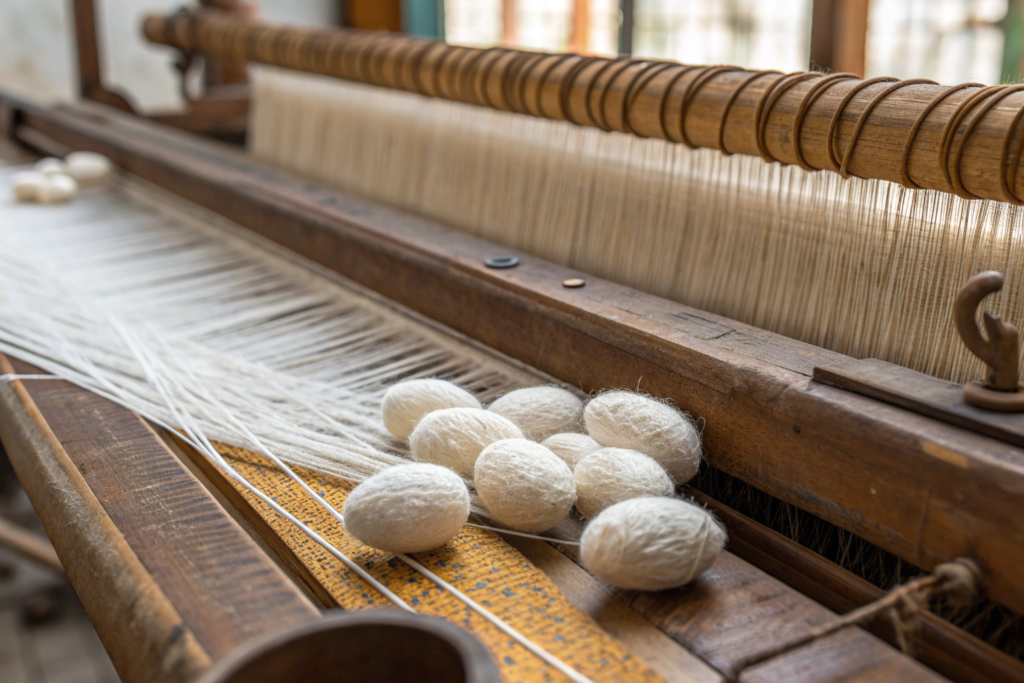
Silk is a natural protein fiber produced by the larvae of certain insects, most famously the mulberry silkworm (Bombyx mori), to form their cocoons. Its unique triangular prism-like structure allows it to refract light at different angles, giving it a characteristic deep, shimmering luster that is distinct from the surface-level shine of synthetic fabrics. It is renowned for its incredible strength-to-weight ratio, its soft and smooth hand-feel, and its excellent breathability.
Let's explore the intrinsic properties of the silk fiber itself:
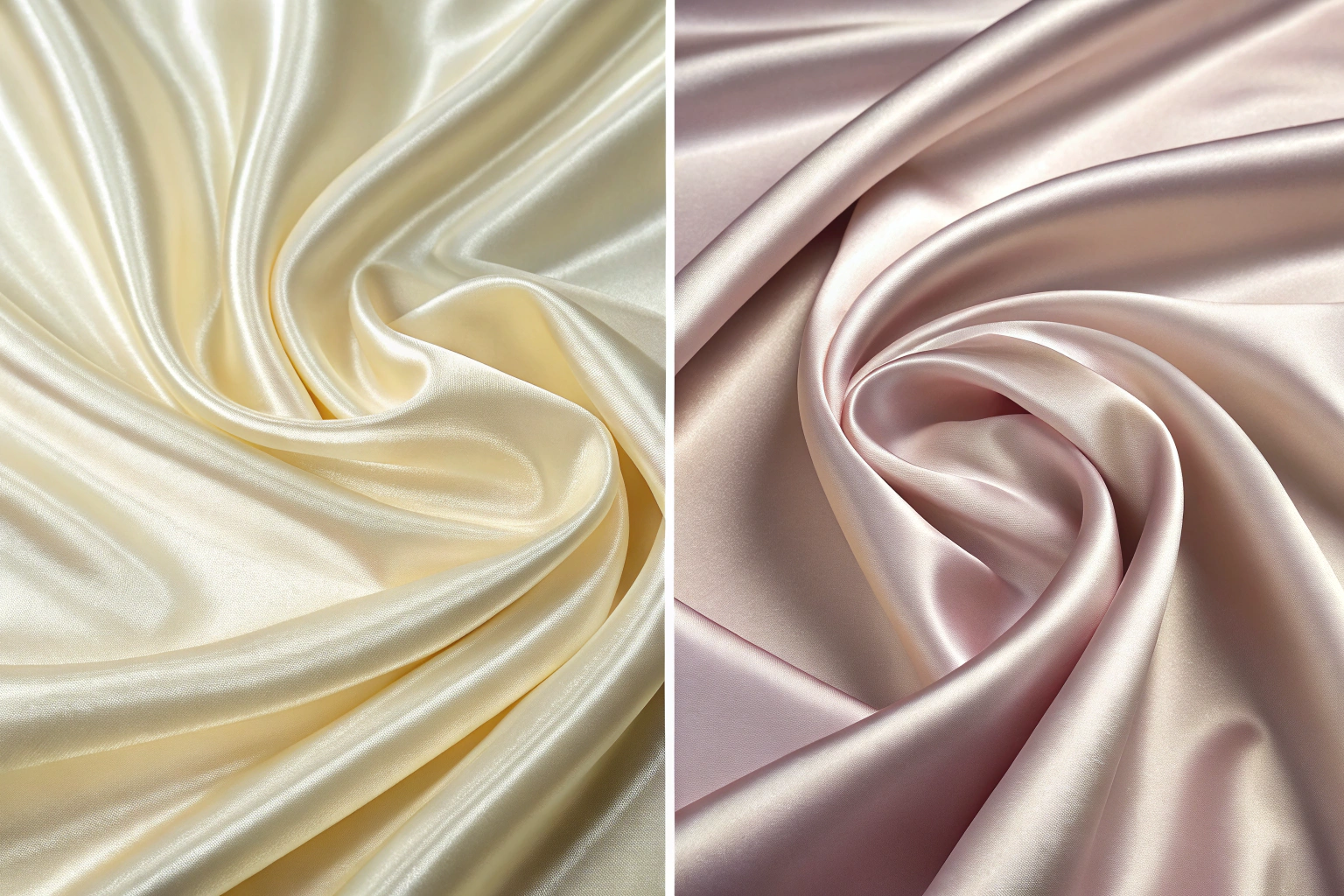
- The Luster (The "Silk Finish"): This is the most important differentiator. The triangular shape of the silk fiber acts like a prism. It doesn't just reflect light; it refracts and scatters it. This creates a multi-tonal, pearlescent shimmer that seems to glow from within. It's a deep, complex luster, not a flat, one-dimensional shine.
- Strength and Durability: For its weight, silk is one of the strongest natural fibers available. A filament of silk is stronger than a comparable filament of steel. This strength allows it to be woven into very fine, lightweight, yet durable fabrics.
- Comfort and Breathability: As a natural protein fiber, silk is highly breathable. It can absorb a significant amount of moisture without feeling damp, and it allows air to circulate, making it comfortable to wear in both warm and cool weather. This is a major advantage over non-breathable synthetic fibers like polyester.
- The Cost: Silk is a luxury material because its production is a natural, labor-intensive process. The silkworms must be carefully cultivated, and the process of unraveling the cocoons into long, continuous filaments is a delicate one. This agricultural origin and artisanal process are the reasons for its high cost compared to synthetic fibers, which can be mass-produced in a factory.
What are the different types of silk?
While Mulberry silk is the most common and finest type, there are other varieties. Charmeuse is technically a type of weave (a lightweight satin weave), but it is so intrinsically linked with silk that the terms are often used together. It's known for its incredible drape and lustrous front surface. Crepe de Chine is another silk fabric that has a more muted, matte finish due to a specific crinkled texture. For a durable accessory like a scarf, a silk twill (the same weave used for classic Hermès scarves) is an excellent choice, as the diagonal weave adds strength and structure.
How can you test if a fabric is real silk?
While not something you'd do in a business meeting, the "burn test" is a definitive way to identify real silk. When burned, real silk (a protein) smells like burning hair, is self-extinguishing, and leaves a brittle, black ash. Polyester (a plastic), on the other hand, will melt and drip, smell like burning plastic, and leave a hard, black bead. This fundamental chemical difference is the reason for their different properties.
What Defines the "Satin" Weave?
Now, let's shift our focus from the fiber to the fabric's construction. If silk is the "ingredient," satin is the "recipe." It's a specific method of weaving that can be applied to any number of different ingredients. What is this recipe, and how does it create that characteristic glossy finish?
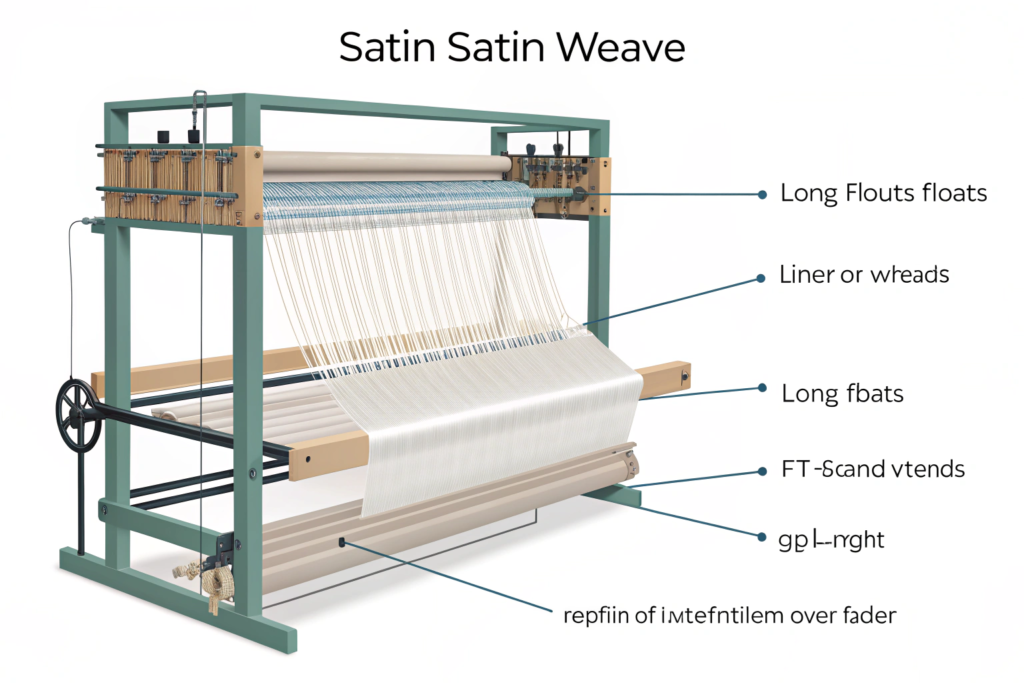
Satin is a type of fabric weave characterized by long "floats" where warp threads are passed over multiple weft threads (e.g., over four weft threads and under one). This construction minimizes the number of interlacings on the fabric's surface, creating a smooth, uninterrupted, and highly reflective face. The back of the fabric, conversely, has a dull or matte appearance. The "satin finish" is this high-gloss surface created by the weave structure.
The key to understanding satin is the concept of the "float."
- The Weave Structure: In a basic "plain weave" (like a simple cotton poplin), the threads go over one, under one, creating a matte, checkerboard-like surface with many interlacings. In a satin weave, a single thread "floats" over a long stretch of perpendicular threads.
- Creating the Shine: These long, uninterrupted floats create a smooth, flat plane on the fabric's surface. This flat plane acts like a mirror, reflecting light in a single, uniform direction. This is what produces the bright, high-gloss "satin shine."
- The Fiber's Role: The type of fiber used dramatically affects the final look. When a satin weave is made with a filament fiber (a long, continuous fiber) like silk or polyester, the effect is maximized, creating a very shiny surface. When made with a staple fiber (a short fiber) like cotton, it creates a less lustrous fabric called Sateen.
What is the difference between Satin and Sateen?
This is another important distinction. Satin is made using long, continuous filament fibers (like silk, polyester, or nylon). Sateen uses the same satin weave structure, but it is made with short-staple fibers, most commonly cotton. Because the cotton fibers are short, sateen has a much softer, more subtle sheen and a warmer feel compared to the bright, slick feel of polyester satin. A cotton sateen headband would be a good choice for comfort and breathability, with a gentle luster.
What are the pros and cons of polyester satin?
Pros: Polyester satin is significantly less expensive than silk, highly durable, wrinkle-resistant, and can be made in very vibrant, colorfast shades. It is also easy to wash and care for.
Cons: Its main drawbacks are a lack of breathability (it can feel clammy against the skin), a tendency to build up static electricity, and a shine that can sometimes look "cheap" or "plasticky" compared to the deep luster of real silk. It also does not have the same luxury connotation or natural origin story.
How Do They Compare in a Side-by-Side Analysis?
Now that you understand the fundamental difference—fiber vs. weave—let's put them head-to-head on the key attributes that matter to you as a brand owner. You need to make a strategic choice based on your target customer, your brand positioning, and your cost targets.
When compared directly, silk and polyester satin represent a classic trade-off between luxury and performance. Silk offers unparalleled natural luxury, comfort, and a sophisticated luster, but at a high cost and with more delicate care requirements. Polyester satin offers a similar glossy look with superior durability, easy care, and a much lower cost, but it sacrifices breathability and the premium, natural feel of silk.
Let's break it down in a table format for clarity:
| Attribute | Silk (The Fiber) | Polyester Satin (The Weave + Synthetic Fiber) |
|---|---|---|
| Luster/Shine | Deep, pearlescent, multi-tonal shimmer. Glows from within. | Bright, glossy, uniform, mirror-like shine. Reflects from the surface. |
| Hand-Feel | Incredibly soft, smooth, and lightweight. | Smooth and slick, but can feel slightly "plasticky" or less natural. |
| Breathability | Excellent. Natural fiber allows air and moisture to pass through. | Poor. It is not breathable and can trap heat and moisture, feeling clammy. |
| Durability | Very strong for its weight, but can be susceptible to sun damage and abrasion. | Extremely durable, resistant to abrasion, stretching, and shrinking. |
| Cost | High. A premium, luxury raw material. | Low. A mass-produced, petroleum-based synthetic fiber. |
| Care | Delicate. Often requires hand-washing or dry-cleaning. | Easy. Machine washable and dries quickly. Wrinkle-resistant. |
| Marketing Story | Natural, luxurious, ancient, sustainable (biodegradable), good for skin/hair. | Durable, easy-care, affordable, vegan (a key selling point). |
Which is better for a high-end evening scarf?
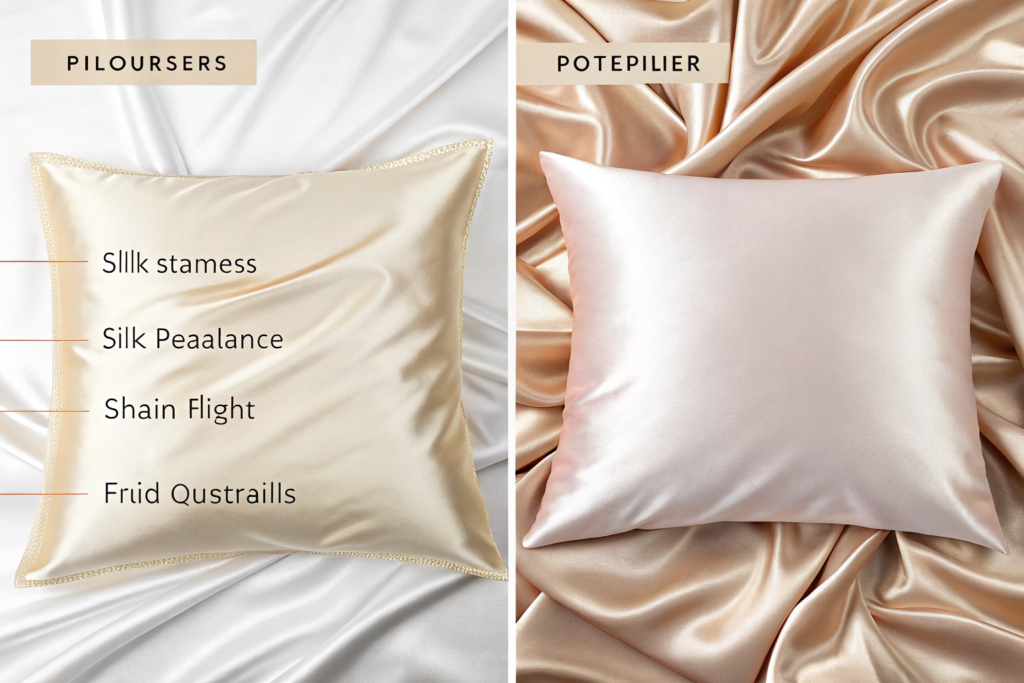
For a high-end, luxury product where feel and sophisticated appearance are paramount, silk is the only choice. A silk charmeuse or silk twill scarf has a drape, luster, and feel that polyester satin cannot replicate. The customer at this price point expects and is willing to pay for the qualities of the natural fiber.
Which is better for a child's scrunchie or a promotional headband?
For a product where durability, low cost, and easy care are the top priorities, polyester satin is the clear winner. It can withstand the rough use of a child, it can be washed easily, and its low cost makes it ideal for a fun, trendy item or a promotional giveaway where a "shiny look" is desired without the high price tag.
How Should You Market and Label These Products?
You've made your choice. You've decided to source a collection of polyester satin headbands for their durability and price point, and a small capsule collection of premium silk scarves. How you describe and label these products is a matter of legal compliance and brand integrity. Getting this wrong can lead to accusations of false advertising.
You must be precise, honest, and transparent in your product labeling and marketing. If a product is made from silk, you should proudly label it as "100% Silk." If a product is made from polyester satin, you must label it as "100% Polyester" and describe its finish as a "satin weave" or "satin finish." Never use the word "silk" to describe a polyester product. Instead, lean into the benefits of polyester satin: its durability, easy care, and vegan nature.
Here is a guide to honest marketing language:
- For Your Silk Scarf:
- Label: "100% Mulberry Silk"
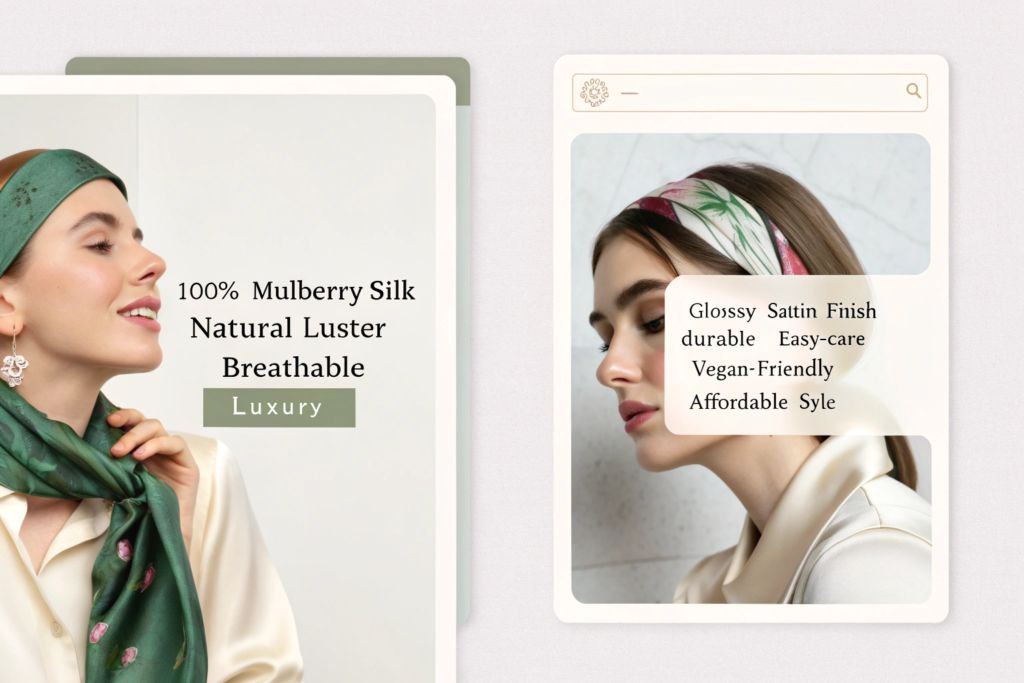
- Description: "Experience the unparalleled luxury of pure, natural silk. Our scarf is crafted from the finest 100% mulberry silk, offering a deep, pearlescent luster and a beautifully soft feel against the skin. As a natural, breathable fiber, it provides comfort in any season."
- For Your Polyester Satin Headband:
- Label: "100% Polyester"
- Description: "Get a touch of glamour with our stylish headband, featuring a brilliant, high-gloss satin finish. Made from durable and easy-care polyester, it's designed to withstand daily wear and is completely machine washable. A perfect, affordable, and vegan-friendly way to add a pop of shine to your look."
By being clear and honest, you build trust with both groups of customers. The customer looking for real silk will appreciate your transparency, and the customer looking for an affordable, durable, shiny accessory will be happy with their purchase because it was accurately described.
What are misleading terms to avoid?
You must avoid any "weasel words" that imply a product is silk when it is not. Legally, in many regions like the US under the Textile Fiber Products Identification Act, this is required. Avoid terms like:
- "Silky Satin"
- "Art Silk" (Artificial Silk)
- "Silk-feel Polyester"
- "Bamboo Silk" (This is actually a type of rayon/viscose, not true silk)
Using these terms can lead to legal trouble and a complete loss of customer trust.
How can I leverage the "vegan" angle for polyester satin?
This is a powerful and honest marketing angle. For a growing number of consumers who avoid all animal products, polyester satin is a great alternative to silk. You can actively market your polyester satin products as "Vegan Silk" or "Cruelty-Free Satin," which frames the material choice as a positive, ethical one, rather than a purely cost-based one. This appeals directly to the values of a specific and growing demographic.
Conclusion
The distinction between "satin" and "silk" is at the very heart of what it means to be a knowledgeable and trustworthy brand owner. Silk is the precious, natural fiber; satin is the weaving method that creates a shine. Understanding this allows you to make deliberate, strategic choices about your materials based on your target cost, your brand's positioning, and the specific needs of your customer. By sourcing with clarity and, most importantly, by marketing with honesty, you can build a strong, resilient brand. Whether you choose the natural luxury of silk or the durable, affordable shine of polyester satin, your success will be founded on the trust you build by representing your products accurately and proudly for what they truly are.
At Shanghai Fumao Clothing, we are experts in sourcing and manufacturing with a wide range of materials, from luxurious natural fibers to high-performance synthetics. We can provide you with the technical guidance and the transparent supply chain you need to make the right choice for your brand. If you are ready to create a collection based on a foundation of material expertise and integrity, please reach out to our Business Director, Elaine, at elaine@fumaoclothing.com.