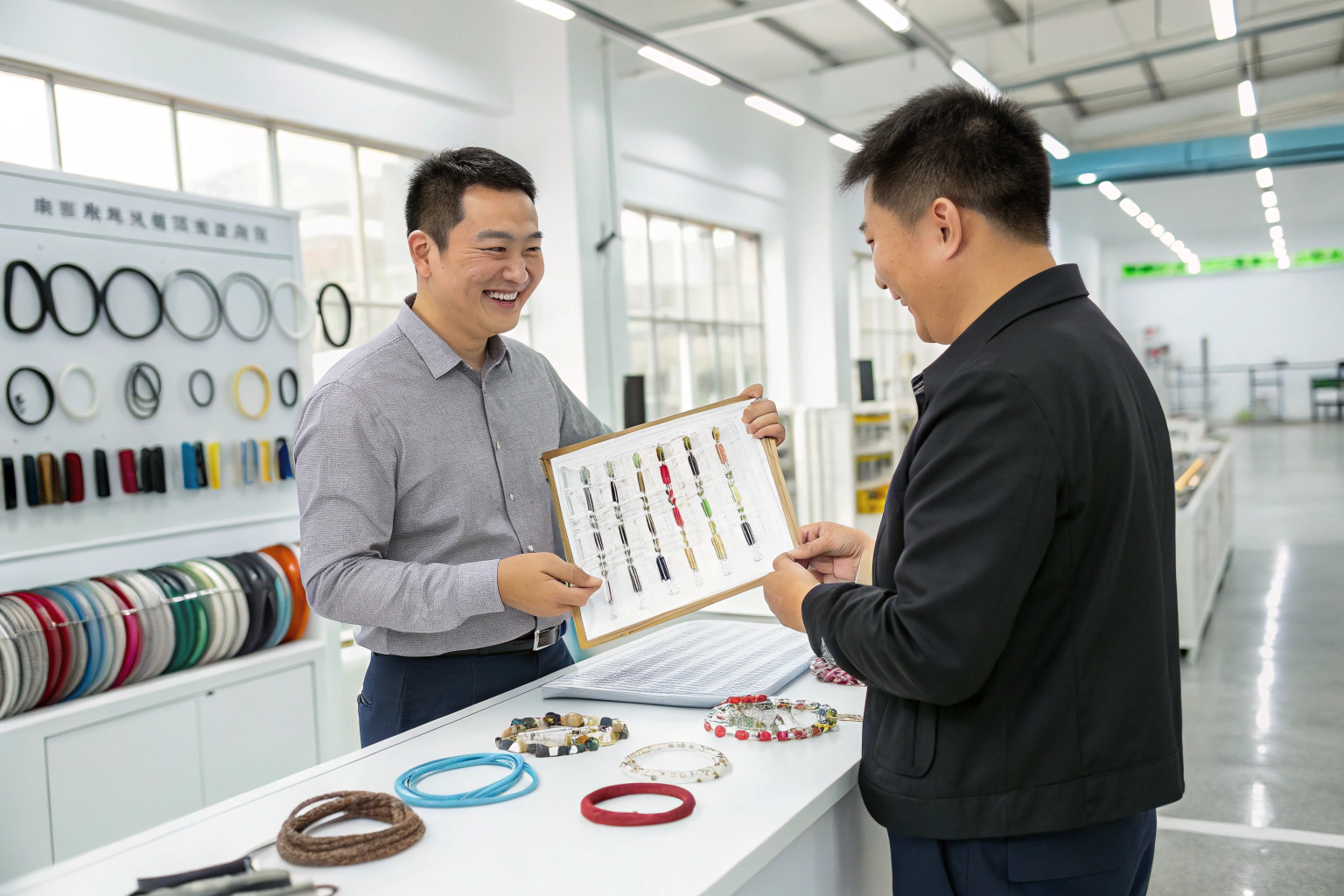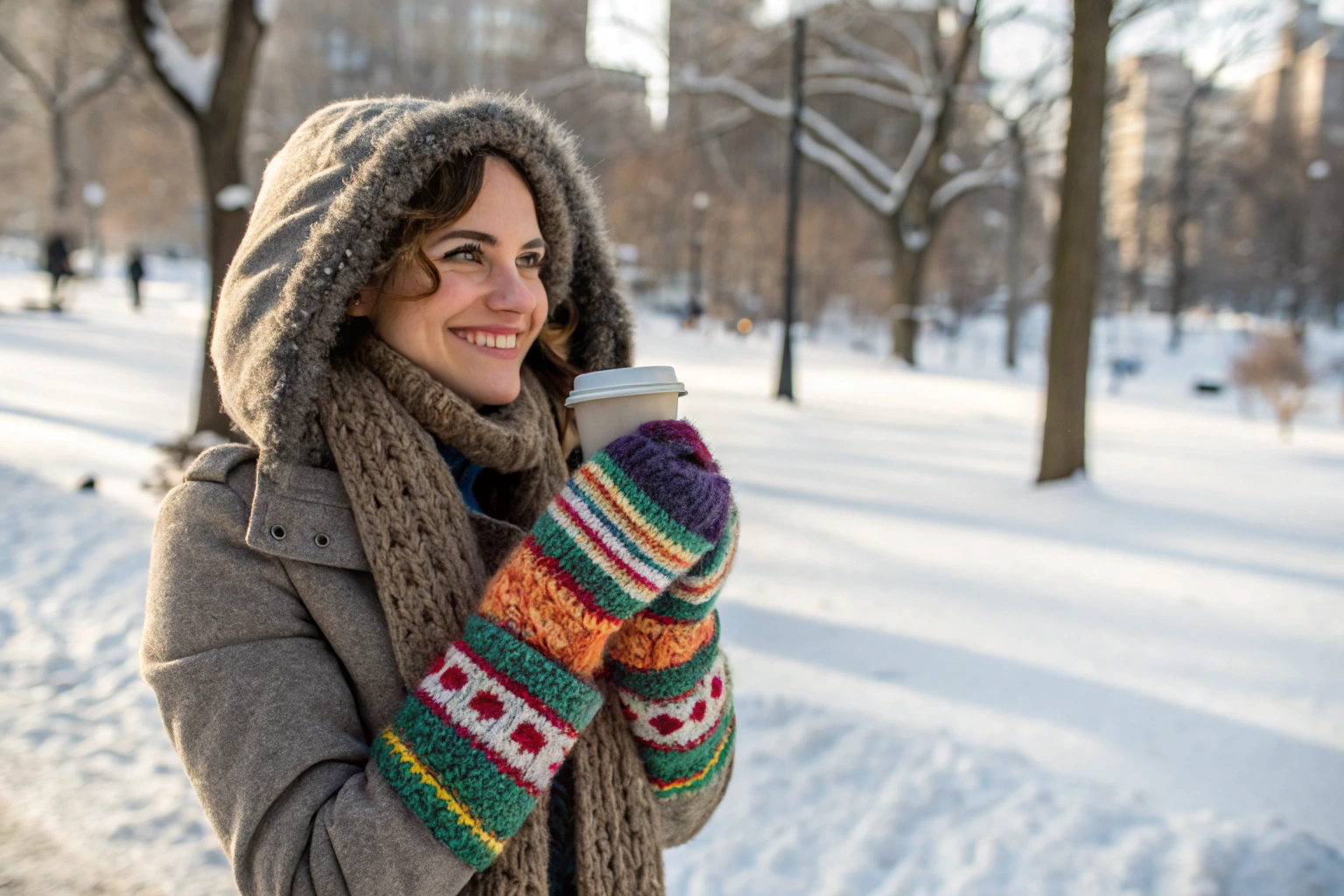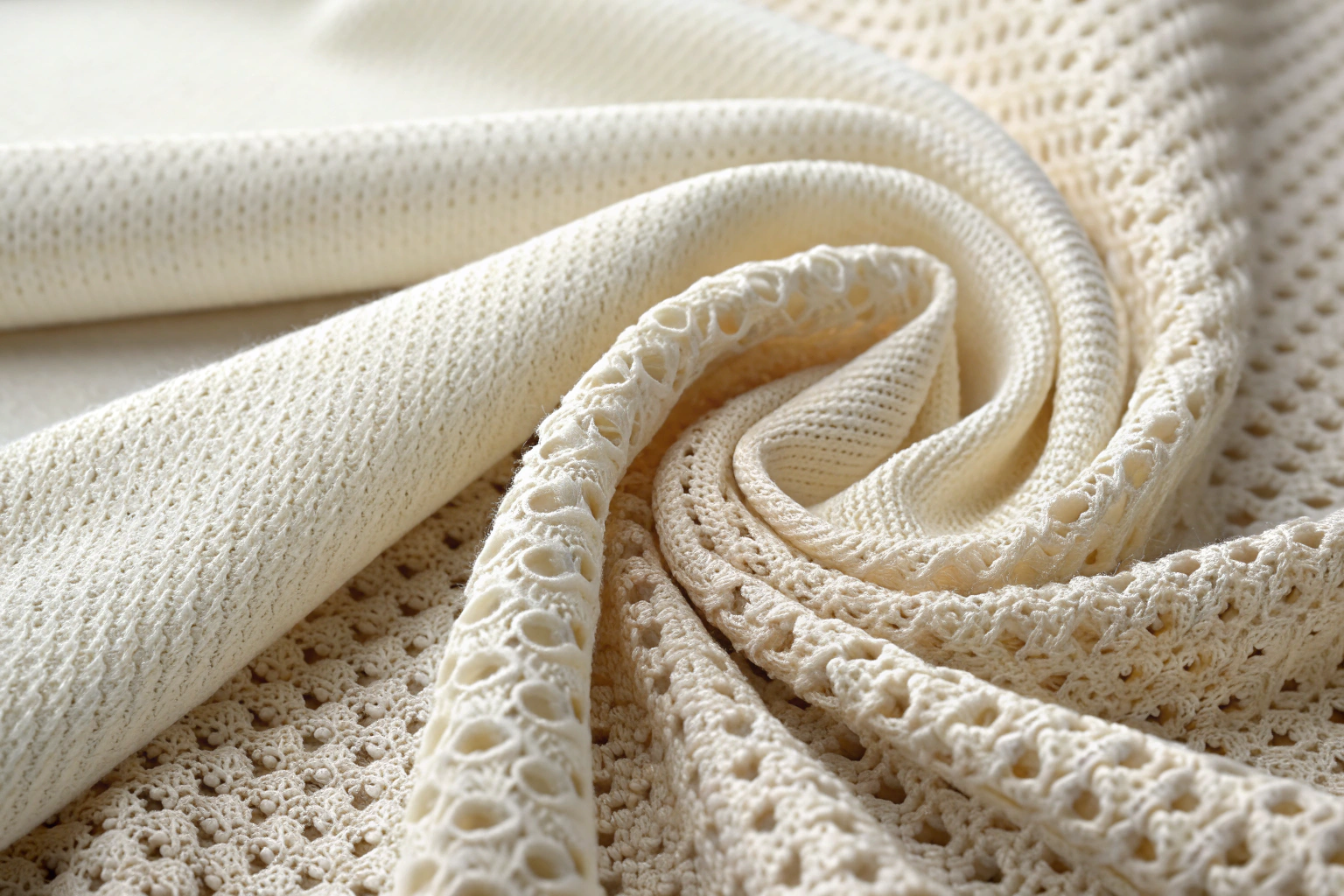
You're browsing for a cozy winter hat or a chic summer top. You see two beautiful pieces—one labeled "knitted," the other "crochet." They might look somewhat similar at first glance, but the price, texture, and feel are different. Which one is more durable? Which is more breathable? And, if you're a buyer sourcing accessories, which technique is better for your specific product line? Understanding this distinction is crucial for making informed purchasing and sourcing decisions.
Knitted and crochet styles are fundamentally different textile techniques, each creating unique fabric structures. Knitting uses two or more needles to create interlocking loops in rows or rounds, resulting in a flexible, often stretchy fabric. Crochet uses a single hook to create interlocking loops, building a more textured, less elastic fabric with distinct, often lacy patterns. For fashion accessories, knitting is ideal for items requiring stretch and drape like beanies and scarves, while crochet excels in decorative, structured pieces like statement bags, summer hats, and intricate appliqués.
As a manufacturer specializing in both knitted and crochet accessories like hats, scarves, and bags, I work with these techniques daily. Let's unravel the details so you can choose the right style for your needs with confidence.
How Do the Basic Tools and Techniques Differ?
The core difference starts with the tools and the very method of constructing the fabric. Imagine building a wall: knitting is like using bricks in uniform, interlocking rows, while crochet is like using a single tool to knot and link loops in various directions. This fundamental process impacts everything from production speed to the final product's character. Understanding this helps explain why certain items are made with one technique over the other.
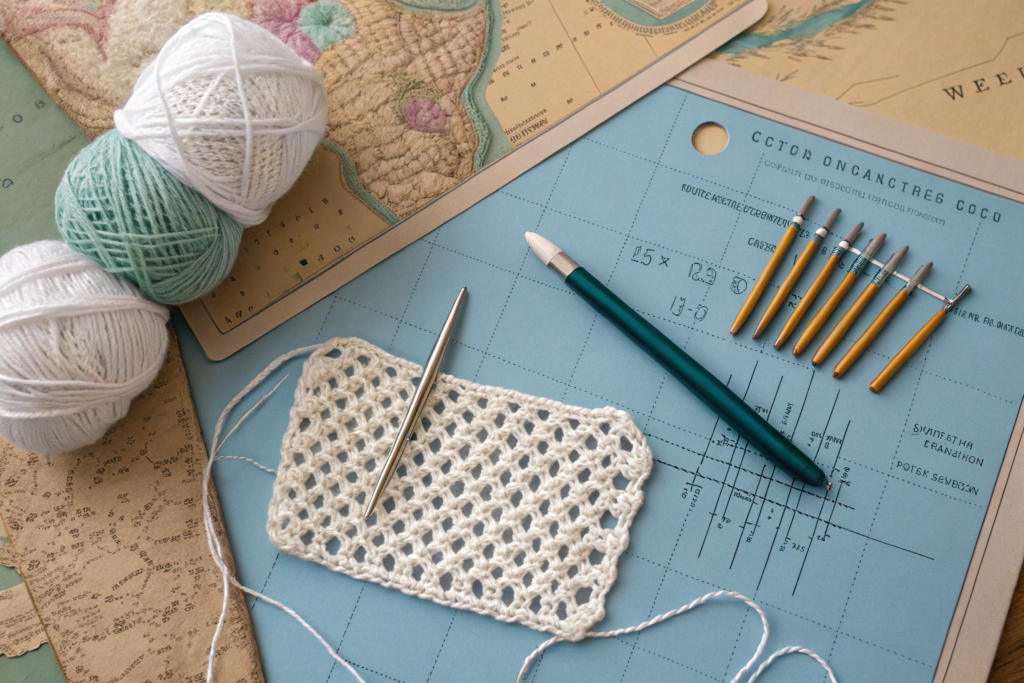
What tools are used in knitting versus crochet?
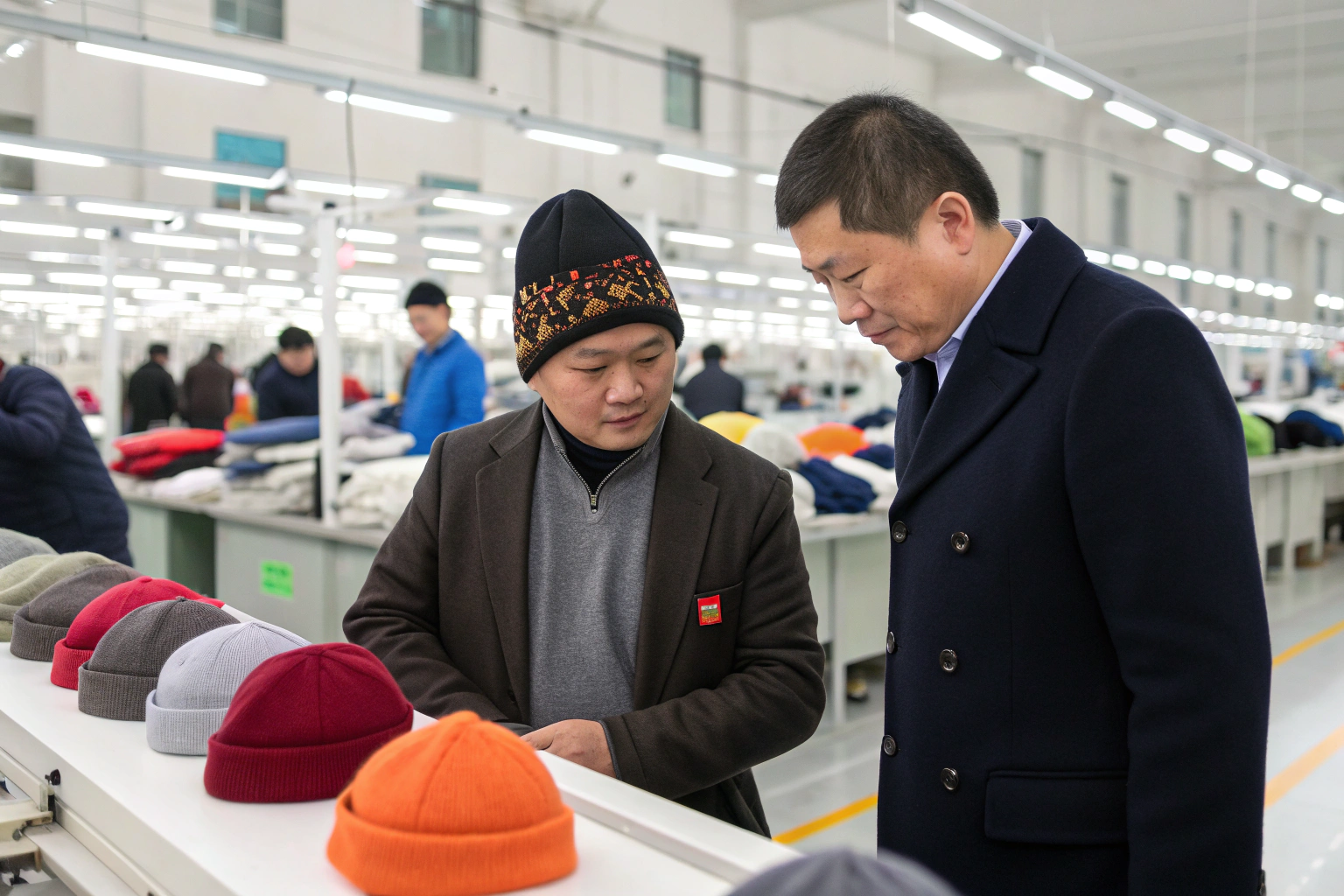
Knitting primarily uses two pointed needles (for flat pieces) or circular/double-pointed needles (for tubes like hats). Machines replicate this action with many needles, allowing for mass production. Crochet uses one single hook with a notch at the end to catch and pull yarn. While industrial crochet machines exist for specific items like shoe uppers, most crochet fashion items are made by hand or with significant hand-finishing because the technique is harder to fully automate. This distinction is key for sourcing: machine-knitted items like knit hats can be produced quickly and cost-effectively in bulk, while intricate crochet bags or tops often involve more labor, impacting price and minimum order quantities.
How is the fabric structure created differently?
In knitting, multiple loops are active on the needle at once, forming a continuous, interlinked column of stitches (like a chain). This creates a fabric that is inherently elastic and can be very fine and smooth. In crochet, only one loop is active at a time. Each stitch is completed before the next begins, building up in a more freeform way. This allows for more dramatic texture and open, lacy holes within a single piece of fabric. The resulting fabric has less stretch and is often thicker. For brands, this means a crochet-style scarf will have a boho, textured look, while a knitted scarf will have a sleek, stretchy drape.
What Are the Visual and Textural Characteristics of Each?
You can often tell knitting from crochet by sight and touch. These characteristics directly influence the style, seasonality, and application of the final accessory. A buyer needs to know these traits to match the product to their target market's aesthetic and functional needs.
How can you visually identify a knitted piece?
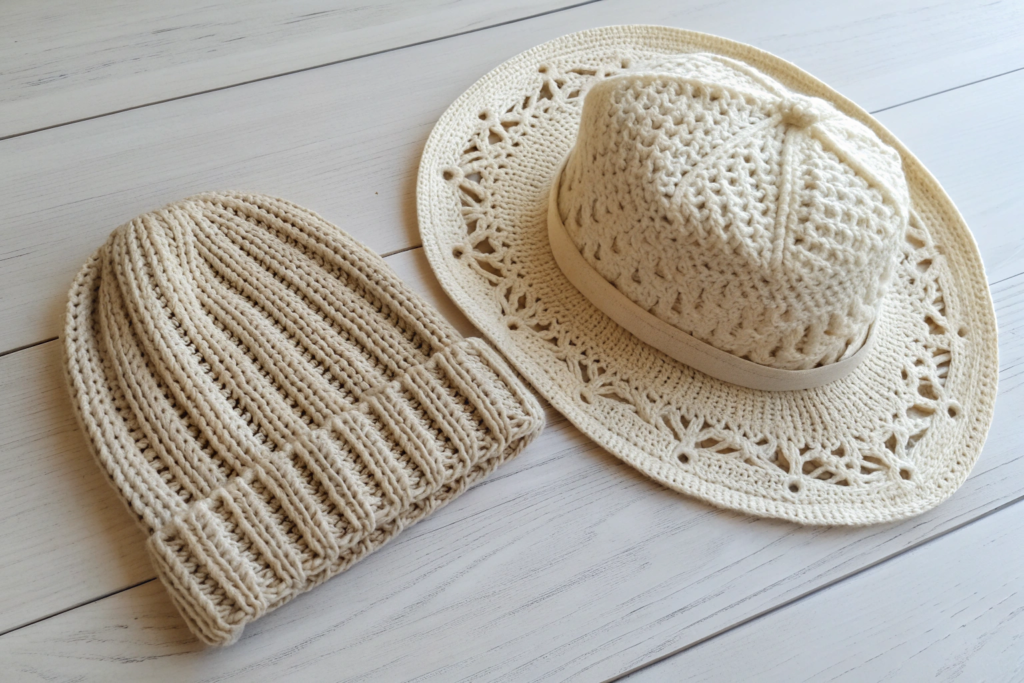
Knitted fabric typically has a "V" shaped stitch pattern in its most basic form (stockinette stitch). It looks uniform, smooth, and can be very thin and dense (like t-shirt material) or chunky (like a cable-knit sweater). The fabric often lies flat and has a clear right and wrong side. In accessories, you'll see this in fine-gauge knit gloves, sleek scarves, and fitted beanies. Because of its elasticity, knitting is perfect for items that need to hug the body or head without a closure. Resources like The Craft Yarn Council provide standardized visual guides to basic knitting stitches.
How can you visually identify a crochet piece?
Crochet fabric is characterized by more distinct, individual stitches that can look like knots, braids, or clusters. It is common to see purposeful holes and openwork patterns integrated directly into the fabric, like in a crochet market bag or a lace shawl. The fabric is often thicker, stiffer, and can be worked in any direction, allowing for complex 3D shapes—think of a crochet bucket hat that holds its structure. The texture is more pronounced and tactile. For a fashion accessories manufacturer like Shanghai Fumao Clothing, crochet offers unique decorative potential for items like hair accessories or bag charms.
Which Technique is Better for Different Types of Accessories?
Choosing between knitting and crochet isn't about which is better overall, but which is better for your specific product goal. Factors like desired drape, structure, breathability, production scale, and cost all come into play. As a sourcer or designer, aligning the technique with the product's purpose is key to success.
When should you choose knitting for an accessory?
Choose knitting when you need:
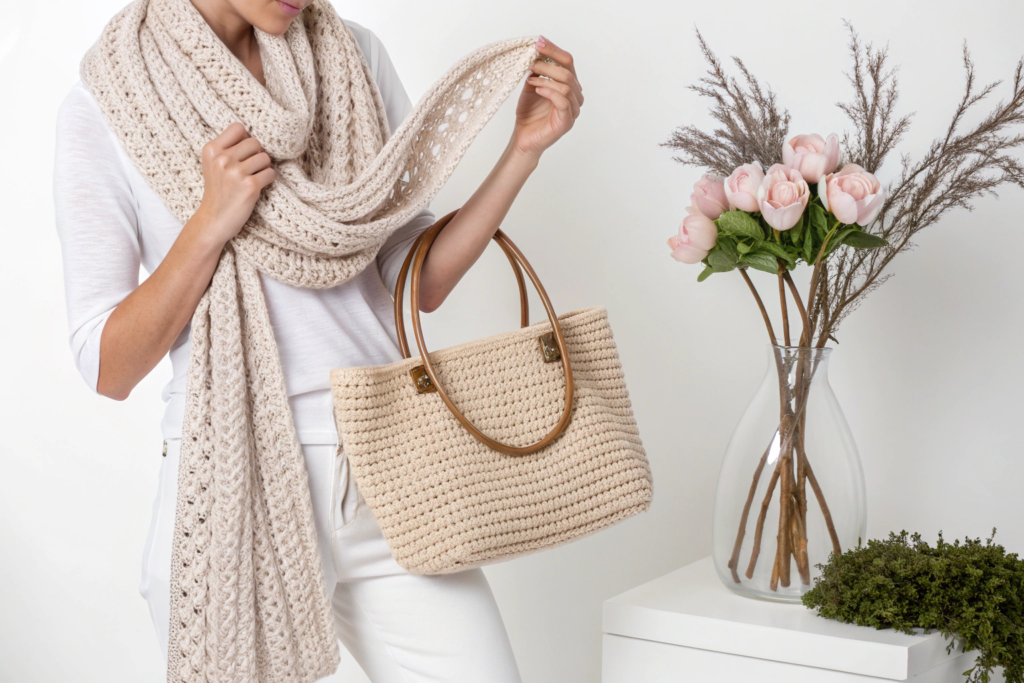
- Stretch and Fit: For items like headbands, slouchy beanies, or fingerless gloves that need to conform to the body.
- Smooth Drape: For lightweight scarves or shawls that need to flow softly.
- Speed and Scale: For high-volume production of items like basic winter hats. Machine knitting is efficient and cost-effective for bulk orders.
- Fine Detail: Advanced knitting machines can produce intricate jacquard patterns for logos or images on knit caps.
Knitting is the go-to for comfortable, everyday, and high-volume accessory lines. The industry relies on advanced knitting machinery to produce consistent, quality items at scale.
When should you choose crochet for an accessory?
Choose crochet when you want:
- Structure and Shape: For items like straw-style hats, tote bags, or baskets that need to hold their form.
- Decorative Openwork: For summer tops, lace trims on scarves, or cover-ups where breathability and style are key.
- Unique Texture: For statement pieces where the craft itself is part of the aesthetic, like a textured headband or earrings.
- Small Batch or Artisan Appeal: Crochet often carries a handmade, boho, or luxury connotation, which can justify a higher price point.
Due to its labor-intensive nature, crochet is ideal for specialty, boutique, or higher-margin accessory lines. Information on the value of hand-crafted techniques can be found through organizations promoting artisan crafts.
What Are the Practical Implications for Care and Durability?
The structural differences between knitted and crochet fabrics lead to different care requirements and longevity. This is crucial information for both end-consumers and brands creating care labels. Providing accurate care instructions reduces returns and maintains customer satisfaction.
How should you care for knitted accessories?
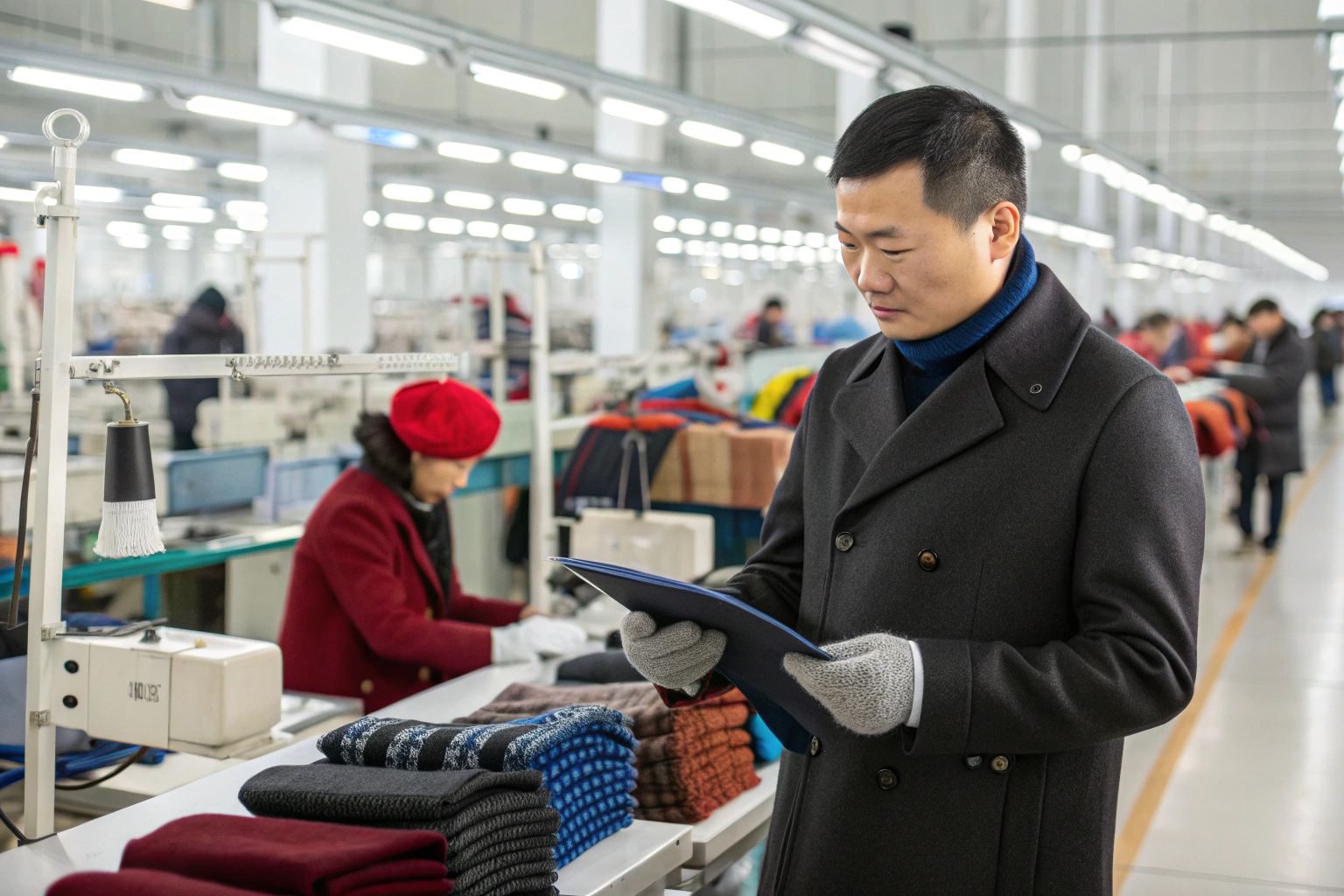
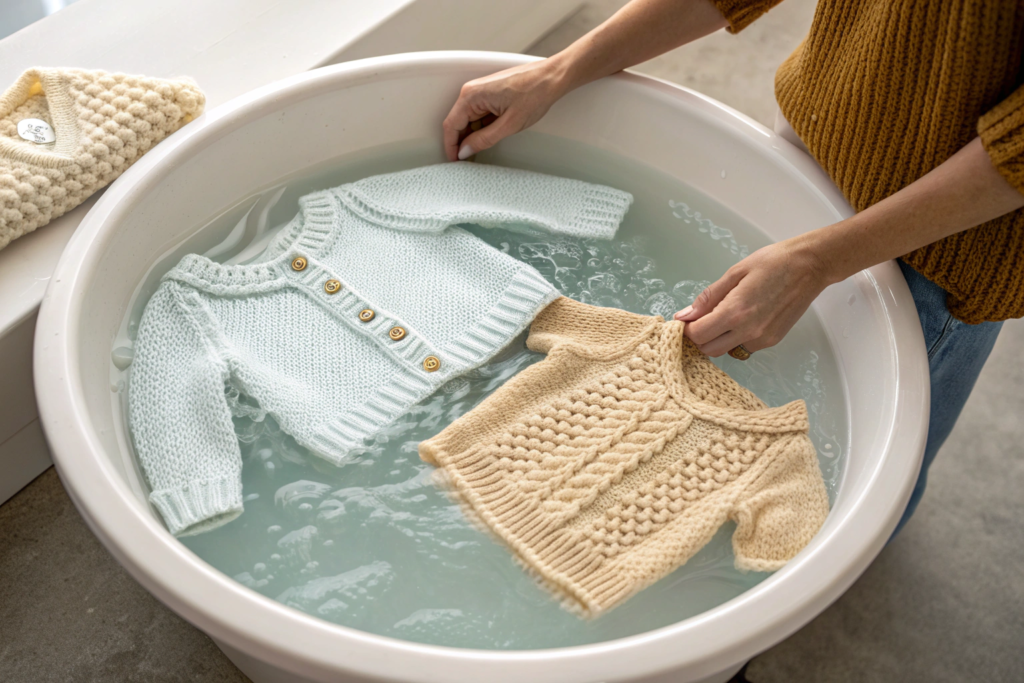
Knitted items, especially machine-knitted ones, can often handle gentle machine washing if the yarn allows (e.g., acrylic or superwash wool). However, to preserve shape, laying flat to dry (blocking) is usually recommended. The biggest risk is stretching; a heavy, wet knitted scarf can lose its shape if hung. Wool knits are also susceptible to felting in hot water and agitation. Always check the yarn content care label first. From a production standpoint, at our factory, we perform shrinkage testing on all knitted fabrics to ensure they maintain size and shape after washing, a key part of our quality control process.
How should you care for crochet accessories?
Crochet items generally require more delicate care. Due to their textured, often open structure, they are more prone to snagging. Hand washing in cool water with mild detergent is almost always safest. Like knitting, they should be laid flat to dry to maintain their exact shape. The structured nature of crochet means it won't stretch out as easily as knitting, but it can become misshapen if handled roughly while wet. For retailers, clear care labeling is non-negotiable. The International Association for Textile Care Labelling (GINETEX) provides global standards for care symbols that help communicate these needs universally.
Conclusion
Knitting and crochet are distinct crafts that yield fabrics with unique properties. Knitting offers elasticity, drape, and efficiency for high-volume production, making it ideal for comfortable, everyday accessories. Crochet provides structure, ornate texture, and artisanal appeal, perfect for decorative and statement pieces. The choice depends entirely on the desired aesthetic, function, and commercial strategy for the accessory.
Understanding this difference empowers you to source, design, and purchase with precision, ensuring the final product perfectly matches its intended purpose. For brands, choosing the right technique is a fundamental design and sourcing decision.
If you are looking to develop a line of knitted or crochet accessories and need expert guidance on technique selection, production, and sourcing, we have the expertise to bring your vision to life. Contact our Business Director, Elaine, at elaine@fumaoclothing.com to discuss your next project.