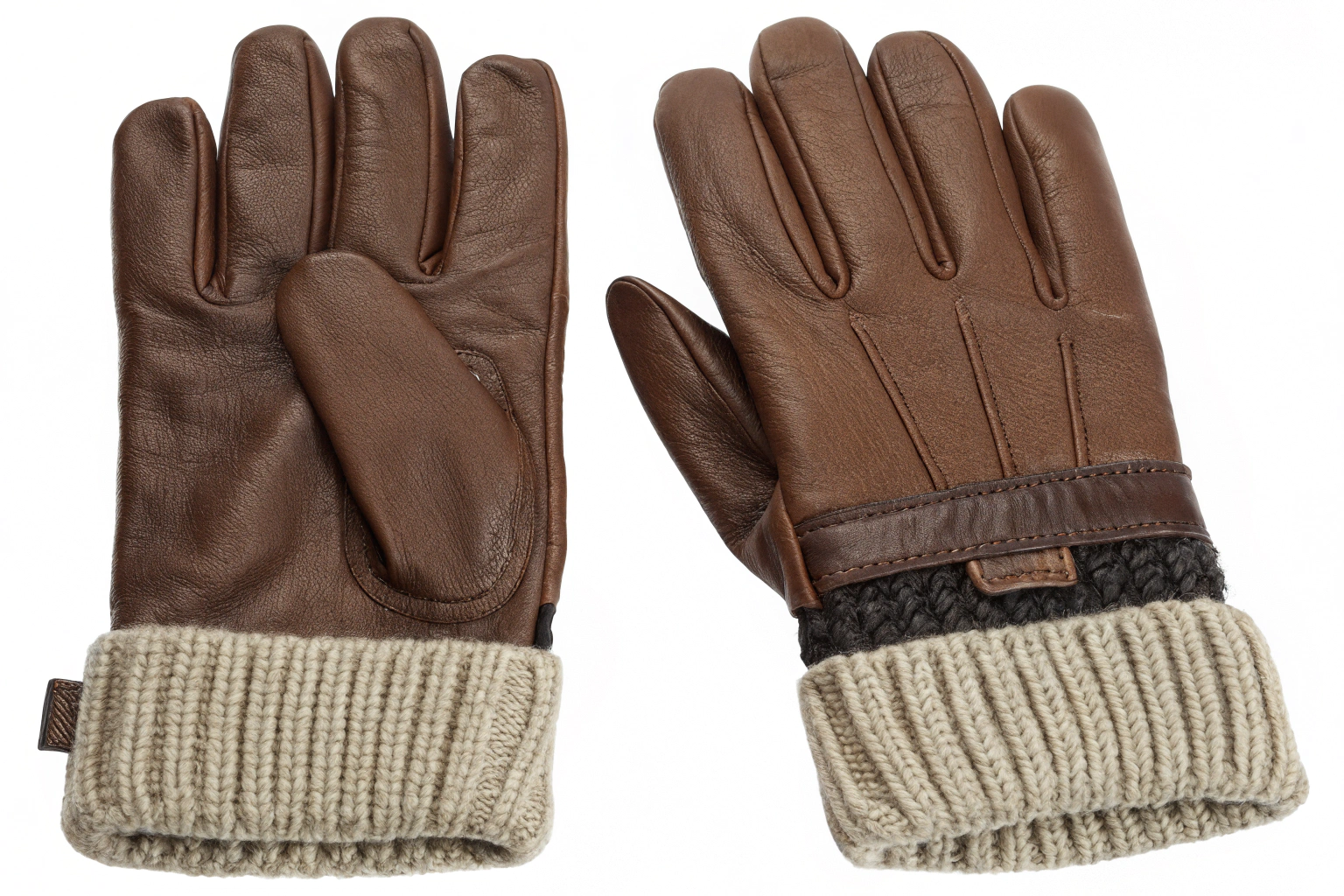
You're sourcing belts, bags, or accessories and want a leather option. Your supplier offers "genuine leather" and "bonded leather" at vastly different price points. They both have the word "leather" in the name, so what's the real difference? Choosing the wrong one could mean disappointed customers, product failures, and damage to your brand's reputation for quality. How do you navigate this terminology to make an informed decision for your product line?
The core difference between genuine and bonded leather lies in their fundamental structure and composition, which directly dictates their durability, appearance, feel, and lifespan. Genuine leather is a natural material made from the top layers of an animal hide, retaining its fibrous grain. Bonded leather is a reconstituted material made from shredded leather fibers and scraps bonded together with latex or polyurethane onto a fiber or paper backing. While both originate from hide, genuine leather is a continuous, natural sheet, whereas bonded leather is a manufactured composite. For brands and buyers, this isn't just a semantic difference—it's the difference between a product that ages with character and one that may quickly crack, peel, and degrade.
Understanding this distinction is crucial for setting accurate customer expectations, pricing your products correctly, and ensuring the longevity of your accessories. Let's dissect the details to empower your sourcing decisions.
What is Genuine Leather, Really?
When you hear "genuine leather," you might picture a premium, long-lasting material. In the broad hierarchy of leather, however, "genuine" has a specific meaning. It's essential to cut through the marketing haze.
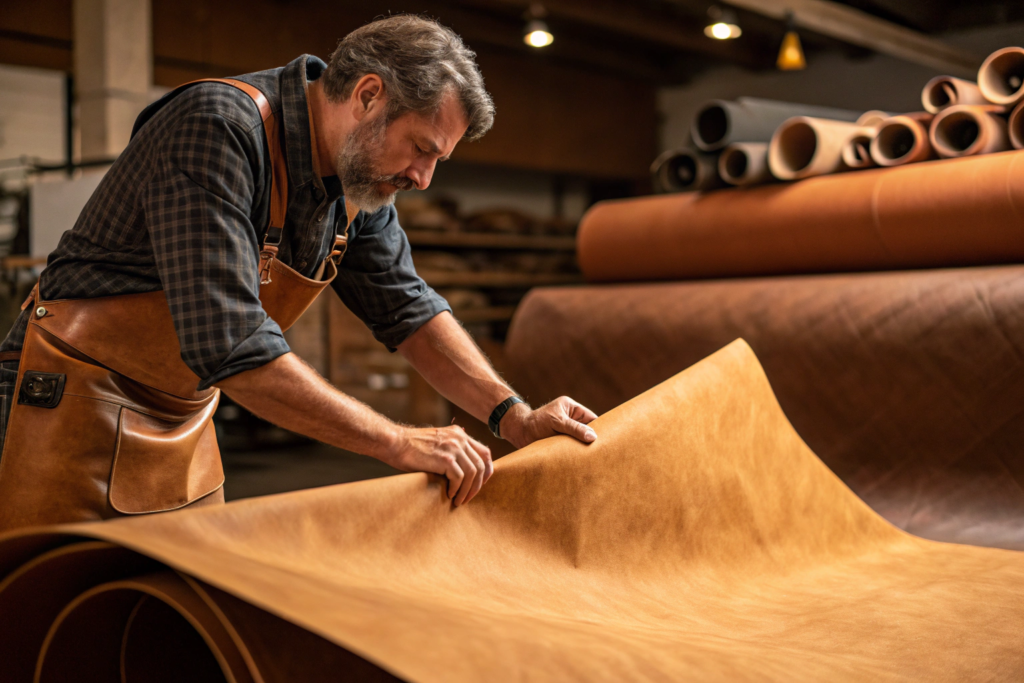
In technical leather grading, "genuine leather" refers to real leather that has been sanded and finished with a surface coating, but it comes from the lower layers of the hide (the split layers) after the top-grain has been separated. It is not the highest grade—that would be Full-Grain or Top-Grain leather—but it is still 100% animal hide. Its surface is often embossed with an artificial grain pattern and coated with pigments and polymers to give it a uniform look and color. For manufacturers and brands like ours at Shanghai Fumao Clothing, genuine leather is a practical choice for many accessory applications. It offers the authentic feel, smell, and durability of real leather at a more accessible price point than top-grain, making it suitable for mid-market belts, bag linings, and decorative straps where extreme abrasion resistance isn't the primary concern. Its key advantage is that it is a solid, natural material that will develop a patina and wear in, not just wear out. Resources from the Leather Working Group provide standards for responsible leather production that apply to these categories.
What are the Key Characteristics of Genuine Leather?
Understanding its traits helps in specification and quality control:
- Material: 100% animal hide (usually cowhide), from the lower split layers.
- Surface: Often embossed with a pattern (to mimic higher-grade grain) and has a consistent, painted-on finish.
- Feel: Feels like leather—firm yet pliable, slightly cool to the touch. It has a distinct, natural leather smell.
- Durability: Strong and durable due to its fibrous structure. It can develop scratches and a patina over time, which many consider desirable. It does not peel, as it has a uniform structure throughout.
- Breathability: It is porous and can absorb conditioners, allowing it to be maintained.
- Common Uses: Fashion belts, wallets, bags (especially linings and internal straps), journal covers, and mid-range accessories. When specifying this for clients, we ensure they understand its performance profile within the broader leather goods market.
How is Genuine Leather Made and Graded?
The journey from hide to "genuine leather" involves several steps after the initial tanning process. A full hide is split horizontally. The top layer, with the tight, natural grain, becomes Top-Grain or Full-Grain leather. The lower, fibrous layers beneath are the "splits." These splits are what are typically used to make "Genuine Leather." They are sanded to create a smooth surface, then an artificial grain pattern is often embossed onto them using heat and pressure. Finally, a pigmented polymer coat is applied to provide uniform color and some protection. In the industry, "genuine" is one of the lowest grades of real leather, but it is still fundamentally leather. It's vital for buyers to communicate clearly with manufacturers about which layer and finish they want, as pricing varies significantly. This grading system is part of global leather trade standards.
What is Bonded Leather and How is it Created?
Bonded leather represents the extreme end of utilizing leather by-products. It is a cost-driven innovation that maximizes material use but results in a fundamentally different product.
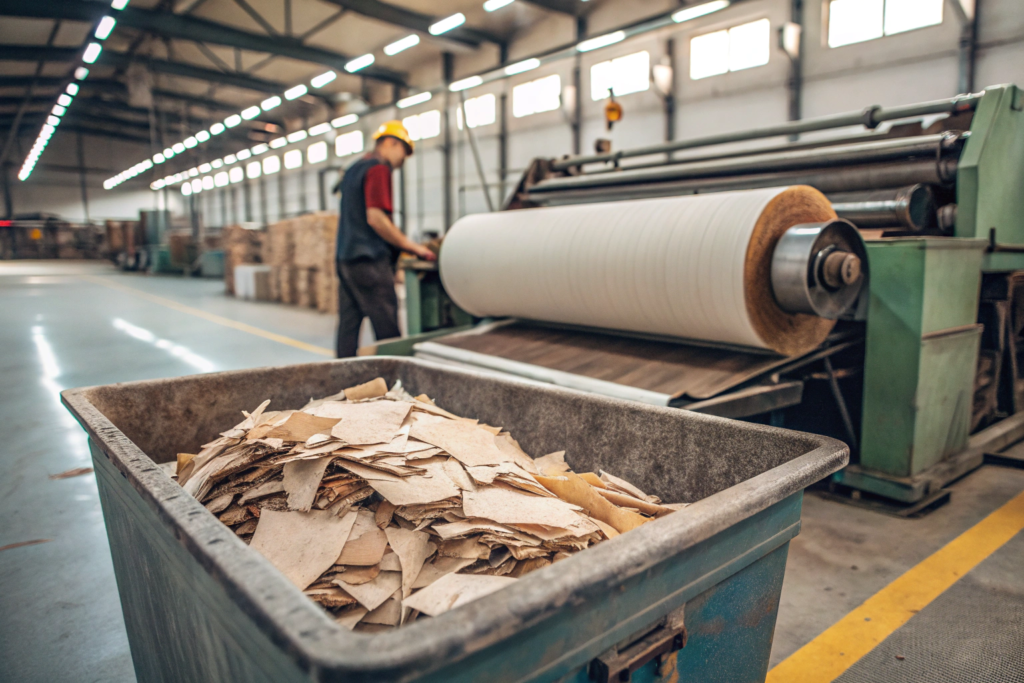
Bonded leather is a composite material. It is created by taking the dust, shavings, and small scraps left over from leather processing, grinding them into a fibrous pulp, and then mixing this pulp with polyurethane or latex binders. This mixture is spread onto a thin sheet of fiber or paper backing in a uniform layer, then embossed with a leather-like grain pattern and coated with a color finish. The final product may contain between 10% to 90% leather fiber, but the binding agents and backing are the dominant structural components. For manufacturers, it is an inexpensive way to achieve a "leather look" for very low-cost goods. However, for brands concerned with longevity and customer satisfaction, it is a risky material. Its performance is dictated by the plastic binders, not the leather fibers. The Federal Trade Commission in the U.S. has guidelines on how such materials can be labeled, which brands must be aware of to avoid misleading customers, as outlined in guides on product labeling.
What is the Actual Composition of Bonded Leather?
Think of bonded leather as "leather particle board." Its composition is layered:
- Backing Layer: A non-woven fiber mesh or paper sheet. This provides the base.
- Core Layer: A paste-like mixture of shredded leather fibers (lengths of 1-5 mm) suspended in polyurethane or latex binders. This is spread onto the backing.
- Surface Layer: A polyurethane (PU) coating that is embossed with a grain pattern and colored. This top coat is what you see and touch.
The percentage of leather fiber can be minimal. Because the material is held together by plastic, its properties—strength, flexibility, aging—are primarily plastic properties. It lacks the interconnected fibrous matrix that gives real leather its strength and ability to breathe.
Why is Bonded Leather Considered a Low-Durability Material?
Bonded leather is inherently prone to failure due to its composite nature. The primary failure points are:
- Delamination & Peeling: The thin PU surface layer is prone to cracking and peeling away from the fibrous backing, especially along edges and creases. This is irreversible and unsightly.
- Poor Flexibility: The plastic binders can become brittle over time, particularly with exposure to heat and sunlight, leading to cracks.
- No Patina, Only Degradation: It does not develop a characterful patina. Instead, it deteriorates—the color may fade, and the surface may become sticky or chalky.
- Poor Resistance to Moisture: If the backing layer is paper-based, it can be damaged by liquids.
For products that see frequent use or need to last, such as belts or bags, bonded leather is a poor choice that can lead to customer complaints and returns, impacting a brand's reputation for product quality and reliability.
How Can You Tell Them Apart? (A Practical Guide)
As a buyer or quality inspector, you cannot rely on labels alone. You need practical, hands-on tests to distinguish between these materials, ensuring you get what you pay for and what you promise to your customers.
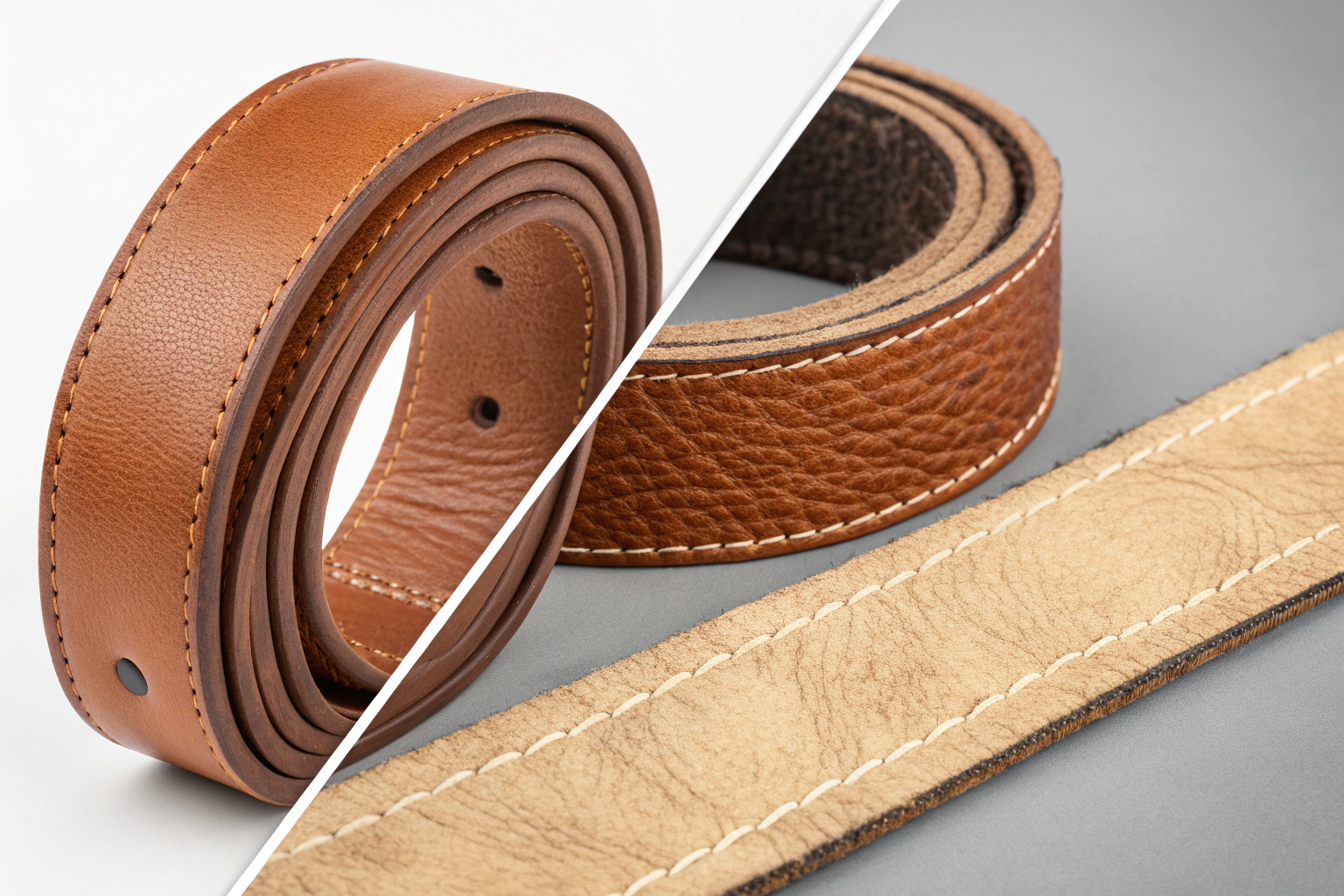
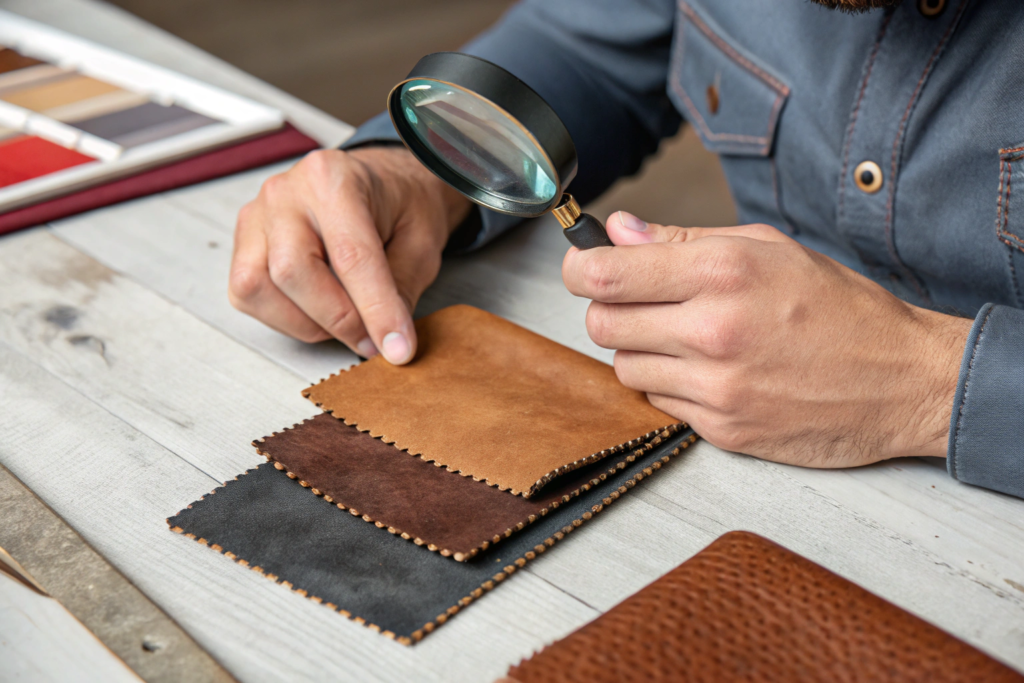
Use a multi-sense approach: look, feel, smell, and examine. Look at the edges and back. Genuine leather will have a rough, fibrous edge (like compressed cardboard) and a suede-like back. Bonded leather will have a very uniform, straight edge that looks like a clean cut, and its back will often be a fabric or paper scrim. Feel the surface and flexibility. Genuine leather feels consistently dense and will warm up in your hand. Bonded leather may feel slightly plastic-like, cool, and unnaturally uniform; its flexibility might feel more like a stiff vinyl. Smell it. Genuine leather has a rich, organic smell. Bonded leather often smells faintly of chemicals, glue, or has no distinct smell. Perform the water drop test (on a discreet area). A drop of water will soak into genuine leather, darkening it temporarily. On bonded leather, it will bead up on the plastic coating. For bulk orders, always request a material composition certificate from your supplier. At Shanghai Fumao Clothing, we provide transparency in our material sourcing, which is a key part of building trust in B2B manufacturing partnerships.
What are the Tell-Tale Signs in a Finished Product?
Examine the product details:
- Edges: On a genuine leather belt or bag strap, the edge will be painted, burnished, or raw, showing a fibrous texture. A bonded leather edge will look like a perfect, laminated line.
- Creases: Bend the material. Genuine leather will show smaller, more natural-looking creases. Bonded leather may form larger, sharper creases, and you might see tiny cracks in the surface coating along the bend.
- Imperfections: Genuine leather often has natural variations in grain, pores, and slight scars—signs of its natural origin. Bonded leather has a perfectly repetitive, artificial grain pattern with no pores.
- Weight: Genuine leather is generally heavier and denser for its thickness than bonded leather.
Should You Trust the "Genuine Leather" Stamp?
Not blindly. While a "Genuine Leather" stamp is a legal requirement in many countries to denote real leather, its presence on bonded leather products is misleading but can happen with disreputable suppliers. Conversely, high-quality full-grain leather items might not even carry the stamp. Therefore, the stamp is a clue, but not proof. Always corroborate with physical inspection. Understanding proper labeling laws for textiles and leather is crucial for importers and brands to ensure compliance and avoid penalties.
What are the Cost and Ethical Implications?
The choice between genuine and bonded leather isn't just about performance; it's a financial and ethical decision that impacts your cost structure, pricing strategy, and brand positioning.
Cost: Bonded leather is significantly cheaper—often 50-80% less—than even low-grade genuine leather. This allows for very low retail price points. Genuine leather commands a higher price due to the cost of the raw hide, tanning, and processing. Ethical & Environmental Implications: This is a complex area. Genuine leather is a by-product of the meat industry, utilizing hides that would otherwise be waste. High-quality tanning can be chemical-intensive, though eco-friendly chrome-free and vegetable-tanning options exist. Bonded leather utilizes waste from leather production (a form of recycling), but the plastic binders make it non-biodegradable and difficult to recycle at end-of-life. For a brand marketing sustainability, genuine leather from a responsibly managed supply chain (e.g., LWG-certified tanneries) is often the more transparent and durable choice, aligning with principles of circular economy in fashion.

How Does Material Choice Impact Product Pricing and Brand Perception?
Your material choice directly defines your brand tier.
- Using Bonded Leather: Positions you in the ultra-fast-fashion, disposable goods segment. It attracts price-sensitive customers but risks high churn due to product failure. It is difficult to build a reputation for quality.
- Using Genuine Leather: Positions you in the mid-market to premium segments. It allows for higher margins, supports a narrative of quality and authenticity, and fosters customer loyalty as products last. It communicates that your brand values substance over superficial appearance.
For example, a supermarket's seasonal accessory line might use bonded leather for extreme low cost, while a boutique brand building a classic collection would use genuine or top-grain leather. This strategic alignment is key to successful brand positioning.
Are There Sustainable Alternatives to Consider?
Absolutely. The conversation shouldn't end with these two options. Brands concerned with ethics and environment should explore:
- Recycled Leather: Made from larger pieces of post-industrial leather scrap, bonded with natural latex.
- Plant-Based Alternatives: Materials like Piñatex (from pineapple leaves), mushroom leather (Mylo), or cactus leather. These are often used for fashion accessories.
- High-Quality Synthetic Leathers: New generation PU/PVC that are fully recyclable and produced without solvents.
These alternatives can offer consistent quality, ethical assurance, and a modern brand story. Discussing these options with a forward-thinking manufacturer during the product development phase can open new avenues for innovation.
Conclusion
The difference between genuine and bonded leather is profound, impacting everything from the tactile feel of a product to its lifespan and your brand's integrity. Genuine leather, while not the top grade, is a solid, natural material that ages and performs like leather. Bonded leather is a cost-effective composite with significant limitations in durability and authenticity.
For brands, retailers, and importers, making the right choice requires looking beyond the label. It demands hands-on verification, clear communication with suppliers, and an alignment of the material with your product's intended use, price point, and brand promise. Investing in genuine leather often means investing in customer satisfaction and long-term brand equity, while bonded leather serves a specific, price-driven market with different expectations.
If you are sourcing leather accessories and want clear guidance on material selection, transparent pricing, and quality-assured manufacturing, we are here to help. Our team can source the appropriate leather grades for your needs and ensure your products are built to last. For a consultation on producing high-quality leather belts, bags, or other accessories, please contact our Business Director, Elaine. She can connect you with our materials and production experts. Reach Elaine at: elaine@fumaoclothing.com.