I have been in this industry for over two decades, and I have seen beautiful scarves ruined by a single wash. A customer buys a gorgeous silk scarf, wears it once, washes it according to the instructions, and the color bleeds onto their white blouse. The result is a lost customer, a bad review, and a damaged reputation. Color fastness is not a minor detail. It is a fundamental promise of quality.
The best way to test color fastness of scarves is through a combination of standardized laboratory tests that simulate real-world conditions, including washing, rubbing (crocking), light exposure, and perspiration, using industry-recognized methods like ISO and AATCC standards to ensure accurate and reliable results.
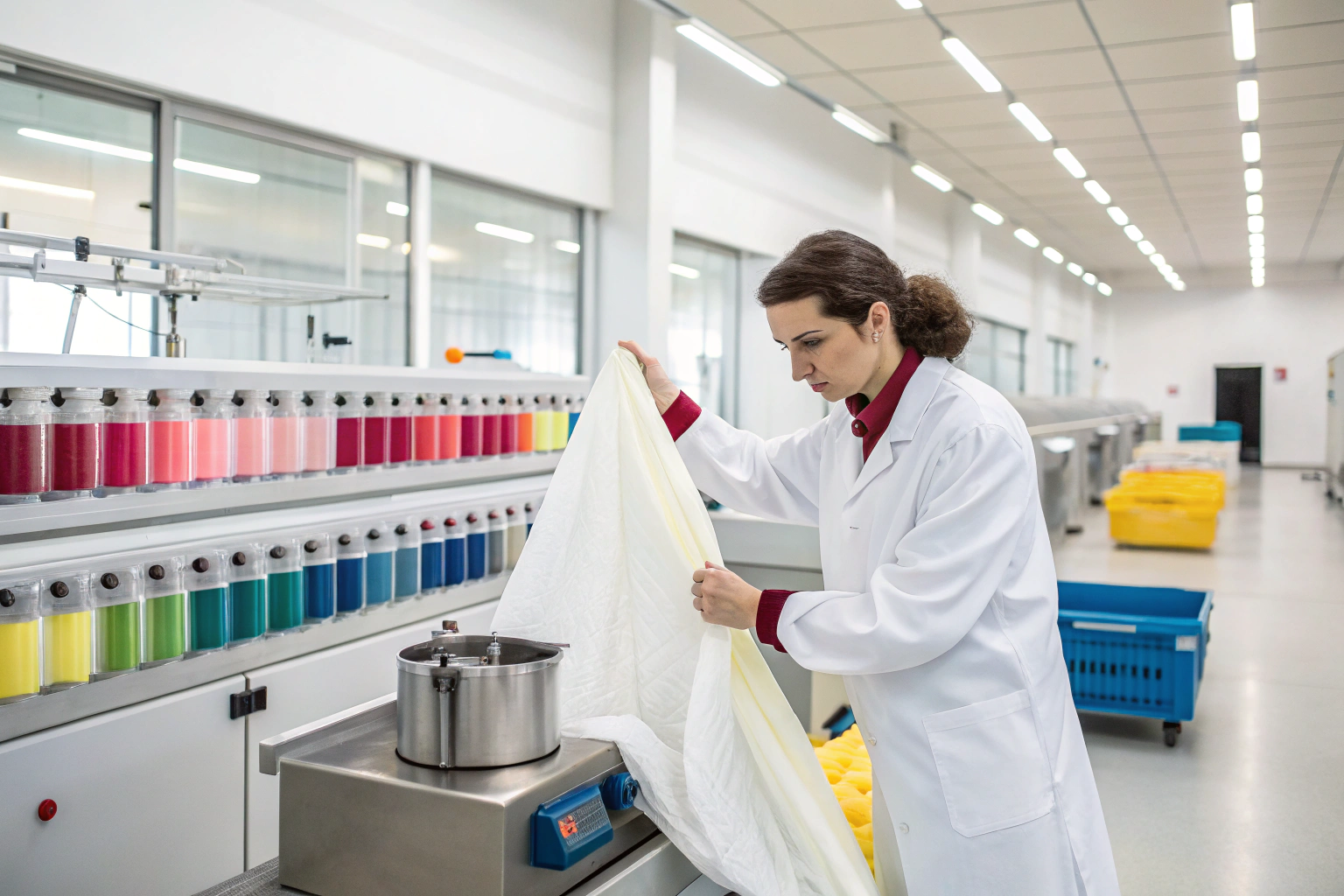
I have set up and overseen countless color fastness tests in our Zhejiang factory. I have learned that you cannot guess or assume. You have to test scientifically. The results tell you exactly how your product will behave in your customer's hands. For a buyer like Ron, who values quality and reliability, understanding these tests is essential for ensuring that the scarves he sells will not cause problems. At Shanghai Fumao Clothing, we have a dedicated laboratory where we perform these tests on every new fabric and every new color. Let me walk you through the best practices for testing color fastness.
Why is color fastness testing so important for scarves?
A scarf is often worn against light-colored clothing, especially around the neck and shoulders. It is also an item that may be washed or exposed to rain and sweat. If the dye is not fast, the results are immediate and obvious. The cost of failure is high.
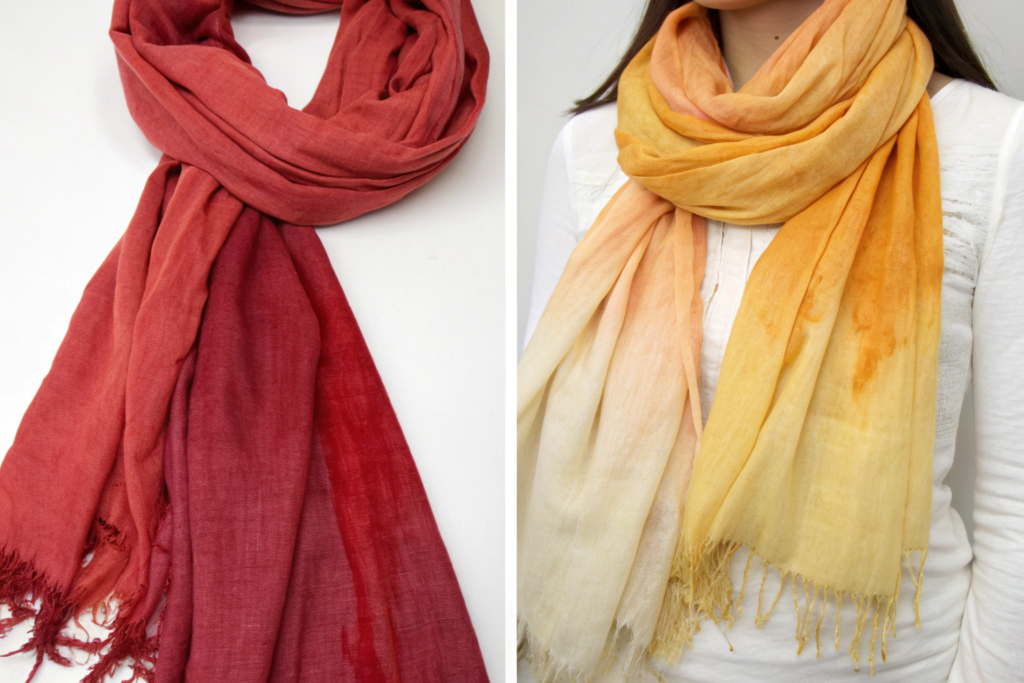
What happens when a scarf has poor color fastness?
Poor color fastness leads to several specific problems. The most common is "crocking," where the color rubs off onto other surfaces, like a collar or a jacket. This is especially noticeable with dark or bright colors. Another problem is bleeding during washing, where the dye runs and stains other items in the wash, or causes the original color to fade unevenly. Fading from sunlight is another issue, where a scarf left near a window loses its vibrancy over time. All of these outcomes lead to customer complaints and returns. They signal poor quality and can permanently damage a brand's reputation.
How does color fastness testing protect your brand?
Testing is your insurance policy. By identifying potential problems before production, you can fix them. You might need to adjust the dye formula, change the dyeing process, or even choose a different fabric. Testing gives you the data you need to make these decisions. It also provides documentation. If a customer does have an issue, you have records showing that the product met industry standards. More importantly, it builds trust. When you can confidently say that your scarves are tested for color fastness, customers know they are buying a quality product. This trust is the foundation of a successful brand.
What are the key color fastness tests for scarves?
There is no single test for color fastness. Different stresses require different tests. A comprehensive testing program will evaluate how the color holds up against the most common challenges a scarf will face: washing, friction, light, and human contact.
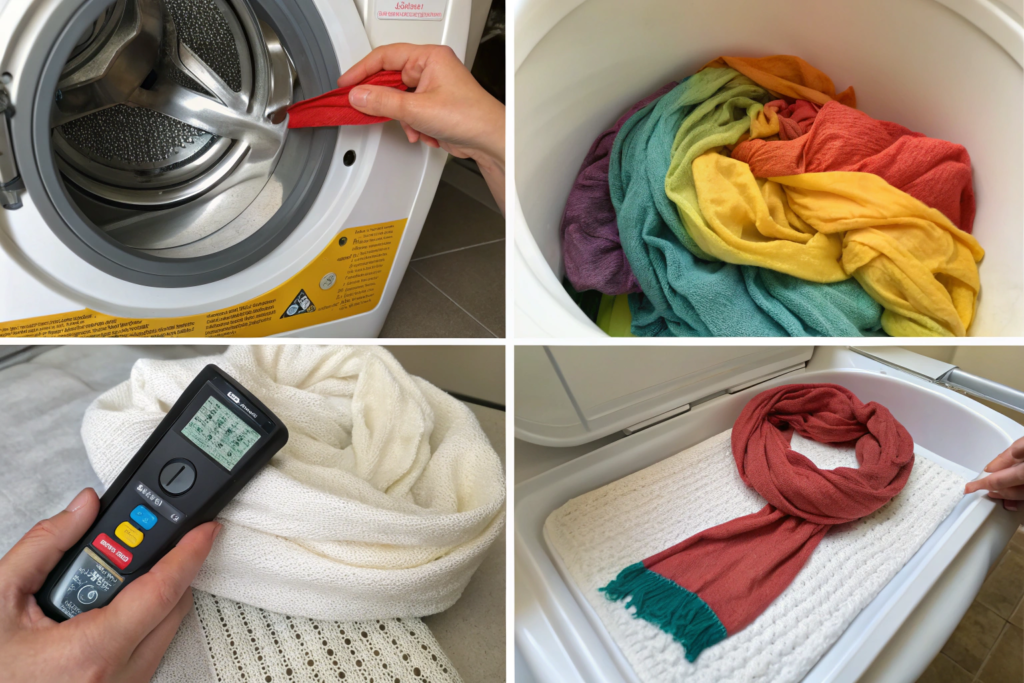
How is wash fastness tested for scarves?
Wash fastness testing simulates what happens when a customer washes the scarf. A sample of the scarf is sewn together with a piece of multifiber test fabric, which contains strips of different common fibers like wool, acrylic, polyester, nylon, cotton, and acetate. This "composite sample" is then washed in a machine under specific conditions of temperature, time, and detergent, according to a standard method like ISO 105-C06 or AATCC 61. After washing, the sample is removed and dried. The change in color of the scarf itself is assessed, as is the staining on the multifiber fabric. The results are rated on a grey scale from 1 (poor) to 5 (excellent). This test tells you if the scarf will bleed onto other clothes in the wash.
What is the crocking test and why is it important?
The crocking test measures color transfer through rubbing. This is crucial for scarves, which rub against skin and clothing. The test uses a machine called a crockmeter. A dry or wet white cloth is rubbed back and forth against the colored scarf a set number of times under a controlled pressure. The amount of color transferred to the white cloth is then assessed and rated. This test simulates what happens when you wear a scarf on a hot day (wet crocking from sweat) or just from normal movement (dry crocking). A low rating means the color will likely rub off onto collars and skin, which is unacceptable.
How do you test for light fastness and resistance to perspiration?
Some stresses on vibrant textiles are less obvious than the harsh scrubbing of washing or the abrasive rubbing of daily wear, yet they wield equal power to dull and fade. Sunlight, that golden thief, seeps through windows and blinds, its invisible rays slowly leaching color from fibers, turning once-vibrant hues into muted ghosts. Human sweat, a salty residue of life’s exertions, clings to fabric, acting as a catalyst for chemical reactions that break down dyes, leaving behind unsightly stains and uneven fading. These silent assailants—sunlight’s relentless glow and sweat’s subtle corrosion—are two of the most insidious enemies of colorfastness.
Testing for their effects is not merely a precaution; it is an act of preservation, ensuring that the scarf retains its initial allure, its rich tones and intricate patterns standing bright and bold long after the first wear. It guarantees that the soft caress of the fabric against the skin remains as visually pleasing as the day it was first admired, a testament to careful care and attention to the unseen forces that threaten its beauty.
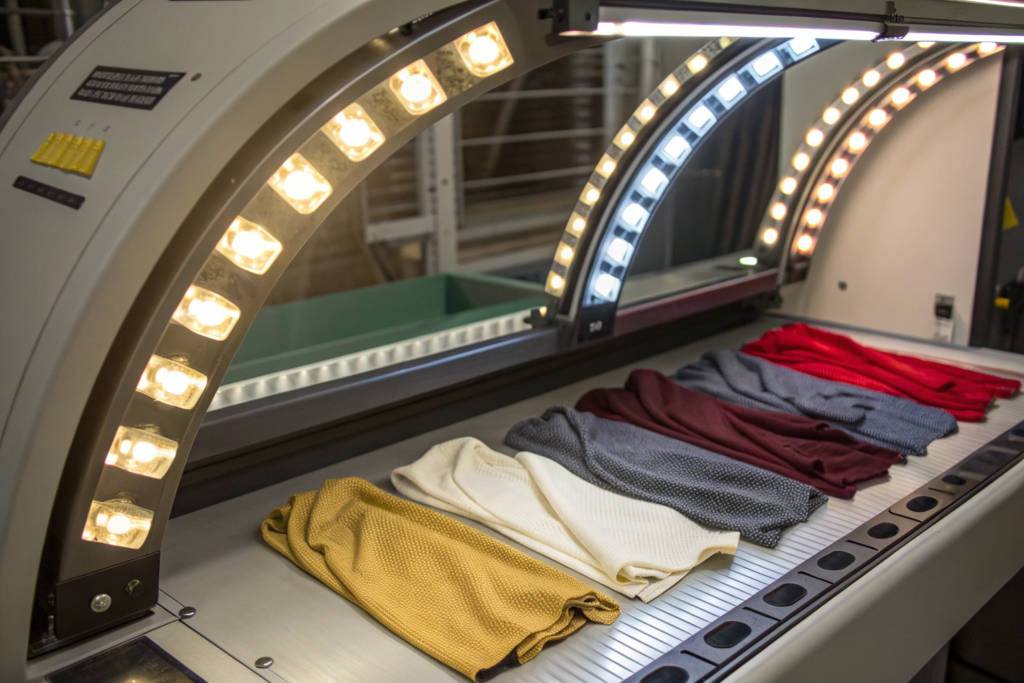
How is light fastness tested on scarves?
Light fastness testing measures how well the color resists fading from sunlight or artificial light. This is done using a machine that exposes the scarf sample to a powerful, controlled light source, often a xenon arc lamp that simulates natural sunlight. Half of the sample is typically covered, while the other half is exposed for a set period. After the test, the exposed and unexposed parts are compared. The fading is rated on a blue wool scale from 1 (very poor) to 8 (excellent). This is especially important for scarves that will be worn outdoors or displayed in sunny store windows. A scarf with poor light fastness will look old and faded long before it should.
What is the perspiration test for color fastness?
Sweat can be surprisingly aggressive on dyes. The perspiration test simulates this. A sample of the scarf is soaked in an artificial perspiration solution, which is formulated to mimic human sweat's acidity or alkalinity. It is then placed in contact with a piece of multifiber fabric and kept under pressure at body temperature for a set time. After this, both the change in the scarf's color and the staining on the multifiber fabric are assessed. This test is critical for any scarf that will be worn against the skin, especially in warm weather or during physical activity. It ensures that a customer's sweat will not cause the dye to run or change color.
How do you interpret and act on color fastness test results?
Getting the test results is only half the battle. You need to understand what they mean and, more importantly, what to do about them. A failing grade is not the end of the world; it is a piece of information that allows you to fix the problem, a roadmap through the fog of confusion that often clouds your path after receiving disappointing news.
The crumpled paper in your hand, its edges slightly frayed from nervous fingers, holds more than just numbers and letters—it carries the weight of effort, the echo of late-night study sessions, and the quiet hope of growth.

What do the ratings mean and what is acceptable?
Color fastness ratings are usually on a scale of 1 to 5 for wash and crocking, and 1 to 8 for light. For most commercial scarves, a rating of 4 or 5 is considered good to excellent for wash and crocking. A rating of 3 or below is a problem. For light fastness, a rating of 5 or above is generally desirable for items that will see significant light exposure. However, the acceptable level depends on the product's intended use and price point. A high-end silk scarf destined for a luxury boutique should have excellent ratings across the board. A fast-fashion scarf meant for a single season might have slightly lower tolerances. The key is to set your standards upfront and only accept products that meet them.
How can you improve color fastness if a scarf fails a test?
If a scarf fails a color fastness test, it is not necessarily a dead end. There are steps you can take. The most common solution is to adjust the dyeing process. This might mean using a different dye, changing the dye concentration, or modifying the dyeing temperature or time. A better after-treatment, like a more thorough rinsing or the application of a fixing agent, can also improve fastness. Sometimes, the issue is with the fabric itself, and a different material may be needed. The key is to work with your dye house and manufacturer to diagnose the problem and find a solution. Retesting after adjustments is essential to confirm that the fix worked. At Shanghai Fumao Clothing, we have extensive experience troubleshooting these issues and will not ship a product until it meets our clients' standards.
Conclusion
Testing the color fastness of scarves is a critical part of ensuring product quality and protecting your brand's reputation. We have explored the key tests that every responsible manufacturer should perform: wash fastness to prevent bleeding, crocking to prevent rub-off, light fastness to prevent fading, and perspiration resistance to resist sweat. We have discussed how to interpret the results and, most importantly, how to use failing results as an opportunity to improve.
For a professional buyer like Ron, this knowledge is power. It allows him to ask the right questions of his suppliers. He can request test reports and know what the numbers mean. He can be confident that the scarves he sells will not cause problems for his customers. At our factory in Zhejiang, we take color fastness testing very seriously. Our in-house laboratory allows us to test every new fabric and color before production begins. We do not rely on guesses. We rely on data. This commitment to scientific quality control is part of what makes us a trusted partner for brands around the world. If you are ready to source scarves with color that stays true, we are here to help.
To discuss your next scarf collection and learn more about our testing processes, please contact our Business Director, Elaine, at elaine@fumaoclothing.com. Let's create products that last.