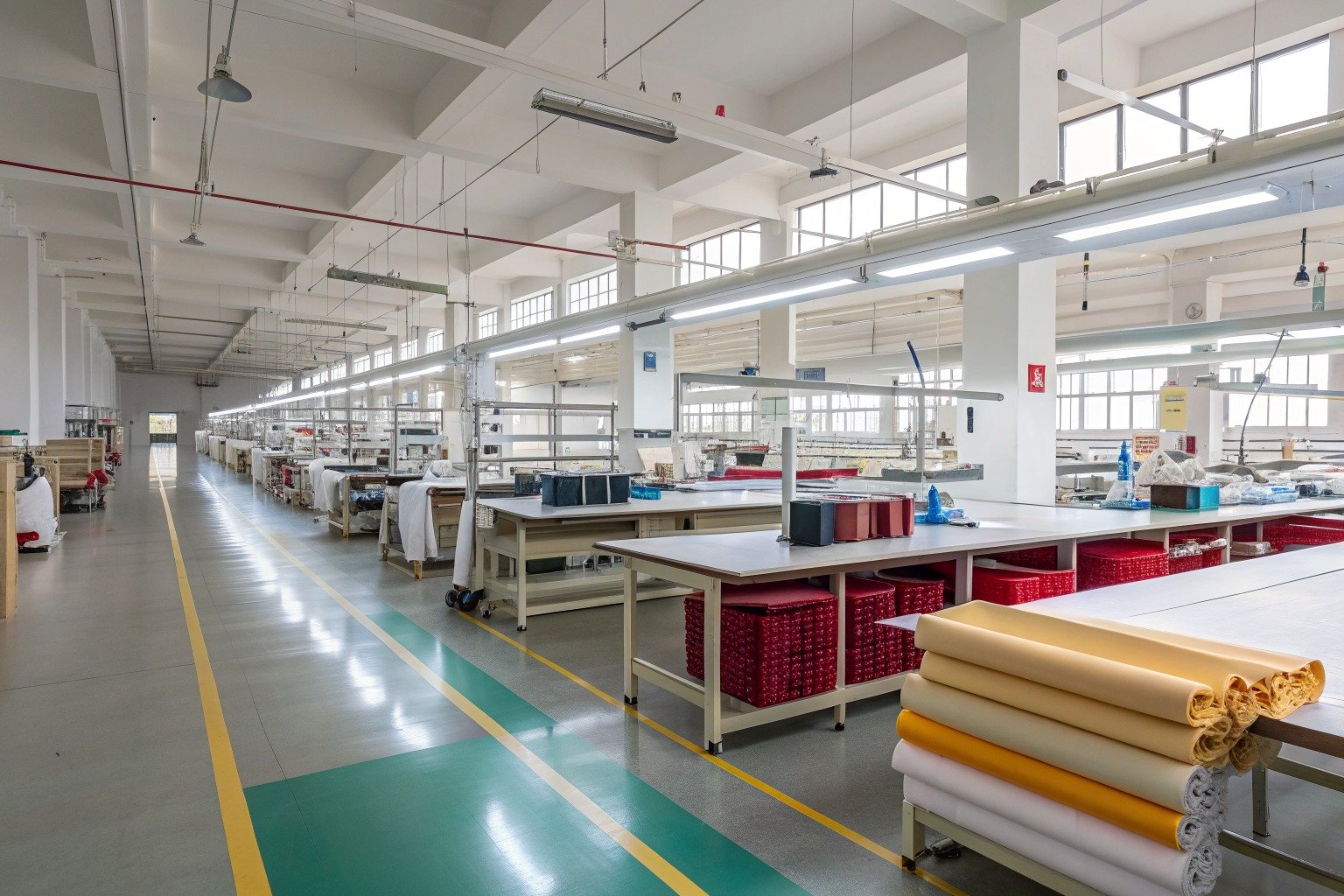
A buyer from a US boutique brand once called me with an invoice problem. She had ordered 10,000 custom hair clips from another factory. The factory shipped 11,000. They invoiced her for 11,000. The extra 1,000 clips were not a gift. They were a bill. The factory claimed that a 10% overproduction was normal in the industry and that she was obligated to pay. She had not agreed to any overproduction. Her purchase order stated a quantity of 10,000 units. She refused to pay for the extra 1,000. The factory withheld the entire shipment, including the 10,000 she had ordered and already paid a deposit on. She was facing a missed retail delivery and a hostage negotiation over her own goods. She asked me how to handle this.
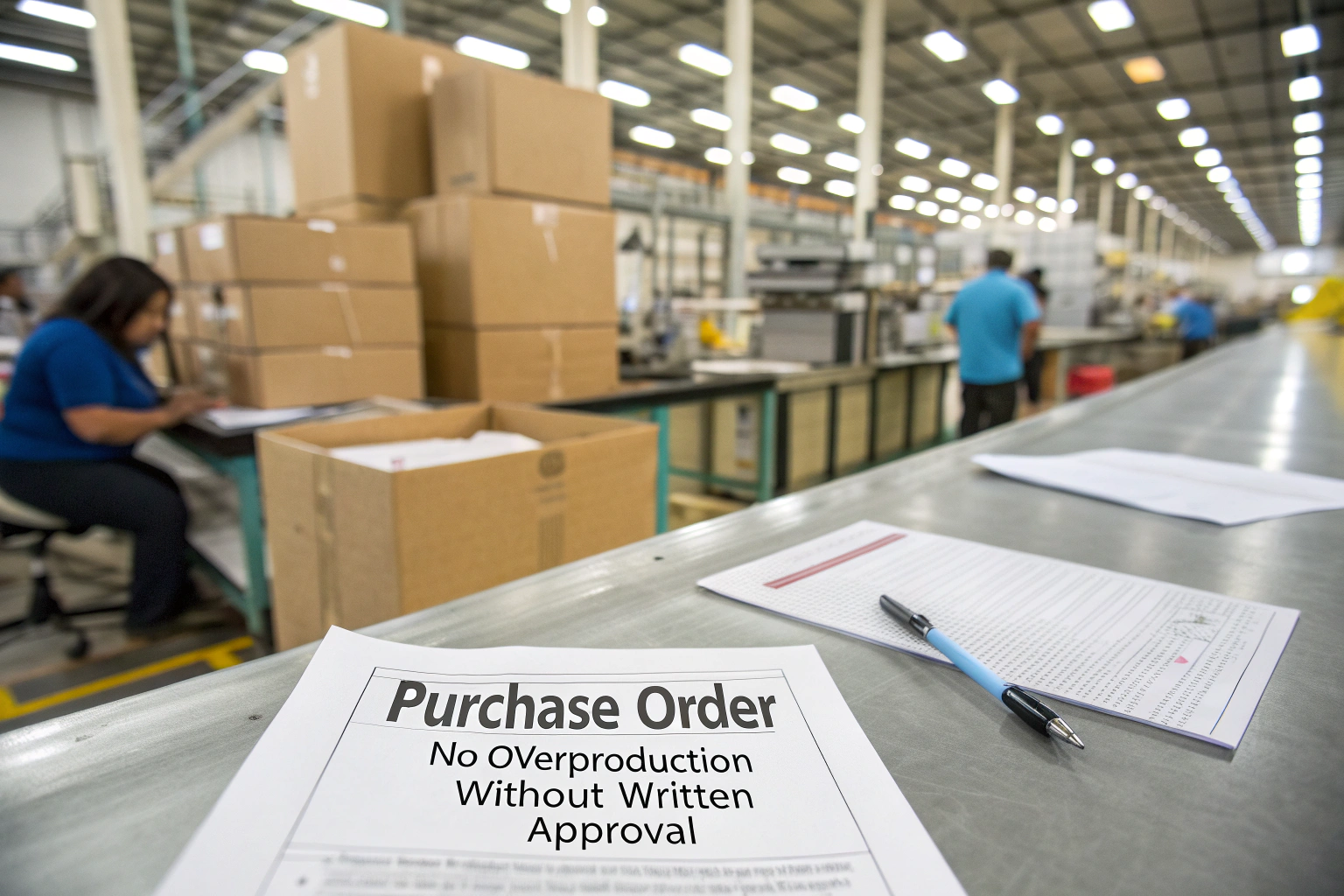
The best way to handle a factory that overproduces by 10% is to prevent it through a clear purchase order that states the exact quantity and specifies that no overproduction is permitted without written approval. If overproduction has already occurred, you are not obligated to pay for the excess unless your contract specifies a tolerance. The factory is responsible for the overproduced goods. If the factory withholds the entire shipment, you have legal and commercial leverage. Pay only for the quantity you ordered, demand release of your goods, and document the dispute in writing.
At Shanghai Fumao, we do not overproduce without written approval. We produce the quantity on the purchase order. If we have excess raw materials that allow a small overrun, we inform the client before production and ask if they want the additional units at a pro-rata price. If they do not, we produce exactly the ordered quantity. Let me explain how to prevent overproduction and how to handle it if it happens.
Why Do Factories Overproduce Without Approval?
Factories overproduce for several reasons, none of which excuse doing so without approval. The most common reason is raw material optimisation. Fabric, leather, metal, and other materials are purchased in standard quantities. When the factory cuts the material to produce your order, there is often a remnant that is too large to discard but too small to use for another order. The factory decides to use the remnant to produce additional units of your product rather than waste the material.
Another reason is quality buffer. The factory anticipates that a percentage of the production will be rejected for quality defects. To ensure they ship the full ordered quantity, they produce extra. The intention may be benign, but the execution is flawed. They should have communicated with you about the quality buffer before production. A less benign reason is revenue maximisation. The factory produces extra and pressures the buyer to pay, knowing that many buyers will accept the extra units to avoid a dispute. Understanding manufacturing overproduction causes is the first step to preventing it.
What Is the Material Yield Problem in Cut-Make-Trim Production?
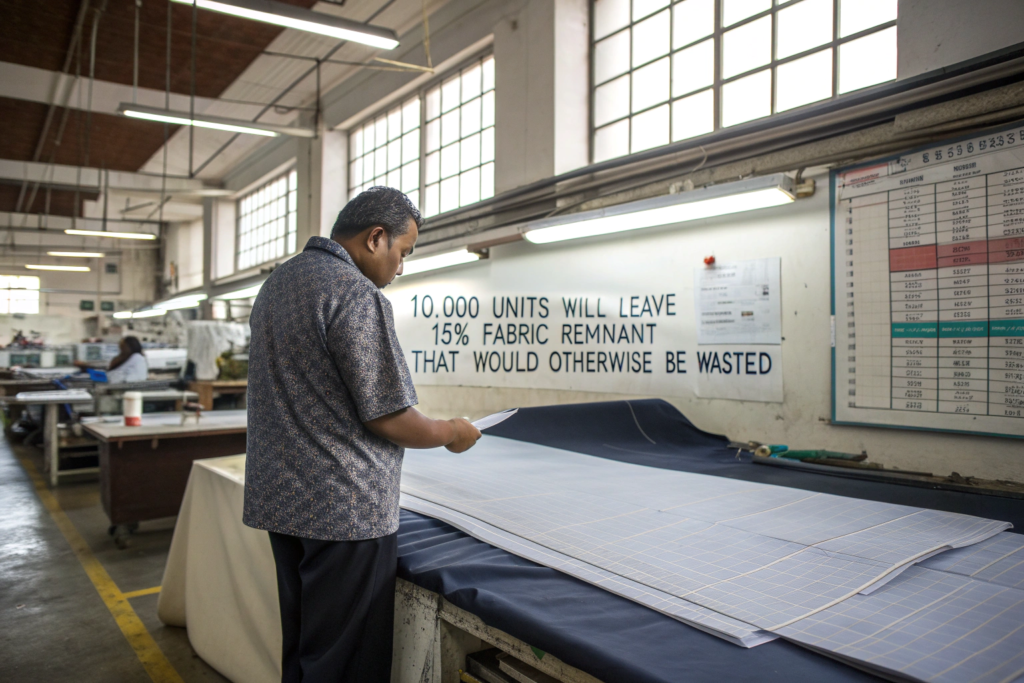
In cut-make-trim production, which is common for fabric accessories like scarves and headbands, the factory receives a specified length of fabric. The fabric is cut into the pattern pieces for your product. The layout of the pattern pieces on the fabric determines the yield. There is always some waste, called offcut, that cannot be used.
If the factory is efficient, the offcut is minimal. But sometimes the offcut is significant. Perhaps your order of 10,000 scarves required 2,000 metres of fabric, but the fabric came in rolls of 100 metres. The factory ordered 20 rolls exactly, but the actual usable length on each roll was slightly more than 100 metres. The factory has extra fabric. Rather than return it to inventory, they cut and sew extra scarves. This is a material optimisation decision. It is not inherently wrong, but the factory must communicate it to you before they do it. The extra scarves are yours if you want them, at a pro-rata cost, but you have the right to refuse them. Professional material yield optimisation in garment production should be managed transparently.
How Does a Quality Buffer Lead to Unauthorised Overproduction?
A quality buffer is a quantity of extra units produced to compensate for expected quality losses. If the factory knows that their production process typically yields a 3% defect rate, they might produce 10,300 units to ensure they can ship 10,000 good units. The 300 extra units are the buffer.
The problem arises when the factory does not communicate the buffer to the buyer. The buyer orders 10,000 units at a specific price. The factory produces 10,300 units. The actual defect rate is only 1%. The factory now has 10,200 good units. They ship 10,200 and invoice for 10,200. The buyer is surprised by the extra 200 units and the extra cost. The factory should have discussed the buffer policy upfront. A better approach is to agree on an acceptable defect rate and to produce to the ordered quantity, with the factory absorbing the cost of the buffer as part of their production overhead. The client should not be financing the factory’s quality inefficiencies.
What Should Your Purchase Order Say About Overproduction?
Prevention is far better than cure. The purchase order and the contract are your primary tools for preventing unauthorised overproduction. The purchase order must state the exact quantity ordered. It must also state the policy on quantity variations. A clear statement that no overproduction or underproduction is permitted without prior written approval removes any ambiguity.
Many buyers use a standard purchase order template that does not address quantity tolerances. This is a mistake. A factory may claim that a 10% tolerance is industry standard. There is no such universal standard. The standard is whatever is agreed in the contract. If the contract is silent, the standard is the exact quantity stated on the purchase order. But silence creates a grey area that the factory can exploit. A clear written clause eliminates the grey area.

What Is an Appropriate Quantity Tolerance Clause?
A quantity tolerance clause specifies the acceptable variation from the ordered quantity. For custom-made accessories where the buyer cannot easily absorb extra units, the tolerance should be zero. The clause should read: "The quantity delivered must equal the quantity ordered. No variation, over or under, is permitted without the Buyer’s prior written consent."
For some commodities, a small tolerance is customary and acceptable. For example, a buyer of plain t-shirts might accept plus or minus 5% because the shirts can be sold through normal channels. But for custom-printed accessories with a specific brand logo, custom colour, or custom packaging, any excess is unsellable. The buyer cannot simply put the extra units into inventory. They are branded, and the brand owner controls the distribution. A zero tolerance is appropriate and enforceable. Professional contract manufacturing agreement terms should always include a quantity clause.
How Should You Handle the Situation If the Factory Overproduces Despite the Clause?
If you have a clear zero-tolerance clause and the factory overproduces, your position is legally strong. You are obligated to pay only for the quantity you ordered, provided the factory ships that quantity. You are not obligated to pay for the excess. The factory is in breach of contract.
Your first step is to put your position in writing. Email the factory. Reference the purchase order and the quantity clause. State that you ordered 10,000 units, you will pay for 10,000 units, and you expect 10,000 units to be shipped. State that you will not pay for the excess. If the factory refuses to ship the 10,000 units unless you also pay for the excess, they are compounding the breach. They are now withholding goods you have contracted for and partially paid for. This is a serious escalation. You should inform them that you will pursue all available remedies, including a chargeback on your deposit if paid by credit card or Trade Assurance, and a claim for consequential damages if the delay causes you to miss your retail delivery. Professional international commercial dispute resolution starts with clear, documented communication.
How Can You Turn Excess Production into a Commercial Opportunity?
If the factory has overproduced and the relationship is otherwise good, there may be a way to turn a problem into an opportunity. The factory is sitting on excess goods that are branded to you. They cannot sell them to anyone else without your permission. You have leverage. You can offer to take the excess goods at a significant discount.
The discount should reflect the factory’s error and your costs. The factory has already incurred the production cost. If they cannot sell the goods, they will have to destroy them, which is a total loss. Any payment you offer is better than zero. A discount of 50% or more from the unit price is a reasonable starting point. You can then sell the excess goods through a discount channel, a flash sale on your website, a sample sale, or a charitable donation with a tax deduction. You can recover your cost and possibly make a margin. The factory recovers some of their cost. The relationship survives. Professional excess inventory management strategies can turn a liability into an asset.

When Is Accepting the Overproduction the Right Business Decision?
Accepting the overproduction at full price is rarely the right decision unless you have a pre-agreed tolerance. But accepting at a deep discount can be smart. It depends on your ability to sell the extra units. If you have a direct-to-consumer channel where you can move small quantities of excess inventory without damaging your brand, the discounted extra units can be profitable. If you sell exclusively through retailers who expect fresh collections, the extra units may be a liability.
Consider the carrying costs. Do you have warehouse space? Will the units degrade in storage? Will the design still be current next season? If the carrying costs are low and the sell-through potential is reasonable, a discounted purchase can make sense. If the units will sit in a warehouse gathering dust, they are not a bargain at any price. Make a cold-eyed commercial assessment, not an emotional one.
Conclusion
The best way to handle a factory that overproduces by 10% is to prevent it with a clear contract. State the exact quantity. State that no variation is permitted without written approval. Inspect production quantities during production, not after. If overproduction happens despite prevention, enforce your contract. Pay only for what you ordered. Demand release of your goods. Put everything in writing. If the factory is cooperative and the relationship is valuable, negotiate a deep discount for the excess goods and turn the problem into a commercial opportunity.
At Shanghai Fumao, we respect our clients’ purchase orders. We produce the quantity you order. If material yields allow a small overrun, we inform you before production and ask for your instructions. We do not produce extra without your approval. We do not invoice you for quantities you did not order. We treat your purchase order as the contract it is.
If you are looking for a manufacturing partner who respects your purchase order quantities and communicates transparently about production, please contact our Business Director Elaine at elaine@fumaoclothing.com. She can discuss our production planning and quality control processes and provide a quotation for your next order. Your quantities are your decision. We execute your decision.