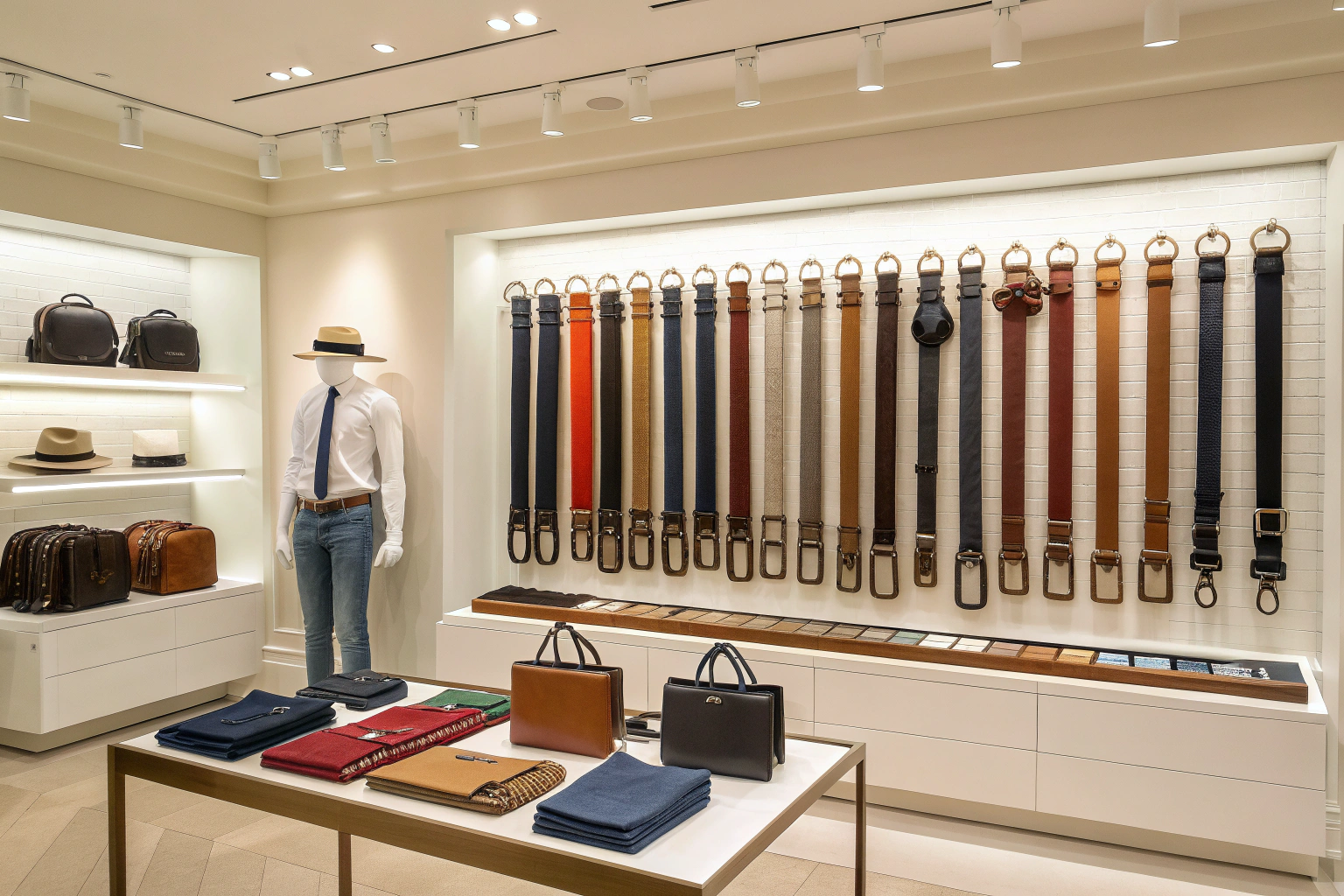
You have a curated collection of belts—sleek leather dress belts, bold statement buckles, woven casual styles. But if they're tangled on a rack or hidden in a drawer, they won't sell. In retail, merchandising is marketing. A customer needs to see, touch, and imagine wearing the accessory effortlessly. So, how do you transform a functional item into an irresistible impulse buy through strategic display? The goal is to inspire purchase by showcasing both the product's craftsmanship and its potential to complete an outfit.
The best way to display belts combines clear visibility, tactile accessibility, and aspirational storytelling. This means moving beyond basic racks to create dedicated zones that organize belts by style, educate on fit, and demonstrate versatility. The most effective displays are customer-centric: they answer "How do I wear this?" and "Will it fit me?" immediately. This involves using a mix of wall systems for organization, table presentations for exploration, and integrated mannequin styling to show the product in context. The right method depends on your store's space, brand identity, and target customer.
Ultimately, a belt display is a silent salesperson. It should reduce friction in the buying journey, from discovery to decision. A well-merchandised belt section boosts average transaction value through cross-selling, increases add-on sales, and enhances the store's overall perception of being curated and easy to shop. Let's break down the specific strategies, fixtures, and psychological tricks that make a belt display not just functional, but highly compelling.
How to Use Wall Displays for Maximum Organization and Impact?
Walls are prime retail real estate. They guide the customer's sightline and offer a high-visibility, organized canvas for merchandise. For belts, wall displays are ideal for showcasing the full breadth of your collection, creating a visual taxonomy that helps customers quickly find what they need—be it a black dress belt or a patterned casual option.
The key to effective wall displays is categorization and clarity. Organize belts first by gender (if applicable), then by style category (e.g., Dress, Casual, Fashion, Western), and finally by color within each category. Use consistent, high-quality display hooks or pegs that hold the belt securely without damaging the leather or finish. The spacing should be generous enough to prevent a cluttered look and allow each belt's buckle design and leather grain to be appreciated. Incorporate shelf ledges above or below the hooks to display buckles alone or to feature coiled belts, adding visual variety. Crucially, include clear, elegant signage for each category. For sizing, a belt size chart mounted prominently on the wall is essential—it answers the most common pre-purchase question instantly and reduces staff intervention for simple queries.
To drive sales, treat the wall as a storytelling tool. Create a style-out section where you display a complete outfit on a floating torso form or a flat art mannequin. Belt it with a featured style, and hang the matching belts (in various sizes) directly adjacent. This answers the "How do I wear this?" question and can inspire multiple purchases. For brands like Shanghai Fumao Clothing that supply a range, a wall display can also subtly guide customers through a color story or material narrative, grouping all suede belts or all metallic-finished buckles together to create a stronger visual statement. Lighting is critical: use focused spotlights or track lighting to create pools of light on the display, making the leathers gleam and the metals shine, elevating the perceived value.
What are the most effective types of wall hooks and fixtures?
The fixture must protect the product while presenting it attractively. Avoid cheap, sharp wire hooks that can scratch buckles. Opt for:
- Flat, Padded Hooks: Ideal for hanging belts by the buckle. They provide a wide, soft surface that won't mar the finish.
- J-Hooks or S-Hooks: Great for hanging belts by a loop in the strap, allowing the buckle to dangle visibly. Ensure they are coated or made of smooth metal.
- Modular Gridwall Systems: These offer immense flexibility. You can attach hooks, shelves, and signage at any point, allowing you to easily reconfigure the display for new collections or seasons.
- Slatwall Systems: Similar to gridwall but with horizontal grooves. Use specialized slatwall hooks and belt bars (horizontal rods that hold multiple belts).
The best choice depends on your store's aesthetic. For a high-end boutique, minimalist, custom-designed wooden or acrylic hooks project luxury. For a high-volume fashion store, durable, flexible metal gridwall is practical and cost-effective.
Why is a visible size chart non-negotiable?
A visible belt size chart is a critical conversion tool that addresses the primary point of hesitation. Most customers are unsure about belt sizing (Is it waist size? Pant size?). A clear, well-designed chart that explains how to measure (e.g., "Use a belt you already own" or "Measure from the buckle prong to the middle hole") builds immediate confidence. It should list numerical sizes (e.g., 30, 32, 34) and may include general small/medium/large guides. By providing this information upfront, you reduce abandonment risk at the point of decision. The customer can self-select, making the process faster and more satisfying. It also signals that your store is helpful and professional, reducing the perceived effort of buying.
How Can Table and Counter Displays Drive Impulse Purchases?
While wall displays organize, table and counter displays engage. They invite touch, exploration, and discovery. Positioned along the customer's path—near the checkout, by a fitting room, or in a high-traffic aisle—they are engineered for impulse purchases and add-on sales.
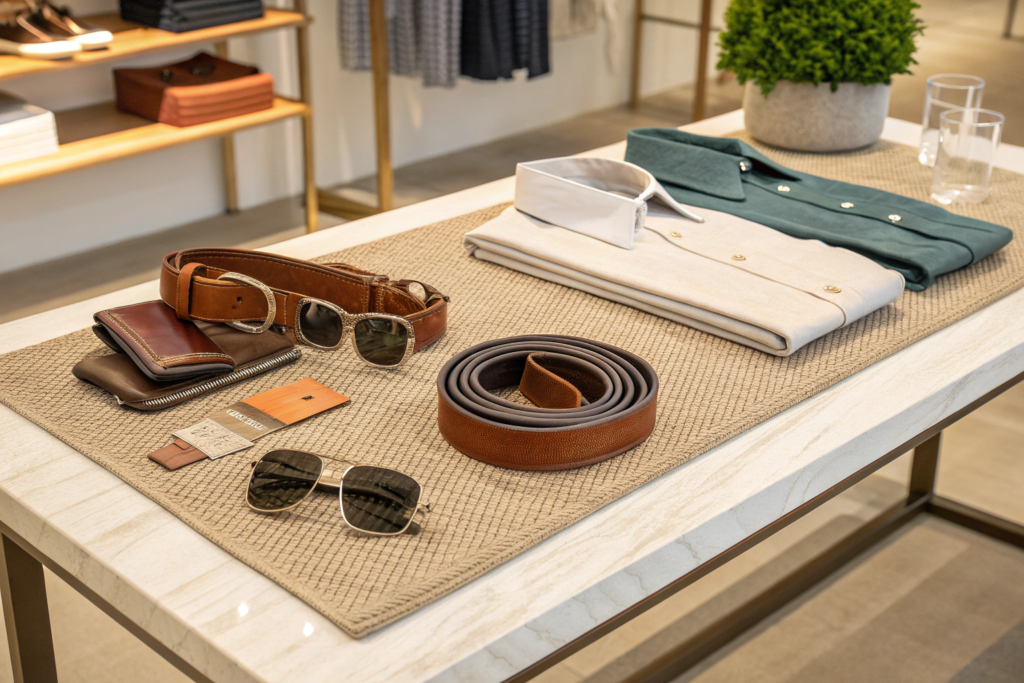
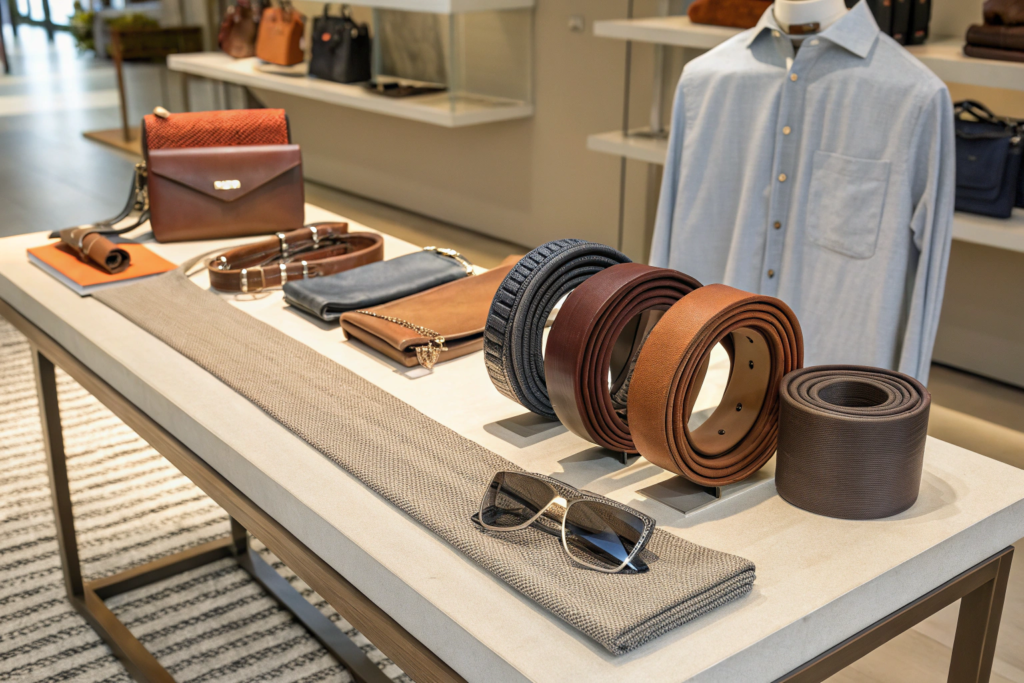
The power of a table display is tactility. Customers are more likely to pick up and handle a belt that is artfully coiled in a basket or laid flat on a table than one hanging on a wall. Use this to your advantage by creating themed vignettes. For example, create a "Weekend Essentials" display: stack a few denim shirts, add some folded chinos, and artfully arrange a selection of woven belts and canvas belts alongside. This shows the product in a lifestyle context. Another effective tactic is the "Complete the Look" display near fitting rooms. Place a table with belts that perfectly complement the clothing lines being tried on nearby. A simple sign saying "Find your perfect match here" can significantly boost accessory attachment rates.
For counter displays near the cash wrap, focus on low-price point and high-visibility items. This is the place for trending, colorful, or novelty belts. Use acrylic risers or tiered stands to create height and ensure every product is seen. The key here is curation, not clutter. Display 5-7 best-selling or new arrival belts at most. Change them frequently to give regular customers something new to see. This area is also perfect for promoting BOGO (Buy One, Get One) deals or other promotions on accessories. The transaction zone puts the customer in a "buying mood," making a small, last-minute addition to their purchase an easy yes.
What are the best practices for styling tabletop vignettes?
A successful vignette tells a mini-story. Follow these practices:
- Height & Layers: Use stacked books, small crates, or acrylic display blocks to create different levels, making the arrangement dynamic.
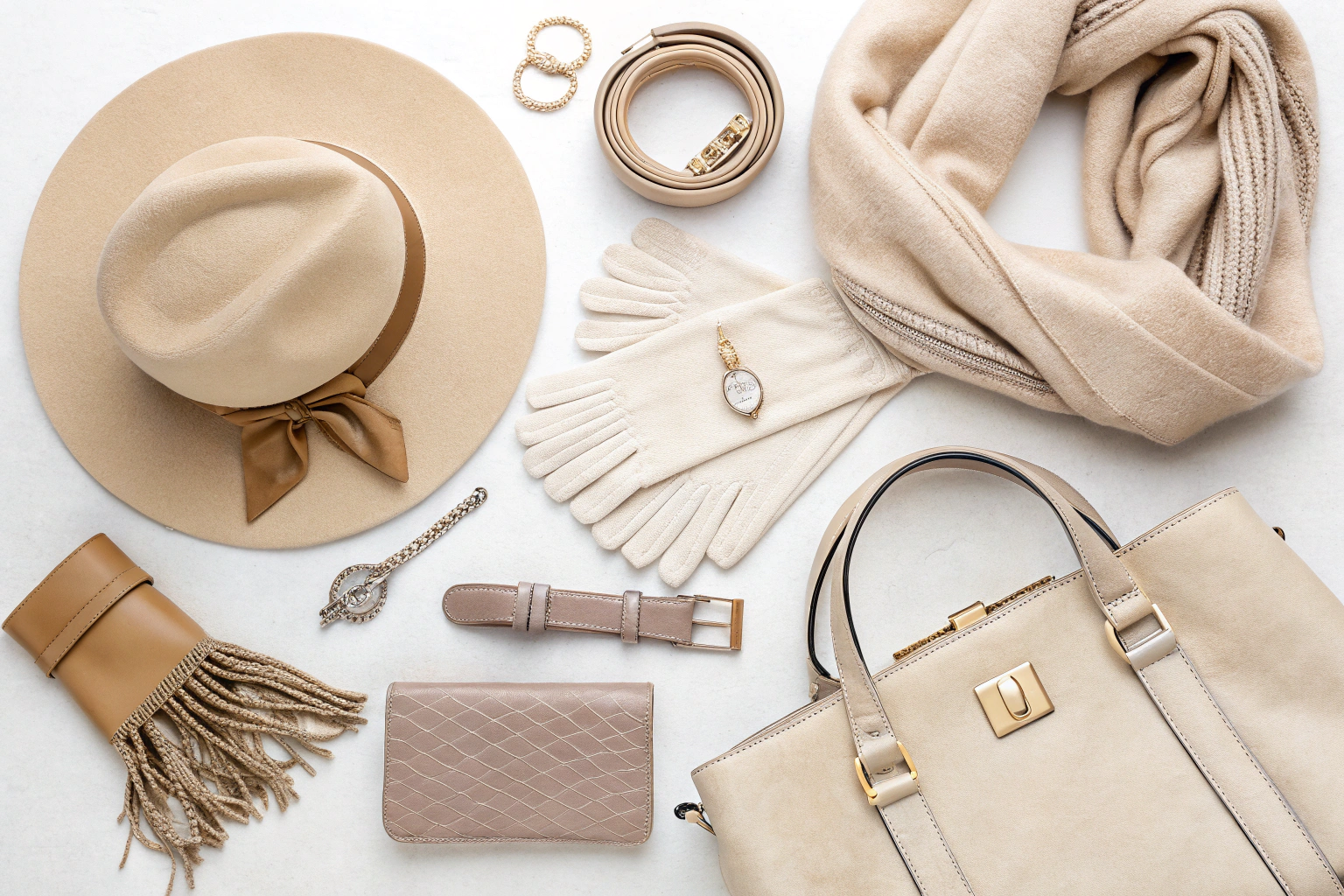
- Color Coordination: Group belts and complementary items (scarves, hats, small leather goods) in a cohesive color palette. This is visually pleasing and suggests coordinated purchasing.
- Strategic Empty Space: Don't overcrowd. Ample negative space around products makes them feel more valuable and allows the eye to focus.
- Mix Textures and Forms: Combine coiled belts with folded fabric, a smooth ceramic vase, or a rough wooden tray. Contrast creates visual interest.
- Include a "Hero" Prop: One standout item—a beautiful vintage buckle, a piece of abstract art, a lush plant—can anchor the display and give it a unique personality that customers remember.
How to use displays to cross-sell with other accessories?
Belts naturally pair with other accessories. Use displays to make these connections explicit and drive multiple unit sales.
- With Bags: Display a tote or crossbody bag with a belt threaded through the loops or coiled inside. A sign can say, "The Perfect Pair."
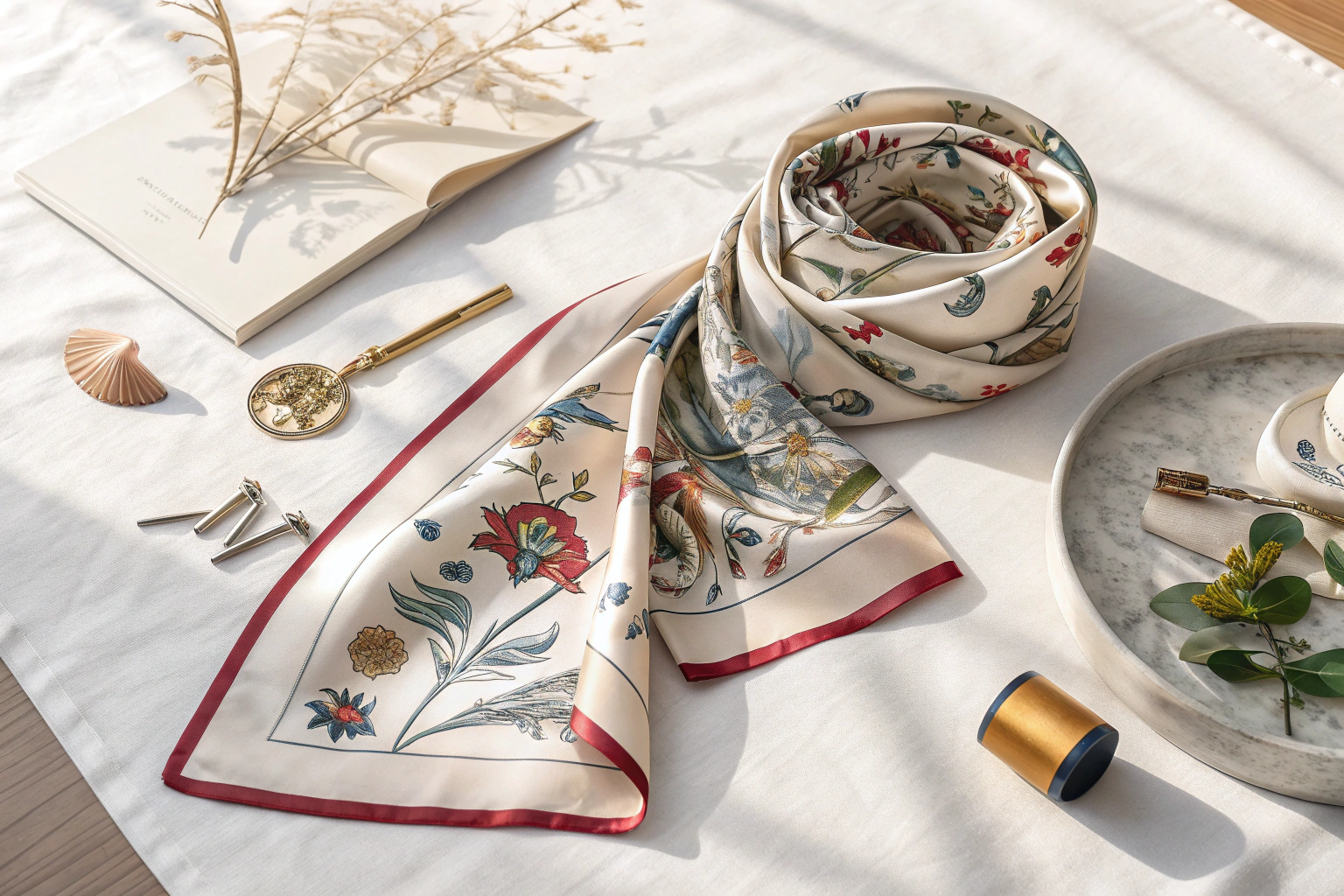
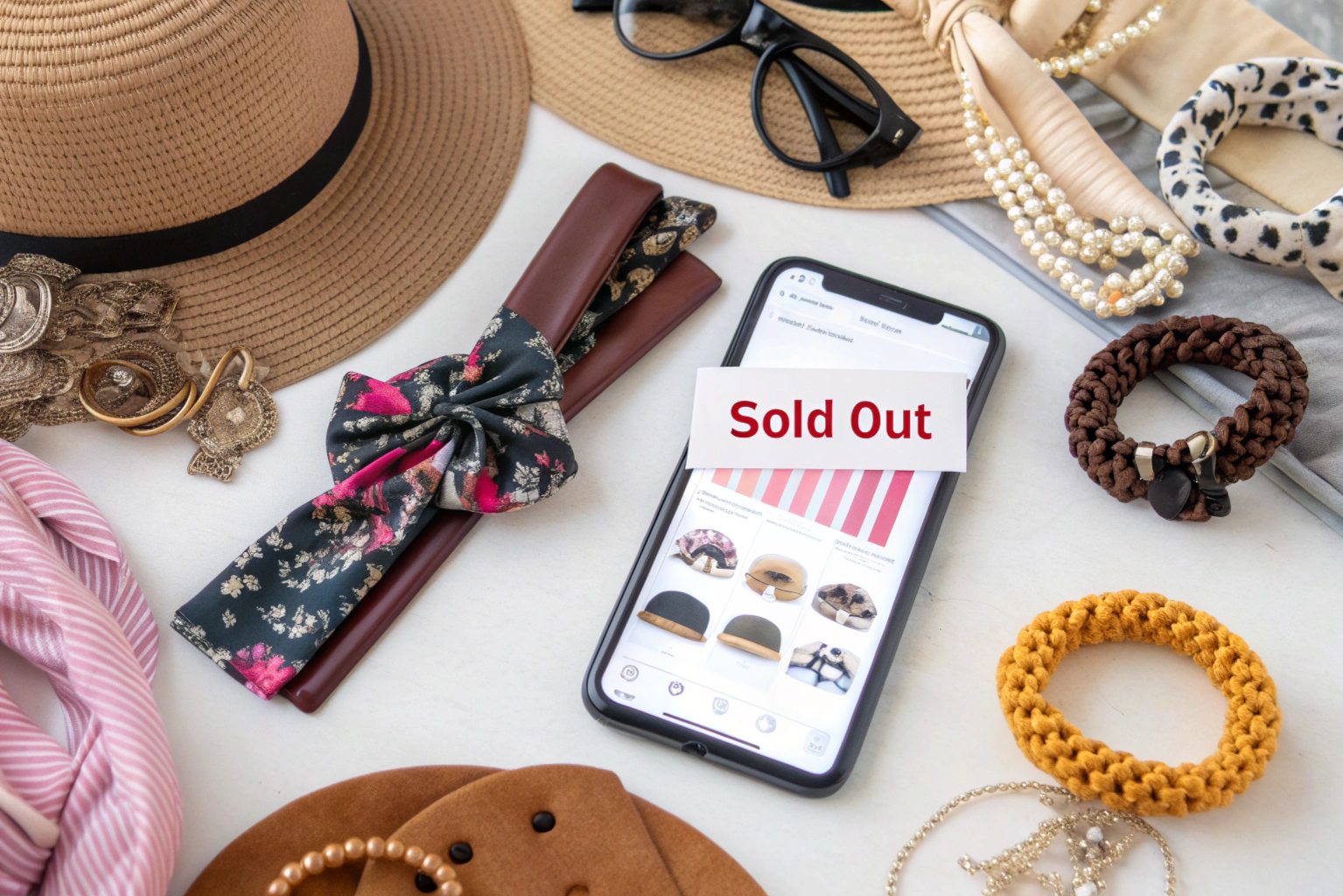
- With Hats & Scarves: Create a "Travel Ready" station with a wide-brim hat, a silk scarf, and a versatile leather belt.
- With Jewelry: For women's fashion belts, place a tray of bangles or statement necklaces next to a coiled metallic belt.
- With Socks/Hosiery: For men's stores, a display pairing bold patterned socks with a complementary casual belt can be effective.
This strategy not only increases sales but also helps customers visualize a complete outfit, enhancing their shopping experience and perceived value from your store.
Why is Integrating Belts with Apparel Mannequins Crucial?
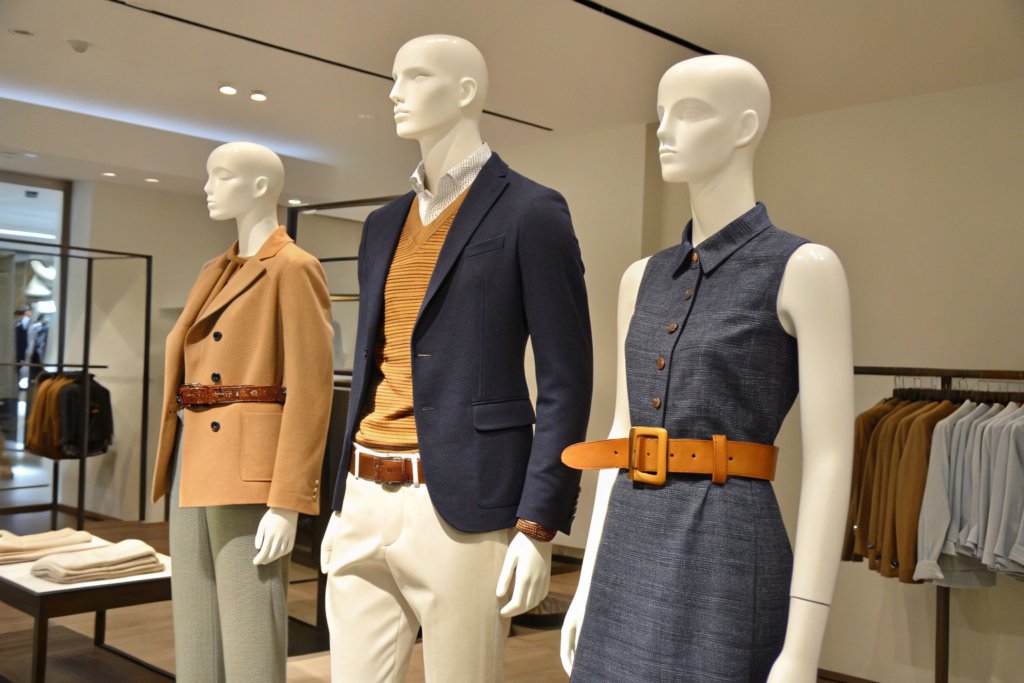
The mannequin is your ultimate storytelling tool. It shows scale, proportion, and style application in a way no other display can. A belt on a mannequin isn't just an accessory; it's presented as an essential component of a compelling outfit. This context is powerful for selling because it bypasses the customer's imagination gap—they can immediately see the finished look.
The strategy is integration, not addition. Don't just put a belt on every mannequin as an afterthought. Be deliberate. Style a mannequin where the belt is the hero of the outfit. For example, cinch a flowing dress with a wide obi belt, or use a striking buckle to elevate a simple jeans-and-tee combo on a male form. This demonstrates the transformative power of the accessory. Crucially, the exact belt featured on the mannequin must be available for purchase right next to it. This is where many stores fail—creating desire without facilitating immediate fulfillment. Place a hook holding the belt (in multiple sizes) on the mannequin's base or on an adjacent wall panel with a clear "As Seen On Mannequin" sign. This creates a seamless path from inspiration to transaction.
Furthermore, use mannequins to educate. A mannequin can demonstrate different ways to wear a belt—through loops, over a blazer, or high-waisted on a dress. For stores selling unisex or adjustable slide belts, showing them on both male and female forms can broaden their appeal. Regularly update your mannequins to reflect new arrivals and current trends, keeping the belt assortment fresh in the customer's mind. This dynamic presentation, much like updating a digital marketing campaign, keeps the retail space feeling current and engaging.
How often should mannequin styling be updated?
To maintain a sense of newness and align with fashion cycles, mannequin styling should be updated at least monthly. A full refresh coinciding with new collection arrivals (e.g., monthly or bi-monthly deliveries) is ideal. Even if new apparel hasn't arrived, you can refresh mannequins by swapping accessories—changing the belt, bag, and jewelry can give an existing outfit a completely new vibe. This regular change signals to returning customers that there's always something new to see, encouraging repeat visits. It also allows you to merchandise seasonally, promoting heavier leathers and darker tones in fall/winter and lighter fabrics and brighter colors in spring/summer.
What's the best way to indicate the featured belt is for sale?
Clarity is key to converting mannequin admiration into sales. Use a clean, simple sign placed at the mannequin's feet or on a nearby fixture. Phrasing like "Belt Available Here" with an arrow pointing to the display hook is direct and effective. Even better, use a small shelf or hook mounted directly on the mannequin platform to hold the belt. This creates an undeniable physical connection between the styled item and the purchasable product. Ensure the displayed belt has ticketed sizes (e.g., a tag showing 30, 32, 34) so the customer knows their size is available without having to ask. This removes all friction and empowers the customer to act immediately.
How to Optimize Lighting and Signage for Belt Displays?
Great products deserve a great stage. Lighting and signage are the technical elements that elevate a display from good to exceptional. They work together to guide attention, convey information, and create an emotional atmosphere that encourages purchase.
Lighting should be both functional and dramatic. Use focused spotlights or LED track lights to create pools of light on key displays—the wall arrangement, the featured table vignette, and the mannequins. This technique, called accent lighting, makes the belts "pop" from their surroundings. Pay special attention to making metallic buckles gleam and textured leathers show their grain. Ensure there are no harsh shadows falling across the products. For glass counter displays, undercabinet LED strips can provide a clean, modern glow that highlights the merchandise without glare. Good lighting not only improves visibility but also subconsciously communicates quality and value.
Signage should be minimalist, informative, and on-brand. Avoid cluttering the space with wordy signs. Use signage for three core purposes:
- Navigation: "Men's Belts," "Women's Fashion Belts," "Casual Leathers."
- Education: The size chart, and small cards explaining material care (e.g., "Full-Grain Leather" with a brief description of its benefits).
- Promotion: "New Arrivals," "Best Sellers," or "Summer Essentials." Use consistent typography and colors that match your brand identity.
For a high-tech touch, consider small digital price tags (ESL) that can be updated instantly and look sleek. Ultimately, every element of light and text should make the shopping journey easier and more enjoyable, allowing the beauty and craftsmanship of the belts themselves to be the true star.
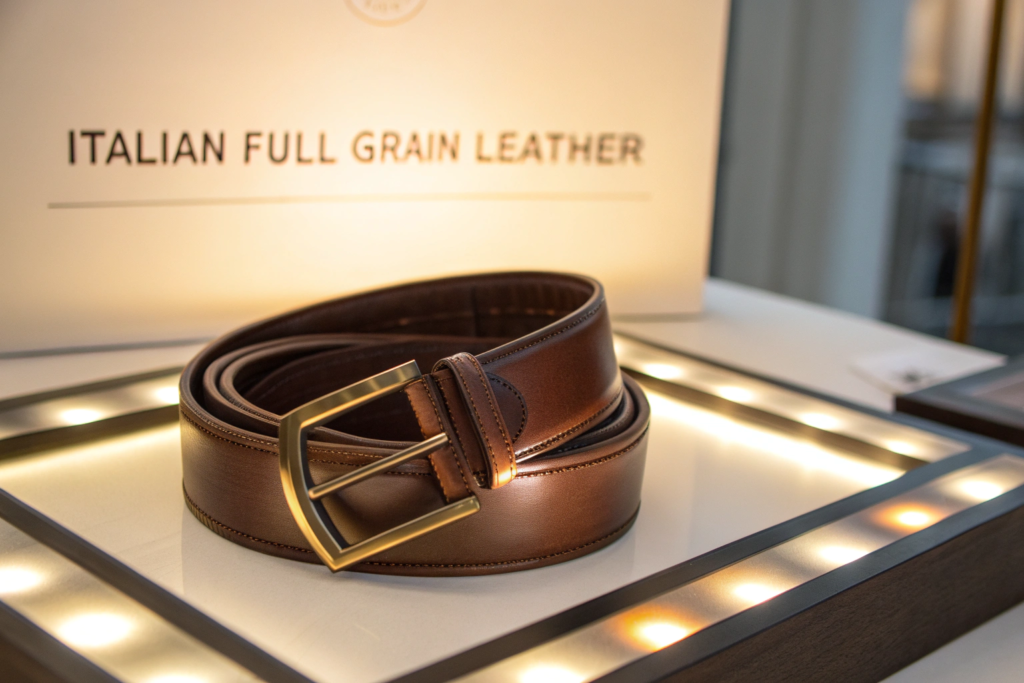
What type of lighting makes leather and buckles look best?
The Color Rendering Index (CRI) of a light bulb is crucial. Aim for bulbs with a CRI of 90+, which shows colors and textures most accurately. Warm white light (2700K-3000K) is generally most flattering for leather, giving it a rich, inviting glow. However, for very modern stores with lots of silver or white metal buckles, a cool white light (3500K-4000K) can enhance a crisp, clean feel. Dimmable LEDs offer the best control, allowing you to adjust the ambiance for different times of day or seasons. Avoid fluorescent lighting, as it can cast a greenish tint and flatten textures, making products look cheap.
How can signage reduce customer hesitation?
Effective signage acts as a pre-emptive answer to customer questions, reducing uncertainty. A clear return policy sign ("Easy Exchanges & Returns") near the display reduces perceived risk. A sign explaining material sourcing ("Ethically Sourced Full-Grain Leather") can justify a higher price point and appeal to conscious consumers. For technical products like ratchet belts or magnetic closure belts, a small graphic showing how they work can demystify them and highlight their innovative features. By proactively providing this information, you build trust, shorten the decision-making process, and empower customers to buy with confidence.
Conclusion
Displaying belts effectively in a retail store is a strategic blend of art and science. It requires thoughtful organization on walls, engaging storytelling on tables, inspirational styling on mannequins, and the technical polish of professional lighting and signage. The goal is to transform a utilitarian accessory into a desirable object of fashion, reducing every possible barrier between customer interest and the final sale.
By creating a multi-faceted display strategy, you cater to different shopping behaviors—the planner who appreciates a well-organized wall, the browser captivated by a tactile table display, and the aspirational shopper inspired by a perfectly styled mannequin. This holistic approach not only increases belt sales but also elevates the overall perception of your store as a curated, customer-centric destination.
If you are a retailer looking to source a diverse and high-quality range of belts that deserve a standout presentation, we can help. At Shanghai Fumao Clothing, we design and manufacture belts that are made to be displayed—with attention to detail in materials, buckles, and finishes that look exceptional under retail lights. Let us supply the product that becomes the hero of your accessory department. Contact our Business Director, Elaine, to explore our collections: elaine@fumaoclothing.com.