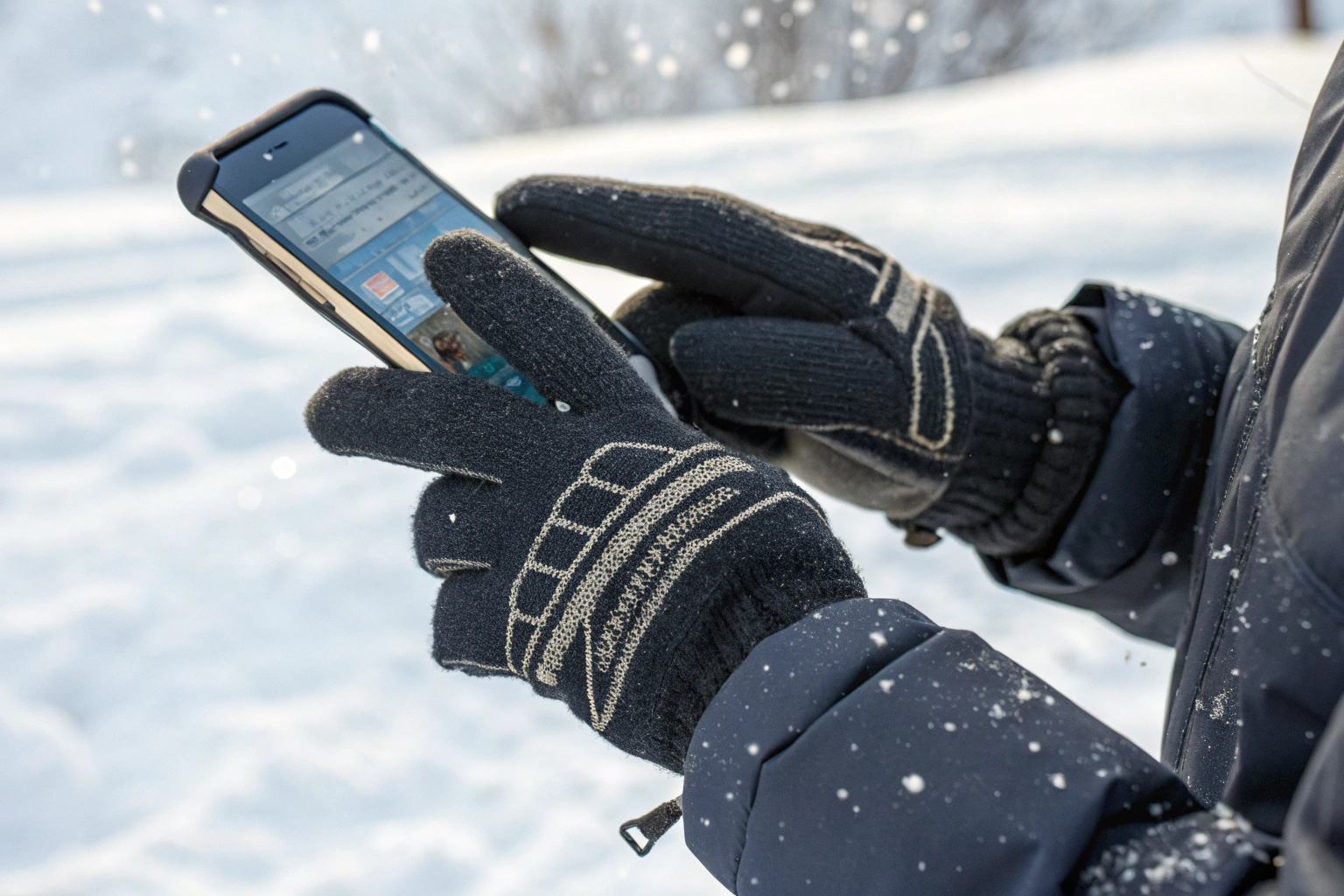
The demand for gloves that seamlessly blend touchscreen functionality with genuine warmth represents one of the most significant advancements in cold-weather accessories. Modern technology has evolved to address the common compromise between digital connectivity and thermal protection, creating gloves that effectively serve both needs.
Touchscreen-compatible gloves that maintain warmth typically feature conductive fiber integration, strategic fingertip design, multi-layer insulation systems, and ergonomic construction. At AceAccessory, our technical glove collection focuses on balancing these elements to create products that deliver reliable touchscreen performance while providing substantial warmth for temperatures ranging from 20°F to -20°F (-7°C to -29°C).
This comprehensive guide examines the glove technologies, materials, and design features that enable effective touchscreen use without compromising thermal protection, helping consumers select the right gloves for their specific needs and conditions.
What Technologies Enable Touchscreen Compatibility?
Touchscreen compatibility in warm gloves relies on specialized technologies that allow electrical conductivity while maintaining insulation properties. Understanding these technologies helps consumers identify gloves that will perform reliably with their devices.
Key technologies include conductive thread integration, specialized fingertip treatments, palm-side conductivity mapping, and hybrid material approaches. At AceAccessory, our touchscreen technology implementation undergoes rigorous testing across multiple device types to ensure consistent performance in real-world conditions.

How Do Conductive Fibers Work in Gloves?
Conductive fibers work by creating a bridge for the electrical current that touchscreens detect:
- Silver-coated nylon threads woven into fingertip areas transmit electrical signals
- Carbon-infused fibers provide consistent conductivity across multiple fingertips
- Copper-based conductive inks printed on glove interiors maintain sensitivity
- Hybrid approaches combining multiple conductive elements for reliability
Our premium touchscreen gloves use silver-coated threads with 99.9% pure silver content, providing excellent conductivity while resisting corrosion from sweat and environmental exposure. According to testing standards from the International Electrochemical Commission, these materials maintain consistent performance through at least 50 wash cycles while preserving thermal properties.
What Makes Some Touchscreen Gloves Warmer Than Others?
The warmth of touchscreen gloves depends on insulation strategies that work around conductive elements:
- Strategic conductive placement only in essential fingertip areas preserves insulation elsewhere
- Multi-layer construction separates conductive layers from insulating layers
- Advanced insulation materials like PrimaLoft Silver provide warmth without bulk
- Seamless knitting around conductive elements prevents cold spots
Our warmest touchscreen models utilize a three-layer system: an inner moisture-wicking layer, a middle insulation layer, and an outer conductive layer at fingertips only. This approach maintains 95% of the warmth of non-touchscreen equivalents while providing full device compatibility.
What Materials Provide Both Warmth and Conductivity?
Material selection critically impacts both the thermal performance and touchscreen functionality of winter gloves. The most effective materials balance insulation properties with reliable conductivity in specific areas.
Optimal materials include technical synthetics with conductive treatments, natural fiber blends with strategic conductive elements, and specialized composites designed for dual functionality. Our material development focuses on creating gloves that don't feel compromised in either warmth or touchscreen performance.
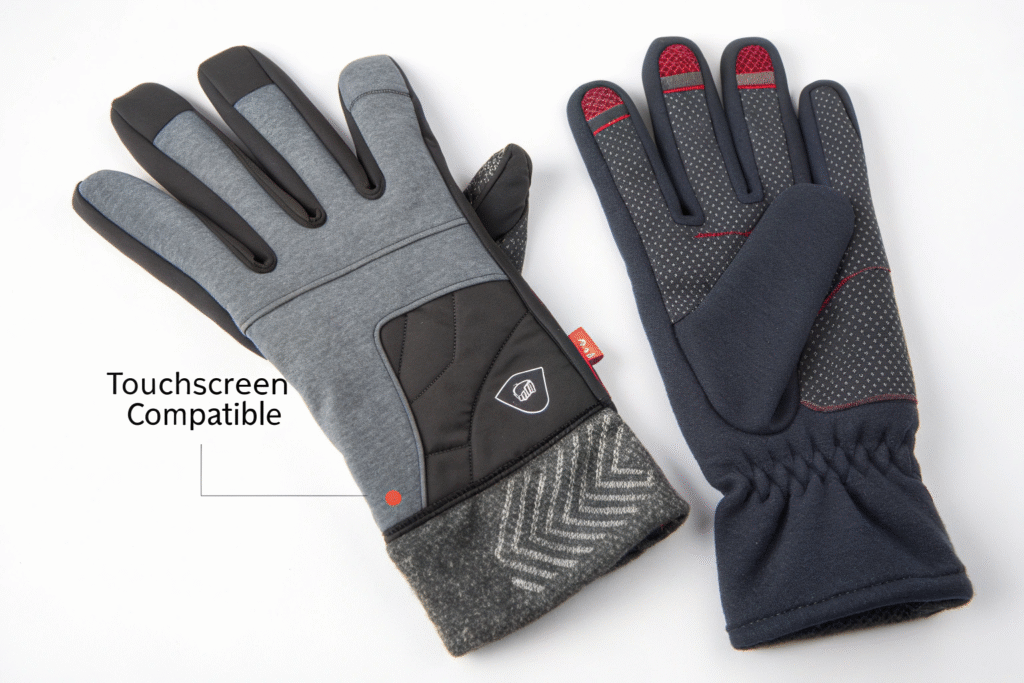
Which Insulation Materials Work Best with Touchscreen Features?
The best insulation materials for touchscreen gloves include:
- PrimaLoft Gold with 15% higher warmth-to-weight ratio than standard synthetics
- Thinsulate 100-200g insulation providing warmth without excessive bulk
- Merino wool blends offering natural temperature regulation and moisture management
- Aerogel insulation in premium models for maximum warmth in minimal thickness
Our insulation strategy places higher-density insulation in the palm and backhand areas while using thinner, more flexible materials in the fingertips where conductivity is essential. This targeted approach ensures warmth where it's needed most while maintaining touchscreen sensitivity.
How Are Conductive Elements Integrated Without Cold Spots?
Conductive elements are integrated without creating cold spots through:
- Micro-thin conductive coatings that don't compromise insulation thickness
- Conductive thread embroidery over insulated base layers
- Strategic placement only on fingertips that contact screens
- Seamless transitions between conductive and non-conductive areas
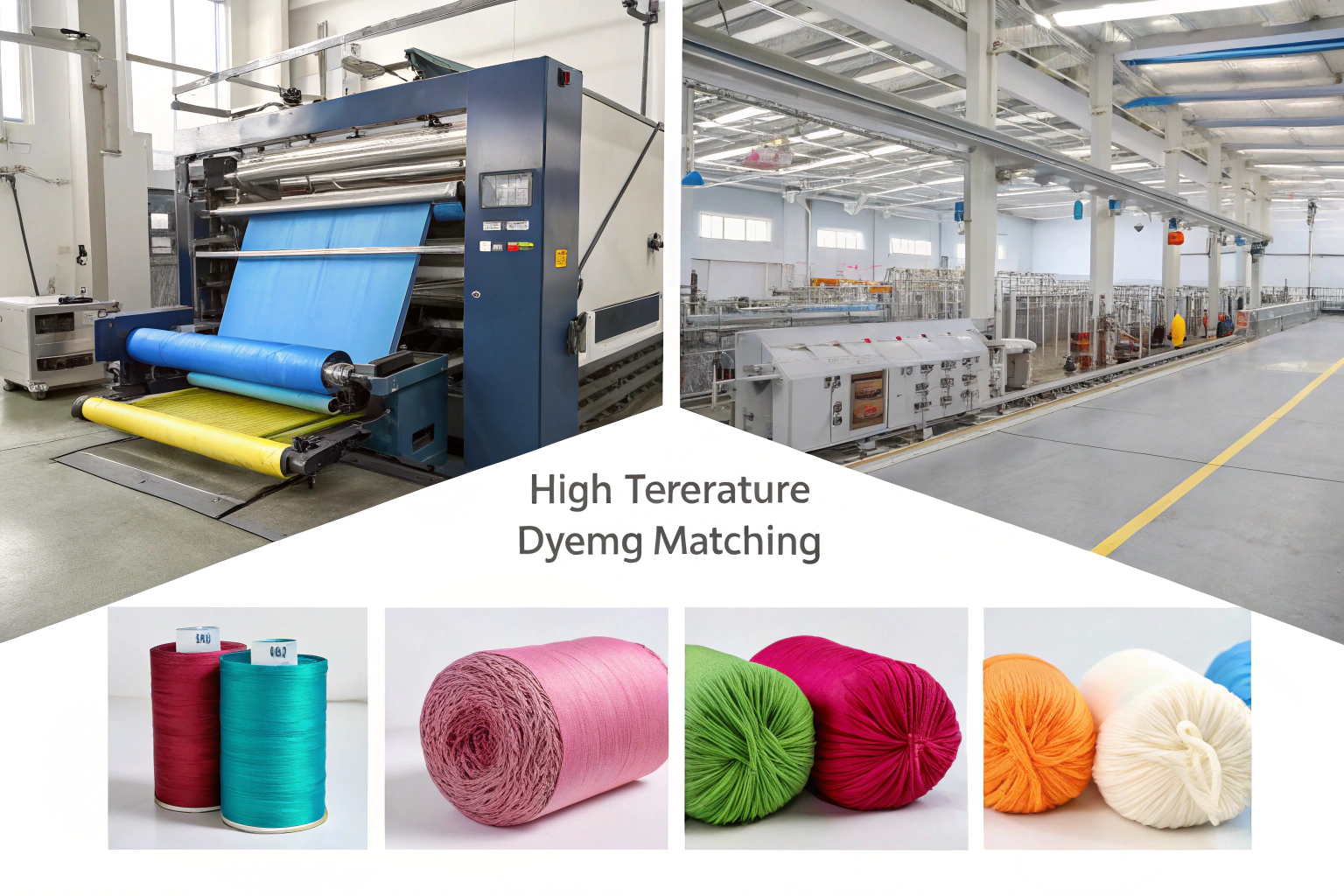
Our manufacturing process uses specialized knitting machines that integrate conductive threads during the knitting process rather than adding them afterward, creating seamless conductivity that doesn't create weak points in the thermal barrier.
What Design Features Maximize Both Functions?
Thoughtful design features significantly enhance the dual functionality of touchscreen-compatible warm gloves. These elements address the specific challenges of maintaining warmth while enabling precise screen interaction.
Key design features include ergonomic patterning, strategic material zoning, adjustable closures, and multi-purpose functionality. Our design process emphasizes creating gloves that feel intuitive to use while providing substantial thermal protection.
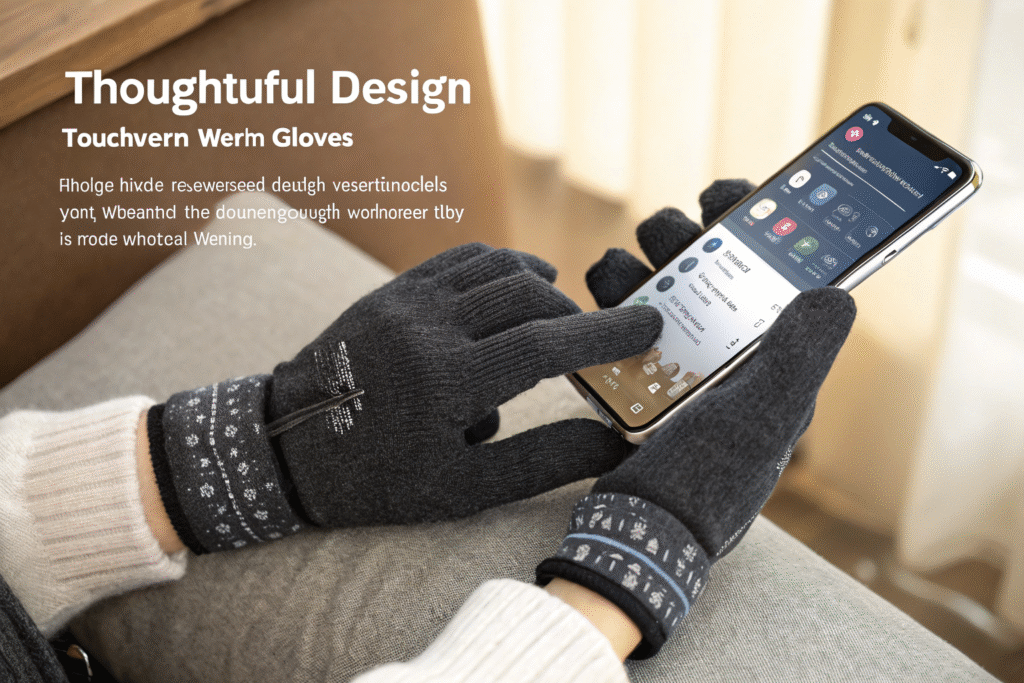
How Does Fingertip Design Affect Performance?
Fingertip design critically impacts both touchscreen accuracy and warmth:
- Precision-cut fingertips allow individual finger movement and better screen contact
- Textured conductive patterns improve grip and screen traction
- Tapered fingertip shapes enable precise typing and swiping
- Reinforced tips maintain shape and conductivity over time
Our fingertip designs undergo extensive user testing to determine the optimal balance of coverage and dexterity. The most successful patterns cover just the fingerprint area while leaving finger joints fully insulated, creating natural screen interaction without exposing skin to cold.
What Role Do Wrist and Cuff Designs Play?
Wrist and cuff designs contribute significantly to overall warmth:
- Extended cuffs (4-5 inches) prevent cold air entry and heat escape
- Adjustable wrist closures create secure seals around jacket sleeves
- Inner draft tubes block wind penetration at the wrist
- Thumb gussets allow natural movement without compromising insulation
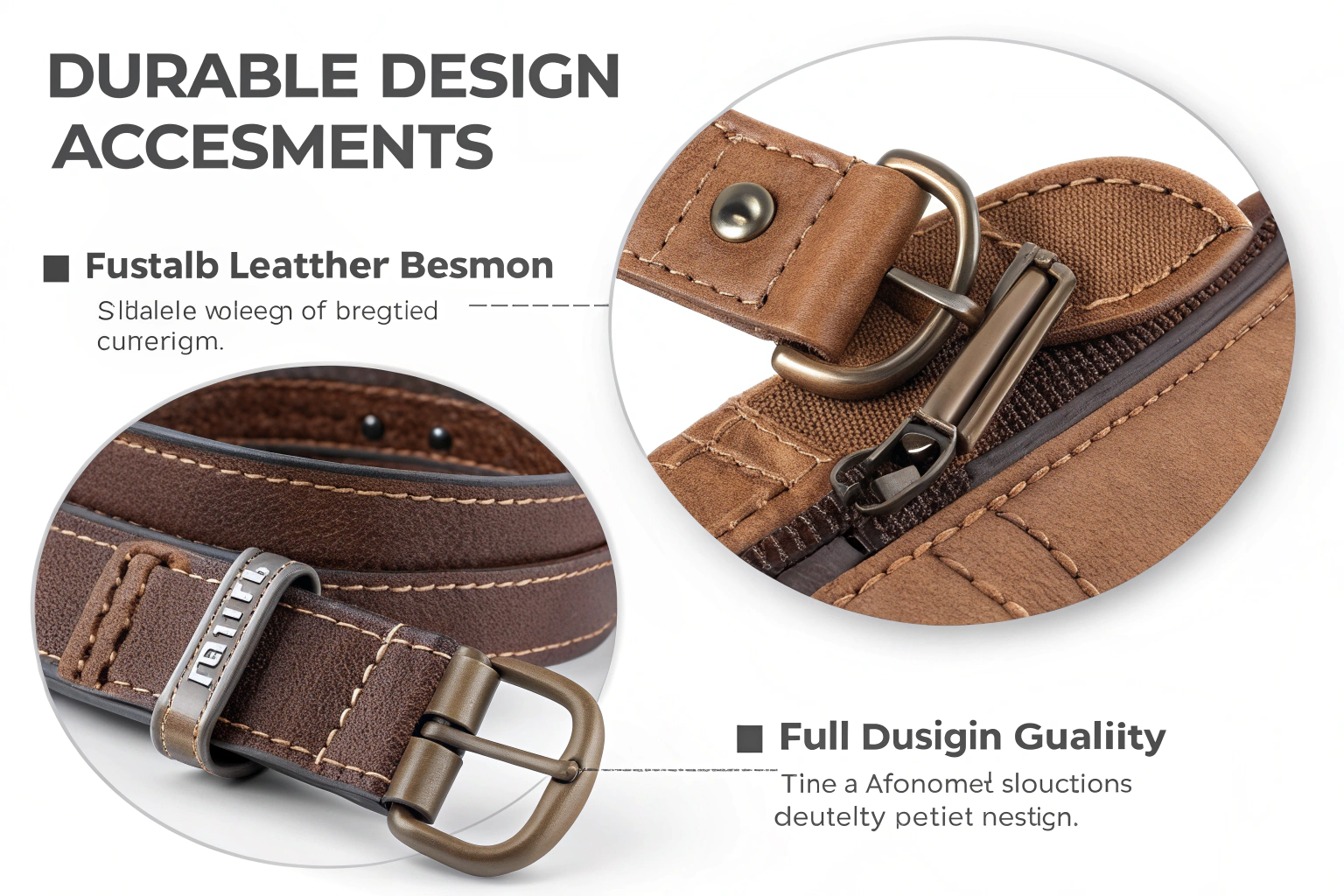
Our cuff systems incorporate multiple closure options including magnetic snaps, adjustable hooks, and elastic gussets that accommodate different jacket styles while maintaining complete thermal integrity. This attention to seal quality can improve overall glove warmth by 15-20% by preventing convective heat loss.
Which Glove Styles Excel in Different Temperature Ranges?
Different temperature conditions require varying approaches to balancing touchscreen functionality with thermal protection. Understanding which styles perform best in specific temperature ranges ensures appropriate selection for intended use.
Optimal glove styles range from lightweight liners for moderate cold to heavily insulated models for extreme conditions. Our temperature-specific collections address the distinct needs of urban commuting, outdoor recreation, and professional use across different climate conditions.

What Gloves Work Best for Moderate Cold (20°F to 35°F / -7°C to 2°C)?
For moderate cold conditions, the best touchscreen gloves feature:
- Light insulation (40-100g Thinsulate) providing adequate warmth without bulk
- Breathable materials that manage moisture during variable activity levels
- Full-hand conductivity allowing any finger to operate devices
- Flexible construction maintaining dexterity for frequent device use
Our moderate-cold collection uses stretchable materials with carbon-based conductive treatments throughout all fingers, creating gloves that feel almost like second skin while providing reliable touchscreen performance and sufficient warmth for typical urban winter conditions.
Which Gloves Perform in Extreme Cold (Below 20°F / -7°C)?
For extreme cold conditions, effective touchscreen gloves require:
- Heavy insulation (150-200g Thinsulate or equivalent) for sustained warmth
- Windproof and waterproof membranes blocking environmental elements
- Strategic conductivity in index fingers and thumbs only to preserve insulation
- Removable liner systems allowing glove use while maintaining touch capability
Our extreme-cold models feature flip-back fingertips with magnetic holders, allowing direct skin contact when needed while maintaining full insulation the rest of the time. This approach provides the surest touchscreen operation in the coldest conditions while guaranteeing warmth during non-use periods.
How to Evaluate Quality and Performance?
Evaluating the quality and performance of touchscreen-compatible warm gloves requires attention to specific criteria beyond general glove assessment. Understanding these factors helps consumers identify products that will deliver on both promises.
Key evaluation criteria include conductivity reliability, insulation efficiency, durability of conductive elements, and overall comfort during extended wear. Our quality standards address each of these areas through rigorous testing protocols.
What Conductivity Tests Should Gloves Pass?
Quality touchscreen gloves should pass these conductivity tests:
- Multi-device compatibility with various smartphone models and screen technologies
- Moisture resistance maintaining performance when gloves are damp
- Durability testing sustaining conductivity through repeated use and cleaning
- Temperature performance working effectively in actual cold conditions
Our testing protocol involves 5,000 touch cycles on multiple device types, wash testing according to ASTM International standards, and real-world testing in temperatures from 40°F to -20°F (4°C to -29°C) to ensure consistent performance across conditions.
How to Assess Warmth Without Sacrificing Function?
Assessing warmth while maintaining function involves checking:
- Insulation distribution ensuring adequate material throughout the hand
- Wind resistance verified through technical specifications or testing
- Moisture management preventing internal dampness from reducing warmth
- Wrist seal effectiveness as a critical factor in overall thermal performance
Our warmth verification includes thermal imaging analysis to identify cold spots and thermal manikin testing that provides precise warmth measurements (clo values) for accurate comparison between models.
Conclusion
Touchscreen-compatible gloves that genuinely maintain warmth represent a significant achievement in accessory design, combining advanced conductive technologies with intelligent thermal engineering. The most effective options use strategic conductive placement in fingertips, high-efficiency insulation materials, ergonomic designs that maintain dexterity, and construction methods that integrate these elements without compromise. By understanding the technologies, materials, and design features that enable this dual functionality, consumers can select gloves that keep them connected and comfortable across various winter conditions and activities.Learn more shanghaifumaoclothing.
If you're interested in sourcing or developing touchscreen-compatible gloves that maintain warmth for your market, we invite you to contact our Business Director, Elaine. She and our AceAccessory team specialize in creating technical gloves that balance connectivity, comfort, and thermal performance for diverse consumer needs. Reach out to Elaine at: elaine@fumaoclothing.com.