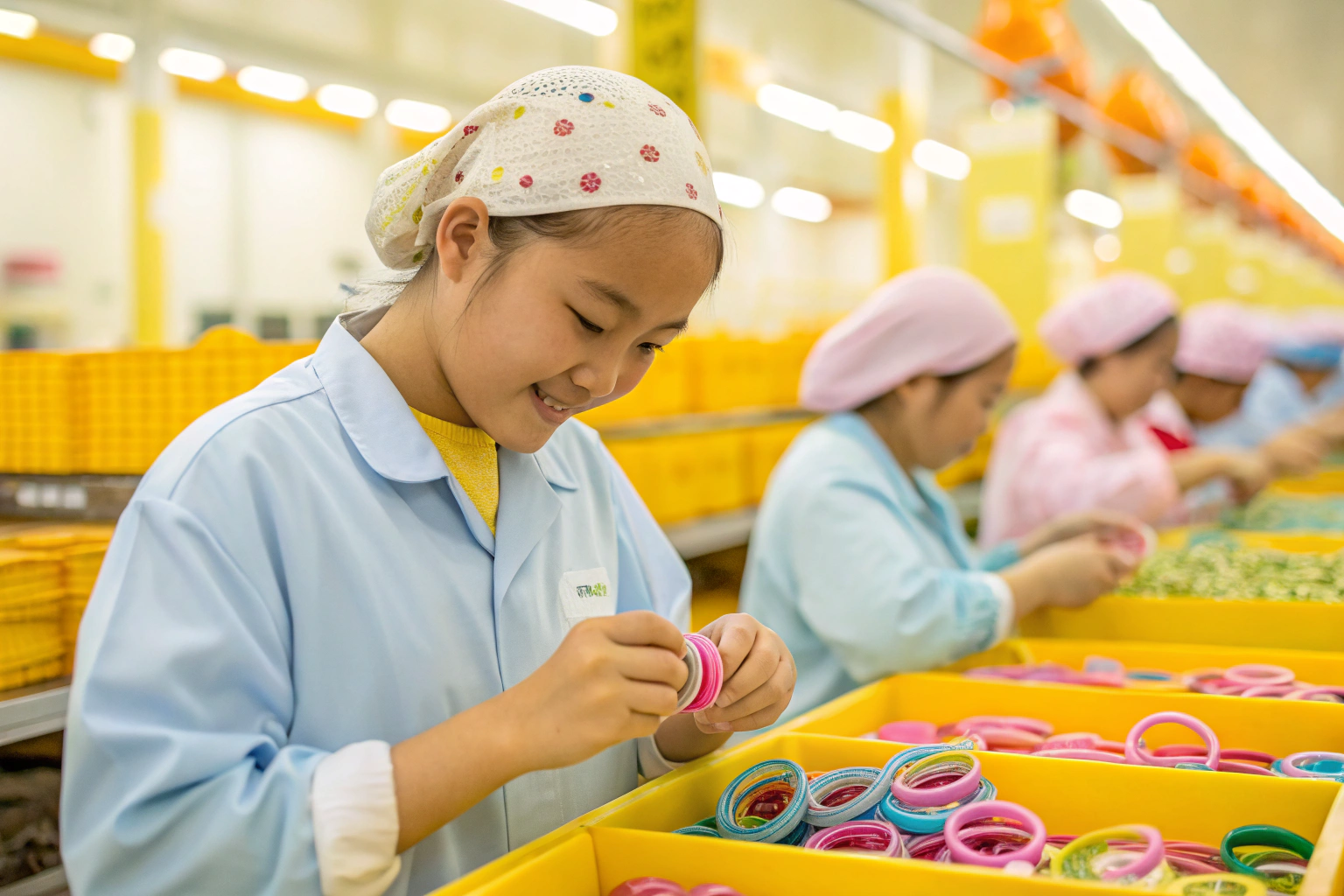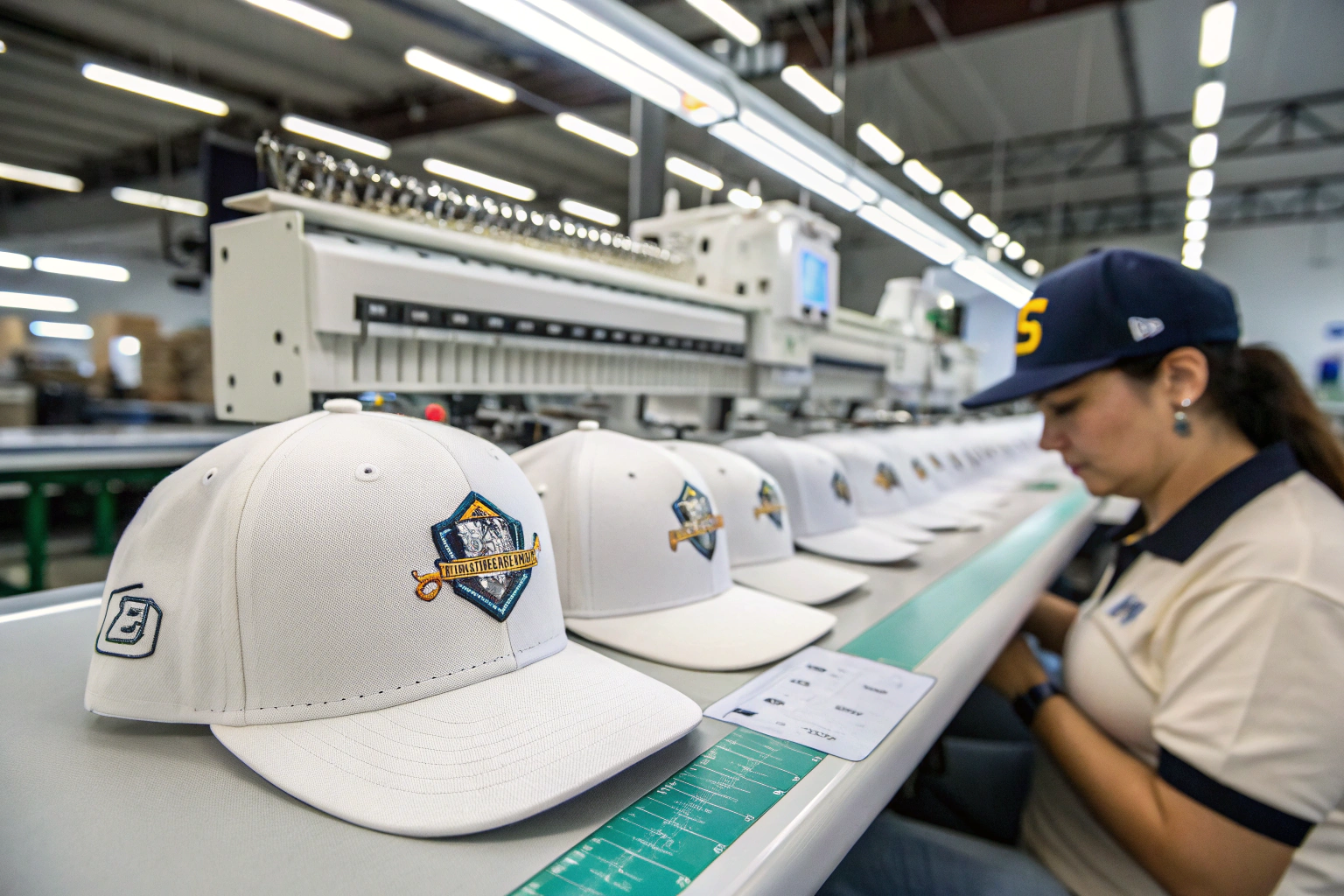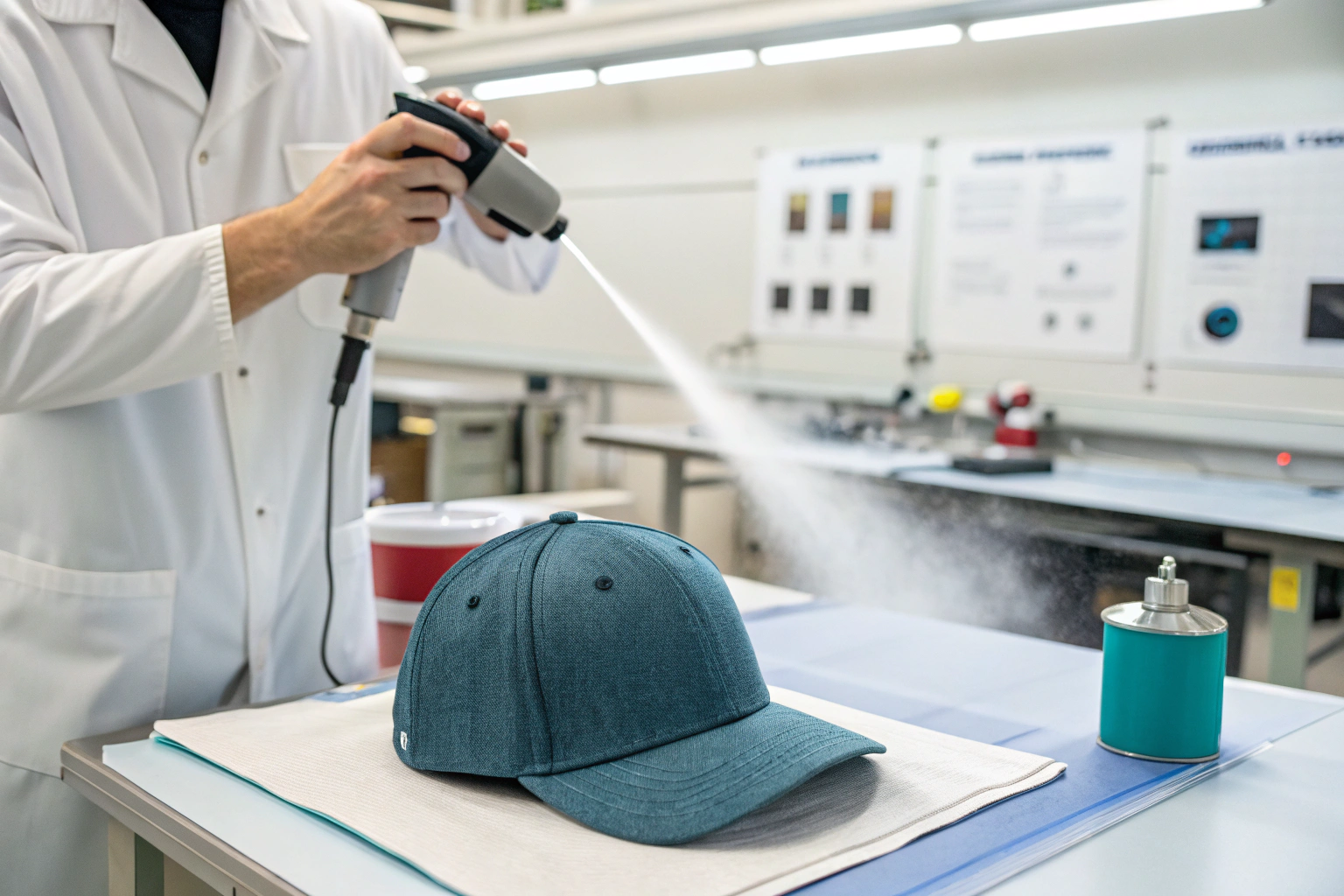
I have been exporting fashion accessories from China for over twenty years, and I have learned that product quality is only half the story. The other half is compliance. For a buyer like Ron, who supplies major supermarkets and brands in the US and Europe, certifications are not optional. They are the price of entry. I have seen shipments held at the port, orders cancelled, and relationships damaged because a factory could not provide the right documentation. Understanding what certifications you need and why is essential for a smooth, profitable business.
The essential certifications for exporting accessories to Europe and America fall into three main categories: product safety, chemical compliance, and social responsibility. For the US market, the most critical is CPSIA compliance for children's products and general product safety standards. For the European market, REACH and CE marking are mandatory for many accessory categories. Additionally, retailers increasingly require ISO 9001 for quality management and BSCI or Sedex for social compliance. Each certification serves a specific purpose in protecting consumers, workers, and the environment.
At Shanghai Fumao Clothing, we have invested years in building a comprehensive compliance program. We hold multiple certifications and work with accredited third-party labs to test every product batch. We know that when you sell to a major retailer, their compliance team will ask for documentation. We make sure you have it. This is not just about avoiding problems; it is about building trust and opening doors to larger opportunities.
What Product Safety Certifications Do I Need For The US Market?
The US market has a complex regulatory landscape for consumer goods. The Consumer Product Safety Commission (CPSC) oversees most safety standards. If you are selling accessories that could be used by children, the requirements become even stricter. Understanding these requirements before you ship is critical to avoiding costly delays and recalls.
For general accessories like scarves, hats, and hair accessories, the key standard is the General Certificate of Conformity (GCC). This certifies that the product meets applicable safety rules, including lead content limits and flammability standards for textiles. For children's products, defined as those intended primarily for children 12 and under, the requirements are more stringent. You need a Children's Product Certificate (CPC) based on testing by a CPSC-accepted lab. This covers lead content, phthalates, small parts, and tracking labels.
The tracking label requirement is often overlooked but is critical. Every children's product must have a label with the manufacturer name, date of production, and batch information. This allows for efficient recalls if a safety issue is identified.
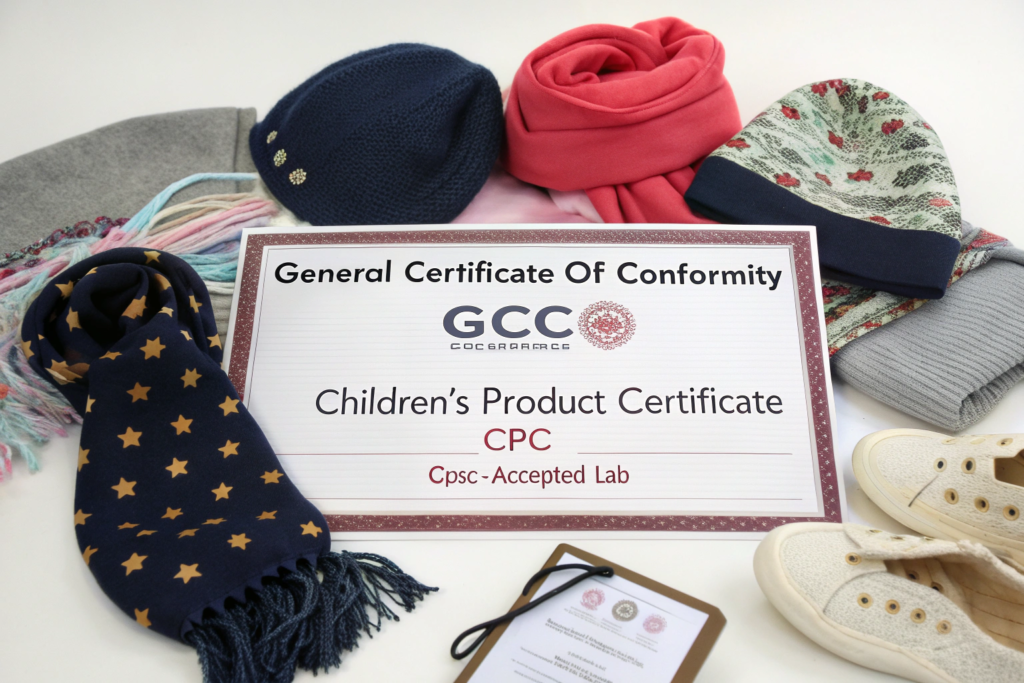
What is the difference between GCC and CPC certifications?
The distinction between GCC and CPC is one of the most common points of confusion for new importers. The General Certificate of Conformity (GCC) is for products that are not primarily intended for children. It applies to adult accessories, home goods, and general consumer products. The manufacturer issues the GCC based on testing that shows the product complies with applicable CPSC safety rules. The Children's Product Certificate (CPC) is for products designed or intended primarily for children 12 and under. It requires testing by a CPSC-accepted third-party laboratory. The CPC must certify compliance with a wider range of standards, including lead content (100 ppm for substrate materials), phthalates (0.1% for each of eight specified phthalates), small parts regulations, and tracking label requirements. If your product could be perceived as a children's product, even if you market it to adults, it is safer to test to children's standards. The CPSC website provides detailed guidance on these requirements, including searchable databases of accepted labs.
How do flammability standards apply to scarves and hats?
Flammability standards are a critical consideration for textile accessories like scarves, hats, and shawls. Under the US Flammable Fabrics Act, all wearing apparel must meet certain flammability requirements. The standard test method is 16 CFR Part 1610, which classifies fabrics into Class 1 (normal flammability), Class 2 (intermediate flammability), and Class 3 (rapid and intense burning). Class 3 fabrics cannot be used in wearing apparel. Most natural fibers like cotton, wool, and silk typically pass Class 1. However, certain finishes or blends can affect flammability. We test all our textile accessories to ensure they meet these standards. For scarves and shawls that are long and flowing, extra care is taken because the shape can affect burn behavior. For children's sleepwear, the standards are even stricter, requiring flame-resistant fabrics or snug-fitting designs. The American Association of Textile Chemists and Colorists (AATCC) provides technical resources on textile testing methods that are widely referenced in the industry.
What Chemical Compliance Certifications Are Required?
Chemical compliance has become increasingly important in recent years. Consumers and regulators are more aware of the potential harm from substances like lead, phthalates, and restricted dyes. For the European market, REACH is the cornerstone regulation. For the US market, CPSIA governs chemical limits for children's products. Many large retailers also have their own restricted substances lists (RSL) that go beyond regulatory requirements.
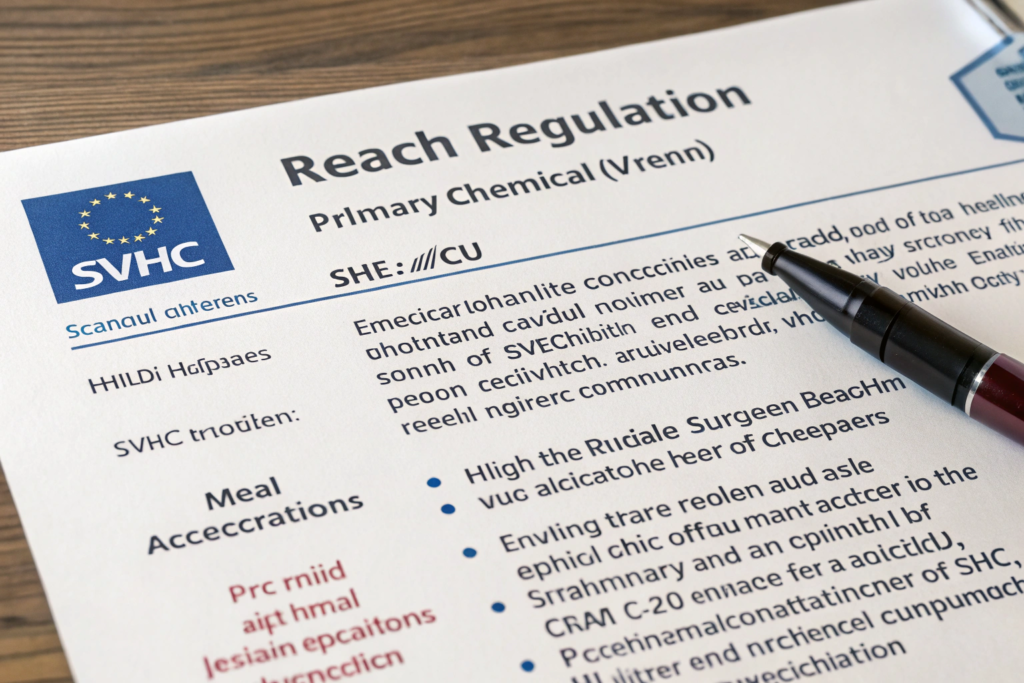
REACH (Registration, Evaluation, Authorization, and Restriction of Chemicals) is the primary chemical regulation in the European Union. It applies to all products sold in the EU. Under REACH, manufacturers must ensure that their products do not contain Substances of Very High Concern (SVHC) above certain limits. The SVHC list is updated regularly, currently containing over 200 substances. For accessories, common concerns include lead, cadmium, nickel release from metal components, and certain phthalates in plastics. Compliance requires testing by an accredited lab and maintaining documentation.
For the US market, the CPSIA sets strict limits for lead and phthalates in children's products. Lead content cannot exceed 100 parts per million (ppm) in accessible substrate materials. Phthalates are restricted to 0.1% each for eight specific types. For adult products, there are no federal lead limits, but some states like California have their own requirements under Proposition 65.
What is REACH and why does it matter for my accessories?
REACH is the most comprehensive chemical regulation in the world, and it directly affects anyone exporting accessories to Europe. The regulation places the burden of proof on manufacturers and importers to demonstrate that their products are safe. For a hair band with a metal clip, we must test both the fabric and the metal components. For a printed scarf, we must test the dyes and any finishing chemicals. The SVHC list is dynamic; substances are added regularly, so compliance is an ongoing process, not a one-time event. If a product contains any SVHC above the concentration limit of 0.1% by weight, we have a duty to communicate this information down the supply chain. For many clients, we provide full REACH compliance documentation, including test reports from accredited labs. The European Chemicals Agency (ECHA) website is the authoritative source for REACH information, including the current SVHC candidate list.
How do California Proposition 65 requirements affect my exports?
California Proposition 65, officially the Safe Drinking Water and Toxic Enforcement Act of 1986, has become a de facto national standard in the US because of California's market size. The law requires businesses to provide warnings about significant exposures to chemicals that cause cancer, birth defects, or other reproductive harm. The list currently includes over 900 chemicals. For accessories, common Proposition 65 concerns include lead in metal components, certain phthalates in plastics, and specific flame retardants. If your product contains any listed chemical above a specified threshold, you must provide a "clear and reasonable" warning. Many national retailers in the US require Proposition 65 compliance for all products, regardless of where they are sold. This means we must test for the substances on the list and either ensure they are below safe harbor levels or provide appropriate warnings. The California Office of Environmental Health Hazard Assessment (OEHHA) manages the Proposition 65 program and provides detailed guidance on compliance.
What Social Compliance Certifications Are Retailers Requiring?
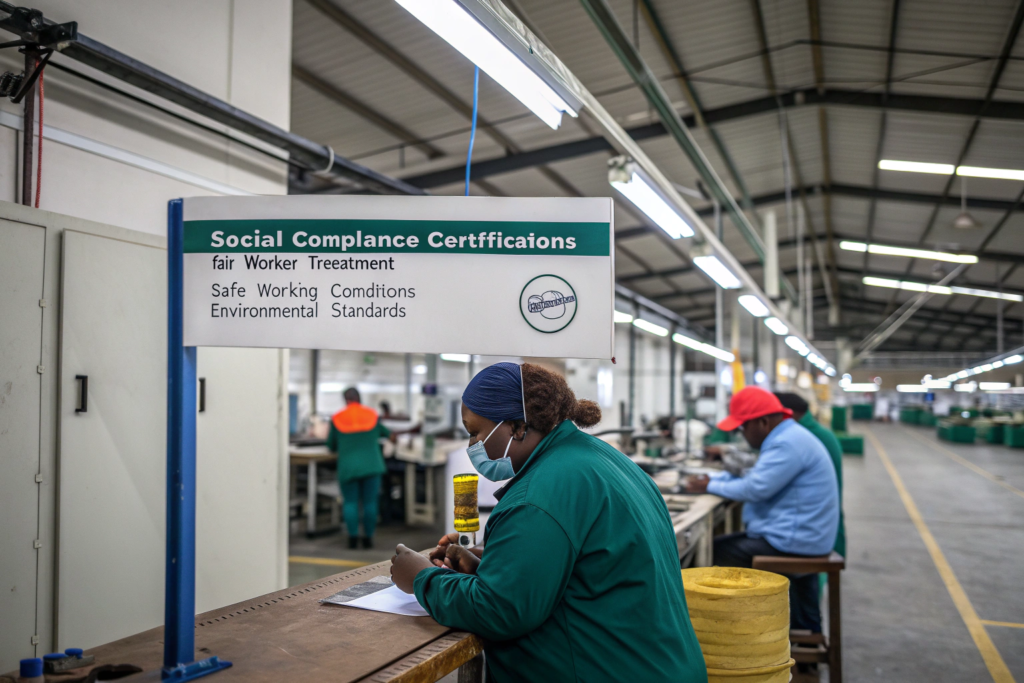
Beyond product safety and chemical compliance, major retailers in Europe and America increasingly require proof that their suppliers operate ethically. Social compliance certifications demonstrate that a factory treats its workers fairly, maintains safe working conditions, and respects environmental standards. For a factory like ours, these certifications are a badge of trust that opens doors to the world's largest brands.
The most widely recognized social compliance standard is BSCI (Business Social Compliance Initiative). BSCI is an initiative of the Foreign Trade Association that provides a uniform code of conduct for factories. The audit covers areas including fair working hours, fair wages, health and safety, child labor prevention, and environmental protection. Another common standard is Sedex (Supplier Ethical Data Exchange), which allows factories to share ethical audit data with multiple clients through a single platform. Many European retailers require their suppliers to be Sedex members. For the US market, the SA8000 standard is also respected, though less common than BSCI.
At Shanghai Fumao Clothing, we undergo regular social compliance audits to maintain our certifications. We view these not as burdens but as commitments to continuous improvement.
What is BSCI and how does it benefit my business?
BSCI is one of the most important certifications for factories exporting to Europe. When a factory is BSCI-certified, it means it has passed a comprehensive audit covering 11 performance areas, including social management systems, workers' rights, occupational health and safety, and environmental protection. For you as an importer, working with a BSCI-certified factory simplifies your supply chain. Many European retailers will not consider a factory that does not have BSCI certification. When we provide our BSCI certificate and audit report to your compliance team, it speeds up the approval process significantly. The BSCI audit is not a one-time event; we are re-audited regularly, and we work continuously to improve our performance. The amfori BSCI website provides detailed information on the standard and its requirements.
How do ISO 9001 and quality management certifications matter?
ISO 9001 is the international standard for quality management systems. While it is not a product safety certification, it is essential for demonstrating that a factory has consistent, reliable processes. For a buyer like Ron, who needs to trust that every order will meet the same standards, ISO 9001 provides that confidence. The certification covers areas including document control, process management, continuous improvement, and customer focus. At our factory, ISO 9001 is the foundation of how we operate. It ensures that our design team, production floor, and quality control department all follow documented procedures. When a client asks us how we maintain consistency across orders, we point to our ISO 9001 certification. The International Organization for Standardization (ISO) website offers comprehensive information on the standard and its requirements.
How Do I Verify A Factory's Certifications?
Certifications are only valuable if they are real and current. Unfortunately, there are factories that claim certifications they do not have or that have expired. Verifying certifications is a critical step in supplier selection. A few simple checks can save you from serious problems later.
The first step is to ask for the certificate number and the issuing body. For BSCI, you can search the amfori database to confirm the factory's status and the date of the last audit. For ISO 9001, you can ask for the certification body and check their website. The second step is to ask for the full audit report, not just the certificate. The report contains detailed findings that give you insight into the factory's strengths and weaknesses. A factory that is proud of its certifications will be happy to share this information. The third step is to request a video tour or in-person visit. A real certification is backed by real practices on the factory floor.
We welcome this scrutiny. Our certifications are current, and we are happy to provide the documentation you need to verify them.

What red flags should I look for when reviewing factory certifications?
When reviewing factory certifications, there are several red flags that should prompt deeper investigation. The first is certificates that are expired. Many factories will show you a certificate that was valid three years ago but has not been renewed. Always check the issue date and expiration date. The second is certificates from unknown or unaccredited certification bodies. A legitimate ISO 9001 certificate should come from a body accredited by a member of the International Accreditation Forum. If you cannot find the certifying body in the IAF database, be cautious. The third is a refusal to share the full audit report. The certificate alone tells you that the factory passed, but the report tells you what issues they had to fix. A factory that has nothing to hide will share the report. The fourth is inconsistencies between what the certificate claims and what you see. If a factory claims BSCI certification but you see unsafe working conditions, the certification may be fraudulent. The International Accreditation Forum (IAF) provides a directory of accredited certification bodies that can help you verify credentials.
How often should certifications be renewed?
Most certifications require regular renewal to remain valid. ISO 9001 certification typically lasts for three years, with annual surveillance audits to ensure continued compliance. BSCI audits are valid for one or two years, depending on the audit outcome. A factory with a B rating might have a two-year validity; a factory with a C rating might be valid for one year. It is important to check the audit date and the expiration date. Some factories will let their certifications lapse between renewals, leaving you exposed. We maintain all our certifications continuously. Our ISO 9001 certificate is always current, and we schedule our BSCI audits well in advance of expiration. When you work with us, you can be confident that our certifications are not just pieces of paper from the past but living commitments to quality and ethics. The Sedex platform provides a way for buyers to track supplier audit dates and request new audits when needed.
Conclusion
Certifications are the language of trust in international trade. They tell your customers that your products are safe, your factory is ethical, and your processes are reliable. For exporting accessories to Europe and America, the essential certifications fall into three pillars: product safety (CPSIA, GCC, CPC), chemical compliance (REACH, Proposition 65), and social responsibility (BSCI, ISO 9001). Each certification represents a commitment that goes beyond the product itself.
At Shanghai Fumao Clothing, we have invested in building a comprehensive compliance program because we believe it is the right way to do business. Our certifications are current, our documentation is thorough, and our practices are transparent. When you work with us, you are not just getting a factory that can make beautiful accessories. You are getting a partner who has already done the work to meet the standards of the world's most demanding retailers.
If you are ready to start a project and want to work with a fully certified factory, let's talk. Please contact our Business Director, Elaine, directly at elaine@fumaoclothing.com to discuss your compliance needs and how we can support your business.