For fashion buyers and brand merchandisers, staying ahead of accessory trends is crucial for driving sales and maintaining brand relevance. Women's belts for dresses are no longer just functional items to cinch a waist; they have evolved into a key fashion statement that can define a silhouette, transform a garment, and express personal style. The challenge lies in identifying which trends have real commercial staying power and translate across different customer demographics, from fast-fashion enthusiasts to the luxury market.
Current trends in women's belts for dresses are defined by a mix of nostalgic revival, statement-making proportions, and a focus on versatile, multi-wear designs. The market is moving away from subtle, hidden belts towards pieces that are intentional, decorative, and often the focal point of an outfit. Key directions include the resurgence of ultra-wide styles, the dominance of bold chain belts, the playful appeal of novelty shapes, and the enduring popularity of adaptable skinny belts and sashes. These trends cater to a consumer desire for both dramatic impact and practical versatility in their accessories.
Let's explore the specific trend directions that are shaping buying decisions and retail assortments for the upcoming seasons, analyzing their aesthetic drivers and commercial viability.
Why are Ultra-Wide and Cinch Belts Dominating?
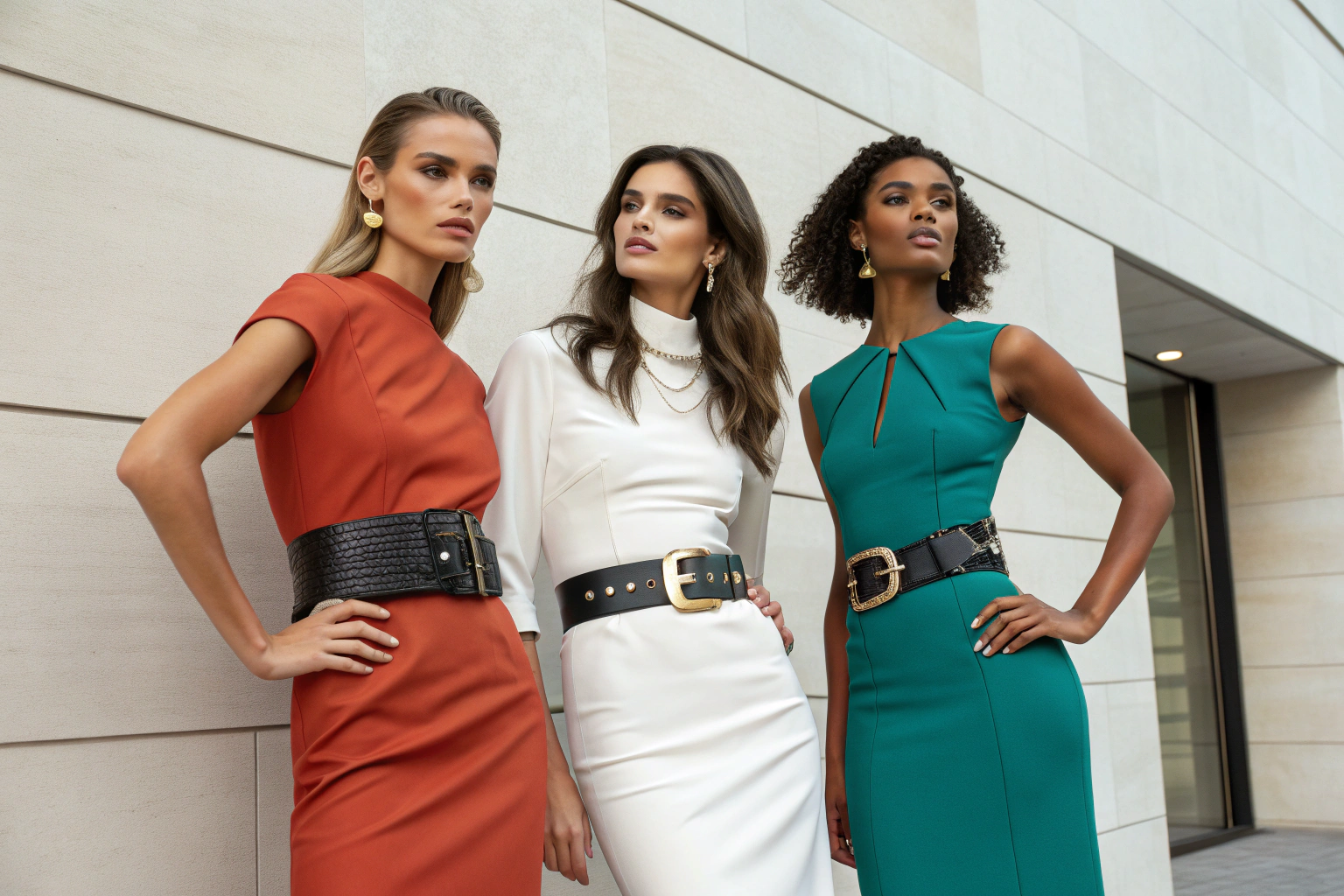
The most powerful silhouette trend in recent seasons is the dramatic return of the ultra-wide belt. This style, often ranging from 3 to 6 inches in width, is a direct nod to the iconic looks of the 1980s and early 2000s. It's not just a belt; it's a corset-inspired shaping tool that creates an immediate hourglass figure, making it incredibly appealing for dressing over flowy midi dresses, tailored shirt dresses, and even sleek slip dresses.
This trend satisfies the consumer's desire for instant silhouette transformation. In an era of oversized and relaxed fits, a wide belt provides a powerful counterpoint, adding structure and definition. The cinching effect is both flattering and fashion-forward. From a commercial standpoint, these belts often command a higher price point due to the increased material (leather, vegan leather, fabric) and more complex hardware required, offering better margins. They are statement pieces that drive outfit photography on social media, making them highly desirable for the social-first fashion consumer.
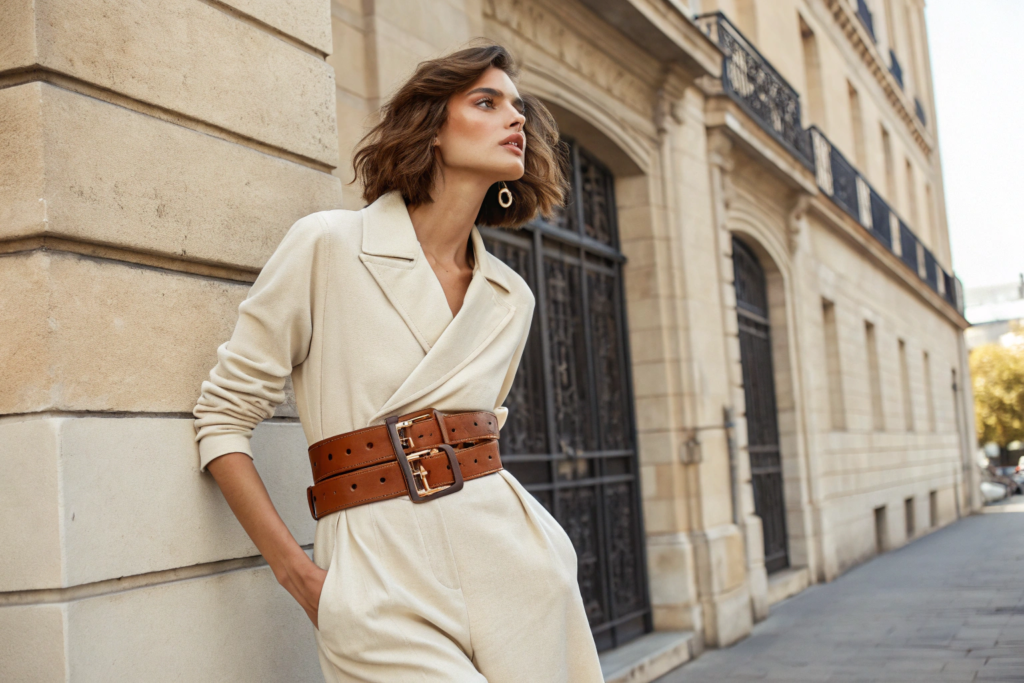
What Materials and Details Define the Modern Wide Belt?
The modern interpretation of the wide belt moves beyond basic black leather. Key materials include:
- Structured Vegan Leather: Offering a polished, contemporary look with ethical appeal.
- Textured Fabrics: Such as tweed, brocade, or embroidered fabrics, often matching or coordinating with dress collections.
- Supple Leathers: In rich colors like caramel, chocolate, and deep green.
The hardware is minimalistic but substantial—often featuring a single, oversized flat buckle in a square, rectangular, or curved shape, or utilizing a D-ring or strap-and-loop closure for a utilitarian feel. The focus is on clean lines and architectural form. A supplier like Shanghai Fumao Clothing can provide expertise in sourcing the right stiffening materials and constructing these belts to hold their shape without being uncomfortable. Understanding material drape and structure is fundamental to this category, as detailed in fashion design resources.
How is this Trend Adapting for Different Dress Styles?
The versatility of the wide belt is key to its success. For maxi and midi dresses with defined waist seams, it reinforces the natural waistline. Over shirt dresses, it adds a tailored, polished finish. The trend has also spawned the belted blazer dress, where the belt is integral to the look. For buyers, this means a single wide belt style can be merchandised across multiple dress categories, increasing its sell-through potential. The trend's connection to body-positive fashion and creating a defined silhouette is a significant part of its cultural relevance, as discussed in contemporary fashion media.
How are Chain Belts and Hybrid Designs Evolving?
Chain belts have solidified their status as a modern classic, moving from eveningwear into daytime style. The current trend focuses on substantial, weighty chains worn singly or layered, as well as innovative hybrids that combine metal with leather or fabric. This trend blends utilitarian chic with a touch of rock-n-roll edge, offering a versatile accessory that can dress up or down.
The appeal lies in the mixed-material juxtaposition—the hardness of metal against the softness of a dress fabric. It adds texture, light reflection, and an element of cool to any outfit. For retailers, chain belts offer high perceived value; a well-made metal piece feels luxurious and durable. They are also inherently size-flexible, often adjustable via a clasp or designed to drape loosely, reducing return rates related to fit.

What are the Key Styles in Metal and Chain Belts?
Several distinct styles are performing well:
- The Classic Link Belt: Featuring medium to large curb or cable links, often in gold or silver tone.
- The Belt-Bag Hybrid: Incorporating a small decorative pouch or coin purse into the chain, merging function with trend.
- Leather-and-Chain Straps: Where a leather belt base is embellished with a draped chain front or side detail.
- Layered & Multi-Strand Designs: Delicate chains worn in multiples for a more nuanced, textured look.
The finish is important—anti-tarnish coatings are essential for quality, and brushed or matte finishes are trending alongside high-shine. For manufacturers, ensuring the welding integrity of links and the security of clasps is a critical part of quality control. Resources on metalworking in fashion accessories provide valuable insight into production standards.
Why are Hybrid Belts Gaining Popularity?
Hybrid belts, which combine a leather or fabric band with a substantial metal buckle or chain detail, are hugely popular because they offer the best of both worlds: the adjustability and comfort of a traditional belt with the statement appeal of hardware. A wide leather belt with an oversized grommet and buckle detail, or a skinny belt with a dangling charm or pendant, falls into this category. These designs feel fresh, detailed, and offer strong storytelling for brands. They cater to consumers looking for a conversation-starting accessory that still feels wearable. This trend towards personalized and detailed hardware is a significant shift in the market.
What is the Role of Novelty Belts and Skinny Styles?
While wide and chain belts make bold statements, the market simultaneously embraces two seemingly opposite directions: playful novelty shapes and the timeless, versatile skinny belt. This bifurcation reflects the diverse ways women accessorize today—for some, belts are fun fashion toys; for others, they are refined finishing touches.
Novelty belts—think oversized bows, abstract sculptural buckles, or belts made from unexpected materials like rope or beaded fabrics—cater to the Gen Z and playful fashion consumer. They are often the centerpiece of an outfit, worn with simple dresses to allow the belt to shine. Conversely, the skinny belt (often 1/2 inch to 1 inch wide) remains a perennial bestseller. Its strength lies in its versatility; it can define a waist without overwhelming the dress, is perfect for layering under blazers or over sweaters, and works from day to night.
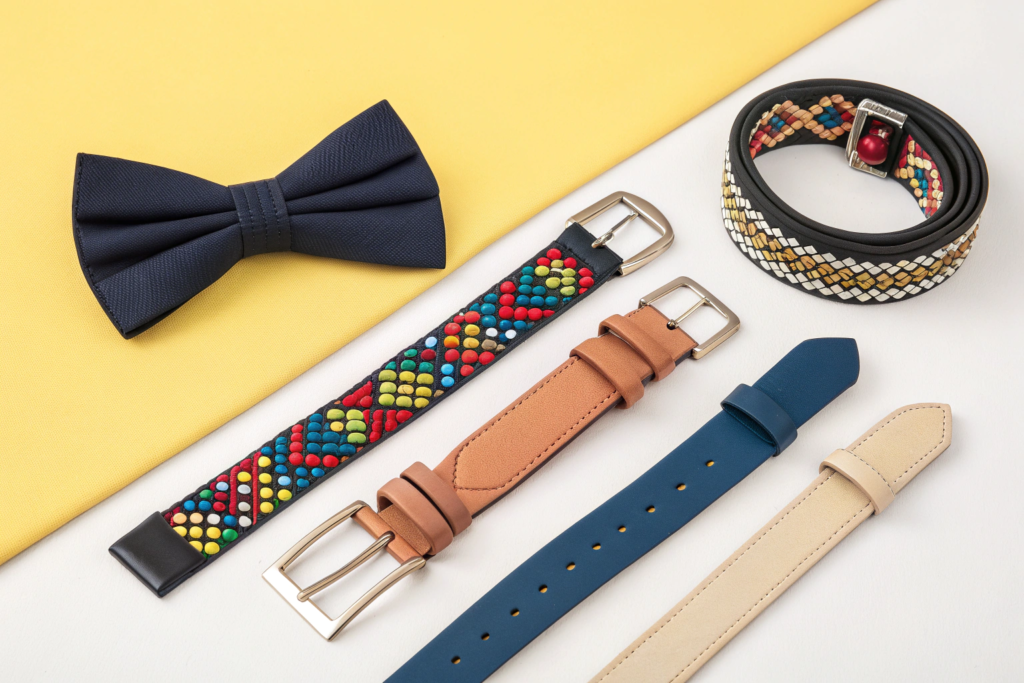
How are Novelty Belts Driving Social Media and Impulse Sales?
Novelty belts are inherently social media-friendly. Their unique, photogenic designs are perfect for Instagram Reels, TikTok hauls, and Pinterest boards. They drive impulse purchases and are often bought to style for a specific event or photo. For buyers, they are lower-risk when ordered in smaller quantities but can generate high sell-through rates due to their viral potential. The key to successful novelty items is a balance between trend-aware design and wearable construction—the piece must still function as a belt. This trend is closely tied to the broader movement of accessories as wearables and fashion as entertainment.
Why Do Skinny Belts and Sashes Remain Perennial Essentials?
The skinny belt and the fabric sash are the workhorses of a retail accessories department. They satisfy a constant demand for understated elegance and versatility. A black skinny leather belt with a simple buckle is a timeless staple. A satin or silk sash offers a soft, romantic touch to wrap dresses and is a key component in wedding guest and special occasion styling. For brands, these items represent consistent, year-round volume with less seasonality. They are also perfect for gift-with-purchase promotions or value-added sets when paired with a dress. Their enduring appeal is a lesson in the importance of maintaining a core classic accessories assortment alongside trend-forward pieces, a principle upheld by major fashion retailers.
What are the Sustainable and Material Innovations?
An overarching trend impacting all categories is the demand for sustainability and material innovation. Consumers are increasingly scrutinizing the provenance and environmental impact of their accessories, making this a critical consideration for sourcing and marketing.
This translates into a growing market for:
- Vegan and Alternative Materials: High-quality PU, apple leather, cactus leather, and recycled polyester webbing.
- Upcycled and Deadstock Materials: Belts made from reclaimed leather scraps, vintage fabrics, or excess materials from other industries.
- Transparent and Ethical Production: Brands are highlighting traceable supply chains and ethical manufacturing practices.
These "conscious consumer" trends are not just niche; they are becoming mainstream expectations. Belts that tell a positive material story can command a premium price point and foster strong brand loyalty.
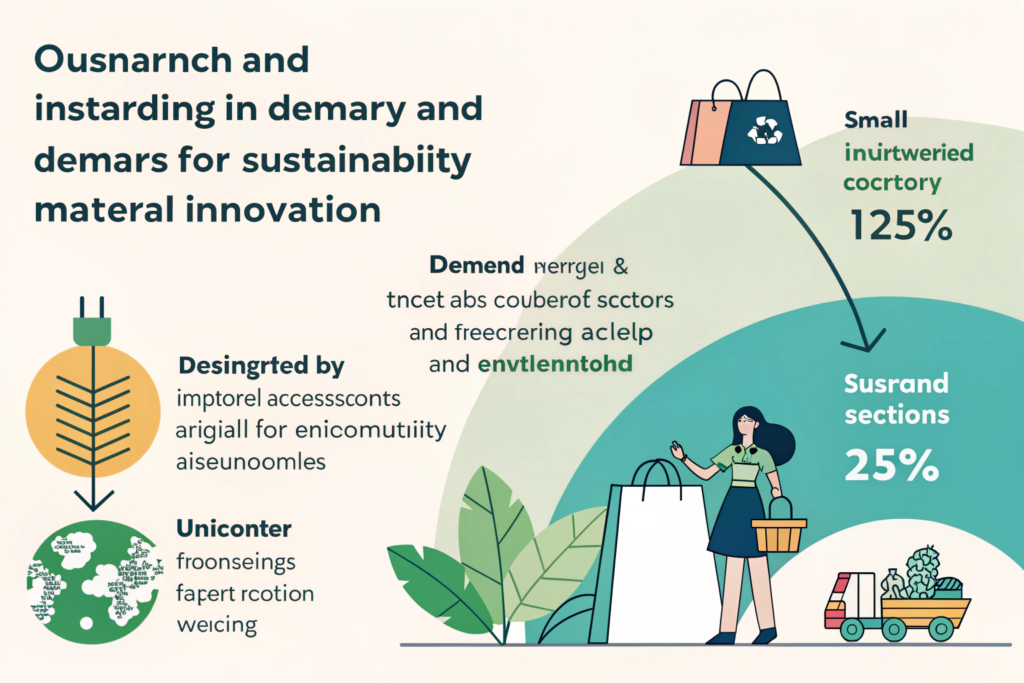
What Sustainable Materials are Gaining Traction?
Beyond traditional leather, several materials are rising in prominence:
- Recycled PET Webbing: Durable, colorfast, and made from post-consumer plastic bottles, ideal for casual and sporty belt styles.
- Cork Leather: Lightweight, waterproof, and naturally textured, offering a unique aesthetic.
- Organic Cotton or Hemp Twill: For canvas-style belts and sashes.
A forward-thinking manufacturer will have a diverse material sourcing portfolio to meet this demand. For example, at Shanghai Fumao Clothing, we are actively developing lines using certified sustainable materials to partner with brands pursuing eco-conscious goals. Information on sustainable material certifications (like GRS, OEKO-TEX) is now essential knowledge for accessory buyers.
How is Durability and Timeless Design Part of the Sustainability Trend?
Sustainability is also expressed through a shift towards buying better and less. This favors belts with timeless design and superior construction that will last for years, not just a season. This means investing in full-grain leather, solid metal hardware with good plating, and reinforced stitching. For retailers, this aligns with the "quiet luxury" and "elevated basics" movement, where customers seek out high-quality, versatile pieces. Promoting the craftsmanship and longevity of a belt becomes a key marketing message, moving beyond fast-fashion disposability.
Conclusion
The landscape of women's belts for dresses is vibrant and diverse, driven by the dual forces of bold self-expression and thoughtful consumption. The dominant trends—from silhouette-defining wide belts and edgy chain links to playful novelties and timeless skinnies—offer a spectrum of opportunities for retailers to cater to varied customer tastes and occasions. Underpinning it all is a growing emphasis on material innovation and sustainable practices, which is reshaping how these accessories are made and marketed.
For buyers, success lies in curating a balanced assortment that combines high-impact, trend-driving statement pieces with versatile, quality-built essentials, all while being mindful of the evolving values of the modern consumer.
Ready to source a trend-forward and commercially-strong belt collection for your dresses? Partner with Shanghai Fumao Clothing. Our design team closely monitors these trends, and our manufacturing expertise ensures quality from classic skinny belts to the latest wide-leg cinch styles. Contact our Business Director, Elaine, at elaine@fumaoclothing.com to develop your next best-selling accessory line.