Are you noticing a resurgence of braces (suspenders) in men's fashion and wondering if it's a fleeting trend or a lasting shift? Are you looking to expand your accessory line but unsure which styles, materials, and features resonate with the modern male consumer? You're observing a meaningful revival. Men's braces are no longer just a functional or vintage-revival item; they have evolved into a key statement accessory that bridges classic tailoring, streetwear influences, and personal expression. The trend is driven by a desire for individuality, a return to crafted details, and the evolution of formalwear codes.
The contemporary market for braces is segmented. On one end, there's a demand for heritage-inspired, high-quality leather and elastic braces that signal understated luxury. On the other, there's a growing appetite for bold, patterned, and technically adapted braces that work with casual outfits and streetwear. Understanding these parallel trends—heritage craftsmanship vs. modern versatility—is key to designing and sourcing products that capture market share.
This guide will break down the dominant trends shaping the men's braces category. We'll explore the enduring appeal of heritage and artisanal styles, the rise of casual and technical adaptations, the evolution of hardware and attachment mechanisms, and finally, the market drivers and retail opportunities for this niche but growing accessory. Let's buckle into the details.
What is Driving the Heritage and Artisanal Craftsmanship Trend?
At the core of the braces revival is a renewed appreciation for timeless quality, material integrity, and traditional craftsmanship. This trend caters to the consumer who values "buy it for life" items, provenance, and subtle, earned luxury. It's less about flashy logos and more about the quiet confidence that comes from superior materials and construction.
Key characteristics of this trend include:
- Premium Materials: Emphasis on full-grain leather straps, bridle leather, or high-density woven elastics (like those from iconic brands like Albert Thurston). Fabrics such as wool, silk, or heavy-duty cotton twill are also prized.
- Classic Widths & Proportions: A return to traditional 1.25-inch (32mm) to 1.5-inch (38mm) widths, which are historically accurate and provide a substantial presence.
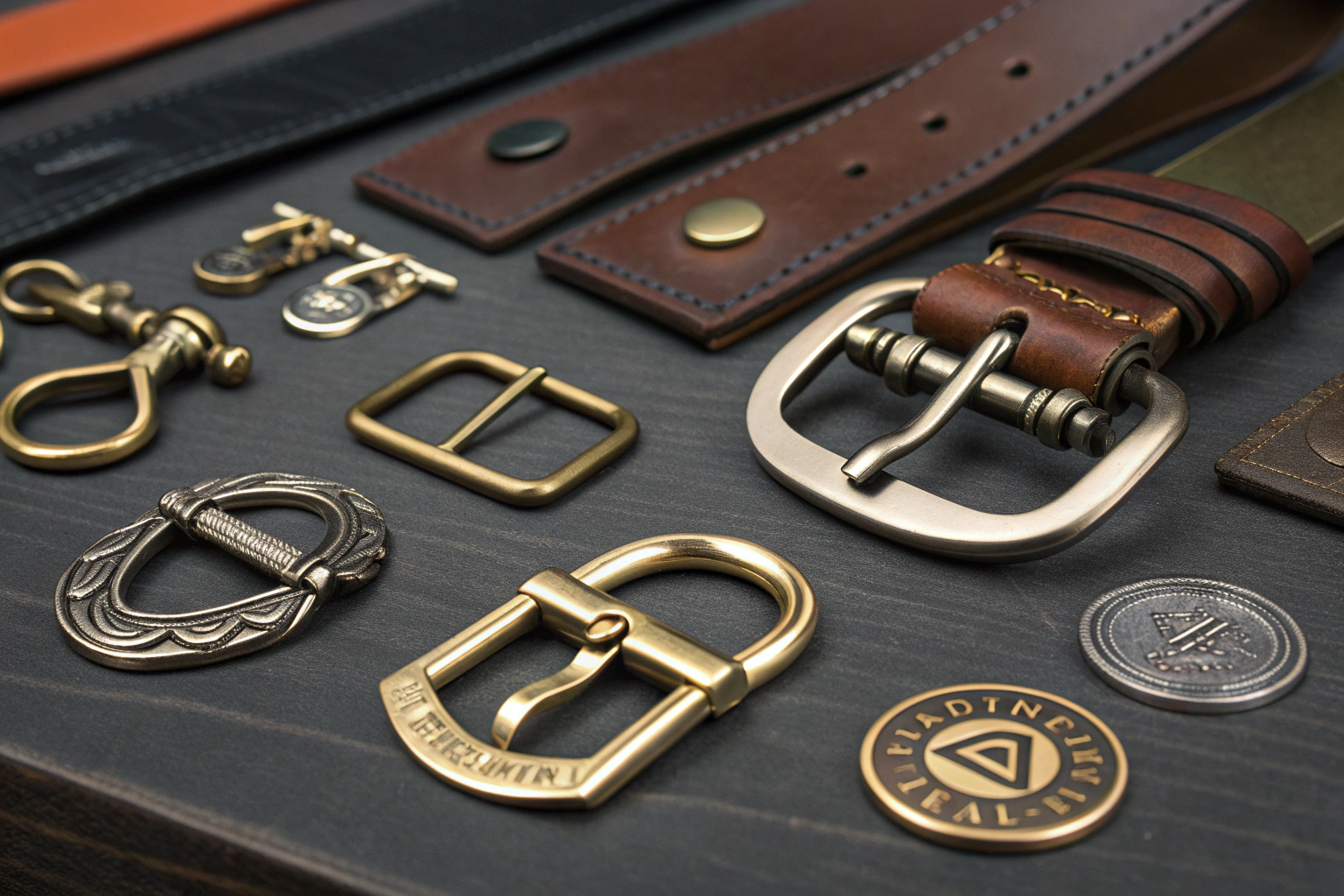
- Heritage Hardware: Use of solid brass or nickel-plated steel for the clips, buttons, and leather ends. The hardware often features engraved or embossed details.
- Hand-Finishing: Evidence of handcraft, such as saddle stitching, hand-painted edges on leather, and hand-rubbed wax finishes.
This trend aligns with the broader "slow fashion" movement and appeals to customers investing in a capsule wardrobe of enduring pieces. For brands, it means focusing on material sourcing and partnering with factories skilled in leatherworking and small-batch production.
Why Are Leather Braces Considered a Premium Segment?
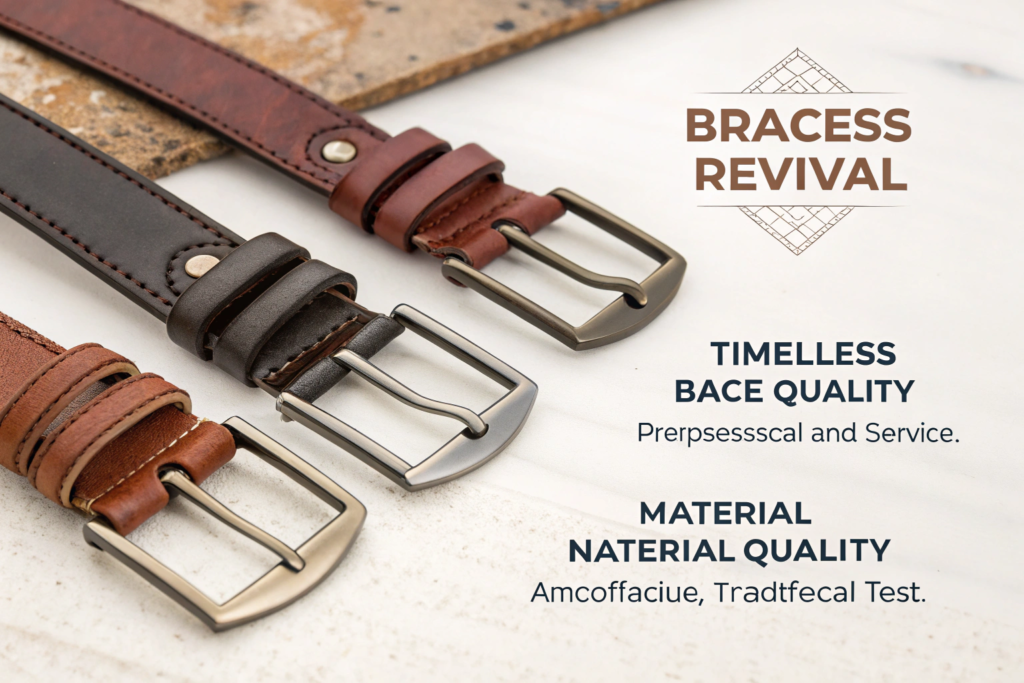
Leather braces represent the apex of the heritage trend. They are durable, develop a unique patina over time, and are inherently luxurious. Full-grain leather braces, especially those using vegetable-tanned leather, tell a story of material and craft. They are often paired with solid brass "Boston" or "English" clipbacks or traditional button attachments, eschewing modern plastic clips entirely. This segment commands the highest price point but builds incredible brand loyalty, similar to the value proposition of high-quality acetate.
How Does the "Slow Fashion" Ethos Influence Design?
The "slow fashion" consumer is educated. They look for:
- Traceability: Knowing where the leather comes from or which mill produces the elastic.
- Natural Materials: A preference for untreated elastics, organic cotton backings, and metal hardware over plastic.
- Repairability: Designs that allow for the replacement of parts (like leather ends or clips) extend the product's life.
Incorporating these principles into your product story can be a powerful differentiator, much like sustainable practices in other accessory categories.
How Are Braces Adapting to Casual and Streetwear Styles?
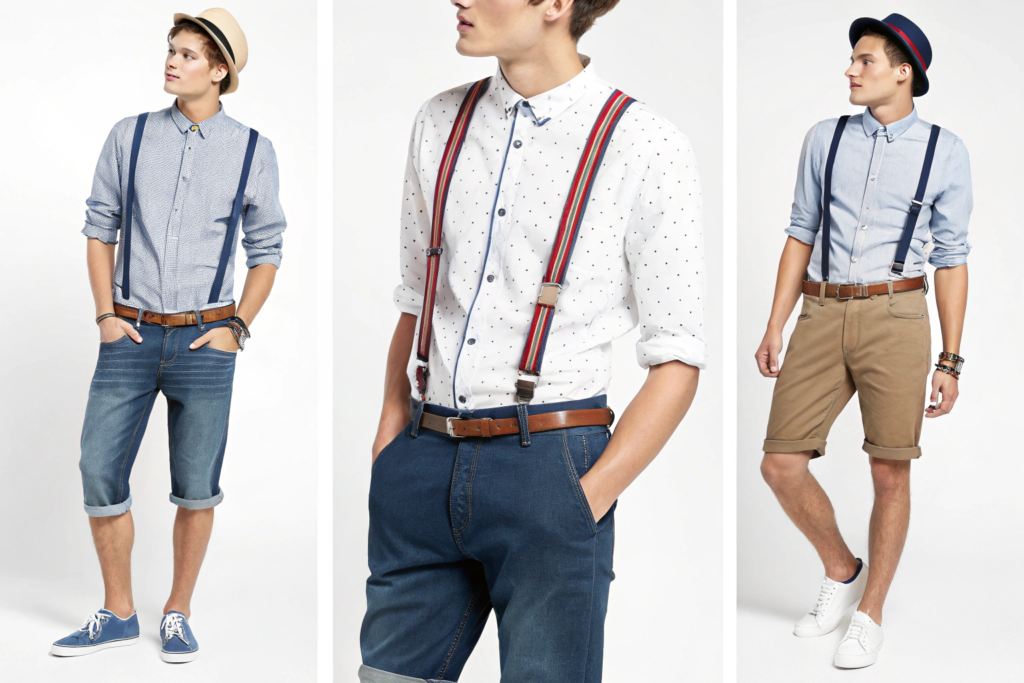
The most significant growth area is the adaptation of braces for casual, smart-casual, and streetwear outfits. This trend democratizes braces, moving them beyond the suit and into everyday wear. It's driven by fashion-forward consumers and influencers who use braces as a focal point to add personality to jeans, chinos, or even shorts.
Key features of this trend include:
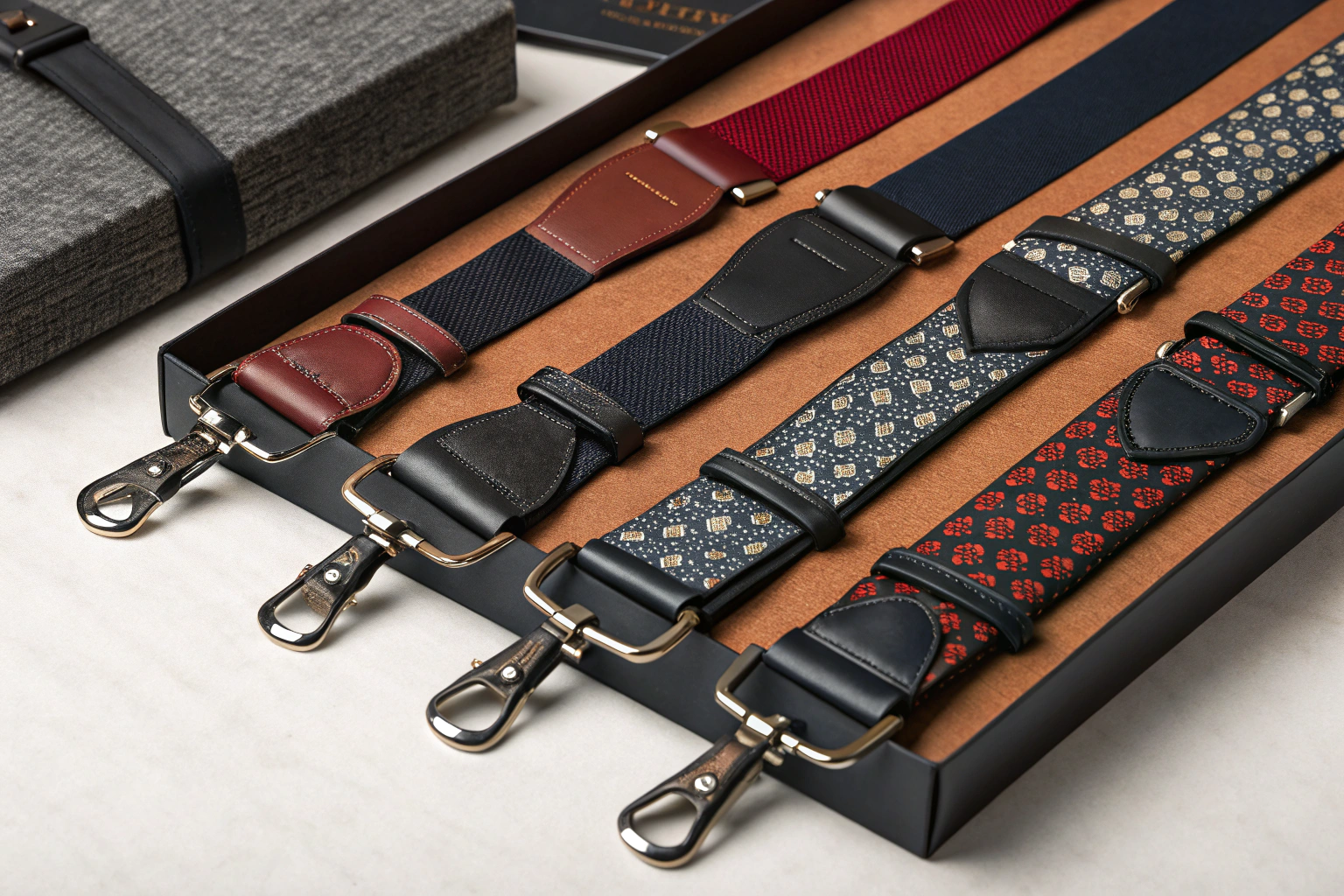
- Bold Patterns & Colors: Floral prints, geometric patterns, stripes, and bold block colors on the elastic webbing. This transforms braces from a supporting accessory to a centerpiece.
- Narrower Profiles: Skinny braces (around 0.75 inches or 19mm wide) that feel less formal and more akin to a fashion belt.
- Technical & Hybrid Materials: Use of technical fabrics, recycled polyester webbing, and matte rubberized details.
- Novelty and Collaboration: Licensed prints (from artists, brands, or pop culture) and high-fashion designer interpretations that push creative boundaries.
This trend is about playfulness and self-expression. It often sees braces worn in unexpected ways, such as over a t-shirt or layered under an open shirt.
What Role Do Patterns and Novelty Designs Play?
Patterns are the primary vehicle for casualization. They inject humor, heritage (like tartan or paisley), or artistic flair. Novelty designs—featuring everything from micro-prints of pizza to abstract art—make braces collectible and giftable. This segment has lower barriers to entry in terms of material cost (printed elastic vs. leather) but requires strong design vision and trend forecasting. Success here depends on a fast, responsive supply chain for small-batch printed elastics, similar to sourcing for custom printed accessories.
Can Braces Be Worn Without a Jacket or Suit?
Absolutely, and this is central to their modern appeal. The key is intentional styling. Skinny or patterned braces worn with:
- A well-fitted oxford shirt or polo shirt with trousers.
- A plain t-shirt for a high-low contrast.
- Over a sweater for a layered, intellectual look.
The rule is to ensure the rest of the outfit is relatively simple to let the braces stand out. This versatility opens up a much larger addressable market than traditional formalwear.
What Innovations Are Happening in Hardware and Functionality?
While the straps get the visual attention, the hardware is the functional heart. Modern consumers demand both aesthetics and ease of use. Innovations are making braces more comfortable, adjustable, and compatible with contemporary clothing.
Hardware & Functional Trends:
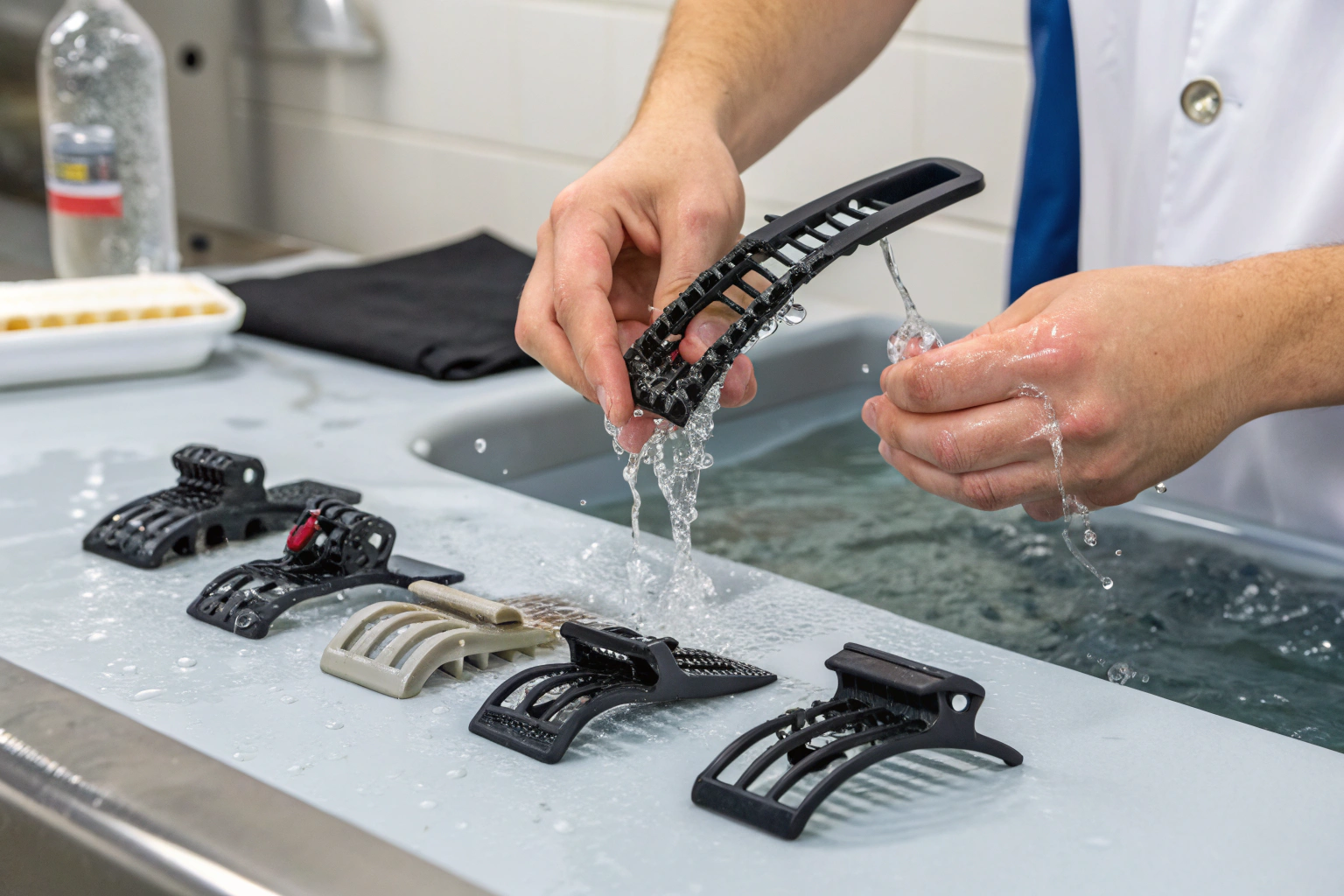
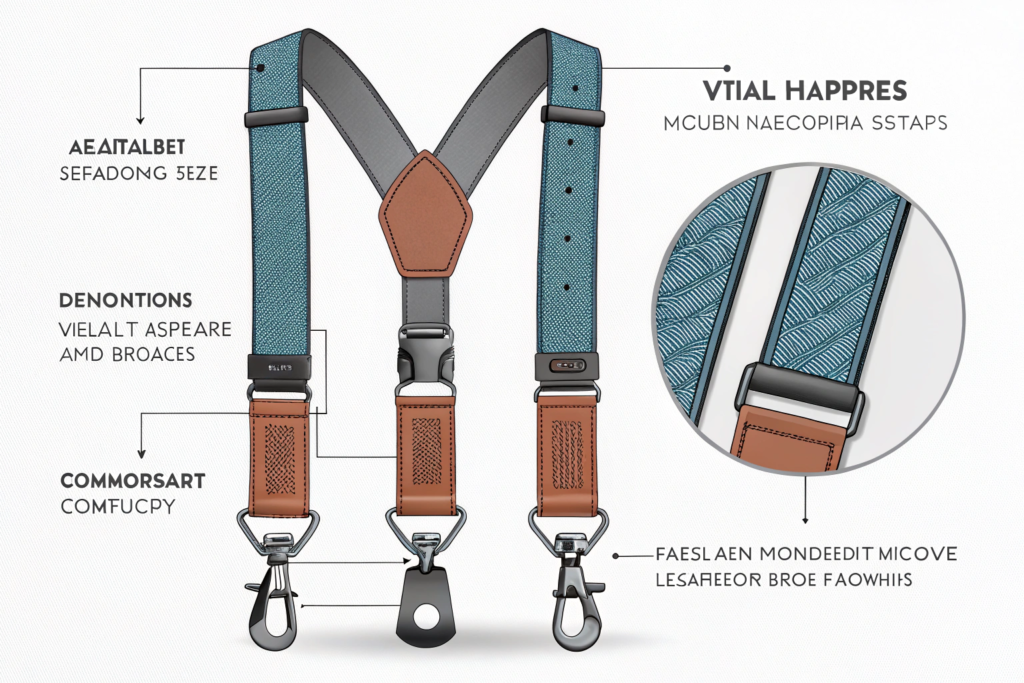
- The Rise of the "No-Slip" Clip: Traditional metal clips can slide off modern trouser waistbands. Newer designs feature rubberized or silicone-gripped jaws on the clips to prevent slipping, a major pain point for users.
- Adjustable Sliders & Military-Style Hardware: Borrowing from tactical gear, braces with matte black or gunmetal hardware, ladder-lock sliders, and quick-release mechanisms appeal to a tech-wear aesthetic.
- Convertible Clips (Clip-Button Hybrids): Hardware that can function as both a clip-on and a button-on style offers maximum versatility to the consumer.
- Low-Profile & Ergonomic Design: Hardware is being designed to be lighter and flatter to reduce bulk and visibility under clothing.
These innovations address practical complaints and make braces more user-friendly for a generation that didn't grow up wearing them.
Are Button-On Braces Making a Comeback Versus Clip-On?
Button-on braces are experiencing a resurgence among purists and style enthusiasts. They are considered more authentic, elegant, and secure than clip-ons. They require trousers with sewn-on buttons (which many premium brands are now including again), adding a layer of commitment and know-how that appeals to the discerning customer. While clip-ons dominate the mass market for their convenience, offering a high-quality button-on option positions a brand in the premium, knowledge-driven segment. It's a detail that speaks to craftsmanship, much like the choice between woven and embroidered labels.
What are "Suspender Socks" and How Do They Relate?
"Suspender Socks" (or sock garters) are a related micro-trend within the legwear revival. They are functional braces for socks, preventing them from slipping down. While a niche product, their popularity among certain style communities (like vintage enthusiasts and sharp dressers) indicates a broader appetite for classic, functional accessories. It shows that the market for braces extends beyond the waistband to a holistic appreciation of heritage men's accessories.
What Are the Market Drivers and Retail Opportunities?
The braces market is being propelled by specific cultural and retail shifts. Understanding these drivers helps in positioning and marketing the product effectively.
Key Market Drivers:
- The Rejection of the Belt: In tailored clothing, a belt can break the clean line of high-waisted trousers. Braces allow the trousers to hang perfectly, offering a sleeker silhouette that is popular in modern suiting.
- Personalization in a Sea of Sameness: In an era of casual uniformity, braces offer a distinctive way to stand out and express individual style without being overly loud.
- Direct-to-Consumer (DTC) & Niche Brand Growth: Small brands are educating consumers about quality, history, and styling through rich online content, driving demand outside traditional retail channels.
- Bridal and Formalwear: There is a growing market for braces as part of wedding party attire and formal events, often purchased as sets or gifts.
Retail Opportunities:
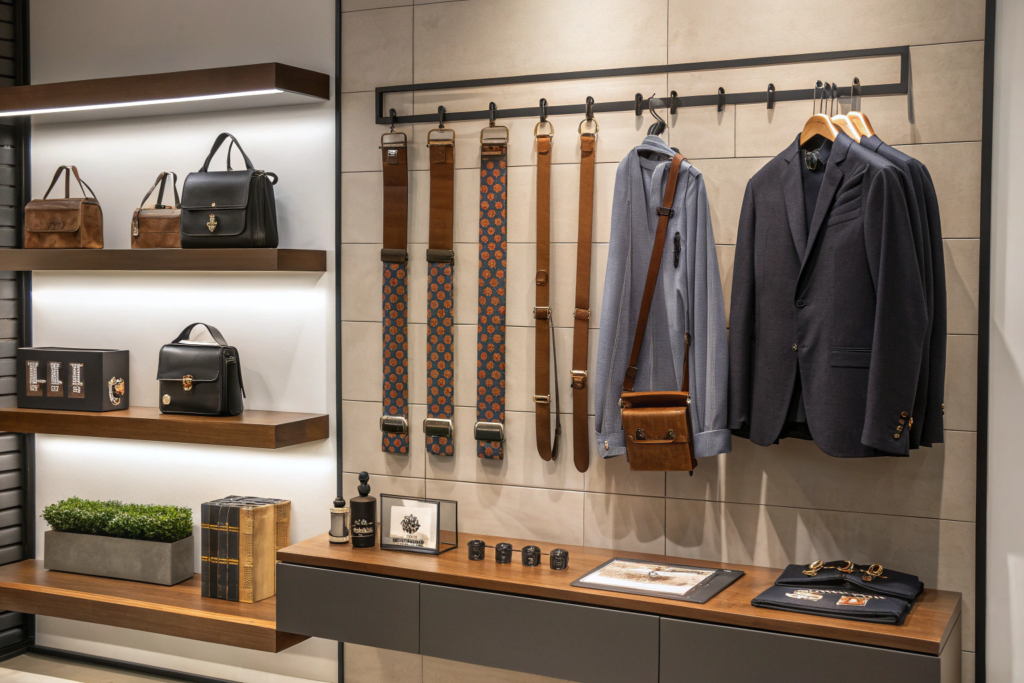
- Bundling: Selling braces as part of a "trouser accessory kit" with matching ties, pocket squares, or socks.
- Gift-Boxing: Positioning as a premium gift for graduations, weddings, or Father's Day.
- Collaborations: Partnering with trouser brands, tailors, or lifestyle influencers to create co-branded lines.
For retailers, braces offer higher margins than basic accessories and attract a customer interested in curation and style education.
How Should Braces Be Priced Across Different Segments?
Pricing tiers are clear:
- Entry-Level / Fashion: $15 - $40. Made with printed elastic, basic metal or plastic clips. High volume, trend-driven.
- Mid-Tier / Quality Casual: $40 - $100. Better elastics (e.g., Swiss-made), improved "no-slip" clips, some leather detailing.
- Premium / Heritage: $100 - $300+. Full-grain leather, solid brass hardware, hand-stitching, often from heritage or artisanal brands.
Your positioning will dictate your target factory's capabilities—from high-volume elastic webbing printers to specialized leather workshops.
What Should a Brand's Tech Pack Include for Braces?
A comprehensive tech pack is essential for accurate sampling, especially given the multiple components. It must detail:
- Strap: Material (leather type/thickness, elastic composition/width), length, pattern/color (with Pantone references).
- Hardware: Type (clip/button), metal finish, dimensions, and grip specifications (e.g., silicone jaw detail).
- Leather Ends & Sliders: Shape, dimensions, stitching detail.
- Assembly: How the strap attaches to hardware (riveted, stitched, looped).
- Packaging: How it should be presented (box, pouch, card).
This level of detail ensures the factory replicates your design with fidelity, a process as critical as replicating any complex accessory sample.
Conclusion
The trends in men's braces and suspenders reveal a category rich with opportunity, split between a deep appreciation for heritage craftsmanship and a vibrant wave of modern casualization. Success lies in choosing your segment—whether it's artisanal leather goods, bold patterned elastics, or technically improved hardware—and executing with quality and a clear brand story.
For brands and retailers, braces represent a high-margin, statement accessory that educates the consumer and builds loyalty. They are a tangible link between personal style, functional design, and sartorial history.
Ready to develop a braces line that captures this momentum? At Shanghai Fumao Clothing, we have the sourcing expertise for both premium leather components and technical elastics, and the manufacturing precision for detailed hardware assembly. Contact our Business Director Elaine at elaine@fumaoclothing.com to suspend disbelief and start creating.