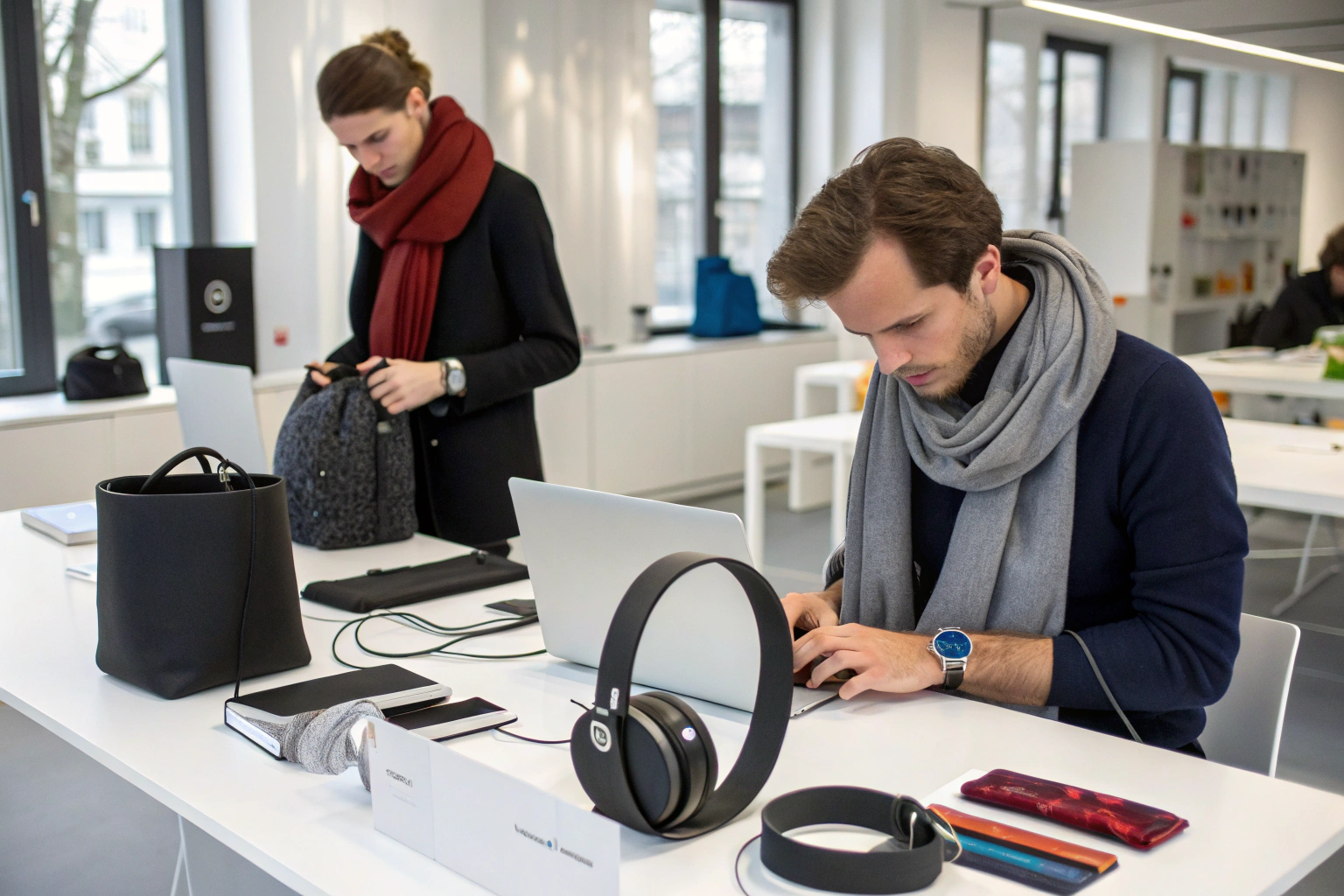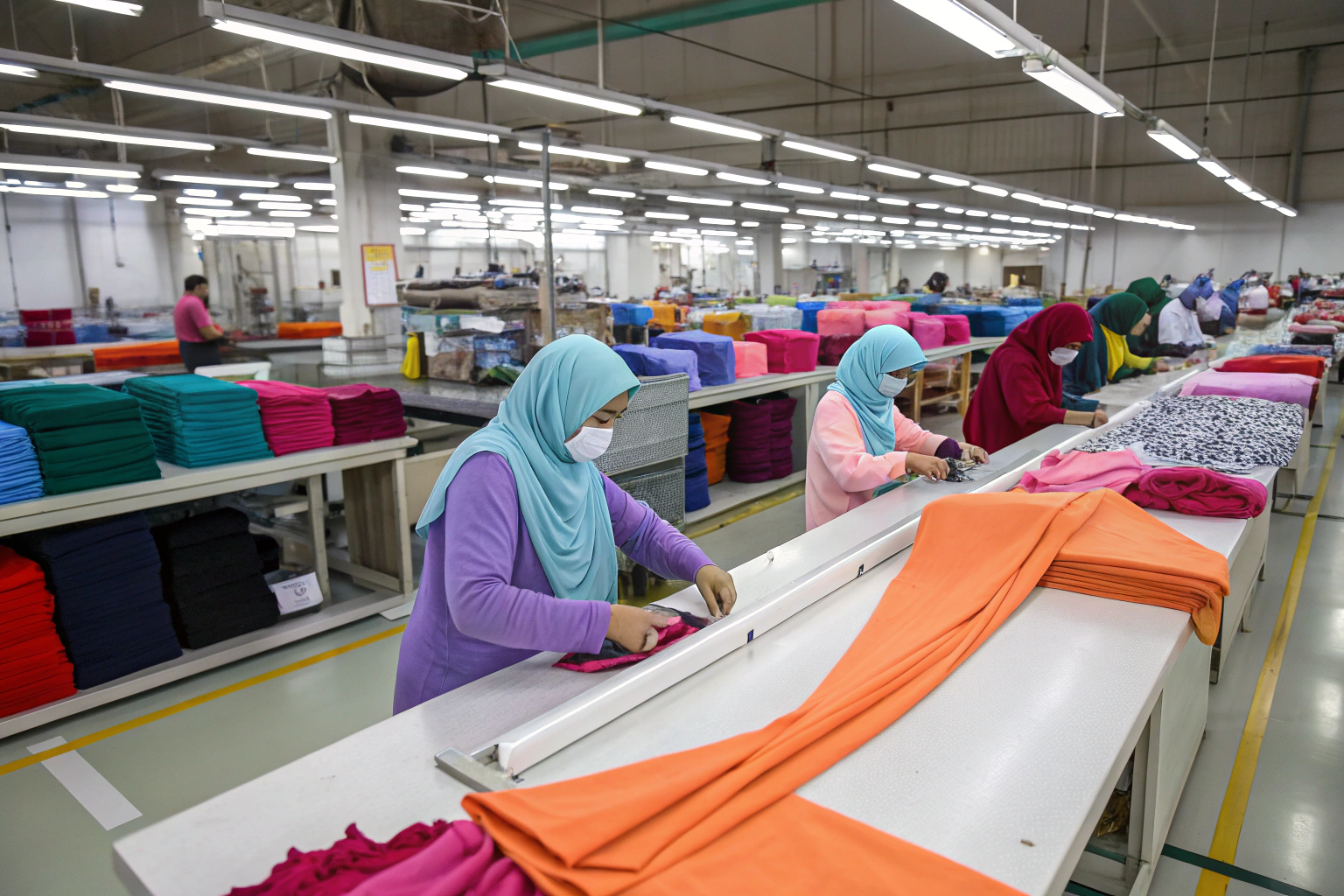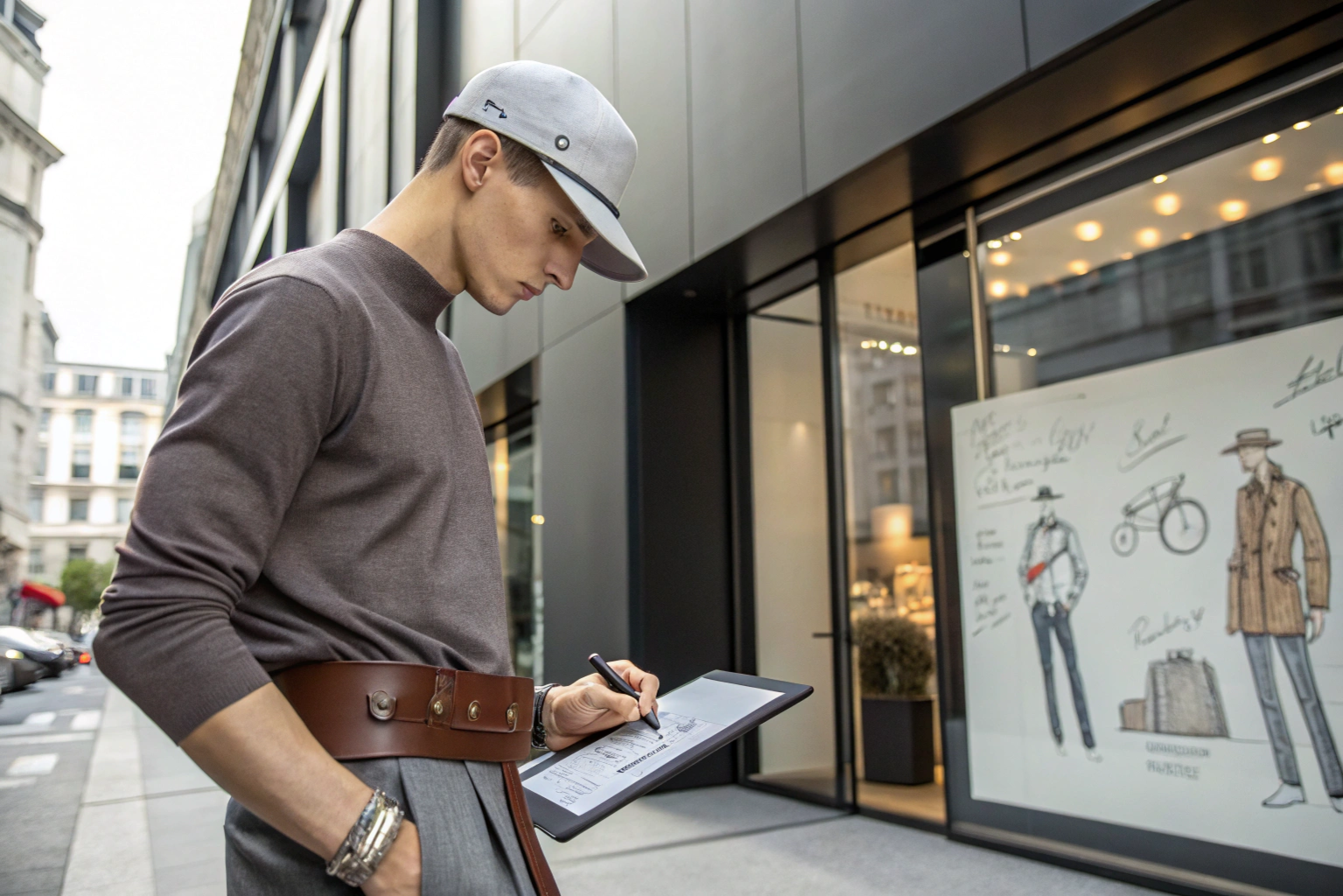
I remember sitting with a buyer from a major European department store last fall. He leaned across the table and said, “Every season, I ask the same question. What is next for men? Not just the big trends, but the details. The caps, the belts, the small pieces that finish an outfit.” He was frustrated because most factories only told him about what was popular last year. They did not have a view of what was coming. That conversation stuck with me. As a factory owner who works directly with designers and brands every day, I see the patterns forming months before they hit the shelves. And for 2026, I see some clear directions for men’s accessories.
For 2026, men’s accessories like caps and belts are moving toward quiet luxury with functional details. Caps are shifting toward structured silhouettes, natural materials like wool and organic cotton, and subtle branding. Belts are moving away from flashy logos and toward artisan leather craftsmanship, wider straps, and interchangeable buckle systems. The overall theme is intentionality—men are choosing accessories that feel personal, durable, and quietly confident rather than loud and logo-heavy.
But trends are not just about aesthetics. They are about how products are made and how they fit into a man’s lifestyle. The modern male consumer cares about where his belt comes from, how long his cap will last, and whether the materials align with his values. So let me walk you through what I am seeing in development requests, sample orders, and the mood boards that our design team at AceAccessory is creating for the coming year.
Why Are Structured Caps Dominating the 2026 Men’s Headwear Scene?
I noticed this shift about eighteen months ago when a Scandinavian brand asked us to develop a cap with a much stiffer brim than usual. They said their customers were tired of floppy, unstructured caps that lost their shape after a few wears. They wanted something that felt substantial. That request has since become one of our most popular development paths.
Structured caps are making a strong comeback for 2026 because men are seeking accessories that offer both style and longevity. Unlike the soft, worn-in look that dominated previous years, the new structured cap features reinforced front panels, firm brims, and high-quality materials that hold their shape. This style appeals to men who view caps as an investment piece rather than a disposable item. The structured silhouette also pairs well with the tailored clothing trends that are gaining momentum in menswear.
The move toward structured caps reflects a broader shift in how men approach accessories. They are no longer an afterthought. A cap is now a statement piece that frames the face and anchors an outfit. This is especially true for men in urban centers who commute, travel, and value pieces that transition seamlessly from casual to semi-formal settings.
What Materials Are Replacing Traditional Cotton Twill?
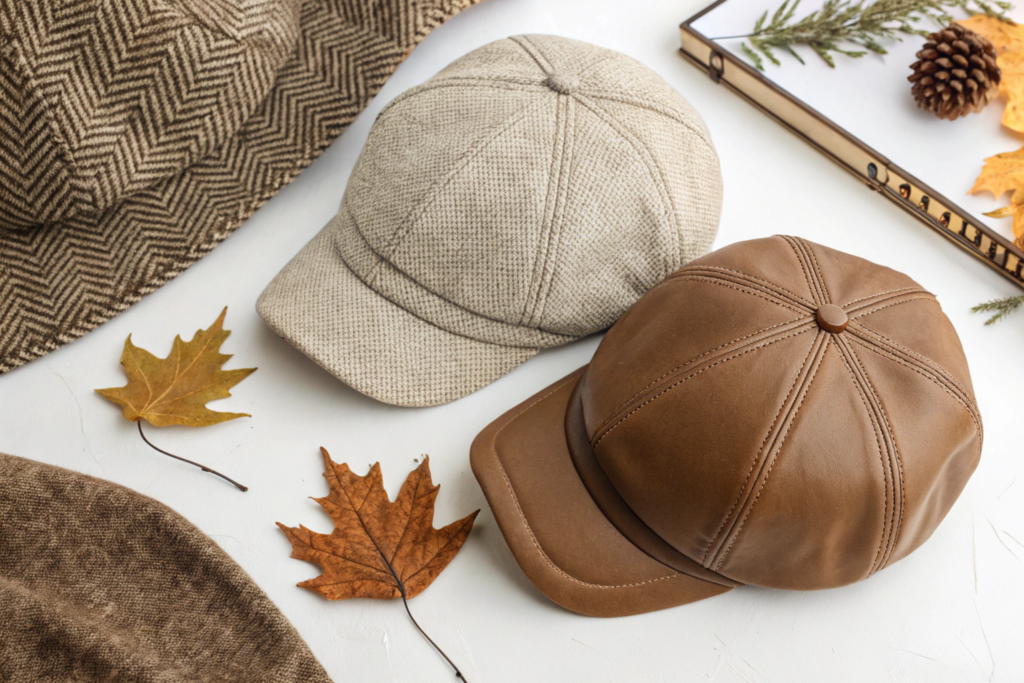
Cotton twill will always have its place, but for 2026, we are seeing a surge in requests for alternative materials. Wool blends, especially in herringbone and donegal weaves, are becoming favorites for fall and winter collections. For warmer months, our clients are asking for caps made from organic cotton, hemp blends, and even technical fabrics that offer UV protection. One of our American brand clients recently ordered a run of caps made from recycled ocean plastics. The material feels similar to traditional polyester but comes with a story that resonates with their eco-conscious customers. We are also seeing more leather caps, particularly in the luxury segment, where a leather baseball cap serves as a bold alternative to traditional headwear.
How Is Sustainability Influencing Cap Design?
Sustainability is no longer a niche concern. It is a baseline expectation for many of our European and North American clients. For 2026, sustainable cap design goes beyond just using organic cotton. Our clients are asking for:
- Natural Dyes: Colors derived from plants and minerals rather than synthetic chemicals.
- Biodegradable Packaging: Caps shipped in paper boxes rather than plastic poly bags.
- Transparent Sourcing: Documentation showing where the wool, cotton, or leather originated.
- Durability: Caps designed to last for years, which reduces the need for frequent replacement.
One of our largest supermarket clients in the UK now requires all their private label caps to carry a QR code linking to a page showing the supply chain. This level of transparency is becoming the standard, not the exception.
What Is the New Direction for Men’s Belts in 2026?
For years, many of our belt orders were for mass-market items with synthetic materials and plastic buckles. Those still have a place, especially for supermarket clients who need affordable basics. But over the last two years, I have watched a new category grow steadily. More of our clients are asking for belts that feel personal, that tell a story, and that improve with age rather than falling apart.
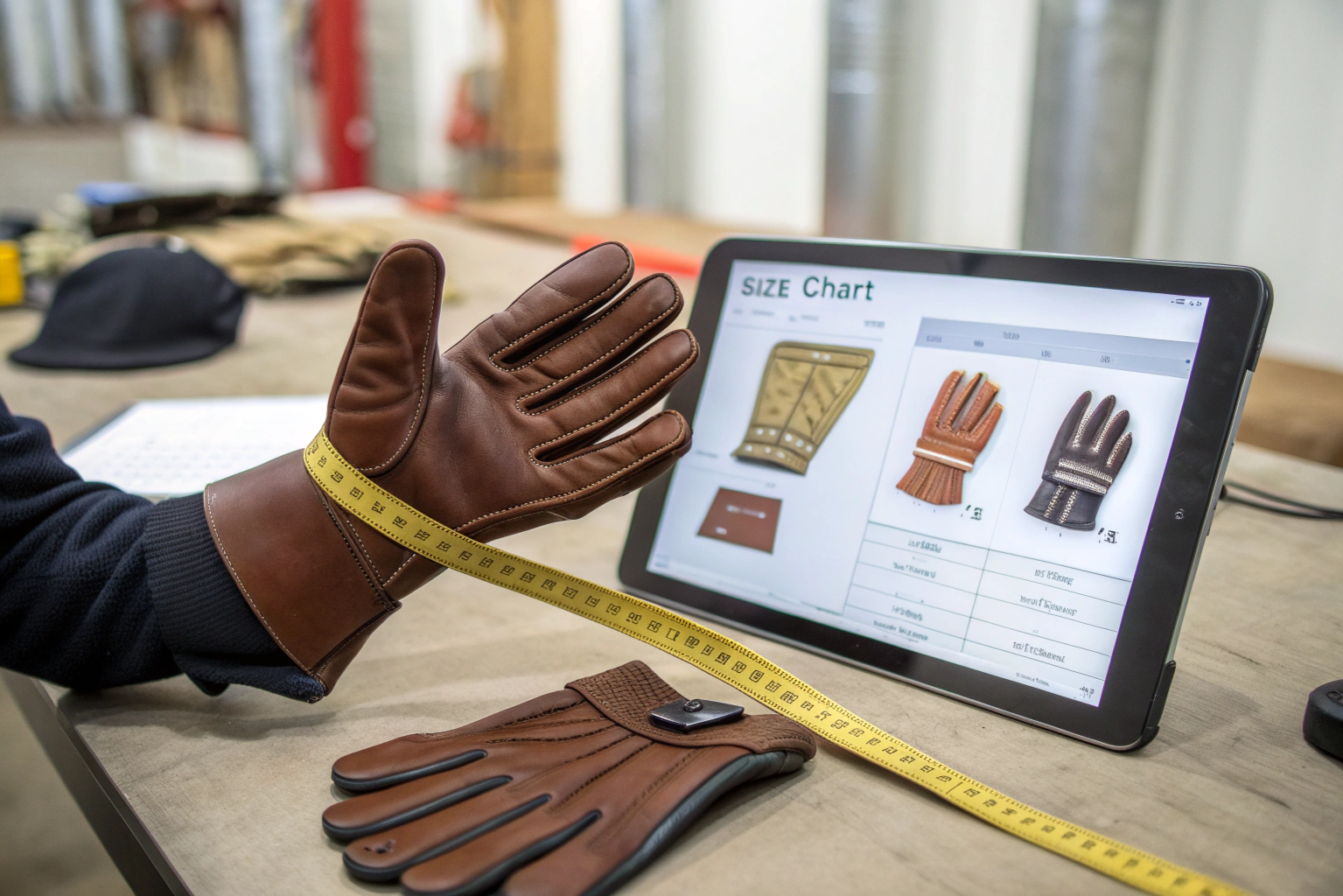
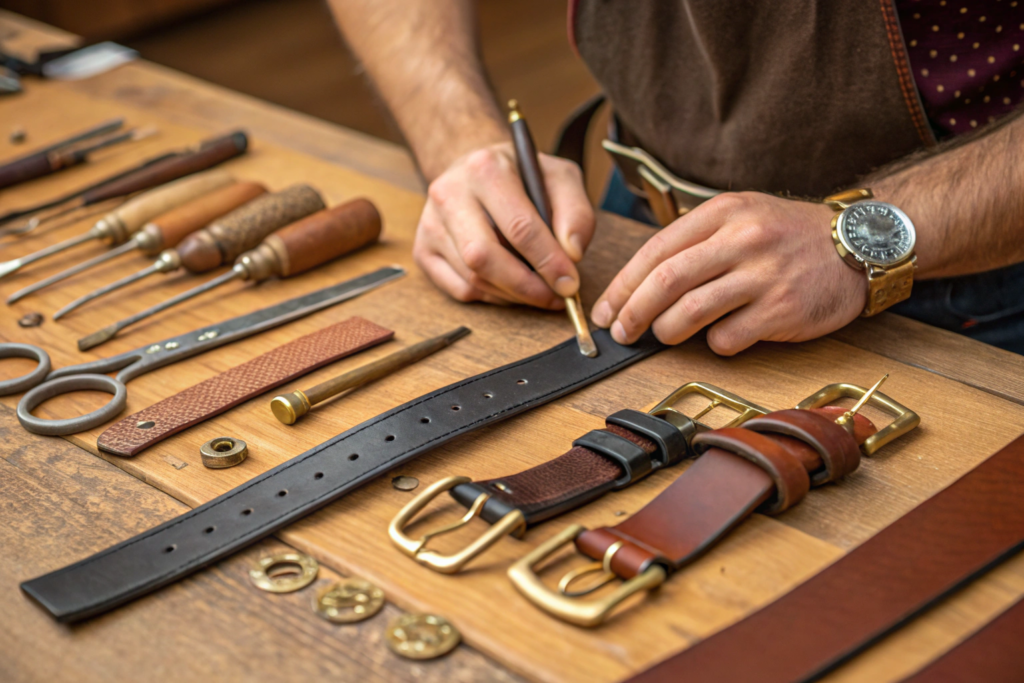
Men’s belts for 2026 are defined by craftsmanship, material honesty, and versatility. Full-grain leather belts that develop a patina over time are replacing coated leathers that crack and peel. Wider straps, ranging from 1.5 to 1.75 inches, are becoming more common as men wear belts as a visible style element rather than just a functional necessity. Interchangeable buckle systems are also gaining popularity, allowing one leather strap to work with multiple buckle styles for different occasions.
The shift toward quality leather reflects a broader rejection of fast fashion. Men are buying fewer belts but spending more on each one. They want a belt that will last a decade, not just a season. This is good news for our factory because it aligns with our strengths. We have been working with leather suppliers in Zhejiang for over fifteen years, and we know how to select hides that will age beautifully.
Why Are Wider Belts Returning to Men’s Fashion?
The wider belt trend is connected to the return of looser-fitting trousers and the continued popularity of denim. A wider belt provides a clearer visual break between top and bottom, creating proportion and structure. In our development work, we are seeing requests for belts in the 1.5-inch width range for casual wear and even wider—up to 2 inches—for workwear-inspired looks. These belts often feature simple, sturdy buckles in brass or matte black finishes. The hardware is just as important as the leather. A well-made brass buckle will develop a natural patina that adds character over time. We source our buckles from a specialist supplier who has been making metal belt buckles for the European market for generations.
How Are Belt Buckles Becoming More Personal?
One of the most interesting developments I have seen is the move toward personalization through buckles. Several of our brand clients are now offering belts where the strap and buckle are sold separately. A customer might buy a high-quality leather strap and then choose from a selection of buckles—a classic square for work, a western-inspired shape for weekends, or a minimalist roller buckle for casual wear. This approach appeals to men who value versatility and dislike owning multiple full belts. It also reduces waste. We have developed a simple system where the buckle attaches with a small screw mechanism, allowing for easy changes without tools. This has been particularly popular with our online store clients who sell directly to consumers who appreciate the ability to customize.
How Are Caps and Belts Being Styled Together for 2026?
When I talk to buyers, they often ask about how different accessory categories work together. A cap and a belt might seem like unrelated items, but in menswear, they often serve as the bookends of an outfit. They are the details that signal intention.
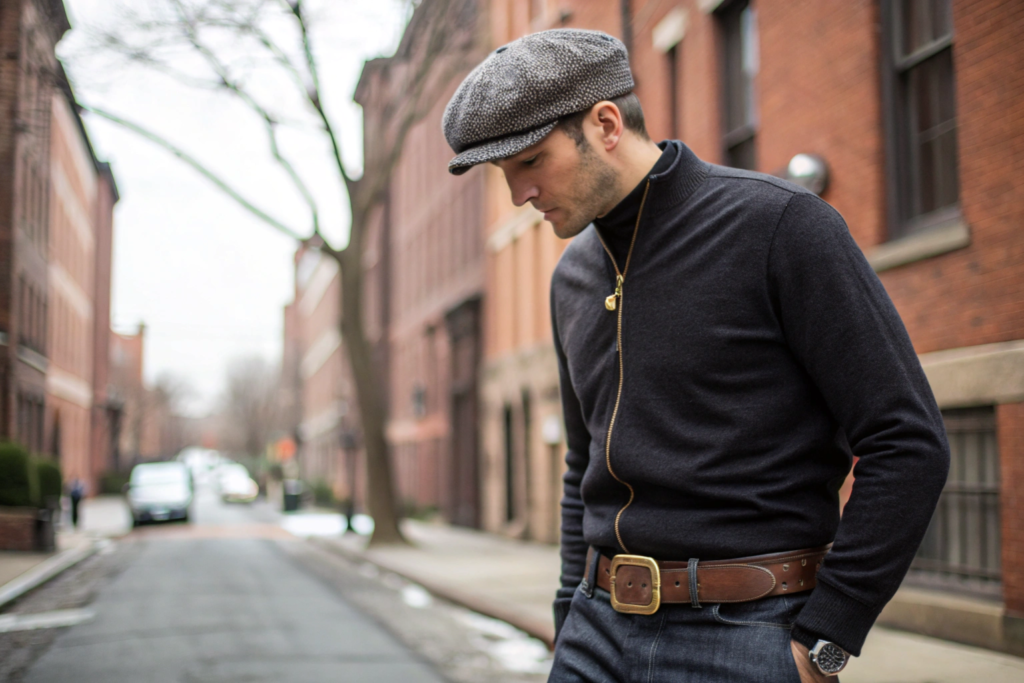
For 2026, the key styling principle for caps and belts is cohesion without matching. Rather than wearing a cap and belt from the same collection, the modern approach is to coordinate materials and tones. A wool cap pairs naturally with a leather belt in a complementary earth tone. A cap made from technical fabric works with a belt that has a matte finish and minimal hardware. The goal is to create a unified look where the accessories feel considered but not overly coordinated.
This shift away from matchy-matchy styling gives our clients more flexibility in how they build their collections. A brand can develop a wool cap and a leather belt that share a color story without being part of a formal set. This appeals to retailers who want to offer mix-and-match options to their customers.
What Color Palettes Are Emerging for Men’s Accessories?
The color story for 2026 is grounded in nature. We are seeing strong interest in:
- Clay and Terracotta: Warm, earthy tones that work well with both caps and leather belts.
- Olive and Sage: Green tones that pair with denim and chinos.
- Charcoal and Pewter: Cool neutrals that feel modern and versatile.
- Undyed Natural: The raw color of wool, cotton, and leather is being celebrated rather than covered up.
These palettes allow men to build a cohesive accessory wardrobe without relying on black, which remains popular but is no longer the default. One of our Italian brand clients recently placed a large order for caps in undyed wool and belts in vegetable-tanned leather. The combination has a natural, unforced aesthetic that their customers are responding to.
How Can Men Transition These Accessories Across Seasons?
One of the biggest advantages of the 2026 trends is their seasonless quality. A structured cap in wool works for autumn and winter but can also be worn in spring on cooler days. A full-grain leather belt is equally appropriate with heavy winter trousers or lightweight summer chinos. Our clients appreciate this versatility because it extends the selling window for their products. A cap that is marketed as a winter item can remain on shelves into early spring. A belt that is positioned as a core basic has year-round appeal. We help our clients achieve this versatility through careful material selection. For example, we offer wool caps in weights that are comfortable across a range of temperatures. For belts, we recommend leathers that are neither too thick for warm weather nor too thin to hold up in winter conditions.
What Should Brands Consider When Sourcing 2026 Men’s Accessories?
When I sit down with buyers to plan their collections, the conversation always comes back to the same few questions. How do we balance trend with commercial viability? How do we ensure quality without pushing prices too high? How do we create products that feel current but will still sell next season?
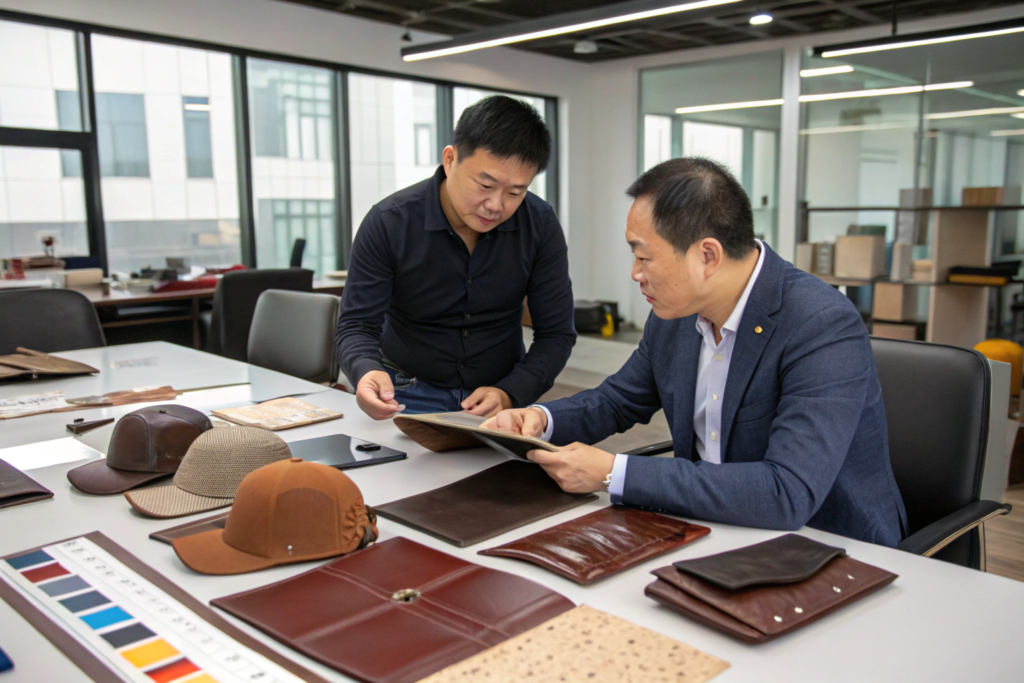
For brands sourcing men’s caps and belts for 2026, the focus should be on material quality, production flexibility, and supply chain transparency. The trends toward structured caps and artisan belts require factories that understand material behavior and can execute precise construction. Brands should look for partners who offer in-house design support, because translating a trend into a manufacturable product requires technical knowledge. The best outcomes come from early collaboration, not just order placement.
This is where our model at AceAccessory makes a difference. Because we have our own design team, we can help brands refine their concepts before they go into sampling. We know what materials are available, what construction methods work best for different designs, and how to achieve the look a brand wants without unnecessary cost.
How Do We Help Brands Develop On-Trend Products Efficiently?
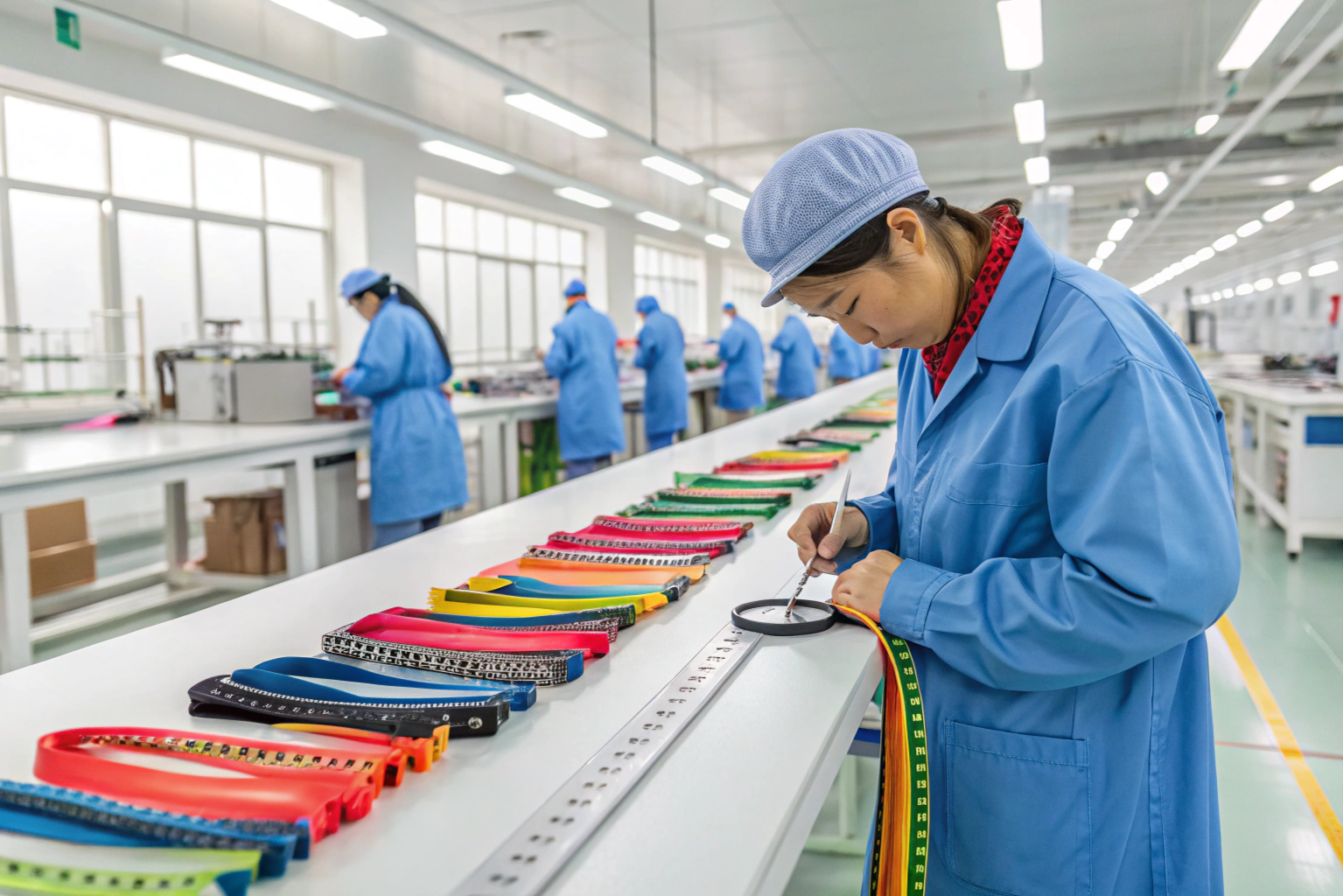
The window for seasonal product development is shrinking. Brands need to move from concept to finished goods faster than ever. Our approach is built on parallel processing. While the design team works on samples, our sourcing team secures materials. While QC prepares inspection protocols, our project managers map out shipping timelines. This overlapping workflow means we can deliver a finished product in weeks rather than months. For a recent American brand client, we took their cap concept from initial sketch to final shipment in six weeks. That speed allowed them to capture a trend before their competitors.
What Questions Should Brands Ask Potential Factory Partners?
Before committing to a factory, I always tell buyers to ask these questions:
- Do you control your own production, or do you outsource? Factories that outsource have less control over quality and timelines.
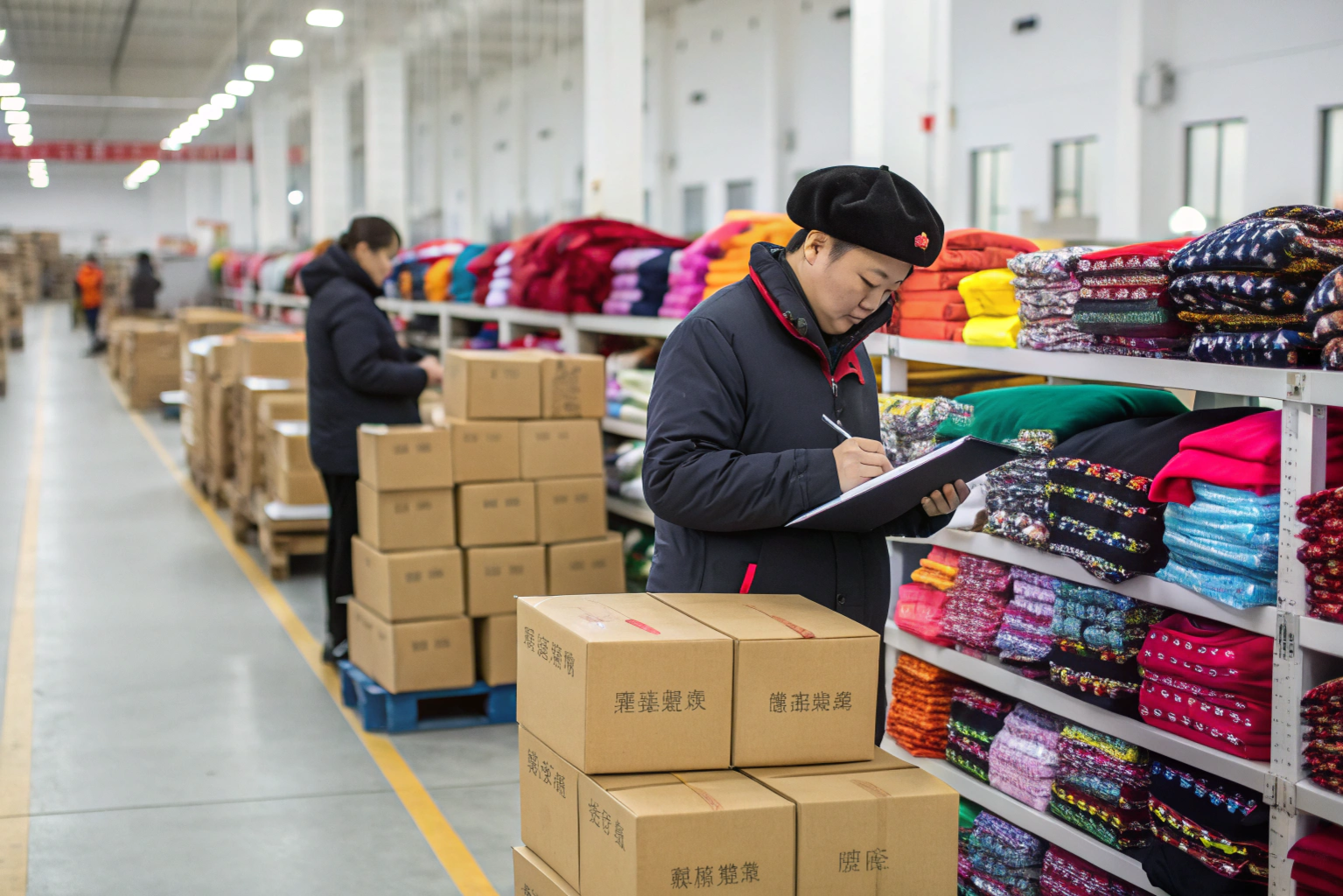
- Can you provide material sourcing documentation? This is essential for sustainability claims and customs clearance.
- What is your defect rate? A good factory will know this number and be transparent about it.
- How do you handle last-minute changes? Flexibility during production is a sign of a mature operation.
I am proud that at AceAccessory, we can answer each of these questions with confidence. Our vertical integration means we own our production. Our long relationships with local suppliers give us traceability. Our QC data is tracked and shared. And our project managers are empowered to make decisions that keep production moving.
Conclusion
Trends in men’s accessories come and go, but the patterns I see for 2026 are different from the flashy, logo-heavy moments of the past. The men’s caps and belts that will define the coming year are built on substance. They use better materials. They show real craftsmanship. They offer versatility across seasons and occasions. And they reflect a man who knows what he wants and is willing to invest in pieces that last.
As a factory owner who has spent years watching these shifts, I can tell you that the brands who succeed are the ones who partner early with manufacturers who understand both the aesthetic and the technical side of production. They do not just order a sample. They collaborate on materials, construction, and finishing. They ask questions about where the leather comes from and how the cap will hold up after a year of wear.
That is the kind of partnership we build at AceAccessory. Our in-house design team, our quality control systems, and our experienced project managers are all focused on one thing: helping our clients bring products to market that their customers will love and trust.
If you are planning your men’s accessory collection for 2026 and want a partner who can deliver quality, speed, and reliability, I would love to hear from you. To discuss your next collection of caps, belts, or any of our accessory lines, please reach out to our Business Director, Elaine, at elaine@fumaoclothing.com. She and her team are ready to help you turn your vision into products that perform.