Do you think short hair limits your options for stylish accessories? Are you struggling to find trendy, functional pieces that complement shorter styles without looking overwhelming or slipping out? Many believe the world of hair accessories is dominated by products for long locks, leaving those with chic bobs, pixies, and lobs feeling overlooked.
The truth is, short hair offers a unique and powerful canvas for statement-making accessories. The current trends are all about celebrating structure, adding strategic detail, and embracing functionality with flair. Gone are the days of flimsy clips that won't hold. Today's trends for short hair focus on bold silhouettes, textured materials, and clever designs that enhance rather than hide your cut. From modernized classics to playful new shapes, the right accessory can elevate your entire look instantly.
This shift is driven by a desire for personalized, low-maintenance style that doesn't sacrifice impact. We will explore the key trends defining the market: the powerful resurgence of bold, oversized clips and structured barrettes; the elegant simplicity of minimalist side accents; the playful texture and volume added by twist wraps and scrunchies; and the enduring, edgy appeal of headbands and bandanas. Let's discover how these trends can unlock new styling potential and business opportunities.
Why Are Bold Clips and Barrettes Dominating Short Hair Trends?
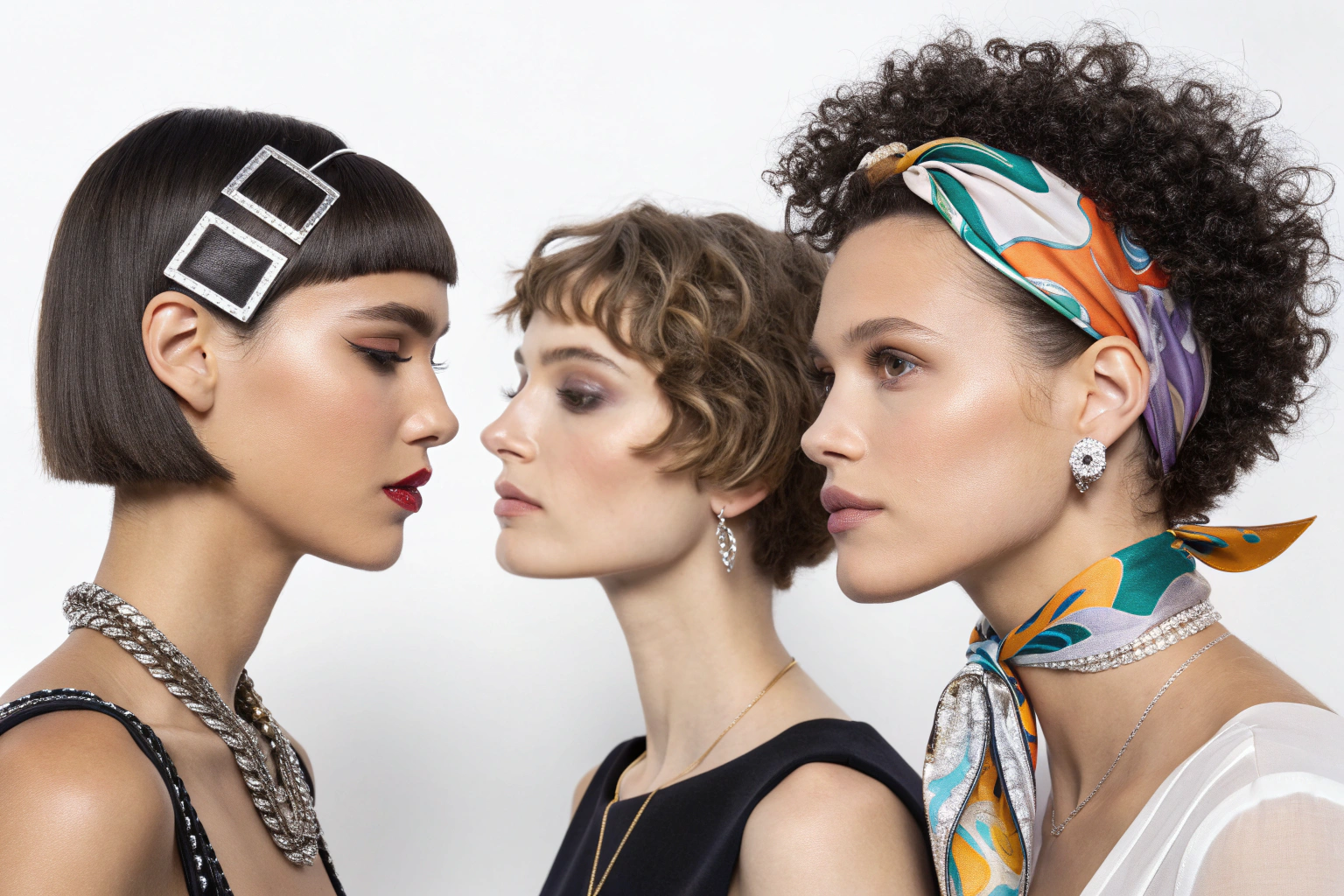
The resurgence of bold clips and barrettes is a direct response to the need for both form and function in short hair styling. For too long, those with shorter styles avoided larger accessories, fearing they would look clumsy or be too heavy. The opposite has proven true. A strategically placed, oversized clip or a structured barrette provides a strong focal point that celebrates the geometry of a sharp bob or the playful texture of a pixie cut. They are not just decorative; they are practical tools for managing and styling shorter layers.
This trend is rooted in nostalgia but reimagined with contemporary materials. Think chunky acrylic in abstract shapes, sleek metals with geometric cut-outs, or barrettes adorned with polished pearls and lacquer. Their size gives them incredible gripping power, holding back shorter sections of hair that standard clips might release. For retailers and brands, this trend represents a high-impact, high-perceived-value item that caters to a demographic eager for statement pieces. It’s a perfect example of how fashion accessories can solve a styling problem while making a strong aesthetic declaration.
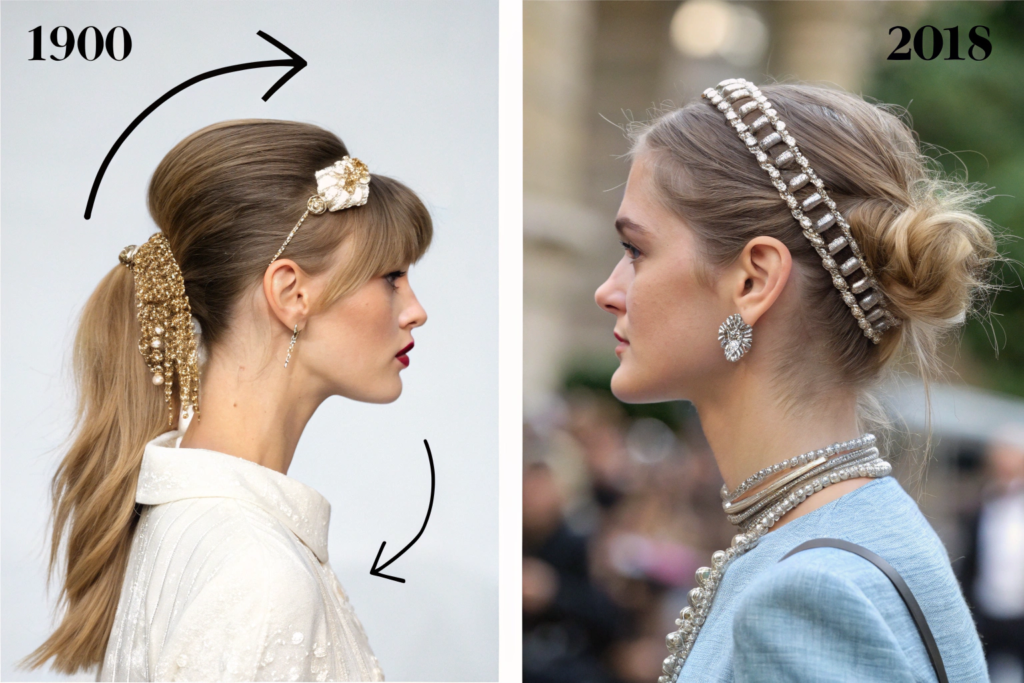
How Do Oversized Acrylic Clips Enhance Short Hair?
Oversized acrylic clips are the undisputed heroes for short hair. Their success lies in their material and scale. Acrylic is lightweight yet strong, allowing for large, sculptural designs that don't weigh down fine hair. The transparency or marbled patterns of acrylic add a modern, artistic touch without the visual weight of opaque materials. For a sleek bob, a large clip placed at the nape can elegantly secure hair away from the face, highlighting the jawline and neck. For a pixie with longer top layers, a clip used to sweep hair to one side creates an instant, polished look. The gripping mechanism on these larger clips is also more robust, often featuring wider teeth or a stronger spring, which is essential for holding less hair securely. From a manufacturing perspective at Shanghai Fumao Clothing, we see high demand for custom shapes and colorways in this category, allowing brands to create signature pieces. For trend forecasting in materials and shapes, industry leaders often consult sources like WGSN.
What Makes Modern Barrettes a Staple for Bobs and Lob Styles?
The modern barrette has evolved from a simple hair-holding device to a refined jewelry-like accent. For medium-length short hair like bobs and lobs (long bobs), barrettes offer a sleek, contained way to manage hair while adding decoration. The trend focuses on structure: think wide, flat barrettes in hammered gold tone, embellished with a single, elegant pearl, or minimalist designs in matte black metal. They work perfectly to pin back the front sections of a bob, creating a clean, face-framing effect. For lobs, a barrette can gather a small, low section at the back, creating intentional detail without the bulk of a ponytail. The key is the flat profile; it sits snugly against the head, integrating seamlessly with the hairstyle rather than projecting out awkwardly. This makes them ideal for professional settings or elegant evenings. Understanding metallurgy and finishing processes is crucial for producing barrettes that are both beautiful and durable, a core part of our quality control at our Zhejiang factory.
How Can Minimalist Side Accents Elevate a Pixie Cut?
While bold pieces make a statement, minimalist side accents provide a whisper of sophistication, particularly for the shortest styles like pixie cuts. The goal here is not to hold hair but to adorn it. This trend is about subtle sparkle, delicate lines, and strategic placement that draws attention to the beauty of the cut itself. A single, thin hairpin with a tiny pearl, a miniature clip with a geometric edge, or a twist of wire placed above the ear can transform a simple pixie into a red-carpet-ready style.
These accessories work because they complement rather than compete. They add a point of interest to an area that often remains bare, highlighting the cheekbone and ear. For the wearer, it’s an effortless way to transition a daytime look to evening. For brands, this category caters to a consumer seeking understated luxury and fine jewelry-inspired details for their hair. The manufacturing precision required is high, as these small items must be perfectly finished, with secure clasps that are reliable despite their delicate appearance. This trend proves that in the world of short hair accessories, sometimes less truly is more.
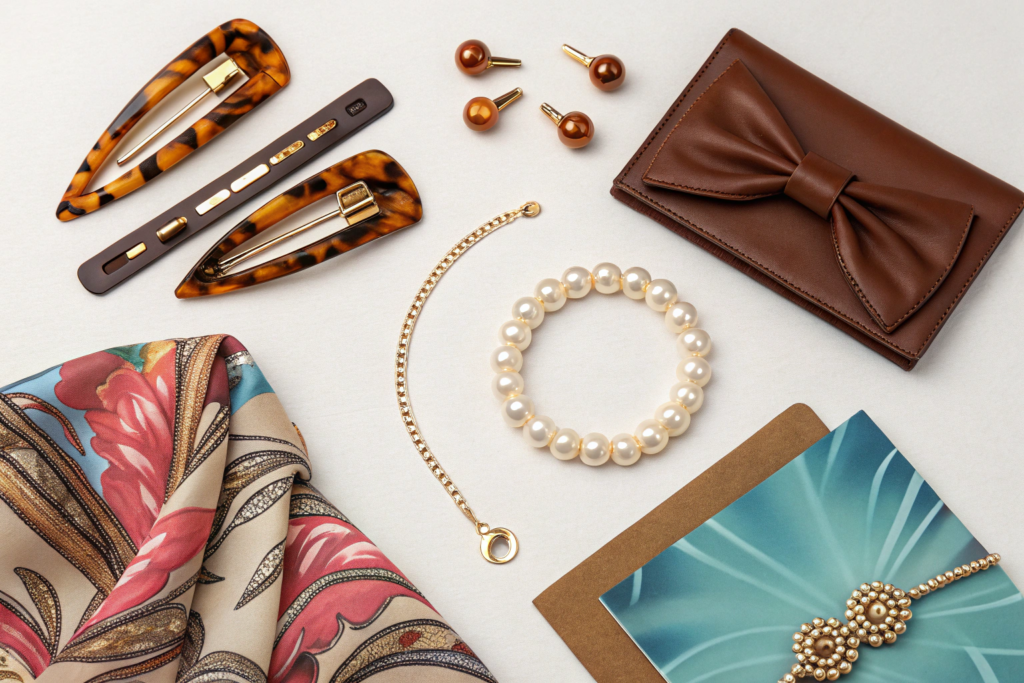
What Role Do Delicate Hairpins and Micro-Clips Play?
Delicate hairpins and micro-clips are the precision tools of short hair styling. Their role is threefold: decoration, refinement, and practical securing of tiny sections. A pair of criss-crossed gold pins can hold a wispy side bang in place with undeniable elegance. A cluster of three micro-clips with tiny crystals can add a surprising sparkle to a textured pixie crown. The trend often involves wearing multiples in an asymmetrical or clustered arrangement, creating a custom, artistic feel. The challenge and opportunity for manufacturers lie in the detailed craftsmanship and material quality. These pieces must withstand daily use without breaking or losing their finish. Using materials like surgical steel, brass with high-quality plating, and securely set micro-crystals is essential. For brands, offering these in curated sets (e.g., a set of four varied pins) encourages creative styling and increases average order value. The Fashion Institute of Technology (FIT) museum collections often showcase the historical evolution of such fine hair ornaments, inspiring modern interpretations.
Why is Asymmetrical Placement Key for Short Hair Adornment?
Asymmetry is a fundamental principle in modern short hair accessory styling. Symmetrical placements (like a clip on each side) can often look too formal or even childish on short hair. Asymmetrical placement, however, looks intentional, modern, and dynamic. It creates visual interest and movement, guiding the eye across the hairstyle. Placing a single statement piece above one ear, or a group of pins trailing from the temple to the back, follows the natural lines and angles of a short cut. This approach works with the hair's architecture, not against it. For stylists and consumers alike, it offers a formula for easy chic: one focal point is easier to balance and often more striking than two. When developing new accessory lines, our design team at Shanghai Fumao Clothing creates prototypes with this principle in mind, ensuring the pieces have a compelling look when worn in the recommended asymmetric style. This aligns with broader fashion movements documented by authorities like Business of Fashion, which analyze how asymmetry influences contemporary design.
Are Twist Wraps and Scrunchies Suitable for Short Hair?
The immediate assumption is that scrunchies and twist-style wraps are solely for ponytails, making them irrelevant for short hair. This is a missed opportunity. The adaptation of these textures for short hair is one of the most creative and playful trends. The focus is not on gathering all the hair, but on using textured fabrics to add volume, color, and a touch of retro charm to specific sections.
A thin, velvet scrunchie can be worn as a bracelet-like accent around a small, top-knot bun on a pixie. A silk twist wrap can be used to braid or wrap a front section of a lob, creating a bohemian detail. These accessories introduce a tactile element—velvet, silk, crinkled satin—that contrasts beautifully with the sleekness of hair. They add a softness and a sense of volume that can be especially appealing for those with very fine, flat short hair. For brands, this trend taps into the sustained popularity of fabric accessories and allows for rapid experimentation with prints, textures, and limited-edition colors, driving repeat purchases.
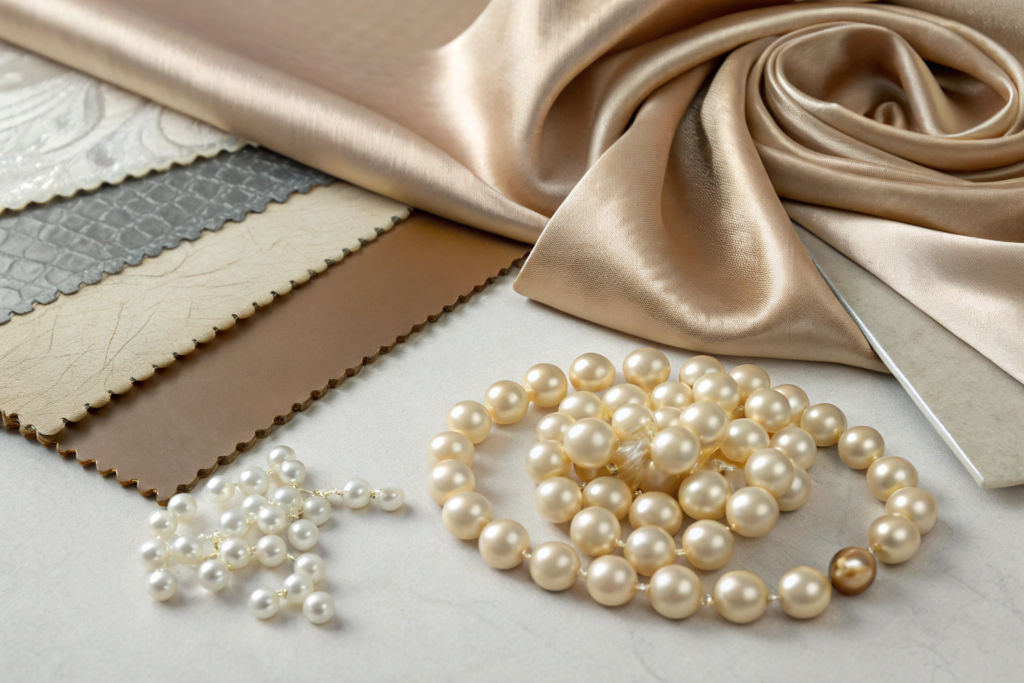
How Do Fabric Textures Add Volume and Interest?
Fabric accessories bring a dimensional quality that hard materials cannot. The texture of a crinkled satin scrunchie or a woven ribbon adds visual and tactile depth to a hairstyle. For short hair, this can create the illusion of fullness and body. A wide, ruched fabric headwrap can cover the hairline and add dramatic volume at the crown. A thin silk scarf twisted into a rope and woven through short layers adds unexpected color and movement. The key is scaling the accessory to the hairstyle—using narrower ribbons, smaller scrunchies, or thinner scarves that are proportionate to the amount of hair being styled. From a production standpoint, this trend emphasizes the importance of fabric sourcing and dyeing techniques to achieve rich, colorfast materials that feel luxurious. Working with a manufacturer like us, with expertise in both fabric and hard goods, ensures these composite products are well-made. Resources like Pantone provide essential color direction for these fabric lines each season.
What are the Best Ways to Style Scrunchies on a Bob?
For a classic bob or lob, the ponytail may not be an option, but the scrunchie still is. The styling is more about accenting than containing. One popular method is the "half-up" style using a small scrunchie. Gather just the top crown section of a bob, create a small loop of hair, and wrap the scrunchie around it once or twice. This creates a perky, youthful look that keeps hair off the face. Another method is to use a scrunchie as a decorative cuff on a low, mini-bun if the bob is long enough to twist into a knot at the nape. The scrunchie then surrounds the base, hiding hair elastics and adding color. For the chicest look, choose a scrunchie in a fabric that contrasts or complements your outfit—think a silk charmeuse scrunchie for evening or a linen-textured one for day. This versatility makes scrunchies a multi-functional accessory in a short-hair wardrobe. Successful brands often showcase these styling tutorials on platforms like Instagram, driving both education and demand.
How Are Headbands and Bandanas Being Reimagined for Short Cuts?
Headbands and bandanas have undergone a radical redesign to suit contemporary short hairstyles. The thick, plastic headbands of the past that pushed hair back harshly are out. In their place are thinner, more flexible options: slender metal headbands, elasticated fabric bands with subtle grips, and bandanas tied in innovative, less bulky ways. These accessories are perfect for growing-out phases, bad hair days, or simply adding a retro-inspired touch to a modern cut.
The reimagining focuses on integration. A thin, wire headband with a slight curve sits nestled in the hair, often following the line of a side part, appearing more like hair jewelry than a utilitarian band. Bandanas are often folded into thin strips and worn as a headband tied at the back or side, or even woven into tiny braids along the hairline. This trend celebrates pattern and color, offering an easy way to incorporate prints (like animal spots, florals, or paisley) into a minimal short hairstyle. It’s a low-commitment, high-style trend with broad appeal.
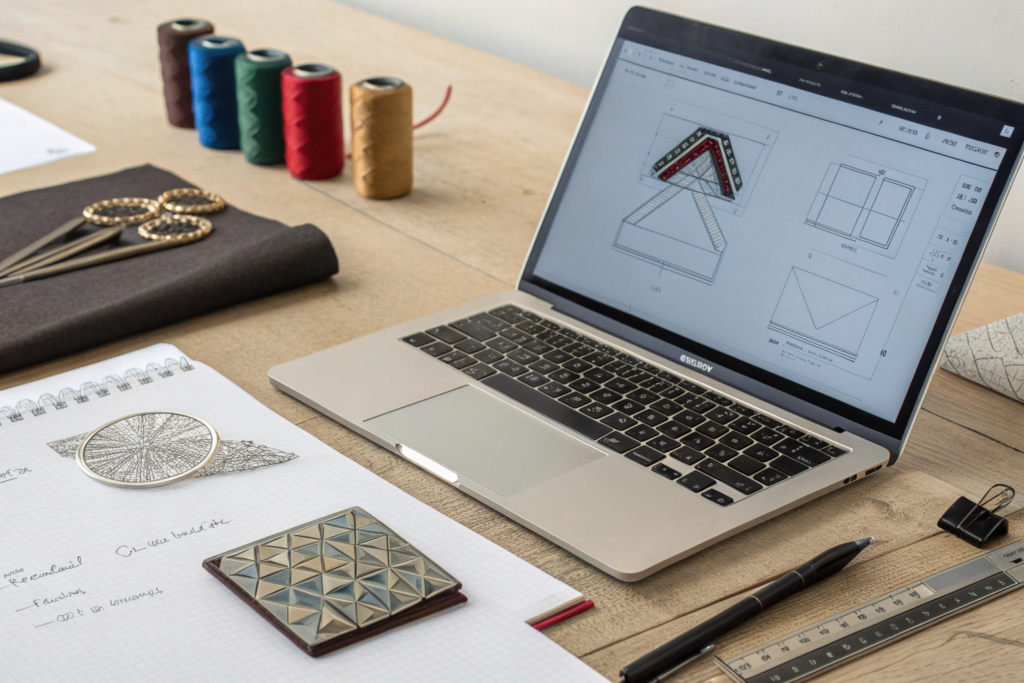
What Styles of Headbands Work for Fine, Short Hair?
The wrong headband can slip off or create a visible dent in fine, short hair. The right styles solve these problems. Thin, elasticated headbands (about 0.5cm wide) made from velvet or silicone-lined fabric are ideal. The velvet provides grip, while the elastic allows a snug, comfortable fit that doesn't squeeze. Metal headbands (often gold or silver tone) should be lightweight and have a rubberized or silicone lining on the inside curve to prevent slipping. The "ear-to-ear" style, which sits behind the front hairline and curves over the ears, is particularly effective for short hair as it uses the ears as anchors. Another style is the knotted headband, a thin strip of fabric tied at the top or side, which allows for adjustability and a customizable fit. For manufacturers, perfecting the balance of tension, grip, and comfort in these products is a technical challenge that directly impacts customer satisfaction. This aligns with the ergonomic design principles often discussed in industrial design circles.
Can Bandanas Be Stylish Without a Ponytail?
Absolutely. The bandana's revival is entirely detached from the traditional ponytail base. For short hair, the goal is to use minimal fabric to avoid a bulky, "pirate" look. The most stylish approach is to fold a standard square bandana into a long, thin strip (about 2-3 inches wide). This strip can then be worn in multiple ways: tied around the head like a headband with the knot at the nape; folded into a thinner band and tied at the crown with the ends left out; or even used as a hair wrap to tuck and secure the very front edges of a pixie cut. The print becomes the star. This trend leverages the powerful fashion print cycle and allows for immense creativity in fabric design. For a brand, offering bandanas in coordinating prints with other accessories (like scrunchies) can create compelling collections. As a manufacturer, we ensure the fabric is cut on the bias for better stretch and drape, and the edges are hemmed precisely to prevent fraying, ensuring the product feels quality from first use. Inspiration for prints can be drawn from global trend services and vintage archives.
Conclusion
The landscape of hair accessories for short hair is vibrant, innovative, and full of commercial potential. The trends are clear: a move towards bold, functional statement pieces; an appreciation for delicate, jewelry-like accents; a playful embrace of texture and fabric; and a sleek reinterpretation of classic headwear. Each trend addresses the unique styling needs and aesthetic desires of those with shorter cuts, proving that this market segment is dynamic and eager for specialized products.
For retailers, buyers, and brand owners, understanding these trends is the first step toward curating a successful assortment. The opportunity lies in sourcing high-quality, trend-right pieces that combine secure function with standout design. Partnering with a manufacturer that understands both the craftsmanship and the styling context is crucial.
If you are looking to develop or source a cutting-edge collection of hair accessories tailored for the short hair market, let's collaborate. At Shanghai Fumao Clothing, we combine trend insight with expert manufacturing to bring your concepts to life. Contact our Business Director Elaine to discuss how we can create best-selling pieces for your brand. Reach out to Elaine at elaine@fumaoclothing.com to start your next accessory project.