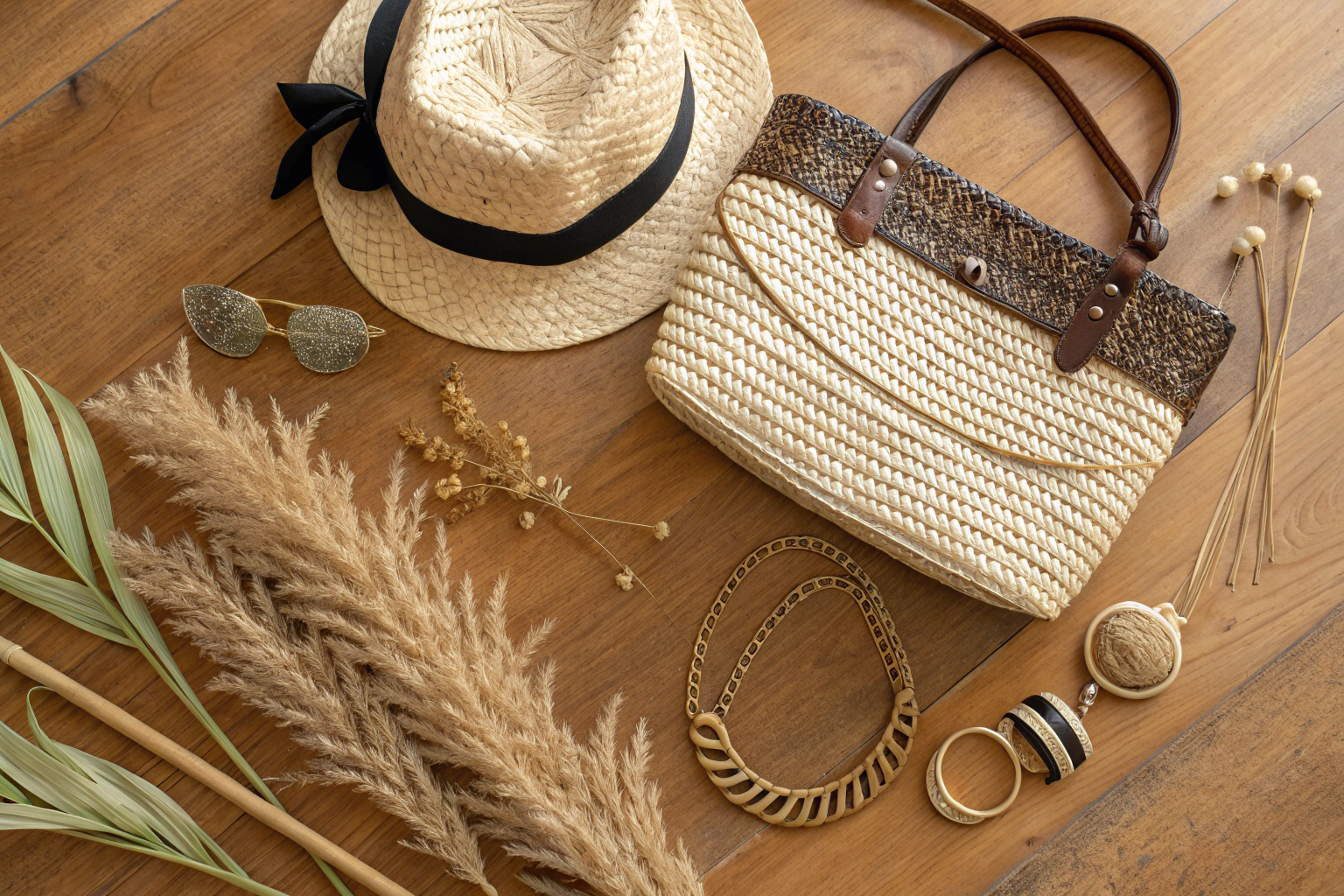
I've been in this business for decades, and I've seen trends come and go. But one thing that has remained constant is the timeless appeal of natural materials. There's something inherently beautiful and authentic about straw, raffia, seagrass, and other plant-based fibers. They connect us to nature, to craftsmanship, and to a slower, more intentional way of living.
In recent years, we've seen a powerful resurgence of these materials in fashion accessories. Driven by a desire for sustainability, a love of artisanal craftsmanship, and a craving for texture and warmth, consumers are increasingly drawn to accessories made from natural materials. And in 2026, this trend is stronger than ever, with designers finding new and innovative ways to work with these ancient materials.
At Shanghai Fumao Clothing, we have a deep appreciation for natural materials. We work with skilled artisans who specialize in weaving straw and other fibers, and we also use modern techniques to create beautiful, durable accessories. In this post, I'll share the latest trends in accessories featuring natural materials like straw. For more on our work with natural fibers, you can read our guide on how to source high-quality Panama hats.
Why Are Natural Materials So Popular In Fashion Accessories Right Now?
The popularity of natural materials is not a fleeting trend. It's a reflection of deeper cultural shifts. Consumers are increasingly conscious of the environmental impact of their purchases and are seeking out sustainable, eco-friendly alternatives to synthetic materials. They are also drawn to the authenticity and craftsmanship of handmade items, which offer a welcome contrast to mass-produced goods.
For more on sustainable fashion trends, resources like the Business of Fashion and Vogue frequently cover this topic. This shift towards conscious consumerism is similar to the growing interest in accessories made from algae-based biopolymers, where sustainability meets innovation.
What is driving the demand for sustainable and natural materials?
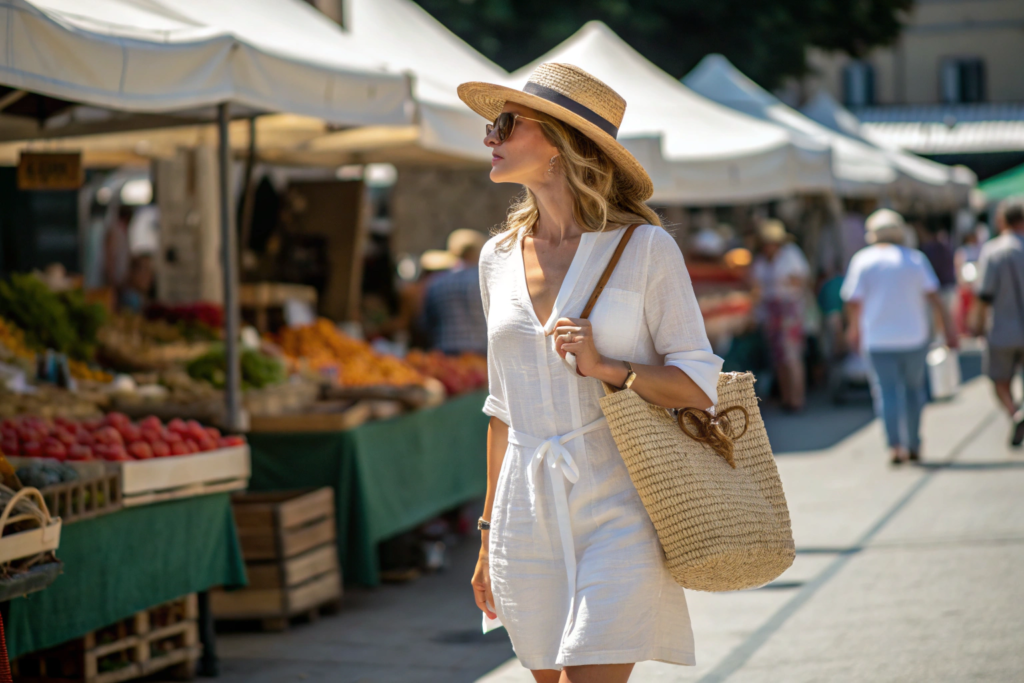
- Environmental Awareness: Consumers are more aware than ever of the pollution caused by synthetic materials like plastic. They are actively seeking out biodegradable, renewable, and low-impact alternatives. Straw, raffia, and seagrass are all natural, renewable resources that fit this bill perfectly.
- Desire for Authenticity: In a world of mass production, there's a growing hunger for authentic, handmade items. Natural materials often have a handmade, artisanal quality that mass-produced synthetics can't replicate. Each piece has its own unique character and slight variations, which adds to its charm.
- Connection to Nature: Wearing natural materials can create a feeling of connection to the natural world. It's a way of bringing a bit of the outdoors into our daily lives. This is especially appealing in our increasingly urbanized world.
- "Quiet Luxury" Aesthetic: Natural materials fit perfectly with the "quiet luxury" or "stealth wealth" aesthetic that is currently very popular. They are understated, elegant, and speak of quality and craftsmanship without being flashy. This is a key theme in monochromatic accessory collections, where subtle textures and tones take center stage.
- Versatility: Natural materials like straw are incredibly versatile. They can be woven into a huge range of shapes and styles, from casual beach bags to elegant evening clutches, and from simple sun hats to sophisticated fedoras.
These factors combine to make natural materials a powerful and enduring trend.
What are the key natural materials used in accessories?
- Straw: A broad term for fibers from various plants. In accessories, it most commonly refers to fibers from wheat, rye, or other grains. It's lightweight, breathable, and has a beautiful, natural texture.
- Raffia: A fiber made from the leaves of the raffia palm, native to Madagascar. It's soft, pliable, and has a lovely, natural golden color. It's incredibly popular for bags, hats, and jewelry.
- Seagrass: A natural fiber harvested from marine plants. It's strong, durable, and has a wonderful, textured look. It's often used for bags, baskets, and home decor.
- Toquilla Straw: The specific straw used to make genuine Panama hats. It comes from the toquilla palm, native to Ecuador, and is known for its incredible fineness and flexibility. As we explored in how to source high-quality Panama hats, this material is the foundation of a true masterpiece.
- Abaca (Manila Hemp): A fiber from a type of banana plant, known for its strength and durability. It's used for bags, hats, and other accessories.
- Jute: A long, soft, shiny vegetable fiber that can be spun into coarse, strong threads. It's often used for bags and other rustic-style accessories.
- Bamboo: While often used for solid accessories like bangles, bamboo fibers can also be woven into fabrics and used for hats and bags.
Each material has its own unique properties and aesthetic, offering a wide range of possibilities for designers. This variety is reminiscent of the diverse materials used in Western-style belts, where leather, silver, and tooling come together.
What Are The Key Trends In Straw And Raffia Accessories For 2026?
The world of natural material accessories is not static. Designers are constantly finding new ways to innovate, combining traditional weaving techniques with modern design sensibilities. In 2026, we're seeing several exciting trends.
How are designers incorporating color and pattern?
Gone are the days when straw accessories were only available in their natural, neutral tones. In 2026, color is everywhere.
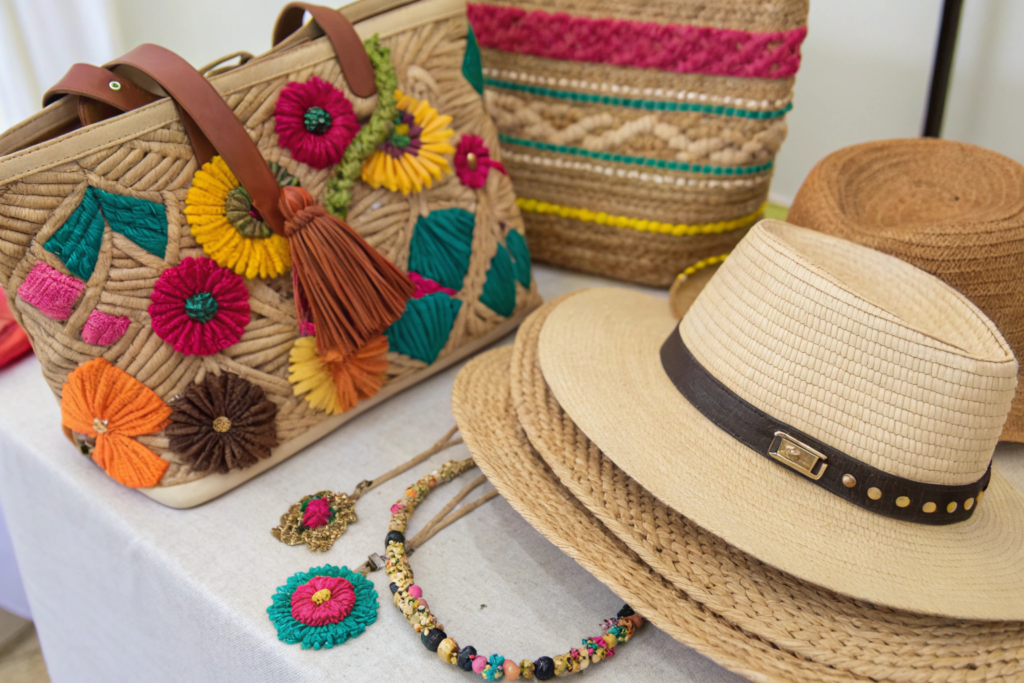
- Dyed Raffia and Straw: Raffia and straw can be dyed in a huge range of vibrant colors. We're seeing bags and hats in bright pinks, sunny yellows, deep blues, and every shade in between. This adds a playful, modern twist to natural materials.
- Colorful Embroidery: Intricate embroidery using colorful threads is being added to straw and raffia accessories. This can be simple geometric patterns or more elaborate floral motifs. It adds a beautiful, artisanal touch.
- Stripes and Patterns: By weaving together different colors of dyed straw or raffia, artisans can create beautiful stripes, checks, and other patterns. This is a more complex technique that results in truly unique pieces.
- Tie-Dye and Ombre Effects: Some designers are experimenting with dyeing techniques to create tie-dye or ombre effects on raffia and straw, adding another layer of visual interest.
A colorful dyed raffia tote is a perfect summer statement piece, much like the vibrant prints we see in festival accessories.
How are natural materials being mixed with other materials?
Combining natural fibers with other materials is a major trend that adds texture, visual interest, and a touch of luxury.
- Leather Accents: Leather is a perfect partner for straw and raffia. A leather trim on a straw bag, a leather hatband, or leather handles add a touch of sophistication and durability. The contrast between the rough, natural fiber and the smooth leather is beautiful.
- Metal Details: Metal hardware, like buckles, clasps, and decorative charms, adds a modern, edgy touch to natural accessories. Gold and silver tones both work well. This is similar to the way mirrored and reflective surfaces add glamour to accessories.
- Wood and Beads: Combining straw or raffia with wooden beads, shells, or other natural elements creates a beautiful, bohemian, beachy vibe.
- Fabric and Canvas: Mixing woven straw with cotton canvas or linen fabric is another popular trend, often seen in bags where the main body is straw and the straps are made of a contrasting fabric.
A straw bag with leather trim is a timeless and elegant choice.
What Are The Key Trends In Hats Made From Natural Materials?
Hats are perhaps the most iconic accessory made from natural materials. And in 2026, there's a hat for every style and occasion. The trends are all about variety, detail, and a blend of classic and contemporary.
What are the most popular hat styles for 2026?
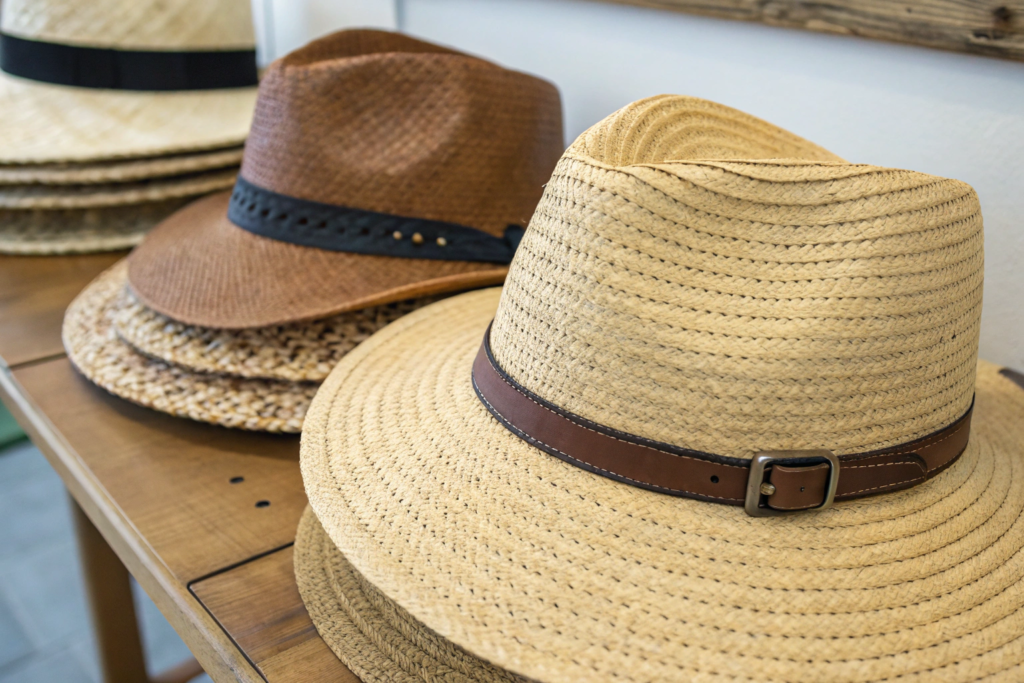
- Panama Hats: The classic Panama hat, with its fine weave and elegant shape, remains a timeless staple. In 2026, we're seeing them in both the traditional natural color and in dyed versions. The Montecristi superfinos remain the ultimate luxury, but high-quality "Fina" grade Panama hats are more accessible and still offer incredible craftsmanship. As we discussed in our guide on how to source high-quality Panama hats, the fineness of the weave is the key indicator of quality.
- Wide-Brimmed Raffia Sun Hats: These are essential for summer. They offer excellent sun protection and have a relaxed, glamorous, bohemian vibe. They come in a huge range of brim sizes, from moderately wide to dramatically oversized.
- Straw Fedoras: A fedora made from straw or raffia is a stylish and versatile option. It can be dressed up or down and adds a touch of sophisticated cool to any outfit. They often feature fabric or leather hatbands.
- Straw Boat Hats: The classic boater hat, with its flat top and brim, is a timeless summer style. It's often associated with a more preppy or vintage aesthetic.
- Straw Visors: For a sporty, casual look, straw visors are a popular choice for outdoor activities like tennis or golf, or just for a day at the beach.
The variety ensures that everyone can find a natural material hat they love, much like the diverse styles available in fashionable waterproof bucket hats.
What design details are trending on natural material hats?
- Contrasting Hatbands: A hatband is a simple way to add personality to a hat. In 2026, we're seeing a wide range of hatband styles: leather bands in various colors, fabric ribbons, braided raffia bands, and even bands made from beads or shells.
- Embroidered Details: Subtle embroidery on the brim or crown of a hat adds a unique, artisanal touch.
- Asymmetrical Brims: As mentioned, hats with asymmetrical or uneven brims are a trendy, fashion-forward choice.
- Different Weaves: The weave itself is a design element. Hats with a very fine, tight weave (like a Panama) have a different look than those with a more open, basket-like weave. Combining different weaves in one hat is also a trend.
A straw fedora with a leather hatband is a stylish and versatile accessory for any wardrobe, much like the classic appeal of cotton twill caps.
How Do You Care For And Source Accessories Made From Natural Materials?
Accessories made from natural materials are beautiful, but they also require a little extra care and attention. They are more delicate than their synthetic counterparts, and understanding how to care for them is essential for both consumers and brands. Sourcing high-quality, ethically made pieces is also a key consideration.
At Shanghai Fumao Clothing, we are committed to quality and ethical sourcing. We work with skilled artisans and suppliers who share our values. This commitment is similar to the care we take when sourcing authentic vintage fabric for reproduction designs.
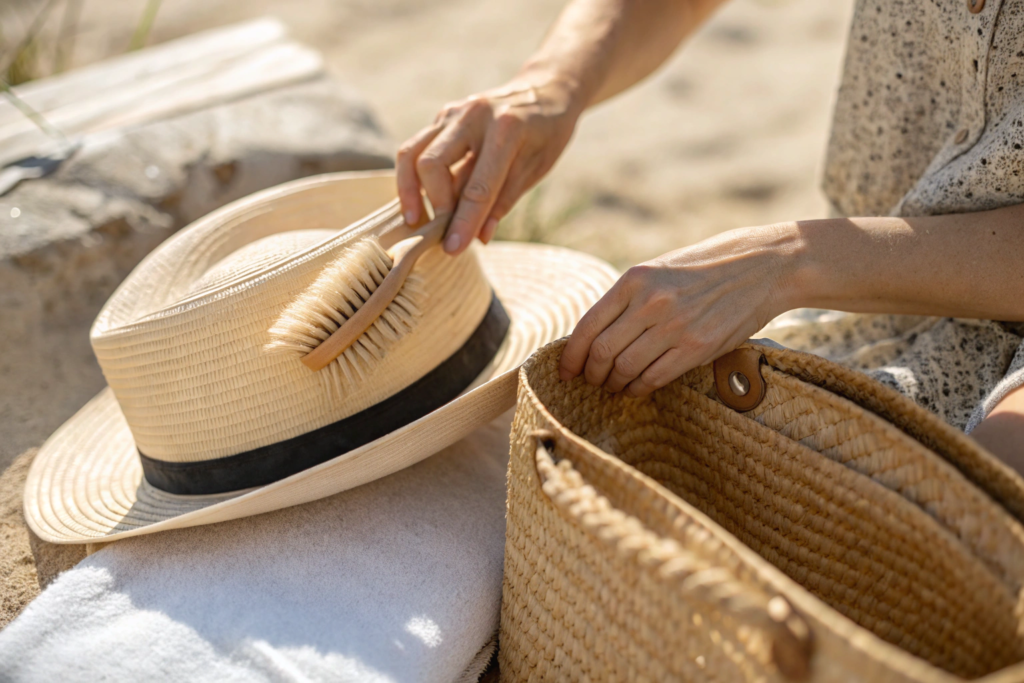
How should consumers care for straw and raffia accessories?
- Cleaning: Dust can be gently brushed off with a soft brush or a dry cloth. For more stubborn dirt, you can use a slightly damp cloth, but be careful not to saturate the fibers. For straw hats, specialized hat cleaning products are available.
- Storage: Store natural material accessories in a cool, dry place away from direct sunlight, which can cause fading and drying. Stuff hat crowns with acid-free tissue paper to help them retain their shape. Store bags in breathable fabric dust bags (not plastic) to prevent mold and mildew. This is especially important in humid climates, as we discussed in best anti-mold treatments.
- Avoiding Moisture: Natural fibers can be damaged by excessive moisture. Avoid wearing them in heavy rain. If they do get wet, let them air dry naturally away from direct heat.
- Preventing Crushing: Straw hats can lose their shape if crushed. Store them on a shelf or in a hatbox, not under other items.
With proper care, a well-made straw or raffia accessory can last for many years.
What should you look for when sourcing natural material accessories?
- Quality of Weave: The weave should be tight, even, and consistent. For finer materials like toquilla straw, the fineness of the weave is the primary indicator of quality.
- Material Quality: The fibers themselves should be of high quality—supple, not brittle, and free from flaws.
- Construction and Finishing: Look for well-finished edges, secure stitching (if any), and sturdy handles and attachments. A leather trim or hatband should be well-attached and of good quality. This attention to detail is also crucial when testing for abrasion resistance in belt leather.
- Ethical Sourcing: As we discussed in our post on how to source authentic vintage fabric, ethical sourcing is increasingly important. For natural materials, this means supporting artisans and cooperatives, ensuring fair wages, and promoting sustainable harvesting practices.
- Supplier Relationships: Work with suppliers who have direct relationships with the artisans or cooperatives. This ensures better quality control and a more transparent supply chain.
By focusing on these factors, you can source beautiful, high-quality, and ethically made accessories that your customers will treasure.
Conclusion
Accessories made from natural materials like straw and raffia are more than just a trend; they are a return to timeless elegance, craftsmanship, and a connection to the natural world. Driven by a desire for sustainability, authenticity, and texture, consumers are embracing these materials in everything from hats and bags to jewelry and belts. In 2026, the trends are all about innovation—vibrant colors, sculptural shapes, and the creative mixing of materials like leather and metal. Whether it's a classic Panama hat, a colorful dyed raffia tote, or a sculptural straw clutch, there is a natural material accessory for every style.
At Shanghai Fumao Clothing, we have a deep appreciation for the beauty and craftsmanship of natural materials. Our factory in Zhejiang works with skilled artisans and trusted suppliers to create a wide range of high-quality straw and raffia accessories. From classic Panama hats to trendy, colorful bags, we can bring your vision to life. We are committed to ethical sourcing and sustainable practices, ensuring that every accessory we make is as beautiful as it is responsible.
If you're ready to add the timeless appeal of natural materials to your accessory collection, let's talk. Please contact our Business Director, Elaine, at elaine@fumaoclothing.com. We'll help you create accessories that connect your customers to nature and to timeless style.