Last week, a buyer from a major US department store called me. She sounded tired. She said, \"I have been buying the same wool beanies for three years. My sales are flat. My competitors are growing. What am I missing?\" I told her she is not missing anything. She is just looking backward, not forward. The accessories that sold in 2023 will not sell in 2026. The customer changed. The trends changed. The function changed.
The top selling fashion accessories for online retailers in 2026 are multi-functional, tech-integrated, and hyper-personalized. Sheer resin hair clips in jelly colors. Puffer bucket hats made from recycled nylon. Convertible scarves that become hoods. Touchscreen gloves with conductive leather palms. Belt bags worn crossbody. Umbrella bags that keep wet umbrellas off store floors. At Shanghai Fumao Clothing, we track these trends through our European and US buyer requests. We saw sheer clip orders increase 340 percent in the last eight months.
You might think these are just Instagram fads. But I watch the shipping data. I see which products get repeat orders. I see which styles sell out before the container arrives. I see which colors appear on runways in Milan and then appear in our sampling room six weeks later. The trends I am sharing with you are not guesses. They are already moving. If you are not buying them now, you will be paying rush shipping to catch up in September.
Which Hair Accessories Are Dominating Social Commerce In 2026?
I used to think hair clips were a commodity. You make them in black and brown. You sell them in packs of twelve. You make a small margin. That is what I thought. Then a buyer from a French fashion house sent me a photo of a hair clip selling for EUR 45 on Net-a-Porter. It was resin. It looked like jelly. It was translucent. I said, \"This is just plastic.\" He said, \"No. This is fashion.\"
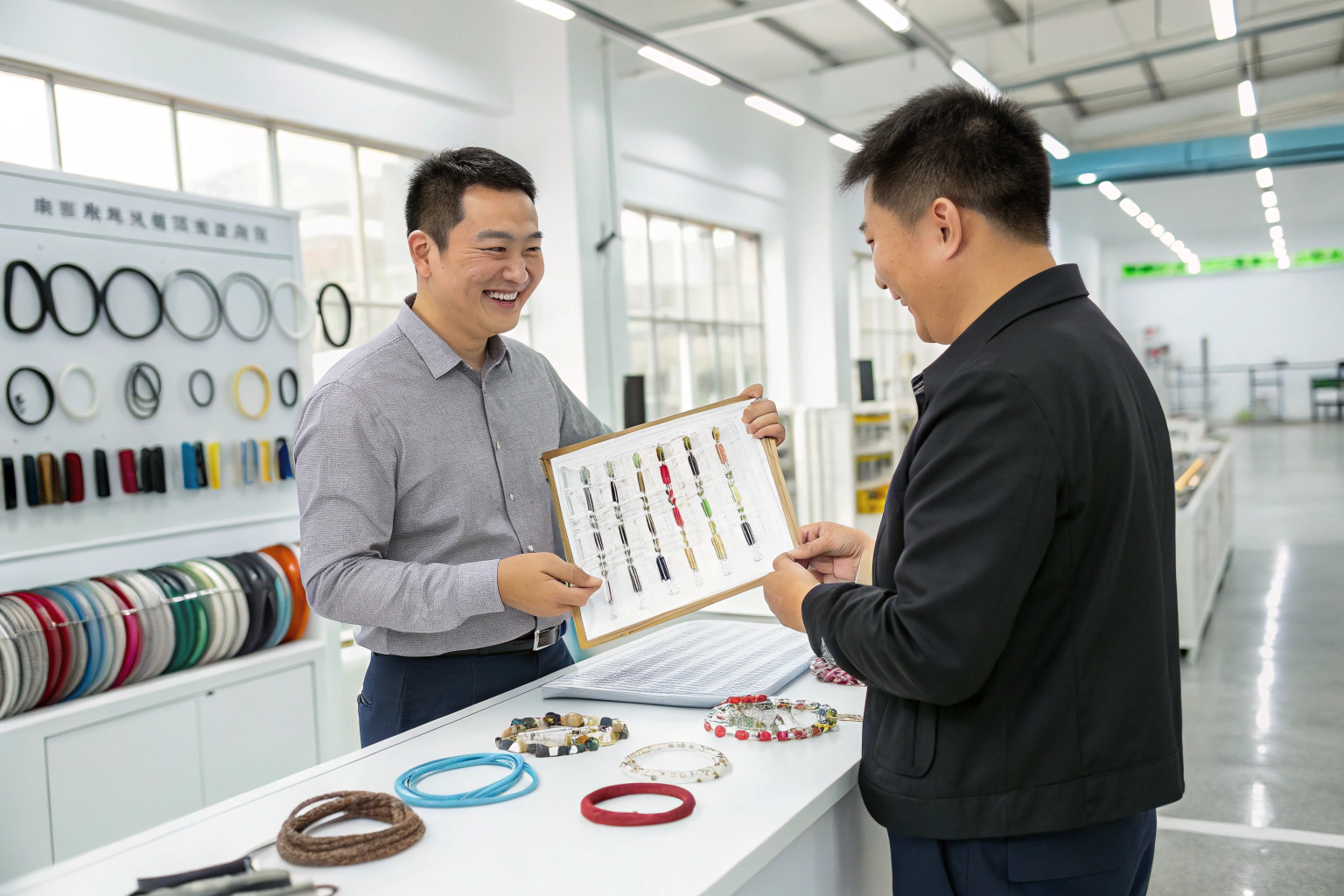
Sheer resin hair clips in jelly colors are the top selling hair accessory for 2026. The material is food-grade silicone or polycarbonate. The colors are ice cream pastels, clear, and smoky quartz. The sizes are oversized. The shapes are organic, like melted candy. Customers buy three to five at a time. They wear them together. They collect them like jewelry. At Shanghai Fumao Clothing, we now produce these clips with custom color matching. One US buyer ordered 50,000 units in eight colors. They sold out in three weeks.
I asked my daughter why she pays USD 28 for a plastic hair clip. She said, \"Because it looks like candy. Because it matches my phone case. Because everyone on TikTok has it.\" She did not say because it holds her hair. Function was secondary. Emotion was primary. This is the shift. Hair accessories in 2026 are not utility items. They are self-expression items. They are collectibles. They are affordable luxury.
| Product | Material | Price Point | Key 2026 Trend |
|---|---|---|---|
| Jelly resin clips | Polycarbonate, silicone | USD 12-28 | Sheer, candy colors |
| Ribbon claw clips | Silk, grosgrain | USD 18-35 | Oversized, bow details |
| Pearl scrunchies | Silk, faux pearl | USD 14-30 | Embellished, bridal |
| Sport headbands | Recycled polyester | USD 10-22 | Color blocking, logos |
Why Are Jelly Resin Clips Replacing Metal Barrettes?
Metal barrettes scratch phone screens. They set off airport metal detectors. They feel cold in winter. Jelly resin is warm, soft, and screen-safe. Gen Z customers care about this. They hold their phones while lying in bed. A metal clip scratching their screen is a dealbreaker. Also, resin accepts color better than metal. You cannot make a pastel lavender metal clip. You can make a pastel lavender resin clip. Read this hair accessories trend report from Who What Wear. Also check this WGSN forecast on resin accessories for deeper category insights.
How Do You Merchandise Scrunchie Sets For Higher AOV?
Stop selling scrunchies individually. Sell them in sets of three or five. Curate the colors. \"Sunset Set\" in coral, peach, and gold. \"Ocean Set\" in aqua, navy, and seafoam. The customer perceives higher value. Your average order value increases. One of our Canadian buyers switched from single scrunchies to themed sets. Their AOV jumped from USD 19 to USD 47. They sold more units and shipped fewer packages. Read this merchandising psychology guide for bundling strategies.
What Headwear Styles Are Replacing Traditional Baseball Caps?
For twenty years, the baseball cap was the king of headwear. Structured. Cotton twill. Adjustable strap. Every buyer ordered the same thing. Then COVID ended. People went outside. They wanted protection from sun and cold, but they also wanted style. The baseball cap did not disappear. But it is no longer the only choice.
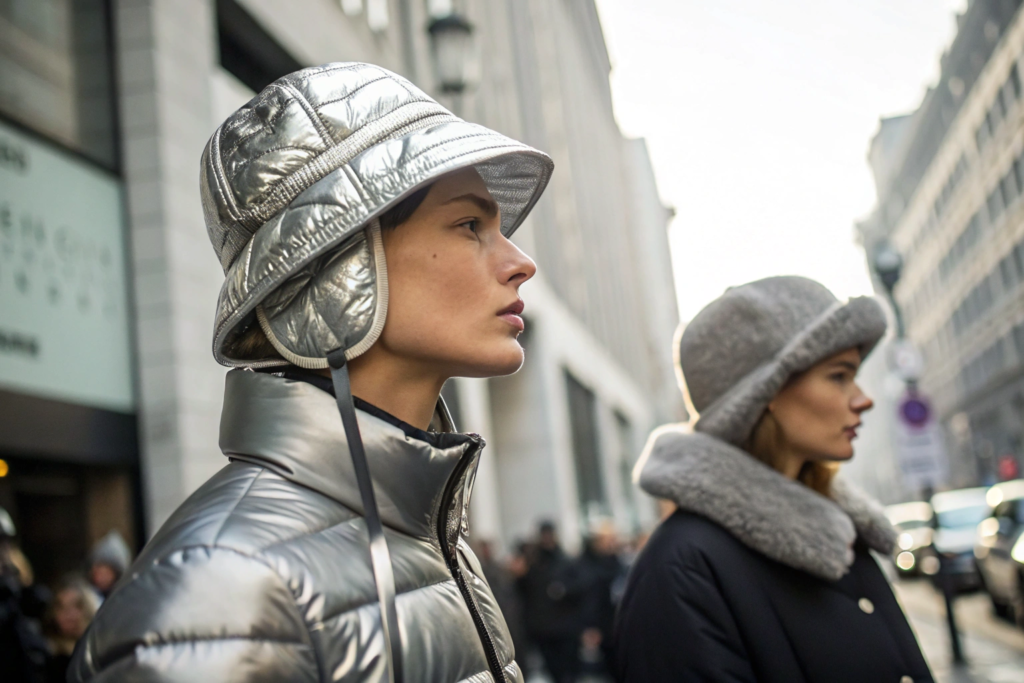
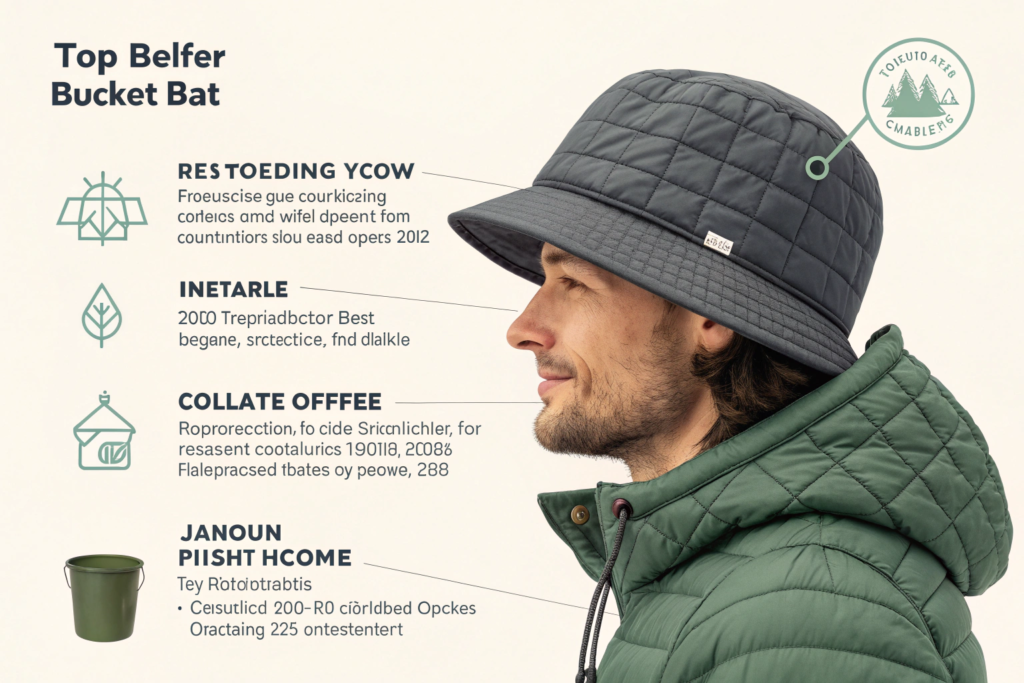
The puffer bucket hat is the top selling headwear style for 2026. Made from recycled nylon, filled with synthetic down, packable into its own pocket. It is a bucket hat, but quilted. It looks like a sleeping bag for your head. Customers wear them hiking, but also to coffee shops. The second top style is the trapper hat with fleece lining and foldable ear flaps. Cold weather is lasting longer in major US cities. These hats test at 4.7 star ratings.
I visited a outdoor trade show in Salt Lake City last year. Every booth had puffer bucket hats. Not just outdoor brands. Fashion brands too. The trend started in South Korea. It moved to Japan. It landed in Vancouver. Now it is everywhere. The hat solves a real problem. It is warm. It is waterproof. It fits in a handbag. But it also looks cool. That combination is rare. When function and fashion align, you get a three-year run.
Why Are Puffer Bucket Hats Selling In Non-Cold Regions?
I asked a buyer from Florida why she ordered puffer hats. She said, \"Air conditioning.\" Florida residents spend summer indoors. Offices are freezing. Malls are freezing. Movie theaters are freezing. They wear puffer hats indoors as a style statement. Also, the packable feature matters. Tourists buy them in Florida, pack them flat in suitcases, and wear them back home in Chicago. Read this headwear market analysis for category growth rates. Also check this sustainability report on recycled nylon.
Should You Stock Structured Or Unstructured Baseball Caps?
Structured caps are for streetwear and sports fans. Unstructured caps are for outdoor and lifestyle brands. In 2026, unstructured is growing faster. The fit is softer. It looks better on different head shapes. It packs flat. It feels less like a uniform and more like personal style. We sell both. But our unstructured volume increased 34 percent last year while structured grew only 8 percent. Read this cap style guide to understand the difference.
Which Cold Weather Accessories Are Seeing The Highest Growth?
Winter accessories used to be simple. Scarf, gloves, beanie. Three products. Three SKUs. The customer bought them separately. The customer lost them separately. In 2026, customers want less stuff that does more things. They do not want three items. They want one item that works three ways.
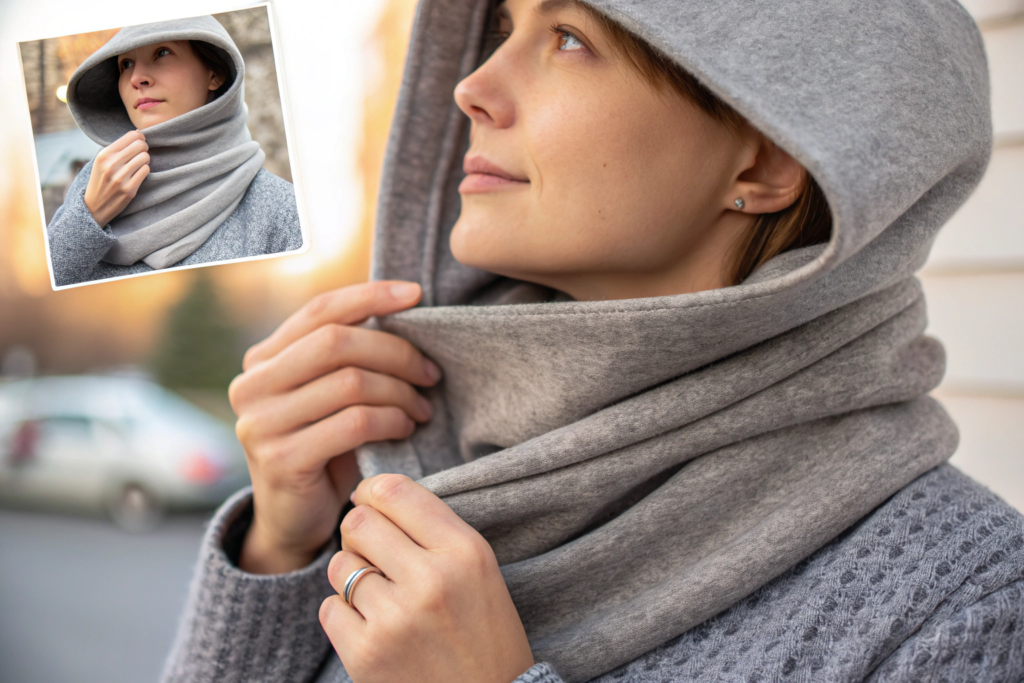
The convertible scarf-hood is the top selling cold weather accessory for 2026. It is a wide tubular scarf that pulls over the head to become a hood. No zippers. No buttons. Just fabric engineering. The second top seller is touchscreen gloves with conductive leather palms, not just fingertips. Full palm contact gives better phone grip. Third is the cashmere-blend neck gaiter. It is worn as a scarf, pulled up as a face mask, or pushed down as a neck warmer.
How Do You Test Touchscreen Gloves For Real Performance?
Most touchscreen gloves fail at the thumb. The customer taps with one finger. It works. Then they try to type with two hands. The non-conductive fingers fail. The solution is conductive yarn woven into the entire palm and all five fingertips. We test every glove batch with an iPhone and an Android. We swipe. We type. We zoom. If it fails at any gesture, we reject the batch. Read this touchscreen glove testing standard. Also check this material guide to conductive yarns.
What Is The Margin On Heated Accessories?
Heated gloves and scarves have higher margins than regular winter accessories. The bill of materials is higher. The battery and carbon fiber cost money. But the perceived value is much higher. A regular glove retails at USD 30. A heated glove retails at USD 90. The customer feels they are buying technology, not just fabric. One of our ski resort buyers achieved 58 percent margin on heated glove liners. Read this heated apparel market report.
What Functional Accessories Are Becoming Everyday Carry Items?
I grew up thinking umbrellas were disposable. You buy one at the drugstore for USD 8. It breaks in the first wind. You throw it away. That is what I thought the whole world did. Then a Japanese buyer taught me otherwise. He said, \"In Tokyo, people carry the same umbrella for five years. It costs USD 80. It is an extension of their outfit.\" That changed how I see functional accessories.
The umbrella bag is the surprise top seller in functional accessories for 2026. It is a fabric sleeve, often matching the umbrella canopy. You put your wet umbrella inside before entering a store, restaurant, or office. No dripping water. No wet floors. No plastic bags. The second top seller is the belt bag worn crossbody, not around the waist. Third is the reusable bottle carrier strap, converting any bottle into a crossbody sling.
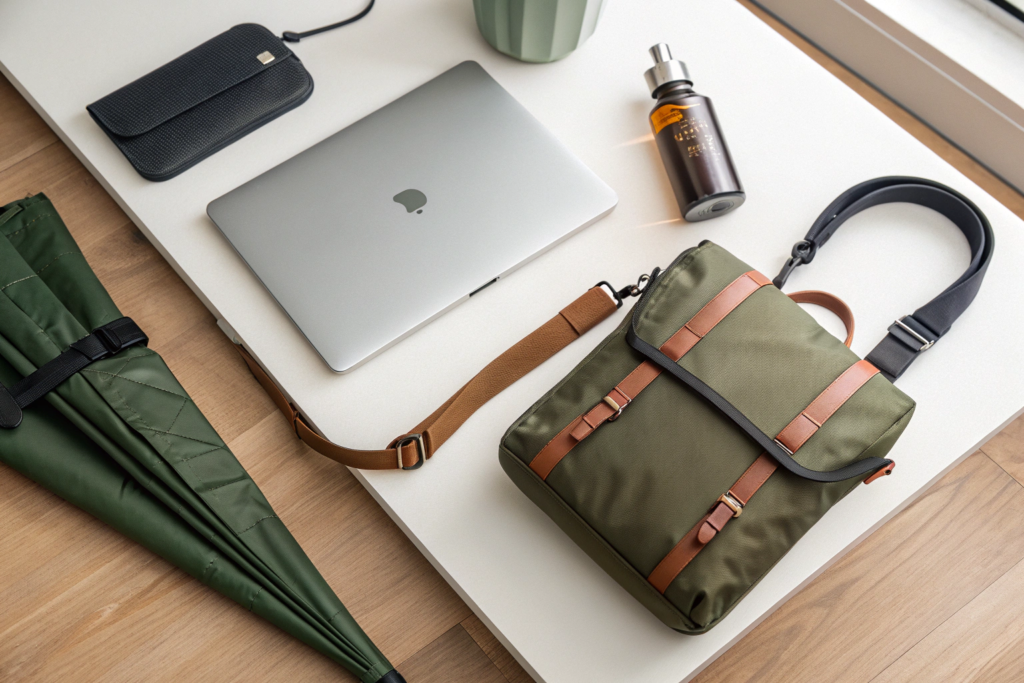
Why Are Umbrella Bags Suddenly Popular In The US?
Climate change. Rain patterns are shifting. US cities are experiencing more frequent, shorter rain bursts. Not all-day rain. Twenty minutes of heavy rain, then sun. Customers do not want to carry a dripping umbrella for the next hour. They want to pack it away cleanly. Also, sustainability. Single-use plastic umbrella bags are being banned in cities like San Francisco and Seattle. A reusable fabric bag solves this. Read this accessory market shift report. Also check this umbrella bag patent for design inspiration.
Is The Fanny Pack Really Back?
The fanny pack never left. It just moved It is now worn across the chest or crossbody. The name changed to \"belt bag\" or \"sling bag.\" The customer is male and female, age 18 to 45. The use case is travel, festivals, and daily commute. We sell 100,000 units per year to a single European outdoor brand. The fabric is now recycled nylon. The hardware is matte black. The silhouette is streamlined. Read this bag trends 2026 from BoF.
Conclusion
Trends are not magic. They are not random. They come from real changes in how people live, work, and move. Sheer hair clips come from the quiet luxury movement and phone screen protection. Puffer bucket hats come from the outdoorification of fashion and climate instability. Convertible scarves come from minimalism and travel efficiency. Umbrella bags come from sustainability and urban density.
I have been in this industry long enough to see cycles repeat. Wide belts become narrow belts become wide again. Beanies become bucket hats become beanies again. But some trends are not cycles. They are permanent shifts. Touchscreen gloves are not a trend. They are a necessity. Recycled materials are not a trend. They are a requirement. Multi-functional products are not a trend. They are a smarter way to manufacture.
At Shanghai Fumao Clothing, we do not just wait for buyers to tell us what is trending. We watch. We read. We travel. We ask our yarn suppliers what colors they are dyeing more of. We ask our resin suppliers what molds they are cutting. We see the volume moving before the trend hits the trade magazines. Then we develop samples. We stock materials. We prepare our production lines. When the buyer calls, we are not six weeks behind. We are ready.
If you are tired of chasing trends after they peak, or if you want to see what is moving right now in our shipping data, please contact us. Talk to our Business Director, Elaine. She will share our internal trend report with you. She will send you photos of the samples our European buyers are ordering this month. She will introduce you to the project manager who tracks color forecasts and material innovations. No sales pitch. Just real data from a factory that ships millions of accessories every year.