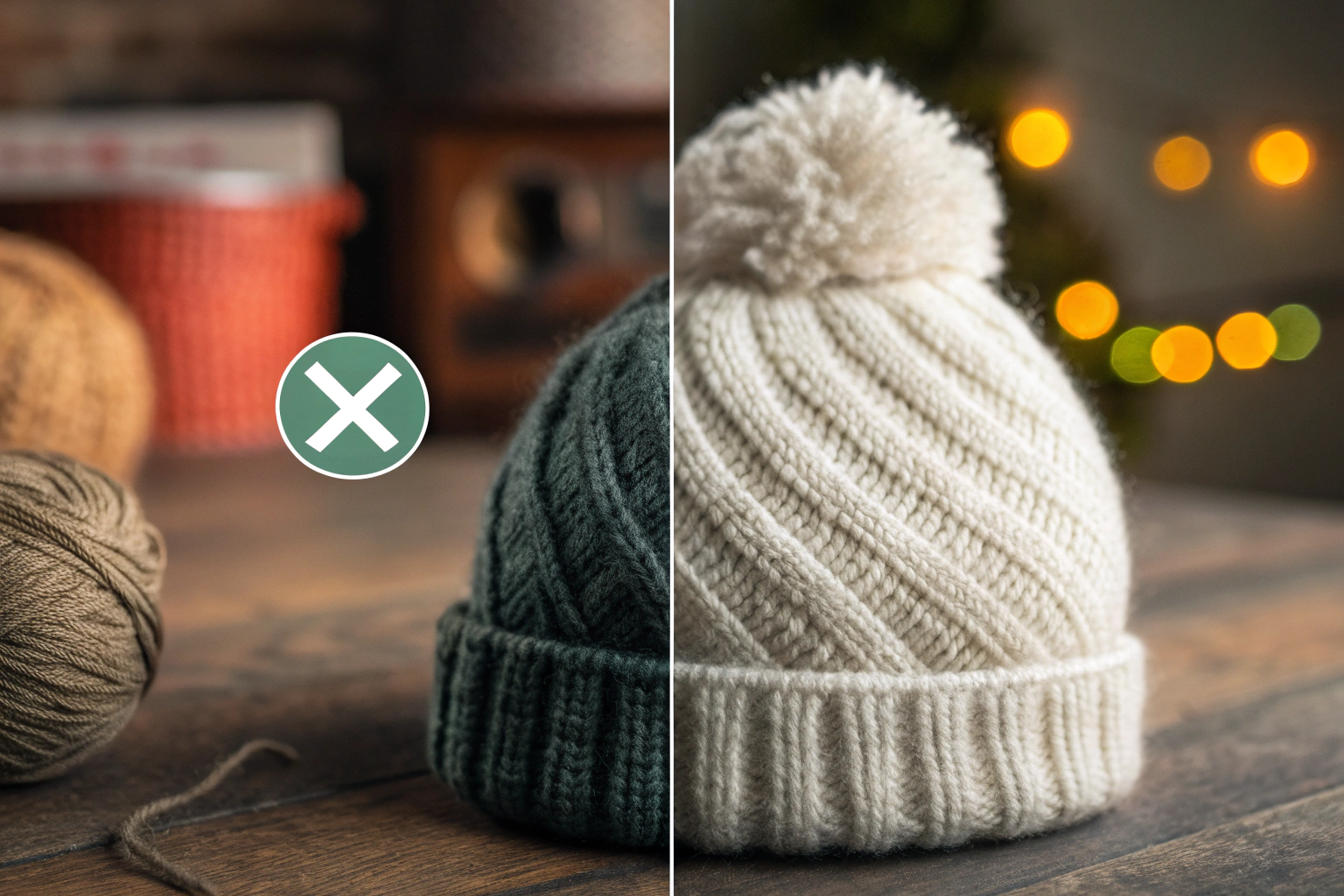
I learned about hat quality control from a painful experience early in my career. We shipped a large order of baseball caps to a major retailer. They looked perfect in our final inspection. But when they arrived, the retailer found that the brims were inconsistent. Some were stiff, some were floppy. The stitching on some caps was crooked. We had to accept a massive discount and eat the cost of replacements. That lesson taught me that hat quality requires attention at every stage, not just at the end.
The top quality control methods for hats include material inspection before production, in-process checks during cutting and sewing, dimensional verification against specifications, stitching quality examination, fit testing on head forms, brim and structure testing, and final visual inspection. A multi-stage approach catches issues before they become expensive problems.
I'm the owner of Shanghai Fumao Clothing, and we run AceAccessory. We've produced millions of hats and developed rigorous quality control processes. Let me share what we've learned about getting it right.
Why is material inspection the first critical step?
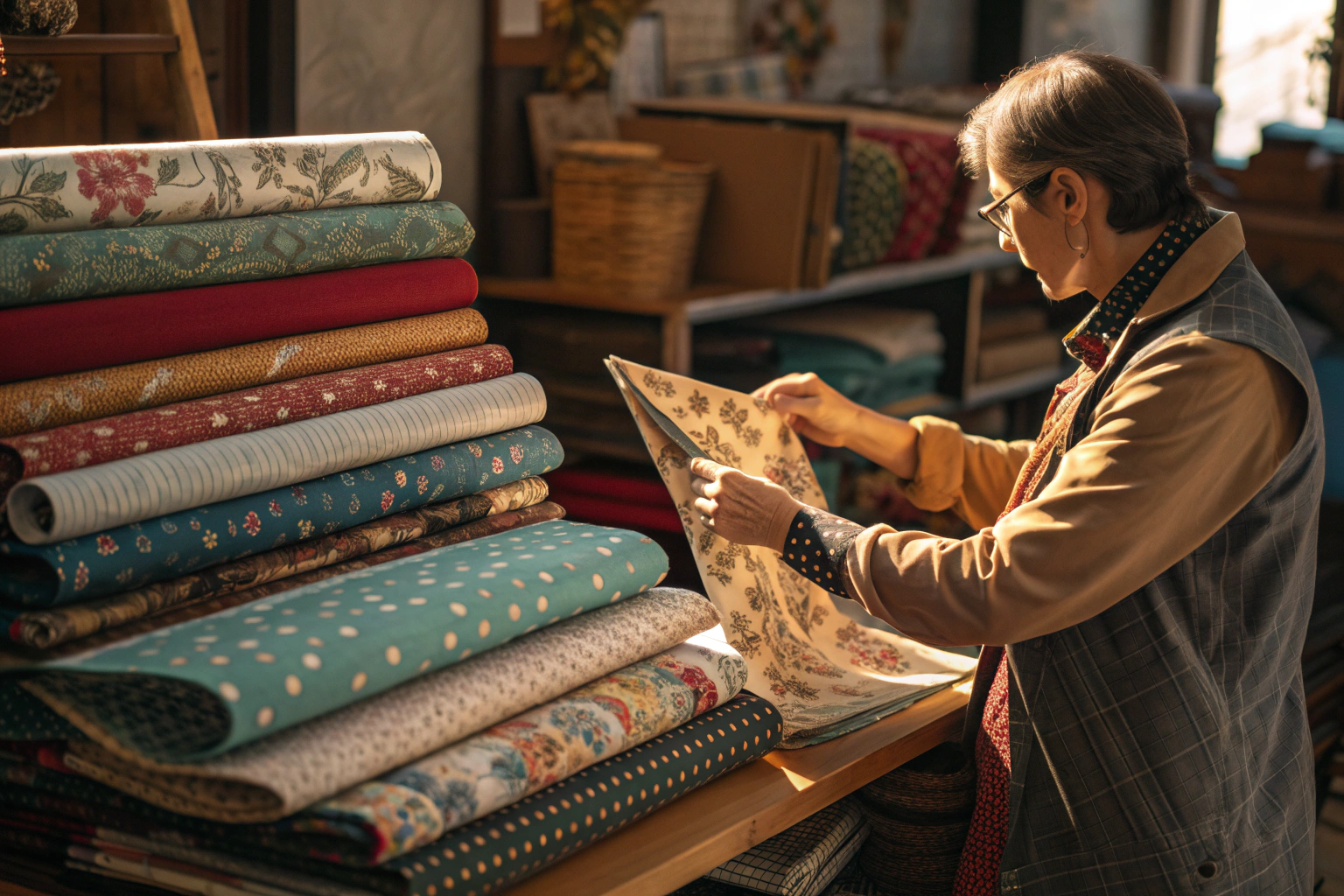
Quality starts with materials. You can't make a good hat from bad fabric. That's why material inspection is the first and most important step. Every roll of fabric is checked before it goes to cutting.
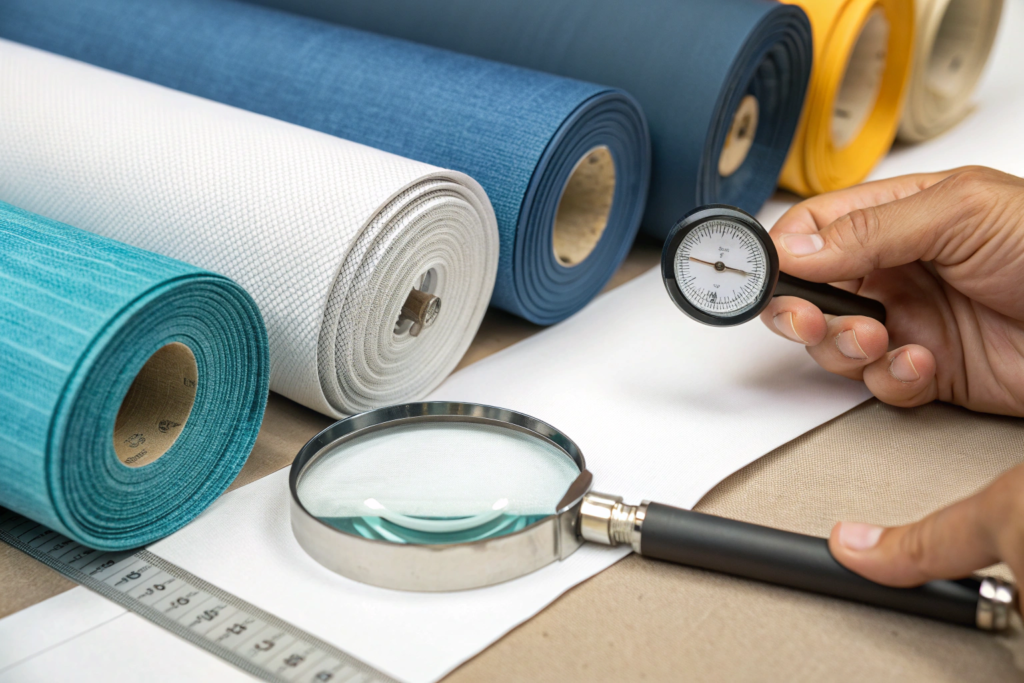
We check for color consistency, fabric weight, weave density, and defects. Even a small flaw in the fabric can become a visible problem in the finished hat. Catching it early saves time and money. This thorough approach is what Shanghai Fumao Clothing is known for.
What fabric defects matter most for hats?
Color variation between rolls is a common problem. Hats from different rolls might not match. We check every roll against the standard. We also look for weaving defects, thin spots, and staining. For structured hats, the buckram and interfacing must be consistent. This material inspection prevents many downstream issues.
How do you verify fabric quality matches specifications?
We test samples from every roll. Measure weight per square meter. Check thread count. Test for shrinkage. Verify color against Pantone standards. Only materials that pass all tests go into production. This verification process ensures consistency from the start.
What in-process checks catch problems early?
Waiting until hats are finished to inspect them is a recipe for disaster. By then, problems have already been multiplied across many units. In-process checks catch issues when they can still be fixed.
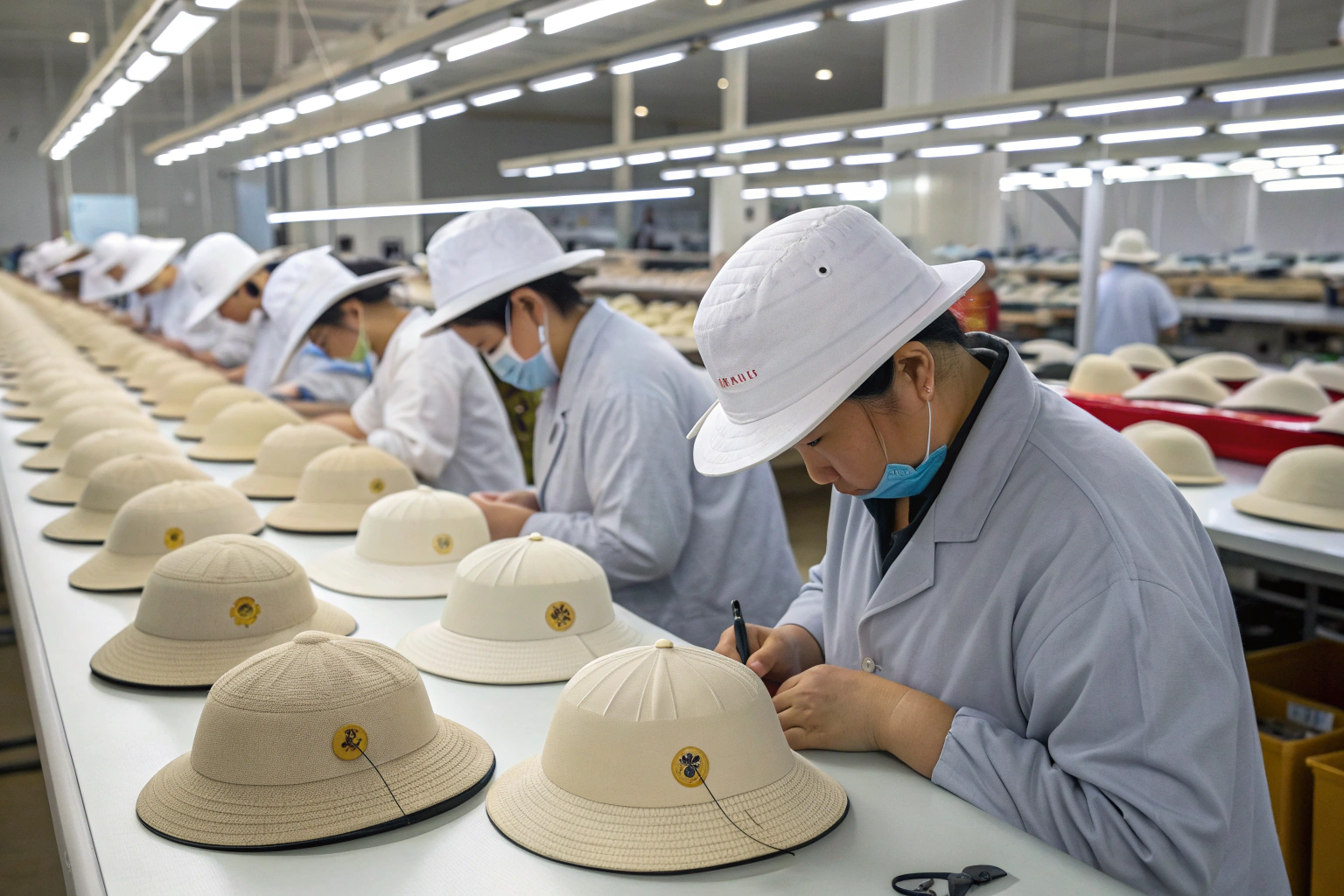
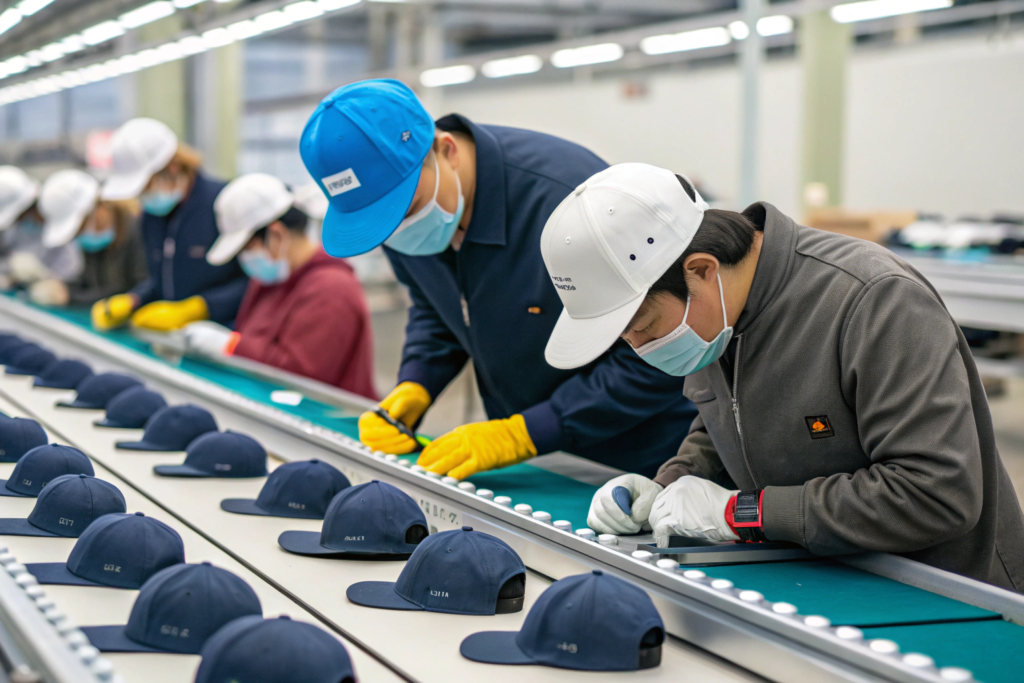
We inspect at every stage. After cutting, we check that pieces are the right shape and size. After initial assembly, we check alignment. Before final finishing, we check stitching and construction. This layered approach means problems are caught early.
What cutting issues affect hat quality?
Inconsistent cutting is a major problem. If pieces aren't exactly the same, the assembled hats won't be consistent. Panels may not align properly. Sizing will vary. We check cut pieces against templates regularly. Any variation and we stop production to fix the issue. This cutting quality is essential for consistency.
How do you monitor assembly for consistency?
We have checkpoints throughout assembly. After the crown is formed, we check shape and height. After the brim is attached, we check alignment and angle. After sweatband installation, we check security and placement. Operators are trained to self-check their work. Supervisors do random checks. This assembly monitoring ensures consistency.
How do you verify dimensional accuracy?
Hats must fit. That means dimensions must be accurate and consistent. We measure every critical dimension on a sampling basis throughout production.
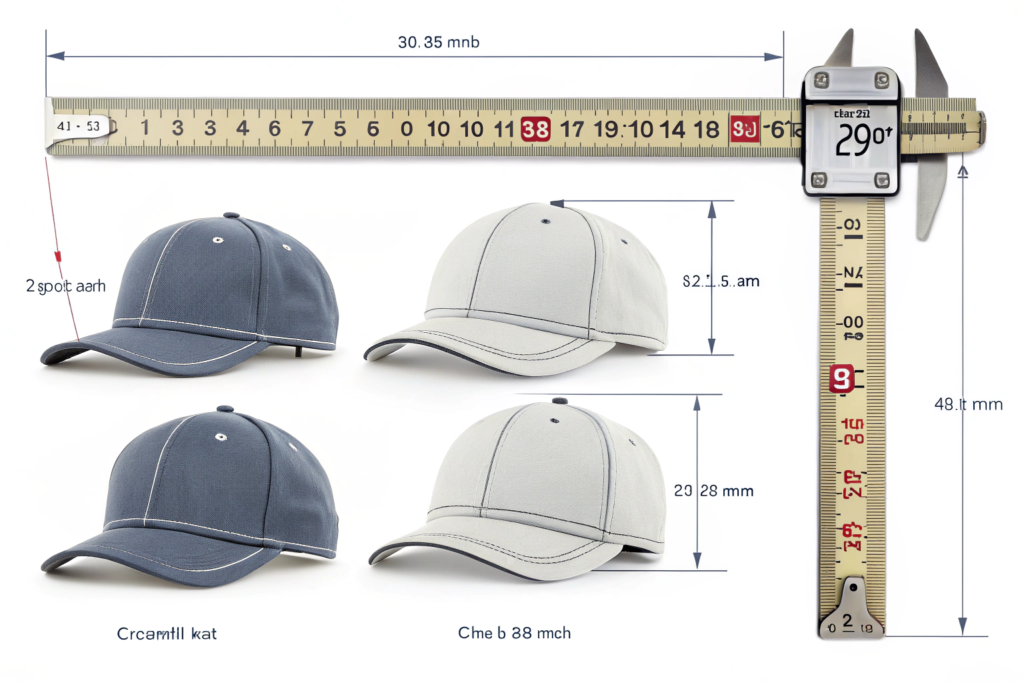
Circumference is the most important. A hat that's too small won't fit. Too large will fall off. But crown height, brim width, and other dimensions also matter. We track measurements and look for trends.
What dimensions are critical for hat quality?
Circumference is number one. It determines fit. Crown height affects how the hat sits on the head. Brim width affects style and sun protection. For structured hats, the height and shape of the front panel matters. For adjustable hats, the closure length must be consistent. This dimensional guide covers all critical points.
How much variation is acceptable?
It depends on the hat and the price point. For premium hats, tolerances are tight, usually within 1/8 inch for most dimensions. For value lines, slightly more variation may be acceptable. We agree on tolerances with each client before production. Then we measure consistently to ensure we stay within limits.
What stitching issues matter most?
Stitching is where hats often fail. A hat can have perfect materials but poor stitching will ruin it. Stitch quality affects both appearance and durability.
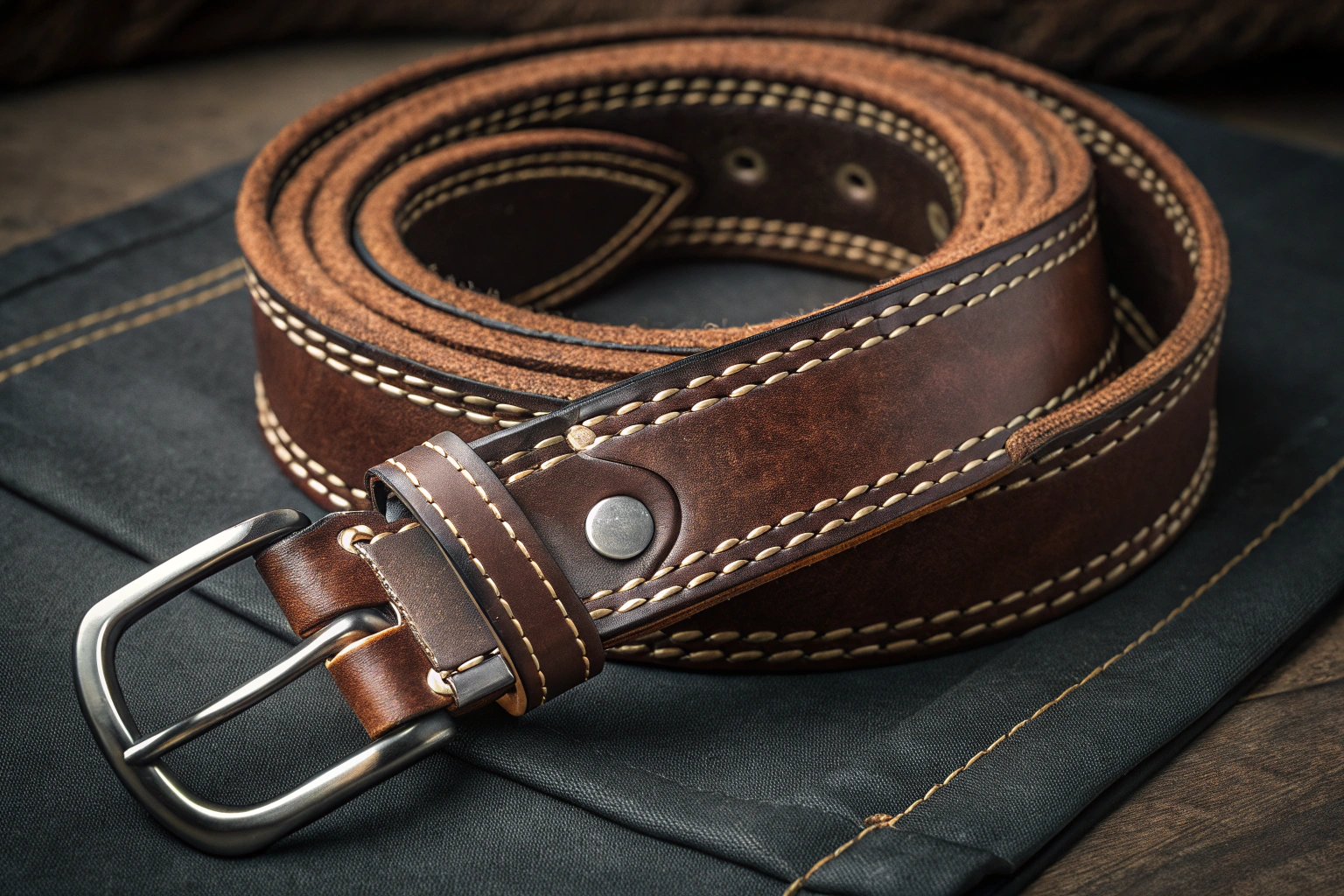
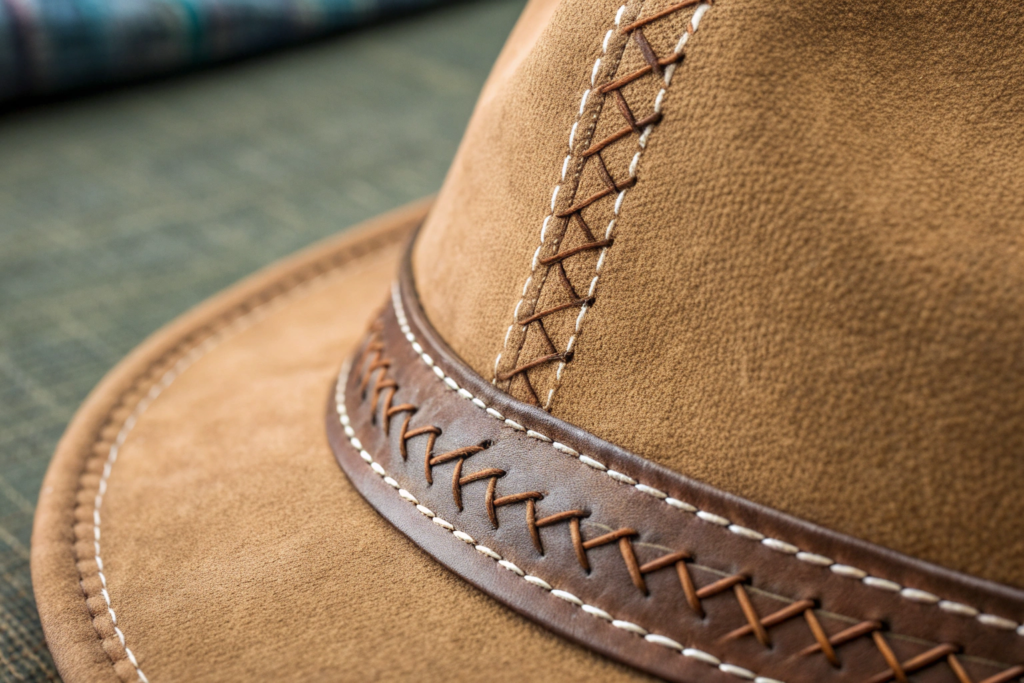
We check stitch density, tension, and consistency. Stitches should be even and tight. There should be no skipped stitches, loose threads, or puckering. The stitching on stress points, like where the brim attaches, needs to be especially strong.
What stitch density indicates quality?
For most hats, 8-10 stitches per inch is standard for quality. Higher density can be stronger but may be slower to produce. Lower density indicates cheap construction. We measure stitch density throughout production. The stitching on stress points should be reinforced. This stitch standard ensures durability.
How do you check thread tension?
Tension should be perfect. Too loose and stitches will be loopy and weak. Too tight and fabric may pucker, and thread may break. We train operators to recognize correct tension. Inspectors check samples regularly. Tension issues caught early can be fixed. This tension guide helps maintain consistency.
How do you test fit on real head shapes?
Dimensions alone don't guarantee fit. Head shapes vary. A hat that measures correctly may still not fit well on some heads. That's why we test on actual head forms.
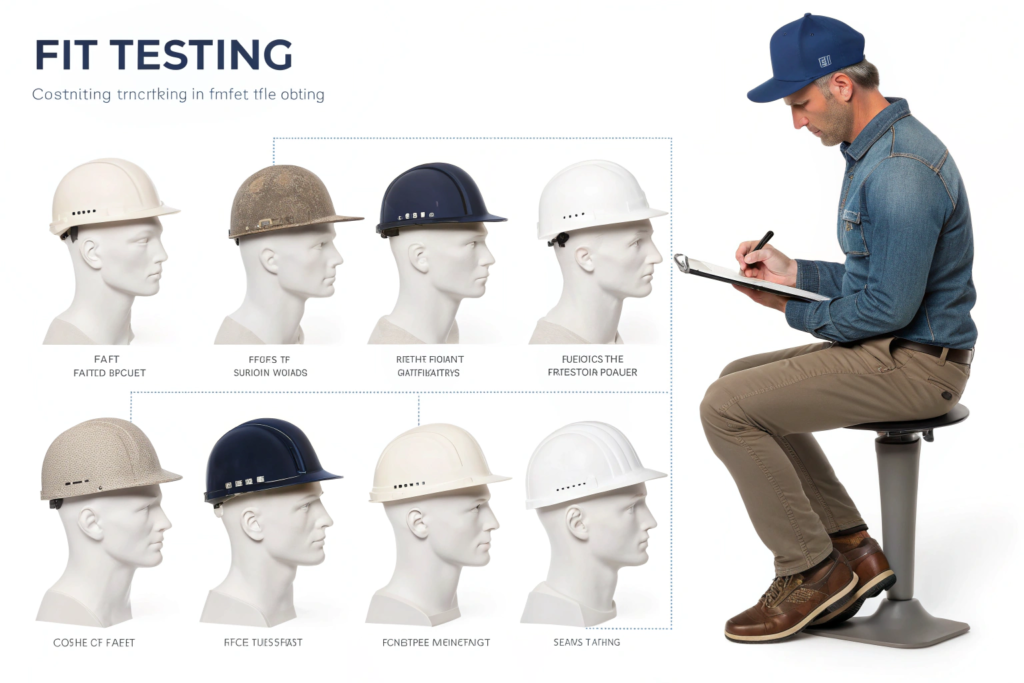
We use multiple head forms representing different sizes and shapes. We check how the hat sits. Does it sit straight? Is it comfortable? Does it stay on? This real-world testing catches issues that measurements might miss.
What head shapes should you test on?
At minimum, test on small, medium, and large forms. Better is to test on forms representing different head shapes: round, oval, long oval. A hat that fits a round head may not fit an oval head well. We test on multiple forms to ensure broad fit.
How do you test for comfort?
Comfort is subjective, but we can test objective factors. Does the sweatband feel comfortable? Is there any pressure point? Does the hat sit evenly? We use wear testers who wear hats for extended periods and report on comfort. This comfort testing is essential for customer satisfaction.
Conclusion
Quality control for hats requires attention at every stage. Material inspection catches problems before they start. In-process checks identify issues when they can still be fixed. Dimensional verification ensures consistent fit. Stitching inspection ensures durability. Fit testing confirms real-world performance. Brim and structure testing verifies function. Final inspection catches any remaining defects. Documentation provides traceability and confidence.
At Shanghai Fumao Clothing, we've developed comprehensive quality control processes specifically for hats. We know what to look for and how to fix problems. Our multi-stage approach ensures that every hat meets our standards before it ships. If you're looking for a reliable partner for hat production, let's talk. Reach out to our Business Director, Elaine, at elaine@fumaoclothing.com. She'll connect you with a project manager who understands hat quality inside and out.