As a manufacturer of fashion accessories for over two decades, I've seen trends in headwear come and go. But the straw hat remains a timeless staple, a symbol of summer, travel, and effortless style. A frequent pain point I see with new clients, however, is that they treat "straw" as a single category. They'll send a design for a high-end, packable travel hat but suggest a material that is brittle and will crack when folded. This misunderstanding of materials can lead to a product that fails to meet customer expectations, resulting in returns and a damaged brand reputation.
The top materials for straw hat production are not interchangeable; each offers a distinct balance of durability, flexibility, texture, and price. The premier choices are Toquilla palm for luxury and packability, raffia for its flexible and rustic appeal, paper braid (Toyo) for its lightweight consistency and color versatility, and traditional wheat straw for its classic, structured look.
For a buyer like Ron, who is focused on quality and development capacity, knowing the difference between these materials is crucial. It's the key to developing a product that is perfectly aligned with your target market, price point, and brand identity. At Shanghai Fumao Clothing, we guide our clients through this selection process to ensure the final product is not just beautiful, but also functional and durable. Let's explore the pros and cons of the best materials in the business.
Toquilla Palm: The Gold Standard of "Panama" Hats
When clients ask for the absolute best, the conversation almost always turns to Toquilla palm straw. This is the only material used to create an authentic "Panama hat" (which, confusingly, originates from Ecuador). The primary pain point with high-end hats is a lack of genuine luxury and functionality. Customers paying a premium price expect a hat that is not only beautiful but also exceptionally lightweight, breathable, and—most importantly—packable.
Toquilla palm straw is the definitive solution. Harvested from the Carludovica palmata plant, the fibers are processed into incredibly fine, lightweight, and supple strands. The benefits are unmatched:
- Packability: A true, high-quality Toquilla hat can be carefully rolled up for travel and will unroll back to its original shape. This is its most famous and valuable feature.
- Lightweight & Breathable: The fine weave allows for excellent air circulation, making it incredibly comfortable to wear in hot, humid climates.
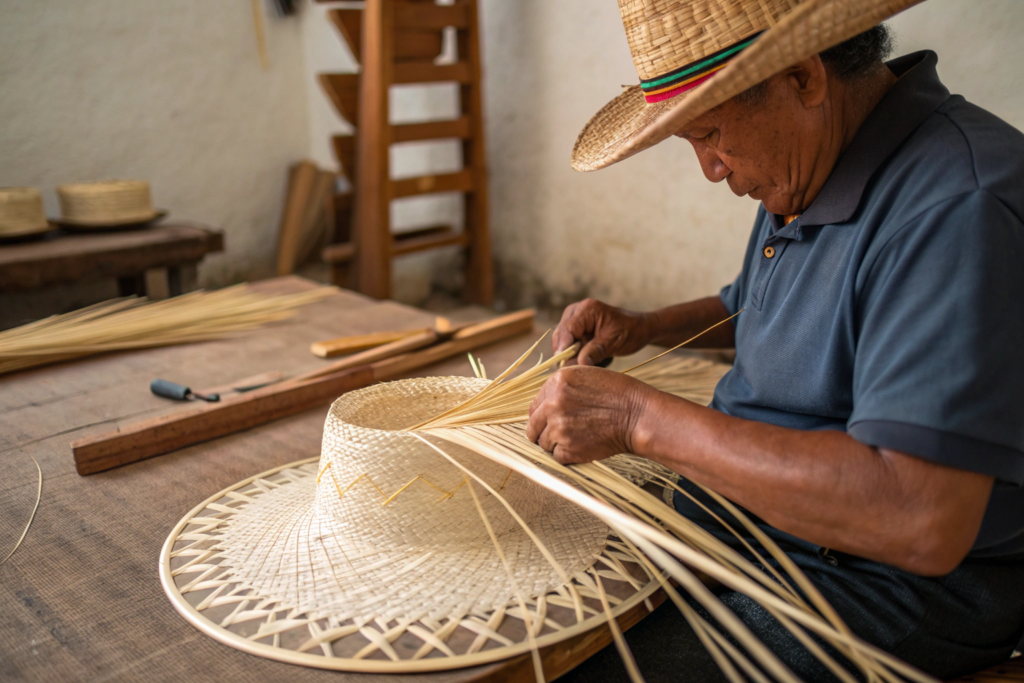
- Craftsmanship: The weaving process is a protected cultural heritage, with the finest hats taking months to complete. This story of artisanal craftsmanship is a powerful marketing tool.
The "grade" of a Panama hat is determined by the fineness of the weave, measured in weaves per square inch. A higher grade means a finer, more time-consuming weave, resulting in a lighter, more flexible, and more expensive hat. While the raw woven hoods are sourced from Ecuador, the blocking and finishing can be done in our modern facilities, allowing us to add custom bands and other details. For a luxury brand, there is no substitute for the quality and story of Toquilla palm.
Why is it called a "Panama" hat?
The name is a historical misnomer. During the 19th and early 20th centuries, these Ecuadorian-made hats were shipped to Panama to be sold to travelers and gold prospectors crossing the isthmus. When President Theodore Roosevelt was famously photographed wearing one while visiting the Panama Canal construction, the name stuck in the public consciousness.
What does "blocking" a hat mean?
"Blocking" is the process of giving a hat its final shape. A woven "hood" or "cone" of straw is steamed to make it pliable and then stretched over a wooden or aluminum mold (a "block") that has the desired crown and brim shape. Once it cools and dries, it holds this new shape permanently. This is a critical step in hat manufacturing, as detailed by hat-making resources like the Craft of Clothes.
Raffia: The Versatile and Resilient Workhorse
While Toquilla is the luxury king, many brands need a high-quality material that is more affordable, durable, and offers a different aesthetic. The pain point with many mid-range straw hats is that they are too stiff and brittle. They can't be packed and will crack or unravel if treated roughly.
Raffia is the perfect answer to this problem. Harvested from the leaves of the raffia palm, native to Africa (especially Madagascar), this material is known for its remarkable flexibility and resilience. The fibers contain a natural resin that makes them pliable and resistant to cracking. This means a raffia hat can be crushed into a suitcase and will bounce back into shape with minimal effort. Its key features are:
- Durability & Flexibility: It's arguably the most durable and forgiving of the natural straws.
- Rustic Aesthetic: Raffia has a wider, more textured fiber than Toquilla, giving it a beautiful, natural, and slightly rustic look that is very popular in resort and bohemian styles.
- Takes Dye Well: It can be dyed into a wide range of colors while retaining its natural texture.
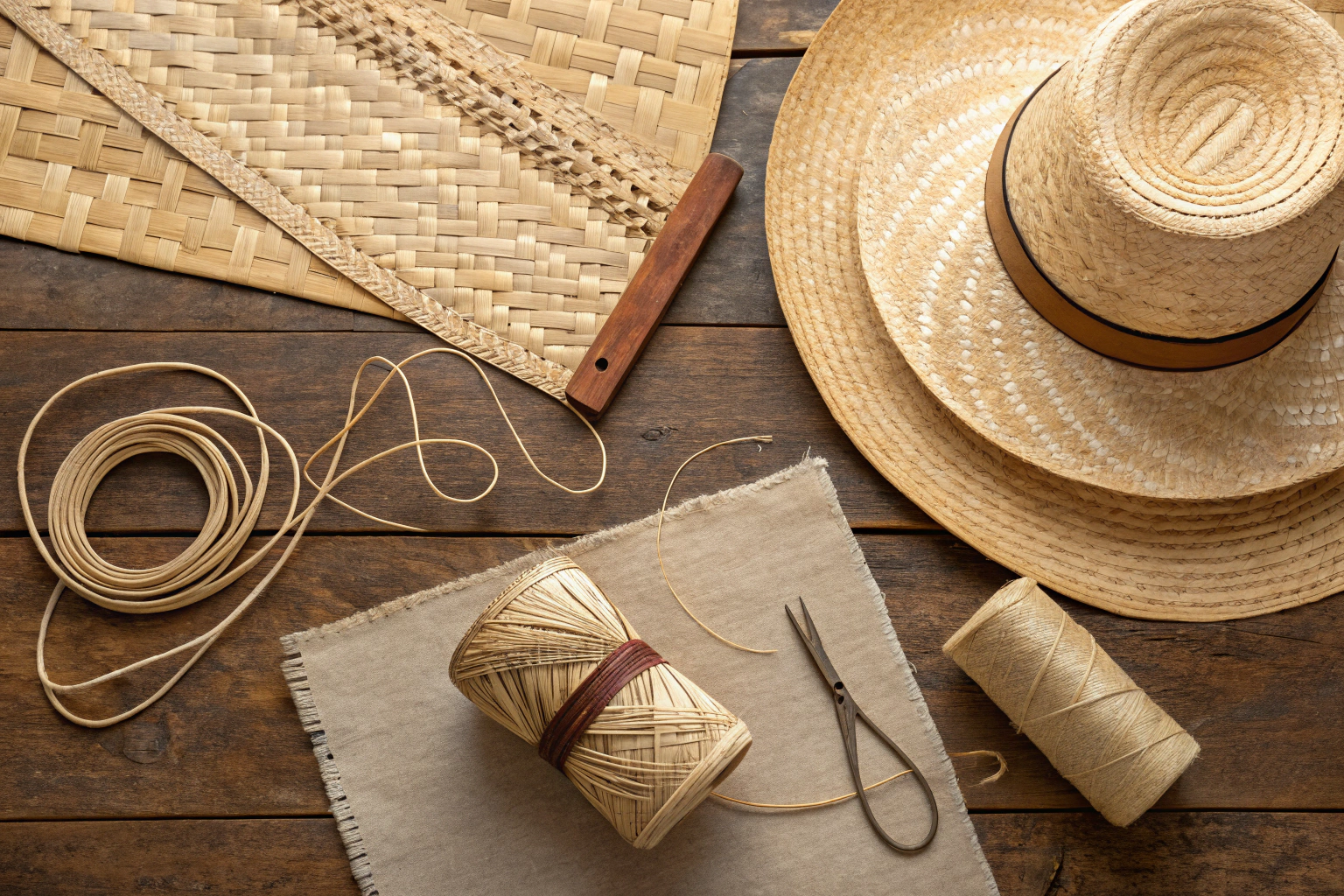
Raffia is most often processed into a braid which is then sewn, row by row, to form the hat. This construction method allows for a huge variety of shapes and styles, from wide-brimmed sun hats to trendy visors and fedoras. As a manufacturer, we value raffia for its consistency and workability. For our clients, it offers a fantastic combination of style, performance, and value, making it one of the most popular choices for spring/summer accessory lines.

Is all raffia the same?
No. The highest quality raffia comes from Madagascar, where the fibers are harvested and processed to be long, supple, and consistent in color. Lower-grade raffia can be shorter, more brittle, and less consistent. When sourcing for a quality product, specifying the origin and grade of the raffia is an important step in the supply chain management process.
What is the difference between a woven hat and a sewn-braid hat?
A woven hat, like a Panama hat, is created by weaving individual strands of fiber together from the center of the crown outwards. A sewn-braid hat is made by taking a long, continuous braid of material (like raffia or wheat straw) and sewing it in a spiral, building up the hat from the crown down to the brim's edge. The sewn-braid method is very versatile and is the most common construction method for straw hats.
Paper Braid (Toyo): The Champion of Consistency and Color
For many brands, especially in fast fashion or for accessories that need to match specific apparel colors, natural straws present a problem. Their color can vary slightly from batch to batch, and they don't always take bright, saturated dyes well. The pain point is a lack of consistency and color control.
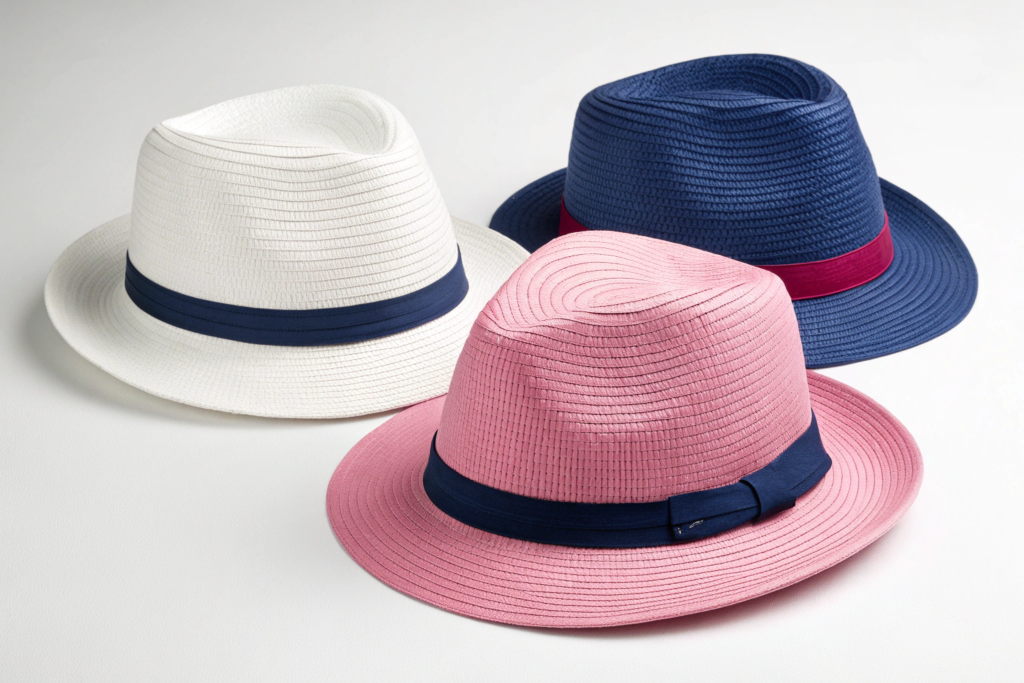
Paper Braid, often known by its Japanese trade name Toyo, is the manufacturing solution to this problem. This material is made from rice paper that is machine-spun into a yarn, which is then braided. Because it's a man-made natural material, it offers incredible consistency. Every roll of braid is identical in color and texture. Its main advantages are:
- Color Perfection: It can be produced in any conceivable color with perfect uniformity, making it ideal for matching specific brand palettes.
- Lightweight & Smooth: Toyo is very lightweight and has a smooth, refined finish that is different from the more rustic natural straws.
- Cost-Effective: It is generally more affordable than high-quality natural straws like raffia or Toquilla, allowing for a more accessible price point.
The main drawback of paper braid is its relationship with water. While it can withstand a light mist, it will lose its shape and can be permanently damaged if it becomes saturated. However, for a lightweight, stylish hat intended for dry, sunny days, it's an excellent and highly popular choice. We produce a huge number of Toyo hats because they offer a clean, modern look and allow for a level of color creativity that other materials can't match.
Is a paper hat durable?
It's more durable than you might think. High-quality paper braid is often coated with a light resin that helps with shape retention and water resistance. While it's not as resilient as raffia, a well-made Toyo hat will last for many seasons with proper care (i.e., not wearing it in a downpour). It's a staple of the fashion headwear market for a reason.
What does "Toyo" mean?
The material and technique were popularized in Japan, where artisans honed the art of transforming thin sheets of paper into intricate, durable structures, breathing life into what would become known as Toyo. The name became synonymous with this type of machine-made paper straw, each strand exuding a soft, earthy texture that feels almost like woven silk between the fingers, yet possesses an unexpected strength that resists bending and fraying.
It's a registered trademark in some contexts, its logo often emblazoned on spools of golden-brown or creamy-white strands that glint subtly under light, but is often used generically in the industry to refer to paper-braid material—a staple in everything from decorative arts to practical crafts, where its pliability allows for endless creative possibilities, from delicate floral arrangements that sway gently in a breeze to sturdy baskets that hold their shape with quiet resilience.
Wheat Straw: The Timeless Classic
Sometimes, a brand wants to capture a sense of tradition and nostalgia. The pain point with many modern materials is that they lack the authentic, classic character of vintage styles. For iconic shapes like the boater or the classic harvest hat, you need the original material.
That material is wheat straw. Made from the natural stalks of wheat plants, this is one of the oldest and most traditional hat-making materials. It has a beautiful golden color and a recognizable texture of parallel straw stalks. Its key characteristics are:
- Classic Aesthetic: It has an unmatched authentic, traditional look. The golden color and stiff, glossy texture are iconic.
- Structure: Wheat straw is naturally quite stiff, making it perfect for creating hats with a defined, structured silhouette, like the flat top and brim of a boater hat.
- Affordability: It is generally an inexpensive and widely available raw material.
The primary trade-off with wheat straw is its lack of flexibility. It is more brittle than raffia or Toquilla and is not considered a "packable" material. It's best suited for structured, classic designs that are handled with a bit more care. However, for creating an authentic, timeless piece with a strong silhouette, wheat straw is the perfect and most appropriate choice. It's a material that connects the wearer to the long and storied history of hats.
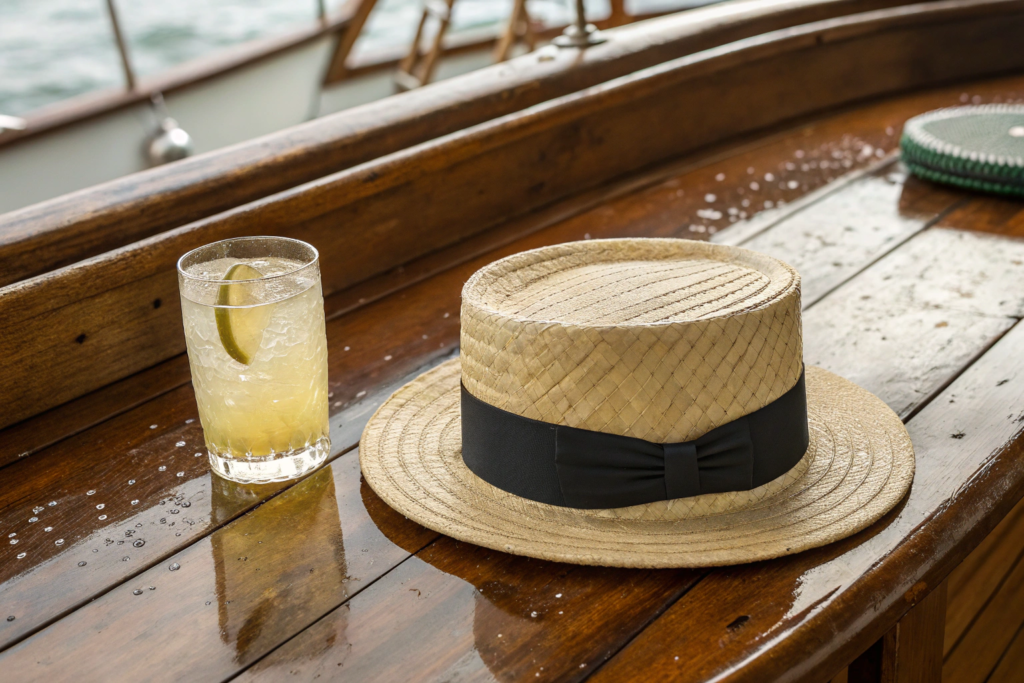
How is wheat straw prepared for hat making?
After the golden wheat has been swaying in the fields and finally harvested, the stalks undergo a meticulous transformation. First, they are carefully hollowed out, their tough outer layers stripped away to reveal the soft, fibrous interior that will soon become the hat's foundation. Next, each stalk is gently cleaned, brushed free of chaff and dirt, until it glistens with a warm, sun-kissed hue. Often, these slender stalks are split lengthwise, doubling their pliability and creating a texture that will later add subtle ridges to the hat's surface.
Then comes the sorting phase—a dance of precision where workers or automated systems sift through the stalks, selecting only those of uniform quality, vibrant amber color, and consistent thickness, ensuring every piece meets the highest standards.
Is wheat straw heavy?
No, it's very lightweight. Despite its stiffness, the straw itself is hollow and light, making a wheat straw hat very comfortable to wear, even on a hot day. The feeling of stiffness gives it structure, not weight. When you first touch it, there's a gentle resistance, like running your fingers over the smooth, slightly curved ribs of a dried cornstalk, yet it sits so lightly on the head that you almost forget it's there. The hollow core of each straw strand traps air, creating a cool barrier between your scalp and the sun's relentless heat—on a sweltering afternoon, when the air shimmers and sweat beads form on your brow, the hat feels like a breath of relief, its lightness defying the oppressive warmth.
The stiffness isn't a burden; it's a quiet strength, holding the brim steady against a sudden gust of wind while never pressing down on your shoulders. It's as if the straw has been woven with purpose, each thread contributing to a balance of form and freedom, turning a simple accessory into a companion for long, sun-dappled days.
Conclusion
The "best" material for a straw hat is the one that best aligns with your brand's identity, your design's functional needs, and your customer's expectations. There is no single right answer. From the luxurious, packable artistry of Toquilla palm to the resilient versatility of raffia, the colorful consistency of paper braid, and the timeless structure of wheat straw, each material tells a different story and serves a different purpose.
Understanding these materials is the first step in a successful development process. As your manufacturing partner, our role is to take that understanding and turn it into a flawless finished product. We have the sourcing expertise to procure the right grade of material and the skilled craftspeople to block, sew, and finish your hats to the highest quality standards.
If you're ready to create a straw hat collection that is built on a foundation of quality materials and expert craftsmanship, we are here to help. Contact our Business Director, Elaine, at elaine@fumaoclothing.com to discuss your material needs and start your development journey.