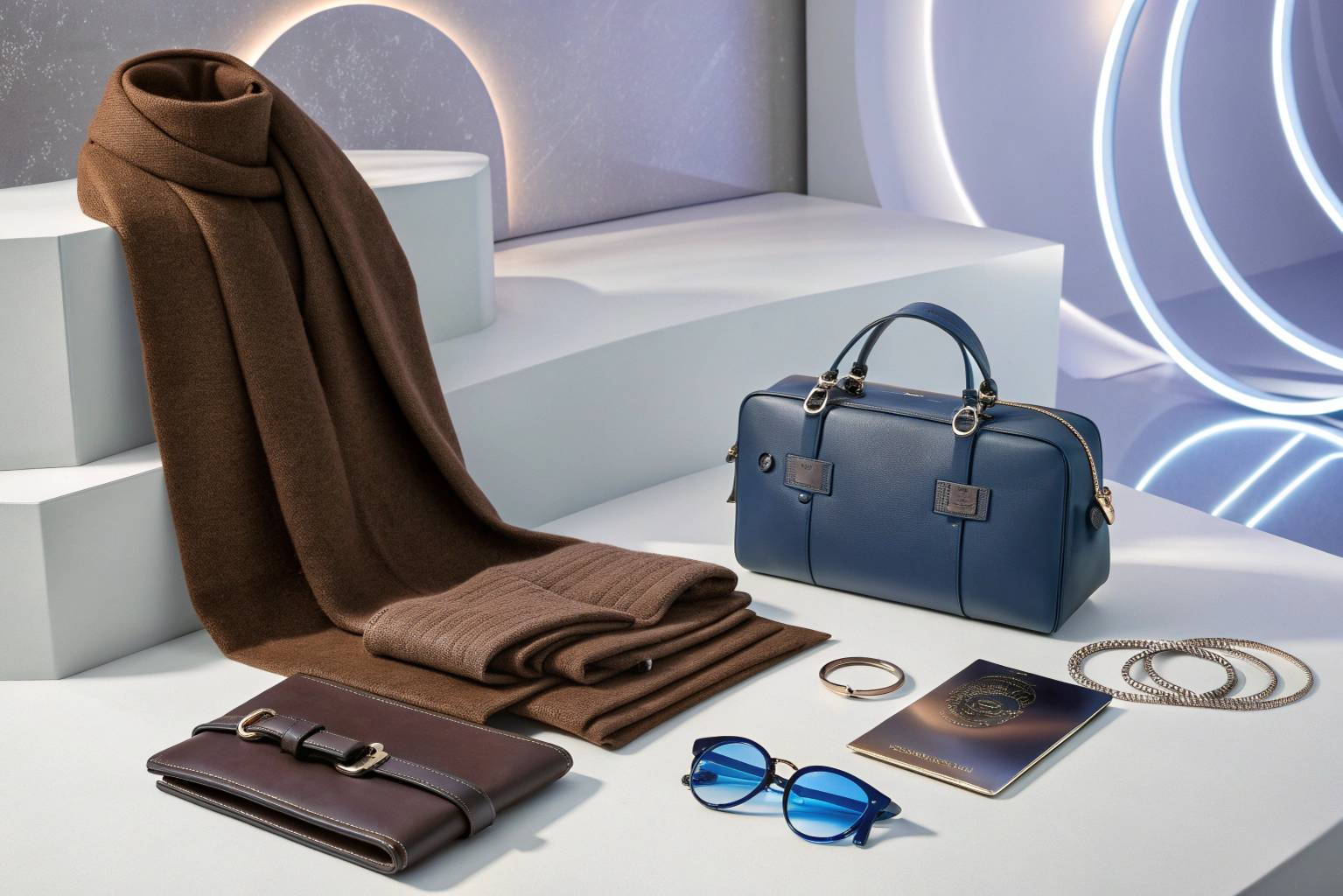
I remember a conversation with a strategist for a major fashion forecasting agency at the end of last year. We were discussing the future, and she was clear about one thing. "The consumer of 2026 is not the same as the consumer of 2020," she said. "They've been through a lot. They're more conscious, more demanding, and more discerning. They want accessories that are not just beautiful, but also intelligent, sustainable, and deeply personal. They want products that reflect their values and fit seamlessly into their complex lives." Her words perfectly captured the shift we are seeing. The demands of the future are not just about style; they are about substance.
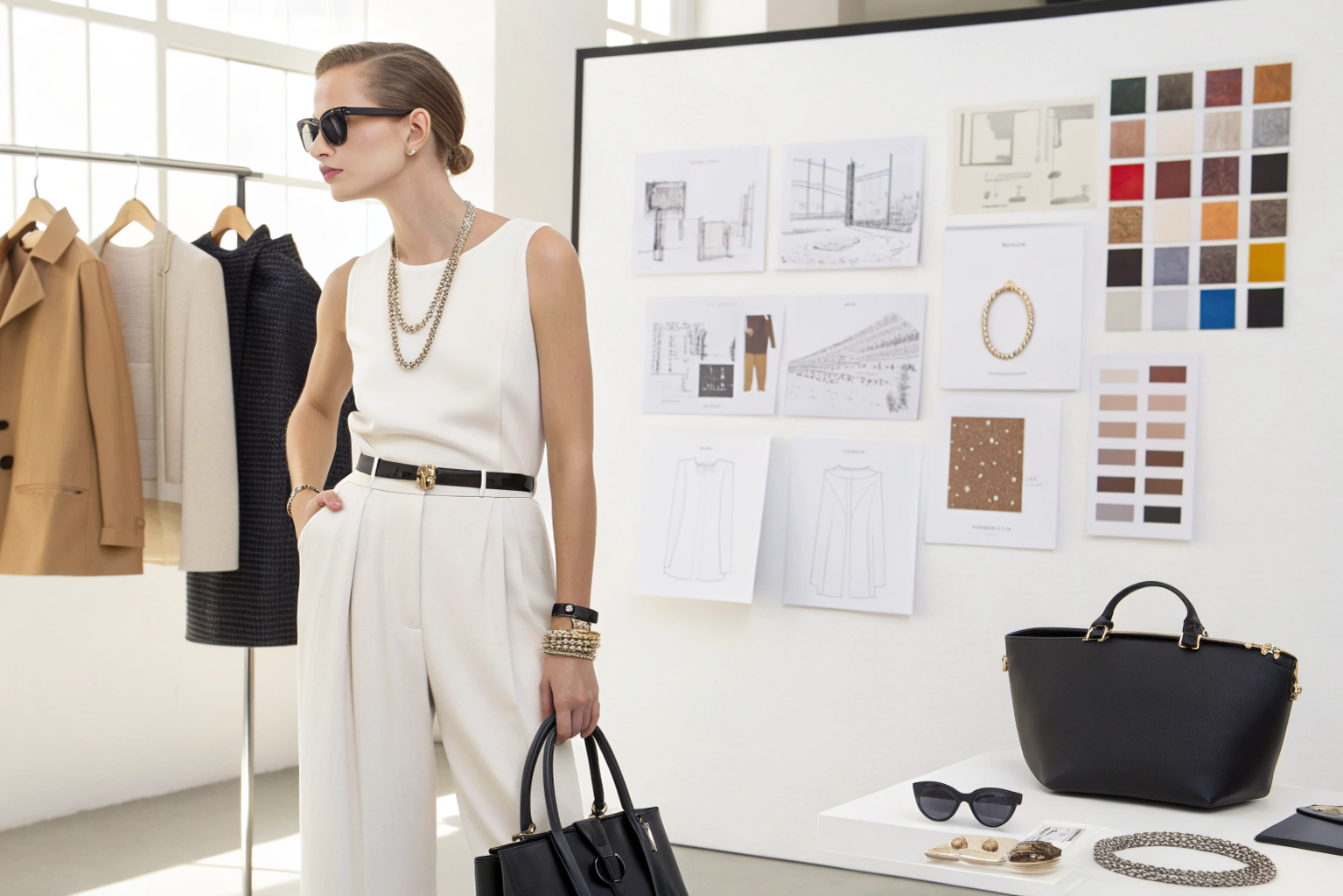
The top demands for 2026 fashion accessories are driven by a consumer who seeks meaning, innovation, and versatility. The key demands include: sustainable and ethical production, with a focus on recycled, upcycled, and innovative eco-friendly materials; multi-functional designs that solve problems, like bags with built-in charging or belts with hidden storage; personalization and customization, allowing consumers to express their unique identity; tech-integrated accessories, from smart jewelry to blue-light-blocking eyewear; and a continued love for bold, sculptural, and artistic designs that make a statement. At Shanghai Fumao Clothing, we are responding to these demands, helping our clients create accessories that are not just fashionable, but also forward-thinking and deeply relevant.
That strategist was right. The consumer of 2026 is a new breed. They are informed, they are values-driven, and they expect more from the brands they support. They want their accessories to be an extension of their personality, a reflection of their ethics, and a tool that helps them navigate their world. This is not a passing trend; it's a fundamental shift in the relationship between people and the products they buy. Let me walk you through the four most powerful demands shaping the future of fashion accessories.
How Is Sustainability Evolving from a Trend to a Non-Negotiable Demand?
For years, sustainability was a niche concern, a "nice-to-have" for a small segment of consumers. That is no longer the case. In 2026, sustainability is a baseline expectation. Consumers are educated and they are asking tough questions: "What is this made from?" "Where did it come from?" "What happens to it when I'm done?" Brands that cannot answer these questions honestly and transparently will be left behind. Sustainability is no longer a trend; it's a non-negotiable demand.
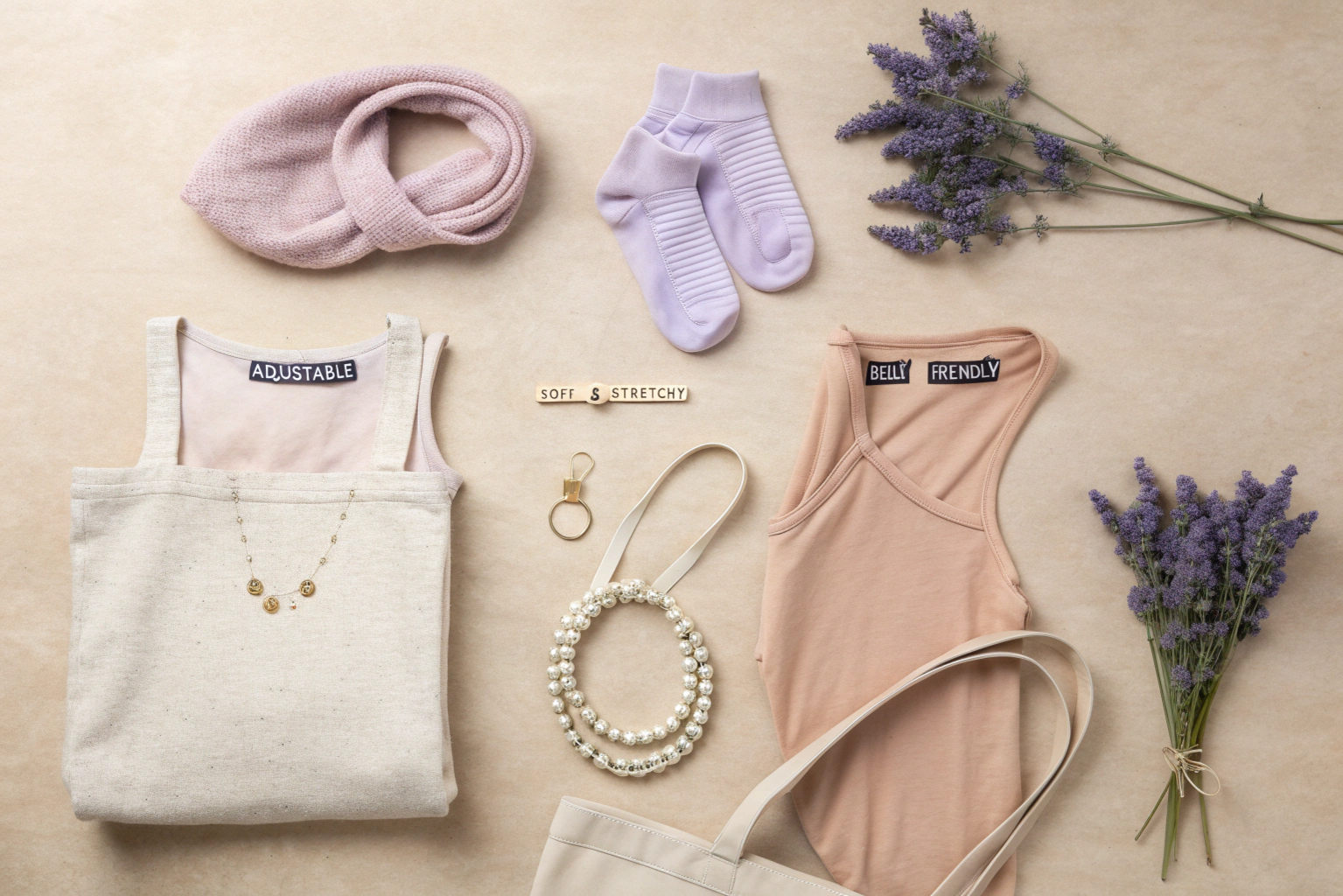
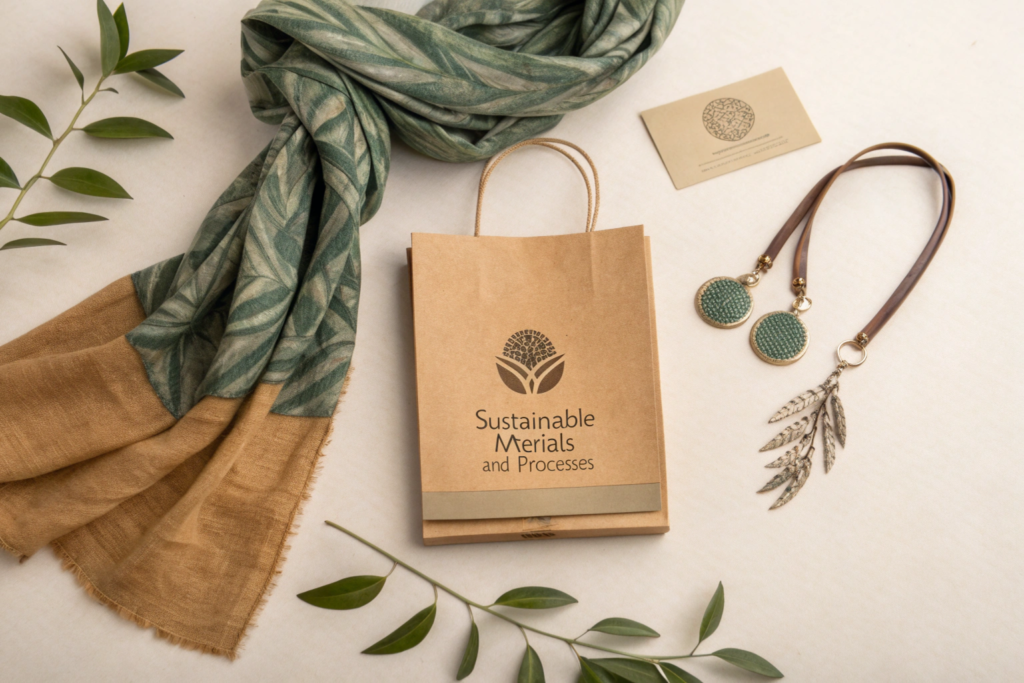
The demand for sustainability in 2026 is manifesting in several key ways. First, there is a huge push for innovative, eco-friendly materials. This includes lab-grown leathers (like mushroom or fruit leathers), recycled metals, fabrics made from recycled plastic bottles (rPET) , and bio-based materials like Tencel. Second, there is a focus on circularity—designing products that can be easily repaired, recycled, or biodegrade at the end of their life. Third, there is a demand for radical transparency. Consumers want to know the entire story of their accessory, from raw material to finished product. Brands that can tell this story authentically will build deep trust and loyalty.
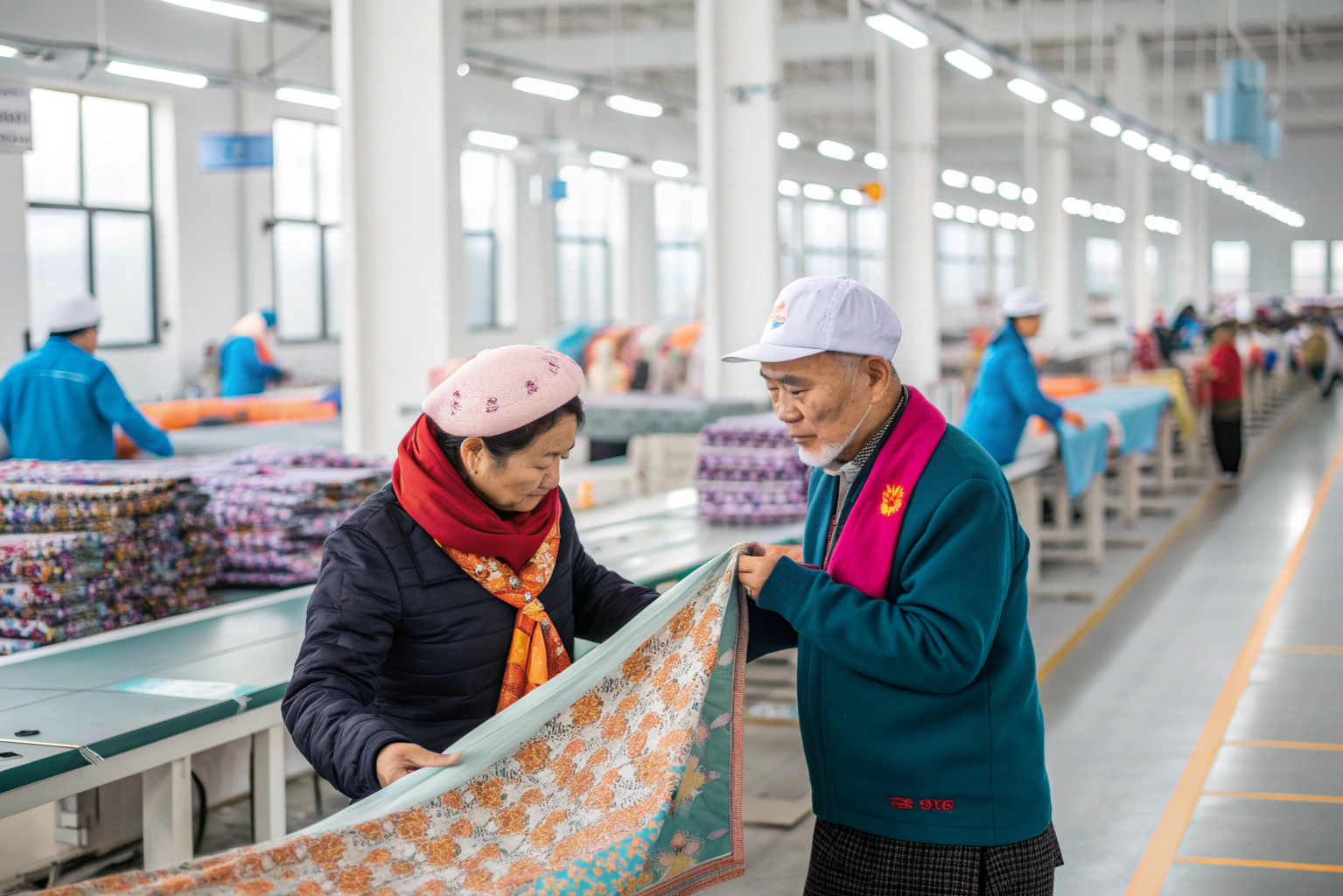
This shift is not just about being "less bad"; it's about being "more good." Consumers are looking for products that have a positive impact. This might mean supporting regenerative agriculture, using materials that clean the air, or ensuring fair wages and safe working conditions for every person in the supply chain. The story behind the product is becoming as important as the product itself. Brands that can authentically communicate their commitment to sustainability—not as a marketing gimmick, but as a core part of their identity—will be the ones that thrive. This is a key principle of conscious consumerism and brand purpose. At Shanghai Fumao Clothing, we are deeply committed to this journey. We work with suppliers of innovative sustainable materials and are constantly striving to make our own production processes more eco-friendly.
Are consumers willing to pay more for sustainable accessories?
Yes, a growing number of consumers are increasingly willing to pay a premium for products that are genuinely sustainable and ethically made—items crafted with care for the planet, fair wages for workers, and a commitment to reducing harm at every stage of their journey. They seek out brands that align with their values, drawn to the promise of a cleaner world and a more just system. However, these discerning shoppers are also remarkably savvy, armed with research and a keen eye for deception; they can easily spot the hollow allure of 'greenwashing,' where companies drape themselves in eco-friendly buzzwords without substance.
The sustainability claims must be authentic, rooted in transparent practices, and verifiable through third-party certifications or tangible data. The true value lies not just in the product itself, but in the compelling story behind it—the hands that shaped it, the communities it supports, and the rigorous quality that ensures durability.
What is the most exciting innovation in sustainable materials right now?
There are so many! Mylo, a leather-like material made from mycelium (mushroom roots), is incredibly exciting. Imagine the soft, supple texture of a mushroom's underground network, harnessed and nurtured into a rich, buttery leather alternative that breathes and feels alive to the touch, with a subtle earthy aroma that whispers of nature's quiet magic. Piñatex, crafted from pineapple leaf fibers, is another marvel.
Picture the discarded leaves of tropical pineapples, transformed into a smooth, durable fabric with a warm, sun-kissed hue and a gentle, slightly textured surface that carries the faint, sweet scent of the fruit it once graced. And the advancements in recycled metals—scrap metal reborn into sleek, gleaming surfaces with a story etched in every patina—and lab-grown gemstones, where brilliant diamonds and vibrant sapphires are cultivated in controlled environments, free from the scars of mining, are also remarkable. The future of materials is being written right now, a tapestry woven from innovation, sustainability, and the boundless creativity of human ingenuity, promising a world where beauty and responsibility dance hand in hand.
Why Is Multi-Functionality a Key Driver in Accessory Design?
Modern life is complex. We are constantly juggling devices, keys, cards, and countless other small items. Our accessories are no longer just decorative; they are tools that help us navigate this complexity. This is why multi-functionality is becoming one of the most powerful demands in accessory design. Consumers want products that do more, that solve problems, that make their lives a little bit easier. A beautiful bag is great; a beautiful bag that also charges your phone is even better.
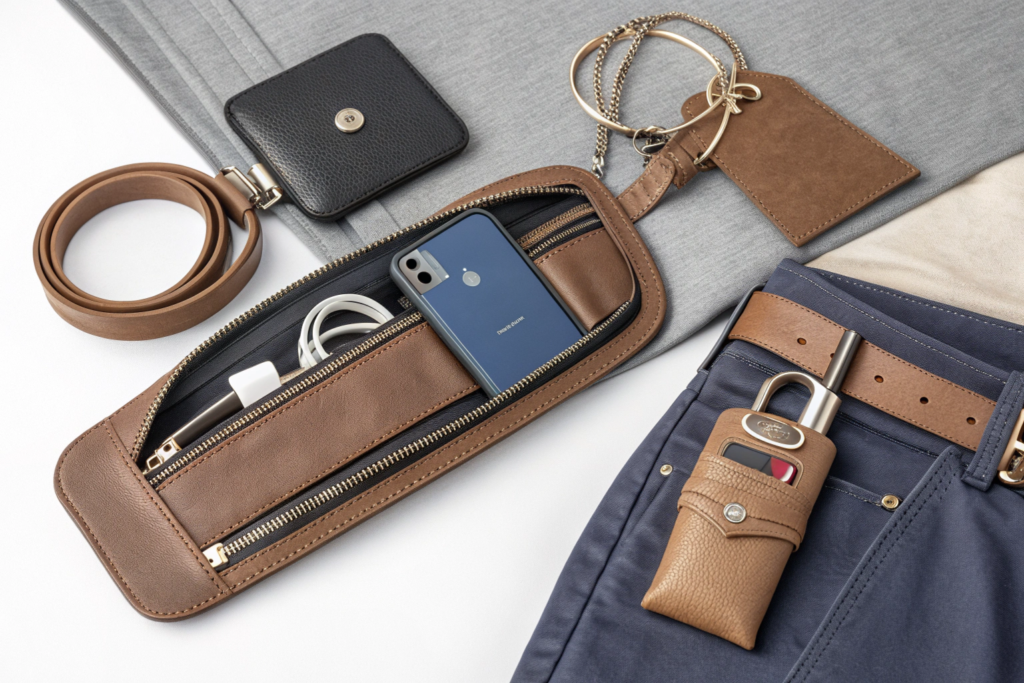
Multi-functional accessories in 2026 are designed with the user's practical needs in mind. For bags, this means features like built-in USB charging ports, RFID-blocking pockets for card security, convertible straps that allow for multiple carrying styles, and dedicated, padded compartments for laptops and tablets. For belts, we are seeing designs with hidden, zippered pockets for cash or cards, perfect for travel or for going hands-free. For jewelry, this might mean a bracelet that also functions as a USB drive, or a necklace with a hidden compartment for a small keepsake. The key is that the functionality is integrated seamlessly and stylishly, not as an ugly afterthought.
The demand for multi-functionality is also driven by the rise of the "capsule wardrobe" and the desire to own fewer, better things. If an accessory can serve multiple purposes, it justifies its place in a minimalist's collection. It's an investment in versatility. This trend also intersects with sustainability; a product that can do more may mean buying fewer products overall. Designers are being challenged to think creatively about how to add value and functionality without compromising on style. This is a fantastic example of user-centered and innovative product design. At Shanghai Fumao Clothing, we love these challenges. We work with our clients to integrate clever, practical features into our accessory designs, creating products that are as smart as they are beautiful.
Are multi-functional accessories more expensive?
They can be, as they often involve more complex design and additional components—delicate interlocking mechanisms, premium materials that catch the light, and intricate details that whisper of craftsmanship. However, the added value and versatility can justify a higher price point for many consumers, transforming a mere purchase into an investment in quality and experience.
It's about offering a solution, not just a product—a seamless integration into daily life, a silent companion that enhances functionality and elevates the ordinary to the extraordinary, evoking a sense of satisfaction and pride in every use.
What is the most in-demand multi-functional feature for bags right now?
Built-in USB charging ports, sleek and unobtrusive, are incredibly popular, allowing users to seamlessly charge their phones on the go—whether during a bustling morning commute, a long-haul flight, or a lazy afternoon at the park. The soft hum of a device powering up, the gentle glow of a charging indicator, and the reassuring knowledge that your phone won't die mid-adventure make these ports indispensable companions in today's fast-paced world.
RFID-blocking technology, a silent guardian of digital security, is also in high demand for security-conscious consumers, offering peace of mind against the invisible threat of skimming and data theft.
How Is Personalization and Customization Reshaping the Market?
In a world of mass production, the ultimate luxury is something made just for you. This desire for individuality is driving a massive demand for personalization and customization. Consumers no longer want to be just another person wearing the same accessory as everyone else. They want products that reflect their unique personality, their story, their style. This is reshaping how accessories are designed, marketed, and sold.
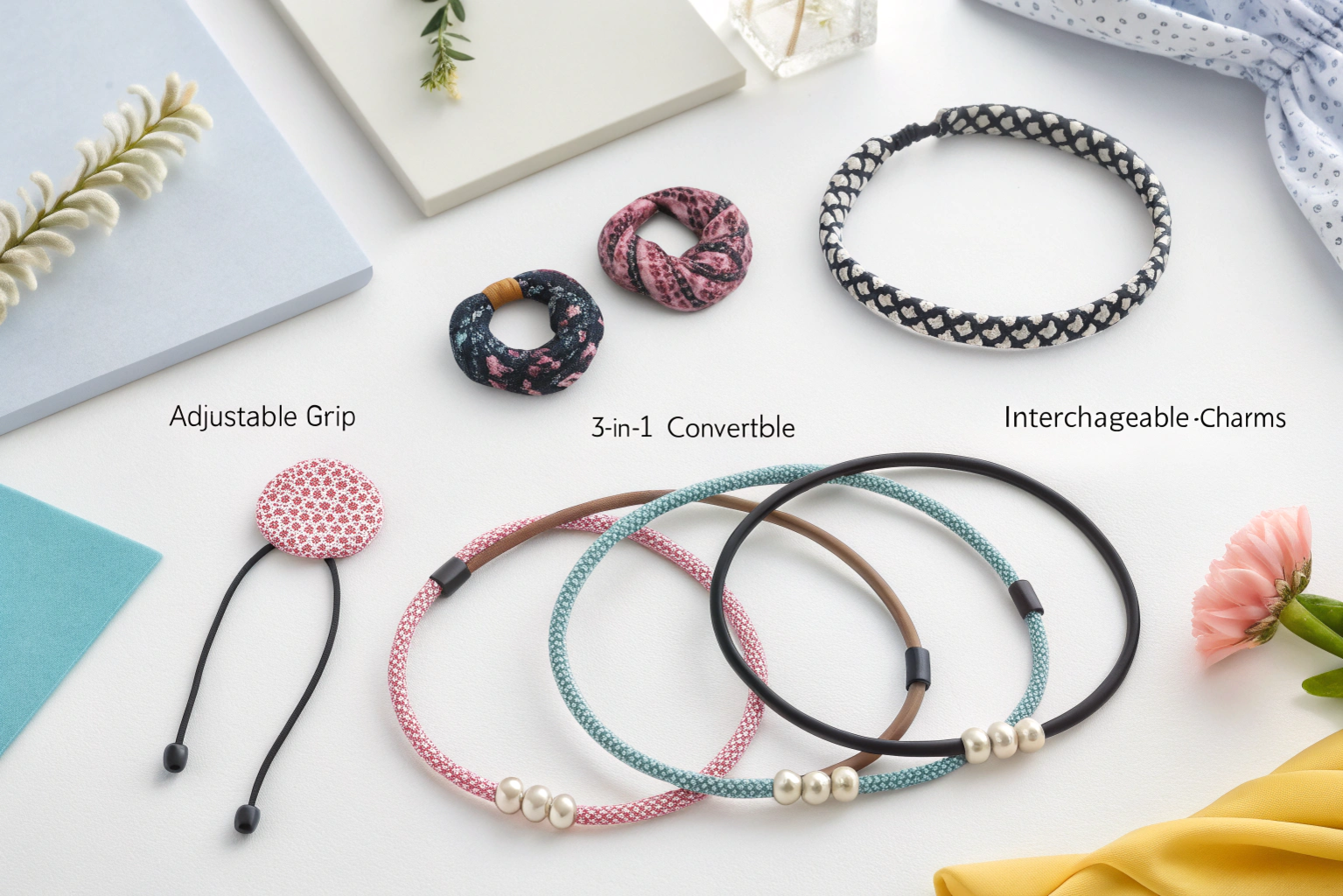
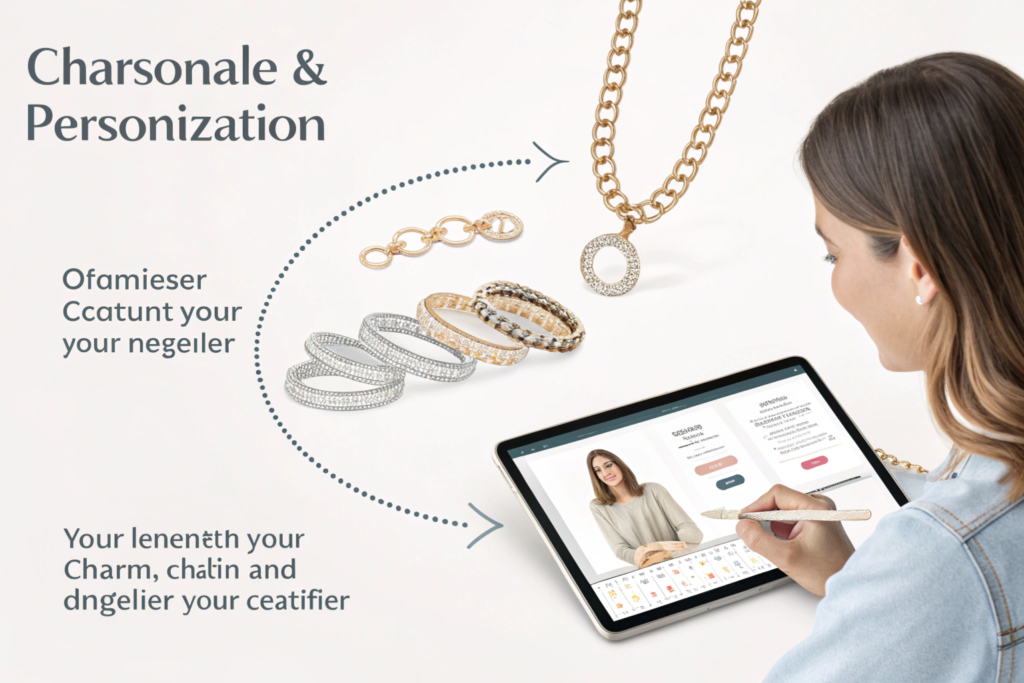
Personalization in 2026 takes many forms. It can be as simple as offering monogramming or engraving on a piece of jewelry or a bag. It can be more involved, like offering a range of interchangeable charms or elements that allow the wearer to build their own unique look. It can be a fully custom design service, where the customer works with a designer to create a one-of-a-kind piece. Technology is making personalization more accessible than ever. Online tools allow customers to choose colors, materials, and styles, and see a preview of their creation before they buy. This creates a deeper emotional connection between the customer and the product, and it builds immense brand loyalty.
The demand for personalization is also linked to the desire for meaningful products. A piece of jewelry engraved with a special date or a loved one's initial becomes more than just an accessory; it becomes a cherished keepsake. A bag chosen with specific colors and features feels like it was made for you, because it was. This trend also has a practical side for brands. It can reduce inventory risk, as products are made to order, and it can increase customer engagement, as the customer is involved in the creation process. This is a key strategy in customer-centric and direct-to-consumer business models. At Shanghai Fumao Clothing, we have the flexibility to handle personalized and custom orders, from simple monogramming to more complex bespoke designs.
How can a brand offer personalization without huge costs?
Start with simple, heartfelt options like delicate monogramming—where a single initial or a small name is elegantly etched or woven into the metal, catching the light as it glides across the skin—or offering a choice of a few different charms for a base necklace or bracelet.
Imagine a dainty silver chain, its links smooth and cool to the touch, adorned with a tiny star charm that sparkles like a captured night sky, or a heart-shaped pendant that feels warm and comforting against the chest. These touches add a deeply personal layer, making each piece feel uniquely 'yours' without requiring a completely new design for every customer.
Is personalization only for jewelry?
No, it's for all accessories. You can personalize bags with embroidered initials, each stitch a soft whisper of individuality that catches the light as you move, turning a simple tote into a story of self. Scarves, once plain and unremarkable, come alive with custom-woven labels—delicate threads spelling out names or meaningful words, adding a touch of warmth and familiarity that makes every wrap feel like a hug from within.
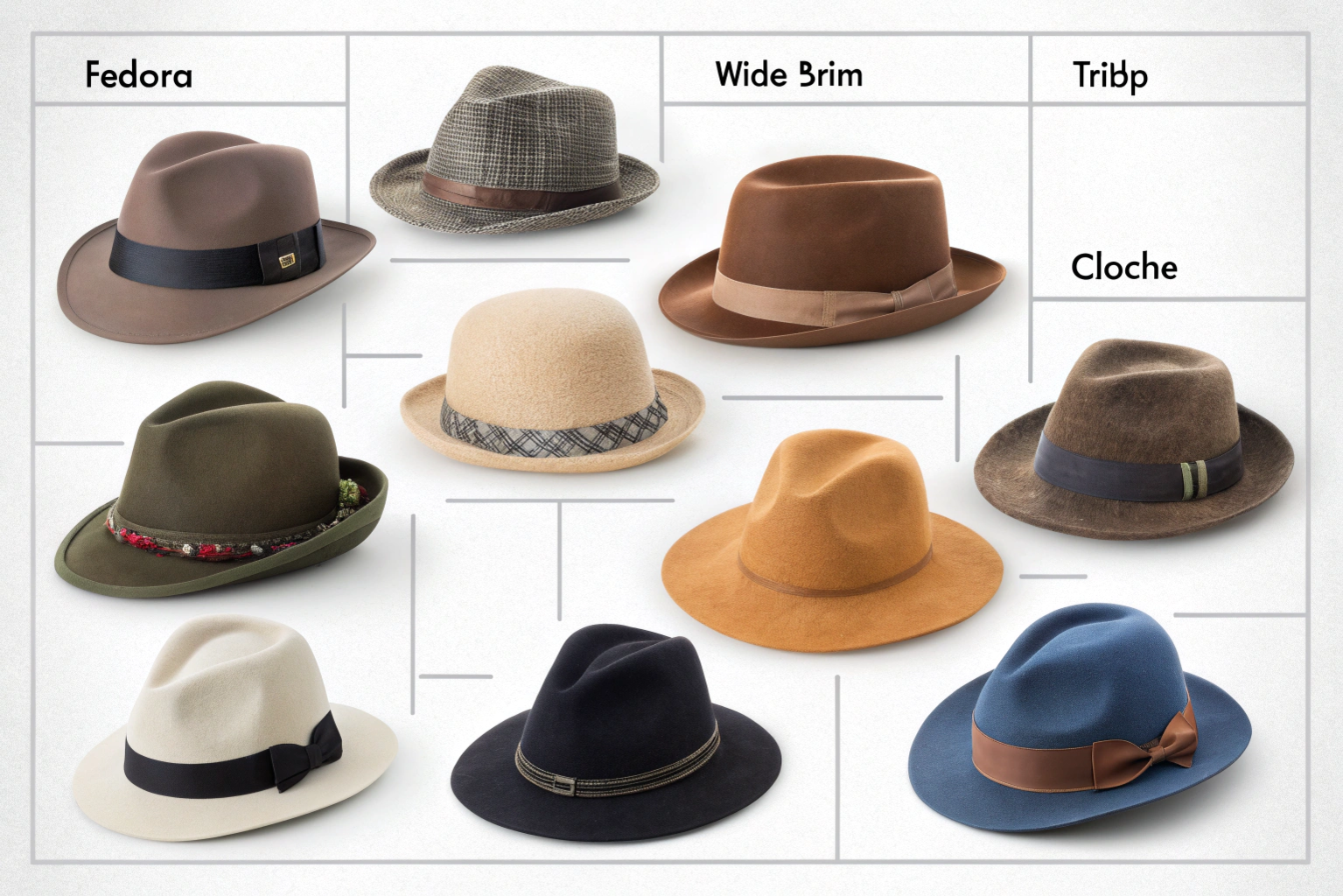
Even hats, those everyday companions shielding from sun or rain, can be transformed with custom patches: bold, colorful designs that reflect passions, memories, or quirky personalities, making each headwear piece a walking billboard of one's unique spirit. The possibilities are endless, stretching like a canvas waiting to be painted with personal touches.
What Role Does Technology Play in 2026's Must-Have Accessories?
Technology is no longer separate from fashion; it is woven into its very fabric. In 2026, the most in-demand accessories are those that seamlessly integrate technology to enhance our lives. This is not about clunky, gadget-like wearables. It's about technology that is invisible, intuitive, and stylish. It's about accessories that keep us connected, healthy, and safe, without sacrificing an ounce of style.
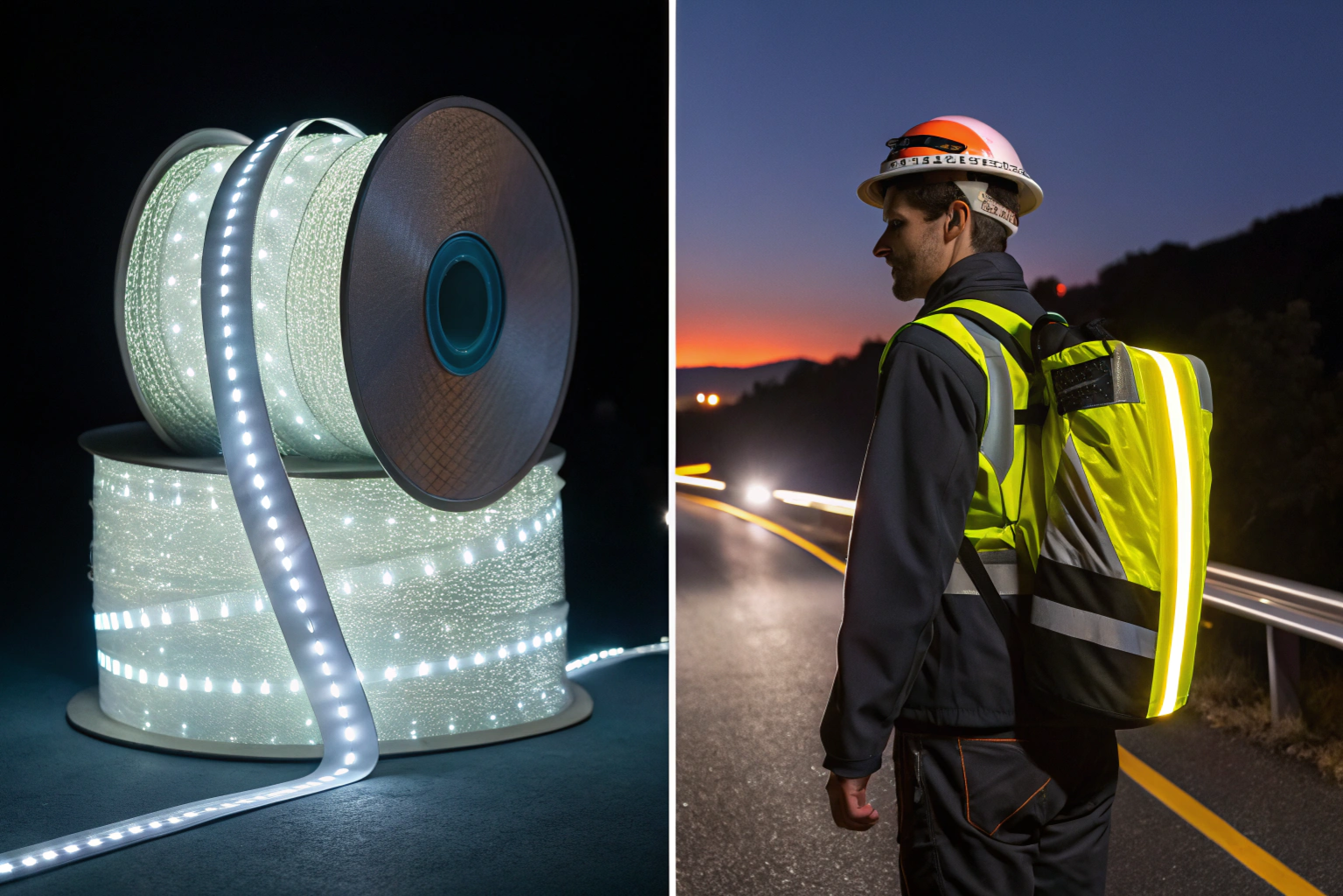
Tech-integrated accessories for 2026 are diverse and sophisticated. Blue-light-blocking glasses are a massive trend, protecting our eyes from the constant glow of screens, and they are now available in countless stylish frames. Smart jewelry, like rings and bracelets, can track fitness, monitor sleep, and even vibrate for discreet notifications, all while looking like elegant, traditional jewelry. Bags with built-in charging are now a staple. Some high-end accessories are even experimenting with integrated digital displays for notifications or to change the accessory's appearance. The key is that the technology enhances the accessory's function without compromising its form.
The consumer's relationship with technology is evolving. They want the benefits of connectivity and data, but they are also seeking moments of digital detox. Tech-integrated accessories need to respect this balance. A smart ring might track your steps, but it should also be comfortable and discreet enough to forget you're wearing it. Blue-light glasses should look as good as any other fashion eyewear. The most successful products will be those that integrate technology so seamlessly that it feels like a natural part of the accessory, not an add-on. This is the essence of human-centered technology design. At Shanghai Fumao Clothing, we are exploring these frontiers, working with partners to integrate technology into our accessory designs in beautiful and functional ways.
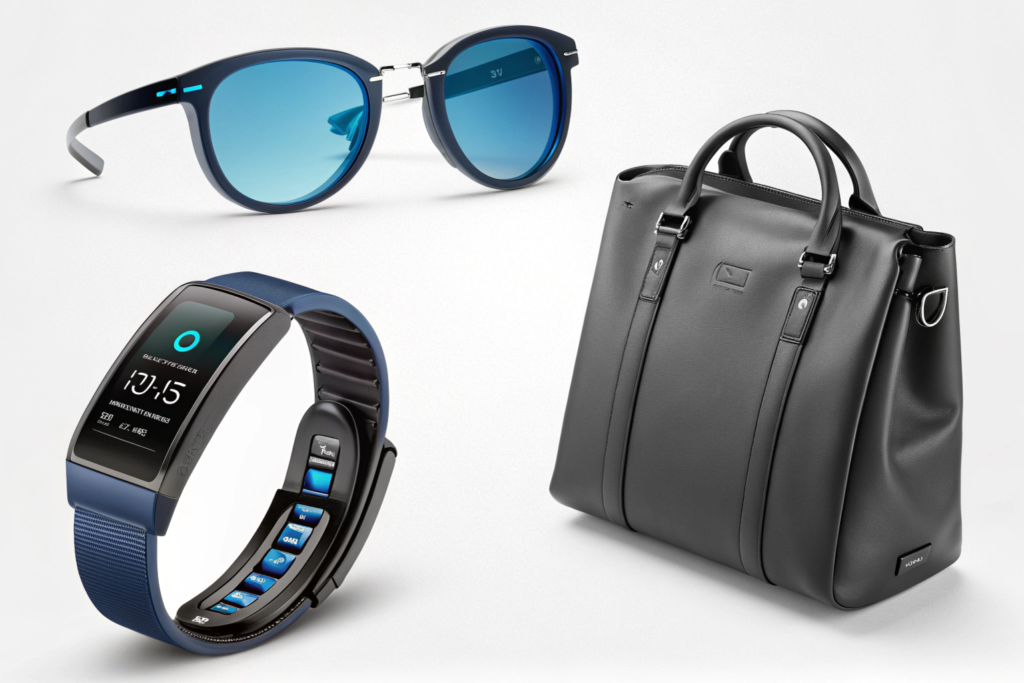
Are blue-light-blocking glasses just a trend, or do they really work?
While more research is always being done, many users report a significant reduction in eye strain and headaches when using blue-light-blocking glasses, especially during long hours in front of screens. They are a popular and stylish solution for a very modern problem.
Will smart jewelry replace my fitness tracker?
For many people, yes. Smart jewelry offers the core functionalities of a fitness tracker (steps, sleep, notifications) in a much more elegant and fashionable form. It appeals to those who want the data but don't want to wear a plastic sports band. The technology is becoming more sophisticated and accurate with each generation.
Conclusion
The top demands for 2026 fashion accessories paint a picture of a future that is conscious, clever, and deeply personal. Consumers are demanding sustainability that is authentic and transparent, functionality that solves real problems, personalization that celebrates their individuality, and technology that enhances their lives without sacrificing style. These are not fleeting trends; they are the new benchmarks for success in the accessory industry.
At Shanghai Fumao Clothing, we are ready for this future. We are committed to sustainable practices and innovative materials. We love the challenge of creating multi-functional designs. We embrace personalization and have the flexibility to make it happen. And we are exploring the frontiers of tech-integrated fashion. We are your partners in creating accessories that not only meet the demands of 2026 but exceed them.
Are you ready to create the accessories that will define the future of fashion? Let's build that future together. Contact our Business Director, Elaine, at elaine@fumaoclothing.com to start the conversation.