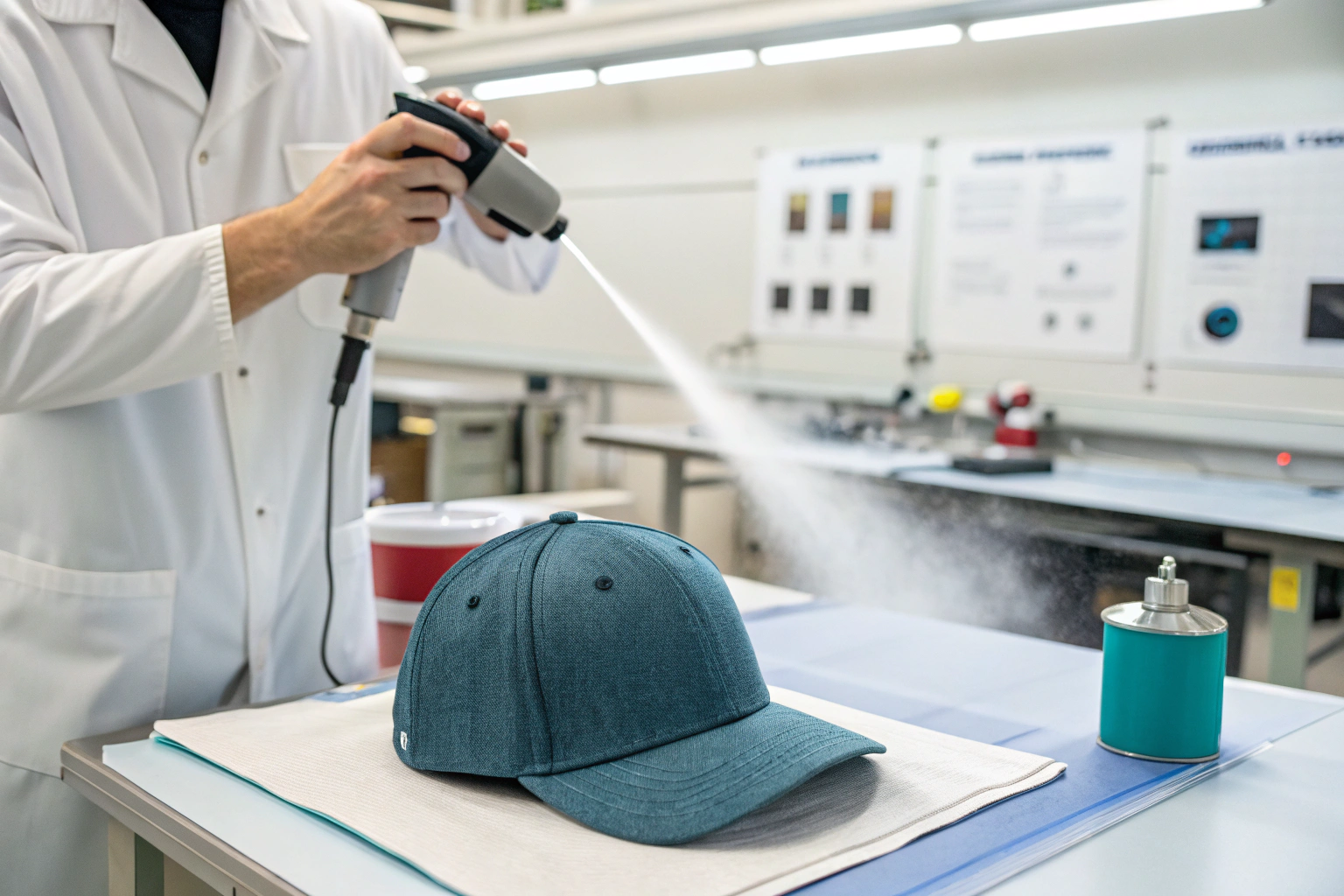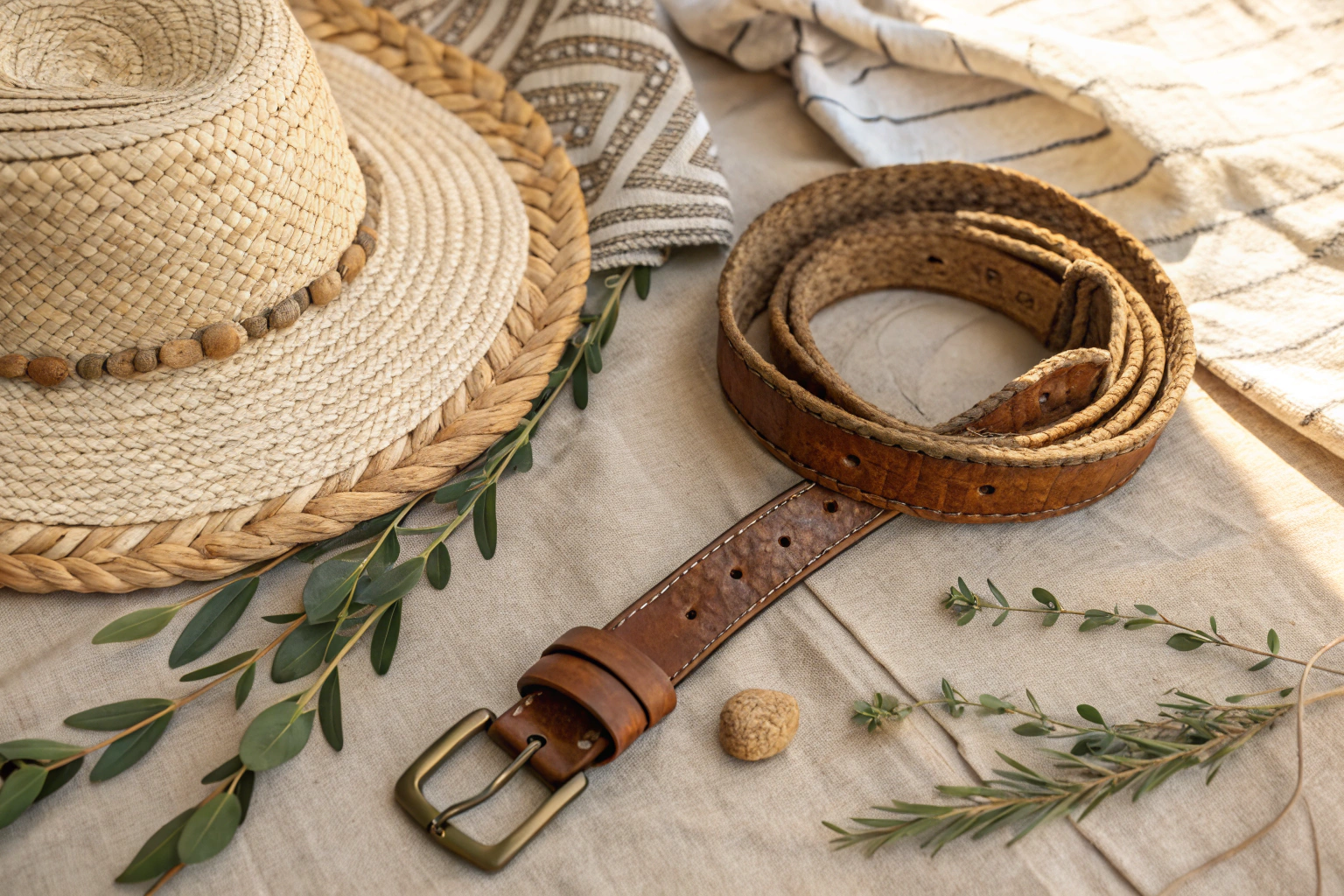
I have been in the fashion accessory manufacturing business for over twenty years, and I have watched sustainability transform from a niche concern to a mainstream demand. For a buyer like Ron, who supplies major supermarkets and brands in Europe and America, sustainable materials are no longer just a nice-to-have. They are a requirement from retailers and a demand from consumers. I have seen brands lose shelf space because they could not offer sustainable options. I have also seen brands thrive by building their entire identity around eco-friendly materials. Understanding the sustainable material options for belts and hats is essential for staying competitive.
The sustainable material options for belts and hats fall into several categories: plant-based natural fibers like organic cotton, hemp, and raffia; innovative alternatives like Piñatex (pineapple leather), cork, and apple leather; recycled materials including rPET (recycled plastic bottles) and recycled nylon; and certified responsibly sourced materials like FSC-certified wood-based fibers and RWS-certified wool. Each option offers different benefits in terms of environmental impact, durability, aesthetics, and cost.
At Shanghai Fumao Clothing, we have spent years developing our sustainable material supply chain. We work with certified suppliers of organic fibers, recycled materials, and innovative alternatives. We have seen firsthand how the right sustainable material can elevate a product and open doors to new markets. I want to share what we have learned about the options available, so you can make informed choices for your brand.
What Are The Best Plant-Based Materials For Hats?
Plant-based materials are the foundation of sustainable hat making. They are renewable, often biodegradable, and have been used for centuries. The key is choosing materials that are grown and processed with minimal environmental impact. For hats, the most popular sustainable plant-based options are organic cotton, hemp, raffia, and seagrass.
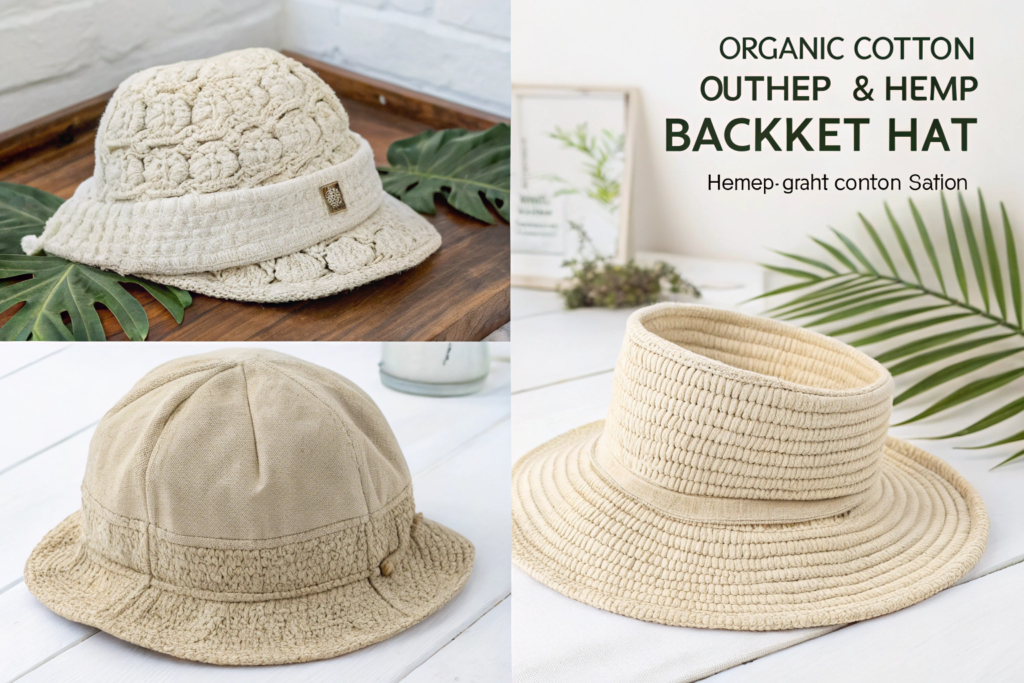
Organic cotton is grown without synthetic pesticides or fertilizers. It uses significantly less water than conventional cotton and supports healthier soil. For hats, organic cotton can be used in knitted beanies, woven bucket hats, and as a lining material. It is soft, breathable, and versatile. Hemp is another exceptional option. It grows quickly without pesticides, requires little water, and actually improves soil health. Hemp fiber is strong, durable, and naturally resistant to mold and UV radiation, making it ideal for hats that need to last. Hemp hats have a distinctive textured look that appeals to eco-conscious consumers.
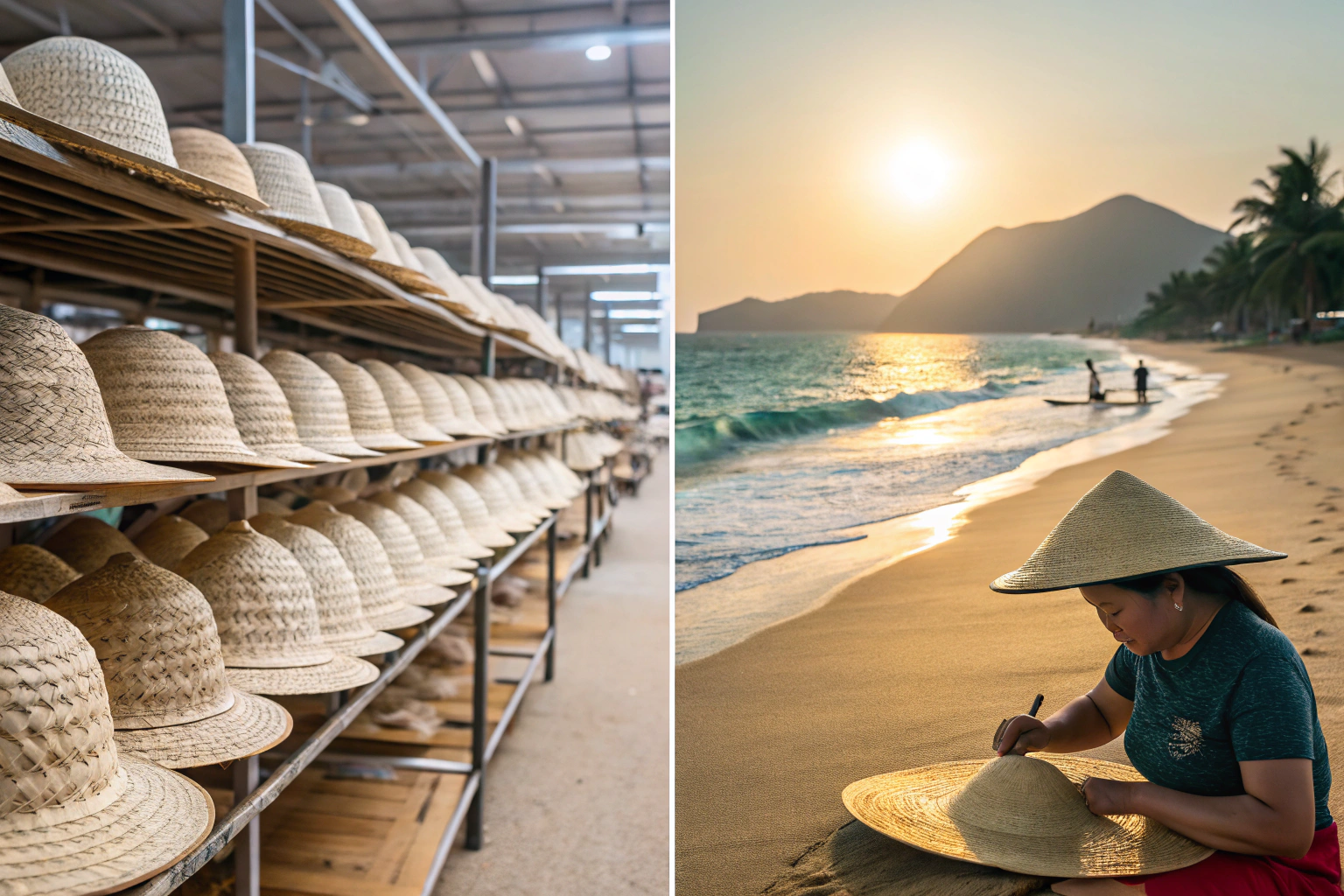
Raffia and seagrass are traditional hat materials that are inherently sustainable. Raffia is made from the leaves of the raffia palm, which regenerates after harvesting. It is lightweight, flexible, and perfect for summer hats. Seagrass is harvested from coastal areas and woven into hats with a natural, rustic aesthetic. Both are biodegradable and have a low environmental footprint. However, they are best suited for warm-weather collections.
How does organic cotton compare to conventional cotton for hats?
The difference between organic and conventional cotton goes far beyond the label. Conventional cotton farming uses about 16% of the world's insecticides and 7% of pesticides, despite growing on only 2.5% of agricultural land. These chemicals can contaminate water sources and harm workers. Organic cotton eliminates these chemicals. For hats, organic cotton offers the same softness and breathability as conventional cotton, but with a story that resonates with consumers. The feel is slightly different; organic cotton often has a more natural, slightly less processed texture that many consumers prefer. The cost is typically 20% to 30% higher, but the price premium is justified by the environmental benefits and the ability to command higher retail prices. For brands targeting eco-conscious consumers, organic cotton is a powerful differentiator. Certifications like GOTS (Global Organic Textile Standard) provide third-party verification that the entire supply chain meets organic standards. The Textile Exchange publishes comprehensive reports on organic cotton market trends and certification requirements.
What makes raffia and seagrass inherently sustainable?
Raffia and seagrass are often called "heritage sustainable materials" because they have been used for centuries with minimal environmental impact. Raffia is harvested from the leaves of the raffia palm, which grows abundantly in tropical regions. The harvesting process does not kill the tree; leaves are cut and regrow, making it a renewable resource. The processing is minimal—the leaves are dried, split, and sometimes dyed with natural pigments. There is no energy-intensive manufacturing. Seagrass is harvested from coastal waters, where it grows rapidly. The harvesting can actually benefit ecosystems by removing excess growth. The fibers are woven while still damp, then dried to create a stiff, durable material. Both materials are completely biodegradable at the end of their life. The limitations are that they are best suited for specific hat styles (sun hats, beach hats) and have a rustic aesthetic that may not fit all brand identities. For a deeper understanding of traditional fiber crafts, the World Crafts Council provides resources on heritage materials and their sustainable applications.
What Innovative Leather Alternatives Are Available For Belts?
Traditional leather production has significant environmental impacts, including water usage, chemical pollution from tanning, and greenhouse gas emissions from livestock. For belts, which require durability and structure, several innovative alternatives have emerged that offer the look and feel of leather with a fraction of the environmental footprint.
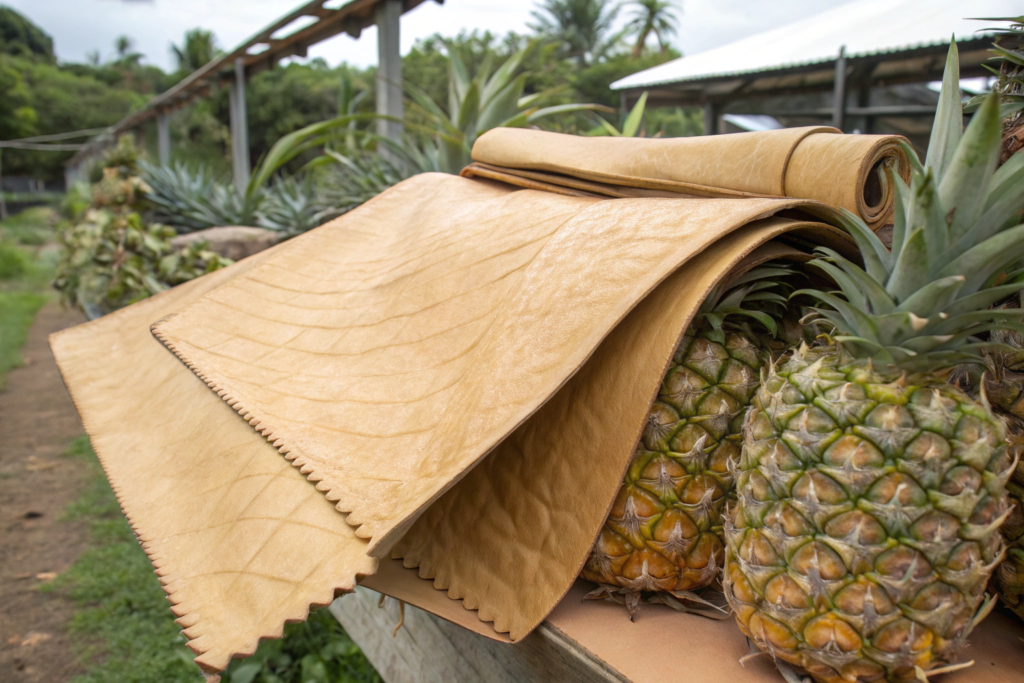
Piñatex is one of the most exciting developments in sustainable materials. It is made from pineapple leaf fibers, a byproduct of pineapple harvesting. The fibers are extracted, processed into a non-woven mesh, and finished to resemble leather. Piñatex is lightweight, flexible, and available in a range of colors. It has a distinctive texture that appeals to consumers looking for something different. The material is produced in the Philippines, where the pineapple industry provides a steady supply of raw material that would otherwise be waste.
Cork leather is another excellent option. It is made from the bark of cork oak trees, which regenerates after harvesting. The trees are not cut down, making cork one of the most renewable materials available. Cork leather is lightweight, water-resistant, and naturally antimicrobial. It has a unique, warm texture that works beautifully for belts and hat bands. Apple leather, made from apple pomace (the leftover pulp from juicing), is another innovative material. It combines the waste product with a polyurethane binder to create a material that looks and feels like leather. It is durable and can be embossed with various textures.
What is Piñatex and how durable is it for belts?
Piñatex is a pioneering material that has gained significant traction in sustainable fashion. It is created by a company called Ananas Anam, which developed the process of extracting long fibers from pineapple leaves. These leaves are a byproduct of the pineapple harvest; traditionally they were burned or left to rot. By using them to create a textile, Piñatex adds value to agricultural waste. For belts, Piñatex offers good durability for casual and fashion belts. It is flexible and comfortable to wear. However, it is not as strong as traditional leather for heavy-duty applications. It is best suited for fashion belts rather than work belts that will bear heavy weight. The material can be cleaned with a damp cloth and should be conditioned occasionally to maintain its appearance. Piñatex has been adopted by major brands like Hugo Boss, H&M, and Paul Smith, demonstrating its acceptance in the mainstream market. The Ananas Anam website provides detailed technical specifications and care instructions.
How does cork leather compare to traditional leather?
Cork leather offers a compelling alternative to traditional leather with several distinct advantages. From a sustainability perspective, cork is unparalleled. Cork oak forests are harvested every 9 to 12 years, and the trees continue to live for over 200 years. These forests are biodiversity hotspots and absorb significant amounts of CO2. The harvesting process is skilled labor that supports rural communities. In terms of performance, cork leather is lightweight, water-resistant, and naturally antimicrobial—it resists mold and mildew. It does not require the heavy chemical tanning processes used for animal leather. The texture is warm and distinctive, with natural variations that give each piece character. For belts, cork leather is durable enough for everyday wear. It softens with use but maintains its integrity. The limitations are that it is not as widely available as traditional leather and the color range is more limited, though it can be dyed. For a deep dive into cork harvesting and its environmental benefits, the WWF Cork Oak Landscapes program provides comprehensive information.
What Are The Best Recycled Materials For Sustainable Headwear?
Recycled materials offer a practical approach to sustainability by keeping waste out of landfills and reducing the demand for virgin resources. For hats, recycled materials are particularly effective because they can be engineered to meet the specific performance requirements of headwear, such as breathability, moisture management, and UV protection.
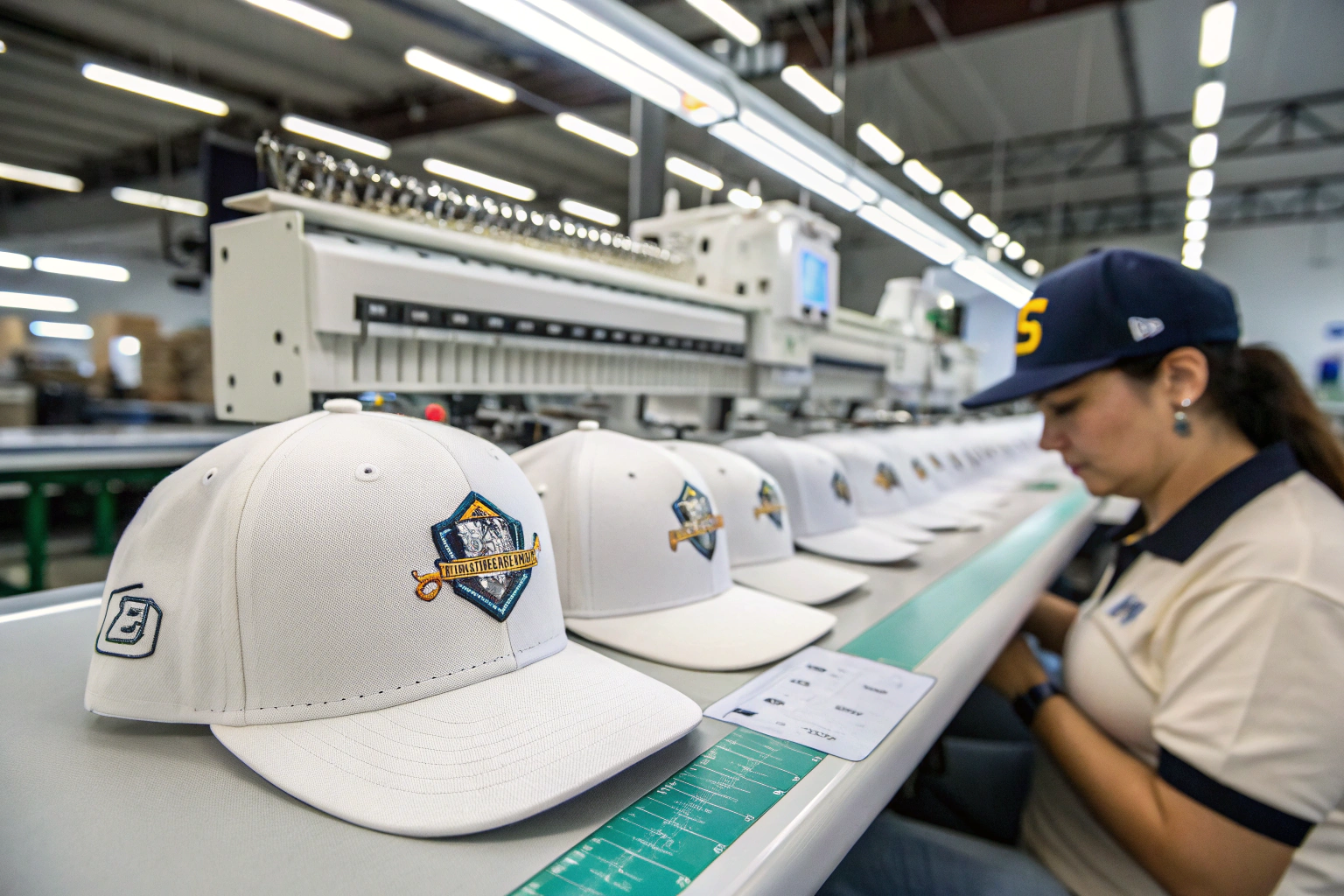
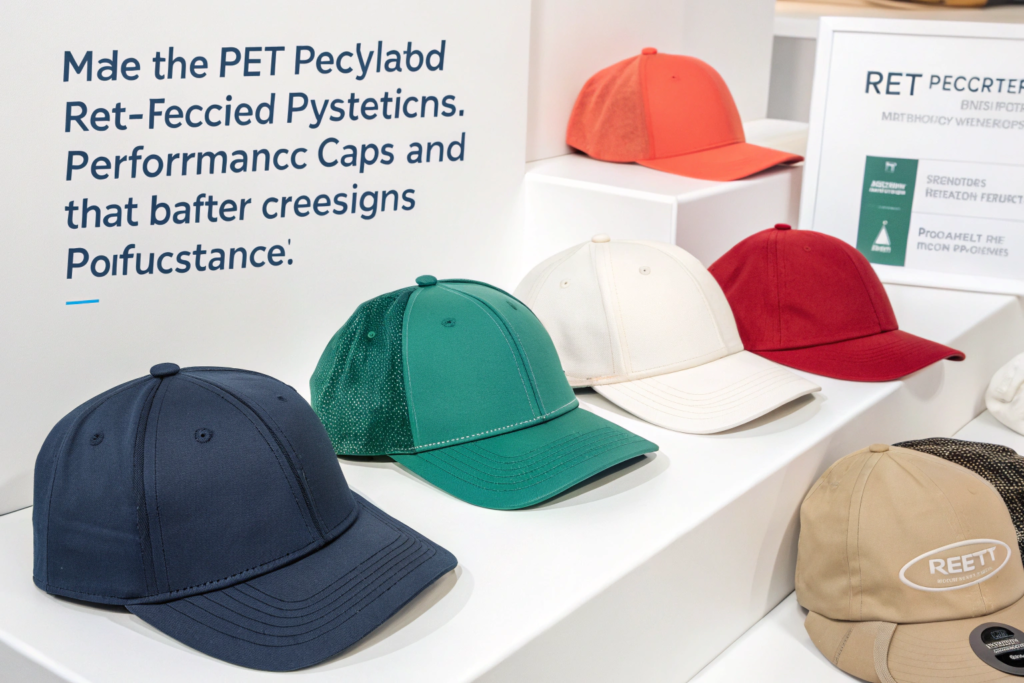
rPET, or recycled polyester, is made from post-consumer plastic bottles. The bottles are collected, cleaned, shredded, melted, and spun into new fiber. rPET uses approximately 59% less energy to produce than virgin polyester and keeps plastic out of oceans and landfills. For hats, rPET is commonly used in baseball caps, bucket hats, and performance headwear. It can be blended with other fibers to achieve different textures and properties. The material is durable, quick-drying, and holds color well.
Recycled nylon, often called ECONYL, is made from waste materials like fishing nets, fabric scraps, and industrial plastic. The process regenerates nylon into a material that is identical to virgin nylon in performance but with a much lower environmental footprint. Recycled nylon is particularly suitable for performance hats that need durability and moisture-wicking properties. Recycled cotton is another option, made from post-industrial or post-consumer cotton waste. It reduces water and chemical use compared to virgin cotton, though the fiber length can be shorter, so it is often blended with other materials for strength.
How is rPET made and is it safe for headwear?
The process of making rPET begins with collecting plastic bottles, which are sorted by color and cleaned to remove labels, caps, and contaminants. The bottles are then ground into flakes, melted, and extruded into fibers. These fibers can be spun into yarn and woven or knitted into fabric. For headwear, rPET is safe and widely used. It undergoes rigorous testing to ensure it meets safety standards, including the absence of harmful chemicals. rPET hats are comfortable, breathable, and durable. They can be designed with moisture-wicking properties for active wear. One common concern is microplastic shedding during washing. To address this, we recommend using a Guppyfriend bag or similar filter when washing synthetic garments. For brands committed to circularity, rPET offers a path to using waste as a resource. Certifications like GRS (Global Recycled Standard) verify the recycled content and track it through the supply chain. The Global Recycled Standard website provides detailed information on certification requirements.
What are the benefits of recycled nylon for performance hats?
Recycled nylon, particularly ECONYL, offers exceptional performance benefits for hats designed for active use. The material starts its life as waste—fishing nets collected from oceans, carpet flooring, and industrial plastic scraps. These materials are recovered, purified, and regenerated into new nylon fiber that is chemically identical to virgin nylon. For hats, recycled nylon provides superior durability, elasticity, and moisture-wicking properties. It dries quickly and resists mildew, making it ideal for outdoor and sports hats. It can be blended with spandex for added stretch, creating a comfortable, form-fitting cap. The material also offers excellent color retention, even after repeated exposure to sun and sweat. Brands like Patagonia, Adidas, and Stella McCartney have incorporated recycled nylon into their products, demonstrating its acceptance in the performance apparel market. The Aquafil ECONYL website provides technical specifications and case studies of brands using the material.
How Do I Verify Sustainable Material Certifications?
In the world of sustainable materials, claims are everywhere. But not all claims are backed by real evidence. As a buyer, you need to know how to verify that the materials your factory uses are truly sustainable. Certifications provide that verification. They offer third-party assurance that materials meet specific environmental and social standards.
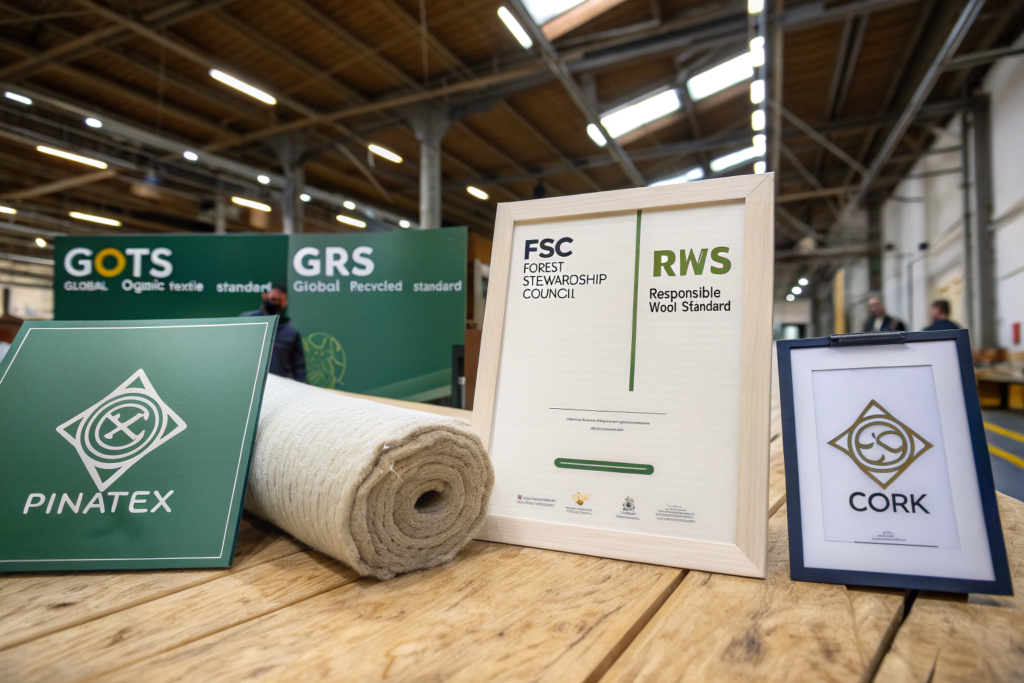
The most widely recognized certifications for sustainable textiles include GOTS (Global Organic Textile Standard) for organic fibers, GRS (Global Recycled Standard) for recycled materials, FSC (Forest Stewardship Council) for wood-based fibers like rayon and viscose, and RWS (Responsible Wool Standard) for wool. For innovative materials like Piñatex and cork, look for certifications from the manufacturers themselves, who often provide detailed lifecycle assessments.
When a supplier tells you a material is organic or recycled, ask for the certification. A reputable supplier will provide the certificate number and the certifying body. You can then verify the certification online. At Shanghai Fumao Clothing, we maintain documentation for all our sustainable materials and are happy to share certificates with our clients.
What is GOTS and why does it matter for hats?
GOTS, or the Global Organic Textile Standard, is the leading certification for organic textiles. It covers the entire supply chain, from harvesting the raw materials to manufacturing, packaging, and labeling. For a hat to be GOTS-certified, every component must meet strict criteria. The fibers must be at least 95% certified organic. The processing must meet environmental standards for water treatment, energy use, and chemical management. Social criteria include safe working conditions and living wages. For you as a buyer, GOTS certification provides confidence that your hat is truly sustainable. When you sell a GOTS-certified product, you can market it with credibility. Major retailers in Europe and America increasingly require GOTS certification for organic claims. The certification is recognized globally and provides a common standard that consumers trust. The Global Organic Textile Standard website offers a searchable database of certified suppliers.
How can I verify that recycled materials are genuinely recycled?
Verifying recycled content requires documentation and third-party certification. The most trusted standard is GRS (Global Recycled Standard), which certifies both the recycled content and the supply chain. GRS requires that products contain at least 20% recycled content for certification, though many brands aim for 50% or 100%. The standard tracks the material from the waste source to the final product, ensuring that claims are accurate. It also includes environmental and social criteria for processing. When a supplier claims a material is made from recycled plastic bottles or recycled fishing nets, ask for the GRS certificate. You can also ask for the transaction certificate (TC) that tracks the specific batch of material used in your product. Some brands have their own internal standards, but GRS is the most widely accepted third-party verification. The Textile Exchange provides detailed information on GRS requirements and a list of certified facilities.
Conclusion
The world of sustainable materials for belts and hats is rich and growing. From plant-based options like organic cotton, hemp, and raffia to innovative alternatives like Piñatex and cork leather, and from recycled materials like rPET and ECONYL to certified responsible fibers, there are more choices than ever. Each material offers a different balance of environmental impact, durability, aesthetics, and cost.
At Shanghai Fumao Clothing, we have built our sustainable material supply chain to offer our clients genuine, verifiable options. We work with certified suppliers, maintain documentation, and stay current with emerging materials. We understand that sustainability is not just about the material; it is about the entire supply chain, from the farm or recycling facility to your customer's hands.
If you are ready to incorporate sustainable materials into your belt and hat collections, let's talk. We can help you navigate the options, verify certifications, and develop products that meet your sustainability goals and your customers' expectations. Please contact our Business Director, Elaine, directly at elaine@fumaoclothing.com to start the conversation.