I have been in the fashion accessory manufacturing business for over twenty years, and I have watched the rise of online sourcing platforms with great interest. For a buyer like Ron, who needs to find manufacturers quickly and efficiently, these platforms offer unprecedented access to suppliers. But with that access comes risk. I have seen buyers succeed spectacularly by finding great partners online. I have also seen others lose thousands of dollars on defective products, missed deliveries, and outright fraud. Understanding the risks is the first step to mitigating them.
The risks of sourcing fashion accessories online include product quality inconsistency, intellectual property theft, communication barriers leading to specification errors, payment fraud or disputes, hidden costs and fees, delayed shipments, and the challenge of verifying a supplier's legitimacy. These risks are amplified by the distance, cultural differences, and the fact that you cannot physically inspect the factory or products before committing.
At Shanghai Fumao Clothing, we have built our reputation on transparency and reliability. We have seen the pitfalls that buyers encounter and have developed practices to avoid them. I want to share the risks we have observed so you can navigate online sourcing with greater confidence and protect your business.
What Are The Quality Risks When Sourcing Online?
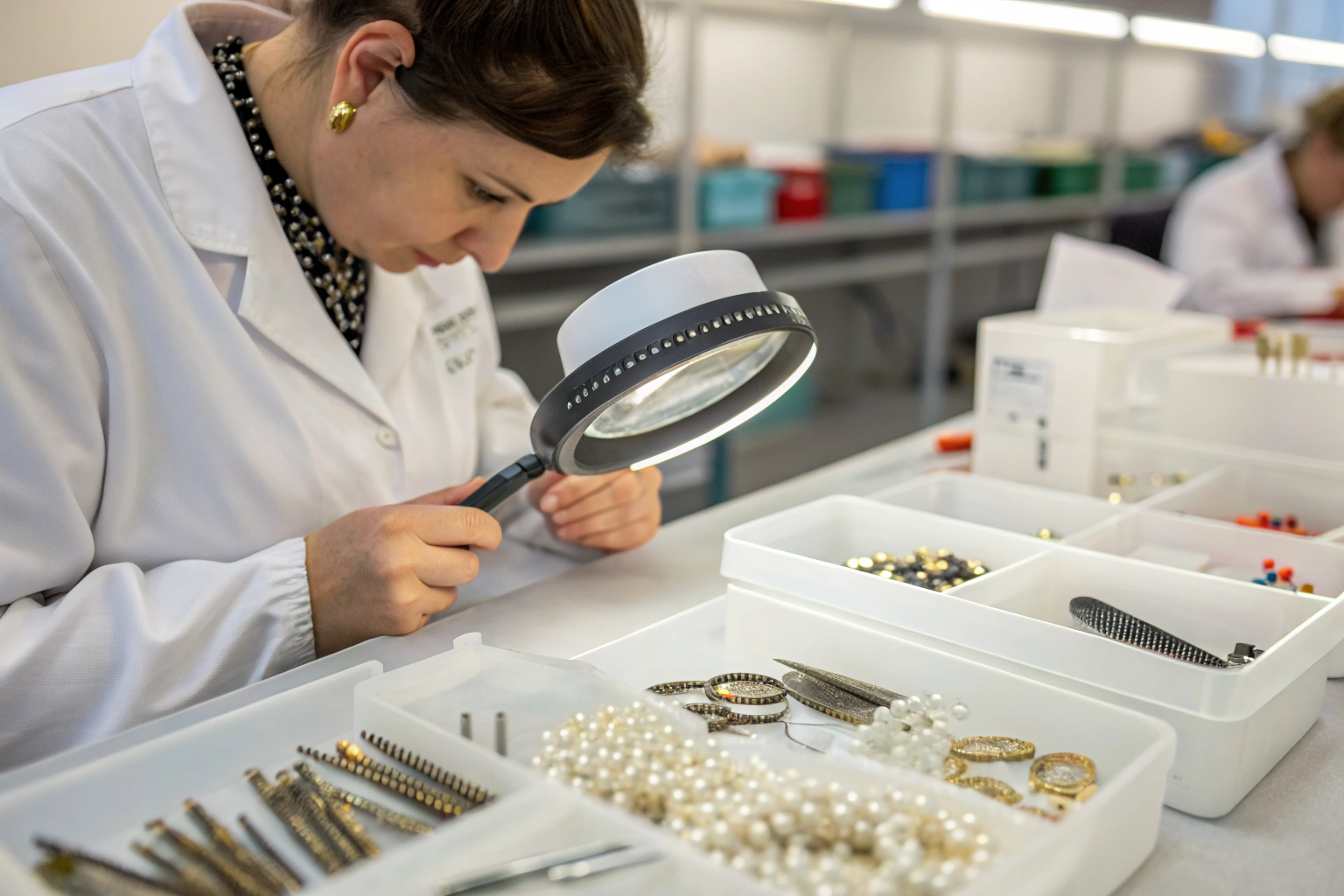
Quality is the most common risk when sourcing fashion accessories online. The beautiful photos on a supplier's profile may not match the products you receive. The sample you approve may not match the bulk production. Quality inconsistency can lead to returns, refunds, and damaged customer relationships.
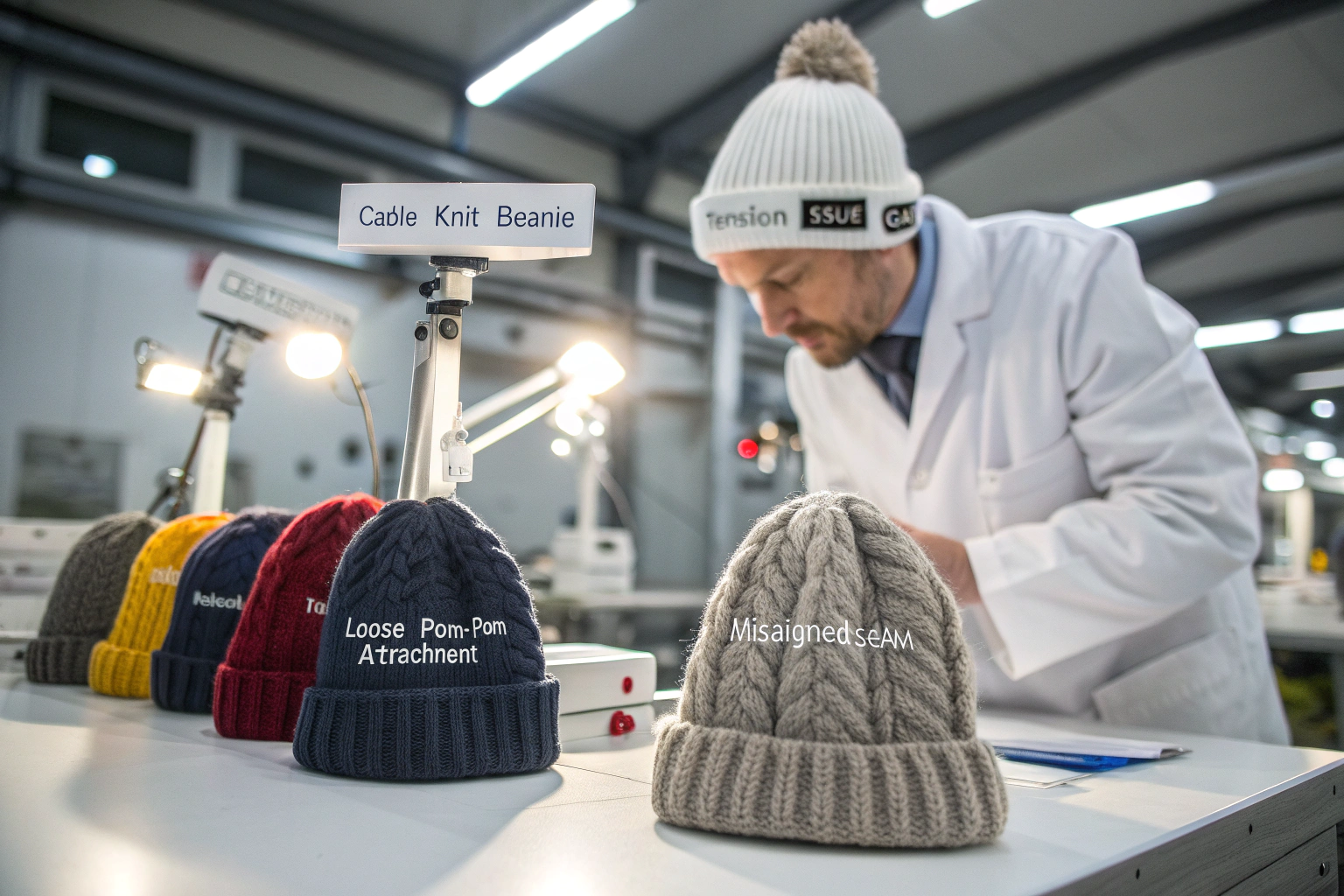
The first quality risk is sample versus bulk inconsistency. A supplier may send a perfect sample, but the bulk order may be made with inferior materials, different processes, or less skilled workers. This is a common tactic among unscrupulous suppliers. The second quality risk is hidden defects. A product may look fine on the surface but have internal defects like weak springs, poor glue bonds, or substandard materials that will fail after a few uses. These defects may not be apparent until the product is in use.
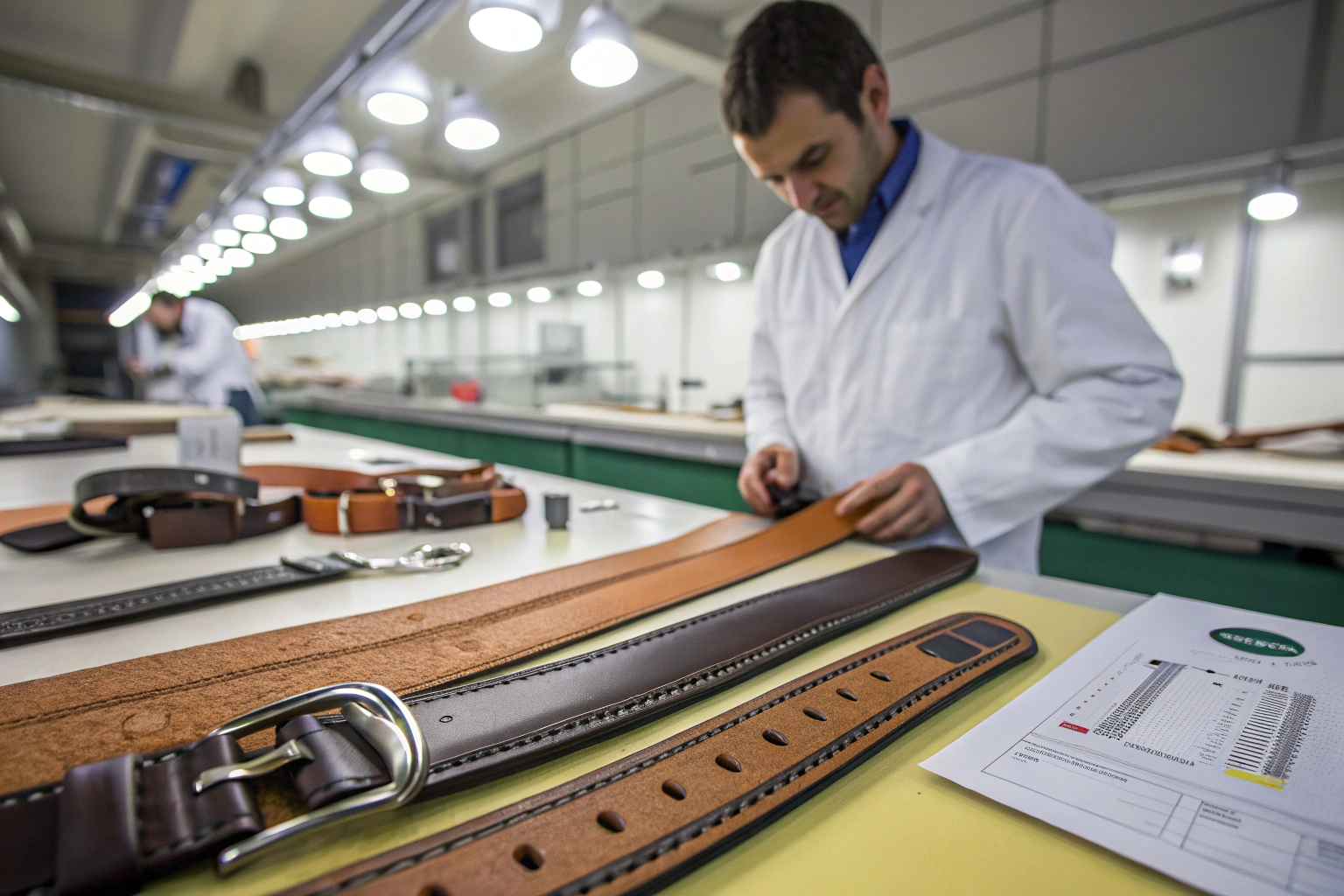
The third quality risk is material substitution. The supplier may agree to use a specific material but substitute a cheaper alternative without telling you. This is especially common with materials like leather, metals, and fabrics where the differences may not be immediately visible. The fourth quality risk is poor workmanship. Inconsistent stitching, rough edges, misaligned embellishments, and other construction defects can make your products look unprofessional. The fifth quality risk is color variation. Colors may vary from batch to batch or may not match the digital images you approved.
For more information on quality control best practices, you can refer to resources from the American Society for Quality (ASQ), which provides methodologies for supplier quality management.
How do I protect against sample versus bulk inconsistency?
Protecting against sample versus bulk inconsistency requires a multi-layered approach. The first step is to keep the approved sample. The factory should provide a physical sample that you approve and retain. This sample becomes the reference for bulk production. The second step is to require pre-production samples. Before bulk production begins, the factory should produce a pre-production sample using the actual materials and processes that will be used for the bulk order. Approve this sample in writing. The third step is to conduct in-process inspection. Have a third-party inspection company visit the factory during production to check that the workmanship and materials match the approved sample. The fourth step is to require a pre-shipment inspection. Before the goods are shipped, have a statistically significant sample inspected using AQL standards. This is your last chance to catch defects. The fifth step is to build quality control into your contract. Specify that the bulk order must match the approved sample and that you have the right to reject goods that do not meet the standard. At Shanghai Fumao Clothing, we welcome third-party inspections and provide full visibility into our production process.
What are the most common hidden defects in accessories?
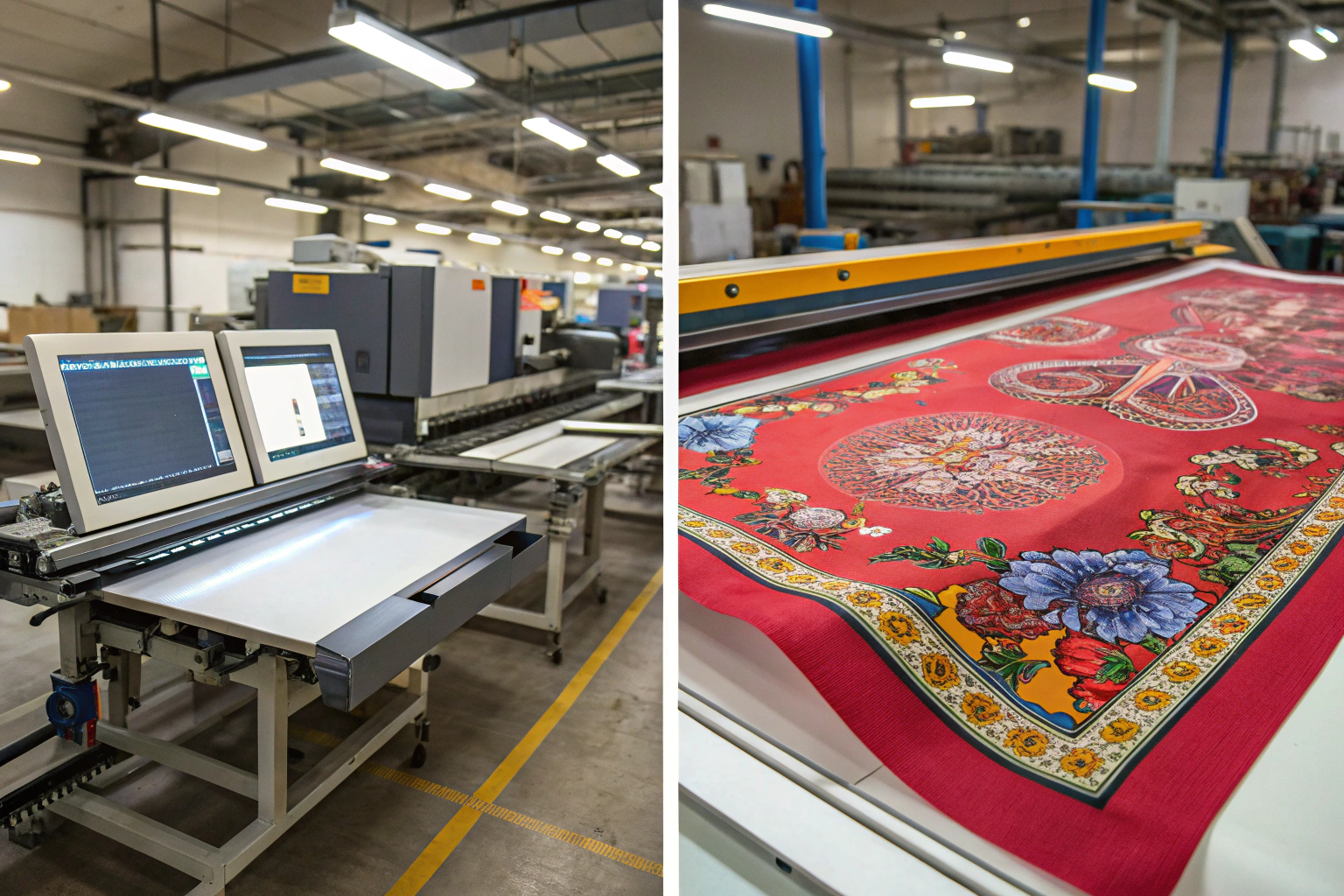
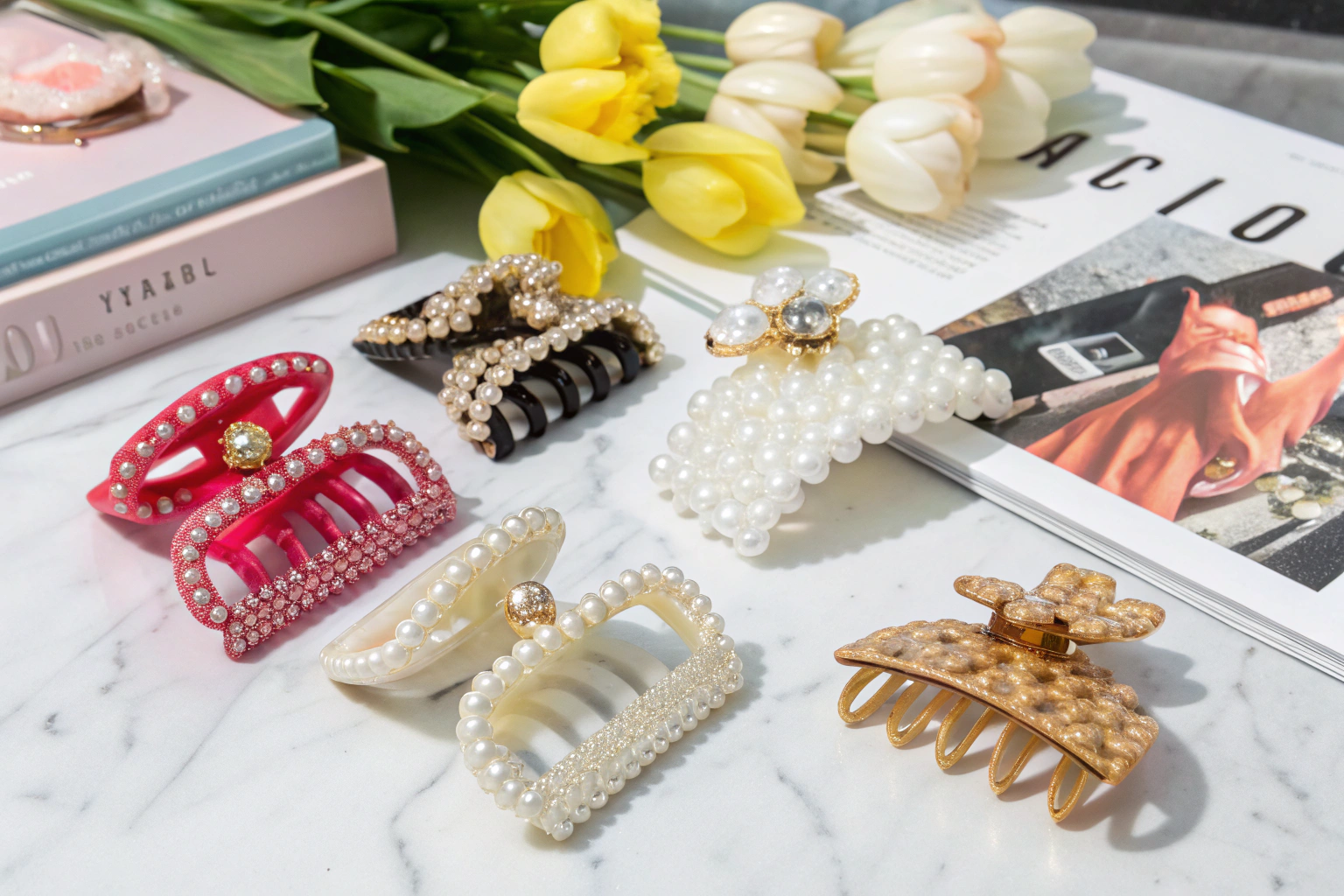
Hidden defects are those that are not immediately visible but cause failure over time. For hair clips, the most common hidden defect is a weak spring. The clip may feel fine when you first open it, but after a few uses, the spring loses tension and the clip no longer holds hair. For scarves, the hidden defect may be poor colorfastness. The scarf may look beautiful, but after the first wash, the colors bleed or fade. For hats, the hidden defect may be poor shaping. The hat may look fine on a display, but after being worn, it loses its shape and looks misshapen. For belts, the hidden defect may be weak stitching at the buckle attachment. The belt may hold initially, but under normal use, the stitching breaks. For bags, the hidden defect may be poor zipper quality. The zipper may work at first but break after a few uses. To detect hidden defects, you need to test products under simulated use conditions. Test the spring tension, wash the scarf, wear the hat, put weight on the belt, and open and close the zipper repeatedly. These tests should be part of your quality control process. At Shanghai Fumao Clothing, we conduct these tests on every batch.
What Are The Intellectual Property Risks?
Intellectual property (IP) theft is a significant risk when sourcing online. Your unique designs are valuable assets. If a supplier copies your design and sells it to your competitors or directly to consumers, you lose your competitive advantage. Protecting your IP requires vigilance and contractual protections.
The first IP risk is design copying. A supplier may produce your design for another buyer, either during or after your production run. This is especially common for successful designs. The second IP risk is selling overruns. A supplier may produce extra units beyond your order and sell them on the gray market. These products may compete with your own sales or damage your brand with lower quality. The third IP risk is unauthorized use of your branding. A supplier may use your brand name or logo on products they sell to other buyers, damaging your brand reputation.
The fourth IP risk is loss of proprietary information. Your design files, material specifications, and cost information may be shared with other buyers or used to produce competing products. The fifth IP risk is failure to return tools and molds. If you have paid for custom molds or tools, the supplier may refuse to return them or may use them for other clients.
For more information on protecting intellectual property in international trade, the World Intellectual Property Organization (WIPO) provides resources and guidance.

How do I protect my designs from being copied?
Protecting your designs requires a combination of legal, contractual, and operational measures. Start with a Non-Disclosure Agreement (NDA). Before you share any design details, have the supplier sign an NDA that prohibits them from sharing or using your designs for any purpose other than your order. Next, include an exclusivity clause in your manufacturing agreement. This clause should state that the supplier will not produce your designs for any other buyer. Next, consider a design patent or registered design. In the US, a design patent protects the ornamental design of a functional item. In Europe, a registered Community design provides similar protection. This gives you legal recourse if someone copies your design. Next, control your supply chain for key components. If your accessory uses a unique component, source that component yourself and provide it to the assembly factory only in the quantity needed for your order. This prevents the factory from producing your design without the component. Finally, work with a supplier you trust. A supplier with a long history and good reputation is less likely to risk that reputation by copying your designs. At Shanghai Fumao Clothing, we sign NDAs, respect exclusivity, and protect our clients' designs as we would our own.
What should I do if I suspect a supplier is copying my designs?
If you suspect a supplier is copying your designs, act quickly but strategically. First, gather evidence. Document the copying with screenshots, photos, or links to the products being sold. Note the supplier's name, the platform, and the date. Second, review your contract. Check the exclusivity clause and any IP provisions. If the supplier is in breach, you have grounds to take action. Third, contact the supplier directly. In many cases, a firm but professional communication can resolve the issue. Explain that you have evidence of copying and that it violates your agreement. Demand that they cease production and remove any listings. Fourth, if the supplier is on an online platform like Alibaba, report the violation to the platform. Many platforms have IP protection programs that can remove listings and suspend suppliers. Fifth, if the copying is severe and the supplier is uncooperative, consult with a lawyer who specializes in international IP law. Legal action across borders is complex, but a well-crafted legal letter can be effective. Sixth, consider moving your production to a more reliable supplier. At Shanghai Fumao Clothing, we have seen clients come to us after bad experiences and we have helped them rebuild with confidence.
What Are The Payment And Financial Risks?
Payment and financial risks are among the most painful for buyers. You may pay for goods that never arrive, arrive late, or arrive defective. You may be subject to hidden fees or currency fluctuations. Understanding these risks helps you structure payments to protect your interests.
The first financial risk is non-delivery. You pay a deposit, and the supplier disappears. This is more common with new or unverified suppliers. The second risk is delayed delivery. You pay, but the supplier misses the delivery date, causing you to miss your sales window. The third risk is quality-related financial loss. You receive defective goods and have to sell them at a discount or not at all. The fourth risk is hidden costs. The supplier may add unexpected fees for packaging, shipping, or documentation after you have committed.
The fifth risk is payment fraud. A scammer poses as a legitimate supplier and takes your payment without delivering goods. The sixth risk is currency fluctuation. If you pay in a foreign currency, exchange rate changes can increase your cost. The seventh risk is chargeback or dispute. If you pay by credit card or through a platform, the supplier may dispute a chargeback, leading to delays and legal costs. For guidance on safe payment practices, the International Chamber of Commerce (ICC) provides resources on trade finance and payment terms.

What payment terms offer the best protection for buyers?
The payment terms you choose have a significant impact on your risk exposure. The safest payment term for buyers is a Letter of Credit (L/C). With an L/C, your bank guarantees payment to the supplier only when the supplier presents the required shipping documents. This protects you from paying for goods that are not shipped. However, L/Cs are more expensive and complex than other methods. The next safest is T/T (Telegraphic Transfer) with a deposit and balance after inspection. A common structure is 30% deposit and 70% balance after pre-shipment inspection. The deposit covers the supplier's material costs. The balance is paid only after you have confirmed that the goods meet your specifications. For small orders, some suppliers may require 100% payment before production. This is risky. Try to negotiate a deposit structure. Never pay 100% upfront to a supplier you have not worked with before. Use payment platforms that offer buyer protection, such as Alibaba Trade Assurance. These platforms hold your payment in escrow until you confirm receipt of the goods. For more information on payment terms, see our guide on common payment terms with Chinese exporters.
How do I verify a supplier's legitimacy before paying?
Verifying a supplier's legitimacy is essential before sending any payment. Start with the supplier's profile on the sourcing platform. Look for verified badges, such as "Gold Supplier" on Alibaba. These badges indicate that the platform has verified the supplier's business license. Next, check how long the supplier has been on the platform. A supplier with several years of history is less likely to be a scammer. Next, check their transaction history. Have they had many transactions? What is their feedback rating? Read both positive and negative reviews. Next, ask for references. A legitimate supplier will be able to provide contact information for past clients. Reach out to those references and ask about their experience. Next, request a video tour of the factory. A legitimate supplier will be happy to show you their facilities. Look for a clean, organized operation with workers and equipment. Next, verify the business license. In China, you can search the National Enterprise Credit Information Publicity System to verify a company's registration. Finally, trust your instincts. If something feels off, it probably is. At Shanghai Fumao Clothing, we welcome these verification steps. We have a verified profile, long history, and are happy to provide references and video tours.
How Can I Mitigate The Risks Of Online Sourcing?
While the risks of online sourcing are real, they can be mitigated with a systematic approach. The key is to combine online research with offline verification and to build relationships with suppliers over time. A disciplined process reduces risk and increases the likelihood of success.
Start with supplier selection. Use reputable platforms like Alibaba, Global Sources, or Made-in-China. Look for verified suppliers with a long history and good reviews. Request references and contact them. Next, conduct due diligence. Verify the business license. Request a video tour of the factory. Check for certifications like ISO 9001, BSCI, or other relevant standards. Next, start with a small order. Before placing a large order, test the supplier with a small order. This allows you to evaluate their quality, communication, and reliability with limited risk.
Next, use contracts and payments that protect you. Have a written contract with clear specifications, delivery dates, and quality standards. Use payment terms that protect you, such as a deposit and balance after inspection. Consider using an escrow service or a platform with buyer protection. Next, conduct inspections. Hire a third-party inspection company to conduct pre-shipment inspections. The cost is small compared to the cost of receiving defective goods. Finally, build a relationship. Over time, as you work with a supplier, you will build trust. Long-term relationships are the best protection against risk.
For more guidance on supplier risk management, the International Trade Centre (ITC) offers resources for small businesses navigating global supply chains.

What due diligence should I do before placing an order?
Due diligence is your first line of defense against risk. Before placing an order, take these steps. First, verify the supplier's business registration. In China, you can use the National Enterprise Credit Information Publicity System to search for the company name. Confirm that the business is active and that the registration matches the supplier's claims. Second, ask for references. Request contact information for at least three past clients, preferably in your market. Contact them and ask about their experience. Third, request a video tour. Ask to see the factory floor, the material storage, the production lines, and the quality control area. A legitimate supplier will be happy to show you. Fourth, check certifications. Ask for copies of ISO 9001, BSCI, or other relevant certifications. Verify that they are current. Fifth, order samples. Before placing a production order, order samples. If possible, order samples of different styles to evaluate their range. Sixth, search for the supplier's name online. Look for reviews, complaints, or news articles. This can reveal issues you might not otherwise know. At Shanghai Fumao Clothing, we welcome this due diligence. We provide business registration, references, video tours, and certifications to all prospective clients.
How do I build a long-term relationship with a reliable supplier?
Building a long-term relationship with a reliable supplier is the best way to mitigate risk over time. Start by communicating clearly and consistently. Set expectations from the beginning. Be specific about your quality standards, delivery timelines, and communication preferences. Next, be a good client. Pay on time. Give accurate forecasts. When issues arise, work collaboratively to solve them. A supplier who values your business will go the extra mile for you. Next, visit the factory if possible. A personal visit builds trust and gives you a deeper understanding of their operations. If you cannot visit, have regular video calls. Next, consolidate your orders. A supplier is more invested in a client who places regular orders than one who places a single order. Finally, give feedback. Let them know what is working and what could be improved. A good supplier will use your feedback to get better. At Shanghai Fumao Clothing, we value long-term relationships. Our best clients are those we have worked with for years. We know their needs, and they trust our quality.
Conclusion
Sourcing fashion accessories online offers convenience and access to a vast range of suppliers, but it comes with significant risks. Quality risks include sample versus bulk inconsistency, hidden defects, and material substitution. Intellectual property risks include design copying and unauthorized use of your branding. Payment risks include non-delivery, delayed delivery, and fraud. Communication risks include language barriers, cultural differences, and incomplete specifications. These risks can be mitigated through careful due diligence, clear specifications, protective payment terms, third-party inspections, and building long-term relationships with trusted suppliers.
At Shanghai Fumao Clothing, we have built our business on being a trusted partner for buyers who want to avoid these risks. We are verified, certified, and transparent. We welcome due diligence, provide references, and offer video tours. We sign NDAs, respect exclusivity, and protect our clients' designs. We use clear communication and detailed specifications. We produce high-quality samples and conduct rigorous quality control. We are here to be the reliable partner you need.
If you are ready to source fashion accessories with confidence, let's talk. Please contact our Business Director, Elaine, directly at elaine@fumaoclothing.com to discuss your project and how we can help you succeed.