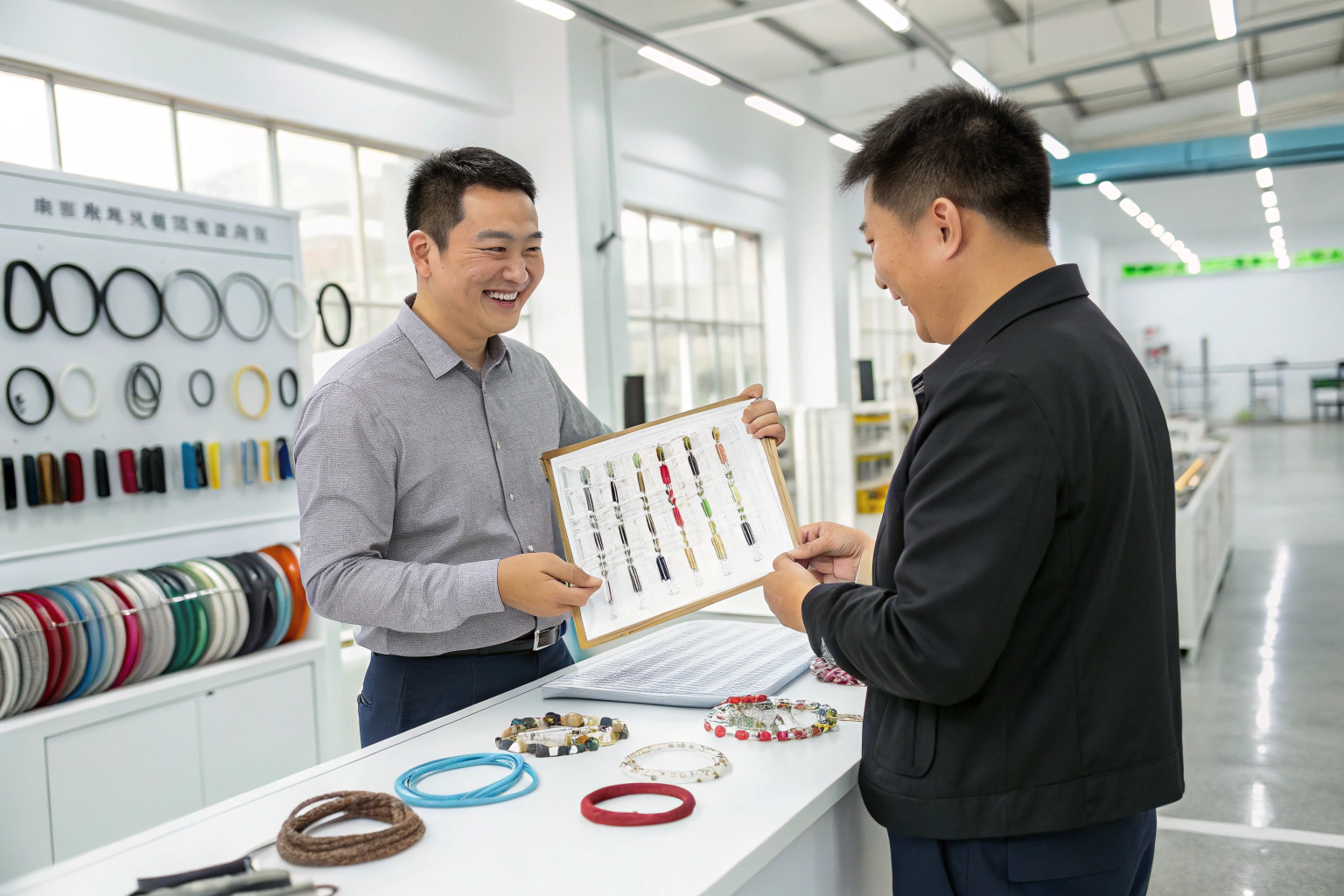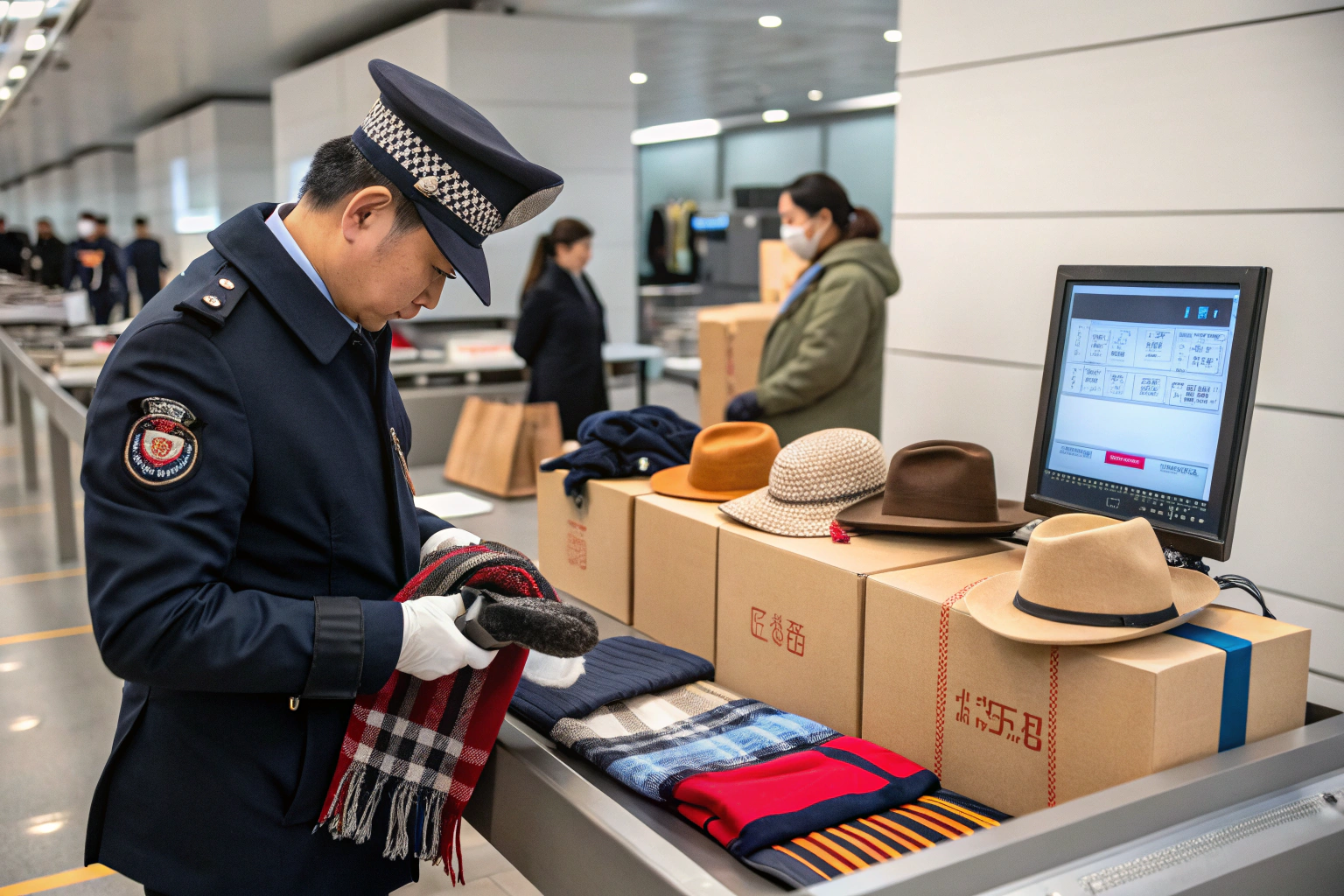
As a brand owner, you've successfully designed a new collection of fashion accessories and found a great manufacturing partner. But now you face the most intimidating and complex hurdle: importing your products into your home country. You're navigating a maze of acronyms (HS Codes, HTS, CPSC), worrying about customs duties, complex paperwork, and the terrifying possibility of your entire shipment being seized due to a compliance error. This lack of clarity is a major source of stress and a significant risk to your business's timeline and profitability.
Importing fashion accessories requires strict adherence to a multi-layered system of regulations governed by your country's customs agency. This involves correctly classifying your products with HS/HTS codes, accurately declaring their value to determine customs duties, ensuring all products meet mandatory safety standards (like CPSC in the US), and providing flawless documentation for every shipment. Failure at any step can lead to costly delays, fines, or seizure of your goods.
I'm the owner of Shanghai Fumao Clothing, and over the years, I've helped hundreds of US and European brands navigate the complexities of international trade. I can tell you that successful importing is not about finding loopholes; it's about meticulous preparation and working with a manufacturing partner who understands and respects the rules. Think of customs compliance as the final, critical stage of quality control. Let's demystify the process and break down the essential regulations you need to know.
What is the HS/HTS Code and Why is it Critical?
You're looking at a shipping document, and there's a field for something called an "HS Code" or "HTS Code." It looks like a long, random string of numbers. You're tempted to just ask your supplier to fill it in, but you're worried that a mistake here could have serious consequences. What is this code, and why does it matter so much?
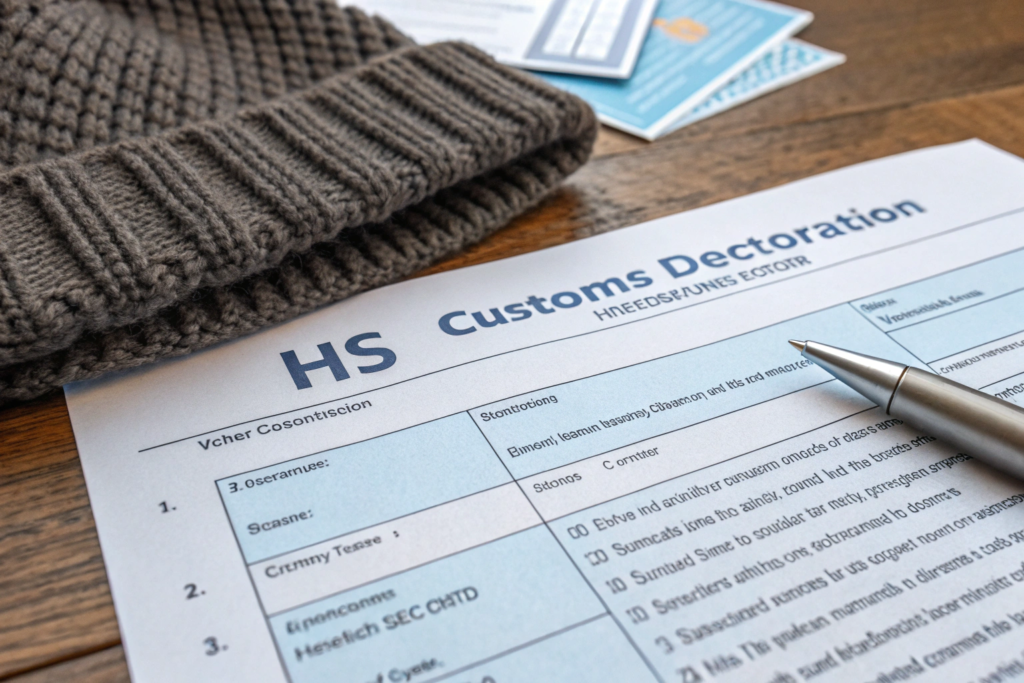
The Harmonized System (HS) Code is a globally standardized system of names and numbers used to classify traded products. Your country uses an expanded version of this code (the HTS Code in the US) to determine the exact customs duty rate for your product. Classifying your product correctly is your legal responsibility as the importer, and using the wrong code can lead to paying the wrong duty, facing penalties, and significant shipping delays.
Think of the HTS code as the universal "social security number" for your product. It tells customs exactly what you are importing. The code is a hierarchical structure of up to 10 digits. For example, importing a silk scarf into the US:
- Chapter 62: Articles of apparel and clothing accessories, not knitted or crocheted.
- Heading 6214: Shawls, scarves, mufflers, mantillas, veils and the like.
- Subheading 6214.10: Of silk or silk waste.
- Full HTS Code (US): 6214.10.0000
This specific code determines that the duty rate is 1.6% (as of late 2025, rates can change). If you misclassify it as a polyester scarf (HTS 6214.30.0000), which has a 6.1% duty rate, you could face audits and fines for underpayment. You can look up these codes yourself on your government's official tariff database, such as the official US International Trade Commission's HTS search tool.
Who is responsible for determining the HTS code?
You, the Importer of Record, are ultimately legally responsible for the correct classification. While your supplier or a freight forwarder can offer guidance, the legal liability rests with you. It's highly recommended to work with a licensed customs broker who can provide expert advice on classifying your products correctly.
What happens if I use the wrong code?
Using the wrong HTS code can lead to:
- Delays: Customs may hold your shipment while they verify the product's correct classification.
- Inspections: It increases the likelihood of a physical inspection of your goods.
- Duty Adjustments: You may be billed for underpaid duties.
- Fines and Penalties: For repeated or significant errors, customs can levy substantial fines.
How Are Customs Duties and Taxes Calculated?
You've found your product's HTS code and the corresponding duty rate. But what value is that percentage based on? Is it the price you paid the factory? Is it the price you plan to sell it for? You're worried about declaring the wrong value, which could be interpreted as an attempt to evade duties, a serious customs offense.
Customs duties are calculated as a percentage of the "dutiable value" of your goods. For most imports into the US and Europe, this value is based on the price you actually paid for the products, as stated on the commercial invoice. This is known as the "transaction value." You must also account for other potential taxes, like VAT in Europe.
The calculation is straightforward but must be precise. The dutiable value is generally the "FOB" (Free On Board) price of the goods—the price you paid your supplier for the product itself, up to the point it's loaded onto the ship in the country of origin. It does not typically include the cost of international shipping or insurance.
Example Calculation (for the US):
- Product: 1,000 leather belts
- Price Paid to Supplier (FOB): $10 per belt = $10,000 Total Value
- HTS Code: 4203.30.0000
- Duty Rate: 2.8%
- Duty Payable: $10,000 x 2.8% = $280
In Europe, you would also need to calculate the Value Added Tax (VAT), which is levied on the dutiable value plus the cost of shipping and the duty itself. This is a critical part of your landed cost calculation.

What is a "Commercial Invoice"?
The commercial invoice is the single most important document in your shipping paperwork. It's the bill for your goods from the supplier to you. It must be in English and include:
- The full name and address of the seller (your supplier) and the buyer (you).
- A detailed description of each product.
- The quantity of each product.
- The unit price and total value.
- The currency of the transaction.
- The HTS code for each product.
- The country of origin (e.g., "Made in China").
An inaccurate or incomplete commercial invoice is one of the most common reasons for customs delays.
What about tariffs, like the "China Tariffs"?
In addition to regular customs duties, some products from certain countries may be subject to additional tariffs. For example, the US has imposed "Section 301" tariffs on many goods imported from China. These tariffs are added on top of the normal duty rate. It is crucial to work with a customs broker to determine if your specific HTS code is subject to these additional tariffs, as they can significantly impact your product's cost.
What Safety and Labeling Regulations Must I Follow?
You're ready to ship your goods. The products look great, but are they compliant? You're worried about hidden rules regarding what needs to be printed on the label or if the materials themselves need to be tested for safety. A mistake here could mean your products are deemed non-compliant and denied entry.
All fashion accessories imported into the US and Europe must comply with mandatory labeling and product safety regulations. In the US, this includes clear "Country of Origin" marking and fiber content labels, as well as adherence to CPSC safety standards for things like lead content, especially in children's products.
These regulations are not suggestions; they are federal law.
- Country of Origin Labeling: Every product must be conspicuously and permanently marked with its country of origin (e.g., "Made in China," "Made in Vietnam"). This label must be legible and easy for the end consumer to find. For items like scarves or hats, this is typically a sewn-in label.
- Fiber Content Labeling: For textile products like scarves, hats, and gloves, you must accurately state the generic fiber names and percentages by weight (e.g., "100% Cotton" or "80% Acrylic / 20% Wool"). This is governed by the Textile Fiber Products Identification Act in the US.
- Product Safety (CPSC): The Consumer Product Safety Commission (CPSC) regulates the safety of all consumer goods. For fashion accessories, this is particularly relevant for lead content in metal parts (like belt buckles or zipper pulls) and flammability of textiles. For children's accessories, the rules (under CPSIA) are far stricter, requiring third-party testing for lead, phthalates, and other harmful substances.
As the importer, you are responsible for ensuring your products meet these standards. A reliable manufacturer like Shanghai Fumao will understand these requirements and be able to produce compliant labels and source tested, safe materials.

Where does the "Made In" label have to be?
The rule is that it must be in a "conspicuous place" where it can be seen by the ultimate purchaser. For a hat, this is usually on the inside sweatband. For a scarf, it's a sewn-in label on one of the corners. For a belt, it might be stamped on the back of the leather.
Do I need to test every shipment?
For children's products requiring CPSIA compliance, yes, third-party testing is often required for each production run. For general adult accessories, while not always mandatory, it is a best practice to periodically test your materials for harmful substances like lead to ensure ongoing compliance and mitigate risk.
Who Are the Key People That Help Me Import?
This all seems incredibly complex. You're an expert in branding and design, not international logistics and customs law. You're worried about trying to handle all of this yourself and making a critical error. Who can you turn to for help?
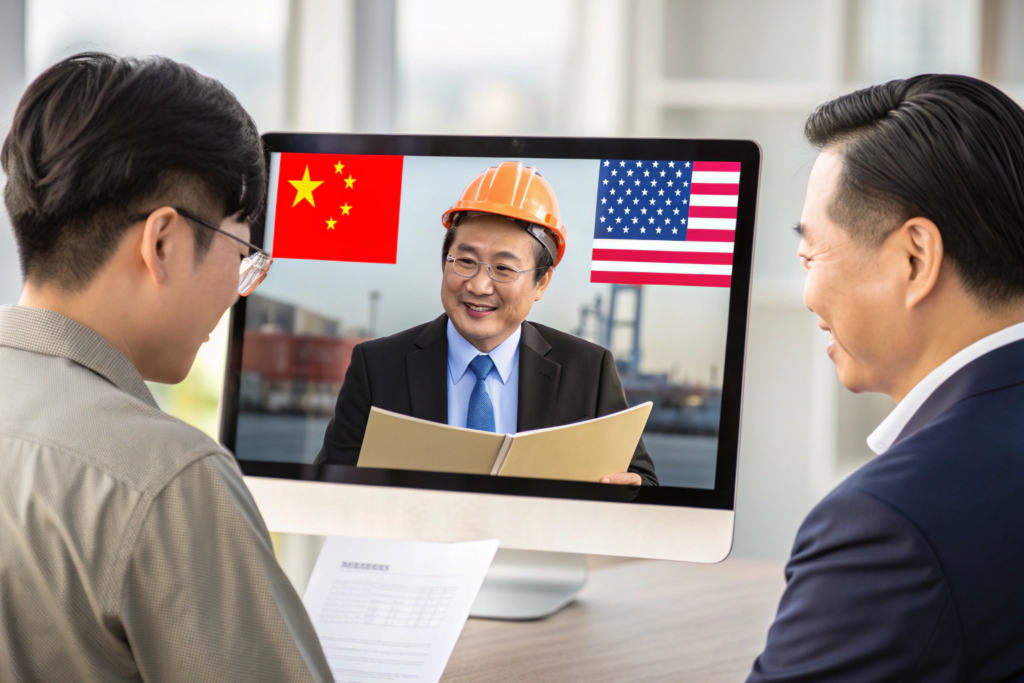
You do not have to navigate the import process alone. A successful import strategy relies on a partnership between three key players: your Manufacturer, your Freight Forwarder, and your Customs Broker. Each plays a distinct and vital role in ensuring your goods move smoothly from the factory floor to your warehouse door.
- The Manufacturer (e.g., AceAccessory): A good manufacturer does more than just make your product. They provide the accurate product information needed for the commercial invoice, ensure compliant labeling, and prepare the goods for export with proper packaging and documentation, including the packing list.
- The Freight Forwarder: This is your logistics manager. They arrange the actual transportation of your goods, whether by sea or air. They book the space on the vessel or plane, handle the port-to-port movement, and manage the initial set of shipping documents. Many large logistics companies like Flexport or Kuehne + Nagel offer these services.
- The Customs Broker: This is your legal representative for customs matters. A licensed customs broker is an expert in tariff classification, duty calculation, and customs regulations. They will take your shipping documents, prepare the official customs entry, and ensure your shipment is cleared legally and efficiently. Their fee is a small price to pay for peace of mind and avoiding costly mistakes.
Can my freight forwarder also be my customs broker?
Yes, many large logistics companies offer both freight forwarding and customs brokerage services as an integrated package. This can streamline the process, as you will have a single point of contact for your entire shipment.
How do I find a good customs broker?
You can find licensed customs brokers through your country's official customs website (like the CBP's broker locator in the US) or by getting a referral from your freight forwarder. It's best to work with a broker who has experience with your specific product category (apparel and accessories).
Conclusion
Importing fashion accessories is a process governed by precise rules, not guesswork. By taking a proactive and meticulous approach to compliance, you can transform it from a source of anxiety into a predictable part of your business operations. The key lies in understanding your responsibilities as an importer: correctly classifying your products with HTS codes, accurately declaring their value, ensuring they meet all safety and labeling laws, and providing perfect documentation. Most importantly, success depends on building a team of trusted partners—a compliant manufacturer, a reliable freight forwarder, and an expert customs broker—who can guide you through every step of the journey.
At Shanghai Fumao Clothing, we pride ourselves on being more than just a factory; we are a partner in our clients' success. We understand the critical importance of compliant manufacturing and accurate documentation for the US and European markets. If you are looking for a manufacturer who can provide not only high-quality products but also the support you need for a smooth import process, we are here to help. Please reach out to our Business Director, Elaine, at elaine@fumaoclothing.com to start the conversation.