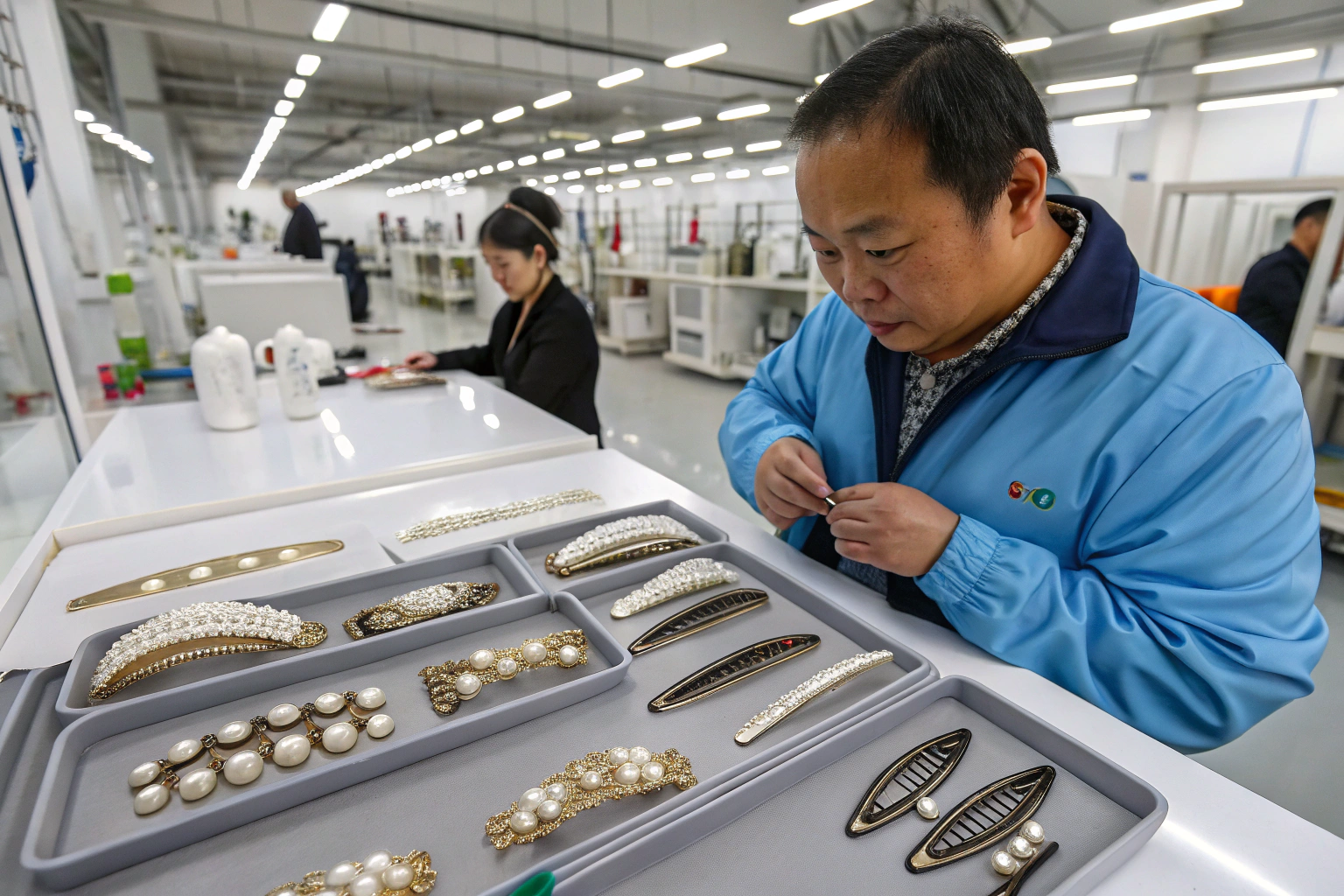
My daughter is 22 years old. She lives in Shanghai. She works in digital marketing. She also happens to be my most brutal product critic. Last year, I brought home a beautiful silk headband. It was elegant. It was expensive. It was made from deadstock Italian fabric. I was very proud. She looked at it for three seconds and said, "Dad, this is what my boss wears. I would never wear this." I was humiliated. But I was also educated. I realized that I, a 52-year-old factory owner, did not understand the generation actually buying my products.
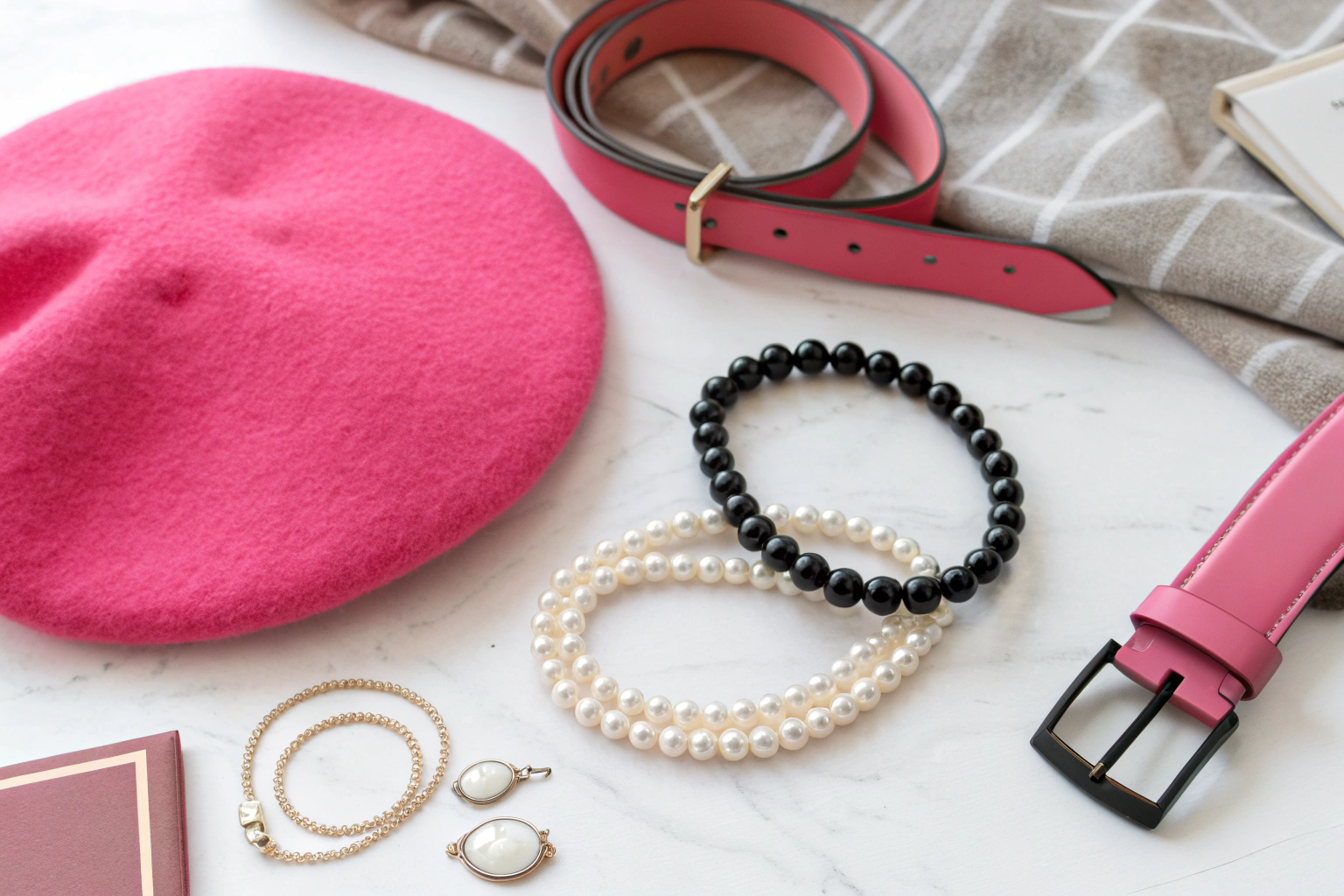
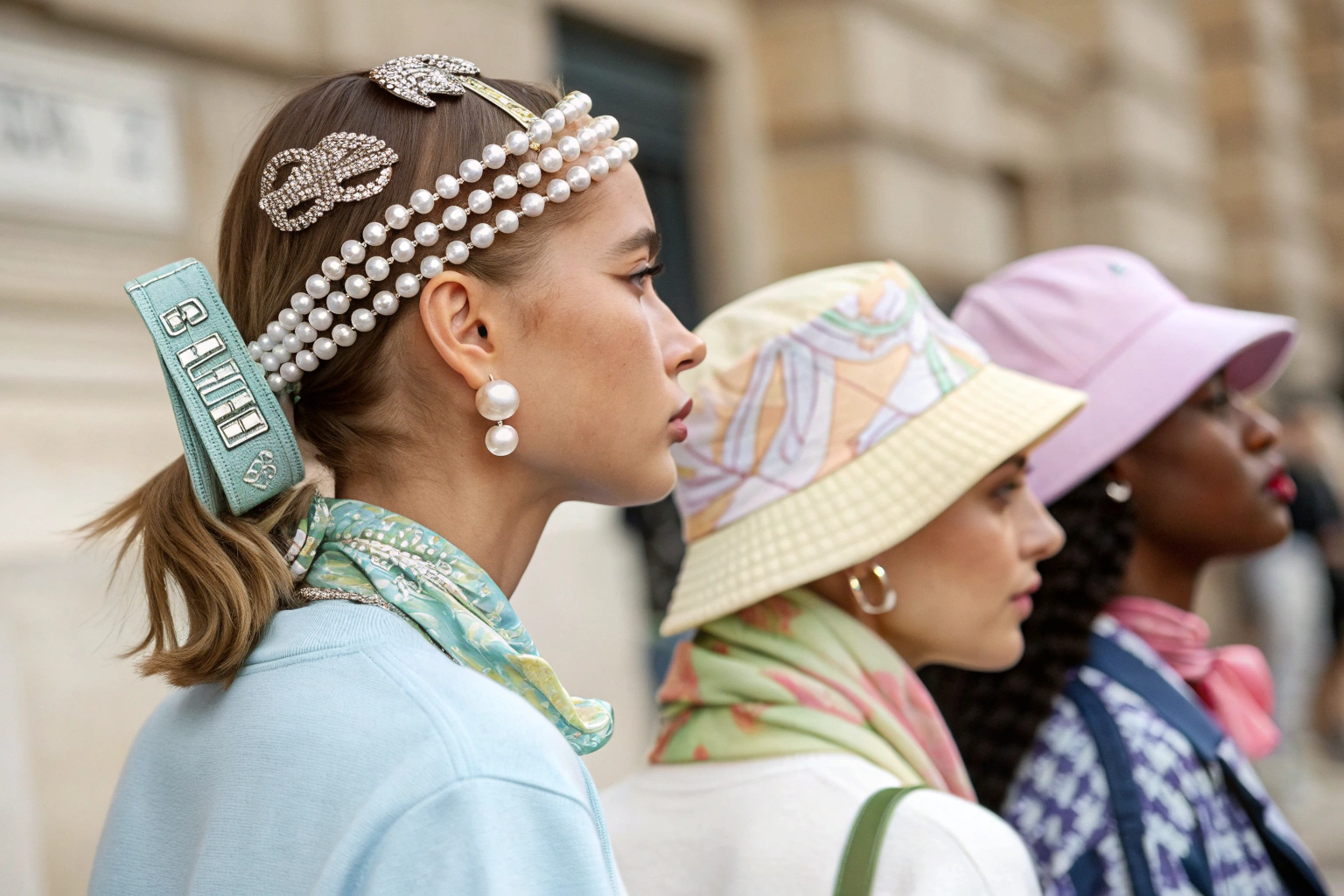
The most popular accessory styles among Gen Z consumers are Y2K revival hair clips, "claw clip" oversized hair holders, pearl and beaded details, personalized nameplate items, bucket hats in sustainable materials, mini shoulder bags, printed scarves worn as tops or headwraps, and "ugly" or chunky sneakers. Gen Z does not buy accessories to match their outfit. They buy accessories to define their outfit. The accessory is the statement, not the afterthought.
I spent the next six months paying my daughter to consult for our design team. She taught us about "core aesthetics" like coastal grandmother, indie sleaze, and balletcore. I had never heard of these words. Now they are part of our development vocabulary. She taught us that Gen Z shops differently, values differently, and rejects differently. I want to share what we learned, not from market reports, but from actually listening to the people wearing our products.
What Hair Accessories Does Gen Z Actually Wear?
Ron has been selling hair accessories for fifteen years. He knows what sold in 2015. He knows what sold in 2020. But he sees TikTok trends changing every three weeks. He is confused. He asked me, "Do I invest in claw clips or claw clips are already dead?" I told him the truth. Claw clips are not dead. But they have evolved.
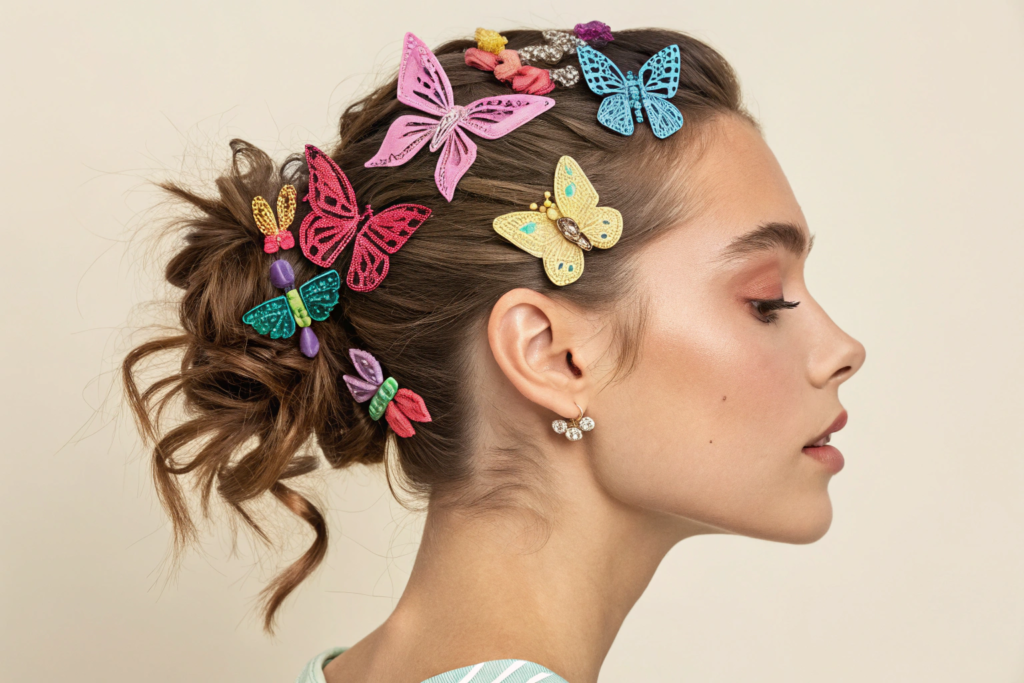
Gen Z hair accessories are defined by two opposing forces: nostalgia and novelty. The Y2K revival has made butterfly clips, tiny claw clips, and chunky resin barrettes massive again. But they are not worn the way millennials wore them. Gen Z wears multiple clips at once. They stack them. They mix colors. They put them in half-up styles, not full updos. The "effortless mess" is actually very intentional.
Let me break down the specific SKUs we cannot keep in stock. First, the mega claw clip. This is the large, single clip that holds an entire bun. Gen Z calls this the "clean girl" aesthetic. It looks polished but takes three seconds to install. Our bestseller is a 4.5-inch acetate claw in tortoiseshell and cream. Second, the baby butterfly. These are tiny, colorful, iridescent clips about the size of a dime. Girls wear 6 to 10 of them scattered through loose waves. We sell them in sets of 12. Third, the pearl slider. This is a thin metal barrette with freshwater pearls glued along the top. It looks expensive. It costs us $1.20 to make. We sell thousands weekly to fast fashion retailers and TikTok shops. The common thread? None of these require perfect hair. Gen Z rejects high-maintenance beauty standards. They want accessories that work with their natural texture, not against it.
Why Are Scrunchies Still Popular?
Scrunchies never died. But they have been upgraded. Millennials wore velvet scrunchies in rich jewel tones. Gen Z wants organic bamboo scrunchies in "vanilla" and "matcha" and "butter." They want the scrunchie to look like a fabric cloud, not a sausage casing. They also wear scrunchies on their wrists as bracelets when not in use. This means the scrunchie must be aesthetically pleasing even when not in hair. We now design our bamboo scrunchies with a "wrist appeal" factor. We test the drape. We test the color against skin tones. We treat the scrunchie as both a hair accessory and a jewelry item. This dual function justifies a higher price point.
Are Metal Hair Clips Returning?
Yes, but not the ones you remember. The 2016 trend of minimalist gold barrettes is over. Gen Z finds them boring. They want chunky, sculptural metal. Think "melted" shapes. Think recycled brass with an unpolished, almost brutalist finish. They also want colored enamel. We produce a line of spring-loaded metal claws coated in pastel enamel. They look like candy. They sell out constantly. The key insight is that Gen Z uses hair clips as jewelry. They are not hidden. They are displayed. They should be seen from across the room. We source our enamel coatings from certified non-toxic suppliers. This matters because these clips sit against the face and scalp.
What Headwear Styles Define The Gen Z Aesthetic?
I visited a college campus in Shanghai last year. I counted hats. I saw exactly two structured baseball caps with logos. I saw approximately forty-seven bucket hats. I saw zero visors. I called my design team immediately. "Cancel the visor sample. Nobody wears visors." They were confused. "But visors are trending on Pinterest." I said, "Pinterest is not TikTok. Trust me."
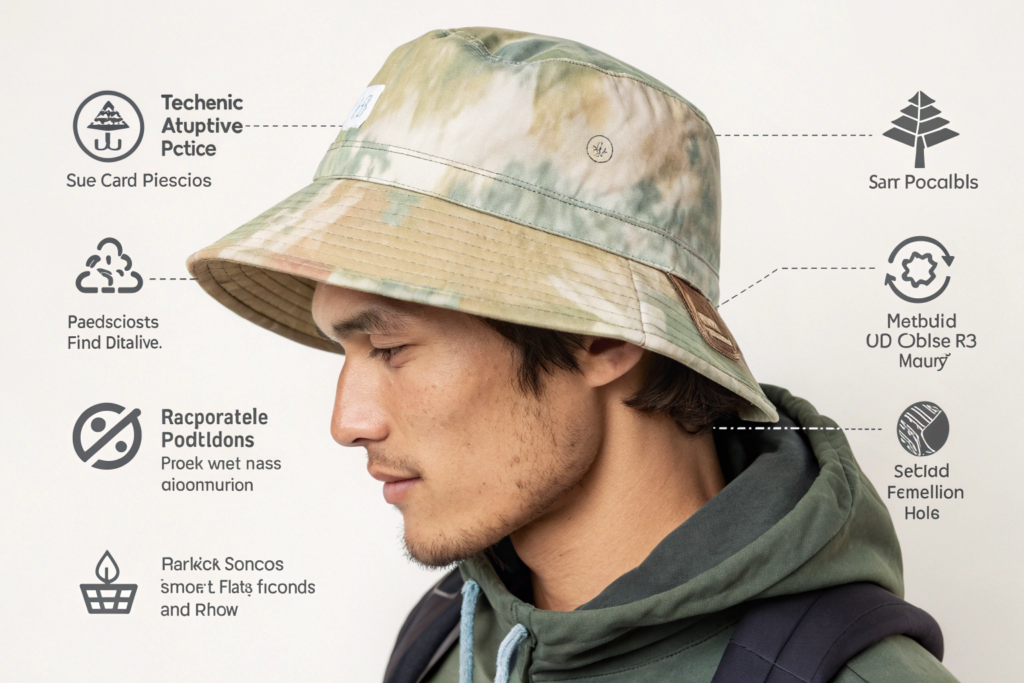
The bucket hat is the undisputed king of Gen Z headwear. It is unisex. It is sun protective. It is effortlessly cool. But today's bucket hat is not the cotton twill version from the 1990s. Gen Z wants technical fabrics, recycled nylon, tie-dye patterns, and neutral earth tones. They also want the hat to pack flat. They do not own hat boxes. They own backpacks.
Let me give you specific numbers. Our bucket hat production has increased 340 percent since 2021. Baseball caps are flat. Knit beanies are seasonal. Bucket hats sell in Miami and in Maine. They are the true year-round staple. But you cannot just make a bucket hat. You must make the right bucket hat. Gen Z rejects stiff, structured bucket hats. They want slouchy, soft, packable construction. We use a three-panel design instead of the traditional five-panel. It collapses easily. It fits in a coat pocket. We also offer reversible bucket hats. One side is a neutral solid. The other side is a bold print. Two hats for the price of one. This appeals to the Gen Z value consciousness. They want uniqueness, but they also want utility. Our reversible bucket hats are now our top SKU for our European streetwear clients.
Do Gen Z Consumers Wear Beanies?
Yes, but only specific beanies. The tight, ribbed, "skater" beanie worn on the very top of the head is dead. Gen Z wears slouchy beanies with extra length. They pull them down over their ears. They let the fabric pool at the back of the neck. They wear them even when it is not cold. It is an aesthetic choice, not a thermal choice. We manufacture these in brushed acrylic for softness and organic cotton for breathability. The most popular colors are oatmeal, charcoal, and rust. We avoid neons. Gen Z prefers muted, vintage-inspired palettes. They call this "sad beige" ironically, but they buy it unironically.
What About Baseball Caps?
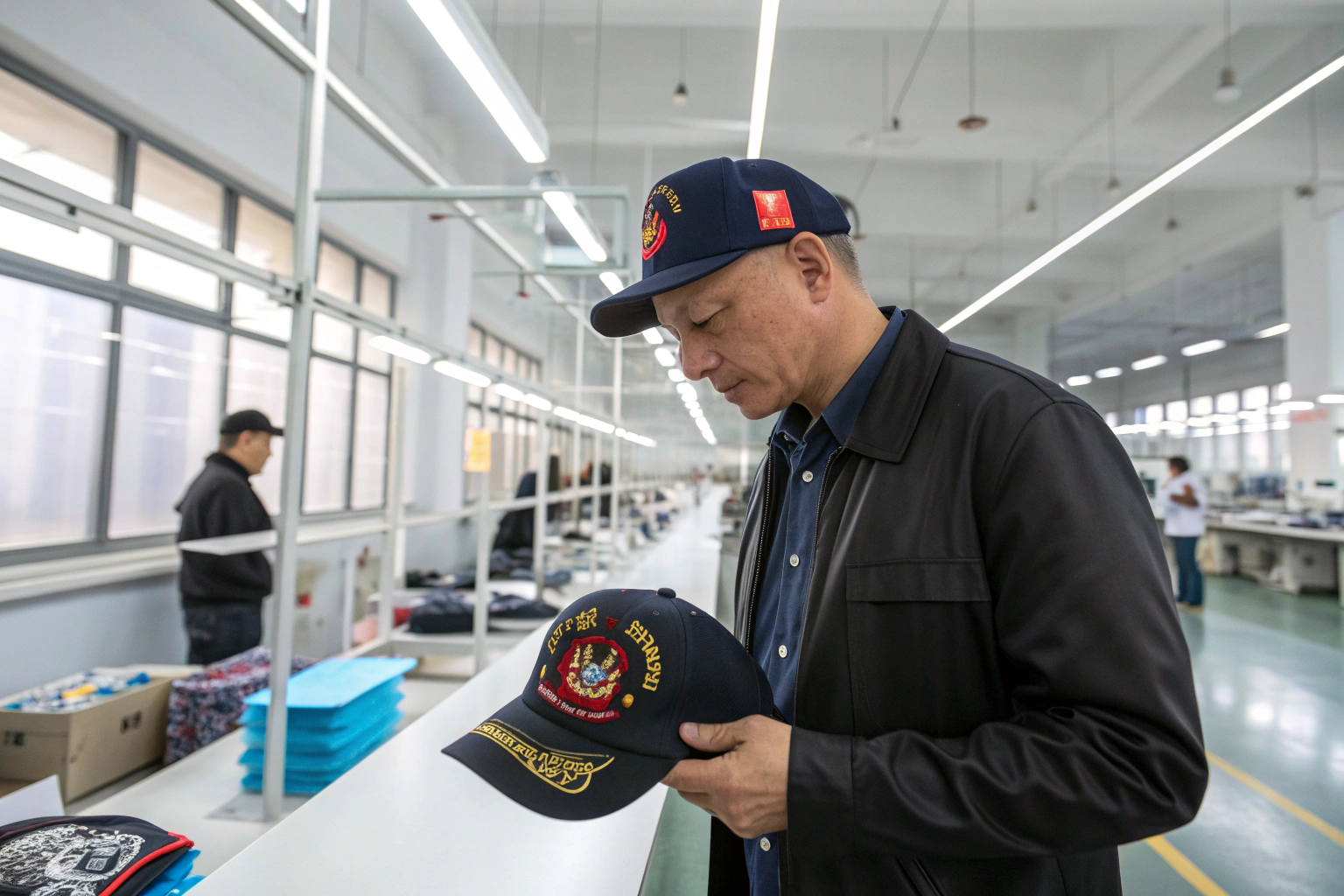
Baseball caps are not dead, but they have been democratized. The "dad cap" remains strong. This is the unstructured, curved brim, adjustable strap style. Gen Z rejects the flat-brimmed, fitted cap associated with 2010s bro culture. They also reject loud logos. A small, embroidered logo on the side or back is acceptable. A giant logo on the front is not. They also wear caps backwards approximately 40 percent of the time. We design our dad caps with a pre-curved brim and a low-profile fit. We use garment-washed cotton for a broken-in feel. New is bad. Vintage-looking is good.
How Does Gen Z Use Scarves And Wraps?
My daughter came home wearing a silk scarf. It was not around her neck. It was tied around the handle of her tote bag. I asked her, "Are you worried someone will steal your bag?" She laughed at me. "Dad, it's just decoration. It makes the bag look expensive." I learned another lesson. Gen Z does not follow the instruction manual for accessories.
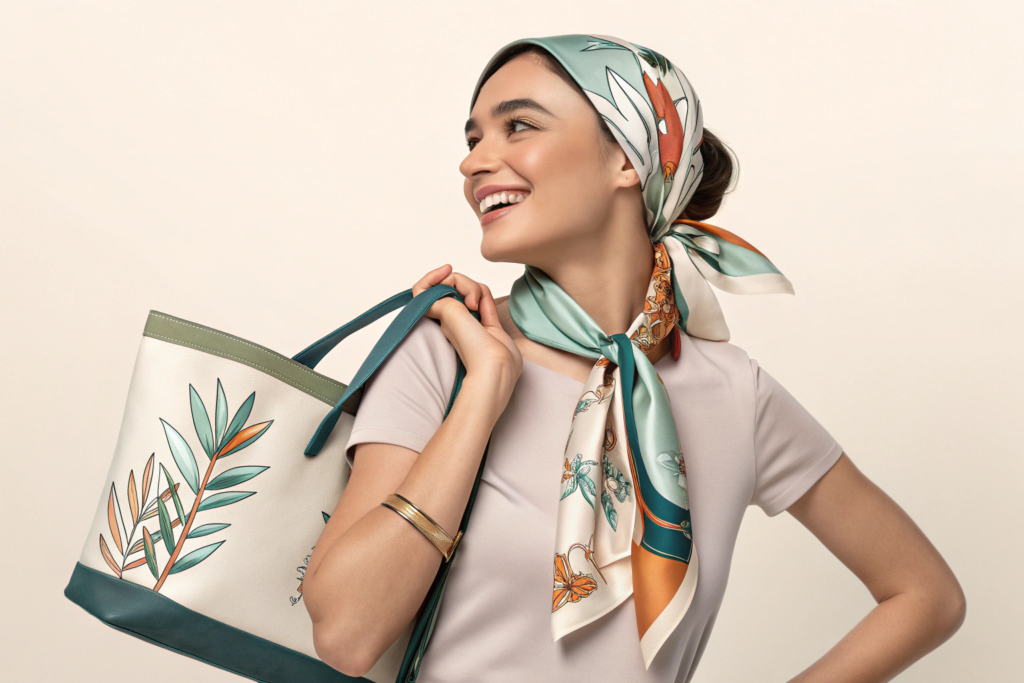
Gen Z has completely redefined the function of scarves. They are worn as tops, as headwraps, as bag accessories, as belt replacements, and as hair ties. The traditional "neck scarf" is almost extinct among under-25 consumers. They find it formal and restrictive. Instead, they buy rectangular scarves specifically to style them in unconventional ways. Versatility is the new luxury.
We changed our scarf production line because of this insight. Previously, we made mostly square scarves. Now we make mostly long, rectangular tube scarves. These can be worn as a halter top. They can be looped through belt loops. They can be wrapped multiple times around a ponytail. We also reduced the size. Gen Z prefers smaller scarves, approximately 20cm by 100cm. Larger shawls feel like "old lady" to them. We also shifted our print design. We moved away from realistic florals. We now produce abstract digital prints, graffiti-style graphics, and retro geometric patterns. We license artwork from independent illustrators. Gen Z values authenticity. They can tell when a print was generated by an algorithm versus designed by a human. We credit the artist on the hang tag. This creates a story they want to share on social media.
What Is The "Scarf As Top" Trend?
This trend started on TikTok in 2021 and has not slowed down. Gen Z women take a large square scarf, fold it diagonally, and tie it behind their neck and back. It becomes a bandeau top. It is beachwear, festival wear, and even night-out wear. The scarf must be large enough to provide coverage but soft enough to tie securely. We developed a specific bamboo viscose and spandex blend for this application. It has grip. It does not slip. It also dries quickly. We market these as "multi-style scarves" with illustrated instruction cards showing 10 different ways to wear them. The instruction card is often kept as a collectible. This user-generated content drives our organic reach.
Do Gen Z Consumers Buy Winter Scarves?
Yes, but they reject "matchy-matchy" sets. Previous generations bought a hat and scarf set in the same color. Gen Z buys a beanie in oatmeal and a scarf in bright cobalt blue. They intentionally clash. They also prefer chunky, exaggerated textures. Giant cable knits. Extra-long fringe. Scarves that are almost blankets. We produce a 200cm long acrylic scarf that drags on the ground. It is impractical. It is also our best-selling winter item. Function is secondary to aesthetic. We source our chunky yarns from recycled acrylic suppliers. This allows us to claim sustainability while delivering the volume Gen Z demands.
What Bags And Small Leather Goods Attract Gen Z?
I do not manufacture handbags. That is a different industry. But I do manufacture belt bags, mini pouches, and fabric shoulder bags. For years, these were "also-ran" products. We made them because clients asked, but they never drove our business. Now they are essential. Gen Z buys accessories first and apparel second.
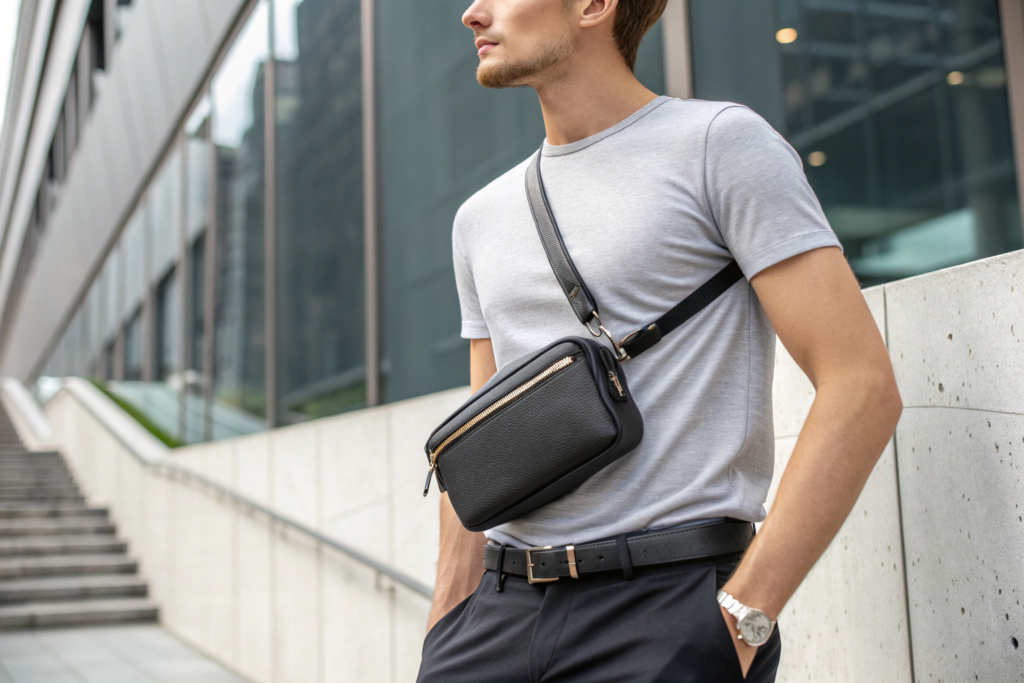
Gen Z wants bags that are "mini but mighty." The micro bag trend is not fading. They want a bag just large enough for a phone, a card case, and lip balm. They do not carry cash or checkbooks. They do not need interior organization. They need lightweight, hands-free carry solutions. Belt bags worn across the chest are the dominant silhouette. Shoulder bags are returning, but the strap must be short. Crossbody is preferred over hand carry.
We entered the bag category reluctantly five years ago. Now it represents 18 percent of our annual revenue. The specific styles Gen Z demands are very different from traditional bag construction. First, nylon belt bags. They want recycled nylon. They want multiple colorways. They want the logo to be subtle or absent. They wear the bag across the chest, not around the waist. Second, mesh tote bags. These are the $5.00 drawstring bags made from recycled polyester. Gen Z uses them for groceries, for gym, for beach, and as a "visible storage" solution. They want them printed with ironic slogans or band logos. Third, fabric shoulder bags in the "sloppy chic" aesthetic. Unstructured. Soft. Almost wrinkled. We produce these in deadstock velvet and organic canvas. They look vintage. They feel cozy. They cost us very little to make. The margin is excellent.
Why Does Gen Z Prefer Nylon Over Leather?
Leather has an image problem with Gen Z. It is associated with luxury conglomerates, animal slaughter, and high prices. Nylon is democratic. It is affordable. It is often recycled. It is lightweight. It is packable. A leather belt bag feels heavy and formal. A nylon belt bag feels like "active lifestyle." We source our nylon from GRS-certified suppliers who use post-industrial waste. We line the bags with our signature bamboo jersey. This adds a soft, unexpected touch against the body. The interior feels luxurious even though the exterior is utilitarian. This contrast appeals to the Gen Z value system.
Are Fanny Packs Actually Back?
Yes, but do not call them fanny packs. Call them belt bags or waist bags. The term "fanny pack" is considered dated. The product, however, is booming. We manufacture a best-selling style with an adjustable webbing strap and a curved zippered compartment. It retails for $28. It costs us $9.50 delivered. The profit split is fair for everyone in the chain. The key feature is the strap length. It must be long enough to wear crossbody. If the strap only fits around the waist, Gen Z will not buy it. We have learned this the hard way through return data.
How Does Gen Z Discover And Evaluate Accessory Brands?
Ron asked me, "How do I reach these kids? I do not have a TikTok. I do not understand TikTok. My Instagram is just photos of my dog." I told him, "You do not need a TikTok account. Your customer needs a TikTok video. Those are two different things."
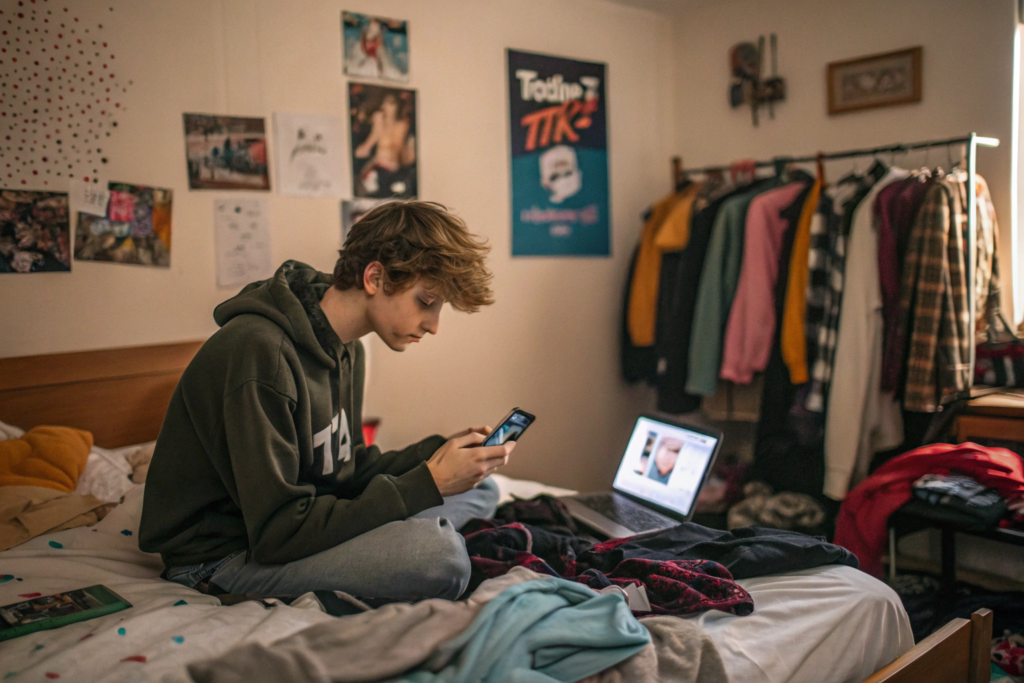
Gen Z discovers accessories primarily through TikTok and Instagram Reels, not through Google searches or brand websites. They evaluate products based on "hauls" from creators they trust. They value authenticity over production value. A video shot on an iPhone in a messy bedroom outperforms a professionally produced commercial. They also rely heavily on peer reviews in private Discord servers and WhatsApp groups. Brand reputation is community-driven, not marketing-driven.
We changed our B2B marketing because of this. We do not just send our wholesale clients a catalog PDF. We send them video assets. We film 15-second clips of our products being worn, styled, and touched. We provide these clips royalty-free. Our clients post them to their TikTok and Instagram. The algorithm rewards the content. We also create micro-influencer seeding programs on behalf of our clients. We ship 50 units to 50 relevant creators. The creators post organically. Our client gets user-generated content. We get reorders. This is not complicated. It just requires understanding that Gen Z does not trust brands. They trust people. We help our clients become people, not brands. This is why Shanghai Fumao Clothing has successfully launched three direct-to-consumer accessory brands for our European partners. We understand the content engine.
What "Aesthetics" Are Driving Accessory Sales?
Gen Z does not follow one trend. They follow dozens of micro-aesthetics simultaneously. Currently, we are tracking "mob wife" (gold jewelry, leopard print, faux fur), "balletcore" (ribbons, satin, pastel pinks), "indie sleaze" (messy textures, flash photography, vintage band tees), and "coastal grandmother" (straw bags, linen scarves, tortoiseshell). These aesthetics contradict each other. Gen Z does not care. They pick elements from each and assemble their personal style. As a manufacturer, we must offer variety. We cannot bet everything on one trend. We maintain a flexible production system. We can produce 500 units of a "mob wife" leopard print claw clip and 500 units of a "balletcore" satin scrunchie in the same week. Our quick-response manufacturing allows our clients to test trends with minimal risk.
Do Unboxing Videos Influence Purchasing?
Absolutely. The unboxing experience is critical for Gen Z. They film themselves opening packages. They rate the packaging quality. They comment on tissue paper, stickers, and handwritten notes. We offer Instagrammable packaging as a standard option. This includes custom-printed tissue, a branded sticker sheet, and a "care card" with styling tips. The cost is approximately $0.35 per order. The earned media value is incalculable. One unboxing video with 50,000 views is worth more than a paid advertisement. We have seen this repeatedly. We encourage all our clients to invest in unboxing experiences.
Conclusion
I started this journey thinking I knew accessories. I spent twenty years perfecting stitches, sourcing materials, and optimizing production lines. I thought quality was defined by durability and construction. My daughter taught me that quality is also defined by relevance, aesthetics, and emotional resonance.
Gen Z does not care how many stitches per inch your headband has. They care if the color matches their "aesthetic." They care if the clip will photograph well in natural light. They care if the brand story aligns with their values. These are not irrational demands. They are just different demands.
We have adapted. We have hired designers under the age of 25. We have subscribed to TikTok trend reports. We have invested in sustainable materials not because regulations require it, but because Gen Z requires it. We have transformed from a factory that waits for orders into a factory that predicts trends.
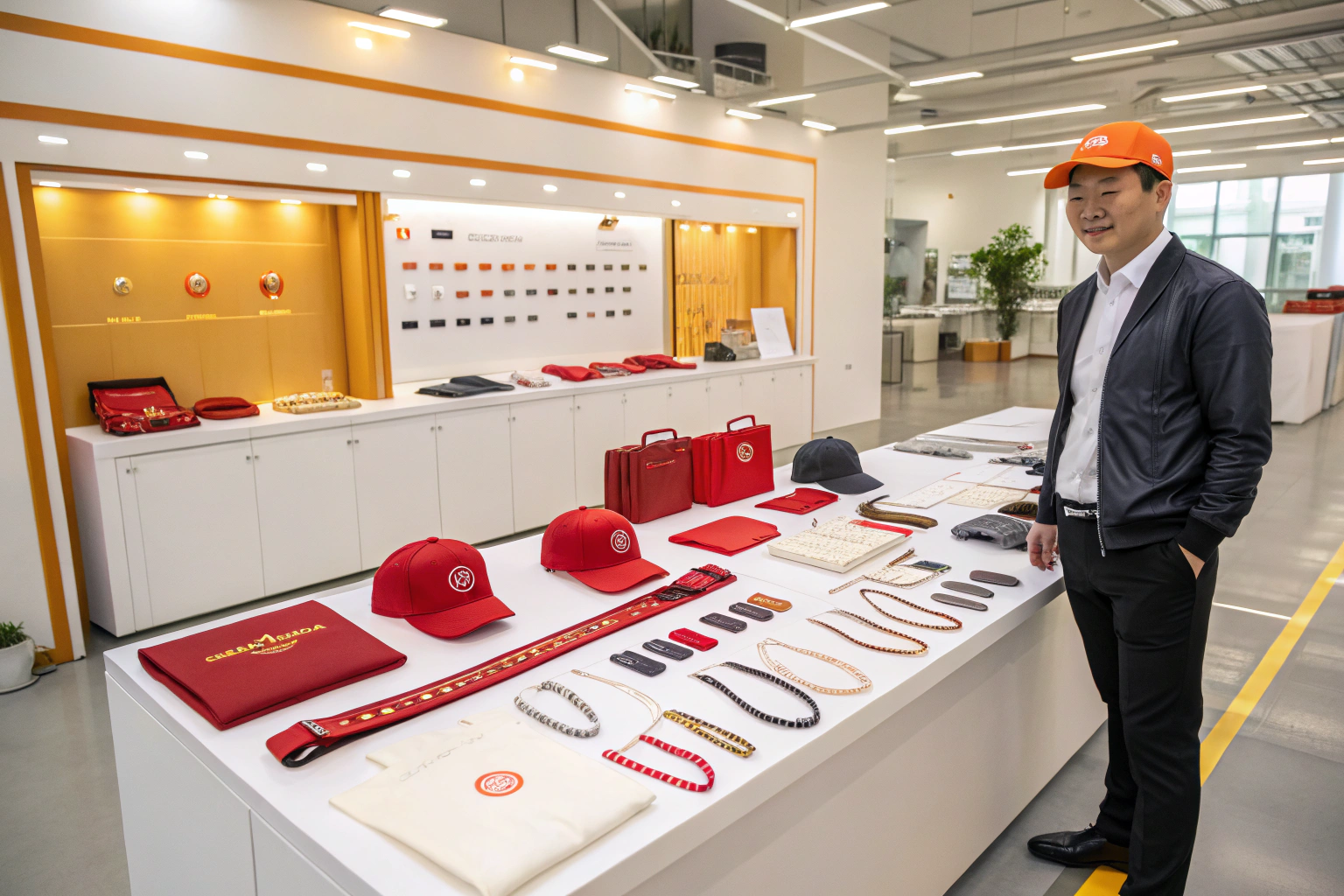
This is the evolution Shanghai Fumao Clothing has undergone. We are not just manufacturers. We are translators. We translate Gen Z culture into production-ready accessories. We help you speak their language without sounding like a confused parent trying to be cool.
If you are struggling to understand what your youngest customers actually want, you do not need a market research report. You need a production partner who is already living in their world. Contact Elaine. She will connect you with our Gen Z-focused design team. They will show you what we are making right now, not what we made last season. Email Elaine directly at: elaine@fumaoclothing.com.